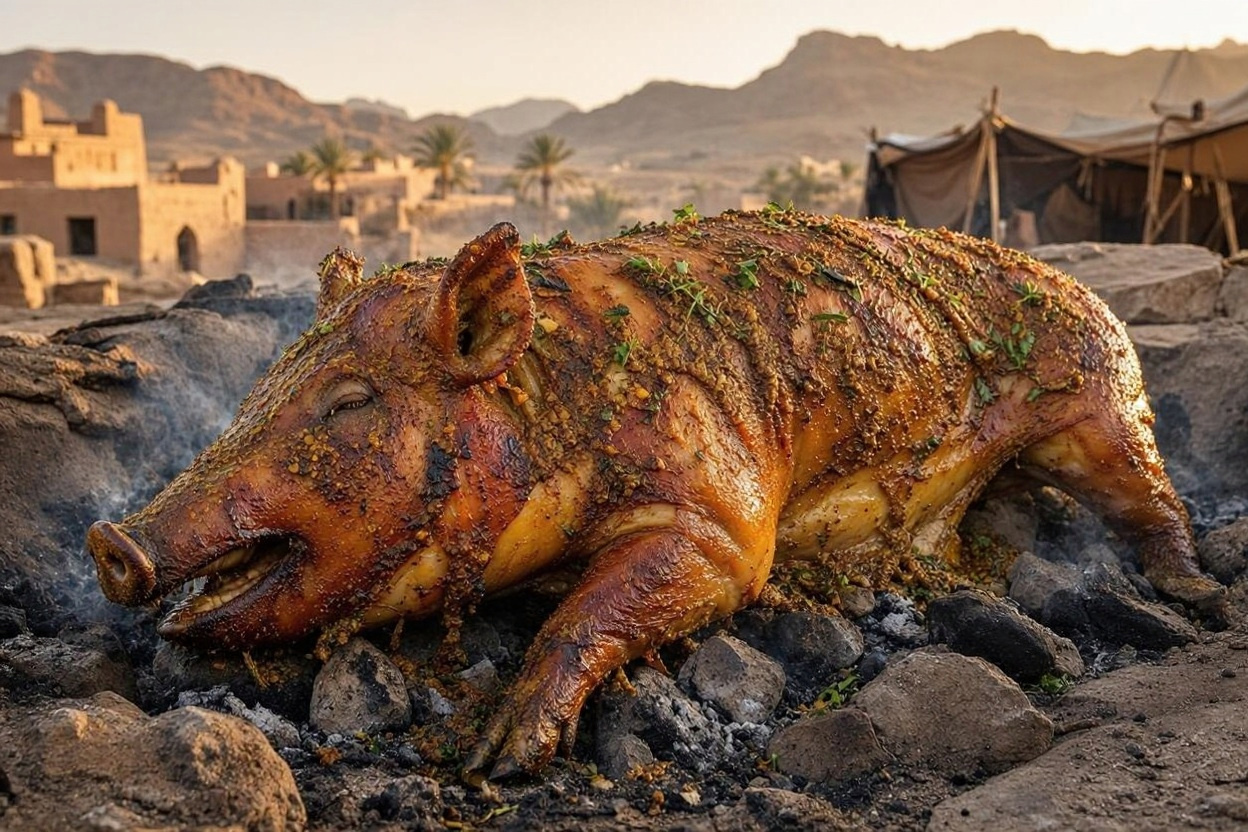
There is something unforgettable about cooking a whole pig underground using traditional primitive cooking techniques. Long before modern ovens and backyard smokers, people used heated stones, hardwood fires, natural leaves, and underground earth ovens to prepare large meals for families and celebrations. From Hawaiian kalua pig and Caribbean jerk pork to Cuban mojo and smoky Southern-style roasts, underground pig roasting offers an incredible variety of flavors. Whether you’re planning a traditional luau, an outdoor gathering, a wilderness cooking adventure, or simply exploring old-fashioned cooking methods, these 25 underground pig roast recipes will inspire your next outdoor feast.
Read More How to Build an Underground Roasting Pit
Tools Needed for an Underground Pig Roast
- Digging Tools: Shovel, spade, pickaxe, measuring tape, and wheelbarrow.
- Fire-Building Tools: Splitting axe, hardwood, fire tongs, and fire poker.
- Food Preparation: Butcher knives, large cutting board, seasoning bowls, and food-safe wrapping.
- Roasting Equipment: Heavy-duty roasting rack, food-safe supports, and meat lifting tools.
- Temperature Tools: Digital meat thermometer and infrared thermometer.
- Safety Equipment: Heat-resistant gloves, safety glasses, fire extinguisher, and first-aid kit.
Traditional Underground Pig Roasts
Traditional Hawaiian Kalua Pig

Traditional Hawaiian Kalua Pig is a slow-roasted pork dish prepared in an underground oven known as an imu. The pig is traditionally seasoned with Hawaiian sea salt and wrapped in banana or ti leaves before being placed over heated stones. Slow cooking produces tender, smoky meat that easily pulls apart. This traditional island feast is often served with rice, cabbage, and other Hawaiian favorites.
Ingredients: 1 whole 80–100 lb dressed pig, 1 cup Hawaiian red or coarse sea salt, 12–15 banana leaves, 8–10 ti leaves, 2 cups water, and 3–4 hardwood logs for the cooking fire.
How to Make: Rub the pig inside and out with sea salt, wrap with banana and ti leaves, secure with food-safe ties, and slow-roast in a properly prepared underground oven until the thickest portions reach a safe temperature.
Tips: Use fresh banana leaves for traditional flavor, keep the wrapping secure, and monitor cooking temperatures with a reliable meat thermometer.
Carolina-Style Underground Pig Roast
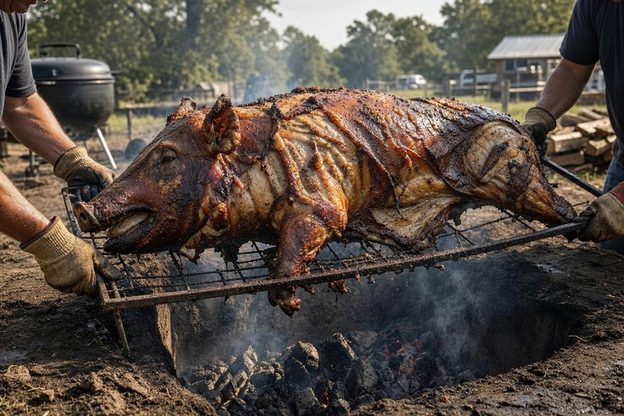
Carolina-Style Underground Pig Roast brings traditional Southern barbecue flavors to primitive pit cooking. A whole hog is seasoned with salt, black pepper, garlic, and regional spices before being slowly cooked in an underground pit. The long cooking process produces tender, juicy pork with a rich smoky flavor. Serve it shredded with tangy Carolina vinegar barbecue sauce, coleslaw, and cornbread.
Ingredients: 1 whole 80–100 lb dressed pig, ½ cup kosher salt, ¼ cup coarse black pepper, ¼ cup paprika, 3 tablespoons garlic powder, 2 tablespoons onion powder, 2 tablespoons brown sugar, 1 teaspoon cayenne pepper, 2 cups apple cider vinegar, ¼ cup brown sugar, 1 tablespoon red pepper flakes, and 1 tablespoon Worcestershire sauce.
How to Make: Combine the dry seasonings and rub over the pig, prepare the vinegar sauce separately, wrap the pig securely, and slow-roast in a prepared underground pit until safely cooked and tender.
Tips: Serve the vinegar sauce on the side so guests can control how much barbecue flavor they want.
Southern Garlic and Herb Pit-Roasted Pig

Southern Garlic and Herb Pit-Roasted Pig combines traditional Southern seasonings with the rustic technique of underground cooking. The pork is rubbed with garlic, rosemary, thyme, black pepper, salt, and aromatic herbs before being wrapped and placed in a prepared pit. Slow roasting allows the seasonings to penetrate the meat while creating tender, flavorful pork. This hearty roast is perfect for outdoor gatherings and traditional country celebrations.
Ingredients: 1 whole 80–100 lb dressed pig, 2 cups peeled garlic cloves, 1 cup olive oil, ½ cup fresh rosemary leaves, ½ cup fresh thyme leaves, ½ cup kosher salt, ¼ cup black pepper, ¼ cup paprika, 3 tablespoons onion powder, and 2 tablespoons dried oregano.
How to Make: Crush the garlic and combine with olive oil, chopped herbs, salt, pepper, paprika, onion powder, and oregano. Rub the mixture over the pig, refrigerate overnight, wrap securely, and slow-roast in a prepared underground pit until safely cooked.
Tips: Make small incisions in thicker portions of meat to help distribute the garlic and herb seasoning.
Puerto Rican Lechón Asado

Puerto Rican Lechón Asado is a traditional whole-roasted pork dish famous for its flavorful seasoning and crispy skin. The pig is traditionally marinated with garlic, oregano, salt, black pepper, and citrus before being slowly roasted. The result is succulent pork with a savory, citrus-infused flavor and beautifully browned skin. Serve with arroz con gandules, tostones, or traditional Puerto Rican sides.
Ingredients: 1 whole 80–100 lb dressed pig, 3 cups fresh sour orange juice, 2 cups peeled garlic cloves, ½ cup dried oregano, ¼ cup ground black pepper, ½ cup kosher salt, 1 cup olive oil, 2 tablespoons ground cumin, and ½ cup fresh lime juice.
How to Make: Blend the sour orange juice, garlic, oregano, pepper, salt, olive oil, cumin, and lime juice into a marinade. Rub thoroughly over the pig, refrigerate overnight, and roast slowly until fully cooked and tender.
Tips: If sour oranges are unavailable, combine orange juice and lime juice to approximate their traditional flavor.
Cuban Mojo Underground Roast Pig

Cuban Mojo Underground Roast Pig features bold island flavors created with sour orange, fresh garlic, oregano, cumin, and olive oil. The pork is marinated in traditional Cuban mojo seasoning before being wrapped and slowly cooked in an underground roasting pit. The extended cooking time helps create tender, juicy meat infused with citrus and garlic. Serve with Cuban black beans, rice, fried plantains, and fresh lime.
Ingredients: 1 whole 80–100 lb dressed pig, 3 cups sour orange juice, 2 cups peeled garlic cloves, ½ cup olive oil, ¼ cup dried oregano, 3 tablespoons ground cumin, ¼ cup kosher salt, 3 tablespoons black pepper, 2 tablespoons orange zest, and ½ cup fresh lime juice.
How to Make: Blend the sour orange juice, garlic, olive oil, oregano, cumin, salt, pepper, orange zest, and lime juice. Coat the pig thoroughly, refrigerate overnight, wrap securely, and slow-roast in a prepared underground oven until safely cooked and tender.
Tips: Reserve a separate portion of fresh mojo marinade for serving, and never reuse marinade that has contacted raw pork unless it is thoroughly boiled.
Tropical and Island-Style Pig Roasts
Polynesian Luau Pig
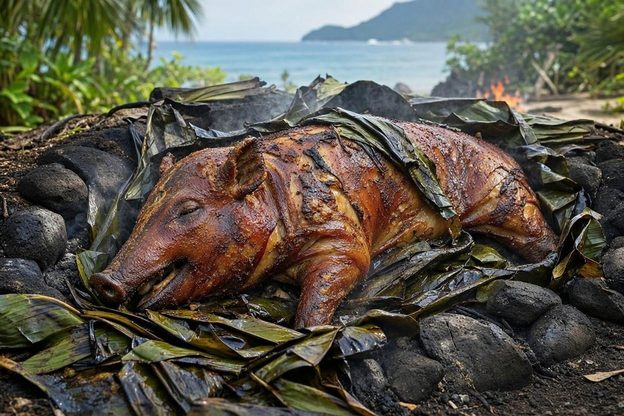
Polynesian Luau Pig is a traditional island-style roast inspired by the communal feasts of the Pacific Islands. The pork is seasoned with sea salt, garlic, and aromatic ingredients before being wrapped in banana or ti leaves and slowly roasted. The cooking method produces tender, juicy meat with a subtle earthy flavor from the leaves and smoky cooking process. Serve this tropical feast with coconut rice, grilled pineapple, taro, and island-style vegetables.
Ingredients: 1 whole 80–100 lb dressed pig, 1 cup Hawaiian sea salt, 2 cups peeled garlic cloves, ½ cup fresh ginger, 2 cups coconut milk, 12–15 banana leaves, 8–10 ti leaves, and 2 tablespoons black pepper.
How to Make: Blend the garlic, ginger, coconut milk, salt, and pepper into a seasoning mixture. Rub over the pig, wrap securely in banana and ti leaves, and slow-roast in a properly prepared underground oven until safely cooked and tender.
Tips: Use fresh banana leaves for traditional island flavor and serve with grilled pineapple and coconut rice.
Caribbean Jerk Pit-Roasted Pig

Caribbean Jerk Pit-Roasted Pig combines the bold, spicy flavors of Jamaican jerk seasoning with traditional underground roasting. The pork is marinated with Scotch bonnet peppers, allspice, thyme, garlic, ginger, and green onions to create a distinctive Caribbean flavor. Slow cooking allows the spicy marinade to penetrate the meat while producing tender, juicy pork. Serve with rice and peas, fried plantains, and Caribbean cabbage slaw.
Ingredients: 1 whole 80–100 lb dressed pig, 12 Scotch bonnet peppers, 2 cups chopped green onions, 2 cups peeled garlic cloves, ½ cup fresh grated ginger, ½ cup ground allspice, ¼ cup dried thyme, ½ cup brown sugar, 1 cup soy sauce, 1 cup lime juice, ½ cup olive oil, ¼ cup black pepper, and ¼ cup kosher salt.
How to Make: Blend the Scotch bonnet peppers, green onions, garlic, ginger, allspice, thyme, brown sugar, soy sauce, lime juice, oil, and seasonings into a jerk marinade. Coat the pig thoroughly, refrigerate overnight, wrap securely, and slow-roast in a prepared underground pit until safely cooked.
Tips: Wear gloves when handling Scotch bonnet peppers and adjust the pepper quantity to control the heat.
Pineapple and Brown Sugar Pig Roast

Pineapple and Brown Sugar Pig Roast brings sweet tropical flavors to a traditional underground pork roast. The pork is seasoned with brown sugar, pineapple juice, garlic, ginger, and warm spices to create a sweet and savory island-inspired flavor. As the pork slowly cooks, the marinade helps develop a rich, caramel-like coating and juicy interior. Serve with grilled pineapple rings, coconut rice, and roasted sweet potatoes.
Ingredients: 1 whole 80–100 lb dressed pig, 4 cups pineapple juice, 2 cups packed brown sugar, 1 cup soy sauce, 2 cups peeled garlic cloves, ½ cup fresh grated ginger, ¼ cup ground cinnamon, 3 tablespoons ground cloves, ½ cup kosher salt, and ¼ cup black pepper.
How to Make: Whisk together pineapple juice, brown sugar, soy sauce, garlic, ginger, cinnamon, cloves, salt, and pepper. Rub the mixture over the pig, refrigerate overnight, wrap securely, and slow-roast in a prepared underground pit until safely cooked and tender.
Tips: Reserve some fresh marinade before it touches raw pork to make a serving glaze. Brush it onto cooked portions for extra pineapple flavor.
Coconut and Lime Pig Roast

Coconut and Lime Pig Roast features refreshing tropical flavors inspired by Caribbean and Pacific island cooking. The pork is marinated in coconut milk, fresh lime juice, garlic, ginger, and cilantro to create a bright and aromatic seasoning. Slow underground roasting helps keep the meat moist while allowing the citrus and coconut flavors to develop throughout the roast. Serve with coconut rice, grilled vegetables, fresh mango salsa, and lime wedges.
Ingredients: 1 whole 80–100 lb dressed pig, 4 cups unsweetened coconut milk, 2 cups fresh lime juice, 2 cups peeled garlic cloves, ½ cup fresh grated ginger, 2 cups chopped fresh cilantro, ½ cup olive oil, ½ cup kosher salt, ¼ cup black pepper, and 2 tablespoons ground cumin.
How to Make: Combine coconut milk, lime juice, garlic, ginger, cilantro, olive oil, salt, pepper, and cumin. Rub the mixture over the pig, refrigerate overnight, wrap securely, and slow-roast in a prepared underground pit until safely cooked and tender.
Tips: Add fresh lime zest to the marinade for a stronger citrus aroma and serve with additional lime wedges.
Mango Habanero Pig Roast

Mango Habanero Pig Roast combines sweet tropical mango with the fiery heat of habanero peppers. The pork is seasoned with fresh mango puree, habanero peppers, garlic, lime juice, honey, and ginger to create a sweet, spicy, and tangy marinade. Slow roasting allows the tropical flavors to infuse the meat while producing tender, juicy pork. Serve with mango salsa, grilled corn, coconut rice, and fresh pineapple.
Ingredients: 1 whole 80–100 lb dressed pig, 4 cups mango puree, 6 habanero peppers, 2 cups peeled garlic cloves, 1 cup fresh lime juice, 1 cup honey, ½ cup fresh grated ginger, 1 cup olive oil, ½ cup kosher salt, ¼ cup black pepper, and 2 tablespoons ground cumin.
How to Make: Blend mango puree, habaneros, garlic, lime juice, honey, ginger, olive oil, salt, pepper, and cumin. Coat the pig thoroughly, refrigerate overnight, wrap securely, and slow-roast in a prepared underground pit until safely cooked and tender.
Tips: Remove the habanero seeds for a milder flavor, wear gloves when handling peppers, and reserve fresh mango glaze for serving.
Smoky and Savory Pig Roasts
Hickory-Smoked Pit Pig

Hickory-Smoked Pit Pig combines traditional underground roasting with the rich, distinctive flavor of hickory wood. The whole pig is seasoned with garlic, black pepper, brown sugar, paprika, and kosher salt to create a savory barbecue-style crust. Slow roasting allows the smoky wood aroma to complement the natural flavor of the pork while producing tender, juicy meat. Serve with Southern coleslaw, baked beans, cornbread, and homemade barbecue sauce.
Ingredients: 1 whole 80–100 lb dressed pig, 1 cup kosher salt, ½ cup coarse black pepper, ½ cup paprika, 1 cup brown sugar, ½ cup garlic powder, ¼ cup onion powder, 2 tablespoons cayenne pepper, and 8–10 pounds hickory wood.
How to Make: Combine the salt, pepper, paprika, brown sugar, garlic powder, onion powder, and cayenne. Rub the seasoning mixture over the pig, refrigerate overnight, and slow-roast using a properly prepared pit with hickory wood smoke until safely cooked and tender.
Tips: Use seasoned hickory hardwood rather than treated lumber, and avoid excessive smoke that can create a bitter flavor.
Mesquite Garlic Pig Roast

Mesquite Garlic Pig Roast features bold Southwestern flavors with the earthy aroma of mesquite wood. The pork is coated with fresh garlic, cumin, chili powder, oregano, and olive oil to create a savory seasoning blend. Slow pit roasting allows the garlic and spices to develop deep flavor while the mesquite adds a distinctive smoky finish. Serve with grilled peppers, Mexican rice, black beans, and fresh salsa.
Ingredients: 1 whole 80–100 lb dressed pig, 2 cups peeled garlic cloves, 1 cup olive oil, ½ cup ground cumin, ½ cup chili powder, ¼ cup dried oregano, ½ cup kosher salt, ¼ cup black pepper, 2 tablespoons smoked paprika, and 8–10 pounds seasoned mesquite hardwood.
How to Make: Crush the garlic and combine with olive oil, cumin, chili powder, oregano, salt, pepper, and smoked paprika. Rub thoroughly over the pig, refrigerate overnight, and slow-roast in a prepared pit using mesquite wood until safely cooked and tender.
Tips: Mesquite has a strong smoky flavor, so use it moderately and avoid green or freshly cut wood.
Smoky Paprika Pig Roast

Smoky Paprika Pig Roast is a flavorful outdoor feast featuring sweet, smoky, and savory seasonings. The whole pig is coated with smoked paprika, garlic, onion powder, brown sugar, black pepper, and mustard to create a rich barbecue-inspired rub. Underground roasting allows the seasoning to develop a deep flavor while keeping the pork juicy and tender. Serve with roasted potatoes, grilled corn, Southern beans, and creamy coleslaw.
Ingredients: 1 whole 80–100 lb dressed pig, 1 cup smoked paprika, 1 cup brown sugar, ½ cup kosher salt, ¼ cup coarse black pepper, ½ cup garlic powder, ¼ cup onion powder, ½ cup dry mustard powder, 2 tablespoons cayenne pepper, and 1 cup yellow mustard.
How to Make: Combine the dry seasonings in a bowl. Spread yellow mustard over the pig as a binder, apply the paprika rub generously, refrigerate overnight, and slow-roast in a prepared underground pit until safely cooked and tender.
Tips: Use a combination of sweet and hot smoked paprika to create a more complex flavor.
Peppercorn and Rosemary Pig Roast

Peppercorn and Rosemary Pig Roast brings together fragrant herbs and bold cracked pepper for a traditional savory pork feast. The whole pig is seasoned with fresh rosemary, garlic, crushed black peppercorns, olive oil, lemon zest, and kosher salt. Slow roasting allows the aromatic herbs and garlic to flavor the meat while creating a delicious rustic roast. Serve with roasted garlic potatoes, grilled asparagus, crusty bread, and lemon-herb sauce.
Ingredients: 1 whole 80–100 lb dressed pig, 1 cup whole black peppercorns, 1 cup fresh rosemary leaves, 2 cups peeled garlic cloves, 1½ cups olive oil, ½ cup kosher salt, ¼ cup lemon zest, ¼ cup dried thyme, and 2 tablespoons ground mustard.
How to Make: Coarsely crush the peppercorns and combine with chopped rosemary, minced garlic, olive oil, salt, lemon zest, thyme, and mustard. Rub the seasoning mixture over the pig, refrigerate overnight, wrap securely, and slow-roast in a prepared underground pit until safely cooked and tender.
Tips: Crush peppercorns shortly before preparing the rub to preserve their aroma, and reserve fresh rosemary for garnish.
Applewood and Sage Pig Roast

Applewood and Sage Pig Roast combines the mild sweetness of fruitwood smoke with the earthy aroma of fresh sage. The pork is seasoned with garlic, sage, thyme, brown sugar, black pepper, and kosher salt to create a comforting, traditional country flavor. Slow roasting allows the wood smoke and herbs to complement the natural richness of the pork. Serve with apple chutney, roasted sweet potatoes, cornbread dressing, and green beans.
Ingredients: 1 whole 80–100 lb dressed pig, 1 cup fresh chopped sage, ½ cup dried thyme, 2 cups peeled garlic cloves, 1 cup brown sugar, ½ cup kosher salt, ¼ cup black pepper, 1 cup olive oil, 2 cups unsweetened apple cider, and 8–10 pounds seasoned applewood.
How to Make: Combine chopped sage, thyme, garlic, brown sugar, salt, pepper, olive oil, and apple cider. Rub the mixture over the pig, refrigerate overnight, wrap securely, and slow-roast in a prepared pit using applewood smoke until safely cooked and tender.
Tips: Choose seasoned applewood for a mild, fruity smoke and serve with homemade apple chutney for an extra layer of flavor.
Sweet and Fruity Pig Roasts
Apple Cider Pig Roast

Apple Cider Pig Roast combines the sweet, tangy flavor of apple cider with traditional country-style pork seasoning. The pig is coated with a mixture of apple cider, brown sugar, garlic, cinnamon, thyme, and black pepper to create a sweet and savory flavor. Slow roasting allows the apple cider and spices to complement the natural richness of the pork while producing tender, juicy meat. Serve with roasted apples, sweet potatoes, cornbread dressing, and homemade apple chutney.
Ingredients: 1 whole 80–100 lb dressed pig, 4 cups apple cider, 2 cups brown sugar, 2 cups peeled garlic cloves, ½ cup kosher salt, ¼ cup black pepper, 2 tablespoons ground cinnamon, ¼ cup dried thyme, ½ cup Dijon mustard, and 1 cup olive oil.
How to Make: Combine apple cider, brown sugar, minced garlic, salt, pepper, cinnamon, thyme, mustard, and olive oil. Rub the mixture over the pig, refrigerate overnight, wrap securely, and slow-roast in a prepared underground pit until safely cooked and tender.
Tips: Reserve a portion of the apple cider mixture before it touches raw pork to make a glaze for serving. Add sliced apples to the serving platter for a rustic presentation.
Honey Garlic Pig Roast

Honey Garlic Pig Roast features a delicious combination of natural honey sweetness and savory roasted garlic. The pork is seasoned with honey, fresh garlic, soy sauce, ginger, black pepper, and a touch of mustard to create a rich, sticky glaze. Slow roasting allows the sweet and savory flavors to develop while keeping the meat juicy and tender. Serve with roasted carrots, garlic mashed potatoes, grilled corn, and honey butter cornbread.
Ingredients: 1 whole 80–100 lb dressed pig, 2 cups honey, 2 cups peeled garlic cloves, 1 cup soy sauce, ½ cup olive oil, ½ cup Dijon mustard, ½ cup fresh grated ginger, ½ cup kosher salt, ¼ cup black pepper, and 2 tablespoons red pepper flakes.
How to Make: Combine honey, minced garlic, soy sauce, olive oil, mustard, ginger, salt, pepper, and red pepper flakes. Rub the seasoning mixture over the pig, refrigerate overnight, wrap securely, and slow-roast in a prepared underground pit until safely cooked and tender.
Tips: Honey can burn when exposed to high heat, so use reserved fresh glaze near the end of cooking or brush onto cooked portions before serving.
Cranberry Orange Pig Roast

Cranberry Orange Pig Roast brings festive holiday flavors to a traditional underground pork roast. The pork is seasoned with cranberry sauce, fresh orange juice, garlic, brown sugar, rosemary, and warm spices to create a sweet and tangy coating. Slow roasting allows the fruit flavors and aromatic seasonings to complement the savory pork. Serve with orange cranberry relish, roasted sweet potatoes, wild rice, and seasonal vegetables.
Ingredients: 1 whole 80–100 lb dressed pig, 4 cups whole cranberry sauce, 3 cups fresh orange juice, 1 cup orange zest, 2 cups peeled garlic cloves, 2 cups brown sugar, ½ cup kosher salt, ¼ cup black pepper, ¼ cup fresh chopped rosemary, and 2 tablespoons ground cinnamon.
How to Make: Combine cranberry sauce, orange juice, orange zest, brown sugar, minced garlic, salt, pepper, rosemary, and cinnamon. Rub the mixture over the pig, refrigerate overnight, wrap securely, and slow-roast in a prepared underground pit until safely cooked and tender.
Tips: Reserve fresh cranberry-orange glaze for serving and garnish the finished roast with fresh orange slices and whole cranberries.
Peach Glazed Pig Roast

Peach Glazed Pig Roast combines the sweet flavor of ripe peaches with savory Southern barbecue seasonings. The pork is coated with peach preserves, brown sugar, garlic, apple cider vinegar, smoked paprika, and Dijon mustard to create a fruity glaze with a subtle smoky kick. Slow roasting allows the peach flavors to complement the pork while creating a delicious sweet-and-savory finish. Serve with grilled peach halves, baked beans, Southern coleslaw, and cornbread.
Ingredients: 1 whole 80–100 lb dressed pig, 4 cups peach preserves, 2 cups peach nectar, 1 cup brown sugar, 2 cups peeled garlic cloves, ½ cup apple cider vinegar, ½ cup Dijon mustard, ¼ cup smoked paprika, ½ cup kosher salt, and ¼ cup black pepper.
How to Make: Combine peach preserves, peach nectar, brown sugar, minced garlic, apple cider vinegar, mustard, paprika, salt, and pepper. Rub the mixture over the pig, refrigerate overnight, wrap securely, and slow-roast in a prepared underground pit until safely cooked and tender.
Tips: Reserve some peach glaze before marinating and brush it over cooked pork during the final serving preparation to preserve its fruity sweetness.
Maple Mustard Pig Roast

Maple Mustard Pig Roast combines the rich sweetness of pure maple syrup with the tangy flavor of Dijon mustard. The pork is seasoned with maple syrup, garlic, brown sugar, mustard, thyme, and black pepper to create a flavorful country-style coating. Slow roasting allows the sweet maple flavor to balance the savory herbs while producing tender, juicy meat. Serve with maple-roasted sweet potatoes, green beans, baked apples, and warm cornbread.
Ingredients: 1 whole 80–100 lb dressed pig, 2 cups pure maple syrup, 1½ cups Dijon mustard, 1 cup brown sugar, 2 cups peeled garlic cloves, 1 cup olive oil, ½ cup apple cider vinegar, ½ cup kosher salt, ¼ cup black pepper, and ¼ cup dried thyme.
How to Make: Whisk together maple syrup, Dijon mustard, brown sugar, minced garlic, olive oil, apple cider vinegar, salt, pepper, and thyme. Rub the mixture over the pig, refrigerate overnight, wrap securely, and slow-roast in a prepared underground pit until safely cooked and tender.
Tips: Use real maple syrup rather than pancake syrup for a deeper flavor. Reserve fresh maple-mustard glaze for serving.
Cooking safety: These quantities are scaled for a large whole hog and are recipe concepts rather than tested cooking times. Refrigerate during marinating, use food-safe wrapping, and monitor multiple thick portions with calibrated thermometers. Do not rely on cooking time or appearance alone to determine doneness.
Important cooking safety: These are large whole-hog recipes, so cooking time varies considerably with the pig’s size, pit temperature, and equipment. Use a calibrated thermometer in multiple thick portions. Whole pork cuts must reach at least 145°F with a three-minute rest; for pulled, shreddable pork, cook further until tender. A traditional underground pit needs careful temperature control to ensure the entire pig cooks evenly.
International Pig Roasts
Mexican Cochinita Pibil
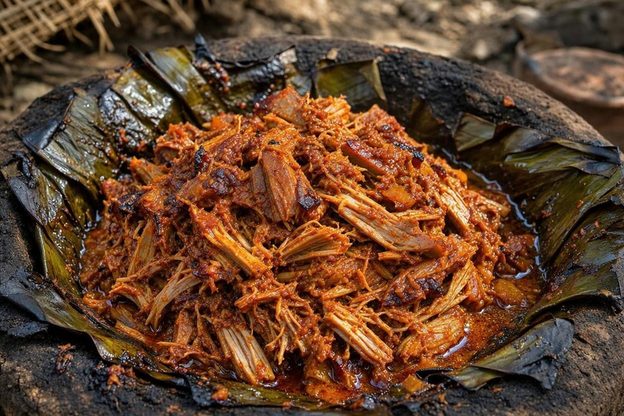
Mexican Cochinita Pibil is a traditional Yucatán-style slow-roasted pork dish known for its vibrant color and rich citrus flavor. The pork is marinated in achiote paste, sour orange juice, garlic, cumin, and oregano before being wrapped in banana leaves for slow cooking. Traditionally prepared in an underground oven called a píib, the meat becomes incredibly tender and absorbs the earthy, tangy marinade. Serve with pickled red onions, warm corn tortillas, black beans, and fresh habanero salsa.
Ingredients: 1 whole 80–100 lb dressed pig, 2 cups achiote paste, 4 cups sour orange juice, 2 cups peeled garlic cloves, ½ cup ground cumin, ¼ cup dried Mexican oregano, ½ cup kosher salt, ¼ cup black pepper, 2 cups white vinegar, 12–15 banana leaves, and 2 tablespoons ground cinnamon.
How to Make: Blend the achiote paste, sour orange juice, garlic, cumin, oregano, salt, pepper, vinegar, and cinnamon into a marinade. Coat the pig thoroughly, refrigerate overnight, wrap in banana leaves, and slow-roast in a properly prepared underground oven until safely cooked and tender.
Tips: Serve with pickled red onions and fresh habanero salsa. For a traditional flavor, use sour orange juice rather than regular orange juice.
Filipino Lechon-Inspired Pig Roast

Filipino Lechon-Inspired Pig Roast celebrates the bold flavors of traditional Filipino whole-roasted pork. The pig is seasoned with garlic, lemongrass, bay leaves, black pepper, salt, and green onions to create a fragrant herb-filled roast. Traditional Filipino lechon is commonly roasted over an open fire, producing crisp skin and juicy meat. This underground-roasted variation brings those classic island flavors to primitive pit cooking. Serve with garlic rice, atchara pickled papaya, and homemade lechon sauce.
Ingredients: 1 whole 80–100 lb dressed pig, 2 cups peeled garlic cloves, 8 stalks lemongrass, 4 cups chopped green onions, 12 bay leaves, ½ cup whole black peppercorns, ½ cup kosher salt, 2 cups coconut vinegar, 1 cup soy sauce, and 2 cups chopped fresh ginger.
How to Make: Combine the garlic, lemongrass, green onions, bay leaves, peppercorns, salt, coconut vinegar, soy sauce, and ginger. Rub the mixture over the pig and place additional lemongrass and aromatics inside the cavity. Refrigerate overnight, wrap securely, and slow-roast in a prepared underground pit until safely cooked and tender.
Tips: Keep the lemongrass and bay leaves inside the cavity for aromatic flavor, and serve with a separate homemade lechon dipping sauce.
Greek Lemon Oregano Pig Roast

Greek Lemon Oregano Pig Roast features the bright Mediterranean flavors of fresh lemon, garlic, olive oil, and fragrant oregano. The pork is coated with a traditional Greek-inspired marinade that combines citrus juice, rosemary, thyme, and cracked black pepper. Slow roasting allows the herbs and lemon to infuse the meat while creating a savory, aromatic roast. Serve with Greek potatoes, tzatziki, village salad, warm pita bread, and grilled vegetables.
Ingredients: 1 whole 80–100 lb dressed pig, 3 cups fresh lemon juice, 2 cups olive oil, 2 cups peeled garlic cloves, ½ cup dried Greek oregano, ¼ cup fresh rosemary, ¼ cup dried thyme, ½ cup kosher salt, ¼ cup black pepper, and 2 tablespoons lemon zest.
How to Make: Whisk together lemon juice, olive oil, minced garlic, oregano, rosemary, thyme, salt, pepper, and lemon zest. Rub the mixture over the pig, refrigerate overnight, wrap securely, and slow-roast in a prepared underground pit until safely cooked and tender.
Tips: Use freshly squeezed lemons for the brightest flavor and serve with additional lemon wedges and fresh oregano.
Italian Porchetta-Inspired Pig Roast

Italian Porchetta-Inspired Pig Roast brings the traditional flavors of Italian herb-roasted pork to underground cooking. The seasoning combines fresh rosemary, fennel seeds, garlic, sage, black pepper, and lemon zest to create a fragrant Mediterranean-style crust. Traditionally, porchetta is prepared using a deboned and seasoned pork roast rolled into a compact shape, but this whole-pig variation borrows its signature herbs and spices. Serve with roasted potatoes, grilled vegetables, Italian bread, and sautéed greens.
Ingredients: 1 whole 80–100 lb dressed pig, 2 cups peeled garlic cloves, 1 cup fresh rosemary leaves, ½ cup fresh sage leaves, ½ cup fennel seeds, ½ cup coarse black pepper, ½ cup kosher salt, 1 cup olive oil, ¼ cup lemon zest, and 2 tablespoons red pepper flakes.
How to Make: Crush the fennel seeds and combine with chopped rosemary, sage, garlic, pepper, salt, olive oil, lemon zest, and red pepper flakes. Rub the herb mixture thoroughly over the pig, refrigerate overnight, wrap securely, and slow-roast in a prepared underground pit until safely cooked and tender.
Tips: Toast the fennel seeds lightly before crushing to release their aroma. Serve with fresh rosemary and lemon wedges.
Moroccan Spiced Pig Roast

Moroccan Spiced Pig Roast features warm North African-inspired flavors created with cumin, coriander, cinnamon, paprika, ginger, and garlic. The pork is coated with an aromatic spice mixture and olive oil to create a deeply seasoned roast with sweet and savory notes. Slow cooking allows the spices to develop their flavor while producing tender, juicy meat. Serve with couscous, roasted carrots, preserved lemon, dried apricots, and fresh mint.
Ingredients: 1 whole 80–100 lb dressed pig, ½ cup ground cumin, ½ cup ground coriander, ¼ cup ground cinnamon, ¼ cup ground ginger, ½ cup paprika, 2 cups peeled garlic cloves, 1 cup olive oil, ½ cup kosher salt, ¼ cup black pepper, 2 tablespoons turmeric, and 1 cup chopped fresh cilantro.
How to Make: Combine cumin, coriander, cinnamon, ginger, paprika, minced garlic, olive oil, salt, pepper, turmeric, and cilantro into a thick seasoning paste. Rub over the pig, refrigerate overnight, wrap securely, and slow-roast in a prepared underground pit until safely cooked and tender.
Tips: Add dried apricots and toasted almonds to the serving platter for a Moroccan-inspired presentation.
Safety Tips for Cooking a Whole Pig Underground
Cooking a whole pig in an underground pit can be a memorable traditional cooking experience, but it requires careful preparation. Fire safety, safe pit construction, and proper food temperatures are essential to prevent injuries and foodborne illness.
Fire and Heat Safety
- Check local fire regulations and burn bans before digging or lighting a fire.
- Build the pit well away from buildings, dry grass, trees, fences, and other flammable materials.
- Keep a garden hose, water supply, shovel, and fire extinguisher nearby.
- Never leave the fire unattended.
- Avoid cooking during high winds or extremely dry conditions.
- Never use gasoline, lighter fluid, or other dangerous accelerants to start the fire.
- Keep children and pets away from the fire and hot cooking area.
Underground Pit Safety
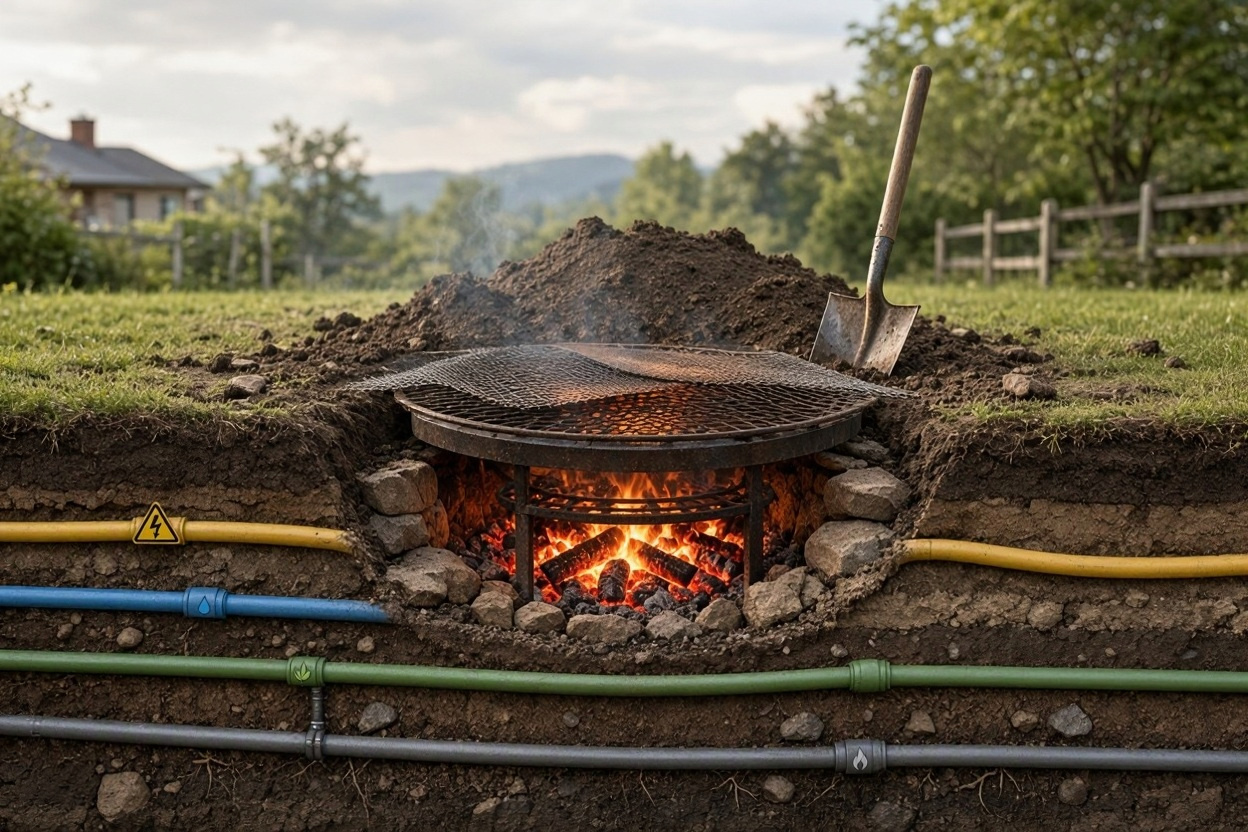
- Call 811 before digging in the United States to check for underground utility lines.
- Choose a location away from underground pipes, electrical lines, septic systems, and drainage areas.
- Never enter an unsupported pit or excavation.
- Do not use painted, treated, coated, or chemically contaminated materials inside the cooking area.
- Avoid river rocks, wet stones, and unknown rocks because they can crack or explode when heated.
- Use only stones and materials suitable for high-temperature cooking.
- Keep the surrounding area clear so people do not accidentally step into the pit.
Food Preparation Safety
- Purchase a properly inspected, dressed pig from a reputable butcher.
- Keep raw pork refrigerated at 40°F or below until preparation.
- Thaw frozen pork in the refrigerator, never outdoors or at room temperature.
- Wash hands, cutting boards, knives, and preparation surfaces after handling raw pork.
- Keep raw pork separate from cooked food and ready-to-eat ingredients.
- Use food-safe wrapping and materials that can withstand the cooking method.
- Never reuse a marinade that touched raw pork unless it has been brought to a full boil.
Cooking Temperature Safety
- Use calibrated food thermometers rather than estimating doneness by cooking time, color, or appearance.
- Check several thick areas, including the shoulder and ham, without touching bone.
- Whole cuts of pork must reach at least 145°F with a three-minute rest for the standard food-safety minimum.
- For tender, shreddable pulled pork, cooking temperatures are commonly around 195–205°F.
- A large whole pig can cook unevenly, so checking multiple locations is especially important.
- Do not serve meat that has not reached a safe temperature.
Serving and Storage Safety
- Use clean serving utensils and fresh platters for cooked pork.
- Never place cooked meat back on a tray that held raw pork.
- Keep hot food at 140°F or above.
- Refrigerate leftovers within two hours, or within one hour when outdoor temperatures are above 90°F.
- Divide large portions into shallow containers so they cool quickly.
- Keep refrigerated leftovers at 40°F or below.
Common Mistakes to Avoid
- Using unsuitable stones that may crack or explode.
- Allowing meat to touch contaminated soil or ashes.
- Guessing cooking times instead of checking internal temperatures.
- Starting with partially frozen pork.
- Leaving a fire unattended.
- Using unsafe materials to wrap or cover the pig.
- Allowing raw meat and cooked meat to come into contact.
Important: An underground pit can be difficult to temperature-control when cooking an entire hog. For a large pig, a purpose-built, temperature-controlled roasting system is a safer and more reliable option than an improvised backyard pit.
Conclusion
Underground pig roasting is more than just a way to prepare a meal; it is a traditional cooking experience that brings people together. The combination of hardwood heat, slow cooking, aromatic leaves, and flavorful seasonings creates an unforgettable centerpiece for outdoor gatherings. Whether you prefer traditional Hawaiian kalua pig, spicy Caribbean jerk, citrus-marinated Cuban pork, or sweet pineapple-glazed flavors, these 25 recipes offer plenty of inspiration. Experiment with different seasonings, explore traditional earth-oven techniques, and enjoy bringing primitive cooking traditions into your next outdoor adventure.
Frequently Asked Questions
1. What is underground pig roasting?
Underground pig roasting is a traditional cooking method in which a pig is slowly cooked in an earth oven using heated stones, wood embers, and protective wrapping materials.
2. How long does it take to roast a whole pig underground?
Cooking time depends on the pig’s weight, pit design, heat retention, and preparation method. Large whole pigs can require many hours. Follow a validated cooking procedure and verify doneness with a food thermometer rather than relying on time alone.
3. What is the best wood for an underground pig roast?
Hardwoods such as oak, hickory, and maple are commonly used for outdoor cooking fires. Avoid treated, painted, or chemically contaminated wood.
4. What leaves are used for underground pig roasting?
Banana leaves are popular in tropical cooking traditions. Other traditional methods use suitable plant leaves to wrap and protect food. Make sure any leaves used are correctly identified, clean, and safe for cooking.
5. What is Hawaiian kalua pig?
Hawaiian kalua pig is a traditional dish prepared in an underground oven called an imu. The pork is seasoned, wrapped, and slow-cooked until tender and flavorful.
6. Can you roast a pig underground without banana leaves?
Yes. Other food-safe wrapping methods can be used, depending on the cooking tradition and pit design. Banana leaves are not essential to every underground roasting method.
7. What temperature should underground roasted pork reach?
Whole cuts of pork should reach at least 145°F with a three-minute rest under USDA guidance. For tender, pulled pork, higher temperatures are typically needed. Check several thick areas of a whole pig to ensure even cooking.
8. What foods can you cook alongside an underground pig roast?
Potatoes, sweet potatoes, onions, corn, squash, and other suitable vegetables can be prepared in an earth oven using food-safe wrapping and appropriate cooking arrangements.
9. Is underground pig roasting good for large gatherings?
Yes. A whole-pig roast can serve as the centerpiece of a large outdoor gathering, family reunion, luau, homesteading event, or primitive cooking demonstration. Proper equipment, food handling, and advance preparation are essential.