Chile is one of the world’s premier destinations for serious whitewater kayaking, with powerful rivers flowing through the Andes and Patagonia. For experienced paddlers looking for Class V whitewater, Chile offers challenging rapids, remote wilderness, and some legendary multi-day river expeditions. The Futaleufú, Bío-Bío, Baker, and Laja are among the rivers associated with high-grade whitewater, although difficulty varies by section and water level.
Futaleufú / Patagonia Area
The Futaleufú and surrounding Patagonia region offer some of Chile’s most spectacular and demanding whitewater kayaking. Rivers here combine powerful rapids, steep canyon walls, cold water, and remote wilderness scenery. Snowmelt and glacial runoff can significantly affect river levels and difficulty throughout the season. Paddlers should research individual sections carefully, check current conditions, and have the skills and safety equipment appropriate for high-grade whitewater.
Futaleufú River — Patagonia
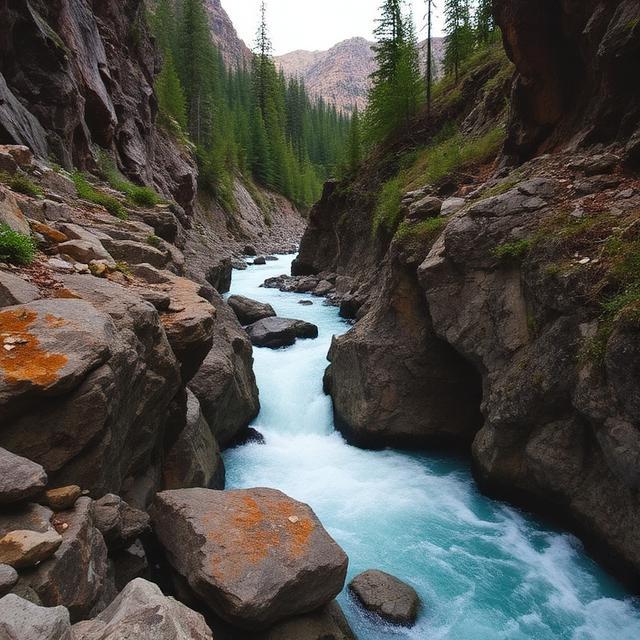
The Futaleufú River is widely regarded as one of the premier whitewater kayaking destinations in Chile, flowing through the dramatic landscapes of northern Patagonia. Its powerful rapids, large waves, technical features, and sustained whitewater create challenging conditions for experienced paddlers. Different sections offer varying levels of difficulty, with some reaches reaching Class V or higher depending on the rapid and water level. The combination of demanding whitewater and spectacular mountain scenery makes the Futaleufú a bucket-list destination for advanced and expert kayakers.
Quick Facts: Location: Los Lagos Region, Patagonia, Chile | Class Rapids: Class III–V+ depending on section and flow | Difficulty: Advanced to Expert | River Type: Glacial-fed mountain river and canyon | Best Season: Spring through summer, depending on water levels
Where to Stay: Futaleufú and nearby communities provide the main bases for kayaking the river, with lodges, campsites, restaurants, guides, and outdoor-adventure services. The area is relatively remote, so paddlers should arrange transportation, equipment, and river support in advance.
Bío-Bío River — Andes / Bío-Bío Region
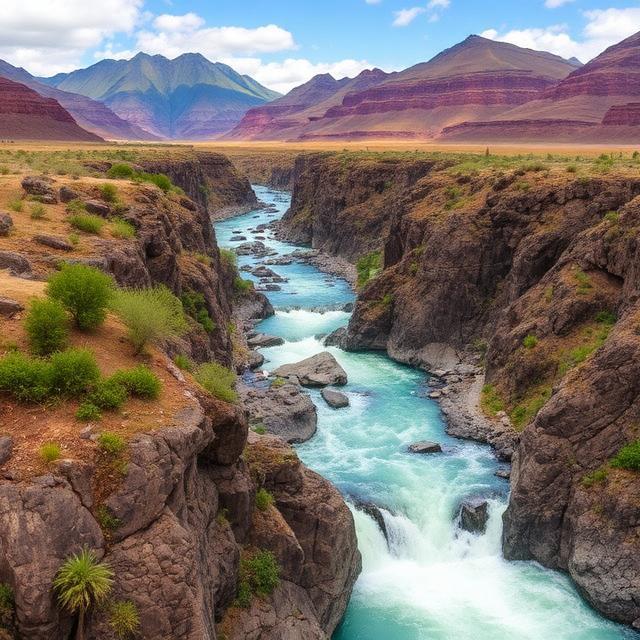
The Bío-Bío River is one of Chile’s historically important whitewater rivers, flowing from the Andes toward the Pacific through rugged mountain country. Its upper sections feature powerful rapids, large waves, and technical whitewater that can reach Class V under demanding conditions. The river has also been the focus of significant environmental and development issues, so paddlers need to research the current status and accessibility of particular sections before planning a trip. Local knowledge is especially valuable because river conditions, access, and runnable sections can change over time.
Quick Facts: Location: Bío-Bío Region, south-central Chile | Class Rapids: Up to Class V depending on section and conditions | Difficulty: Advanced to Expert | River Type: Mountain and canyon river | Best Season: Generally during favorable seasonal flows
Where to Stay: Towns and communities in the Bío-Bío region can provide accommodation and basic services for river trips. Because access to specific whitewater sections can vary, paddlers should confirm current access, transportation, and local regulations before traveling.
Baker River — Aysén / Patagonia
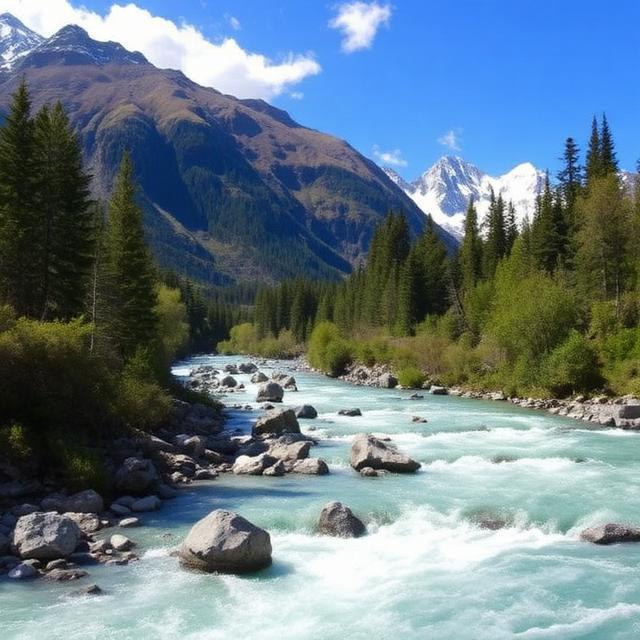
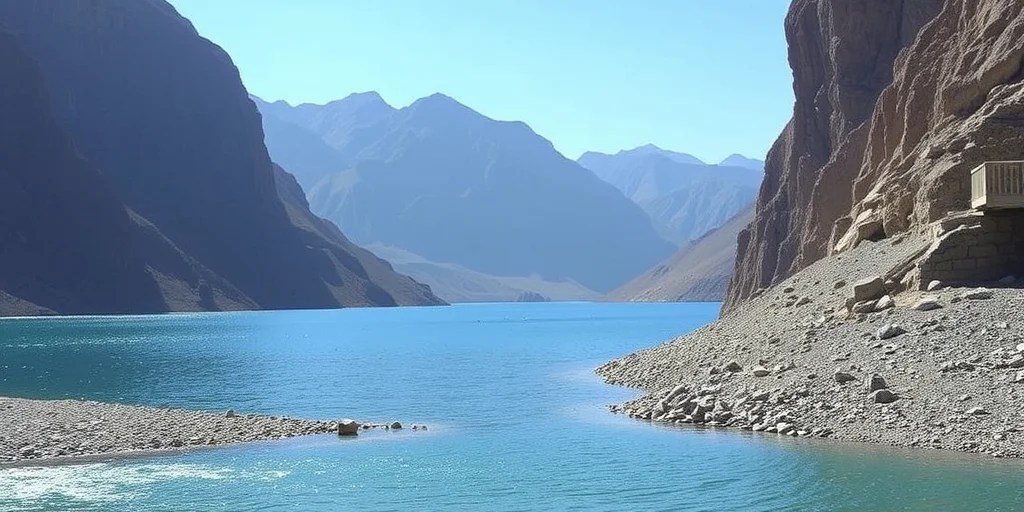
The Baker River is one of Patagonia’s great wilderness rivers, known for its striking turquoise water and spectacular remote scenery. While much of the river is characterized by powerful flow rather than continuous technical rapids, certain sections and tributaries can present very demanding whitewater. Its remote setting adds another layer of difficulty because rescue and logistical support can be limited compared with more developed kayaking destinations. Experienced paddlers should carefully evaluate the exact section, water level, weather, and access conditions before attempting a Baker River descent.
Quick Facts: Location: Aysén Region, Chilean Patagonia | Class Rapids: Varies considerably by section; high-grade sections are reported | Difficulty: Advanced to Expert depending on section | River Type: Large Patagonian wilderness river | Best Season: Spring through summer, subject to flows and conditions
Where to Stay: Puerto Bertrand, Cochrane, and surrounding communities are useful bases for exploring the Baker and the broader Aysén region. Accommodation ranges from lodges and cabins to campgrounds, although services become increasingly limited in remote areas.
Laja River — Bío-Bío Region
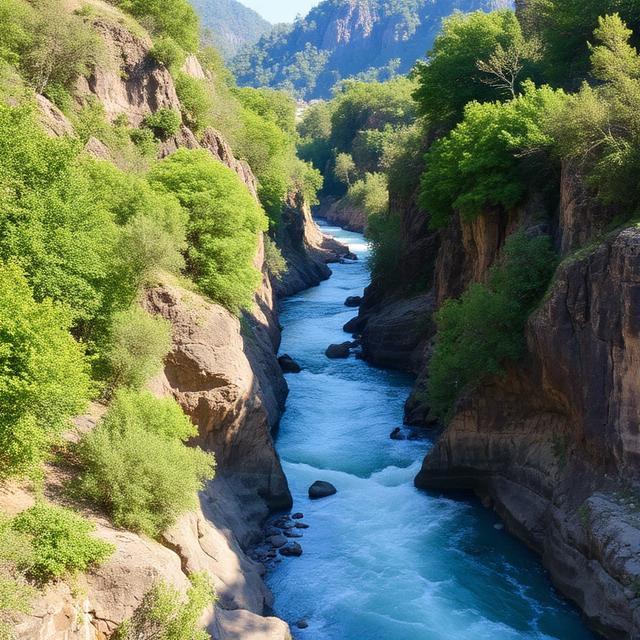
The Laja River offers another significant whitewater option in south-central Chile, with sections that provide challenging rapids and technical features for experienced kayakers. Its character changes considerably along its course, so the difficulty of a particular run depends on the section, water level, and local conditions. The river is surrounded by the volcanic and mountainous landscapes of the Bío-Bío region, adding considerable scenic appeal to a kayaking trip. Paddlers should identify the exact run and confirm current flows before attempting any high-grade section.
Quick Facts: Location: Bío-Bío Region, Chile | Class Rapids: Up to Class V on challenging sections | Difficulty: Intermediate to Expert depending on section | River Type: Mountain and volcanic-region river | Best Season: Seasonally dependent on water levels
Where to Stay: Los Ángeles and nearby communities provide convenient accommodation and services for exploring the Laja River area. Camping and outdoor options are also available in parts of the surrounding region, but paddlers should verify current access and regulations before launching.
Conclusion
For advanced and expert kayakers, Chile offers an exceptional variety of Class V whitewater. The Futaleufú River stands out for its combination of enormous rapids, stunning scenery, and international reputation, while rivers such as the Bío-Bío, Baker, and Laja provide additional opportunities for experienced paddlers. Because Class V conditions can change dramatically with water levels, paddlers should carefully research individual sections and current conditions and consider local guides for unfamiliar rivers.
FAQ
How many Class V whitewater rivers are in Chile?
There are several rivers with Class V sections. The exact number depends on whether you count entire rivers or individual rapids and sections.
What is the most famous Class V river in Chile?
The Futaleufú River is arguably Chile’s most famous high-grade whitewater river and attracts experienced kayakers from around the world.
Is the Futaleufú suitable for beginners?
Generally, no. Its advanced sections contain powerful rapids and significant consequences for mistakes. Less-experienced paddlers should use appropriate easier sections with qualified local guidance.
What other Chilean rivers have Class V sections?
The Bío-Bío, Baker, and Laja are among the rivers reported to contain high-grade whitewater, depending on the particular section and conditions.
When is the best time for whitewater kayaking in Chile?
The ideal season depends on the river and desired water level. Patagonia’s kayaking season generally runs during the warmer months, but river flows can vary significantly throughout the season.
Is Class V kayaking dangerous?
Yes. Class V is considered expert-level whitewater and can involve powerful hydraulics, difficult rescue situations, and serious consequences. Proper skills, equipment, scouting, safety planning, and knowledge of current river conditions are essential.

Leave a Reply