The Columbia Icefield is one of the most spectacular destinations in the Canadian Rockies, covering a vast mountain landscape along the Icefields Parkway between Banff and Jasper. Surrounded by towering peaks, glaciers, turquoise lakes, and dramatic valleys, the icefield is one of the best places in Canada to experience high-alpine scenery.
The area is best known for the Athabasca Glacier, one of the most accessible glaciers in the Canadian Rockies, as well as the Glacier Skywalk and the Columbia Icefield Adventure. Visitors can explore the area on guided tours, hike nearby trails, take in panoramic viewpoints, and travel one of Canada’s most scenic mountain highways.
Whether you’re planning a quick stop along the Icefields Parkway or building a multi-day Canadian Rockies adventure, this Columbia Icefield travel guide covers the best things to do, tours, costs, how to get there, where to stay, the best time to visit, and practical tips for planning your trip.
Quick Facts About the Columbia Icefield
How Large Is the Columbia Icefield?

The Columbia Icefield is approximately 14 miles (23 km) long and about 9 miles (14.5 km) wide at its widest points. It covers roughly 125 square miles (325 square kilometers) of ice and snow in the Canadian Rockies. The icefield sits at an elevation of around 10,000 feet (3,000 meters) and feeds several major glaciers, including the Athabasca, Saskatchewan, and Dome glaciers. Its enormous size makes it one of the most significant icefields in the Canadian Rockies
Where Is the Columbia Icefield in Canada Located?

The Columbia Icefield is located in the Canadian Rockies along the Icefields Parkway (Highway 93) in Alberta, Canada, between the towns of Banff and Jasper. It sits on the boundary between Banff National Park and Jasper National Park, with the icefield and its surrounding glaciers forming one of the region’s most spectacular mountain landscapes.
Currency

The official currency in Canada is the Canadian dollar (CAD), represented by $ or C$. U.S. dollars are not the standard currency, although some businesses in heavily visited tourist areas may accept them. Credit and debit cards are widely accepted around the Columbia Icefield, but carrying a small amount of Canadian cash can be useful for smaller purchases.
What is the Climate of Canadian Icefields
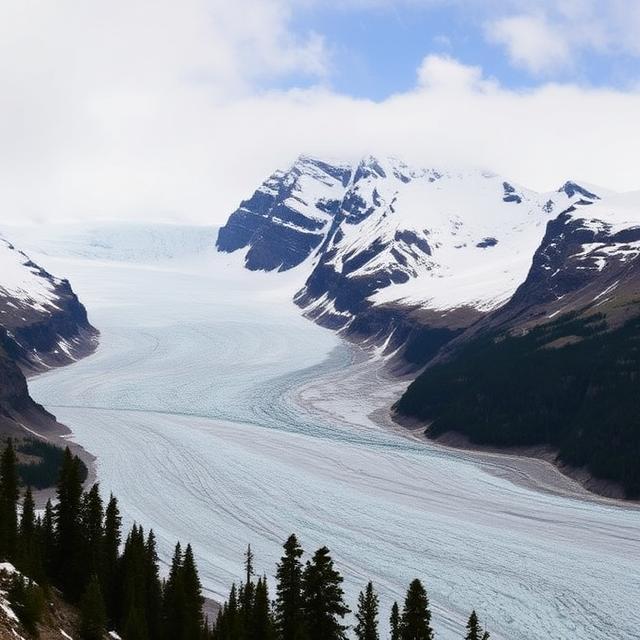
The Columbia Icefield has a cold, alpine mountain climate with rapidly changing weather conditions throughout the year. Summers are generally the most popular time to visit, with relatively mild daytime temperatures but cold conditions possible at higher elevations and around the glaciers. Winters are long, snowy, and extremely cold, while spring and fall can bring a mix of snow, rain, wind, and freezing temperatures. Even during summer, visitors should bring warm and waterproof layers because weather around the icefield can change quickly.
What is the Wildlife of Columbia Icefield

The Columbia Icefield and surrounding Canadian Rockies provide habitat for a wide variety of wildlife, including elk, bighorn sheep, mountain goats, black bears, grizzly bears, and occasionally wolves. The rugged alpine environment is also home to smaller mammals such as marmots, pikas, and ground squirrels. Wildlife sightings are never guaranteed, but animals are often seen along the Icefields Parkway and around mountain valleys and viewpoints. Visitors should keep a safe distance from wildlife, never feed animals, and follow park regulations, especially when traveling in bear country.
National Parks
The Columbia Icefield sits in the Canadian Rockies between two of Canada’s most famous national parks: Banff National Park and Jasper National Park. The icefield itself straddles the Continental Divide and provides water to river systems flowing in different directions across western Canada.
Banff National Park

The southern portion of the Columbia Icefield is associated with Banff National Park, Canada’s oldest national park. Visitors can access the icefield via the Icefields Parkway, with spectacular mountain scenery, glaciers, lakes, and hiking opportunities along the route.
Jasper National Park

The northern side of the Columbia Icefield lies within Jasper National Park, Canada’s largest national park in the Canadian Rockies. Jasper offers extensive wilderness, glaciers, mountains, wildlife, hiking trails, and opportunities for outdoor adventure.
Why the Two Parks Matter

Traveling to the Columbia Icefield gives visitors an opportunity to experience two major Canadian national parks on the same trip. The Icefields Parkway connects Banff and Jasper and is one of the most scenic drives in Canada, making the Columbia Icefield a natural centerpiece for a Canadian Rockies road trip.
Safety
Safety is important when visiting the Columbia Icefield because the area combines glaciers, high elevations, rugged terrain, rapidly changing weather, and remote mountain roads.
Natural Disasters

The Columbia Icefield is in a rugged mountain environment where natural hazards can occur throughout the year. Avalanches, rockfalls, landslides, flooding, severe winter storms, and rapidly changing weather are among the main hazards visitors should be aware of. Glacial terrain can also present hazards such as unstable ice, crevasses, and sudden changes in glacier conditions. Most visitors who remain in designated areas and follow Parks Canada warnings face relatively low risk, but backcountry travelers should take current conditions and avalanche forecasts seriously. Before traveling, check official park alerts, weather forecasts, road conditions, and any warnings for the Columbia Icefield and surrounding areas.
Crime Rate

The Columbia Icefield is a remote wilderness and tourism area rather than a conventional town, so there isn’t a standalone crime rate for the icefield. The surrounding area is within Jasper and Banff national parks, where law enforcement and visitor-safety services are provided.
For travelers, serious crime is generally not the primary safety concern. Natural hazards—including wildlife, rapidly changing weather, avalanches, road conditions, and remote terrain—are much more relevant when planning a visit.
Visitors should still use normal precautions, such as locking vehicles, securing valuables, and properly storing food and other attractants when camping. In the wilderness around the Columbia Icefield, wildlife and environmental hazards are generally more important concerns than crime.
Safety Tips for Visiting the Columbia Icefield

- Stay on designated trails and viewing areas. Glacier terrain can be unstable, and areas beyond marked boundaries may contain hidden hazards.
- Never walk onto a glacier without proper guidance and equipment. Crevasses, thin ice, falling ice, and rapidly changing conditions can make glaciers extremely dangerous.
- Dress for changing weather. Bring warm layers, a waterproof jacket, gloves, and sturdy footwear—even during summer.
- Check weather and road conditions before traveling. Mountain weather can change quickly, and snow or ice can affect the Icefields Parkway.
- Be prepared for limited cell service. Don’t rely entirely on your phone for navigation or emergencies, particularly if traveling into remote areas.
- Keep a safe distance from wildlife. Bears, elk, mountain goats, and other animals are wild and unpredictable. Never feed or approach them.
- Carry water and food. Services are limited compared with larger tourist destinations, so plan ahead.
- Tell someone your plans if you’re hiking or traveling into less-developed areas.
- Follow park closures and warnings. Trails, roads, and attractions can close because of weather, wildlife, avalanches, or other hazards.
- Know your limits. High elevation, cold temperatures, steep terrain, and long distances can make activities more demanding than they appear.
- Drive carefully on the Icefields Parkway. Watch for wildlife, changing road conditions, cyclists, and other vehicles, and avoid stopping in unsafe locations.
- Consider travel insurance that covers the activities you’re planning, particularly hiking, guided glacier activities, or other adventure activities.
Columbia Icefield Travel Planning Guide
The Columbia Icefield is one of the best Rocky Mountain adventure destinations, sitting along the spectacular Icefields Parkway between Banff and Jasper, Alberta. The main visitor area is the Columbia Icefield Discovery Centre, beside the Athabasca Glacier, with glacier tours, the Glacier Skywalk, hiking, viewpoints, and access to some of the Rockies’ most dramatic scenery. The Icefields Parkway itself is a 232-km scenic route connecting Lake Louise and Jasper.
Requirements

International visitors need the appropriate documents to enter Canada. U.S. citizens are exempt from the Canadian eTA requirement, while visa-exempt travelers flying into Canada generally need a valid passport and eTA; visa requirements depend on nationality and method of entry.
You also need a Parks Canada pass to drive the Icefields Parkway. As of September 8, 2026, the adult daily admission is C$12.25, while an adult Discovery Pass is C$83.50. If you’re planning several days in Banff and Jasper, the annual pass can make sense.
Cost to Visit

The cost depends heavily on how you travel. A basic visit can be relatively inexpensive if you drive the Parkway yourself, while the Columbia Icefield Adventure, which includes the Ice Explorer glacier experience and Skywalk, starts around C$109 per adult in 2026; Skywalk-only tickets start around C$41.
For budgeting, I’d allow roughly C$150–C$300+ per person for the Icefield experience and transportation, before hotels, meals, rental cars and flights. Guided day trips from Jasper or Banff cost considerably more but eliminate much of the driving and planning; current advertised packages vary by departure point and inclusions.
How to Get There

The most scenic option is to drive the Icefields Parkway (Highway 93N). From Lake Louise, the Columbia Icefield is approximately 125 km north, taking about 2½ hours without extended stops; from Jasper, it is approximately 108 km south. The route has limited services and little/no cell coverage, so download maps, fuel up before leaving town, and check road conditions before departure.
Transportation Options
Rental car/SUV: This is the best option for travelers who want flexibility and want to stop at places such as Peyto Lake, Bow Lake, Saskatchewan River Crossing, Sunwapta Falls and Athabasca Falls along the way. In winter, proper winter tires or chains are required when the Parkway is snow- or ice-covered, and closures can occur because of weather or avalanche control.
Guided tour: Travelers staying in Banff, Lake Louise or Jasper can book guided Columbia Icefield excursions that provide transportation along the Parkway and include or coordinate the glacier attractions. This is a particularly good option for groups that don’t want to drive mountain roads or manage the logistics themselves.
Private/group transportation: For a group trip, a private SUV, van or small coach with a driver can be ideal because you can customize stops and avoid having several rental vehicles. For an adventure-travel itinerary, I’d recommend combining transportation, accommodation and the Icefield experience into one package rather than treating the glacier as a standalone day trip.
Where to Stay

Jasper is one of the best bases if you want to combine the Columbia Icefield with several days of Rocky Mountain adventure. It has hotels, restaurants, shops, fuel and other services, and the Columbia Icefield is about 108 km south along the Parkway.
Lake Louise is the other major base and works particularly well if you’re approaching from Calgary or want to combine the Icefield with Banff and Lake Louise. It puts you on the southern end of the Parkway, approximately 125 km from the Columbia Icefield.
Banff is farther away but offers the largest selection of hotels, restaurants and activities. It’s a good choice if the Columbia Icefield is one part of a larger Rockies vacation rather than the sole destination.
Columbia Icefield itself has very limited accommodation compared with Banff or Jasper, but Glacier View Lodge is located at the Discovery Centre and provides the opportunity to stay directly at the Icefield. Advanced booking is recommended.
Best Time to Go

For the classic Ice Explorer + Skywalk experience, plan between May 1 and October 12, 2026, when the attractions are operating. June through September generally provides the easiest conditions and longest operating hours, although summer is also the busiest period.
For a more rugged winter adventure, the Parkway remains an incredible destination, but the Icefield attractions close outside their operating season and winter driving requires substantially more preparation. Snow, ice, avalanche control and temporary road closures are all possibilities.
Recommended KW Adventure Traveler Package
Day 1: Calgary → Banff → Lake Louise
Day 2: Lake Louise → Icefields Parkway → Columbia Icefield
Day 3: Athabasca Glacier + hiking/scenic adventures
Day 4: Columbia Icefield → Jasper with stops along the Parkway
Day 5: Jasper → Calgary or Edmonton
You handle the adventure — we handle the details.
Conclusion
The Columbia Icefield is an incredible destination for travelers looking for dramatic mountain scenery, glaciers, wildlife, and outdoor adventure. Located along the spectacular Icefields Parkway between Lake Louise and Jasper, it offers an unforgettable Rocky Mountain experience.
For the best experience, plan at least 2–3 days around the Icefields Parkway, giving yourself time for hiking, sightseeing, wildlife viewing, and exploring the Columbia Icefield. Because the area is remote and weather can change quickly, advance planning is important.
For travelers who want a stress-free adventure, KW Adventure Traveler can coordinate the transportation, accommodations, activities, and itinerary — you simply enjoy the adventure.
Frequently Asked Questions
Is the Columbia Icefield open year-round?
The Icefields Parkway is open year-round, although winter weather and avalanche conditions can cause temporary closures. The major Columbia Icefield attractions operate seasonally.
How far is the Columbia Icefield from Jasper?
The Columbia Icefield is approximately 108 km south of Jasper along the Icefields Parkway. Allow additional time because there are numerous scenic viewpoints and attractions along the route.
How far is it from Banff?
The Columbia Icefield is approximately 185 km from Banff. From Lake Louise, it is approximately 125 km north along the Icefields Parkway.
Can I walk on the Athabasca Glacier by myself?
Visitors should not walk onto the glacier independently. Hidden crevasses and changing glacier conditions can make glacier travel dangerous. Use an authorized tour or qualified glacier guide.
How long should I spend at the Columbia Icefield?
Plan for at least half a day for the major attractions. If you’re traveling the entire Icefields Parkway, consider making it a full-day experience so you have plenty of time for scenic stops.
Do I need a Parks Canada pass?
Yes. A valid Parks Canada admission pass is required when traveling through the national parks along the Icefields Parkway.
Is there cell service?
Cell service is limited and unreliable along much of the Icefields Parkway. Download maps and important information before leaving Banff, Lake Louise, or Jasper.
What should I bring?
Pack warm layers, a waterproof jacket, sturdy footwear, gloves, sunglasses, sunscreen, water, snacks, and a camera. Mountain weather can change quickly, even during summer.
Where is the best place to stay?
Jasper and Lake Louise are the most convenient bases for exploring the Columbia Icefield. For travelers wanting to stay closer to the glacier, there are also accommodations near the Columbia Icefield.
Is the Columbia Icefield good for a group or guys’ trip?
Absolutely. Groups can combine the Icefield with hiking, wildlife viewing, rafting, fishing, photography, camping, and other Rocky Mountain adventures. A travel planner can coordinate transportation, lodging, activities, and schedules so the entire group can focus on enjoying the trip.
Why use KW Adventure Traveler?
Because you shouldn’t have to spend your vacation planning your vacation.
We help coordinate the destination, transportation, accommodations, activities, and itinerary so you can spend less time dealing with details and more time experiencing the adventure.
KW Adventure Traveler — We Handle the Details. You Enjoy the Adventure.



Leave a Reply