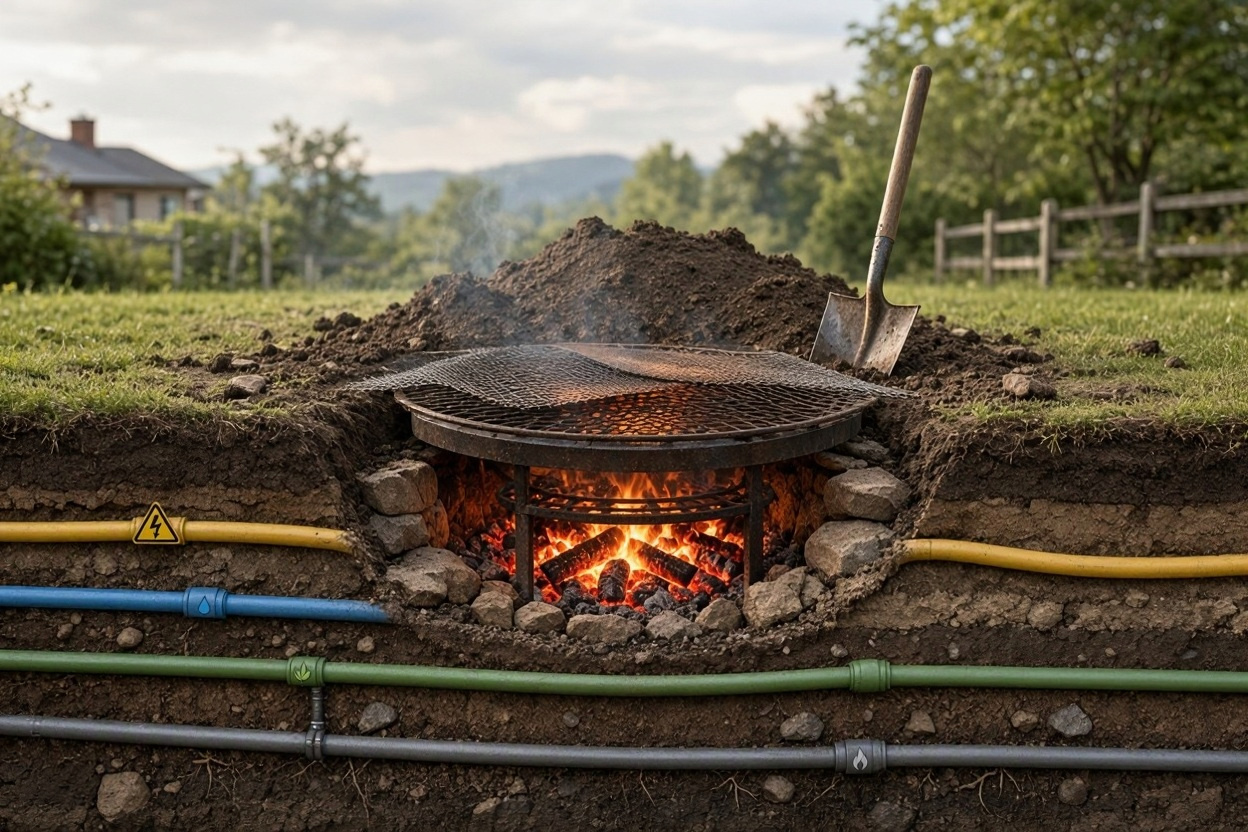
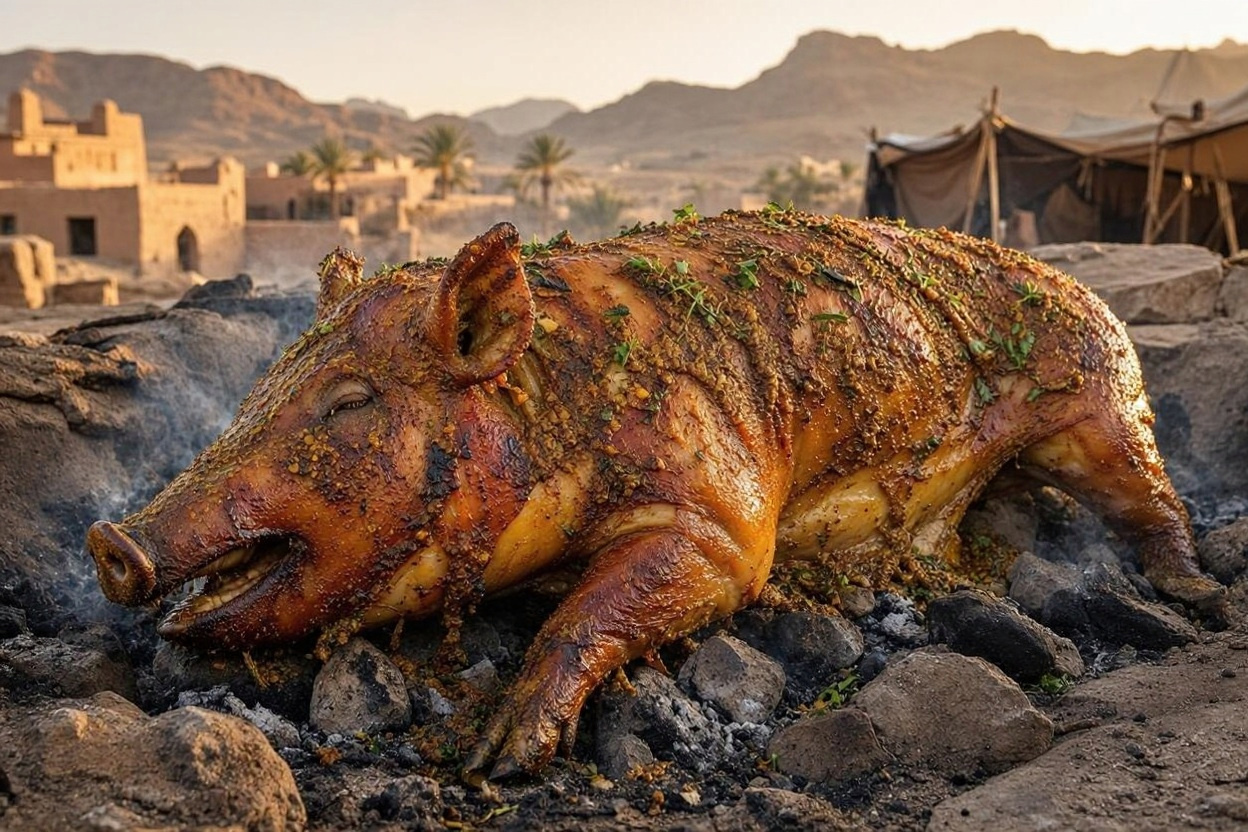
Cooking a whole pig or animal underground is one of the oldest traditional outdoor cooking methods. Long before modern ovens, grills, and smokers, people used earth ovens, hardwood fires, heated stones, and natural materials to prepare large meals for families and celebrations. Building an underground roasting pit allows you to explore primitive cooking techniques while creating an unforgettable outdoor cooking experience. Whether you’re planning a traditional pig roast, preparing a whole lamb, cooking wild game, or hosting a large outdoor gathering, learning how to build an underground roasting pit is a useful skill. In this guide, we’ll explore pit preparation, materials, fire building, cooking methods, and important safety considerations.
Read More Whole Animal Roast
Tools Needed to Build an Underground Fire Pit
Shop for Primitive Cooking Tools on Amazon
- Digging Tools: Shovel, spade, pickaxe, measuring tape, and wheelbarrow.
- Ground Preparation: Rake, tamper, level, and marking stakes.
- Fire Pit Construction: Firebricks, refractory mortar, heat-resistant stones, and gravel.
- Fire-Building Tools: Splitting axe, firewood, fire poker, and fire tongs.
- Finishing Tools: Masonry trowel, rubber mallet, and masonry brush.
- Safety Equipment: Heat-resistant gloves, safety glasses, fire extinguisher, and first-aid kit.
Important: Use fire-rated materials designed for high temperatures. Avoid ordinary concrete blocks and wet or unidentified rocks, which can crack or burst when heated. Check local fire regulations and underground utilities before construction.
Planning and Preparing Your Underground Roasting Pit
Choose the Right Location for Your Underground Roasting Pit
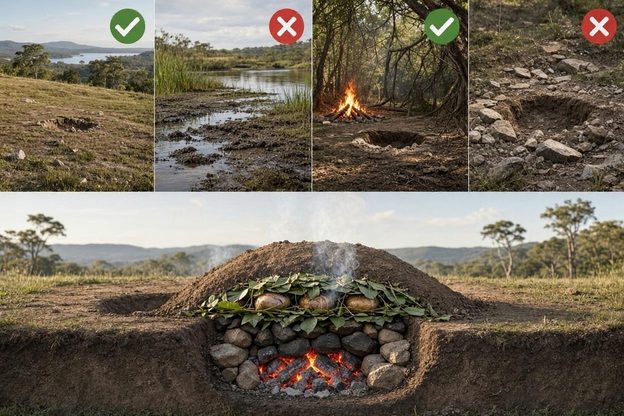
Choosing the right location is one of the most important parts of building an underground roasting pit. Look for a level, open outdoor area with enough room for digging, building a fire, preparing food, and safely handling hot materials. Keep the roasting area away from buildings, trees, fences, dry grass, and overhanging branches. Avoid low spots where rainwater can collect and flood the cooking chamber. Check local fire regulations and burn restrictions before selecting your location.
Check Soil Conditions and Ground Drainage

The soil surrounding your roasting pit needs to be stable enough to support the excavation without collapsing. Avoid loose sand, saturated ground, areas with standing water, and locations showing signs of erosion. Clay and compact soil may retain heat differently from sandy soil, so the ground conditions should be considered when choosing an earth-oven design. Make sure rainwater can drain away from the cooking area rather than flowing into the pit. If the ground is unstable or you are unsure about excavation safety, consult a qualified professional.
Check for Underground Utilities Before Digging
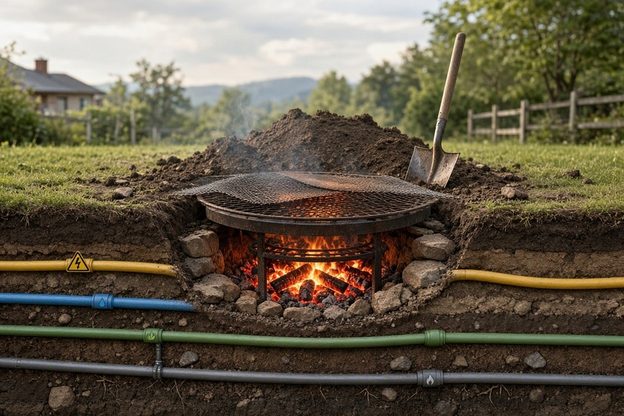
Before digging an underground roasting pit, check for buried electrical lines, gas pipes, water lines, sewer connections, and other underground utilities. In the United States, call 811 or submit a utility-location request before starting any excavation. Wait until the utilities have been marked and follow the required safety clearances. Never assume that a rural property or backyard is free of underground lines. Accidentally striking a buried utility can cause serious injury, property damage, or dangerous gas leaks.
Determine the Size of Your Roasting Pit

The size of your underground roasting pit depends on what you plan to cook and the type of earth oven you intend to build. A small pit for fish, vegetables, or individual portions will require less cooking space than a traditional whole-pig roasting setup. Consider the dimensions of the food, cooking rack or support system, heat-resistant materials, and insulation needed to retain heat. Remember that a whole hog requires careful temperature control because the shoulder, ham, and other thick portions may cook at different rates. Use a professionally designed pit plan rather than guessing at dimensions for a large animal roast.
Gather Your Primitive Cooking Tools and Materials
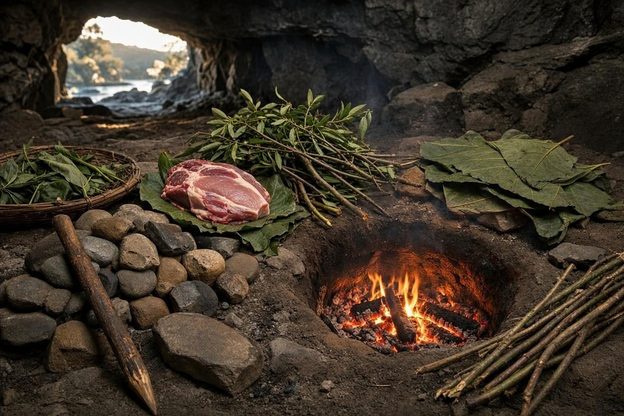
Gather your equipment before beginning construction so you can prepare the site without unnecessary interruptions. Traditional underground cooking uses materials such as dry hardwood, suitable heat-resistant stones, clean earth, and food-safe insulating layers. You will also need a shovel, fire-handling tools, heat-resistant gloves, a fire extinguisher, a water supply, and calibrated food thermometers. Avoid treated lumber, painted materials, unknown rocks, and anything that could release harmful chemicals when heated. Having the right materials ready makes the building process more organized and helps reduce avoidable safety risks.
Digging and Constructing the Pit
Mark the Underground Roasting Pit Dimensions
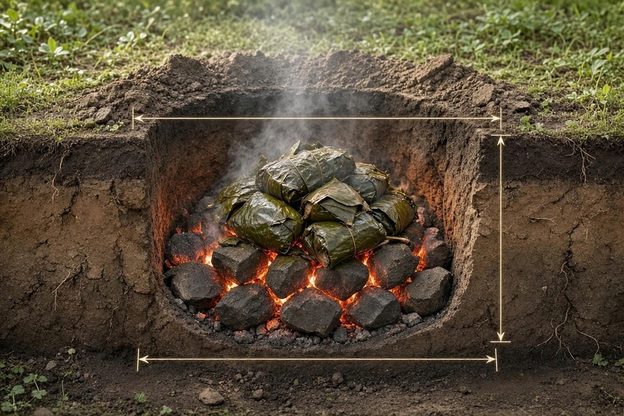
Once you have selected the location and determined the type of earth oven you want to build, mark the planned excavation area. Use stakes, string, or marking paint to outline the cooking chamber and identify the surrounding work area. Allow enough room for the cooking materials, heat-resistant lining, insulation, and food-handling equipment. The dimensions will depend on whether you are preparing small meals, large cuts of meat, or a traditional whole-pig roast. For larger roasting pits, follow an established construction plan designed for the specific soil conditions and cooking equipment.
Excavate the Ground Safely
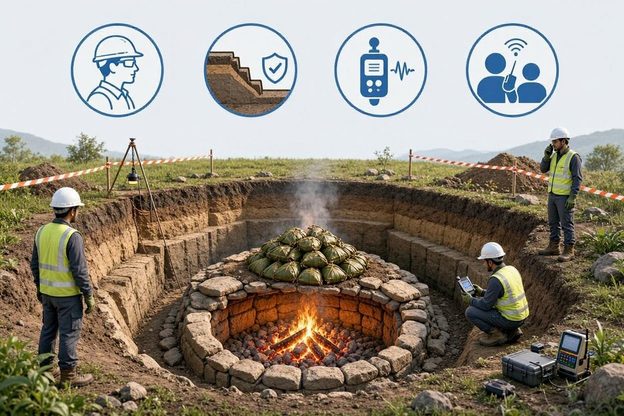
Begin excavating the marked area using appropriate digging tools and protective equipment. Remove soil gradually and keep the surrounding ground clear of loose dirt, tools, and other obstacles. Never enter an unsupported excavation, as the sides can collapse without warning. Keep excavated soil and heavy materials far enough from the edge to avoid adding pressure to the pit walls. For deep or large excavations, use a qualified excavation professional to determine the necessary ground support and safe construction method.
Prepare a Stable Base for the Fire

The fire area needs a stable, heat-resistant foundation capable of supporting the firewood and cooking materials. Remove loose debris, roots, organic matter, and combustible materials from the construction area. The foundation should be designed to prevent excessive heat from transferring into surrounding soil or nearby combustible structures. Traditional earth ovens use heated stones to retain and distribute cooking heat, but modern designs may use engineered refractory bases. Follow the specifications for your selected oven rather than placing an open fire directly on an unprotected surface.
Install Heat-Resistant Firebrick or Suitable Refractory Materials
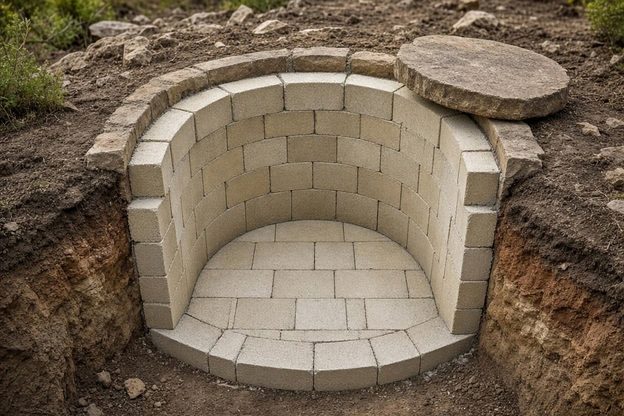
Firebrick and refractory materials are designed to withstand high temperatures and are commonly used in wood-fired ovens, fireplaces, and other high-heat cooking structures. Depending on the design, they can form the floor, walls, or protective lining of an underground roasting chamber. Choose materials specifically rated for the temperatures and conditions expected in your oven. Avoid ordinary concrete blocks, painted bricks, treated wood, and construction materials that may crack or release harmful substances when heated. Follow the manufacturer’s installation instructions, including any requirements for mortar, expansion space, and curing.
Prepare the Cooking Chamber
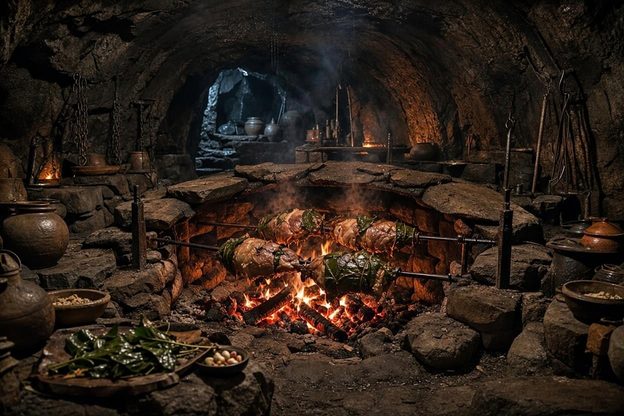
The cooking chamber is the enclosed area where heat is retained and food is prepared. Traditional underground ovens use a combination of heated stones, protective food-safe layers, and insulation to maintain cooking temperatures. The chamber should be designed to distribute heat without exposing food to contaminated soil, loose ash, or unsuitable construction materials. Consider how the food will be placed, supported, covered, and safely removed after cooking. Before using the oven, inspect the entire chamber for cracks, unstable materials, loose debris, and potential contamination, and follow a tested operating procedure for the specific design.
Building the Fire and Preparing to Roast
Choose the Best Hardwood for Underground Roasting
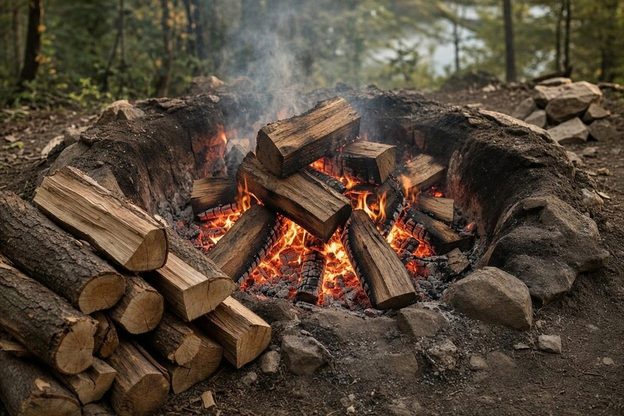
Choosing the right hardwood is important because the wood provides the heat used to warm the stones and cooking chamber. Traditional outdoor cooking commonly uses dry hardwoods such as oak, hickory, maple, and applewood because they produce lasting heat and useful coals. Avoid painted, stained, pressure-treated, or chemically treated lumber, as burning these materials can release harmful substances. Use properly seasoned wood rather than freshly cut green wood, which can produce excess smoke and burn inefficiently. Keep a supply of dry firewood nearby so the fire can be managed without leaving the cooking area unattended.
Build a Hardwood Fire to Create Hot Embers
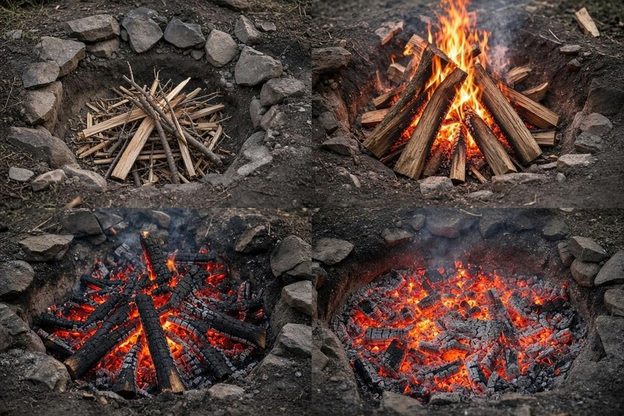
Traditional underground roasting methods use a wood fire to heat the cooking chamber and suitable heat-resistant stones before the food is added. Start the fire using dry kindling and untreated hardwood, allowing it to burn steadily in a properly designed fire area. As the wood burns, it produces embers and retained heat that help warm the cooking materials. Never use gasoline, kerosene, or other accelerants, and keep water and firefighting equipment within reach. Follow the operating instructions for your earth oven because the required heating process varies by construction and materials.
Prepare Food-Safe Wrapping Materials
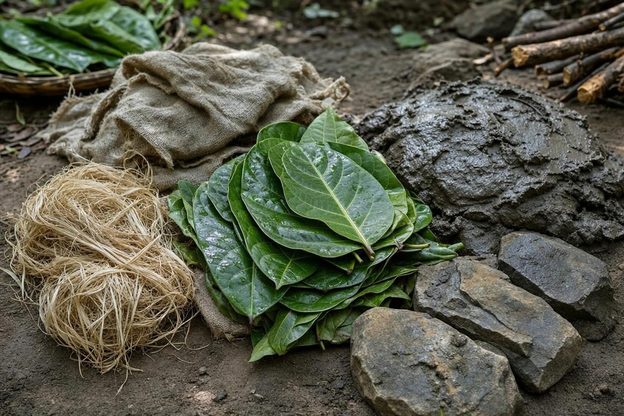
Wrapping helps protect meat from direct contact with soil, ash, and other contaminants while helping retain moisture during slow cooking. Traditional earth ovens may use suitable food-safe leaves, while modern methods can use food-grade wrapping materials rated for high-temperature cooking. Banana leaves are traditionally used in some island cooking methods, but they should be clean and suitable for food preparation. Avoid plastic bags, garbage bags, painted fabrics, chemically treated materials, and ordinary aluminum products unless specifically approved for the cooking conditions. Prepare the wrapping area with clean equipment and keep it separate from surfaces used for raw meat.
Set Up the Cooking Arrangement for a Whole Pig or Animal

Preparing a whole pig or other large animal for underground roasting requires careful planning because of its size, weight, and uneven thickness. Have the animal properly dressed and prepared by a reputable butcher, and use clean, food-safe equipment for seasoning, wrapping, and handling. The cooking arrangement must support the weight of the animal and allow it to be placed into and removed from the chamber without anyone reaching into an unsafe excavation. Keep raw meat away from soil, ash, and cooking surfaces that have not been properly prepared. For a whole hog or other large animal, a purpose-built roasting system with temperature monitoring is safer and more predictable than an improvised underground arrangement.
Monitor Cooking Temperatures and Complete the Roast Safely
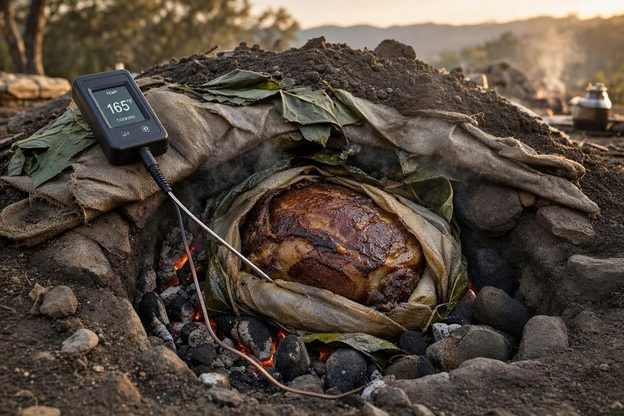
The most important part of underground roasting is confirming that the food reaches a safe internal temperature throughout. Cooking time varies with the animal’s size, starting temperature, heat retention, and roasting arrangement, so never rely on a traditional time estimate alone. Use calibrated food thermometers to check multiple thick areas, including the shoulder and ham of a pig, without touching bone. USDA guidance for whole cuts of pork is at least 145°F followed by a three-minute rest; cooking to a higher temperature is commonly used to achieve tender, shreddable meat. Keep cooked food at 140°F or above when serving, use clean serving utensils, and refrigerate leftovers within two hours.
Underground Roasting Pit Safety Tips
Fire and Burn Prevention
Building an underground roasting pit involves high temperatures, open flames, hot embers, and heated stones that can cause serious burns. Keep children, pets, and bystanders away from the cooking area, and establish a clear work zone around the fire. Wear heat-resistant gloves, closed-toe shoes, and appropriate protective clothing when handling hot materials. Keep a shovel, water supply, and fire extinguisher nearby, and never leave an active fire unattended. Check local burn restrictions and avoid outdoor fires during high winds or dangerous drought conditions.
Avoiding Dangerous Rocks
Not every type of rock is suitable for underground cooking because some stones contain trapped moisture that can cause them to crack or explode when heated. River rocks, wet stones, porous stones, and unidentified rocks can be particularly unpredictable. Use only dry, heat-resistant stones specifically recommended for high-temperature cooking or choose purpose-made materials from a reputable supplier. Never pour water onto intensely heated stones, as sudden temperature changes can cause fractures and flying debris. Inspect cooking stones and refractory materials before every use, replacing anything that is cracked or damaged.
Smoke and Carbon Monoxide Safety
Burning hardwood produces smoke and carbon monoxide, an odorless, potentially deadly gas. Although an underground roasting pit is outdoors, smoke can collect in partially enclosed areas, near structures, under covered shelters, or in locations with poor airflow. Never build or operate a wood fire inside a garage, enclosed shed, tent, or other poorly ventilated space. Keep people away from heavy smoke and position the cooking area where smoke can disperse safely. If anyone experiences headache, dizziness, nausea, confusion, or weakness around a fire, move them into fresh air immediately and seek emergency medical assistance.
Preventing Pit-Wall Collapse
Underground roasting pits require stable ground because loose or saturated soil can collapse during excavation or cooking. Avoid digging in sandy, waterlogged, eroded, or unstable areas, and never enter an unsupported excavation. Keep heavy equipment, piles of excavated soil, and large materials away from the pit’s edges to reduce pressure on the surrounding ground. Contact 811 before digging to identify underground utilities, and consult a qualified excavation professional for large or deep pits. Keep the area around the opening clear and prevent children and pets from approaching it.
Food Handling and Temperature Monitoring
Cooking a whole pig or large animal underground requires careful food handling because the outside can appear cooked while thicker sections remain undercooked. Keep raw pork refrigerated at 40°F or below, use clean preparation surfaces, and separate raw meat from cooked food. Use calibrated food thermometers to check several thick areas, including the shoulder and ham, without touching bone. Whole cuts of pork must reach at least 145°F followed by a three-minute rest under USDA guidance, while higher temperatures are commonly used for tender, shreddable pork. Keep cooked food at 140°F or above when serving and refrigerate leftovers within two hours, or within one hour when outdoor temperatures exceed 90°F.
Conclusion
Building an underground roasting pit is a fascinating way to experience traditional primitive cooking. With proper planning, suitable materials, a well-designed earth oven, and careful temperature monitoring, you can recreate a cooking method that has been used across cultures for generations. From whole pigs and lambs to goats and other large animals, underground roasting offers an opportunity to bring traditional outdoor cooking back to life. Always prioritize fire safety, food safety, and local regulations before starting your next underground roast.
Frequently Asked Questions
1. What is an underground roasting pit?
An underground roasting pit is a cooking space dug into the ground and designed to hold heat from a wood fire, heated stones, and embers. Food is placed inside a protected cooking chamber and slow-cooked using retained heat.
2. How deep should an underground pig roasting pit be?
Pit dimensions depend on the size of the animal, cooking equipment, soil conditions, and the design of the earth oven. A whole-animal pit must be large enough to accommodate the cooking setup safely, with adequate clearance and heat control.
3. What materials do you need to build an underground roasting pit?
Common materials include:
- Shovel and digging tools
- Suitable hardwood
- Heat-safe stones or purpose-built firebrick
- Food-safe wrapping materials
- Heat-resistant protective equipment
- Thermometers for monitoring cooking temperatures
4. What stones are best for an underground roasting pit?
Use known heat-resistant materials such as suitable firebrick or purpose-made refractory materials. Avoid river rocks, wet stones, and unidentified rocks because trapped moisture can cause them to fracture or explode when heated.
5. What wood is best for underground roasting?
Oak, hickory, maple, and other untreated hardwoods are popular choices. Avoid painted, treated, glued, or chemically contaminated wood.
6. Can you cook animals other than pigs in an underground pit?
Yes. Traditional earth ovens have been used to prepare lamb, goat, poultry, fish, and various types of game. The cooking setup must accommodate the animal’s size and the requirements of the particular food.
7. How long does underground roasting take?
Cooking time varies according to the animal’s weight, pit design, heat retention, and cooking temperature. Large animals can require many hours. Never rely on a fixed cooking time to determine whether meat is safe.
8. Do you need to wrap an animal before placing it in an underground pit?
Wrapping helps protect food from direct contact with soil and can retain moisture. Banana leaves and other suitable food-safe materials are used in traditional cooking. Always ensure wrapping materials are clean and appropriate for high-temperature cooking.
9. How do you know when an underground roast is done?
Use calibrated food thermometers to check multiple thick sections of the animal, including the shoulder and hindquarters. Whole cuts of pork require at least 145°F followed by a three-minute rest under USDA guidance, while other meats have different minimum temperatures. Traditional pulled-meat textures generally require higher temperatures.
10. Is underground roasting safe?
It can be safe when properly planned. Important precautions include checking for underground utilities before digging, avoiding enclosed or poorly ventilated areas, controlling fire hazards, using suitable cooking materials, and following safe meat-handling and temperature practices.
11. Can you reuse an underground roasting pit?
Yes, a properly maintained earth oven may be reused. Inspect the pit for damage, unstable walls, contaminated materials, and drainage problems before each use.