A Route 66 motorcycle road trip from Illinois to California is the ultimate American riding adventure, combining scenic highways, historic landmarks, charming small towns, and the freedom of the open road. Beginning in Chicago, Illinois, and ending near the iconic Santa Monica Pier in California, this legendary journey follows the historic Route 66 through eight states: Illinois, Missouri, Kansas, Oklahoma, Texas, New Mexico, Arizona, and California. Along the way, motorcyclists can explore classic roadside diners, vintage motels, quirky attractions, and spectacular landscapes ranging from the rolling plains of the Midwest to the deserts of the Southwest. Whether you are planning a solo adventure, a trip with friends, or a motorcycle tour with an organized group, this guide will help you plan your route, choose the best time to travel, discover must-see stops, and prepare for an unforgettable ride along America’s historic Mother Road.
- Quick Facts: Route 66 Motorcycle Road Trip
- Top Cities to Visit on a Route 66 Motorcycle Road Trip
- Start of Route 66: Chicago, Illinois
- Finish of Route 66: Santa Monica, California
- Best Time to Ride Route 66 by Season: Illinois to California
- Travel Tips for a Route 66 Motorcycle Road Trip: Illinois to California
- How to Plan Your Trip Online
- Conclusion: Route 66 Motorcycle Road Trip – Illinois to California Guide
- Frequently Asked Questions (FAQs)
Quick Facts: Route 66 Motorcycle Road Trip
- Location: United States, stretching from Chicago, Illinois, to Santa Monica, California, through eight states.
- Language: English is the primary language. Spanish is also widely spoken, particularly in the Southwest.
- Currency: United States Dollar (USD, $).
- Climate: Varies from humid continental conditions in the Midwest to dry desert climates in New Mexico, Arizona, and parts of California. Summers can be extremely hot in the Southwest, while winters may bring snow and freezing temperatures in the Midwest.
- Time zones: Central, Mountain, and Pacific time zones. Arizona generally does not observe daylight saving time, except for the Navajo Nation.
- Distance: Approximately 2,400–2,450 miles, depending on the route taken.
Top Cities to Visit on a Route 66 Motorcycle Road Trip
Chicago, Illinois
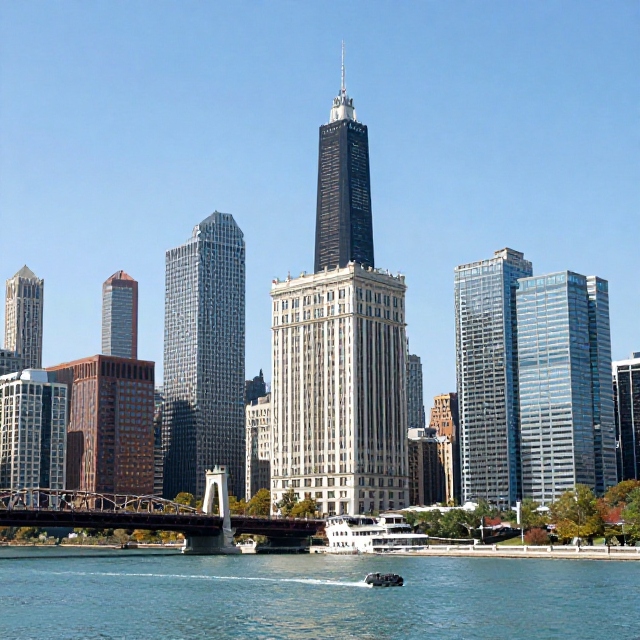
Chicago is the starting point of the legendary Route 66 motorcycle road trip and an excellent place to explore before heading west. Riders can visit the historic Route 66 Begin sign, admire the city’s famous architecture, and enjoy its museums, restaurants, and vibrant downtown atmosphere. Before leaving the city, take time to explore Millennium Park and enjoy some authentic Chicago-style deep-dish pizza. Chicago’s combination of urban attractions and historic road-trip heritage makes it an ideal starting destination. It is the perfect place to prepare for the adventure ahead.
St. Louis, Missouri
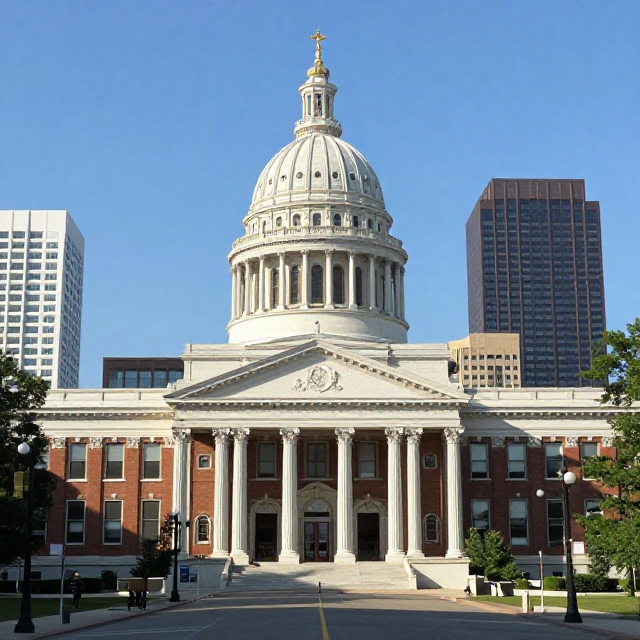
St. Louis is one of the most memorable cities along Route 66, known for its iconic Gateway Arch and rich musical heritage. Motorcycle travelers can explore historic neighborhoods, visit museums, and enjoy the city’s famous barbecue cuisine. The nearby Chain of Rocks Bridge area is particularly interesting for riders who want to discover historic Route 66 landmarks. St. Louis also provides convenient accommodation and dining options for travelers continuing west. Its blend of history, culture, and classic American attractions makes it a worthwhile stop.
Tulsa, Oklahoma
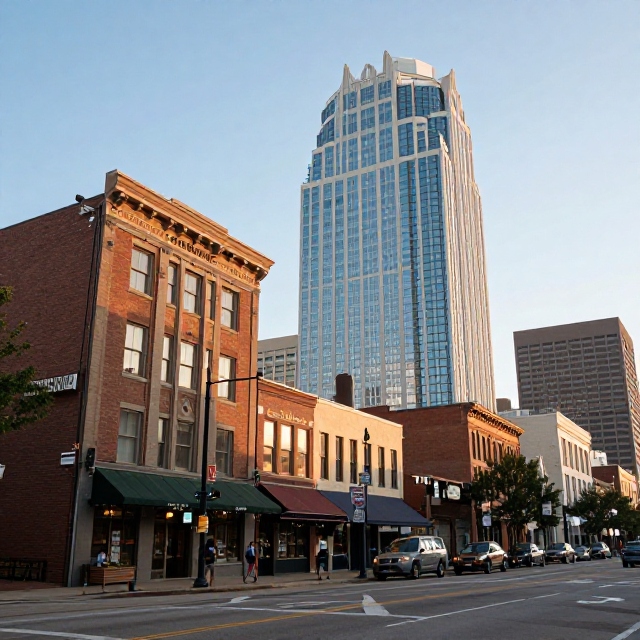
Tulsa is a popular Route 66 destination with a strong connection to the historic highway and a lively arts and entertainment scene. Riders can explore Route 66 landmarks, admire the city’s distinctive Art Deco architecture, and visit the Route 66 Historical Village. The city also offers excellent restaurants, museums, and live music venues for an enjoyable overnight stop. Motorcycle enthusiasts will appreciate the nearby historic road sections and nostalgic roadside attractions. Tulsa is an excellent place to experience Oklahoma’s contribution to the Mother Road.
Oklahoma City, Oklahoma
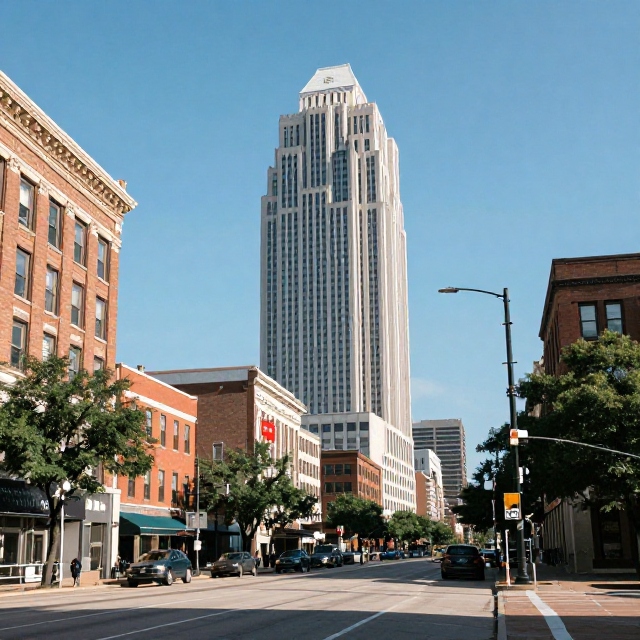
Oklahoma City offers a combination of Western heritage, cultural attractions, and Route 66 history. Travelers can visit the Oklahoma Route 66 Museum in nearby Clinton as a detour, explore the city’s Bricktown entertainment district, and discover local restaurants serving classic American dishes. The city provides a convenient place to rest, refuel, and prepare for the longer stretches of highway farther west. Riders can also explore attractions celebrating the state’s cowboy culture and history. Oklahoma City makes a practical and interesting stop on a cross-country motorcycle journey.
Amarillo, Texas
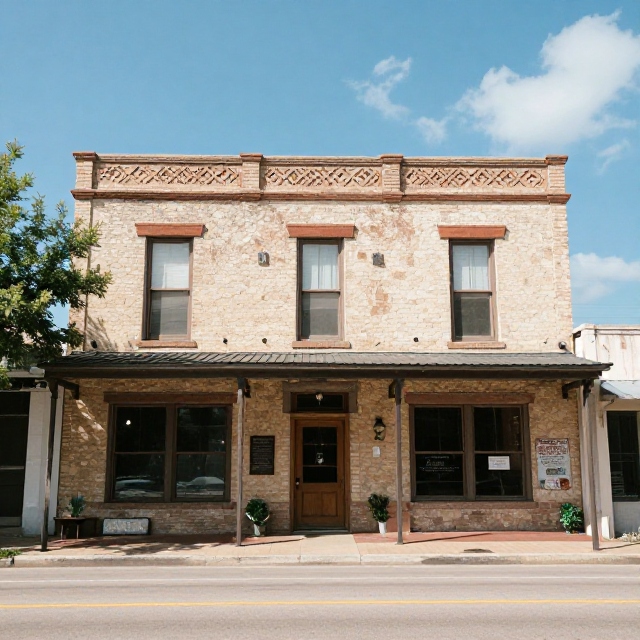
Amarillo is one of the most recognizable stops along the Texas section of Route 66, famous for its wide-open landscapes and quirky roadside attractions. Riders can visit Cadillac Ranch, where colorful graffiti-covered cars are partially buried in the ground, and explore the historic Route 66 district with its vintage shops and restaurants. The city is also known for its Texas barbecue and hearty steaks, making it a popular place to enjoy a memorable meal. The surrounding plains provide a distinctive change of scenery for travelers heading west. Amarillo captures the adventurous and unconventional spirit of Route 66.
Albuquerque, New Mexico
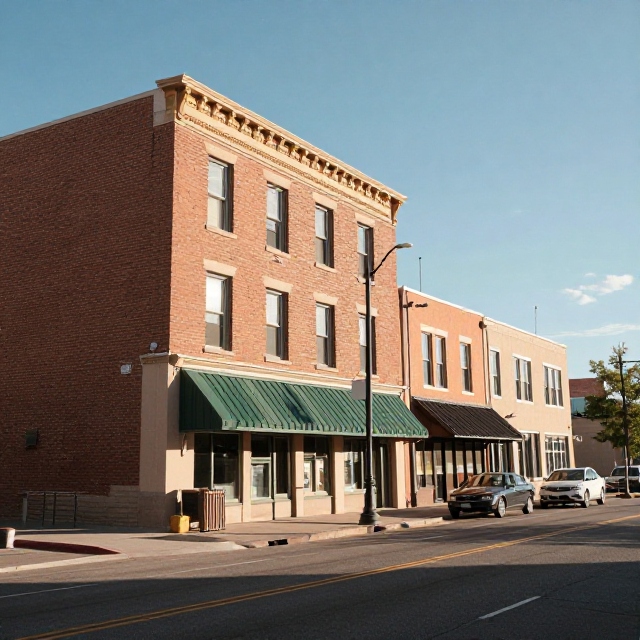
Albuquerque offers a memorable combination of Southwestern scenery, historic Route 66 landmarks, and distinctive local culture. Riders can cruise along Central Avenue, which follows historic Route 66 through the city, and explore Old Town’s adobe architecture, shops, and restaurants. The city’s New Mexican cuisine, including green chile dishes, provides a delicious introduction to regional flavors. Travelers can also enjoy views of the surrounding desert and nearby Sandia Mountains. Albuquerque is an excellent place to experience the history and character of the American Southwest.
Flagstaff, Arizona
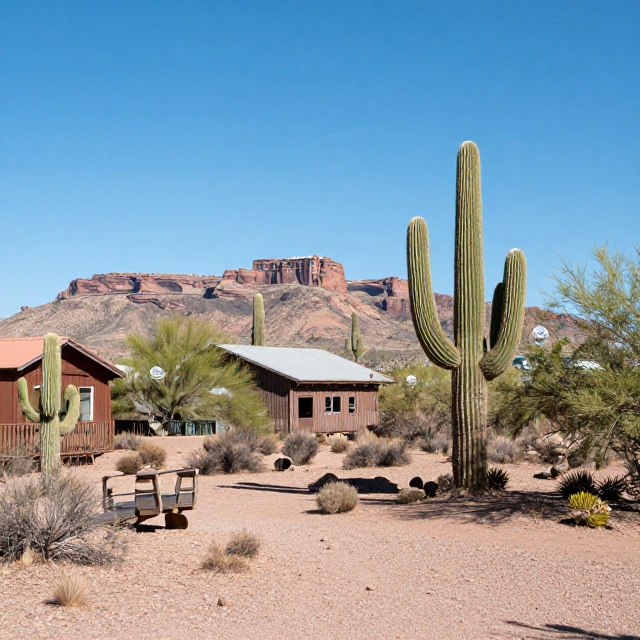
Flagstaff is a scenic stop along the Arizona portion of Route 66, surrounded by pine forests and mountain landscapes that contrast with the desert farther south. Motorcycle riders can explore its historic downtown, visit Route 66 landmarks, and enjoy local cafés, breweries, and independent shops. The city is also a convenient base for a detour to the Grand Canyon, although reaching the national park requires additional travel time. Its cooler elevation can provide welcome relief from the heat of the lower desert regions. Flagstaff combines natural beauty, outdoor recreation, and classic Route 66 charm.
Santa Monica, California
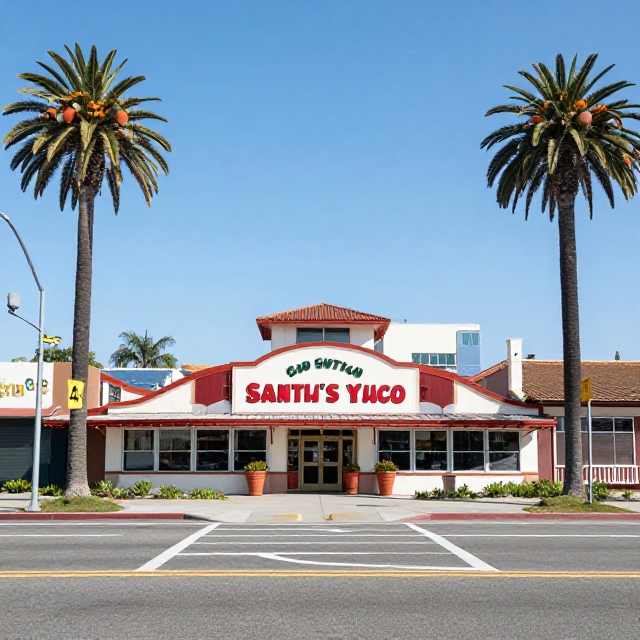
Santa Monica is the traditional western endpoint of the Route 66 road trip and a fitting destination for celebrating the completion of the journey. Riders can visit the famous Santa Monica Pier, take photographs near the Route 66 End of the Trail sign, and enjoy the Pacific Ocean views. The beachfront promenade, restaurants, shops, and lively atmosphere provide plenty of opportunities to relax after days on the road. Travelers can celebrate reaching California’s coast while reflecting on the historic towns and landscapes experienced along the way. Santa Monica delivers a memorable finish to an iconic American motorcycle adventure.
Start of Route 66: Chicago, Illinois
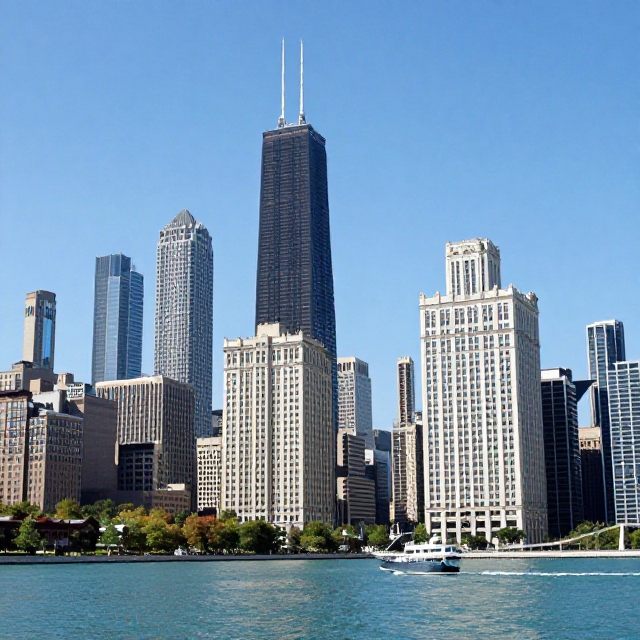
The Route 66 motorcycle road trip begins in Chicago, Illinois, the historic eastern starting point of America’s legendary Mother Road. Riders can visit the famous Route 66 Begin sign on East Adams Street before heading southwest through Illinois toward the open highways of the Midwest. Along the way, travelers can explore charming small towns, classic diners, vintage gas stations, and historic roadside attractions that capture the spirit of old America. Before setting off, check your motorcycle, plan your first day’s route, and take time to enjoy Chicago’s attractions. Starting your journey in Chicago marks the beginning of an unforgettable adventure across eight states toward the Pacific coast.
Finish of Route 66: Santa Monica, California
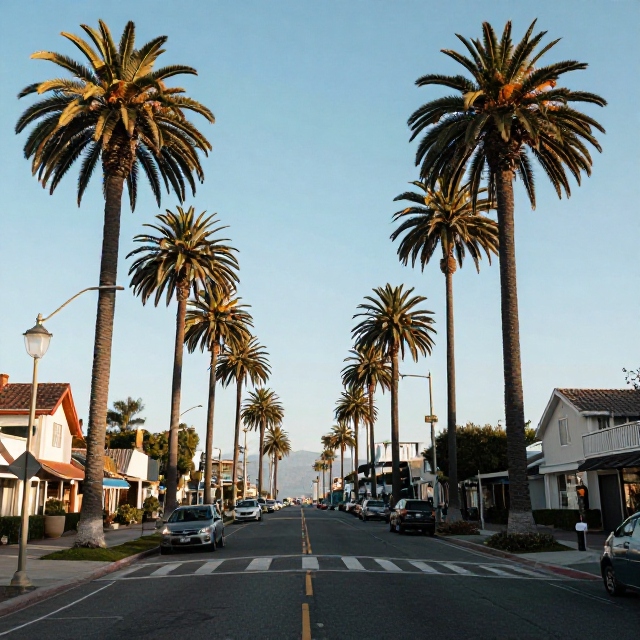
The Route 66 motorcycle road trip traditionally finishes near the Santa Monica Pier in Santa Monica, California, where riders can celebrate reaching the Pacific Ocean after crossing the country. This iconic coastal destination offers beautiful ocean views, sandy beaches, lively restaurants, and the famous End of the Trail sign marking the western endpoint of the historic route. After thousands of miles on the road, take time to relax, capture memorable photographs, and reflect on the historic towns and scenic landscapes you experienced along the way. Exploring the pier and nearby beachfront attractions provides a rewarding end to your motorcycle adventure. Reaching Santa Monica completes a classic American road trip filled with freedom, discovery, and lasting memories.
Best Time to Ride Route 66 by Season: Illinois to California
The best time to ride Route 66 on a motorcycle is generally spring (April–May) and fall (September–October), when temperatures are often more comfortable for long-distance riding. Because the historic route crosses eight states, weather conditions can vary significantly from the Midwest to the deserts of the Southwest.
Spring (March–May)
Spring is one of the best seasons for a Route 66 motorcycle road trip, offering greener landscapes and pleasant riding conditions, particularly later in the season.
- Best months: April and May.
- Advantages: Moderate temperatures, spring scenery, and generally fewer crowds than in summer.
- Watch out for: Rain, thunderstorms, chilly mornings, and possible late-season snow at higher elevations.
- Travel tip: Pack waterproof riding gear and warm layers for changing temperatures.
Summer (June–August)
Summer offers long daylight hours and plenty of opportunities to explore roadside attractions. However, extreme heat can make riding challenging in the Southwest.
- Best for: Riders who prefer longer daylight hours and lively tourist destinations.
- Advantages: Extended riding days and generally fewer cold-weather concerns.
- Watch out for: Extreme desert heat, dehydration, thunderstorms, and busy tourist areas.
- Travel tip: Start riding early in the morning, take regular breaks, and avoid strenuous travel during the hottest hours.
Fall (September–November)
Fall is another excellent season for riding Route 66. Temperatures often become more comfortable, desert heat begins to ease, and parts of the Midwest offer beautiful autumn scenery.
- Best months: September and October.
- Advantages: Pleasant riding conditions in many areas, attractive fall colors, and potentially fewer crowds.
- Watch out for: Cooler evenings, shorter daylight hours, and possible early snow at higher elevations.
- Travel tip: Bring warm clothing for early starts and evening rides.
Winter (December–February)
Winter is generally less suitable for riding the entire Route 66 route because of cold temperatures, snow, and icy conditions in the Midwest and higher elevations. Some southern sections may still offer opportunities for shorter rides during favorable weather.
- Best for: Shorter rides in milder parts of Arizona and Southern California.
- Advantages: Fewer tourists and potentially lower accommodation costs.
- Watch out for: Snow, ice, freezing rain, cold winds, and reduced daylight.
- Travel tip: Check weather forecasts and road conditions daily, and never ride on icy or snow-covered roads.
Which Month Is Best for a Route 66 Motorcycle Trip?
| Month | Riding suitability | Main consideration |
|---|---|---|
| March | Fair | Unpredictable weather and cold conditions |
| April | Very good | Spring rain and cool mornings |
| May | Excellent | Comfortable temperatures in many regions |
| June | Good | Increasing Southwest heat |
| July | Fair | Extreme desert temperatures |
| August | Fair | Heat and possible summer storms |
| September | Excellent | Comfortable conditions in many areas |
| October | Excellent | Cooler nights and shorter days |
| November | Fair to poor | Increasing cold and possible snow |
| December–February | Poor for the full route | Winter weather in the Midwest and higher elevations |
These are general seasonal guidelines, not a forecast. Actual conditions vary by location and year.
Final Recommendation
For a westbound motorcycle trip from Chicago, Illinois, to Santa Monica, California, consider traveling from late April through May or from September through early October. Allow two to three weeks to explore historic towns, roadside attractions, and scenic sections without rushing.
If you want to avoid extreme desert heat, try not to travel through Arizona, New Mexico, and the California desert during the hottest summer months. Before departure, check local weather forecasts, road closures, and mountain-pass conditions to help ensure a safe and enjoyable ride.
Travel Tips for a Route 66 Motorcycle Road Trip: Illinois to California
Planning ahead can make your Route 66 motorcycle road trip safer, more comfortable, and more enjoyable. From choosing the right riding season to exploring historic roadside attractions, these tips will help you make the most of your journey along America’s legendary Mother Road.
1. Choose the best time to ride. Spring (April–May) and fall (September–October) are generally good choices for comfortable riding temperatures. Check regional forecasts before departure, as conditions can vary significantly across the eight states.
2. Plan your daily mileage. Aim for approximately 150–250 miles per day if you want time to explore attractions, enjoy local restaurants, and take photographs. Allow extra time for sightseeing, roadworks, and unexpected delays.
3. Map out historic Route 66 sections. The original highway is no longer continuous. Use a dedicated Route 66 road atlas or reliable GPS route to locate surviving historic alignments, identify closed sections, and avoid accidentally spending the entire trip on interstate highways.
4. Book accommodation in advance. Reserve motels, hotels, or campgrounds in popular destinations, particularly during summer, holiday weekends, and major events. Historic Route 66 motels can add an authentic touch to your adventure.
5. Prepare your motorcycle thoroughly. Before leaving Illinois, inspect your tires, brakes, lights, chain or belt, battery, and fluid levels. Carry basic tools, a tire repair kit, and roadside assistance information.
6. Pack for changing weather. Temperatures can shift dramatically between the Midwest, mountainous areas, and Southwest deserts. Bring layered clothing, waterproof riding gear, ventilated protective equipment, and warm layers for cooler mornings and evenings.
7. Stay hydrated in desert regions. Arizona, New Mexico, and parts of California can experience intense heat. Carry plenty of water, take regular breaks, and avoid pushing through signs of heat exhaustion. Check fuel availability before remote stretches.
8. Explore small towns and roadside attractions. Make time for historic diners, vintage gas stations, quirky roadside sculptures, Route 66 museums, and local businesses. These stops are an essential part of the experience, not simply distractions from the ride.
9. Budget for fuel and unexpected expenses. Account for accommodation, meals, attractions, motorcycle maintenance, and emergency repairs. Keep a backup payment method and some emergency funds available.
10. Ride defensively and take regular breaks. Watch for changing road surfaces, gravel, potholes, wildlife, and distracted drivers. Rest when tired, avoid riding while impaired, and follow local traffic laws and helmet requirements.
11. Keep your phone and navigation equipment charged. Download offline maps before entering areas with weak cellular coverage. A power bank or motorcycle charging outlet can be useful, and a paper map provides a reliable backup.
12. Allow time for spontaneous detours. Some of the best memories come from unexpected discoveries. Avoid scheduling every hour so you can stop at interesting landmarks, meet local residents, and enjoy scenic stretches without rushing.
13. Check road conditions before departure each day. Look for closures, construction, extreme weather, and seasonal restrictions. Historic sections may be impassable or unsuitable for motorcycles after heavy rain or other severe weather.
14. Protect your travel documents and valuables. Carry your driver’s license, motorcycle registration, insurance information, and emergency contacts. Keep valuables secure when leaving your motorcycle parked at attractions or overnight stops.
15. Finish at the Pacific coast. Make time to enjoy Santa Monica, California, the traditional western endpoint of the historic route. Take photographs, celebrate completing the journey, and enjoy the satisfaction of riding one of America’s most iconic highways.
Final tip: The best Route 66 motorcycle road trip is about the journey, not just the destination. Plan enough to stay safe, but leave room for the unexpected experiences that make the Mother Road unforgettable.
How to Plan Your Trip Online
- Flights and Hotels: Find great flight deals and comfortable stays near the Dead Sea with Booking.com.
- Tours and Experiences: Discover unforgettable Dead Sea excursions, guided tours, and local adventures on Viator.
- Travel Insurance: Travel with greater peace of mind by comparing coverage options through VisitorsCoverage.
- Fishing Charters: Add a fishing adventure to your trip by exploring charter options on FishingBooker.
- Airport Transfers and Car Rentals: Arrange your transportation in advance for a smooth, stress-free journey to your Dead Sea resort.
Travel tip: Book your flights, accommodation, and favorite activities early to secure better options and make the most of your Dead Sea getaway!
Conclusion: Route 66 Motorcycle Road Trip – Illinois to California Guide
A motorcycle road trip along Route 66 from Illinois to California is much more than a journey across the country—it is an opportunity to experience America’s history, culture, and diverse landscapes at your own pace. From the lively streets of Chicago to the historic communities of Oklahoma, the wide-open deserts of Arizona, and the Pacific coastline of California, every section of the route offers memorable experiences and unique discoveries. With thoughtful planning, suitable riding gear, regular motorcycle maintenance, and enough time to explore along the way, you can make this legendary road trip both enjoyable and rewarding. Although portions of the original highway have been replaced or bypassed by modern roads, many historic sections remain accessible to riders. Whether this is your first long-distance motorcycle adventure or one of many cross-country rides, Route 66 offers a timeless opportunity to embrace the spirit of the open road and create memories that last a lifetime.
Frequently Asked Questions (FAQs)
1. How long does it take to ride Route 66 from Illinois to California?
Most motorcyclists allow 10 to 14 days for the journey, while two to three weeks provides more time to explore historic towns, roadside attractions, museums, and scenic detours. The ideal duration depends on your daily mileage and sightseeing plans.
2. How many miles is the Route 66 motorcycle road trip?
Historic Route 66 originally covered approximately 2,448 miles from Chicago, Illinois, to the Santa Monica area of California. Your actual mileage may vary depending on the historic road sections, detours, and alternative routes you choose.
3. What is the best time of year to ride Route 66?
Spring, particularly April and May, and fall, especially September and October, are generally popular choices. These seasons often offer more comfortable riding temperatures, although weather varies by region. Summer can bring extreme heat in desert areas, while winter may cause snow or icy conditions in higher elevations.
4. What are the eight states along Route 66?
The historic route passes through Illinois, Missouri, Kansas, Oklahoma, Texas, New Mexico, Arizona, and California.
5. What are the best stops on a Route 66 motorcycle road trip?
Popular attractions include the Route 66 Begin sign in Chicago, the Chain of Rocks Bridge area near St. Louis, the Blue Whale of Catoosa in Oklahoma, Cadillac Ranch in Texas, the historic districts of Santa Fe as a nearby detour, the Petrified Forest National Park area in Arizona, and the Santa Monica Pier in California.
6. Is Route 66 suitable for all types of motorcycles?
Most well-maintained touring bikes, cruisers, adventure motorcycles, and standard road motorcycles can handle the trip. A comfortable riding position, reliable tires, adequate luggage capacity, and good fuel range are helpful for long-distance travel.
7. Can I ride the entire original Route 66 today?
Not entirely. Route 66 was officially decommissioned as a U.S. Highway in 1985, and some original sections are closed, inaccessible, or interrupted by modern roads. However, many historic alignments remain open, and riders can follow much of the original route using dedicated maps and navigation resources.
8. How much should I budget for a Route 66 motorcycle trip?
Your budget will depend on accommodation, fuel, food, attractions, motorcycle maintenance, and trip length. Budget-conscious riders can save money by camping or choosing inexpensive motels, while travelers who prefer boutique hotels and frequent restaurant stops should plan for higher costs. Keep an emergency fund for unexpected repairs.
9. What essential items should I pack for the trip?
Pack a properly fitted helmet, protective riding jacket and trousers, gloves, sturdy boots, rain gear, layered clothing, navigation equipment, a phone charger, a first-aid kit, basic motorcycle tools, a tire repair kit, water, and important documents. Check your motorcycle’s tires, brakes, lights, fluids, and battery before departure.
10. Is Route 66 a good road trip for beginner motorcyclists?
It can be, but riders should have sufficient experience with highway riding, changing weather, and long days in the saddle. Beginners may benefit from shorter daily distances, planned rest days, and avoiding high-speed roads or challenging weather conditions beyond their comfort level.
11. Where does the Route 66 motorcycle road trip end?
The traditional western endpoint is near the Santa Monica Pier in Santa Monica, California, where riders can celebrate reaching the Pacific coast. Chicago, Illinois, is the eastern starting point for the classic westbound journey.
12. Do I need to book accommodation in advance?
Booking ahead is recommended during peak travel seasons, weekends, holidays, and major motorcycle events. Reserving accommodation in popular destinations can help you avoid long detours or limited availability after a full day of riding.




Leave a Reply