The Gulf of Fonseca is a large Pacific gulf shared by El Salvador, Honduras, and Nicaragua. Its coastal waters, islands, channels, and nearby offshore fishing grounds provide opportunities to target a variety of tropical fish. Depending on the location and season, anglers may encounter snapper, grouper, tuna, mahi-mahi, wahoo, sailfish, and other game fish. This guide explores 25 fishing locations around the Gulf of Fonseca for anglers looking for offshore and deep sea fishing opportunities.
El Salvador Pacific Coast
El Salvador’s eastern Pacific coast offers a mix of offshore, coastal, and island fishing opportunities centered around the Gulf of Fonseca. The region combines deep Pacific waters, volcanic islands, rocky shorelines, estuaries, and productive offshore grounds that can support sailfish, marlin, mahi-mahi, tuna, roosterfish, snapper, and other sportfish. Anglers can explore destinations such as La Unión, Conchagua, and the islands of Conchagüita, Meanguera, Conejo, Perico, Martín Pérez, and Zacatillo, with fishing conditions varying by season, tides, and location. The area is characterized by volcanic landscapes, warm Pacific waters, mangrove-lined coastal zones, and numerous islands that provide access to both offshore and inshore fishing environments.
La Unión — Deep-Sea Fishing
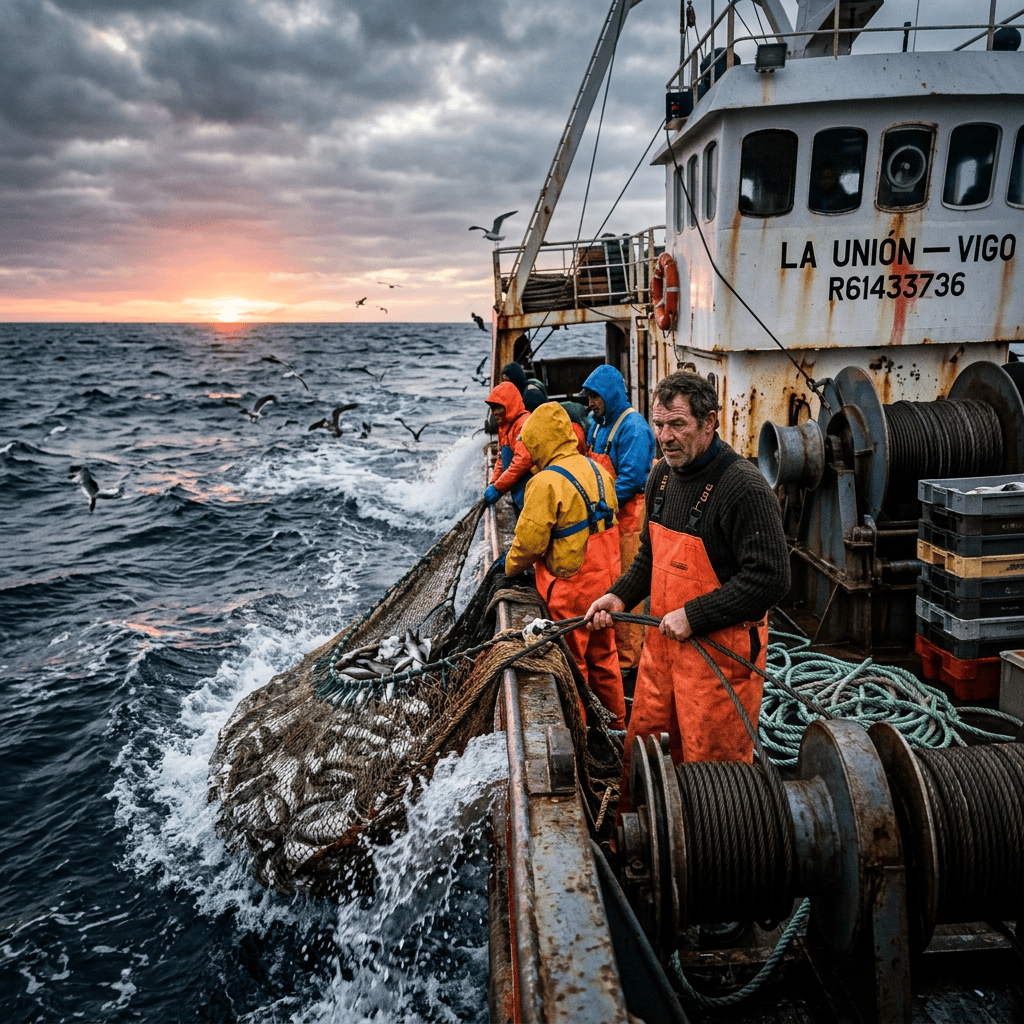
La Unión sits at the eastern end of El Salvador near the Gulf of Fonseca and provides access to a network of coastal and offshore fishing waters. Anglers can venture into deeper Pacific waters for sailfish, marlin, mahi-mahi, tuna, and other pelagic species, while nearby coastal areas offer additional opportunities for snapper and other reef-associated fish. The surrounding gulf includes islands, channels, mangroves, and open-water areas that support a variety of fishing techniques. La Unión also provides a convenient mainland base for exploring the islands and offshore waters of the Gulf of Fonseca.
Types of Fish: Sailfish ➤ marlin ➤ mahi-mahi ➤ tuna ➤ snapper
Where to Fish: Gulf of Fonseca ➤ Pacific Ocean ➤ offshore waters ➤ coastal channels
Where to Stay: La Unión ➤ hotels ➤ lodges ➤ guesthouses
Conchagua — Deep-Sea Fishing

Conchagua is located on the southeastern coast near the Gulf of Fonseca and is backed by the volcanic landscape of the Conchagua area. Offshore fishing trips can reach Pacific waters where anglers may encounter sailfish, marlin, mahi-mahi, tuna, and other pelagic species. Coastal waters and nearby islands provide additional opportunities for bottom and inshore fishing. The combination of volcanic scenery, warm Pacific waters, and access to the gulf creates a diverse setting for fishing excursions.
Types of Fish: Sailfish ➤ marlin ➤ mahi-mahi ➤ tuna ➤ snapper
Where to Fish: Gulf of Fonseca ➤ Pacific Ocean ➤ offshore waters ➤ island channels
Where to Stay: Conchagua ➤ hotels ➤ lodges ➤ guesthouses
Isla Conchagüita — Deep-Sea Fishing

Isla Conchagüita is one of the volcanic islands in the Gulf of Fonseca, surrounded by warm tropical waters and coastal fishing grounds. Anglers can explore the island’s rocky shoreline and nearby channels while making trips into deeper Gulf of Fonseca waters for pelagic species. Depending on season and conditions, fishing may include mahi-mahi, tuna, snapper, jacks, and other tropical species. Its island setting provides access to a quieter and more remote fishing environment.
Types of Fish: Mahi-mahi ➤ tuna ➤ snapper ➤ jacks ➤ roosterfish
Where to Fish: Gulf of Fonseca ➤ island channels ➤ rocky shorelines ➤ offshore waters
Where to Stay: Isla Conchagüita ➤ local accommodations ➤ mainland La Unión
Isla Meanguera — Deep-Sea Fishing

Isla Meanguera lies within the Gulf of Fonseca and offers access to a combination of sheltered island waters and deeper Pacific fishing grounds. Anglers can fish around rocky shorelines, channels, and offshore areas for mahi-mahi, tuna, snapper, jacks, and other tropical species. Trips can extend beyond the gulf toward deeper Pacific waters where larger pelagic fish may be encountered. The island’s volcanic terrain and surrounding waters create a scenic setting for boat-based fishing.
Types of Fish: Mahi-mahi ➤ tuna ➤ snapper ➤ jacks ➤ sailfish
Where to Fish: Gulf of Fonseca ➤ island channels ➤ rocky coast ➤ Pacific offshore waters
Where to Stay: Isla Meanguera ➤ local accommodations ➤ mainland La Unión
Isla Conejo — Deep-Sea Fishing

Isla Conejo is a small island in the Gulf of Fonseca surrounded by shallow coastal waters, rocky structure, and nearby channels. Fishing around the island can target snapper, jacks, and other coastal species, while longer boat trips can reach deeper Gulf and Pacific waters. The island’s position provides a useful reference point for exploring the surrounding fishing grounds by boat. Its small size and isolated setting offer a remote Gulf of Fonseca fishing experience.
Types of Fish: Snapper ➤ jacks ➤ tuna ➤ mahi-mahi ➤ other coastal species
Where to Fish: Gulf of Fonseca ➤ island channels ➤ rocky structure ➤ offshore waters
Where to Stay: Isla Conejo ➤ mainland La Unión ➤ nearby coastal accommodations
Isla Perico — Deep-Sea Fishing

Isla Perico is situated within the Gulf of Fonseca and is surrounded by sheltered waters, channels, and productive coastal habitat. Anglers can explore the waters around the island for snapper, jacks, tuna, mahi-mahi, and other tropical species, with access to deeper waters farther offshore. The island’s location within the gulf makes it suitable for combining coastal fishing with longer offshore excursions. Volcanic islands and surrounding Pacific waters add scenic variety to fishing trips in the region.
Types of Fish: Snapper ➤ jacks ➤ tuna ➤ mahi-mahi ➤ sailfish
Where to Fish: Gulf of Fonseca ➤ island channels ➤ coastal waters ➤ offshore Pacific
Where to Stay: Isla Perico ➤ mainland La Unión ➤ nearby lodges
Isla Martín Pérez — Deep-Sea Fishing

Isla Martín Pérez is a small volcanic island within the Gulf of Fonseca, surrounded by Pacific coastal waters and island channels. Fishing around the island can include snapper, jacks, and other coastal species, while deeper waters provide opportunities for tuna, mahi-mahi, and seasonal pelagic fish. Boat access allows anglers to explore nearby islands, channels, and offshore grounds in the same outing. The island’s remote character and volcanic surroundings provide a distinctive Gulf of Fonseca fishing environment.
Types of Fish: Snapper ➤ jacks ➤ tuna ➤ mahi-mahi ➤ sailfish
Where to Fish: Gulf of Fonseca ➤ island channels ➤ rocky waters ➤ Pacific offshore waters
Where to Stay: Isla Martín Pérez ➤ mainland La Unión ➤ coastal accommodations
Isla Zacatillo — Deep-Sea Fishing

Isla Zacatillo is located in the Gulf of Fonseca near El Salvador’s eastern coast and offers access to sheltered island waters and surrounding Pacific fishing grounds. Anglers can fish around rocky shorelines and channels for snapper, jacks, tuna, mahi-mahi, and other tropical species. Longer offshore trips can reach deeper waters where larger pelagic species may be encountered depending on season and conditions. The island’s combination of tropical coastline, volcanic scenery, and surrounding marine habitat makes it a distinctive fishing destination.
Types of Fish: Snapper ➤ jacks ➤ tuna ➤ mahi-mahi ➤ sailfish
Where to Fish: Gulf of Fonseca ➤ island channels ➤ rocky shorelines ➤ Pacific offshore waters
Where to Stay: Isla Zacatillo ➤ mainland La Unión ➤ nearby coastal accommodations
Honduras — Gulf of Fonseca
Honduras’s Pacific coast around the Gulf of Fonseca offers a distinctive mix of offshore, island, coastal, and estuary fishing opportunities. The region is characterized by volcanic islands, mangrove channels, rocky shorelines, tidal flats, and open Pacific waters, supporting species such as snapper, jacks, tuna, mahi-mahi, roosterfish, and other coastal and pelagic fish. Key fishing bases include Amapala, San Lorenzo, and Coyolito, while the islands of El Tigre, Zacate Grande, Exposición, Garrobo, and Conejo provide additional fishing grounds accessible by boat. The Gulf of Fonseca also contains protected marine areas and extensive mangrove habitat, so fishing locations and methods can vary according to local regulations, tides, seasons, and conservation zones. Honduras.com+2
Amapala — Deep-Sea Fishing

Amapala is located on Isla del Tigre in the Gulf of Fonseca and has long-standing connections to fishing and maritime activity. The surrounding waters include rocky volcanic shorelines, island channels, and access to deeper Gulf waters where anglers can pursue snapper, jacks, tuna, mahi-mahi, and other Pacific species. Fishing around Amapala can range from nearshore and bottom fishing to longer offshore trips depending on conditions and target species. The volcanic landscape of Isla del Tigre provides a distinctive backdrop for fishing excursions across the Gulf of Fonseca. Wikipedia+1
Types of Fish: Snapper ➤ jacks ➤ tuna ➤ mahi-mahi ➤ roosterfish
Where to Fish: Gulf of Fonseca ➤ Isla del Tigre ➤ rocky shorelines ➤ offshore waters
Where to Stay: Amapala ➤ hotels ➤ guesthouses ➤ island accommodations
San Lorenzo — Coastal & Offshore Fishing

San Lorenzo is a mainland gateway to the Gulf of Fonseca and its network of coastal waters, mangroves, channels, and islands. Anglers can use the area as a starting point for boat trips toward deeper Gulf waters and the islands around Amapala. Fishing opportunities include coastal and bottom species such as snapper, jacks, rays, and other Gulf fish, with longer trips providing access to more open-water species. The extensive mangrove coastline and nearby fishing communities add variety to the region’s boat-based fishing environment. RedHonduras+1
Types of Fish: Snapper ➤ jacks ➤ rays ➤ tuna ➤ mahi-mahi
Where to Fish: Gulf of Fonseca ➤ coastal channels ➤ mangroves ➤ offshore waters
Where to Stay: San Lorenzo ➤ hotels ➤ guesthouses ➤ coastal accommodations
Coyolito — Coastal Fishing

Coyolito is a small fishing community on the Gulf of Fonseca and serves as an important departure point for boats traveling toward Isla del Tigre and other island fishing grounds. The surrounding waters feature calm bays, mangrove channels, rocky coastlines, and access to deeper areas of the gulf. Anglers can target snapper, jacks, rays, and other coastal species around structure and channels, while longer boat trips can reach more open water. Its location makes Coyolito particularly useful for exploring the island-rich waters around southern Honduras. RedHonduras+1
Types of Fish: Snapper ➤ jacks ➤ rays ➤ tuna ➤ coastal species
Where to Fish: Gulf of Fonseca ➤ island channels ➤ mangroves ➤ coastal waters
Where to Stay: Coyolito ➤ guesthouses ➤ nearby San Lorenzo ➤ Amapala
Isla del Tigre — Deep-Sea Fishing

Isla del Tigre is a volcanic island in the center of the Gulf of Fonseca and is home to Amapala. Its surrounding waters include rocky volcanic coastlines, reefs, channels, and offshore fishing areas that support a variety of Pacific species. Anglers can fish around the island for snapper, jacks, tuna, mahi-mahi, and other species, with deeper-water trips extending farther into the gulf. The island is also associated with artificial-reef fishing, where hook-and-line fishing has been studied around Isla del Tigre and Zacate Grande. Eco Honduras+1
Types of Fish: Snapper ➤ jacks ➤ tuna ➤ mahi-mahi ➤ roosterfish
Where to Fish: Isla del Tigre ➤ Gulf of Fonseca ➤ rocky coast ➤ artificial reefs
Where to Stay: Amapala ➤ island lodges ➤ guesthouses
Isla Zacate Grande — Deep-Sea Fishing

Isla Zacate Grande is a large volcanic island in the Gulf of Fonseca surrounded by smaller islands and coastal waters. Fishing around the island includes hook-and-line opportunities on artificial reefs as well as coastal and offshore fishing around rocky structure and channels. Anglers can target snapper, jacks, tuna, mahi-mahi, and other Pacific species depending on season and location. The island’s size and position provide access to several different marine environments within the Gulf of Fonseca. Wikipedia+1
Types of Fish: Snapper ➤ jacks ➤ tuna ➤ mahi-mahi ➤ coastal species
Where to Fish: Gulf of Fonseca ➤ Isla Zacate Grande ➤ artificial reefs ➤ island channels
Where to Stay: Zacate Grande ➤ Amapala ➤ nearby coastal lodges
Isla Exposición — Deep-Sea Fishing

Isla Exposición lies in the Gulf of Fonseca near Amapala and is part of the Gulf of Fonseca marine protected area. The island features rocky coastline, beaches, and surrounding marine habitat that can be explored by boat. Fishing opportunities include coastal and bottom fishing around island structure, with access to deeper Gulf waters for longer offshore trips. Its position near Amapala and the surrounding island network makes it a useful stop for multi-location fishing excursions. Honduras.com+1
Types of Fish: Snapper ➤ jacks ➤ tuna ➤ mahi-mahi ➤ coastal species
Where to Fish: Gulf of Fonseca ➤ island channels ➤ rocky coastline ➤ offshore waters
Where to Stay: Isla Exposición ➤ Amapala ➤ Coyolito ➤ San Lorenzo
Isla Garrobo — Coastal & Offshore Fishing

Isla Garrobo is one of the smaller islands of the Honduran Gulf of Fonseca archipelago and is surrounded by rocky coastal habitat and open Gulf waters. The island is associated with small-scale fishing communities and provides access to nearby channels and offshore areas. Anglers can explore the surrounding waters for snapper, jacks, tuna, mahi-mahi, and other species found throughout the gulf. Its location within the protected island network also makes it part of a broader marine environment that includes mangroves, rocky islands, and coastal waters. RedHonduras+1
Types of Fish: Snapper ➤ jacks ➤ tuna ➤ mahi-mahi ➤ coastal species
Where to Fish: Gulf of Fonseca ➤ island channels ➤ rocky waters ➤ offshore grounds
Where to Stay: Isla Garrobo ➤ Amapala ➤ Coyolito ➤ San Lorenzo
Isla Conejo — Coastal & Offshore Fishing

Isla Conejo is a small island within the Gulf of Fonseca and forms part of the Honduran archipelago of islands and cays. Its surrounding waters provide opportunities for coastal fishing around rocky structure, channels, and nearby marine habitat, while longer trips can reach deeper Gulf waters. Anglers may encounter snapper, jacks, tuna, mahi-mahi, and other tropical Pacific species depending on conditions. The island’s remote setting and proximity to other Gulf islands make it suitable for boat-based fishing itineraries that explore several locations in one trip. Honduras.com+1
Types of Fish: Snapper ➤ jacks ➤ tuna ➤ mahi-mahi ➤ coastal species
Where to Fish: Gulf of Fonseca ➤ island channels ➤ rocky structure ➤ offshore waters
Where to Stay: Isla Conejo ➤ Amapala ➤ Coyolito ➤ San Lorenzo
Conclusion
The Gulf of Fonseca offers diverse fishing opportunities across the waters of El Salvador, Honduras, and Nicaragua. Its islands, coastal areas, and access to the Pacific provide anglers with different environments for offshore and sport fishing. Target species and fishing conditions can change with the season, weather, water temperature, and location. Before planning a trip, anglers should check local fishing regulations, licensing requirements, weather conditions, and charter availability.
Frequently Asked Questions
What fish can you catch in the Gulf of Fonseca?
Depending on the location and season, anglers may target tuna, mahi-mahi, wahoo, snapper, grouper, sailfish, and other Pacific game fish.
Which countries share the Gulf of Fonseca?
The Gulf of Fonseca is shared by El Salvador, Honduras, and Nicaragua.
Is the Gulf of Fonseca good for deep sea fishing?
The gulf provides access to coastal, offshore, and Pacific fishing grounds. The type of fishing available depends on the specific location and how far offshore a fishing trip travels.
What is the best time to fish the Gulf of Fonseca?
The best time depends on the species being targeted and the local weather and water conditions. Anglers should check seasonal fishing information for their specific destination.
Do I need a fishing license?
Fishing regulations and license requirements vary between El Salvador, Honduras, and Nicaragua. Check the current requirements for the country and fishing area before your trip.
What fishing techniques are used in the Gulf of Fonseca?
Depending on the target species, anglers may use trolling, bottom fishing, jigging, live bait, and artificial lures. Local guides can recommend techniques based on current conditions and fish activity.


Leave a Reply