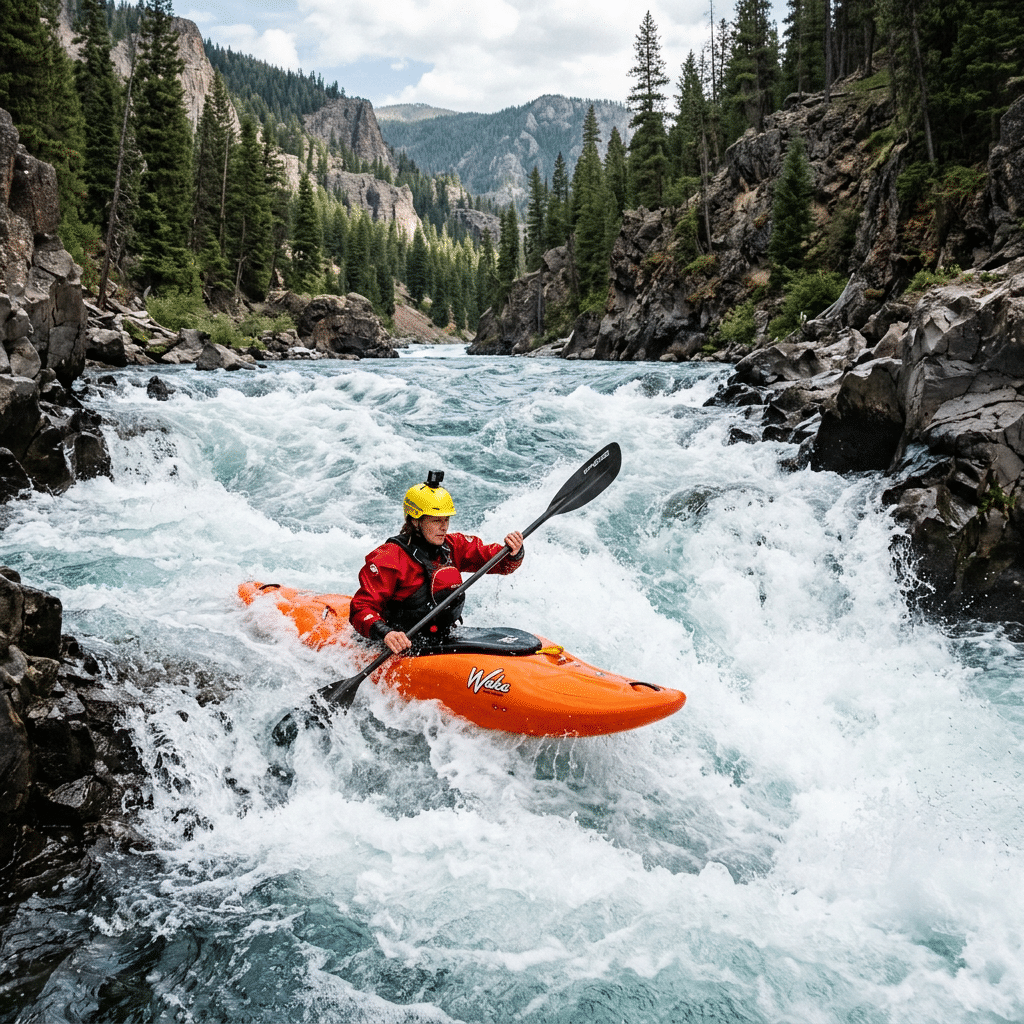
New Zealand’s Southern Alps are a premier destination for advanced whitewater kayaking, with steep alpine rivers, remote gorges, powerful rapids, and dramatic mountain scenery. The greatest concentration of challenging whitewater is found across the West Coast, Canterbury, and Otago, with rivers ranging from technical Grade IV to demanding Grade V.
Notable areas include Hokitika, Arthur’s Pass, Canterbury, and Queenstown, providing access to a wide variety of serious whitewater. River grades can vary by section and water level, so paddlers should research the exact reach and current conditions before planning a descent.
Southern Alps — West Coast, New Zealand
New Zealand’s West Coast is one of the country’s premier destinations for advanced whitewater kayaking, with steep glacial valleys, high rainfall, powerful rivers, and remote wilderness runs. The Southern Alps send numerous rivers toward the Tasman Sea, creating everything from technical creeking to sustained Class IV and Class V whitewater. Many of these rivers are highly flow-dependent, with rapidly changing conditions after heavy rain and significant hazards associated with remote access. The region is best suited to experienced paddlers with strong rescue skills, river-reading ability, and appropriate local knowledge.
Waitaha River — Whataroa / West Coast
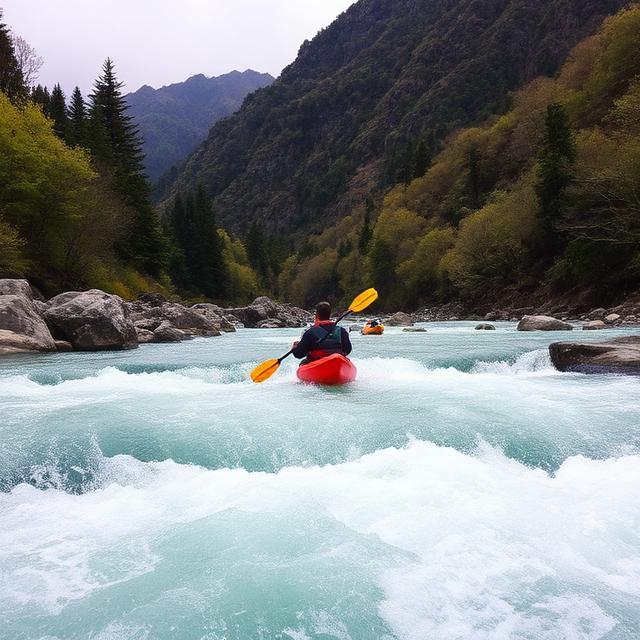
The Waitaha River is one of New Zealand’s classic extreme whitewater rivers, flowing through a remote and spectacular gorge on the West Coast. It is known for sustained technical rapids, steep drops, powerful hydraulics, and committing canyon sections that demand advanced expedition skills. The river’s isolated character means that a descent requires careful planning, strong group safety, and excellent rescue capability. For expert kayakers, the Waitaha combines serious whitewater with some of the most dramatic wilderness scenery in the Southern Alps.
Quick Facts: Location: Whataroa, West Coast, New Zealand | Class Rapids: Class IV–V | Difficulty: Expert / Extreme | River Type: Steep technical river and remote gorge | Best Season: Spring through autumn, depending on water levels
Where to Stay: Whataroa and Franz Josef provide the closest accommodation and supplies, while Hokitika offers a larger selection of hotels, restaurants, and outdoor services. Remote sections may require expedition-style camping.
Kokatahi River — Hokitika
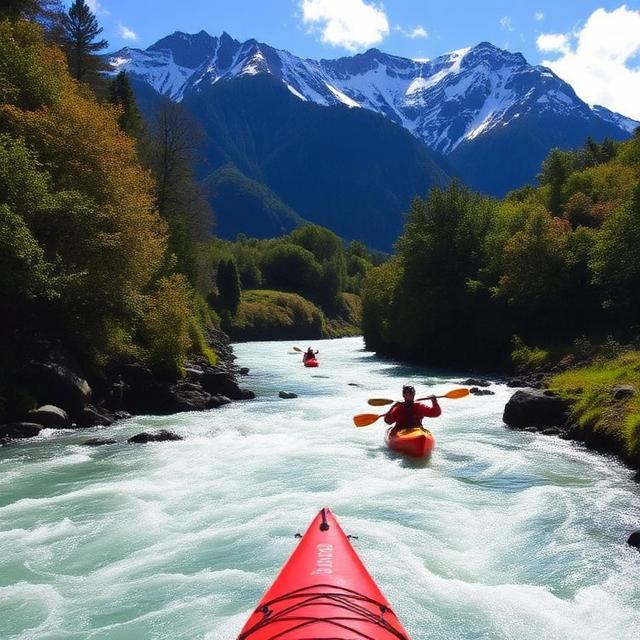
The Kokatahi River flows from the Southern Alps toward the West Coast near Hokitika and is known for steep, technical whitewater. Its upper sections contain challenging rapids, rocky drops, and narrow channels that require precise boat control and strong river-reading skills. Like many West Coast rivers, the Kokatahi is highly dependent on rainfall and can rise rapidly. Experienced paddlers can use the river as a demanding technical run while enjoying the rugged forest and mountain scenery surrounding Hokitika.
Quick Facts: Location: Hokitika, West Coast, New Zealand | Class Rapids: Class IV–V depending on section and flow | Difficulty: Advanced / Expert | River Type: Technical mountain river and gorge | Best Season: Spring through autumn with suitable flows
Where to Stay: Hokitika is the most convenient base, offering hotels, motels, campsites, restaurants, gear shops, and road access to the Kokatahi Valley.
Arahura River — Hokitika
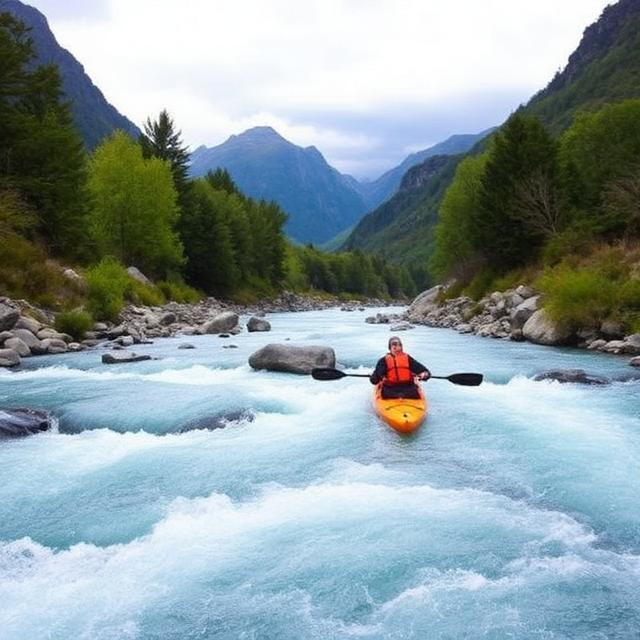
The Arahura River descends from the Southern Alps through dense native forest and rugged mountain terrain before reaching the West Coast near Hokitika. Its upper and middle sections can provide technical whitewater, with boulder gardens, drops, and fast-moving channels requiring confident paddling. The river’s remote character adds an expedition element to more difficult sections, particularly where access is limited. It offers a strong combination of challenging whitewater and classic West Coast wilderness scenery.
Quick Facts: Location: Hokitika, West Coast, New Zealand | Class Rapids: Class III–V depending on section and flow | Difficulty: Intermediate to Expert | River Type: Alpine river, forested gorge, technical creek | Best Season: Spring through autumn, depending on flows
Where to Stay: Hokitika provides the widest range of accommodation and services, while campsites and basic facilities in the surrounding valleys can support longer river trips.
Hokitika River — Hokitika
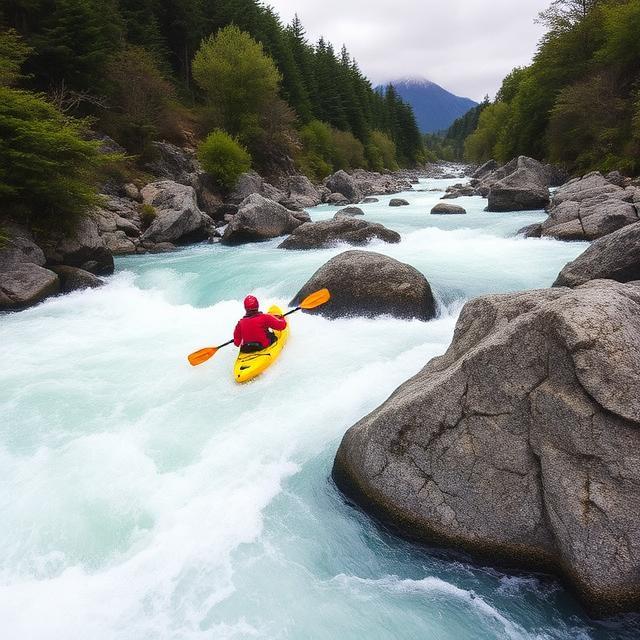
The Hokitika River drains a large section of the Southern Alps and offers a variety of whitewater environments upstream from the town of Hokitika. Depending on the selected section and river level, paddlers can encounter fast current, technical rapids, boulder gardens, and steeper mountain-water features. The river is heavily influenced by rainfall and alpine runoff, making flow assessment particularly important. It provides convenient access to West Coast whitewater while retaining the remote character of the surrounding mountain valleys.
Quick Facts: Location: Hokitika, West Coast, New Zealand | Class Rapids: Class III–IV+ depending on section and flow | Difficulty: Intermediate to Expert | River Type: Alpine river and technical gorge | Best Season: Spring through autumn
Where to Stay: Hokitika is an excellent base for the river, with a wide range of accommodation, restaurants, equipment suppliers, and access to other West Coast paddling areas.
Mungo River — West Coast
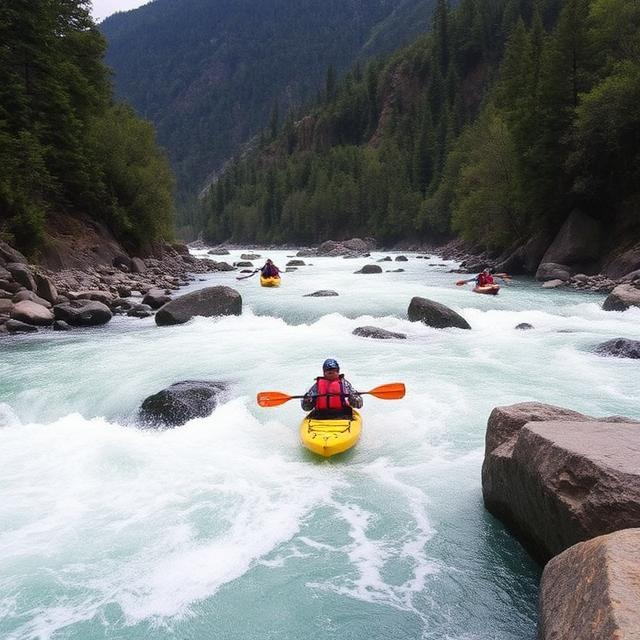
The Mungo River is a remote West Coast tributary descending through rugged terrain between the Southern Alps and the Tasman Sea. Its isolated character and technical riverbed make it an appealing destination for experienced paddlers seeking wilderness whitewater. Suitable flows can create challenging rapids, steep drops, and complex rocky sections, while high water can significantly increase the difficulty. The river requires careful logistical planning because access and rescue options can be limited.
Quick Facts: Location: West Coast, South Island, New Zealand | Class Rapids: Class IV–V depending on section and flow | Difficulty: Advanced / Expert | River Type: Remote mountain creek and gorge | Best Season: Spring through autumn with appropriate flows
Where to Stay: Hokitika and surrounding West Coast communities provide the best accommodation and supplies, while remote trips may require camping and careful transport planning.
Toaroha River — Ross / West Coast
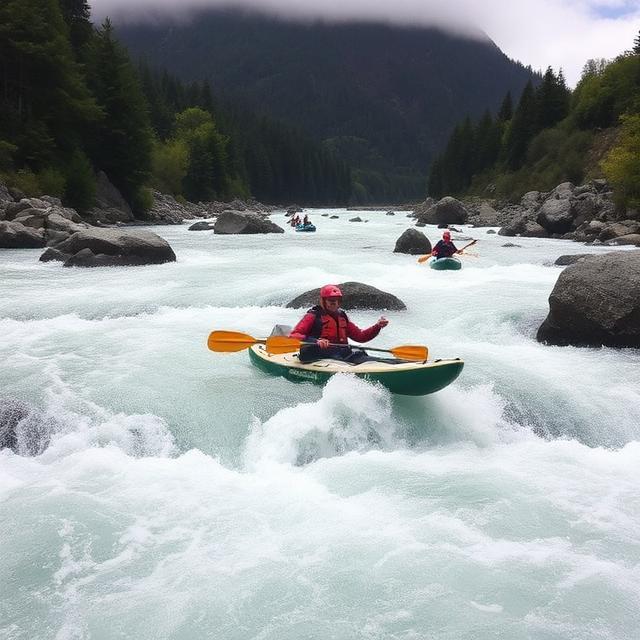
The Toaroha River runs through a remote and rugged valley south of Hokitika, surrounded by dense native bush and Southern Alps terrain. Its steeper sections offer technical whitewater, with narrow channels, rocky rapids, and drops that can challenge experienced creek boaters. The river is sensitive to rainfall and should be assessed carefully because water levels can change quickly. Its wilderness setting makes the Toaroha particularly attractive to paddlers seeking technical river running away from developed areas.
Quick Facts: Location: Ross, West Coast, New Zealand | Class Rapids: Class IV–V depending on section and flow | Difficulty: Advanced / Expert | River Type: Steep creek and forested gorge | Best Season: Spring through autumn
Where to Stay: Ross and Hokitika provide accommodation and supplies, with Hokitika offering the largest selection of services for multi-day kayaking trips.
Styx River — West Coast
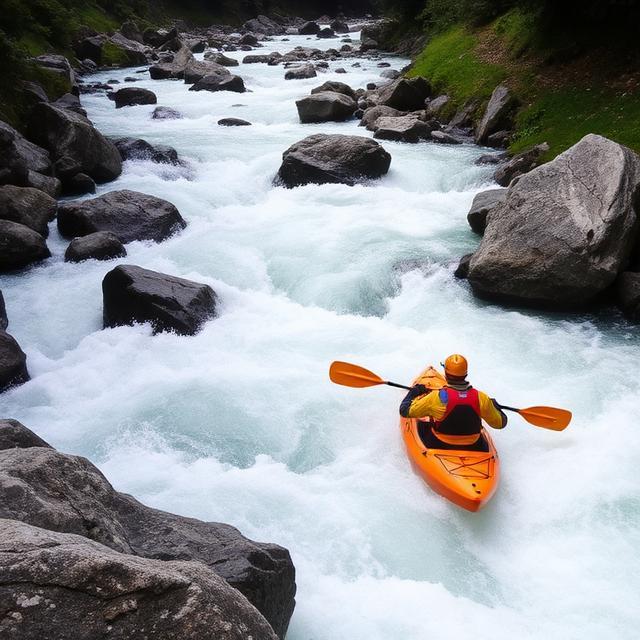
The Styx River is a remote Southern Alps river flowing through rugged backcountry between the mountain ranges and the West Coast. Its upper sections can provide technical whitewater characterized by steep gradients, rocky rapids, and narrow channels. The river’s remoteness means paddlers need strong self-rescue abilities and careful planning before attempting challenging sections. When conditions are suitable, the Styx provides a classic New Zealand wilderness kayaking experience.
Quick Facts: Location: West Coast, South Island, New Zealand | Class Rapids: Class IV–V depending on section and water level | Difficulty: Advanced / Expert | River Type: Remote Alpine river and creek | Best Season: Spring through autumn with suitable flows
Where to Stay: Hokitika and nearby West Coast settlements are the most practical bases, while remote sections may require backcountry camping and organized shuttle logistics.
Taipo River — Arthur’s Pass / West Coast
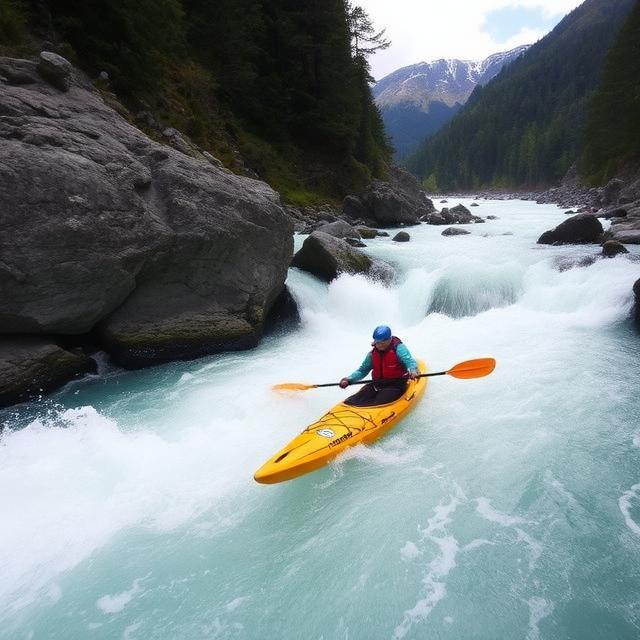
The Taipo River descends from the Southern Alps toward the West Coast and passes through a rugged mountain valley near Arthur’s Pass. It is known for challenging rapids, steep river sections, and a remote wilderness character that makes it attractive to experienced whitewater paddlers. The river can become powerful after rainfall, and its technical features require precise boat control and strong group safety skills. Its location near Arthur’s Pass also makes it part of a broader network of high-country rivers popular with advanced paddlers.
Quick Facts: Location: Arthur’s Pass / West Coast, South Island, New Zealand | Class Rapids: Class IV–V depending on section and flow | Difficulty: Advanced / Expert | River Type: Alpine river and steep gorge | Best Season: Spring through summer and suitable rainfall periods
Where to Stay: Arthur’s Pass provides mountain accommodation, camping, food, and basic supplies, while West Coast towns offer additional services for longer trips.
West Mathias River — Canterbury / West Coast
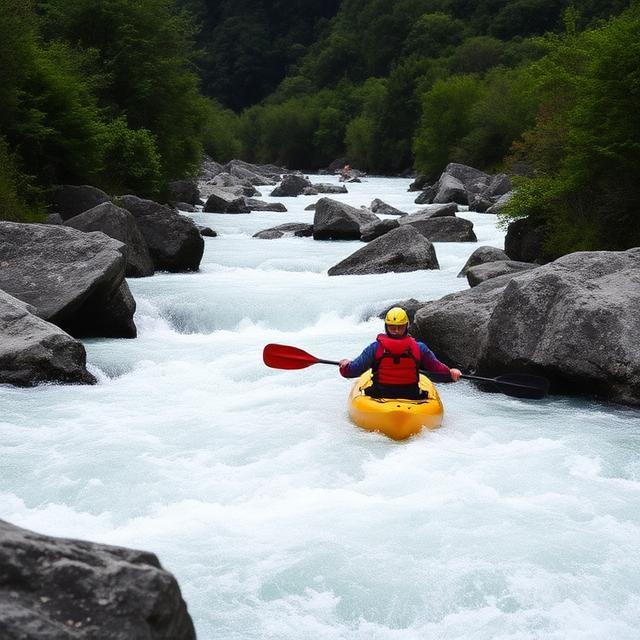
The West Mathias River flows through remote high-country terrain on the eastern side of the Southern Alps before joining the broader Mathias River system. Its isolated setting, steep terrain, and technical riverbed make it a destination for experienced expedition paddlers rather than casual river runners. Depending on water level, paddlers can encounter fast current, rocky rapids, narrow channels, and demanding technical features. The river’s remoteness requires detailed planning, reliable navigation, and strong rescue capabilities.
Quick Facts: Location: Canterbury / Southern Alps, South Island, New Zealand | Class Rapids: Class IV–V depending on section and flow | Difficulty: Expert / Expedition | River Type: Remote Alpine river and gorge | Best Season: Spring through summer, depending on snowmelt and river levels
Where to Stay: Arthur’s Pass and nearby Canterbury communities are useful staging points, but remote West Mathias trips generally require backcountry camping and detailed logistical planning.
Canterbury — New Zealand
Canterbury’s rivers drain the eastern side of the Southern Alps, creating a diverse collection of mountain rivers, braided channels, gorges, and technical whitewater. The region includes major rivers such as the Waimakariri, Rakaia, and Rangitata, along with remote tributaries that offer more demanding paddling. River difficulty varies considerably with water level, and some sections become powerful or hazardous after heavy rain and snowmelt. Canterbury is particularly well suited to experienced kayakers looking for a combination of accessible river runs and remote Alpine whitewater.
Rangitata River — Canterbury
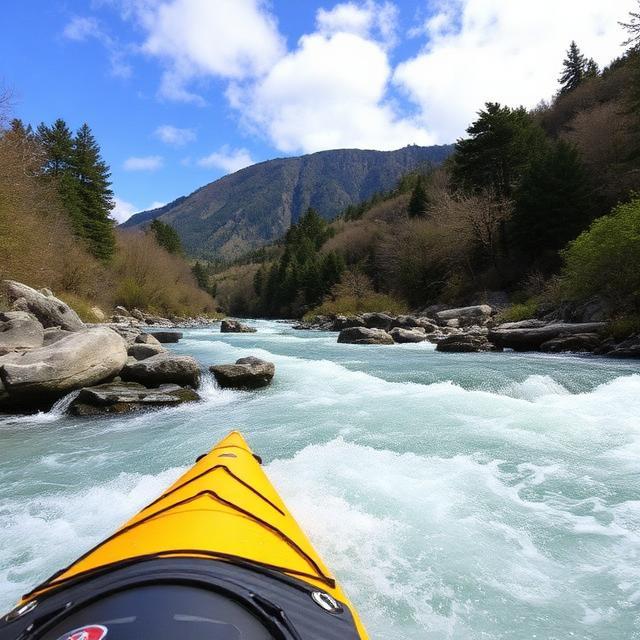
The Rangitata River flows from the Southern Alps across Canterbury’s high-country landscape, offering a mixture of wide river sections, gravel beds, and more concentrated whitewater. The upper river and gorge sections provide the most interesting opportunities for experienced paddlers, with rapids becoming more technical as the river enters narrower terrain. Water levels can change significantly with rainfall and snowmelt, affecting both difficulty and accessibility. Its combination of open mountain scenery and technical gorge paddling makes the Rangitata a notable Canterbury river for experienced kayakers.
Quick Facts: Location: Canterbury, South Island, New Zealand | Class Rapids: Class II–IV depending on section and flow | Difficulty: Intermediate to Advanced | River Type: Alpine river, gorge, and braided river | Best Season: Spring through summer, depending on flows
Where to Stay: Geraldine, Ashburton, and nearby Canterbury communities provide accommodation, restaurants, fuel, and supplies, while camping is available in parts of the surrounding high country.
Waimakariri River — Arthur’s Pass / Canterbury
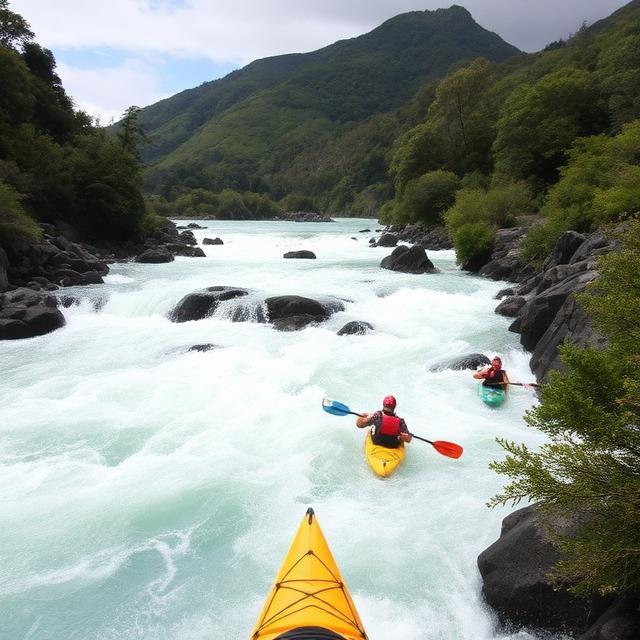
The Waimakariri River is one of Canterbury’s major Alpine waterways, flowing from the Southern Alps through Arthur’s Pass toward the Canterbury Plains. Its upper reaches contain steep, technical sections with strong current, rocky rapids, and demanding river features. Lower sections become broader and more braided, offering a different style of river running but still requiring careful navigation around changing channels. The river’s proximity to Arthur’s Pass makes it an important training and expedition river for experienced paddlers.
Quick Facts: Location: Arthur’s Pass / Canterbury, South Island, New Zealand | Class Rapids: Class II–IV+ depending on section and flow | Difficulty: Intermediate to Expert | River Type: Alpine river, gorge, and braided channels | Best Season: Spring through summer with suitable water levels
Where to Stay: Arthur’s Pass offers mountain lodges, hotels, campsites, food, and basic supplies, while Christchurch provides a much larger range of accommodation and equipment services.
Rakaia River — Canterbury
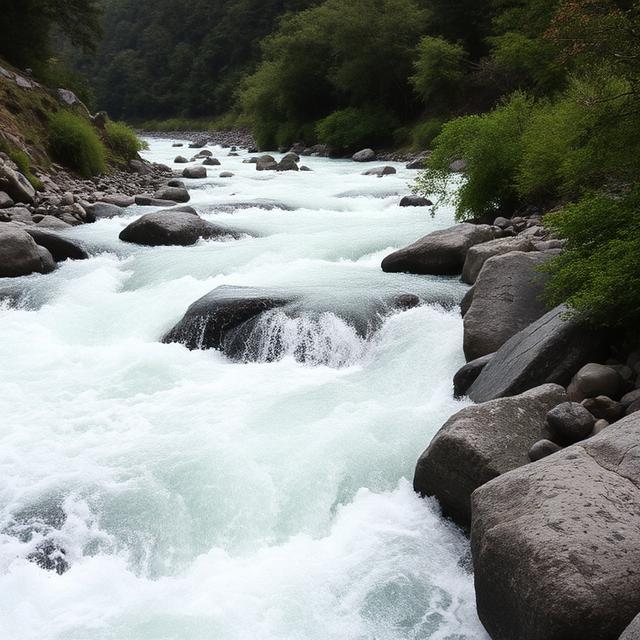
The Rakaia River is one of Canterbury’s largest braided rivers, originating high in the Southern Alps before spreading across a broad gravel riverbed toward the Pacific. The upper sections and tributaries provide more concentrated whitewater, while the main river offers powerful current and complex braided channels. Experienced paddlers need to pay close attention to river levels, channel selection, and changing gravel bars. The spectacular Southern Alps backdrop and large-scale river environment make the Rakaia an impressive destination for advanced river exploration.
Quick Facts: Location: Canterbury, South Island, New Zealand | Class Rapids: Class II–IV depending on section and flow | Difficulty: Intermediate to Advanced | River Type: Alpine river, gorge, and braided river | Best Season: Spring through summer, depending on snowmelt and rainfall
Where to Stay: Methven and surrounding Canterbury towns offer hotels, lodges, restaurants, and outdoor services, while Christchurch provides the broadest range of supplies and accommodation.
Wilberforce River — Canterbury
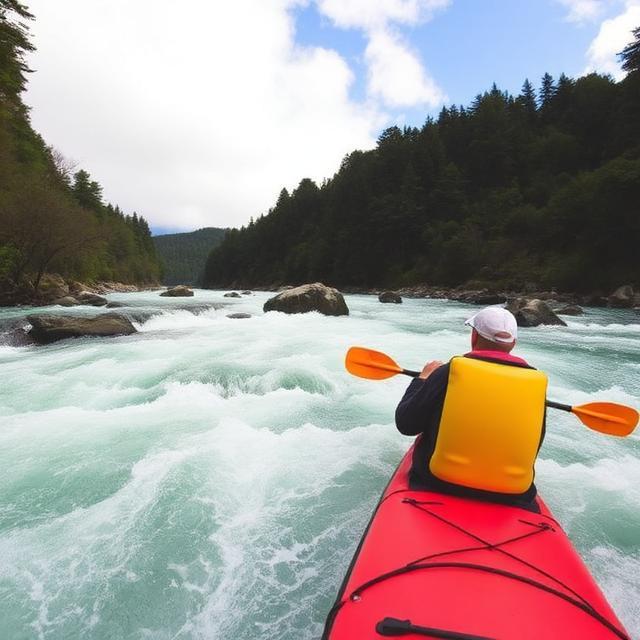
The Wilberforce River is a remote and rugged tributary of the Waimakariri system, flowing through high-country terrain on the eastern side of the Southern Alps. Its remote setting and technical riverbed make it particularly appealing to experienced paddlers seeking expedition-style whitewater. The river can feature steep rapids, rocky channels, and challenging sections that become substantially more demanding at higher flows. Access and logistics are an important part of any trip because the Wilberforce passes through isolated terrain with limited infrastructure.
Quick Facts: Location: Canterbury, South Island, New Zealand | Class Rapids: Class IV–V depending on section and flow | Difficulty: Advanced / Expert | River Type: Remote Alpine river and technical gorge | Best Season: Spring through summer with suitable flows
Where to Stay: Arthur’s Pass and Canterbury’s inland towns provide the closest practical lodging and supplies, while remote Wilberforce trips may require backcountry camping and careful shuttle planning.
Otago / Southern Alps
Otago is one of New Zealand’s best-known whitewater kayaking regions, with steep mountain rivers flowing through dramatic gorges and high-country landscapes. The Queenstown area provides access to technical runs such as the Shotover and Nevis, both known for demanding rapids and spectacular scenery. River levels can change quickly, and many sections are remote or committing, making experience, scouting, and reliable safety skills essential. The region also has excellent access to accommodation, transportation, guiding, and outdoor services.
Shotover River — Queenstown
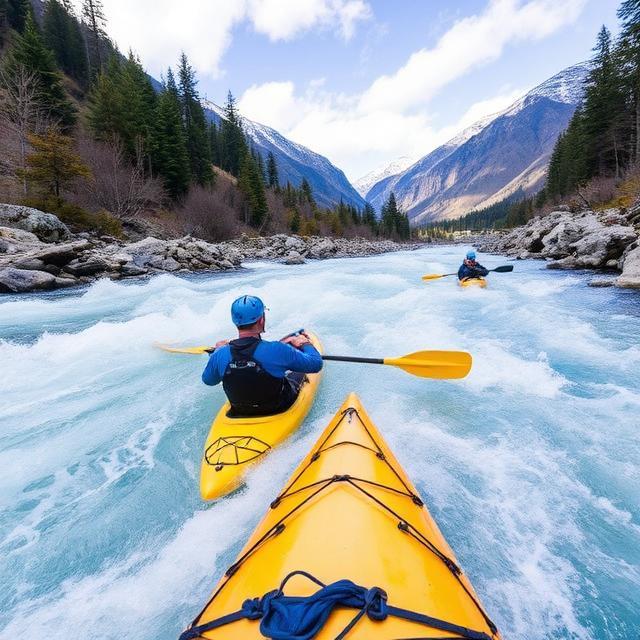
The Shotover River is one of New Zealand’s most famous whitewater rivers, cutting through steep canyon country just outside Queenstown. Its technical sections feature powerful rapids, narrow channels, rock gardens, and dramatic drops that make it a serious destination for experienced whitewater kayakers. The river’s canyon environment can feel highly committing, with limited options for getting out once paddlers enter the more difficult sections. For expert paddlers, the combination of challenging whitewater and spectacular Central Otago scenery makes the Shotover an iconic New Zealand run.
Quick Facts: Location: Queenstown, Otago, South Island, New Zealand | Class Rapids: Class IV–V depending on section and flow | Difficulty: Advanced / Expert | River Type: Steep canyon river and technical whitewater | Best Season: Spring through autumn, depending on flows
Where to Stay: Queenstown is the ideal base, offering extensive hotels, hostels, holiday rentals, restaurants, equipment shops, shuttle services, and professional outdoor operators.
Nevis River — Queenstown / Central Otago
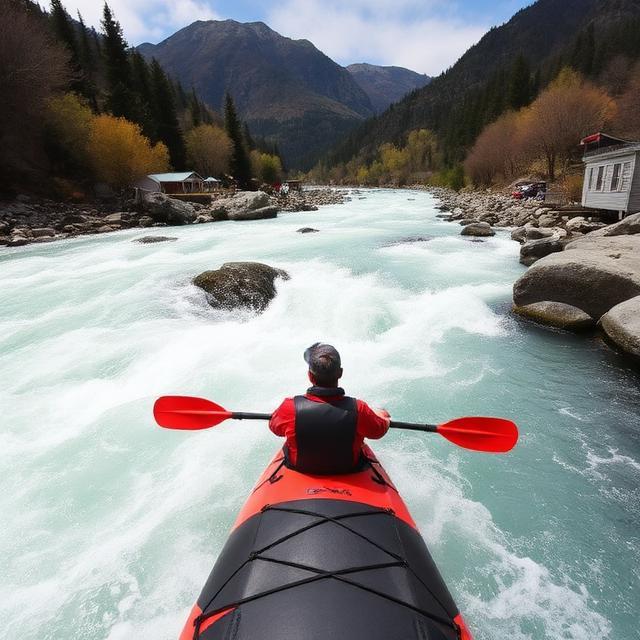
The Nevis River flows through a spectacular high-country valley south of Queenstown, surrounded by dry mountain ranges and rugged Central Otago terrain. Its upper and middle sections include technical rapids, steep drops, rocky channels, and demanding whitewater suited to experienced paddlers. The river is relatively remote and access can involve rough roads and long shuttle logistics, adding to the expedition character of a descent. When conditions are right, the Nevis provides a challenging combination of technical kayaking, isolation, and dramatic Southern Alps scenery.
Quick Facts: Location: Queenstown / Central Otago, South Island, New Zealand | Class Rapids: Class IV–V depending on section and flow | Difficulty: Advanced / Expert | River Type: High-country river and technical gorge | Best Season: Spring through summer, depending on water levels
Where to Stay: Queenstown is the main base for the Nevis, with extensive accommodation, restaurants, outdoor equipment, vehicle rentals, and river-access services. Kingston and other Central Otago communities can provide additional options for longer trips.
Conclusion
The Southern Alps offer an exceptional range of Class V and Grade IV–V whitewater kayaking, from remote West Coast rivers to the famous rivers around Queenstown. The Waitaha, Kokatahi, Arahura, Taipo, West Mathias, Shotover, and Nevis are among the key rivers advanced paddlers may investigate. Local knowledge, accurate flow information, appropriate safety equipment, and advanced rescue skills are essential for Class V trips.
Frequently Asked Questions
How many Class V rivers are in the Southern Alps?
There is no fixed official number because classifications apply to specific river sections and can change with water levels. Numerous Southern Alps rivers contain Grade V or IV–V sections.
Where is the best Class V kayaking?
The West Coast, Canterbury, and Queenstown areas are among the strongest regions for advanced whitewater.
What are the most famous rivers?
Notable rivers include the Waitaha, Kokatahi, Arahura, Taipo, West Mathias, Shotover, and Nevis.
Is Southern Alps kayaking suitable for beginners?
Class V is expert-level whitewater. Beginners should use easier, professionally guided sections and build skills before attempting advanced rivers.
When is the best time to kayak?
The best season depends on the river. Spring and summer snowmelt can produce strong flows, while rainfall can rapidly change conditions. Always check current river levels before launching.


Leave a Reply