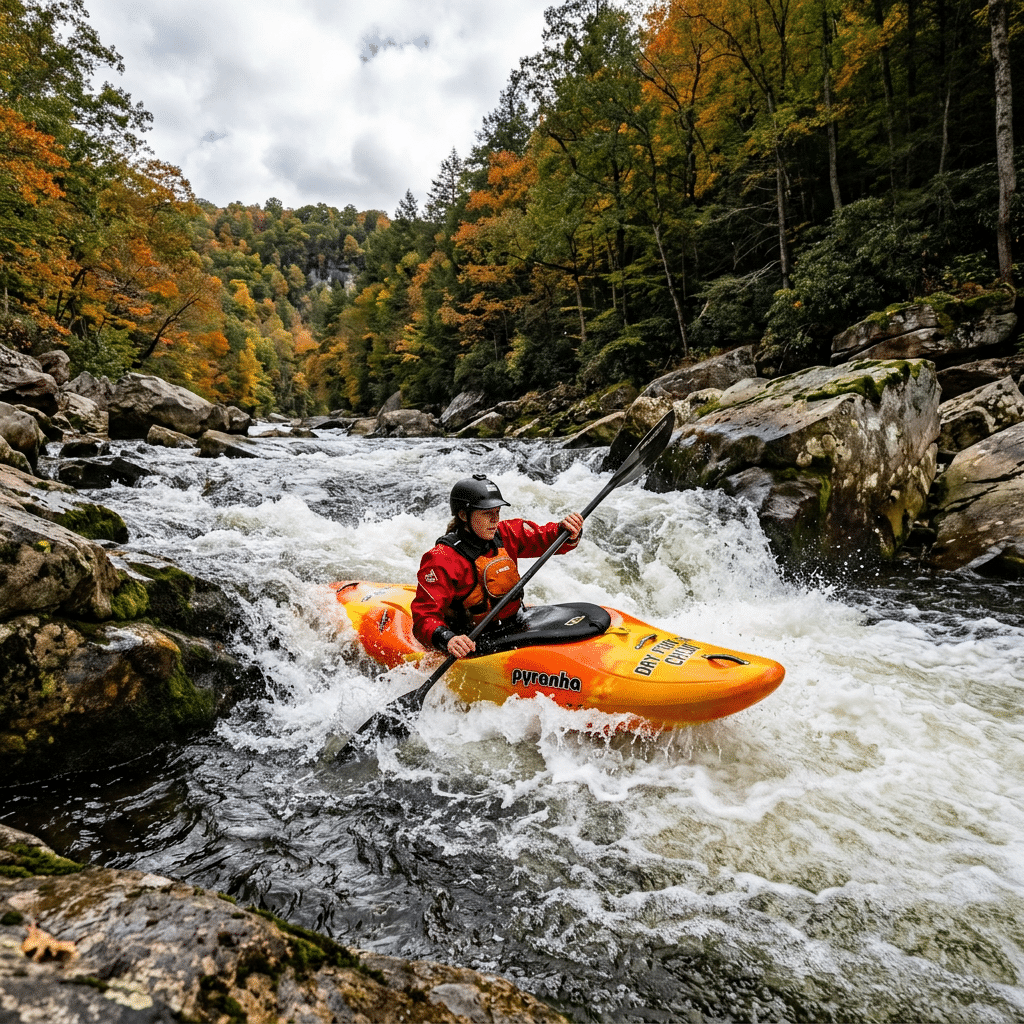
The Grand Teton Mountains are surrounded by some of the most spectacular mountain rivers in the Rocky Mountain West, offering experienced paddlers access to challenging whitewater and technical canyon runs. For Class V kayakers, the region can provide powerful flows, steep gradients, narrow channels, and committing rapids. However, difficulty varies significantly with water level, and not every nearby river section reaches Class V. The combination of rugged alpine scenery, fast-moving snowmelt, and demanding river terrain makes the Grand Teton region an exciting destination for advanced whitewater enthusiasts. Before planning a run, paddlers should carefully research river conditions, access, hazards, and current regulations to choose an appropriate section for their skill level.
Closest to Grand Teton: Snake River, Gros Ventre River, and Hoback River.
Grand Teton / Jackson Hole Area
The Teton and Jackson Hole region offers a mix of scenic mountain rivers ranging from intermediate whitewater to demanding technical sections. The Snake River provides the area’s most famous canyon run, while the Gros Ventre and Hoback rivers offer more remote and flow-dependent paddling opportunities. Snowmelt and summer runoff strongly influence river conditions, with flows changing considerably throughout the season. Paddlers should check current river conditions, access restrictions, and water levels before attempting any section.
Snake River — Grand Canyon of the Snake
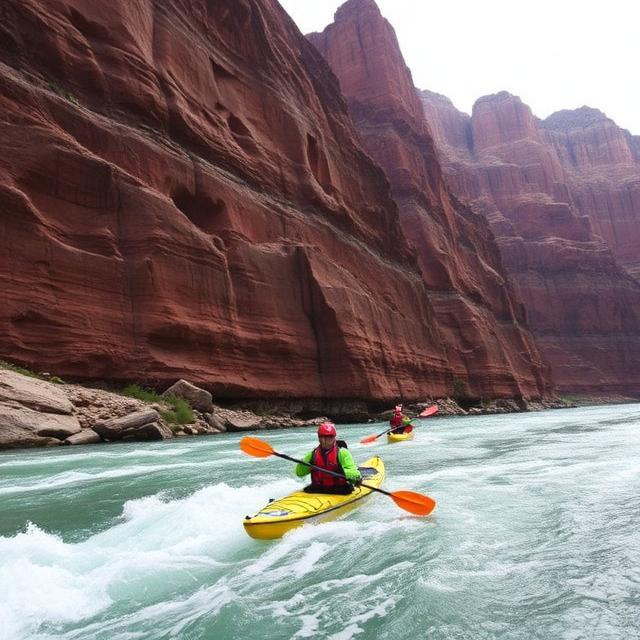
The Grand Canyon of the Snake is one of the most spectacular whitewater sections in the Jackson Hole region, with the river cutting through a dramatic canyon surrounded by rugged mountain scenery. The run features a series of powerful rapids, waves, rocky constrictions, and technical features that become increasingly challenging at higher flows. The combination of continuous whitewater and a committing canyon environment makes this a serious run for experienced kayakers. Scouting, solid rescue skills, and careful attention to changing water levels are essential.
Quick Facts: Location: Snake River, Jackson Hole / Wyoming | Class Rapids: Class III–IV depending on section and flow | Difficulty: Advanced | River Type: Mountain river and steep canyon | Best Season: Late spring through summer during snowmelt and suitable flows
Where to Stay: Jackson is the primary base for exploring the Snake River, with extensive hotels, campgrounds, restaurants, outfitters, kayak services, and outdoor-sports shops. Grand Teton National Park also provides campgrounds and lodging options, subject to seasonal availability and regulations.
Gros Ventre River
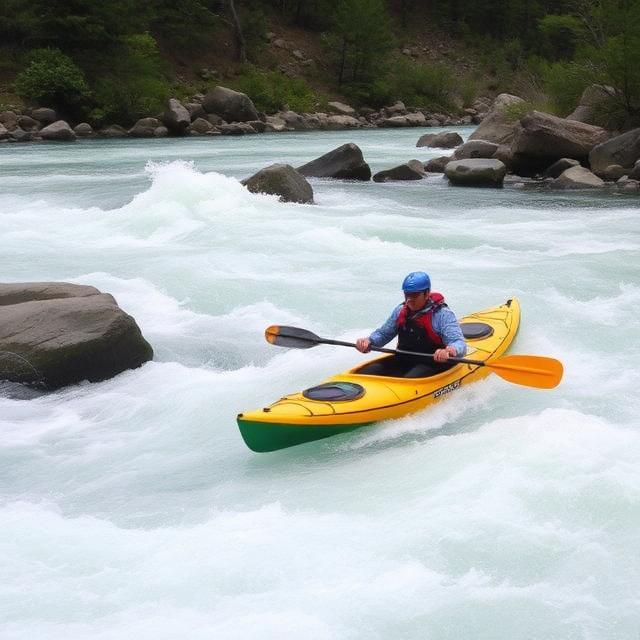
The Gros Ventre River flows through the eastern side of the Jackson Hole region, passing through rugged foothills, forests, and open mountain valleys before joining the Snake River. When flows are sufficient, sections of the river can provide fast current, technical rapids, rocky drops, and challenging features for experienced paddlers. The river is highly seasonal and can become shallow outside the main snowmelt period, while higher flows can significantly increase its difficulty. Its quieter setting makes it appealing to paddlers looking for a less-developed alternative to the more famous Snake River.
Quick Facts: Location: Gros Ventre Valley, Wyoming | Class Rapids: Class II–III+ depending on section and flow | Difficulty: Intermediate to Advanced | River Type: Mountain river and foothill stream | Best Season: Late spring through early summer during snowmelt
Where to Stay: Jackson provides the largest selection of accommodations and services, while communities and ranch accommodations farther up the Gros Ventre Valley offer closer access to remote sections.
Hoback River
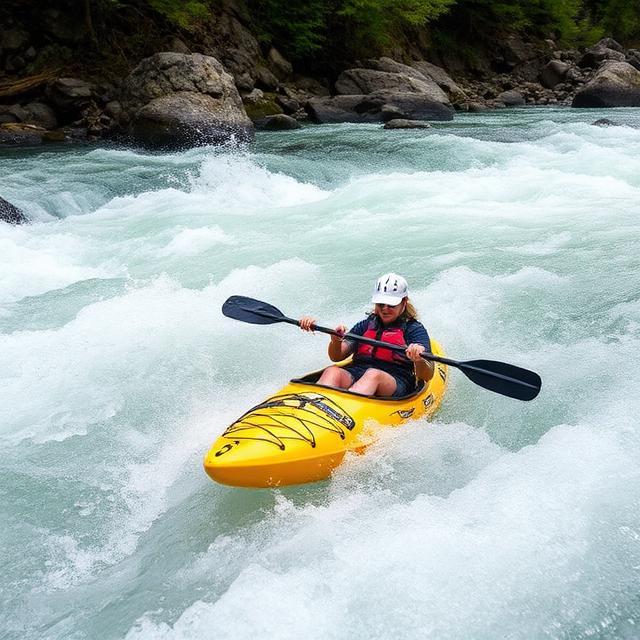
The Hoback River flows through a rugged canyon south of Jackson, surrounded by forested mountains and the high desert landscapes of western Wyoming. Its upper and middle sections can provide technical whitewater, with rocky rapids, constricted channels, and stronger current during the spring runoff. Water levels are highly dependent on snowmelt and rainfall, so the character of the river can change substantially from one day to another. The combination of remote scenery and challenging whitewater makes the Hoback an attractive option for experienced paddlers exploring beyond the main Jackson Hole runs.
Quick Facts: Location: Hoback Canyon / western Wyoming | Class Rapids: Class II–IV depending on section and flow | Difficulty: Intermediate to Expert | River Type: Mountain river and canyon | Best Season: Late spring through early summer, depending on snowmelt and flows
Where to Stay: Jackson is the most convenient base for accessing the Hoback River, with hotels, campgrounds, restaurants, gear shops, and outdoor outfitters. Alpine and roadside camping options are also available in the surrounding national forest areas, subject to current regulations.
Wyoming — South & Southeast of Grand Teton
The rivers south and southeast of Grand Teton National Park provide a mix of mountain streams, canyon runs, and seasonal whitewater across western Wyoming. The Greys, Upper Green, and New Fork rivers are strongly influenced by Rocky Mountain snowmelt, with the best whitewater generally occurring during the spring and early-summer runoff. Conditions vary considerably by section, with some stretches better suited to intermediate paddlers and others requiring advanced river-running skills. The region’s combination of remote valleys, high mountain scenery, and relatively uncrowded waterways makes it appealing to experienced kayakers.
Greys River
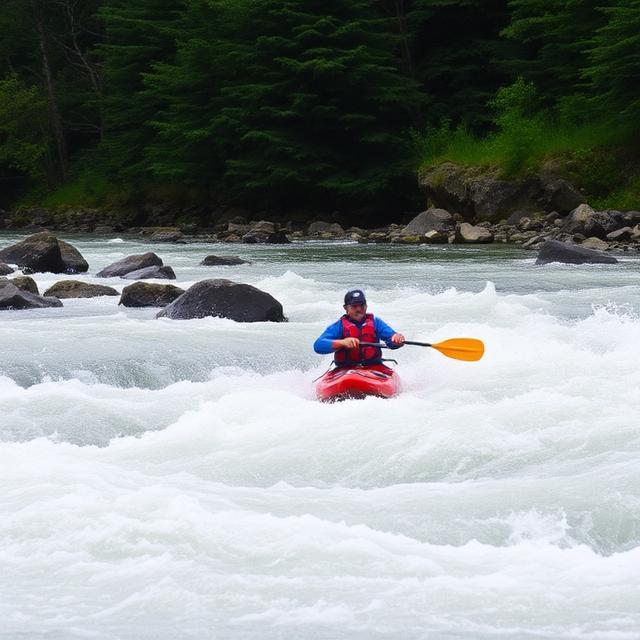
The Greys River flows through the Wyoming Range south of Jackson Hole, passing through a remote forested valley surrounded by rugged mountain terrain. During spring runoff, sections of the river can develop fast current, technical rapids, rocky channels, and challenging features for experienced paddlers. Water levels drop considerably later in the season, making timing important when planning a kayaking trip. Its secluded setting and relatively limited development provide a classic western Wyoming wilderness experience.
Quick Facts: Location: Wyoming Range, western Wyoming | Class Rapids: Class II–IV depending on section and flow | Difficulty: Intermediate to Advanced | River Type: Mountain river and forested canyon | Best Season: Late spring through early summer during snowmelt
Where to Stay: Alpine and nearby communities provide lodging, restaurants, fuel, and supplies, while numerous Forest Service camping areas can provide closer access to sections of the Greys River.
Green River — Upper Sections
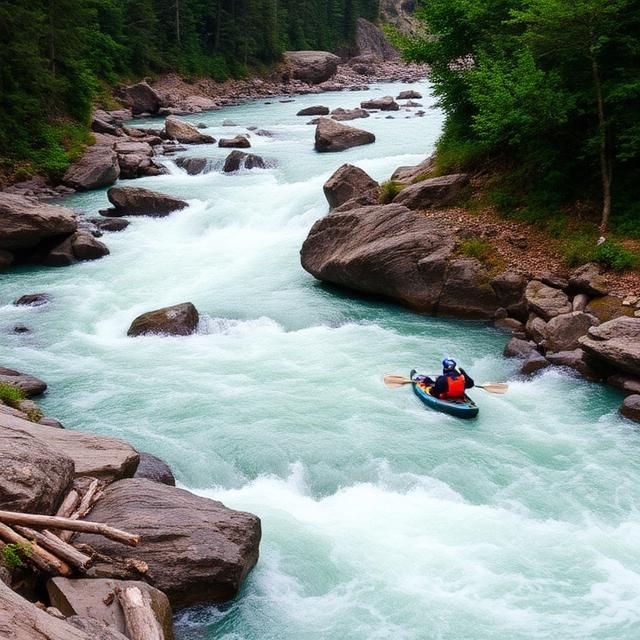
The Upper Green River drains the Wind River Range and flows through some of western Wyoming’s most dramatic high-country landscapes. Upper sections can offer technical rapids, swift current, rocky channels, and challenging whitewater during the spring and early-summer runoff. Farther downstream, the river becomes broader and more suitable for scenic floating and less technical river trips. For kayakers seeking whitewater, choosing the correct upper section and checking current flows are essential because difficulty can change significantly with water level.
Quick Facts: Location: Upper Green River, western Wyoming | Class Rapids: Class II–IV depending on section and flow | Difficulty: Intermediate to Advanced | River Type: Alpine river and canyon sections | Best Season: Late spring through early summer
Where to Stay: Pinedale is the primary service town for the Upper Green River area, offering hotels, campgrounds, restaurants, outdoor stores, and supplies. Backcountry camping is also available in surrounding public lands.
New Fork River
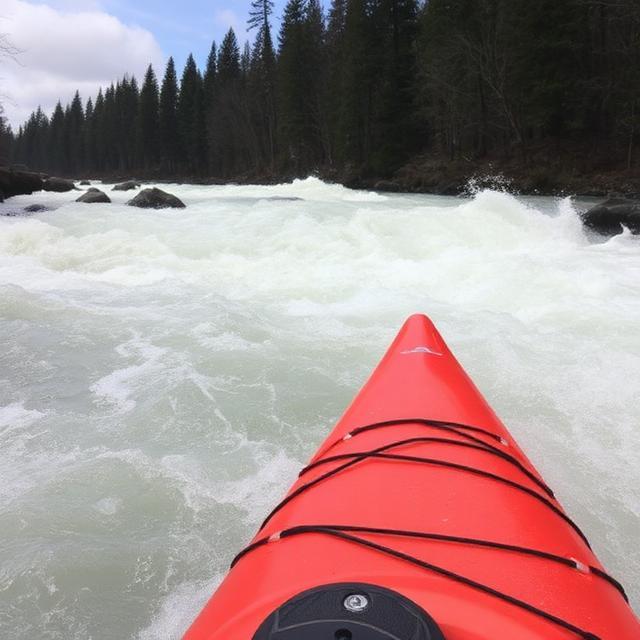
The New Fork River flows from the Wind River Range through western Wyoming before joining the Green River system. Its upper reaches can provide seasonal whitewater during snowmelt, with faster current, rocky sections, and moderate technical rapids. The river becomes calmer downstream, making it more suitable for recreational paddling than advanced whitewater. For kayakers looking for spring runoff opportunities near Pinedale, the New Fork can provide an accessible option while still requiring attention to changing water levels and river hazards.
Quick Facts: Location: Pinedale / western Wyoming | Class Rapids: Class II–III depending on section and flow | Difficulty: Intermediate | River Type: Mountain river and foothill river | Best Season: Late spring through early summer during snowmelt
Where to Stay: Pinedale is the best base for exploring the New Fork, with hotels, cabins, campgrounds, restaurants, outdoor outfitters, and easy access to the surrounding Wind River Range and Green River Basin.
Idaho — West of Grand Teton
Southern and eastern Idaho offer a diverse selection of mountain rivers ranging from scenic Class II runs to more technical whitewater. The South Fork Snake and Teton rivers provide access to the eastern Idaho mountain landscape, while the Big Wood and upper Boise systems offer additional opportunities farther west. Snowmelt and seasonal rainfall strongly influence river conditions, with the strongest whitewater generally occurring during spring and early summer. Paddlers should check current flows, access conditions, and local regulations because river difficulty can change significantly with water level.
South Fork Snake River
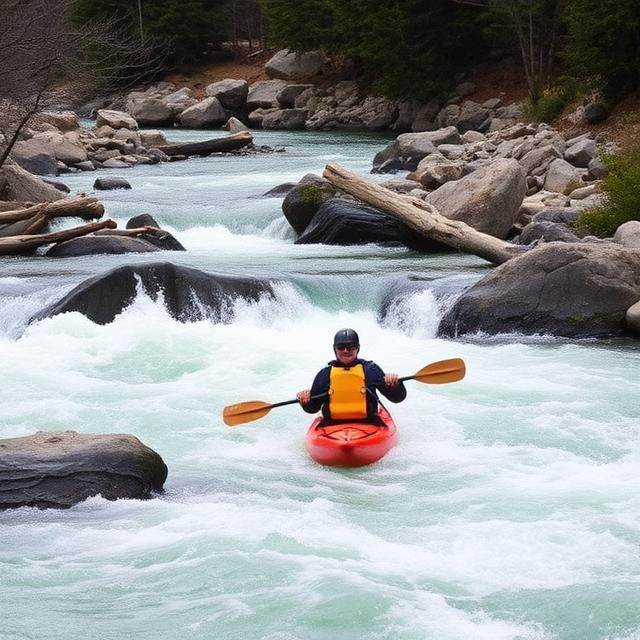
The South Fork Snake River flows through a spectacular canyon landscape between the Idaho mountains and the Snake River Plain. While many sections are popular for scenic floating and fishing, certain upper and canyon sections can provide faster current, waves, technical features, and challenging whitewater at appropriate flows. The river’s combination of dramatic canyon walls and relatively accessible put-ins makes it one of eastern Idaho’s most popular paddling environments. Kayakers should select sections carefully because difficulty varies considerably along the river.
Quick Facts: Location: Eastern Idaho, near Swan Valley and Idaho Falls | Class Rapids: Class II–III depending on section and flow | Difficulty: Intermediate | River Type: Canyon river and mountain river | Best Season: Late spring through summer, depending on flows
Where to Stay: Swan Valley, Ririe, and Idaho Falls provide lodging, restaurants, fuel, and outdoor supplies, with campgrounds available along portions of the river corridor.
Teton River
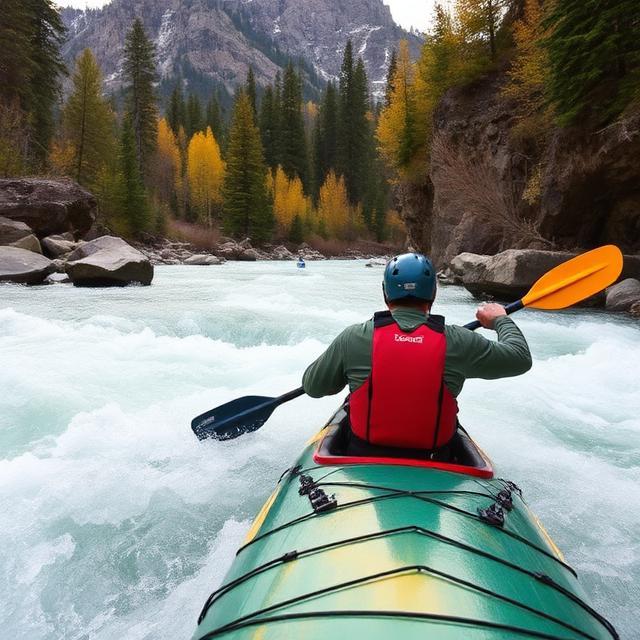
The Teton River flows from the eastern Idaho mountains through a scenic canyon before spreading into the agricultural landscapes west of the Tetons. Its upper sections can provide faster water and moderate whitewater during the spring runoff, while lower stretches are generally calmer and more suited to recreational floating. The canyon scenery, volcanic rock formations, and mountain backdrop make the Teton an attractive destination for paddlers seeking a less-developed river experience. Water levels can vary significantly, so local flow information is important when planning a kayak trip.
Quick Facts: Location: Eastern Idaho / Teton Valley | Class Rapids: Class II–III depending on section and flow | Difficulty: Intermediate | River Type: Mountain river and canyon | Best Season: Late spring through early summer
Where to Stay: Driggs, Victor, and other Teton Valley communities provide hotels, cabins, restaurants, and outdoor services, while Idaho Falls offers additional lodging and supplies.
Big Wood River
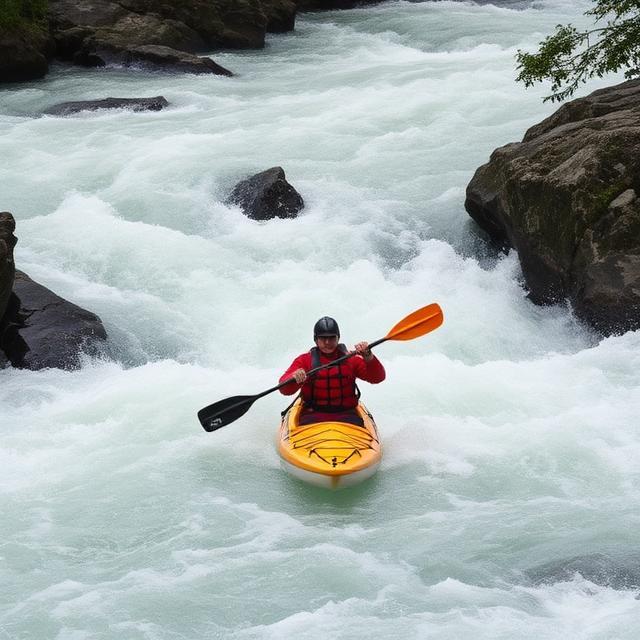
The Big Wood River flows through Idaho’s Wood River Valley and provides several sections of whitewater surrounded by dramatic mountain scenery. Upper sections near the Sawtooth and Smoky Mountains can become technical during spring runoff, with faster current, rocky rapids, and challenging river features. The river is highly seasonal, and flows can change quickly during snowmelt or after significant rainfall. Its proximity to Ketchum and other mountain communities makes the Big Wood a convenient option for experienced paddlers exploring central Idaho.
Quick Facts: Location: Wood River Valley, central Idaho | Class Rapids: Class II–IV depending on section and flow | Difficulty: Intermediate to Advanced | River Type: Mountain river and technical creek sections | Best Season: Late spring through early summer
Where to Stay: Ketchum and Hailey provide extensive lodging, restaurants, outdoor shops, equipment rentals, and access to the upper Big Wood River.
Boise River — Mountain Sections
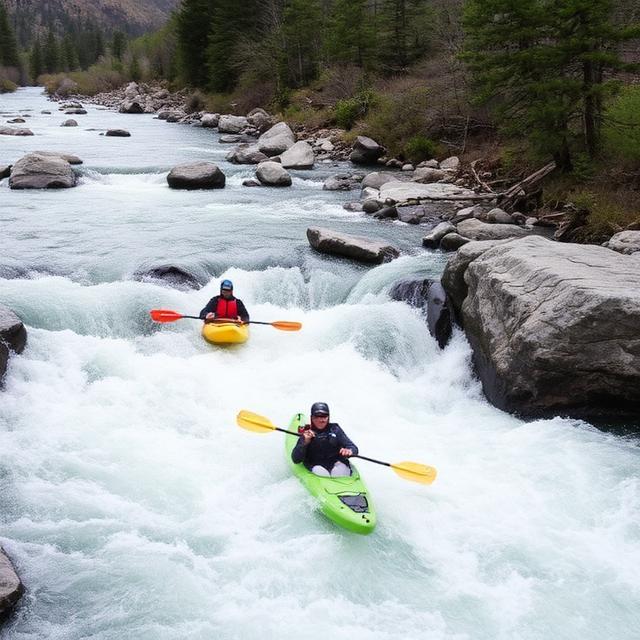
The mountain sections of the Boise River provide a mixture of fast-moving water, rocky rapids, and technical features as the river descends through the Boise National Forest. Upper sections are more remote and can become challenging during spring runoff, offering opportunities for experienced whitewater kayakers. The river’s character changes significantly downstream, with calmer recreational sections closer to Boise. Its proximity to Idaho’s capital makes the Boise River particularly convenient for paddlers who want access to mountain whitewater without traveling deep into remote backcountry.
Quick Facts: Location: Boise Mountains, southwestern Idaho | Class Rapids: Class II–IV depending on section and flow | Difficulty: Intermediate to Advanced | River Type: Mountain river and canyon | Best Season: Spring through early summer during snowmelt
Where to Stay: Boise is the primary base, offering a large selection of hotels, restaurants, outdoor stores, equipment services, and transportation. Mountain campgrounds along the Boise National Forest provide closer access to upper river sections.
Wyoming — North of Grand Teton
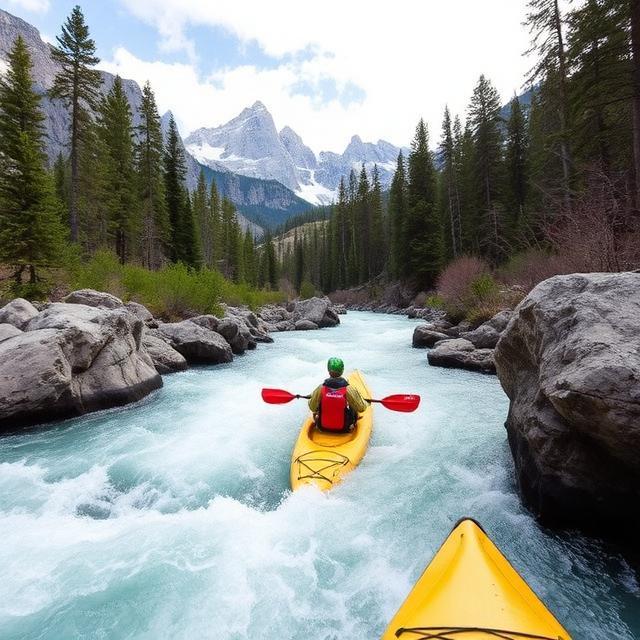
Northern Wyoming offers several mountain rivers flowing through Yellowstone and the surrounding Absaroka and Beartooth ranges. The Yellowstone, Clarks Fork Yellowstone, and Shoshone rivers combine rugged mountain scenery with seasonal whitewater influenced by snowmelt and summer rainfall. Some sections are remote and technically demanding, while others provide more moderate river running for experienced intermediate paddlers. Because these rivers can rise quickly and conditions vary substantially by section, kayakers should check current flows, access restrictions, and local hazards before launching.
Yellowstone River — Mountain Sections
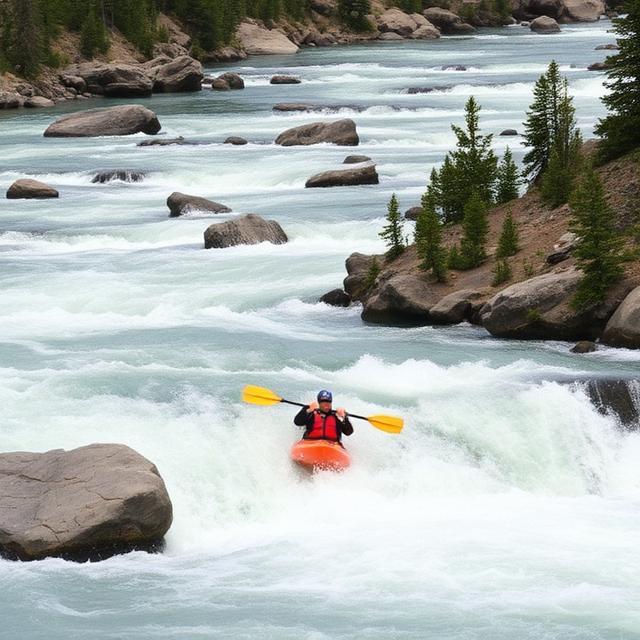
The mountain sections of the Yellowstone River flow through rugged terrain around Yellowstone National Park and the Absaroka Range. Upper reaches can feature swift current, rocky rapids, narrow channels, and technical whitewater, while downstream sections become broader and more suitable for scenic river trips. The river’s mountain setting provides spectacular views of volcanic landscapes, forests, and high peaks. Paddlers should carefully distinguish between accessible river sections and protected waters where boating may be restricted.
Quick Facts: Location: Yellowstone National Park / northern Wyoming | Class Rapids: Class II–IV depending on section and flow | Difficulty: Intermediate to Advanced | River Type: Mountain river and canyon | Best Season: Late spring through summer, subject to park access and flows
Where to Stay: Yellowstone-area lodges and campgrounds provide seasonal accommodation, while Cody and Jackson offer larger selections of hotels, restaurants, equipment, and supplies depending on the chosen river section.
Clarks Fork Yellowstone
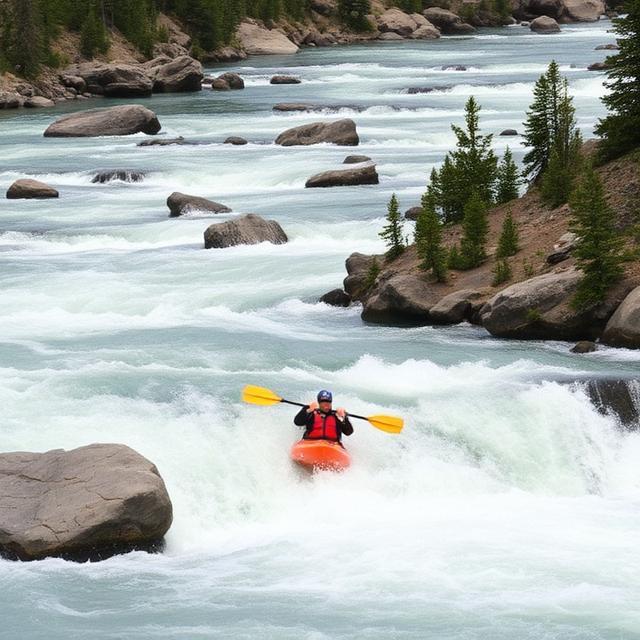
The Clarks Fork Yellowstone descends from the Absaroka and Beartooth mountains through steep canyon terrain in northwestern Wyoming. Its upper reaches can offer powerful current, technical rapids, rocky drops, and challenging canyon sections that are better suited to experienced paddlers. The river’s rugged surroundings and remote character make it one of the more adventurous whitewater options in northern Wyoming. High flows can substantially increase difficulty, so careful scouting and current flow information are essential.
Quick Facts: Location: Northwestern Wyoming / Absaroka–Beartooth region | Class Rapids: Class III–IV+ depending on section and flow | Difficulty: Advanced to Expert | River Type: Mountain river and steep canyon | Best Season: Late spring through summer during suitable flows
Where to Stay: Cody is a convenient base for many Clarks Fork trips, offering hotels, restaurants, outdoor suppliers, and transportation services. Remote sections may require camping in surrounding public lands.
Shoshone River
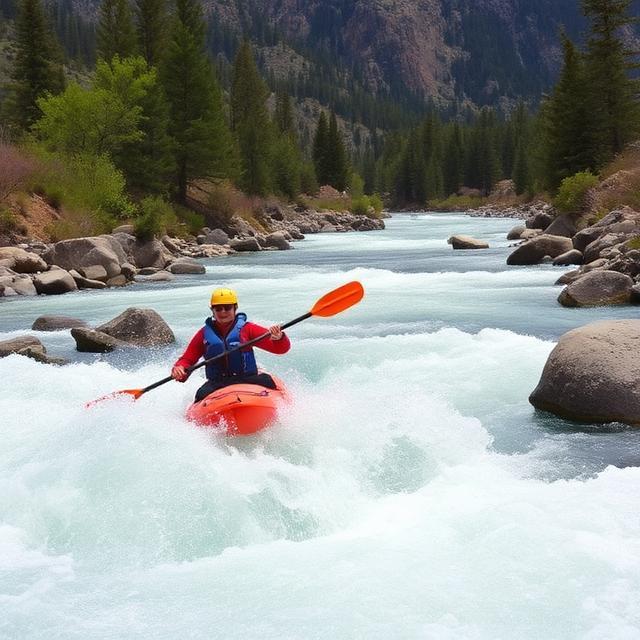
The Shoshone River flows from the high Absaroka Mountains through rugged canyon country before reaching the Bighorn Basin. Mountain sections can provide technical rapids, fast current, rocky channels, and challenging features during the spring and early-summer runoff. The river’s lower canyon scenery becomes increasingly dramatic as it passes through steep cliffs and desert-like terrain. Experienced paddlers can use the Shoshone as a gateway to a variety of Wyoming river environments, from mountain whitewater to deeper canyon runs.
Quick Facts: Location: Absaroka Mountains / Cody, Wyoming | Class Rapids: Class II–IV depending on section and flow | Difficulty: Intermediate to Advanced | River Type: Mountain river and canyon | Best Season: Late spring through summer, depending on water levels
Where to Stay: Cody is the primary base for the Shoshone River, with hotels, campgrounds, restaurants, outfitters, and outdoor equipment services. Yellowstone and surrounding mountain communities provide additional lodging for trips farther upstream.
Conclusion
Class V whitewater kayaking around the Grand Teton Mountains is an advanced pursuit that combines demanding rapids with dramatic mountain scenery. Rivers such as the Snake, Gros Ventre, Greys, and Hoback offer opportunities for experienced paddlers, but conditions can change rapidly. Class V terrain should only be attempted by highly skilled kayakers with appropriate safety equipment, current local knowledge, and experience in rescue situations.
FAQ
Is there Class V whitewater kayaking in Grand Teton National Park?
There are challenging whitewater sections in the broader Grand Teton region, but not every section within the park is Class V. River difficulty depends heavily on location and water level.
What is the hardest whitewater near Grand Teton?
The hardest sections vary by river and flow. Technical sections of the Snake River and nearby mountain drainages can provide extremely challenging whitewater.
When is the best time for whitewater kayaking near Grand Teton?
The highest flows generally occur during the spring snowmelt and early summer, although the ideal timing depends on the individual river and year.
Do you need experience to kayak Class V?
Yes. Class V is expert-level whitewater involving complex rapids, significant hazards, and limited opportunities for mistakes. Paddlers should have extensive Class IV experience and advanced rescue skills.
What equipment is recommended for Class V kayaking?
A properly fitted whitewater kayak, helmet, PFD, appropriate cold-water protection, paddle, throw rope, and other rescue equipment are essential. Equipment should be selected according to the specific river and conditions.
Can beginners kayak the Grand Teton rivers?
Some nearby river sections are much easier than Class V and may be appropriate for less experienced paddlers, depending on the river and conditions. Beginners should avoid Class V water and consider professional instruction or guided trips.


Leave a Reply