Class V whitewater kayaking in Wyoming offers experienced paddlers an opportunity to tackle powerful rapids, steep river sections, technical lines, and challenging mountain whitewater. With its rugged landscapes, high-elevation rivers, and fast-moving waterways, Wyoming provides an exciting setting for expert-level kayaking. Class V runs require advanced paddling ability, precise boat control, strong river-reading skills, and extensive experience with difficult whitewater. Water levels can also change rapidly, so paddlers should research each river carefully and check current conditions before attempting a demanding section.
Northwest Wyoming — Yellowstone / Cody Area
Clarks Fork Yellowstone River — Cody / Northwest Wyoming

The Clarks Fork of the Yellowstone River is one of Wyoming’s most challenging whitewater destinations, with Class V+ sections featuring demanding rapids such as Styx and Stones and The Box. The river cuts through rugged canyon terrain, combining steep drops, powerful hydraulics, technical rock features, and narrow channels that require precise boat control. Water levels can significantly influence the difficulty and character of the run, making careful scouting and flow assessment essential. The Class V+ sections are intended for expert paddlers with extensive experience on steep, technical mountain rivers.
Quick Facts: Location: Near Cody / Northwest Wyoming | Class Rapids: Up to Class V+ | Difficulty: Expert | River Type: Steep canyon river / technical whitewater | Best Season: Late spring through summer, depending on snowmelt and flows
Where to Stay: Cody is the primary base for exploring the Clarks Fork Yellowstone, offering lodging, restaurants, outdoor shops, supplies, and access to the surrounding Absaroka Mountains. Camping is also available throughout the nearby national forest and public lands.
Crandall Creek — Absaroka Mountains / Northwest Wyoming

Crandall Creek is a steep mountain stream flowing through the rugged Absaroka Range northwest of Cody, with sections ranging from Class III to Class V. Its whitewater combines narrow channels, rocky drops, ledges, and fast current, creating increasingly technical conditions as difficulty increases. Snowmelt and seasonal runoff strongly influence the creek, with higher flows potentially transforming individual rapids and features. The more difficult sections are best suited to advanced and expert creek boaters comfortable with remote mountain whitewater.
Quick Facts: Location: Absaroka Mountains / Park County, Wyoming | Class Rapids: Class III–V | Difficulty: Advanced / Expert | River Type: Mountain creek / technical whitewater | Best Season: Late spring through early summer during snowmelt, depending on flows
Where to Stay: Cody provides the most convenient base for accessing Crandall Creek, with lodging, restaurants, supplies, and outdoor recreation services. Backcountry and forest camping are also available in the surrounding Absaroka region.
Yellowstone River — Black Canyon / Yellowstone National Park & Northwest Wyoming

The Black Canyon section of the Yellowstone River offers demanding Class V whitewater through a spectacular and rugged canyon environment. Powerful current, large rapids, rocky features, and constricted sections create a technical run requiring strong boat control and careful route selection. The combination of remote terrain and difficult whitewater makes scouting, preparation, and rescue planning particularly important. This section is best suited to expert paddlers with extensive experience navigating consequential mountain rivers.
Quick Facts: Location: Black Canyon / Yellowstone region, Wyoming | Class Rapids: Class V | Difficulty: Expert | River Type: Large mountain river / canyon whitewater | Best Season: Late spring through summer, depending on flows and access conditions
Where to Stay: Cody, Gardiner, and communities surrounding Yellowstone provide potential bases depending on the access point and specific section. Lodging, campgrounds, and outdoor services are available around the park and surrounding mountain communities.
Yellowstone River — Grand Canyon Section / Yellowstone National Park / Northwest Wyoming

The Grand Canyon section of the Yellowstone River features Class IV–V whitewater surrounded by some of the most dramatic canyon scenery in the region. The river moves through steep volcanic canyon walls with powerful rapids, rocky channels, drops, and fast current that demand careful navigation. Difficulty varies with water levels, and the more challenging rapids require advanced boat control and thorough preparation. Paddlers should also account for the remote nature of the canyon and applicable Yellowstone National Park access and boating regulations when planning a trip.
Quick Facts: Location: Grand Canyon of the Yellowstone / Yellowstone National Park, Wyoming | Class Rapids: Class IV–V | Difficulty: Advanced / Expert | River Type: Canyon river / technical whitewater | Best Season: Late spring through summer, depending on flows and regulations
Where to Stay: Cody and Gardiner offer convenient lodging and supplies for exploring the Yellowstone region, while numerous campgrounds are available within and around Yellowstone National Park.
Wind River Range / Lander Area — Fremont County / Central Wyoming
Middle Popo Agie River — Sinks Canyon / Lander / Central Wyoming

The Middle Popo Agie River through Sinks Canyon is a scenic and technical whitewater run flowing through rugged canyon terrain near Lander. Its Class IV–V character comes from steep gradient, rocky channels, ledges, drops, and powerful current that require precise boat control. Snowmelt and seasonal runoff can significantly affect river levels and the difficulty of individual rapids, making flow assessment and scouting essential. The harder sections are best suited to advanced and expert paddlers with experience on technical mountain rivers.
Quick Facts: Location: Sinks Canyon / Lander, Wyoming | Class Rapids: Class IV–V | Difficulty: Advanced / Expert | River Type: Mountain canyon / technical whitewater | Best Season: Late spring through early summer during snowmelt, depending on flows
Where to Stay: Lander is the primary base for exploring Sinks Canyon, with lodging, restaurants, outdoor shops, supplies, and camping available nearby. The surrounding Wind River Mountains also offer extensive opportunities for backcountry recreation.
North Fork Little Wind River — Disneyland to Three Stooges Gorge / Wind River Range / Wyoming

The North Fork Little Wind River is a steep and technical Class V run through the rugged Wind River region, including the demanding section from Disneyland to Three Stooges Gorge. The river combines narrow channels, rocky drops, ledges, fast current, and powerful hydraulics that create a sustained expert-level challenge. High-country snowmelt plays an important role in determining when the river is runnable and can dramatically change its character. This section is best suited to highly experienced creek boaters with strong scouting, technical paddling, and rescue skills.
Quick Facts: Location: Wind River Range / Fremont County, Wyoming | Class Rapids: Class V | Difficulty: Expert | River Type: Steep mountain creek / technical whitewater | Best Season: Late spring through early summer during snowmelt, depending on flows
Where to Stay: Lander, Dubois, and nearby Wind River communities provide potential bases depending on the selected access point. Camping and backcountry options are also available throughout the surrounding mountain region.
Tensleep Creek — Bighorn Mountains / Central Wyoming

Tensleep Creek is a steep, technical mountain stream descending through the Bighorn Mountains, with sections reaching Class V+ difficulty. Its challenging whitewater is characterized by narrow rocky channels, steep drops, ledges, and fast-moving current that demand precise lines and strong boat control. Snowmelt produces the primary high-water window, and changing flows can substantially alter the difficulty of individual features. The Class V+ sections are intended for expert creek boaters with extensive experience on steep, consequential whitewater.
Quick Facts: Location: Bighorn Mountains / Washakie County, Wyoming | Class Rapids: Up to Class V+ | Difficulty: Expert | River Type: Steep mountain creek / technical whitewater | Best Season: Late spring through early summer during snowmelt, depending on flows
Where to Stay: Tensleep, Worland, and Buffalo provide convenient bases for exploring the Bighorn Mountains. Numerous campgrounds and forest recreation areas are also available throughout the region.
Clear Creek — Wind River Region / Central Wyoming

Clear Creek is a rugged Wyoming mountain stream featuring Class IV–V whitewater through remote, forested terrain. Its technical character comes from steep gradient, rocky channels, drops, ledges, and fast current, with higher flows increasing the power and complexity of the run. Seasonal snowmelt and rainfall determine the available boating window, making accurate flow information and careful scouting important. The more difficult sections are best suited to advanced and expert paddlers comfortable with technical creek boating.
Quick Facts: Location: Wind River region / Central Wyoming | Class Rapids: Class IV–V | Difficulty: Advanced / Expert | River Type: Mountain creek / technical whitewater | Best Season: Late spring through early summer and after suitable rainfall, depending on flows
Where to Stay: Lander, Dubois, and Riverton offer convenient bases for exploring the surrounding Wind River country, with lodging, restaurants, supplies, and camping options available nearby.
Deer Creek — Wind River Range / Central Wyoming

Deer Creek offers a varied mountain whitewater experience, with sections ranging from Class III to Class V+ depending on the specific run and water level. The creek moves through rugged Wyoming terrain featuring rocky channels, ledges, drops, and fast current, with higher flows creating substantially more demanding conditions. This range of difficulty allows experienced paddlers to select sections appropriate to their skills, while the Class V+ water requires expert-level creek boating ability. As with other high-country Wyoming runs, snowmelt and rainfall are major factors in determining runnable conditions.
Quick Facts: Location: Wind River region / Central Wyoming | Class Rapids: Class III–V+ | Difficulty: Intermediate to Expert | River Type: Mountain creek / technical whitewater | Best Season: Late spring through early summer during snowmelt, depending on flows
Where to Stay: Lander, Riverton, and Dubois provide useful bases for exploring the Wind River region, with lodging, restaurants, outdoor supplies, and camping available throughout the area.
Southern Wyoming — Laramie / Medicine Bow / Carbon & Albany Counties
Lower Laramie Canyon — Laramie River / Southern Wyoming

The Lower Laramie Canyon is a rugged whitewater section featuring Class IV–V rapids through the mountainous terrain of southern Wyoming. Steep canyon walls, rocky channels, ledges, drops, and fast-moving current create a technical run that demands precise boat control and careful scouting. Water levels can significantly influence the character and difficulty of the rapids, with seasonal runoff providing the primary boating window. The more difficult sections are best suited to advanced and expert paddlers with experience on technical mountain rivers.
Quick Facts: Location: Laramie Canyon / Albany County, Wyoming | Class Rapids: Class IV–V | Difficulty: Advanced / Expert | River Type: Mountain canyon / technical whitewater | Best Season: Late spring through early summer during snowmelt, depending on flows
Where to Stay: Laramie, Saratoga, and Centennial provide convenient bases for exploring the surrounding Medicine Bow region, with lodging, restaurants, supplies, and camping options available nearby.
Middle Fork Little Laramie — Medicine Bow Mountains / Southern Wyoming

The Middle Fork of the Little Laramie is a technical mountain stream with sections reaching Class V+ difficulty. Its steep gradient and narrow channels create challenging combinations of rocky drops, ledges, fast current, and powerful hydraulics that require precise line selection. Snowmelt and rainfall determine the river’s runnable window and can dramatically change the difficulty of individual features. The Class V+ sections are best reserved for expert creek boaters with strong scouting and rescue skills.
Quick Facts: Location: Medicine Bow Mountains / Albany County, Wyoming | Class Rapids: Up to Class V+ | Difficulty: Expert | River Type: Steep mountain creek / technical whitewater | Best Season: Late spring through early summer during snowmelt, depending on flows
Where to Stay: Laramie, Centennial, and Saratoga offer convenient access to the Medicine Bow Mountains, with lodging, restaurants, outdoor supplies, and camping available throughout the region.
North Laramie River — Southern Wyoming / Medicine Bow Region

The North Laramie River offers a wide range of whitewater, from relatively moderate Class II sections to challenging Class V rapids depending on the specific run and water level. The river flows through rugged mountain terrain where rocky channels, ledges, drops, and faster current create increasingly technical conditions. This variety makes it possible to select sections appropriate for different skill levels while still offering demanding water for experienced paddlers. Higher flows can increase the power and difficulty of the river, making careful scouting and flow evaluation important.
Quick Facts: Location: Medicine Bow region / Southern Wyoming | Class Rapids: Class II–V | Difficulty: Intermediate to Expert | River Type: Mountain river / varied whitewater | Best Season: Late spring through early summer during snowmelt, depending on flows
Where to Stay: Laramie, Centennial, and Saratoga provide convenient bases for exploring the North Laramie and surrounding Medicine Bow waterways. Camping is also available throughout the nearby national forest.
South French Creek — Medicine Bow Mountains / Southern Wyoming

South French Creek is a scenic and technical mountain stream featuring Class III–V whitewater in the Medicine Bow region. Its more difficult sections combine steep gradient, rocky channels, ledges, and fast current, creating challenging creek-style whitewater at suitable flows. Snowmelt and rainfall strongly influence the creek’s boating window, while higher water can increase both speed and hydraulic power. The upper-difficulty sections are best suited to advanced and expert paddlers with strong technical skills.
Quick Facts: Location: Medicine Bow Mountains / Southern Wyoming | Class Rapids: Class III–V | Difficulty: Intermediate / Advanced / Expert | River Type: Mountain creek / technical whitewater | Best Season: Late spring through early summer and after suitable rainfall, depending on flows
Where to Stay: Saratoga, Encampment, and Laramie provide useful bases for exploring the Medicine Bow region, with lodging, restaurants, supplies, and camping options nearby.
Douglas Creek — Medicine Bow Region / Southern Wyoming

Douglas Creek is a rugged mountain stream offering Class III–V whitewater through the forested terrain of southern Wyoming. The creek features rocky channels, drops, ledges, and fast current, with the more difficult sections becoming highly technical at appropriate water levels. Seasonal snowmelt provides the primary opportunity for boating, and flow changes can significantly alter the character of the run. Paddlers tackling the Class V sections should have advanced creek-boating experience and be prepared for remote conditions.
Quick Facts: Location: Medicine Bow region / Southern Wyoming | Class Rapids: Class III–V | Difficulty: Intermediate / Advanced / Expert | River Type: Mountain creek / technical whitewater | Best Season: Late spring through early summer during snowmelt, depending on flows
Where to Stay: Saratoga, Encampment, and Laramie offer convenient access to the surrounding Medicine Bow waterways, with lodging, restaurants, outdoor supplies, and camping available nearby.
Encampment River — Sierra Madre Mountains / Southern Wyoming

The Encampment River is a scenic mountain river offering whitewater ranging from Class II to Class V through the rugged Sierra Madre Mountains. Its varied sections include faster current, rocky rapids, ledges, and technical drops, allowing paddlers to choose runs according to skill and water level. Spring snowmelt is the primary source of runnable flows and can substantially increase the river’s volume and difficulty. The Class V sections require advanced preparation and expert-level paddling skills, while easier stretches provide more moderate whitewater experiences.
Quick Facts: Location: Sierra Madre Mountains / Carbon County, Wyoming | Class Rapids: Class II–V | Difficulty: Intermediate to Expert | River Type: Mountain river / varied whitewater | Best Season: Late spring through early summer during snowmelt, depending on flows
Where to Stay: Encampment, Saratoga, and Riverside are convenient bases for exploring the river, with lodging, restaurants, camping, and outdoor recreation services available in the area.
North Fork Encampment River — Sierra Madre Mountains / Southern Wyoming

The North Fork of the Encampment River is a steep and technical mountain stream with sections ranging from Class II to Class V+. Its upper-difficulty sections feature narrow channels, rocky drops, ledges, and powerful current that become particularly challenging during higher flows. Snowmelt and rainfall determine the boating window and can produce significant changes in river character from one day to the next. The Class V+ sections are intended for expert creek boaters with extensive experience navigating steep and technical mountain streams.
Quick Facts: Location: Sierra Madre Mountains / Carbon County, Wyoming | Class Rapids: Class II–V+ | Difficulty: Intermediate to Expert | River Type: Mountain creek / technical whitewater | Best Season: Late spring through early summer during snowmelt, depending on flows
Where to Stay: Encampment, Saratoga, and Riverside provide convenient bases for accessing the North Fork and surrounding Sierra Madre Mountains. The Medicine Bow National Forest also offers numerous camping and backcountry recreation opportunities.
Western Wyoming — Jackson Hole / Wyoming Range
Greys River — Wyoming Range / Western Wyoming

The Greys River is a scenic mountain river flowing through the rugged Wyoming Range, with sections reaching Class IV–V difficulty at higher flows. Its character changes considerably with water levels, as increased runoff can transform normally moderate rapids into powerful, technical whitewater. Rocky channels, ledges, fast current, and larger hydraulics create challenging conditions for experienced paddlers. The harder sections are best suited to advanced and expert boaters with strong river-reading and scouting skills.
Quick Facts: Location: Wyoming Range / Lincoln County, Wyoming | Class Rapids: Up to Class IV–V at higher flows | Difficulty: Advanced / Expert | River Type: Mountain river / technical whitewater | Best Season: Late spring through early summer during snowmelt, depending on flows
Where to Stay: Alpine, Afton, and Thayne provide convenient bases for exploring the Greys River Valley, with lodging, restaurants, supplies, and camping available nearby.
Bull Lake Creek — Wind River Mountains / Western Wyoming

Bull Lake Creek is a steep and technical Wyoming stream featuring Class IV–V+ whitewater through rugged mountain terrain. Its more difficult sections combine narrow channels, rocky drops, ledges, and powerful hydraulics that demand precise boat control and careful line selection. Seasonal snowmelt plays a major role in determining runnable flows and can significantly increase the intensity of the rapids. The Class V+ sections are best reserved for expert paddlers with extensive experience on steep, technical creek runs.
Quick Facts: Location: Wind River Mountains / Fremont County, Wyoming | Class Rapids: Class IV–V+ | Difficulty: Advanced / Expert | River Type: Steep mountain creek / technical whitewater | Best Season: Late spring through early summer during snowmelt, depending on flows
Where to Stay: Dubois, Lander, and Riverton offer convenient bases for exploring the surrounding Wind River region, with lodging, restaurants, outdoor supplies, and camping options available.
Snake River Headwaters — Jackson Hole / Northwestern Wyoming

The Snake River headwaters around Jackson Hole offer a variety of whitewater sections, with some runs reaching Class V difficulty. The river flows through spectacular mountain scenery, combining fast current, rocky channels, ledges, and technical rapids that become more demanding at higher flows. Because the headwaters encompass multiple sections, difficulty varies substantially depending on the specific stretch being paddled. The more challenging Class V water is best suited to experienced paddlers with strong technical skills and careful knowledge of local conditions.
Quick Facts: Location: Jackson Hole / Northwestern Wyoming | Class Rapids: Up to Class V | Difficulty: Intermediate to Expert | River Type: Mountain river / technical whitewater | Best Season: Late spring through summer during snowmelt, depending on flows
Where to Stay: Jackson, Wilson, and Teton Village provide convenient bases for exploring the Snake River and surrounding Teton region, with extensive lodging, restaurants, outdoor shops, and camping opportunities.
Lewis River — Yellowstone / Northwestern Wyoming
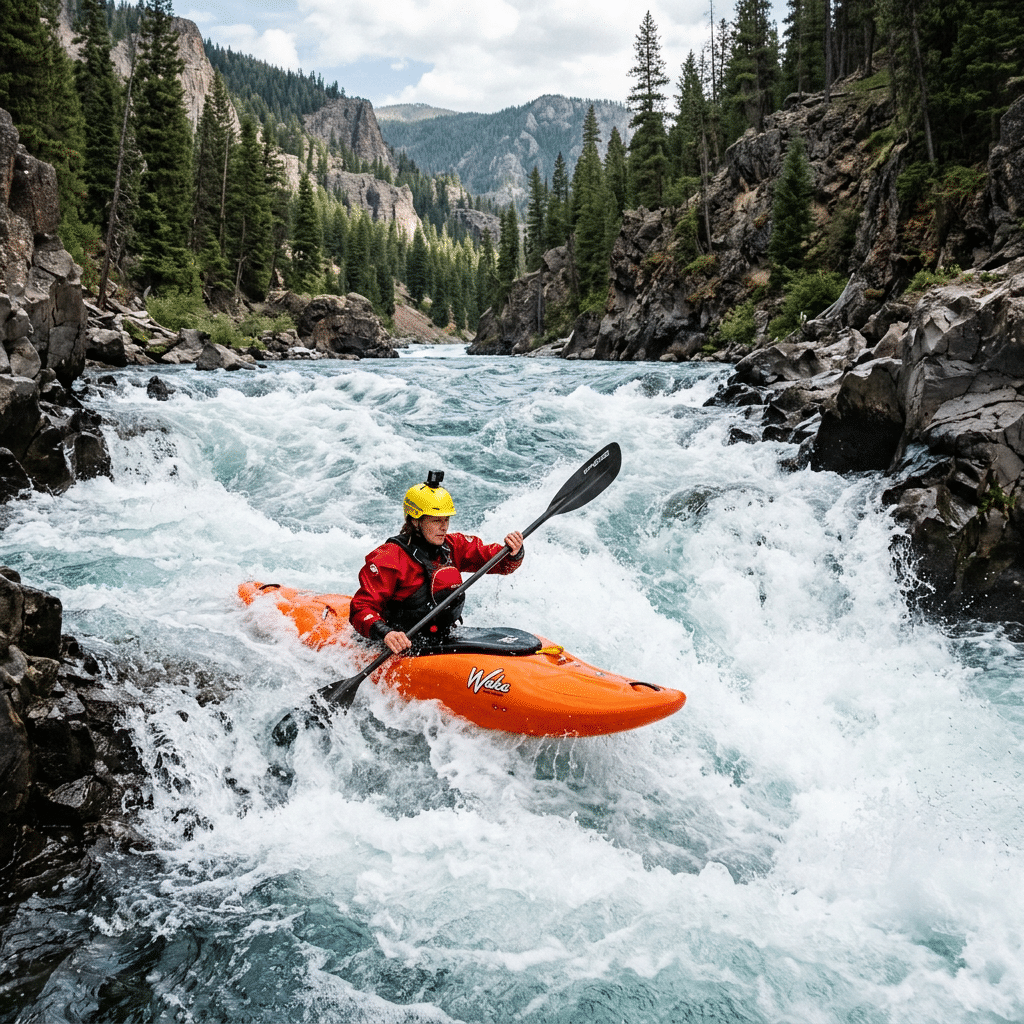
The Lewis River is a scenic mountain river flowing through the Yellowstone region, with sections ranging from Class III to Class V. Its more challenging stretches feature rocky channels, ledges, drops, and faster current surrounded by forested volcanic terrain. Water levels and seasonal runoff can significantly affect the character of the river, making flow assessment and careful scouting important before attempting harder sections. The Class V portions are best suited to advanced and expert paddlers with experience navigating technical mountain whitewater.
Quick Facts: Location: Yellowstone region / Northwestern Wyoming | Class Rapids: Class III–V | Difficulty: Intermediate / Advanced / Expert | River Type: Mountain river / technical whitewater | Best Season: Late spring through summer, depending on flows and access conditions
Where to Stay: Jackson, Cody, and communities near Yellowstone provide potential bases depending on the specific Lewis River section. Campgrounds and backcountry lodging options are also available throughout the surrounding region.
Bighorn / Northeastern Wyoming — Bighorn Mountains / Sheridan & Johnson Counties
Tongue River — Tongue Canyon / Bighorn Mountains / Northeastern Wyoming

The Tongue River through Tongue Canyon is a rugged mountain whitewater run featuring Class IV–V+ sections in the Bighorn Mountains. The canyon combines steep gradient, rocky channels, ledges, drops, and powerful current, creating increasingly technical conditions as water levels rise. Spring snowmelt is a major factor in determining runnable flows and can significantly increase the power and difficulty of the rapids. The Class V+ sections are best suited to expert paddlers with strong technical skills, careful scouting, and experience on remote mountain rivers.
Quick Facts: Location: Tongue Canyon / Bighorn Mountains, Wyoming | Class Rapids: Class IV–V+ | Difficulty: Advanced / Expert | River Type: Mountain canyon / technical whitewater | Best Season: Late spring through early summer during snowmelt, depending on flows
Where to Stay: Sheridan, Dayton, and Buffalo provide convenient bases for exploring the Bighorn Mountains and Tongue River corridor, with lodging, restaurants, outdoor supplies, and camping available nearby.
Box Elder Creek — Box Elder Canyon / Bighorn Mountains / Northeastern Wyoming
Box Elder Creek is a steep and technical mountain stream running through Box Elder Canyon, with sections ranging from Class IV to V/V+ difficulty. The creek features narrow rocky channels, ledges, drops, and fast current that can become particularly powerful at suitable spring flows. Seasonal snowmelt and rainfall strongly influence the creek’s boating window and can change the character of individual rapids. The harder sections are intended for advanced and expert creek boaters with experience navigating steep, technical whitewater.
Quick Facts: Location: Box Elder Canyon / Bighorn Mountains, Wyoming | Class Rapids: Class IV–V/V+ | Difficulty: Advanced / Expert | River Type: Steep mountain creek / technical whitewater | Best Season: Late spring through early summer during snowmelt, depending on flows
Where to Stay: Buffalo, Sheridan, and Kaycee offer convenient bases for exploring the Box Elder Canyon area, with lodging, restaurants, supplies, and camping options available throughout the region.
Horse Creek — Bighorn Mountains / Northeastern Wyoming

Horse Creek is a scenic mountain stream offering a broad range of whitewater from Class III to Class V. Its more difficult sections feature rocky channels, steep drops, ledges, and fast-moving current that require careful line selection and strong boat control. Water levels can vary substantially with spring runoff and rainfall, making flow assessment important when planning a descent. The Class V portions are best suited to experienced paddlers with advanced creek-boating and rescue skills.
Quick Facts: Location: Bighorn Mountains / Northeastern Wyoming | Class Rapids: Class III–V | Difficulty: Intermediate to Expert | River Type: Mountain creek / technical whitewater | Best Season: Late spring through early summer and after suitable rainfall, depending on flows
Where to Stay: Sheridan, Buffalo, and Dayton provide convenient access to the Bighorn Mountain region, with lodging, restaurants, outdoor supplies, and camping available nearby.
Conclusion
For skilled paddlers, Class V whitewater kayaking in Wyoming combines technical challenges with spectacular mountain scenery. The state’s rivers can offer powerful currents, complex rapids, and demanding lines that require careful preparation and sound decision-making. Before heading out, check water levels, understand the specific river section, use appropriate safety equipment, and make sure your group has the skills and rescue knowledge necessary for advanced whitewater. With the right preparation and experience, Wyoming’s Class V rivers can provide an unforgettable kayaking adventure.
FAQs
What is Class V whitewater kayaking?
Class V is an expert-level whitewater classification involving extremely difficult rapids, powerful currents, complex obstacles, and significant hazards. It is intended for highly experienced paddlers.
Is Wyoming good for Class V kayaking?
Yes. Wyoming’s mountainous terrain creates steep and technical rivers that can provide challenging whitewater for experienced kayakers, although suitable Class V opportunities can be highly dependent on water levels and river conditions.
What skills are needed for Class V kayaking?
Class V paddlers should have advanced boat-control skills, reliable rolling ability, strong river-reading skills, experience in powerful whitewater, and knowledge of swift-water rescue techniques.
Is Class V kayaking safe for beginners?
No. Class V whitewater is not suitable for beginners. New paddlers should develop their skills gradually on easier rivers and gain substantial experience before attempting expert-level runs.
What equipment is needed for Class V kayaking?
Essential equipment generally includes a suitable whitewater kayak, properly fitted helmet and PFD, paddle, spray skirt, appropriate thermal protection, and river-rescue equipment. The exact gear should match the river and conditions.
When is the best time for Class V kayaking in Wyoming?
The best time varies by river and water level. Snowmelt, rainfall, and seasonal conditions can significantly affect Wyoming’s rivers, so paddlers should check current flows and local information before launching.
Should I hire a guide for Class V kayaking in Wyoming?
If you’re unfamiliar with a river or its hazards, an experienced local guide can provide valuable river-specific knowledge. Class V runs should only be attempted by paddlers with the appropriate experience, preparation, and rescue skills.


Leave a Reply