Class V whitewater rapids represent the ultimate challenge in river kayaking. These powerful stretches of water combine massive waves, technical lines, steep drops, unpredictable currents, and serious consequences for mistakes. Even professional kayakers approach these rivers with extensive training, careful scouting, rescue preparation, and respect for the forces of nature.
From the turquoise canyons of Patagonia to the remote Himalayan wilderness and legendary rivers of North America, the world’s most extreme Class V rapids attract elite paddlers searching for the next great adventure. This guide explores 20 insane Class V rapids that continue to test the skills, courage, and endurance of professional kayakers around the world.
United States
Cherry Creek — Upper Tuolumne River, California

Cherry Creek on the Upper Tuolumne River is considered one of the hardest Class V whitewater runs in the United States and a legendary test for expert kayakers. Located in the rugged Sierra Nevada mountains, this extreme section features continuous Class V rapids, steep granite drops, massive boulder gardens, and powerful hydraulics requiring expert precision. The combination of technical difficulty, remote wilderness, and high-consequence rapids makes Cherry Creek a serious challenge even for professional paddlers. Surrounded by dramatic mountain scenery, it remains one of California’s most intimidating and rewarding whitewater adventures.
Quick Facts: Location: Stanislaus National Forest, Sierra Nevada Mountains, California, USA | Difficulty: Class V | Features: Continuous Technical Drops, Boulder Gardens, Powerful Hydraulics | River Type: Steep Granite Canyon Run | Best Season: Late Spring–Summer (Snowmelt Season)
Where to Stay: Groveland and Sonora provide the closest accommodations for paddlers, offering hotels, cabins, restaurants, and outdoor services. Nearby campgrounds provide convenient access for kayakers planning Sierra Nevada adventures.
Upper Gauley River — West Virginia

The Upper Gauley River is one of the most famous Class V whitewater destinations in the world and a legendary challenge for professional kayakers. Known for massive rapids such as Pillow Rock, Lost Paddle, and Sweet’s Falls, the river delivers enormous waves, powerful hydraulics, steep drops, and high-volume whitewater. Seasonal dam releases create some of the most intense paddling conditions in North America, attracting elite kayakers during the famous fall Gauley Season. With dramatic Appalachian scenery and world-class rapids, the Upper Gauley is one of America’s ultimate extreme kayaking destinations.
Quick Facts: Location: New River Gorge Region, West Virginia, USA | Difficulty: Class V | Features: Pillow Rock, Lost Paddle, Sweet’s Falls, Massive Hydraulics | River Type: High-Volume Canyon River | Best Season: September–October (Gauley Season)
Where to Stay: Fayetteville is the main adventure base for the Gauley River, offering lodging, restaurants, outfitters, and outdoor services. Nearby campgrounds and cabins provide additional options during the fall release season.
North Fork Payette River — Idaho

The North Fork Payette River is one of the most respected Class V creek kayaking destinations in the United States. Its steep mountain gradient creates relentless technical rapids, narrow channels, waterfalls, and powerful drops requiring advanced boat control and quick decision-making. Expert sections such as the Upper and Cabarton runs challenge paddlers with cold mountain water, complex lines, and continuous whitewater action. Its remote Idaho setting and extreme difficulty make it a favorite among professional creek boaters.
Quick Facts: Location: Cascade Mountains, Idaho, USA | Difficulty: Class V | Features: Steep Drops, Technical Rapids, Narrow Channels | River Type: Mountain Creek River | Best Season: Late Spring–Early Summer
Where to Stay: Cascade and McCall are popular bases for exploring the North Fork Payette River, offering lodging, restaurants, camping, and outdoor services. Boise provides additional accommodations for travelers visiting the region.
North Fork Feather River — California
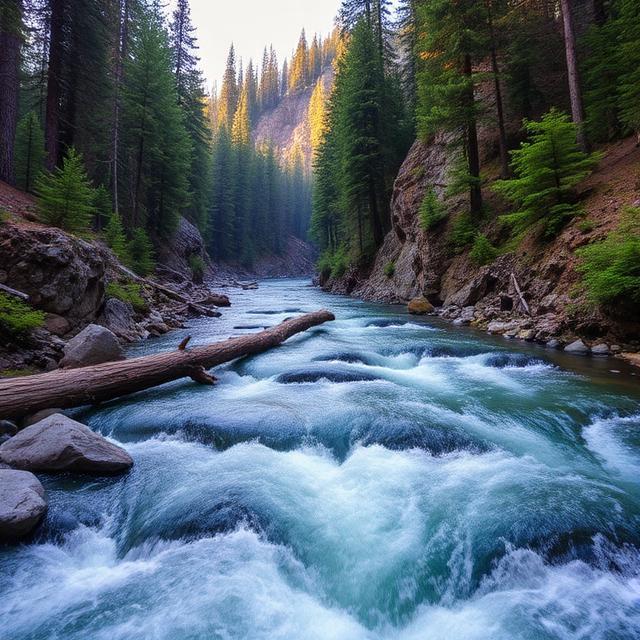
The North Fork Feather River is a challenging Class V whitewater destination hidden within Northern California’s rugged mountain landscapes. Expert sections feature steep drops, technical rapids, tight channels, and powerful currents requiring advanced paddling skills. Flowing through remote forested canyons, the river provides a true wilderness kayaking experience away from crowded waterways. Its combination of technical difficulty and scenic surroundings makes it one of California’s most demanding expert runs.
Quick Facts: Location: Plumas County, Northern California, USA | Difficulty: Class V | Features: Steep Drops, Technical Canyon Rapids, Rocky Channels | River Type: Mountain Canyon River | Best Season: Spring–Early Summer
Where to Stay: Quincy and nearby Plumas County communities provide lodging, restaurants, supplies, and outdoor services. Forest service campgrounds throughout the region offer additional options.
Tallulah Gorge — Georgia
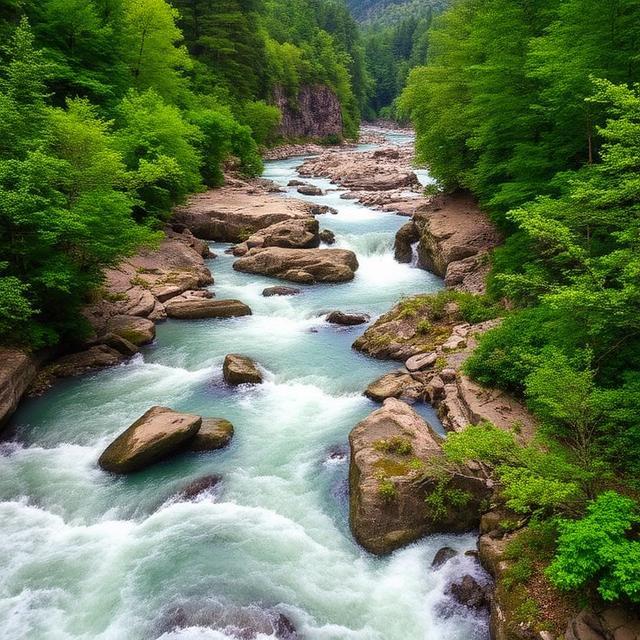
Tallulah Gorge is one of the most unique Class V kayaking locations in the southeastern United States. Located inside a dramatic granite canyon, the river features steep drops, waterfalls, powerful rapids, and narrow technical sections that challenge even experienced paddlers. Limited water releases make each opportunity to run Tallulah Gorge a rare event among advanced kayakers. With towering cliffs and spectacular scenery, it combines extreme whitewater with one of Georgia’s most impressive natural landscapes.
Quick Facts: Location: Tallulah Gorge State Park, Georgia, USA | Difficulty: Class V | Features: Waterfall Drops, Granite Gorge Rapids, Technical Lines | River Type: Steep Gorge River | Best Season: Scheduled Releases (Spring/Fall)
Where to Stay: Clayton and nearby mountain towns offer hotels, cabins, restaurants, and outdoor services. Camping is available throughout the surrounding forest region.
Little White Salmon River — Washington
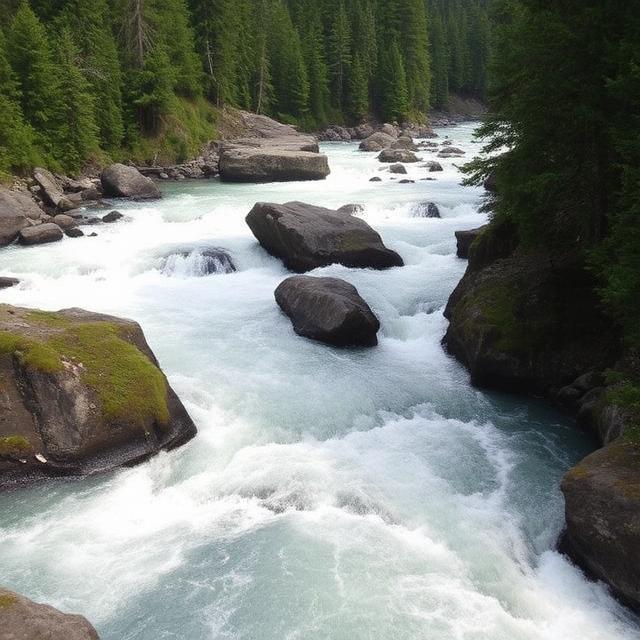
The Little White Salmon River is a legendary Pacific Northwest Class V creek run known for steep drops, technical rapids, and fast-moving forested whitewater. Located near the Columbia River Gorge, the river challenges expert kayakers with narrow channels, powerful currents, waterfalls, and demanding lines. The combination of continuous action and limited recovery opportunities makes it a serious test of skill and endurance. Surrounded by lush forests and volcanic mountain scenery, it remains one of Washington’s most exciting extreme kayaking destinations.
Quick Facts: Location: Columbia River Gorge Region, Washington, USA | Difficulty: Class V | Features: Technical Creek Drops, Waterfalls, Continuous Rapids | River Type: Forested Mountain Creek | Best Season: Spring–Early Summer
Where to Stay: White Salmon and Bingen are the main bases for paddlers, offering hotels, vacation rentals, restaurants, and outdoor services. Camping options are available throughout the Columbia River Gorge.
White Salmon River — Washington

The White Salmon River is one of America’s most iconic whitewater destinations, featuring world-class Class V challenges surrounded by spectacular Pacific Northwest scenery. Expert sections include legendary features such as Husum Falls, a powerful waterfall drop that has become one of the most recognized challenges in American kayaking. The river combines steep canyon walls, technical rapids, fast currents, and volcanic landscapes to create an unforgettable paddling experience. Professional kayakers travel from around the world to test themselves on this famous Washington river.
Quick Facts: Location: Columbia River Gorge Region, Washington, USA | Difficulty: Class III–V (Expert Sections Class V) | Features: Husum Falls, Technical Rapids, Steep Canyon Sections | River Type: Mountain Canyon River | Best Season: Spring–Fall
Where to Stay: White Salmon and Hood River are the primary adventure hubs, offering hotels, cabins, restaurants, breweries, and outdoor services. Campgrounds and vacation rentals are available throughout the Gorge region.
Canada
Stikine River — British Columbia

The Stikine River is one of the most legendary expedition Class V whitewater rivers in North America and a dream destination for elite kayakers seeking remote wilderness adventure. Known as the “Everest of whitewater,” the Stikine features enormous canyon walls, powerful rapids, massive hydraulics, and long isolated sections where rescue options are extremely limited. The famous Grand Canyon of the Stikine presents some of the most intimidating whitewater challenges on the planet, requiring expert expedition skills, teamwork, and advanced river judgment. Surrounded by glaciers, mountains, and untouched wilderness, the Stikine offers one of the ultimate Class V kayaking experiences.
Quick Facts: Location: Northern British Columbia, Canada | Difficulty: Class V–VI | Features: Grand Canyon, Massive Rapids, Powerful Hydraulics, Remote Expedition Sections | River Type: Glacier-Fed Wilderness Canyon River | Best Season: June–August
Where to Stay: Telegraph Creek is the primary access point for Stikine River expeditions, offering basic accommodations, supplies, and services. Larger towns such as Dease Lake provide additional lodging and logistical support before entering the remote wilderness.
Ashlu River — British Columbia

The Ashlu River is one of British Columbia’s most famous extreme whitewater kayaking destinations, located in the rugged Coast Mountains near Squamish. The river’s Class V sections feature steep gradients, technical rapids, powerful drops, narrow channels, and challenging bedrock formations that demand precision and advanced paddling skills. Known for its fast-moving alpine water and dramatic mountain surroundings, the Ashlu has become a proving ground for expert creek boaters and professional kayakers. Its combination of technical difficulty and spectacular scenery makes it one of Canada’s premier Class V runs.
Quick Facts: Location: Coast Mountains near Squamish, British Columbia, Canada | Difficulty: Class V | Features: Steep Drops, Bedrock Rapids, Technical Creek Sections, Powerful Currents | River Type: Alpine Mountain Creek River | Best Season: Spring–Early Summer
Where to Stay: Squamish is the main base for paddlers exploring the Ashlu River, offering hotels, campgrounds, restaurants, and outdoor adventure services. Whistler provides additional accommodations and amenities nearby.
Tatshenshini River — Yukon / British Columbia / Alaska

The Tatshenshini River is a legendary wilderness expedition river flowing through one of the most spectacular mountain regions in North America. While famous for multi-day rafting expeditions, advanced sections provide challenging Class V whitewater featuring powerful rapids, glacial flows, remote canyons, and unpredictable conditions. The river travels through dramatic landscapes including glaciers, towering peaks, and protected wilderness areas near the Alaska Panhandle. For expert kayakers seeking a true expedition adventure, the Tatshenshini offers a rare combination of extreme scenery, isolation, and challenging whitewater.
Quick Facts: Location: Yukon, British Columbia, Canada & Alaska, USA | Difficulty: Class IV–V (Expert Sections) | Features: Glacier-Fed Rapids, Remote Canyons, Expedition Whitewater, Wilderness Sections | River Type: Glacial Mountain Expedition River | Best Season: June–August
Where to Stay: Haines, Alaska and Whitehorse, Yukon are common staging areas for Tatshenshini River expeditions, offering lodging, transportation services, and supplies. Smaller communities such as Atlin may also serve as regional access points for exploring northern British Columbia wilderness.
Chile / Patagonia
Futaleufú River — Patagonia, Chile

The Futaleufú River is one of the most famous Class V whitewater kayaking destinations in the world and a bucket-list river for professional paddlers. Located in the remote mountains of northern Patagonia, this turquoise glacier-fed river features powerful rapids, enormous waves, technical drops, and legendary sections such as the Terminator and Inferno Canyon. The combination of high-volume water, steep canyon walls, and continuous challenging rapids creates an unforgettable experience for expert kayakers. Surrounded by snow-capped peaks, forests, and pristine wilderness, the Futaleufú is considered one of the most beautiful and intimidating whitewater rivers on Earth.
Quick Facts: Location: Futaleufú, Los Lagos Region, Patagonia, Chile | Difficulty: Class IV–V | Features: Terminator Section, Inferno Canyon, Massive Waves, Powerful Rapids | River Type: Glacier-Fed Mountain Canyon River | Best Season: December–March (Patagonian Summer)
Where to Stay: Futaleufú is the main base for kayaking the river, offering lodges, hostels, restaurants, campsites, and adventure outfitters. Chaitén and Puerto Montt provide additional travel connections and accommodations for visitors exploring northern Patagonia.
Baker River — Patagonia, Chile

The Baker River is one of Patagonia’s most spectacular and powerful rivers, known for its vibrant blue waters, remote wilderness setting, and challenging whitewater sections. Flowing through the rugged landscapes of southern Chilean Patagonia, the river features strong currents, large waves, technical rapids, and demanding conditions for advanced paddlers. Fed by glacial waters from the Northern Patagonian Ice Field, the Baker offers a dramatic expedition-style kayaking experience surrounded by mountains, forests, and untouched wilderness. With its incredible scenery and powerful flows, it represents one of Chile’s most impressive extreme river adventures.
Quick Facts: Location: Aysén Region, Southern Patagonia, Chile | Difficulty: Class IV–V (Advanced Sections) | Features: Powerful Rapids, Large Waves, Glacier-Fed Flows, Remote Wilderness | River Type: High-Volume Patagonian Glacier River | Best Season: December–March
Where to Stay: Cochrane is the main gateway for exploring the Baker River, offering hotels, cabins, restaurants, supplies, and outdoor services. Puerto Guadal provides additional lodging options near the river and the spectacular landscapes of General Carrera Lake.
Nepal / Himalayas
Sun Kosi River — Nepal

The Sun Kosi River is one of the world’s most famous expedition whitewater rivers and a legendary destination for experienced kayakers seeking a Himalayan adventure. Known as the “River of Gold,” the Sun Kosi flows through remote valleys, jungle landscapes, and dramatic mountain scenery, featuring powerful Class V rapids during high-water conditions. Long expedition sections combine technical rapids, large waves, strong currents, and changing river conditions that test even skilled paddlers. With its incredible scenery, cultural encounters, and challenging whitewater, the Sun Kosi remains one of Asia’s ultimate river adventures.
Quick Facts: Location: Eastern Nepal, Himalayas, Nepal | Difficulty: Class IV–V | Features: Large Waves, Powerful Rapids, Expedition Sections, Remote Canyons | River Type: Himalayan Mountain Expedition River | Best Season: October–November & March–May
Where to Stay: Kathmandu is the main starting point for Sun Kosi expeditions, offering hotels, restaurants, gear shops, and travel services. Dumja and riverside communities along the route provide access points and expedition staging areas.
Karnali River — Nepal
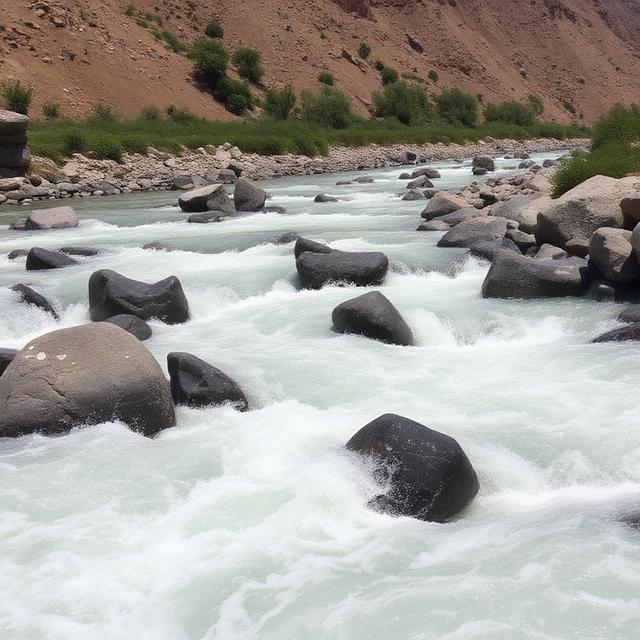
The Karnali River is Nepal’s longest and one of its most remote whitewater rivers, offering a true wilderness kayaking expedition through the Himalayas. Flowing through western Nepal, the river features powerful rapids, technical sections, big waves, and long stretches of isolated wilderness surrounded by forests, cliffs, and mountain landscapes. Advanced sections challenge experienced kayakers with strong currents, changing flows, and limited access to outside assistance. The Karnali’s combination of adventure, remoteness, and spectacular scenery makes it one of the most unforgettable Class V river journeys in Asia.
Quick Facts: Location: Western Nepal, Himalayas, Nepal | Difficulty: Class IV–V | Features: Remote Canyons, Powerful Rapids, Large Waves, Expedition Whitewater | River Type: Himalayan Wilderness River | Best Season: October–November & March–May
Where to Stay: Kathmandu is the main preparation hub for Karnali expeditions, offering accommodations, supplies, and transportation connections. Surkhet and Jumla serve as regional access points for reaching remote sections of the river.
Bhote Kosi River — Nepal

The Bhote Kosi River is one of Nepal’s steepest and most intense whitewater rivers, famous for its continuous Class V rapids and technical creek-style kayaking. Located near the Tibetan border, this fast-flowing Himalayan river features narrow gorges, powerful hydraulics, steep drops, and constant challenges that require advanced paddling skills. Its short but intense sections make it a favorite among expert kayakers looking for adrenaline-filled runs close to Kathmandu. Surrounded by dramatic mountain scenery, the Bhote Kosi delivers some of the most exciting whitewater in the Himalayas.
Quick Facts: Location: Sindhupalchok District, Central Nepal Himalayas, Nepal | Difficulty: Class V | Features: Continuous Rapids, Steep Drops, Narrow Gorges, Powerful Hydraulics | River Type: Steep Himalayan Creek River | Best Season: October–November & March–May
Where to Stay: Kathmandu is the primary base for Bhote Kosi kayaking trips, offering hotels, restaurants, and adventure operators. Barhabise and nearby riverside villages provide convenient access to the river sections.
Africa
Zambezi River — Zambia / Zimbabwe

The Zambezi River is one of the most legendary whitewater rivers in the world and home to some of the biggest and most powerful Class V rapids on Earth. Flowing below the spectacular Victoria Falls, the river’s famous Batoka Gorge features enormous waves, violent hydraulics, steep canyon walls, and iconic rapids such as Rapid No. 9 “Commercial Suicide,” Rapid No. 18 “Oblivion,” and “The Washing Machine.” The combination of high-volume tropical water, massive rapids, and dramatic African wilderness creates one of the ultimate challenges for expert kayakers and whitewater adventurers. With its incredible scenery, powerful flows, and legendary reputation, the Zambezi remains a bucket-list destination for professional paddlers worldwide.
Quick Facts: Location: Below Victoria Falls, Zambia/Zimbabwe, Africa | Difficulty: Class V | Features: Batoka Gorge, Commercial Suicide, Oblivion, Massive Hydraulics, Large Waves | River Type: High-Volume Tropical Canyon River | Best Season: August–December (Low Water Season for Extreme Rapids)
Where to Stay: Livingstone, Zambia is the main adventure hub for exploring the Zambezi River, offering hotels, lodges, restaurants, and outdoor adventure services. Victoria Falls, Zimbabwe provides additional accommodations, tour operators, and access to river activities near the falls.
New Zealand
Kaituna River — North Island

The Kaituna River is one of New Zealand’s most famous Class V whitewater kayaking destinations and home to the legendary Tutea Falls, the highest commercially rafted waterfall in the world. Located near Rotorua, this short but intense river run features powerful drops, steep technical sections, tight channels, and the iconic 7-meter waterfall that challenges expert paddlers. The river’s combination of warm volcanic waters, fast-flowing rapids, and dramatic forest scenery makes it a favorite among professional kayakers seeking precision and adrenaline. Despite its short length, the Kaituna delivers some of the most memorable extreme whitewater experiences in New Zealand.
Quick Facts: Location: Bay of Plenty Region, North Island, New Zealand | Difficulty: Class V | Features: Tutea Falls, Steep Drops, Technical Rapids, Narrow Channels | River Type: Volcanic Gorge River | Best Season: Year-Round (Best Flows Spring–Autumn)
Where to Stay: Rotorua is the main base for kayaking the Kaituna River, offering hotels, lodges, restaurants, geothermal attractions, and outdoor adventure services. Tauranga provides additional accommodations and travel connections for exploring the Bay of Plenty region.
Wairoa River — North Island

The Wairoa River is one of New Zealand’s most iconic extreme whitewater runs and a legendary destination for advanced kayakers. Located near Tauranga, this steep and technical river is famous for its powerful rapids, large drops, fast currents, and challenging gorge sections. The river’s unpredictable nature and limited release schedule make each descent a highly anticipated event among expert paddlers. Surrounded by lush native forests and dramatic landscapes, the Wairoa River offers a thrilling Class V adventure that showcases the best of New Zealand’s technical whitewater.
Quick Facts: Location: Bay of Plenty Region, North Island, New Zealand | Difficulty: Class V | Features: Steep Drops, Technical Rapids, Gorge Sections, Powerful Currents | River Type: Rain-Fed Mountain Gorge River | Best Season: Scheduled Releases (Usually Winter–Spring)
Where to Stay: Tauranga is the primary base for paddlers exploring the Wairoa River, offering hotels, restaurants, gear shops, and outdoor services. Rotorua is another popular option for visitors combining river adventures with other North Island attractions.
European Alps
Wellerbrücke Gorge — Austria

The Wellerbrücke Gorge is one of Austria’s most famous and intimidating Class V whitewater kayaking sections, located on the powerful Ötztaler Ache River in the Tyrol Alps. Known for its steep gradient, massive boulders, violent hydraulics, and technical rapids, this legendary gorge section challenges even highly experienced paddlers. The river’s cold alpine water, fast currents, and narrow passages demand precise lines, strong boat control, and expert-level skills. Surrounded by dramatic Austrian mountain scenery, the Wellerbrücke Gorge remains one of Europe’s premier extreme creek kayaking destinations.
Quick Facts: Location: Ötztal Valley, Tyrol Alps, Austria | Difficulty: Class V | Features: Wellerbrücke Gorge, Powerful Hydraulics, Boulder Gardens, Technical Drops | River Type: Alpine Glacier-Fed Creek River | Best Season: Late Spring–Summer
Where to Stay: Oetz is the closest base for paddlers exploring the Wellerbrücke Gorge, offering hotels, guesthouses, restaurants, and outdoor services. Innsbruck provides additional accommodations, transportation connections, and access to multiple Alpine rivers.
Inn River — Switzerland / Austria
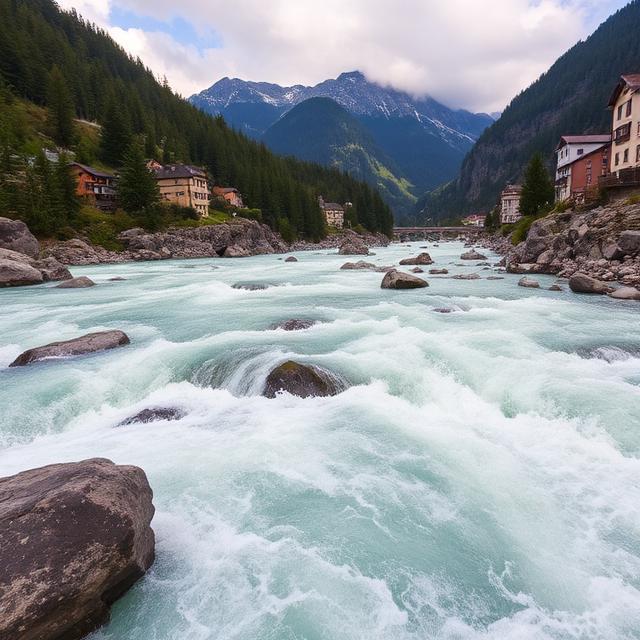
The Inn River is one of the most important whitewater rivers in the European Alps, offering challenging sections for advanced kayakers among some of the continent’s most spectacular mountain landscapes. Flowing from the Swiss Alps through Austria, the river features powerful alpine flows, technical rapids, fast currents, and demanding sections that test expert paddling skills. The Upper Inn and Engadine Valley sections are particularly famous for their scenic gorges, cold glacier-fed waters, and challenging whitewater conditions. Combining dramatic peaks, historic Alpine villages, and world-class paddling, the Inn River is a premier destination for experienced European kayakers.
Quick Facts: Location: Swiss Alps, Switzerland & Tyrol Alps, Austria | Difficulty: Class IV–V (Advanced Sections) | Features: Alpine Gorges, Fast Currents, Technical Rapids, Glacier-Fed Flows | River Type: Alpine Mountain River | Best Season: Late Spring–Early Autumn
Where to Stay: St. Moritz, Switzerland provides access to Upper Inn River sections and offers hotels, restaurants, and mountain services. Landeck and Innsbruck, Austria are popular bases for exploring Austrian sections of the river, with extensive lodging and outdoor infrastructure.
Conclusion
Class V whitewater kayaking is more than an extreme sport — it is a test of skill, preparation, teamwork, and decision-making. The rivers featured on this list showcase some of the most challenging and spectacular whitewater environments on the planet, from remote expedition rivers to famous professional kayaking destinations.
While these rapids are not suitable for beginners, they represent the highest level of commonly attempted whitewater kayaking. For experienced paddlers, exploring Class V rivers offers unforgettable adventures through some of the world’s most dramatic landscapes.
Whether you dream of paddling Patagonia’s Futaleufú River, navigating Canada’s Stikine Canyon, or experiencing the power of the Zambezi, these legendary rapids represent the pinnacle of adventure kayaking.
Frequently Asked Questions (FAQ)
What is a Class V rapid?
A Class V rapid is considered extremely difficult whitewater with large waves, powerful currents, complex routes, significant obstacles, and serious consequences for mistakes. It requires advanced kayaking skills and extensive river experience.
Are Class V rapids dangerous?
Yes. Class V rapids can be extremely dangerous due to strong hydraulics, underwater obstacles, remote locations, and difficult rescue conditions. Even professional kayakers use safety teams, scouting, and specialized equipment when running these rivers.
What is the hardest Class V river to kayak?
The answer depends on conditions and personal experience, but rivers such as the Stikine River in Canada, Futaleufú River in Chile, and Cherry Creek in California are often considered among the world’s most challenging Class V kayaking destinations.
Can beginners kayak Class V rapids?
No. Beginners should not attempt Class V whitewater. Most kayakers progress through Class I–IV rivers while developing technical skills, rescue knowledge, and experience before considering Class V.
What skills are needed for Class V kayaking?
Advanced Class V paddlers typically need:
- Strong river-reading ability
- Expert boat control
- Eskimo roll skills in rough water
- Swiftwater rescue training
- Experience scouting difficult rapids
- Ability to handle high-pressure situations
What equipment is used for Class V kayaking?
Extreme kayakers commonly use:
- Creek or expedition whitewater kayak
- Helmet
- High-quality personal flotation device (PFD)
- Paddle designed for whitewater
- Dry suit or cold-water gear
- Throw rope
- Rescue equipment
- Communication devices
What is the difference between Class V and Class VI rapids?
Class V: Extremely difficult but considered runnable by expert kayakers under the right conditions.
Class VI: Beyond normal limits of navigation and often considered extremely dangerous, unrunnable, or requiring extraordinary circumstances.
Where are the best Class V kayaking destinations?
Some of the world’s top Class V kayaking regions include:
- Patagonia, Chile
- British Columbia, Canada
- Western United States
- Nepal Himalayas
- New Zealand
- European Alps
- Zambezi River region of Africa
How do professional kayakers prepare for Class V rivers?
Professional paddlers prepare through:
- Physical conditioning
- River-specific training
- Studying water levels
- Scouting rapids before entering
- Practicing rescue techniques
- Traveling with experienced teams



Leave a Reply