Baffin Island is one of the world’s most remote and breathtaking diving destinations, offering a true Arctic adventure unlike anywhere else. Located in the Canadian territory of Nunavut, the island features dramatic fjords, towering icebergs, crystal-clear waters, and diverse cold-water marine life. While it isn’t a traditional scuba destination with commercial dive resorts, experienced divers can explore extraordinary underwater landscapes through expedition cruises and guided Arctic diving trips. From ice diving beneath frozen seas to exploring steep fjord walls and spotting seals, whales, and colorful Arctic invertebrates, Baffin Island provides unforgettable experiences for those prepared for extreme conditions. This guide highlights the 25 best places for diving on Baffin Island by type, helping you choose the ideal location for your next Arctic diving expedition.
- Best Ice Diving Places on Baffin Island
- Best Fjord & Wall Diving Places on Baffin Island
- Best Iceberg & Glacier Diving Places on Baffin Island
- Best Wildlife Diving Places on Baffin Island
- Best Reef and Macro Diving on Baffin Island
- Best Drift Diving on Baffin Island
- Best Technical Diving on Baffin Island
- Conclusion
- Frequently Asked Questions (FAQs)
Best Ice Diving Places on Baffin Island
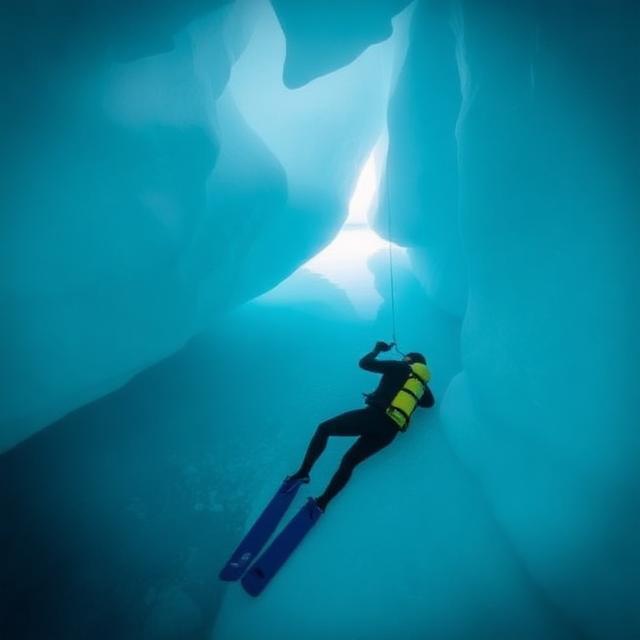
Baffin Island offers some of the world’s most spectacular ice diving experiences, with crystal-clear Arctic waters, dramatic ice formations, and abundant cold-water marine life. Divers can explore beneath thick sea ice, discover colorful invertebrates, and experience the unique silence of the Arctic underwater environment. These sites are suitable only for trained ice divers using specialized equipment and guided expeditions. Winter and early spring generally provide the most stable ice conditions for diving.
Cumberland Sound
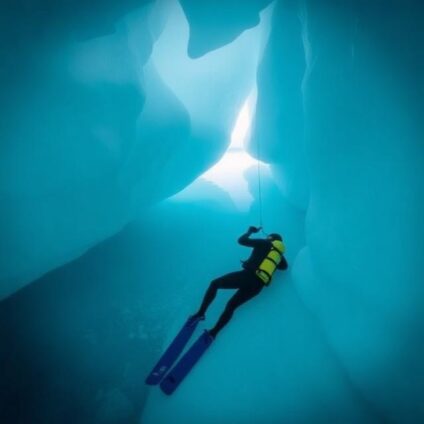
Cumberland Sound is one of Baffin Island’s premier ice diving destinations, known for its calm waters and exceptional underwater visibility. Divers can explore colorful sponge gardens, sea anemones, Arctic cod, and occasionally encounter curious seals beneath the ice. Sunlight filtering through the thick ice creates spectacular blue and turquoise lighting effects. The sheltered waters make it one of the more accessible locations for experienced ice diving expeditions.
Quick Facts: Location: Southeast Baffin Island, Nunavut | Depth: 10–40 m (33–131 ft) | Water Temperature: -1.8°C to 1°C (29–34°F) | Visibility: 15–30 m (50–100 ft) | Best Season: February–April
Eclipse Sound

Eclipse Sound, near Pond Inlet, is famous for its pristine Arctic waters, towering icebergs, and thick seasonal sea ice. The clear water provides outstanding visibility, allowing divers to admire intricate ice formations from below. Marine life includes Arctic cod, jellyfish, ringed seals, and seasonal sightings of narwhals and beluga whales. Its dramatic scenery makes it one of Canada’s most sought-after Arctic diving destinations.
Quick Facts: Location: Near Pond Inlet, Northern Baffin Island | Depth: 15–50 m (49–164 ft) | Water Temperature: -1.8°C to 0°C (29–32°F) | Visibility: 20–40 m (66–131 ft) | Best Season: March–May
Clyde River

Clyde River offers remote and largely untouched ice diving opportunities surrounded by pristine Arctic wilderness. Beneath the ice, divers can observe sea stars, sea urchins, Arctic fish, and colorful cold-water invertebrates. The quiet underwater environment and striking blue ice create an unforgettable diving experience. Local Inuit guides provide valuable knowledge about changing ice conditions and safe dive locations.
Quick Facts: Location: Eastern Baffin Island, Nunavut | Depth: 10–35 m (33–115 ft) | Water Temperature: -1.8°C to 1°C (29–34°F) | Visibility: 15–25 m (50–82 ft) | Best Season: February–April
North Pangnirtung

The waters north of Pangnirtung feature breathtaking fjords, glacier-fed conditions, and stable sea ice that create ideal conditions for experienced ice divers. Divers can explore rocky seabeds covered with marine invertebrates and vibrant cold-water ecosystems. The surrounding mountains and glaciers enhance the dramatic Arctic landscape above the surface. Guided expeditions are strongly recommended because of the area’s remote location and changing ice conditions.
Quick Facts: Location: North of Pangnirtung, Cumberland Peninsula | Depth: 15–45 m (49–148 ft) | Water Temperature: -1.8°C to 1°C (29–34°F) | Visibility: 20–35 m (66–115 ft) | Best Season: February–April
Offshore Pack Ice

Offshore pack ice provides one of the most adventurous and technically demanding diving experiences around Baffin Island. Unlike fixed sea ice, drifting pack ice creates constantly changing underwater landscapes filled with sculpted ice formations and deep blue channels. Divers may encounter seals, Arctic cod, jellyfish, and occasionally larger marine mammals passing through the area. Because conditions change rapidly with wind and currents, these dives require advanced technical skills, specialized equipment, and comprehensive expedition support.
Quick Facts: Location: Offshore waters surrounding Baffin Island | Depth: 20–60+ m (66–197+ ft) | Water Temperature: -2°C to 0°C (28–32°F) | Visibility: 20–40 m (66–131 ft) | Best Season: March–Maychnical skills, specialized equipment, and comprehensive expedition support.
Best Fjord & Wall Diving Places on Baffin Island
Baffin Island is renowned for its dramatic fjords and towering underwater walls carved by glaciers over thousands of years. These dive sites feature steep drop-offs, crystal-clear Arctic waters, and thriving cold-water ecosystems filled with colorful marine life. Divers can explore vertical rock faces, submerged cliffs, and glacial landscapes that are rarely visited. Due to the remote Arctic environment, these locations are best suited for experienced cold-water divers.
Pangnirtung Fjord

Pangnirtung Fjord is one of the most scenic diving destinations on Baffin Island, surrounded by rugged mountains and glaciers. Beneath the surface, divers can explore steep rock walls covered with colorful anemones, sponges, and other cold-water invertebrates. The fjord’s calm waters often provide excellent visibility, making it ideal for underwater photography. Its dramatic landscapes both above and below the water create an unforgettable Arctic diving experience.
Quick Facts: Location: Cumberland Peninsula, Southeast Baffin Island | Depth: 15–60 m (49–197 ft) | Water Temperature: -1°C to 2°C (30–36°F) | Visibility: 15–30 m (50–100 ft) | Best Season: July–September
Sam Ford Fjord

Sam Ford Fjord is famous for its towering granite cliffs, some of the tallest vertical sea cliffs in the world. Underwater, divers encounter impressive wall dives featuring rocky ledges, deep drop-offs, and diverse Arctic marine life. The clear glacial waters offer excellent visibility, allowing divers to appreciate the scale of the submerged cliffs. The fjord’s remote location makes it a rewarding destination for adventurous expedition divers.
Quick Facts: Location: Northeast Baffin Island | Depth: 20–100+ m (66–328+ ft) | Water Temperature: -1°C to 2°C (30–36°F) | Visibility: 20–40 m (66–131 ft) | Best Season: July–September
Auyuittuq National Park Fjords

The fjords surrounding Auyuittuq National Park provide spectacular diving opportunities in one of Canada’s most pristine Arctic wilderness areas. Divers can explore glacier-fed waters, dramatic underwater cliffs, and healthy cold-water ecosystems filled with sea stars, soft corals, and Arctic fish. Massive mountains and glaciers surround the fjords, creating breathtaking scenery above the surface. These remote sites are ideal for expedition-style diving combined with wildlife viewing.
Quick Facts: Location: Eastern Baffin Island, Auyuittuq National Park | Depth: 15–70 m (49–230 ft) | Water Temperature: -1°C to 2°C (30–36°F) | Visibility: 15–35 m (50–115 ft) | Best Season: July–September
Qikiqtarjuaq Coast

The coastline around Qikiqtarjuaq offers dramatic underwater walls, rocky reefs, and glacier-carved fjords rich in marine biodiversity. Divers frequently encounter sea anemones, sponges, Arctic cod, and other cold-water species along the vertical rock formations. The region is also known for floating icebergs that create spectacular underwater scenery during the summer months. Calm conditions and clear water make many sites suitable for experienced recreational divers.
Quick Facts: Location: East Coast of Baffin Island, Nunavut | Depth: 10–50 m (33–164 ft) | Water Temperature: -1°C to 3°C (30–37°F) | Visibility: 15–30 m (50–100 ft) | Best Season: July–September
Cape Dyer

Cape Dyer features rugged Arctic coastlines with impressive underwater cliffs and rocky wall dives overlooking the Davis Strait. Divers can explore steep drop-offs inhabited by colorful invertebrates, sea stars, and various Arctic fish species. Strong currents occasionally attract larger marine life, adding excitement to advanced dives. The remote setting and dramatic underwater terrain make Cape Dyer one of Baffin Island’s most adventurous wall diving destinations.
Quick Facts: Location: Southeast Coast of Baffin Island | Depth: 20–80 m (66–262 ft) | Water Temperature: -1°C to 2°C (30–36°F) | Visibility: 20–35 m (66–115 ft) | Best Season: July–September
Best Iceberg & Glacier Diving Places on Baffin Island
Baffin Island offers some of the most spectacular iceberg and glacier diving experiences in the Arctic, where divers can explore the underwater portions of massive ice formations and glacier-carved landscapes. These sites feature towering icebergs, deep fjords, and unique marine habitats shaped by cold Arctic waters. Diving near glaciers provides incredible visibility, dramatic blue ice formations, and opportunities to observe specialized Arctic marine life. Due to changing ice conditions, currents, and remote locations, these dives require experienced guides and proper cold-water equipment.
Home Bay

Home Bay is a remote Arctic diving destination known for its impressive icebergs, coastal cliffs, and pristine underwater environments. Divers can explore submerged iceberg structures where sunlight creates brilliant blue patterns beneath the ice. The surrounding waters support Arctic species such as sea stars, anemones, jellyfish, and cold-water fish. Its untouched wilderness and clear Arctic waters make Home Bay a unique destination for adventurous iceberg divers.
Quick Facts: Location: Western Baffin Island, Nunavut | Depth: 15–60 m (49–197 ft) | Water Temperature: -1.5°C to 1°C (29–34°F) | Visibility: 20–40 m (66–131 ft) | Best Season: July–September
Coronation Fjord

Coronation Fjord offers spectacular glacier and iceberg diving surrounded by dramatic Arctic mountains and frozen landscapes. Divers can explore the underwater sections of floating icebergs, steep fjord walls, and glacier-fed waters filled with marine life. The clear water provides excellent visibility, revealing intricate ice formations below the surface. This remote location offers an unforgettable combination of Arctic scenery and underwater exploration.
Quick Facts: Location: Northeastern Baffin Island, Nunavut | Depth: 20–70 m (66–230 ft) | Water Temperature: -1°C to 2°C (30–36°F) | Visibility: 20–50 m (66–164 ft) | Best Season: July–September
Glacier Fronts

Glacier fronts around Baffin Island provide some of the most dramatic diving environments in the Arctic. Divers can descend near the edges of tidewater glaciers and observe towering walls of blue ice extending beneath the surface. These areas often attract nutrient-rich waters that support plankton, Arctic fish, seals, and other marine species. Because glaciers can calve suddenly and create underwater turbulence, these dives require careful planning and expert guidance.
Quick Facts: Location: Coastal glacier areas throughout Baffin Island | Depth: 10–50 m (33–164 ft) | Water Temperature: -1.8°C to 1°C (29–34°F) | Visibility: 15–40 m (50–131 ft) | Best Season: July–August
Nettilling Fjord

Nettilling Fjord, connected to the vast interior of Baffin Island, offers a remote diving experience surrounded by Arctic wilderness. The fjord features glacier-influenced waters, rocky underwater terrain, and seasonal iceberg activity. Divers can explore cold-water ecosystems with sea stars, sponges, anemones, and Arctic fish species. Its isolation and dramatic scenery make it ideal for expedition-style diving.
Quick Facts: Location: Southern Baffin Island near Nettilling Lake | Depth: 15–60 m (49–197 ft) | Water Temperature: -1°C to 2°C (30–36°F) | Visibility: 15–35 m (50–115 ft) | Best Season: July–September
Buchan Gulf

Buchan Gulf is known for its rugged coastline, floating icebergs, and deep Arctic waters shaped by glaciers. Divers can explore submerged iceberg faces, rocky walls, and marine habitats influenced by cold nutrient-rich currents. The area provides excellent opportunities for underwater photography due to its dramatic ice formations and clear water conditions. Its remote location offers a true Arctic wilderness diving experience away from more frequently visited sites.
Quick Facts: Location: Eastern Baffin Island, Nunavut | Depth: 20–80 m (66–262 ft) | Water Temperature: -1°C to 2°C (30–36°F) | Visibility: 20–40 m (66–131 ft) | Best Season: July–September
Best Wildlife Diving Places on Baffin Island
Baffin Island offers some of the Arctic’s most remarkable wildlife diving opportunities, where divers can encounter marine mammals, Arctic fish, and diverse underwater ecosystems. The island’s nutrient-rich waters attract species such as seals, whales, narwhals, and seabirds, creating unforgettable encounters above and below the surface. These locations combine dramatic Arctic scenery with opportunities to observe wildlife in its natural habitat. Wildlife diving is best experienced with knowledgeable local guides who understand seasonal movements and safe viewing practices.
Isabella Bay

Isabella Bay is a world-renowned Arctic wildlife area famous for its seasonal gatherings of bowhead whales. Divers exploring the coastal waters can experience rich marine habitats with Arctic fish, sea stars, anemones, and other cold-water species. The area’s remote location provides a pristine environment with minimal human disturbance. Above the water, dramatic cliffs and marine wildlife sightings make it one of Baffin Island’s most impressive expedition destinations.
Quick Facts: Location: Northeastern Baffin Island, Nunavut | Depth: 10–50 m (33–164 ft) | Water Temperature: -1°C to 3°C (30–37°F) | Wildlife: Bowhead whales, seals, Arctic fish | Best Season: July–September
Broughton Coast

The Broughton Coast offers excellent wildlife diving opportunities along a rugged Arctic shoreline surrounded by islands, fjords, and deep coastal waters. Divers can encounter seals, Arctic cod, sea stars, jellyfish, and colorful invertebrates living along rocky seabeds. The nutrient-rich waters attract marine life throughout the summer season. Its combination of underwater biodiversity and dramatic landscapes makes it a favorite for adventurous wildlife-focused dives.
Quick Facts: Location: Northeastern Baffin Island near Broughton Archipelago | Depth: 15–60 m (49–197 ft) | Water Temperature: -1°C to 3°C (30–37°F) | Wildlife: Seals, whales, seabirds, Arctic marine species | Best Season: July–September
Cumberland Sound (Wildlife Areas)

Cumberland Sound is a major marine habitat known for its abundance of Arctic wildlife and excellent diving conditions. Divers can explore underwater ecosystems filled with sea anemones, sponges, Arctic cod, and other cold-water species while watching for seals and whales nearby. The sound is also an important habitat for marine mammals, including beluga whales and bowhead whales. Its sheltered waters make it one of the most accessible wildlife diving regions on Baffin Island.
Quick Facts: Location: Southeast Baffin Island, Nunavut | Depth: 10–60 m (33–197 ft) | Water Temperature: -1.8°C to 2°C (29–36°F) | Wildlife: Beluga whales, bowhead whales, seals, Arctic fish | Best Season: July–September
Best Reef and Macro Diving on Baffin Island
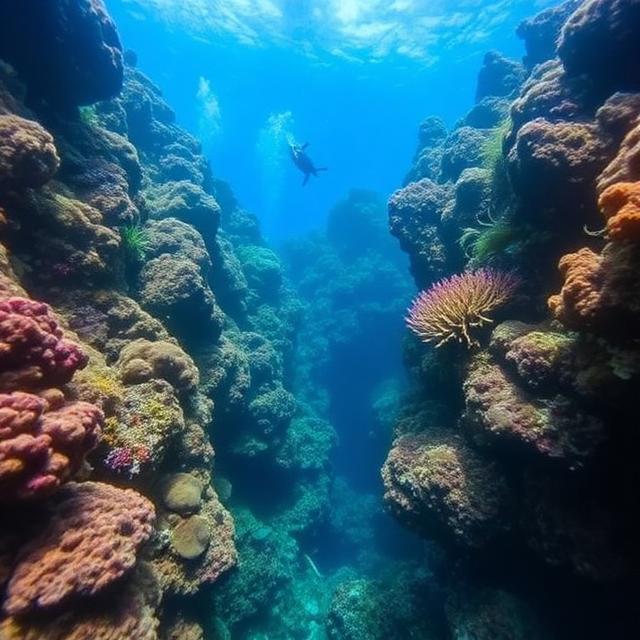
Despite its Arctic location, Baffin Island offers surprisingly rich reef and macro diving for those willing to brave the cold. Rocky reefs are covered with colorful sponges, soft corals, sea anemones, bryozoans, and delicate hydroids that thrive in the nutrient-rich waters. Divers can spot fascinating small marine life including nudibranchs, Arctic shrimp, sculpins, sea spiders, and juvenile Arctic cod hiding among the rocky crevices. The exceptional water clarity and slow-growing Arctic ecosystems provide outstanding opportunities for underwater photography, revealing intricate details often overlooked in warmer waters.
Frobisher Bay

Frobisher Bay offers a unique combination of Arctic wildlife encounters and accessible diving opportunities near Iqaluit. The bay’s cold, nutrient-rich waters support diverse marine ecosystems with sea stars, anemones, Arctic fish, and occasional marine mammals. Divers can explore rocky reefs, underwater cliffs, and coastal habitats while experiencing the dramatic scenery of southern Baffin Island. Its proximity to the capital makes it one of the more reachable wildlife diving areas in the region.
Quick Facts: Location: Near Iqaluit, Southern Baffin Island | Depth: 10–50 m (33–164 ft) | Water Temperature: -1°C to 3°C (30–37°F) | Wildlife: Seals, whales, Arctic fish, seabirds | Best Season: July–September
Merchants Bay

Merchants Bay is one of Baffin Island’s top destinations for reef and macro diving, featuring rocky seabeds covered with colorful sponges, soft corals, sea anemones, and other Arctic invertebrates. The nutrient-rich waters support an abundance of small marine life, making every dive full of intricate details. Its clear, cold waters provide excellent conditions for underwater photography and close-up exploration.
Quick Facts: Location: Baffin Island, Nunavut | Depth: 8–35 m (26–115 ft) | Water Temperature: -1.8°C to 2°C (29–36°F) | Visibility: 10–25 m (33–82 ft) | Best Season: July–September
Stewart Valley Coast

The Stewart Valley Coast is an excellent macro diving destination where underwater photographers can capture the beauty of Arctic marine life. Rocky reefs and kelp-covered habitats are home to nudibranchs, sea stars, sculpins, Arctic shrimp, and a variety of colorful invertebrates. The calm conditions and impressive visibility make it ideal for slow, detailed exploration.
Quick Facts: Location: Baffin Island, Nunavut | Depth: 5–30 m (16–98 ft) | Water Temperature: -1.8°C to 2°C (29–36°F) | Visibility: 10–20 m (33–66 ft) | Best Season: July–September
Pond Inlet

Pond Inlet offers some of the clearest diving conditions in the Canadian Arctic, with dramatic rocky reefs and thriving cold-water marine ecosystems. Divers can explore sponge gardens, sea anemones, soft corals, Arctic cod, and numerous small invertebrates that flourish in the nutrient-rich waters. Its outstanding visibility and pristine underwater landscapes make it one of the region’s premier reef and macro diving destinations.
Quick Facts: Location: Northern Baffin Island, Nunavut | Depth: 10–40 m (33–131 ft) | Water Temperature: -1.8°C to 1°C (29–34°F) | Visibility: 15–30 m (50–100 ft) | Best Season: July–September
Best Drift Diving on Baffin Island
Baffin Island offers thrilling drift diving opportunities where powerful Arctic currents create dynamic underwater experiences. Nutrient-rich waters flowing through straits and along the coastline support abundant marine life, including seals, Arctic cod, seabirds, and colorful cold-water invertebrates. Divers can glide over rocky reefs, underwater cliffs, and dramatic drop-offs while enjoying exceptional visibility. Because of the strong tidal currents and remote conditions, drift diving around Baffin Island is recommended only for experienced divers with proper cold-water training.
Davis Strait Coast

The Davis Strait Coast offers some of the most exhilarating drift diving in the Canadian Arctic. Strong ocean currents sweep along the coastline, carrying nutrient-rich waters that attract seals, Arctic cod, seabirds, and other marine life. Divers can glide effortlessly over rocky reefs and underwater cliffs while enjoying exceptional visibility and dramatic Arctic scenery. Due to the changing currents and cold-water conditions, this site is best suited for experienced divers.
Quick Facts: Location: Western Baffin Island, Nunavut | Depth: 15–40 m (50–131 ft) | Water Temperature: -1.8°C to 2°C (29–36°F) | Visibility: 15–30 m (50–100 ft) | Best Season: July–September
Hudson Strait

The entrance to Hudson Strait is renowned for its powerful tidal exchanges, creating fast-moving currents and exciting drift diving opportunities. Divers can explore rocky walls, submerged ridges, and cold-water habitats while drifting through nutrient-rich waters that support seals, Arctic fish, and a variety of invertebrates. The combination of strong currents, rugged underwater terrain, and excellent visibility makes this one of Baffin Island’s most challenging and rewarding drift diving destinations.
Quick Facts: Location: Southern Baffin Island, Nunavut | Depth: 15–45 m (50–148 ft) | Water Temperature: -1.8°C to 2°C (29–36°F) | Visibility: 15–30 m (50–100 ft) | Best Season: July–September
Best Technical Diving on Baffin Island
Baffin Island is an exceptional destination for technical diving, offering deep walls, submerged fjords, ice-covered environments, and remote Arctic waters that challenge even the most experienced divers. Technical dive sites feature dramatic underwater cliffs, deep rock formations, and cold-water ecosystems rarely explored by recreational divers. Many expeditions involve advanced skills such as ice diving, decompression diving, and the use of mixed gases due to the extreme conditions and depths. With its pristine underwater landscapes and untouched marine habitats, Baffin Island provides a unique and rewarding experience for qualified technical divers.
Buchan Gulf

Buchan Gulf is one of Baffin Island’s most remote technical diving destinations, featuring deep fjords, steep underwater walls, and virtually untouched Arctic marine environments. Its isolated location offers pristine underwater landscapes with dramatic rock formations, sponges, soft corals, and cold-water invertebrates. The combination of extreme remoteness, cold temperatures, and deep dive profiles makes this site suitable only for highly experienced technical divers.
Quick Facts: Location: Northeast Baffin Island, Nunavut | Depth: 30–100+ m (98–328+ ft) | Water Temperature: -1.8°C to 2°C (29–36°F) | Visibility: 20–40 m (66–131 ft) | Best Season: July–September
Cape Mercy

Cape Mercy offers challenging technical dives along deep reefs and dramatic underwater cliffs that descend into the Arctic depths. Divers can explore sponge gardens, soft corals, sea anemones, and other cold-water marine life thriving in the nutrient-rich environment. The site’s depth, strong currents, and remote setting make it an excellent destination for advanced decompression and technical diving expeditions.
Quick Facts: Location: Southeast Baffin Island, Nunavut | Depth: 30–90 m (98–295 ft) | Water Temperature: -1.8°C to 2°C (29–36°F) | Visibility: 15–35 m (50–115 ft) | Best Season: July–September
Remote Expedition Sites

Baffin Island’s remote expedition sites include isolated fjords, submerged cliffs, and rarely visited coastal waters accessible only by specialized Arctic liveaboards or expedition vessels. These pristine locations offer untouched underwater environments, exceptional visibility, and opportunities to explore deep reefs and unique cold-water ecosystems with little or no previous diving activity. Each expedition is different, making every technical dive a true exploration of one of the world’s last frontier diving destinations.
Quick Facts: Location: Remote coastal areas around Baffin Island | Depth: 30–100+ m (98–328+ ft) | Water Temperature: -1.8°C to 2°C (29–36°F) | Visibility: 20–40 m (66–131 ft) | Best Season: July–September
You’re using our basic model. Log in or sign up for more intelligence.Log in
Sign up for free
Conclusion
Diving around Baffin Island is an extraordinary experience that combines dramatic Arctic scenery with some of the planet’s most pristine underwater environments. Whether you’re exploring glacier-carved fjords, drifting alongside massive icebergs, or venturing beneath sea ice, every dive offers a unique glimpse into a rarely visited world. Although the island’s remote location and harsh conditions make it suitable primarily for experienced divers, the rewards are unmatched for those seeking true adventure. Use this guide to discover the best diving areas by type and begin planning an unforgettable expedition to one of Canada’s most spectacular Arctic destinations.
Frequently Asked Questions (FAQs)
1. Is Baffin Island good for scuba diving?
Yes. Baffin Island is considered one of the world’s premier Arctic diving destinations, offering ice diving, fjord wall dives, iceberg diving, and incredible cold-water marine life. It is best suited for experienced divers.
2. Do I need special certification to dive on Baffin Island?
Most dive operators recommend or require advanced open water certification, dry suit certification, and previous cold-water diving experience. Ice diving certification may also be required for under-ice dives.
3. What marine life can I see while diving?
Divers may encounter Arctic cod, seals, sea stars, nudibranchs, anemones, sponges, cold-water corals, jellyfish, and occasionally beluga or narwhal in the surrounding waters. Whale sightings are more common from the surface.
4. When is the best time to dive on Baffin Island?
The best diving season generally runs from July through September when sea ice has receded, weather conditions are more favorable, and visibility is often excellent. Ice diving expeditions typically take place in late winter or early spring.
5. How cold is the water around Baffin Island?
Water temperatures usually range from -1.8°C to 4°C (29°F to 39°F), making a dry suit and appropriate thermal protection essential.
6. Are there dive shops or resorts on Baffin Island?
No. Recreational diving infrastructure is very limited. Most diving is organized through expedition cruise operators, scientific research teams, or specialized Arctic adventure companies.
7. Is Baffin Island suitable for beginner divers?
Not generally. Due to the extreme cold, remote locations, and challenging conditions, Baffin Island is recommended for advanced or experienced cold-water divers.
8. What equipment is required for Arctic diving?
Divers typically need a dry suit, thermal undergarments, cold-water regulators, redundant air systems for technical or ice dives, thick gloves, hood, and other equipment designed for sub-zero conditions.