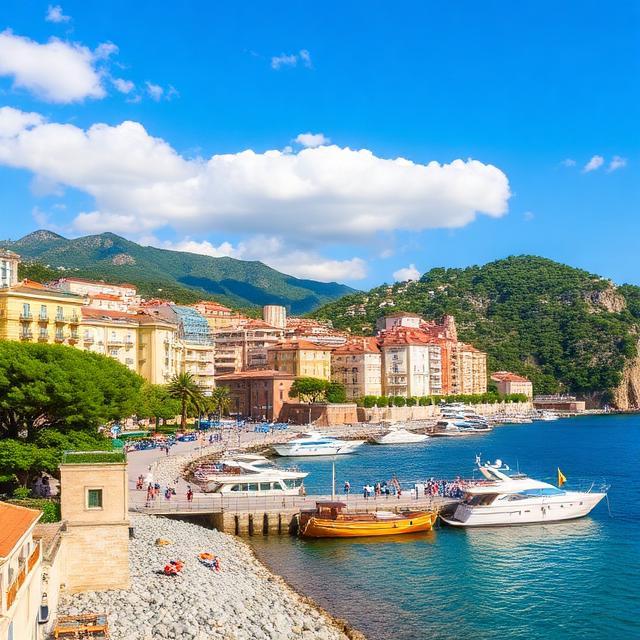
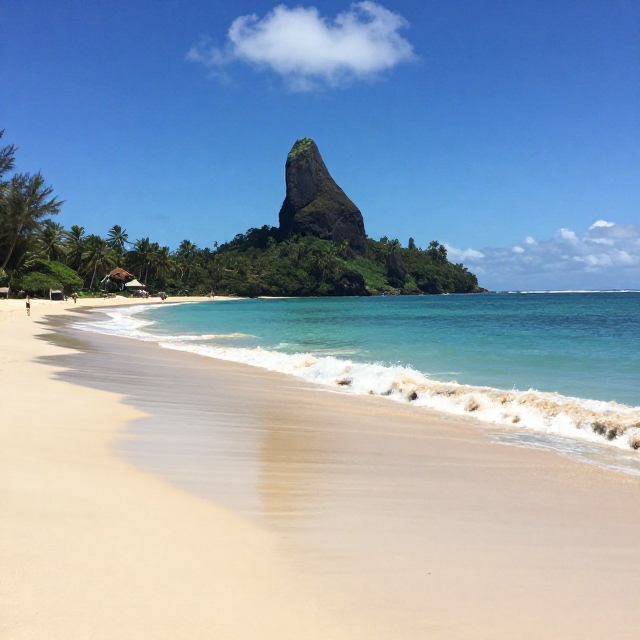
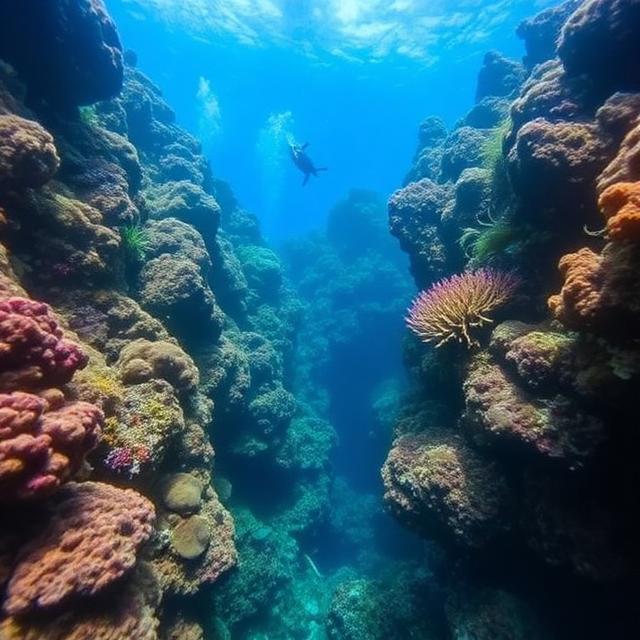
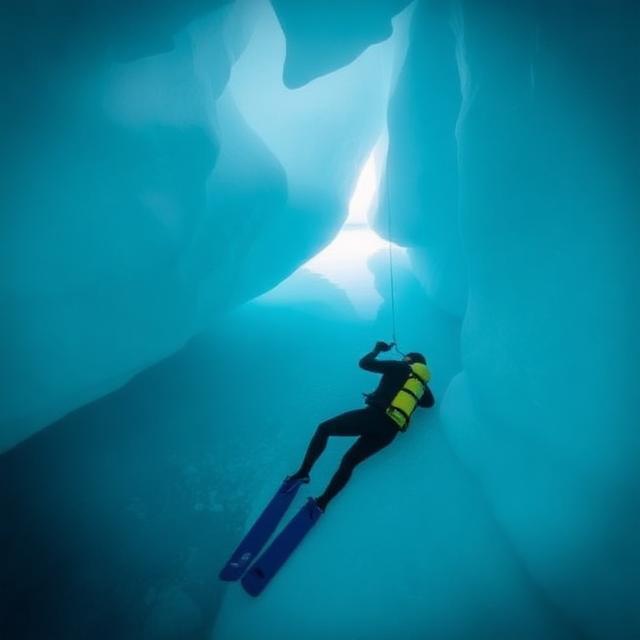
Spearfishing is more than just an underwater hunting experience—it’s an opportunity to explore some of the world’s most beautiful marine environments. From crystal-clear Caribbean waters and tropical Pacific islands to the rugged coastlines of the Mediterranean and South Africa, the world offers incredible destinations for spearfishing enthusiasts.
Whether you’re an experienced spearo looking for big pelagic fish, a freediver searching for pristine reefs, or a beginner planning your first spearfishing adventure, choosing the right destination can make all the difference.
In this guide, we’ll explore the best spearfishing destinations in the world, highlighting what makes each location special, the marine life you can encounter, and what to know before planning your trip.
Plan Your Trip Online
- Find Hotels , Car Rentals, Tour Tickets: Booking,com
- Find Guided Tours: Viator
- Travel Insurance Vistors Coverage
- Fishing Charters Fishingbooker.com
- Cruises Booking.com
- Book BikesBikebookings
- Rent a Car Car Rentals
- Adventure Gear Backcountry.com
- Shop for Travel Clothes Amazon
Best Spearfishing in the Caribbean Sea
Exuma Islands Spearfishing – Bahamas
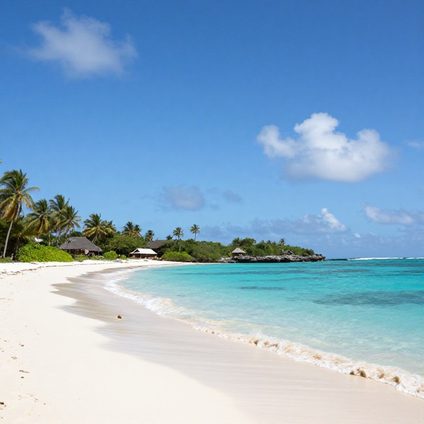
The Exuma Islands offer beautiful spearfishing environments with crystal-clear turquoise waters, coral reefs, and rocky underwater structures. These habitats support a variety of fish species, including snapper, grouper, hogfish, triggerfish, and barracuda, depending on location and local conditions. Excellent underwater visibility allows anglers to explore reef formations, sandy channels, and deeper underwater structures. The surrounding cays provide a combination of shallow coastal habitats and offshore reef environments. Spearfishing should follow Bahamian fishing regulations, protected-area restrictions, and species regulations.
Where to Stay: George Town and Great Exuma offer convenient access to restaurants, marinas, and boat charters. Consider Grand Isle Resort & Residences near Emerald Bay or Staniel Cay Yacht Club in the Exuma Cays for a more remote island experience.
Where to Spearfish: Permitted reef areas ➤ rocky reef edges ➤ coral formations ➤ sandy channels ➤ deeper offshore structures.
Target Species: Snapper, grouper, hogfish, triggerfish, barracuda.
Fishing Environment: Shallow coral reefs ➤ limestone reef formations ➤ rocky ledges ➤ sandy channels ➤ offshore reef drop-offs ➤ clear-water coastal structures.
Andros Island Spearfishing – Bahamas
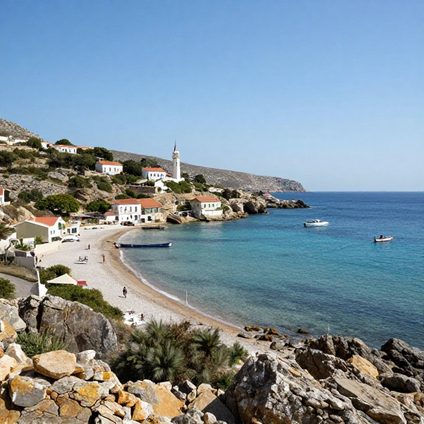
Andros Island is known for its extensive reef systems, underwater drop-offs, and diverse marine habitats. Its surrounding waters support fish species such as snapper, grouper, hogfish, mackerel, and barracuda, depending on the area. The Andros Barrier Reef features extensive coral formations, steep underwater slopes, and deeper offshore environments. The island also has numerous channels and shallow flats that create a variety of coastal habitats. Spearfishing should follow Bahamian fishing regulations and marine-protection restrictions.
Where to Stay: Fresh Creek and Central Andros offer convenient access to local services, fishing guides, and boat launches. Mangrove Cay and South Andros are alternatives for a quieter fishing-focused stay, with small beachfront lodges and guesthouses.
Where to Spearfish: Permitted reef areas ➤ eastern barrier reef edges ➤ rocky formations ➤ underwater drop-offs ➤ sandy channels ➤ approved offshore fishing locations.
Target Species: Snapper, grouper, hogfish, mackerel, barracuda.
Fishing Environment: Extensive barrier reef ➤ coral heads ➤ limestone ledges ➤ steep reef walls ➤ sandy-bottom channels ➤ deep-water drop-offs ➤ mangrove-lined coastal flats.
Roatán Spearfishing – Honduras
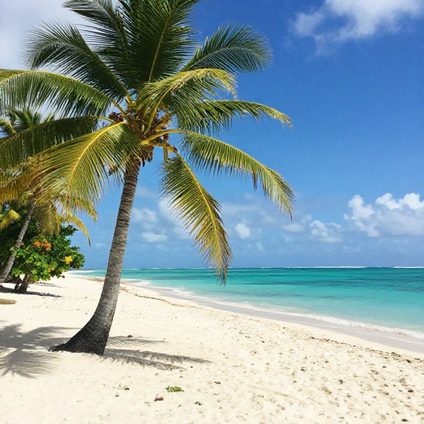
Roatán offers beautiful Caribbean reef environments with warm water, coral formations, and diverse tropical marine life. Its location near the Mesoamerican Barrier Reef System provides underwater habitats that support species such as snapper, grouper, hogfish, lionfish, and barracuda. Rocky reef structures, coral formations, and sandy sections create varied underwater scenery. Visibility is often excellent, although currents and weather conditions can influence underwater exploration. Spearfishing must follow Honduran fishing regulations and protected marine-area restrictions.
Where to Stay: West Bay and West End are popular accommodation areas with beachfront resorts, restaurants, and marine tour operators. Consider Mayan Princess Beach & Dive Resort in West Bay or Anthony’s Key Resort in Sandy Bay.
Where to Spearfish: Legally permitted fishing areas ➤ rocky reef structure ➤ sandy channels ➤ outer reef edges ➤ approved deeper reef sections.
Target Species: Snapper, grouper, hogfish, lionfish, barracuda.
Fishing Environment: Mesoamerican Barrier Reef ➤ coral formations ➤ limestone reef walls ➤ rocky ledges ➤ sandy reef channels ➤ deeper reef slopes ➤ seagrass habitats.
Utila Spearfishing – Honduras
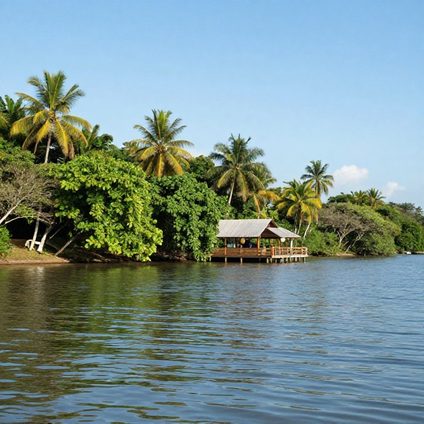
Utila is a tropical Caribbean island known for its warm waters, coral reefs, and diverse underwater habitats. The surrounding marine environment features rocky formations, reef edges, and sandy-bottom areas that support a variety of fish species. Snapper, grouper, lionfish, mackerel, and barracuda may be found in different habitats around the island. Its underwater scenery and tropical conditions make it an appealing destination for marine exploration. Spearfishing should follow Honduran regulations, seasonal restrictions, and local marine-protection rules.
Where to Stay: Utila Town and Eastern Harbour are convenient places to stay, with easy access to restaurants, guesthouses, marinas, and boat operators. Consider Utila Lodge Resort and Marina or Hotel BayView Utila for waterfront accommodation.
Where to Spearfish: Legally permitted reef areas ➤ rocky structures ➤ coral formations ➤ sandy channels ➤ approved offshore reef sections.
Target Species: Snapper, grouper, lionfish, mackerel, barracuda.
Fishing Environment: Fringing coral reefs ➤ rocky reef formations ➤ coral heads ➤ sandy-bottom channels ➤ seagrass beds ➤ offshore reef slopes ➤ deeper underwater structures.
Isla Mujeres Spearfishing – Mexico
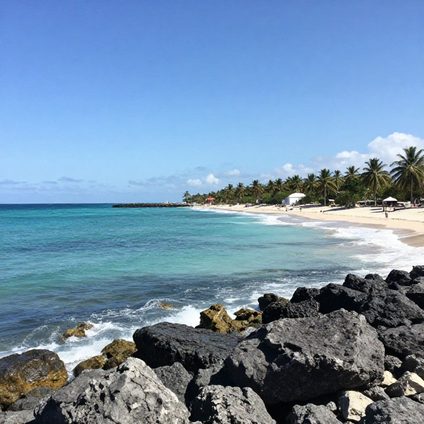
Isla Mujeres features beautiful Caribbean waters with coral formations, rocky structures, and diverse underwater marine habitats. These environments support fish species such as snapper, grouper, hogfish, triggerfish, and barracuda, depending on local conditions. The surrounding waters offer a combination of shallow coastal habitats, reef structures, and deeper underwater areas. Clear water and warm temperatures contribute to the island’s appeal for underwater activities. Spearfishing must comply with Mexican fishing regulations, protected marine zones, and local species restrictions.
Where to Stay: El Centro and Playa Norte are convenient accommodation areas close to restaurants, beaches, and boat transportation. For beachfront accommodation, consider Hotel Privilege Aluxes near Playa Norte. The west coast and Sac Bajo also offer quieter resort-style stays.
Where to Spearfish: Legally permitted fishing areas ➤ rocky structure ➤ approved reef edges ➤ sandy channels ➤ permitted offshore sections.
Target Species: Snapper, grouper, hogfish, triggerfish, barracuda.
Fishing Environment: Coral formations ➤ rocky limestone structures ➤ sandy-bottom patches ➤ seagrass beds ➤ coastal reef habitats ➤ offshore underwater slopes.
Cozumel Spearfishing – Mexico
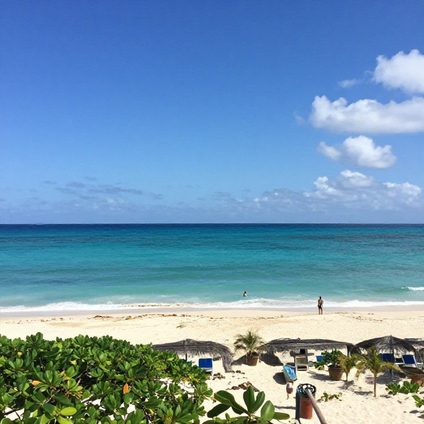
Cozumel is famous for its exceptional underwater visibility, dramatic reef formations, and diverse Caribbean marine ecosystems. Its surrounding waters feature coral reefs, underwater walls, rocky structures, and sandy sections that support numerous tropical fish species. Snapper, grouper, hogfish, lionfish, and barracuda are among the species associated with the region’s marine habitats. Strong currents and changing water conditions can influence underwater exploration around the island. Spearfishing must follow Mexican fishing regulations and Cozumel’s marine park restrictions, including areas where fishing is prohibited.
Where to Stay: San Miguel de Cozumel (Centro) is ideal for convenient access to restaurants, shops, marinas, and boat operators. Zona Hotelera Sur is another option for travelers focused on water activities. Consider InterContinental Presidente Cozumel Resort & Spa or Iberostar Waves Cozumel for beachfront accommodation.
Where to Spearfish: Legally permitted fishing areas outside prohibited marine park zones ➤ approved rocky structures ➤ permitted reef edges ➤ sandy channels ➤ authorized offshore sections.
Target Species: Snapper, grouper, hogfish, lionfish, barracuda.
Fishing Environment: Coral reef formations ➤ limestone reef walls ➤ rocky ledges ➤ sandy-bottom channels ➤ seagrass beds ➤ underwater slopes ➤ offshore reef structures.
Pacific Islands Spearfishing
Kauaʻi Spearfishing – Hawaii
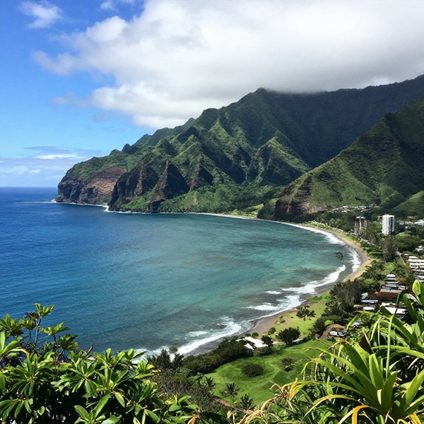
Kauaʻi offers beautiful Pacific spearfishing environments with dramatic coastlines, volcanic underwater formations, and diverse marine life. Its surrounding waters feature rocky reefs, lava formations, underwater ledges, and coastal drop-offs that provide habitats for a variety of Pacific fish species. Commonly encountered species include ulua (giant trevally), uku (gray snapper), kala (unicornfish), uhu (parrotfish), and papio (juvenile trevally). Water visibility and ocean conditions vary depending on coastline, swell, and seasonal weather patterns. Spearfishing should follow Hawaii fishing regulations, protected-area restrictions, and local marine conservation rules.
Where to Stay: Poipu and Kapaʻa offer convenient accommodation, restaurants, and access to coastal activities. Consider Grand Hyatt Kauai Resort & Spa in Poipu or Sheraton Kauai Coconut Beach Resort in Kapaʻa.
Where to Spearfish: Legally permitted coastal areas ➤ rocky lava formations ➤ reef edges ➤ underwater ledges ➤ approved coastal drop-offs.
Target Species: Ulua, uku, kala, uhu, papio.
Fishing Environment: Volcanic lava reefs ➤ rocky underwater ledges ➤ coral formations ➤ sandy-bottom channels ➤ coastal drop-offs ➤ shallow reef flats.
Hawaiʻi Island Spearfishing – Hawaii
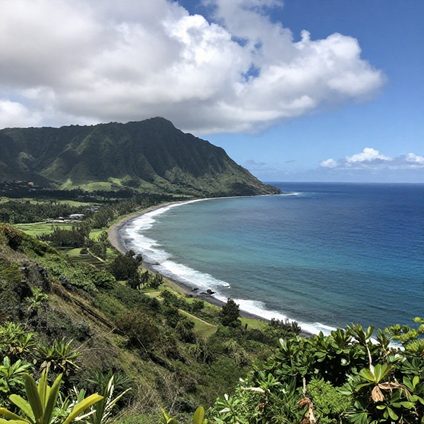
Hawaiʻi Island, also known as the Big Island, is famous for its volcanic underwater landscapes, deep offshore waters, and diverse Pacific marine ecosystems. Its coastline features lava formations, rocky reef structures, underwater caves, and steep drop-offs that create unique marine habitats. Fish species commonly associated with the region include ulua, uku, onaga (longtail red snapper), uhu, and various surgeonfish. The island’s underwater terrain provides a combination of shallow coastal reefs and deeper volcanic formations. Spearfishing should follow Hawaii fishing regulations, marine protected-area restrictions, and species requirements.
Where to Stay: Kona and Kailua-Kona offer convenient access to marinas, restaurants, accommodations, and ocean activities. Consider Royal Kona Resort or Outrigger Kona Resort & Spa for a waterfront stay.
Where to Spearfish: Legally permitted coastal areas ➤ lava reef formations ➤ rocky underwater structures ➤ reef edges ➤ approved offshore drop-offs.
Target Species: Ulua, uku, onaga, uhu, surgeonfish.
Fishing Environment: Volcanic lava formations ➤ rocky reef structures ➤ underwater caves ➤ coral gardens ➤ sandy-bottom sections ➤ deep coastal drop-offs.
Viti Levu Spearfishing – Fiji
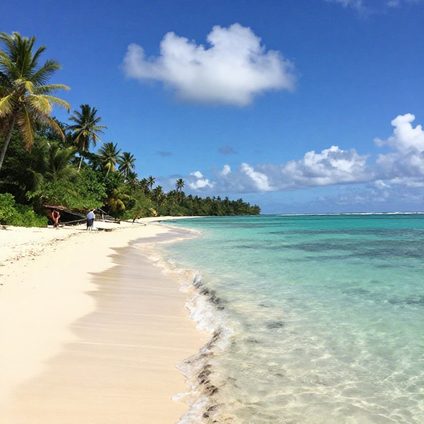
Viti Levu is Fiji’s largest island and offers tropical spearfishing environments surrounded by coral reefs, warm Pacific waters, and rich marine biodiversity. Its coastal waters feature fringing reefs, coral formations, reef channels, and offshore structures that support numerous tropical fish species. Commonly encountered fish include dogtooth tuna, giant trevally, coral trout, snapper, and Spanish mackerel, depending on location and conditions. The island’s diverse marine habitats provide opportunities to explore both sheltered coastal waters and exposed reef environments. Spearfishing should follow Fiji’s fishing regulations, customary fishing rights, and locally protected marine areas.
Where to Stay: Pacific Harbour and Nadi offer convenient accommodation, restaurants, and access to fishing operators. Consider The Pearl Resort in Pacific Harbour or Fiji Marriott Resort Momi Bay near Nadi for a beachfront stay.
Where to Spearfish: Legally permitted fishing areas ➤ fringing reef edges ➤ rocky coral formations ➤ reef channels ➤ approved offshore structures.
Target Species: Dogtooth tuna, giant trevally, coral trout, snapper, Spanish mackerel.
Fishing Environment: Fringing coral reefs ➤ coral bommies ➤ rocky reef formations ➤ sandy lagoons ➤ reef channels ➤ offshore reef slopes.
Kadavu Spearfishing – Fiji
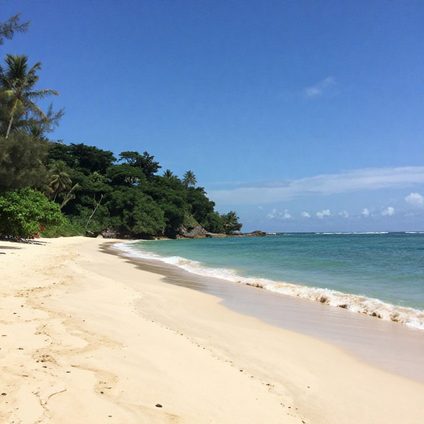
Kadavu is a beautiful Fijian island located near the Great Astrolabe Reef, one of the region’s significant coral reef systems. Its surrounding waters feature vibrant coral gardens, deep reef edges, rocky formations, and diverse tropical marine habitats. These environments support species such as dogtooth tuna, giant trevally, coral trout, snapper, and Spanish mackerel. The island’s relatively remote setting offers a scenic environment for exploring Fiji’s marine biodiversity. Spearfishing should follow local fishing regulations, customary fishing rights, and restrictions within protected marine areas.
Where to Stay: Vunisea and the southern Kadavu coastline offer access to island accommodations and local boat operators. Consider Matava Eco Adventure Resort or Papageno Resort for a tropical island experience.
Where to Spearfish: Legally permitted fishing areas ➤ approved reef edges ➤ rocky coral formations ➤ reef channels ➤ authorized offshore waters.
Target Species: Dogtooth tuna, giant trevally, coral trout, snapper, Spanish mackerel.
Fishing Environment: Great Astrolabe Reef ➤ coral gardens ➤ outer reef walls ➤ rocky underwater ledges ➤ sandy channels ➤ deep-water reef slopes.
Moorea Spearfishing – French Polynesia
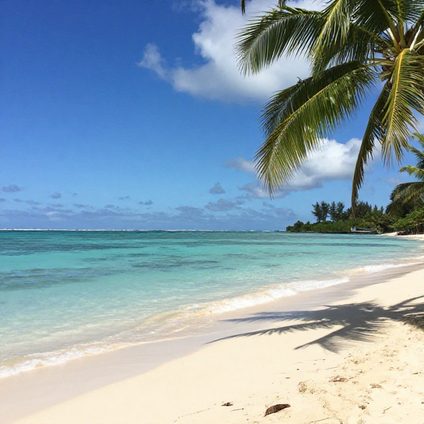
Moorea is known for its spectacular lagoons, turquoise waters, coral reefs, and diverse tropical marine life. Its surrounding waters feature shallow coral gardens, reef passes, rocky formations, and deeper ocean environments. Fish species found throughout the region include giant trevally, yellowfin tuna, mahi-mahi, parrotfish, and various snapper species. The island’s combination of sheltered lagoons and exposed reef environments creates a beautiful setting for underwater exploration. Spearfishing should follow French Polynesian fishing regulations and local restrictions on protected lagoons and marine habitats.
Where to Stay: Maharepa, Temae, and Haapiti offer convenient accommodation with access to beaches, restaurants, and marine activities. Consider Hilton Moorea Lagoon Resort & Spa or Manava Beach Resort & Spa Moorea.
Where to Spearfish: Legally permitted fishing areas ➤ approved outer reef edges ➤ rocky formations ➤ permitted reef passes ➤ authorized offshore waters.
Target Species: Giant trevally, yellowfin tuna, mahi-mahi, parrotfish, snapper.
Fishing Environment: Coral lagoons ➤ fringing reefs ➤ coral gardens ➤ rocky reef formations ➤ sandy lagoon floors ➤ outer reef slopes ➤ deep-water passes.
Raiatea Spearfishing – French Polynesia
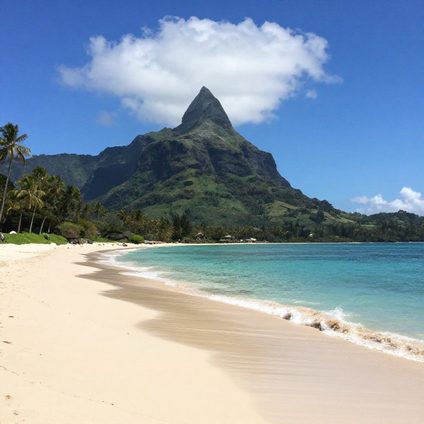
Raiatea offers beautiful Pacific island waters with coral reef systems, sheltered lagoons, and diverse underwater environments. Its surrounding marine habitats include rocky reef formations, coral gardens, sandy channels, and deeper reef slopes that support a variety of tropical fish. Species found in the surrounding region include giant trevally, yellowfin tuna, mahi-mahi, snapper, and parrotfish. The island’s coastal scenery and clear tropical waters make it an appealing destination for marine exploration and fishing activities. Spearfishing should follow French Polynesian regulations and local marine-protection restrictions, including rules around protected reef habitats.
Where to Stay: Uturoa and the western coastline offer convenient access to accommodations, restaurants, marinas, and local boat operators. Consider Raiatea Lodge Hotel or Opoa Beach Hotel for a comfortable island stay.
Where to Spearfish: Legally permitted fishing areas ➤ approved reef edges ➤ rocky coral structures ➤ permitted lagoon passes ➤ authorized offshore reef sections.
Target Species: Giant trevally, yellowfin tuna, mahi-mahi, snapper, parrotfish.
Fishing Environment: Fringing coral reefs ➤ coral gardens ➤ rocky underwater structures ➤ sandy lagoon channels ➤ reef passes ➤ deeper outer reef slopes.
Southeast Asia Spearfishing
Nusa Penida Spearfishing – Indonesia
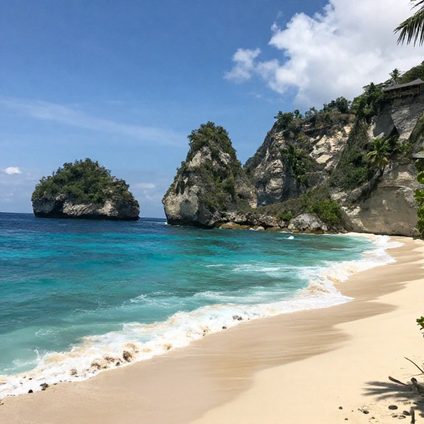
Nusa Penida is known for its dramatic underwater terrain, strong ocean currents, and exceptional marine biodiversity. The surrounding waters feature coral reefs, steep underwater walls, rocky formations, and deep channels that support a variety of tropical fish species. Marine life in the region includes giant trevally, dogtooth tuna, Spanish mackerel, snapper, and grouper. Strong currents and changing ocean conditions make the surrounding waters challenging and require careful consideration of local conditions. Spearfishing should follow Indonesian fishing regulations and marine protected-area restrictions.
Where to Stay: Sampalan, Toyapakeh, and Crystal Bay area offer accommodation options with access to restaurants, harbors, and boat operators. Consider Adiwana Warnakali or The Angkal Resort for a comfortable island stay.
Where to Spearfish: Legally permitted fishing areas ➤ approved rocky reef formations ➤ permitted outer reef sections ➤ authorized offshore waters.
Target Species: Giant trevally, dogtooth tuna, Spanish mackerel, snapper, grouper.
Fishing Environment: Coral reef walls ➤ volcanic underwater formations ➤ rocky ledges ➤ deep-water channels ➤ sloping reef structures ➤ offshore drop-offs.
Komodo Islands Spearfishing – Indonesia
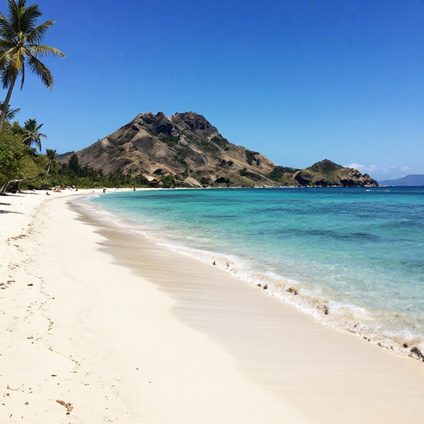
The Komodo Islands are famous for exceptional marine biodiversity, colorful coral reefs, and spectacular underwater scenery. The surrounding waters feature dramatic reef walls, underwater pinnacles, rocky formations, and deep ocean channels that support a wide variety of pelagic and reef fish. Species found in the broader region include giant trevally, dogtooth tuna, Spanish mackerel, coral trout, and snapper. Strong currents and nutrient-rich waters contribute to the area’s remarkable marine ecosystem. Spearfishing is restricted in Komodo National Park, so visitors must verify whether any proposed fishing activity is legally permitted outside protected areas.
Where to Stay: Labuan Bajo on Flores Island is the main accommodation and transportation hub for visiting the Komodo region. Consider Ayana Komodo Waecicu Beach or Sudamala Resort, Komodo, for a waterfront stay.
Where to Spearfish: Only legally authorized fishing areas outside prohibited national park zones ➤ permitted offshore waters ➤ approved coastal reef sections.
Target Species: Giant trevally, dogtooth tuna, Spanish mackerel, coral trout, snapper.
Fishing Environment: Coral reef systems ➤ underwater pinnacles ➤ rocky reef walls ➤ deep ocean channels ➤ volcanic underwater formations ➤ offshore slopes.
Lombok Spearfishing – Indonesia
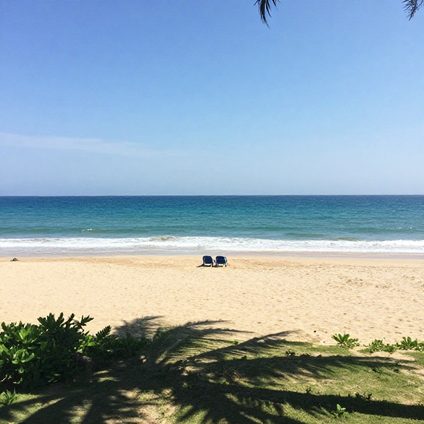
Lombok offers tropical Pacific and Indian Ocean coastal environments with beautiful coral reefs, rocky underwater formations, and offshore island habitats. Its surrounding waters support a variety of tropical fish species, including giant trevally, Spanish mackerel, snapper, grouper, and reef fish. The nearby Gili Islands provide additional marine scenery with coral gardens, sandy channels, and diverse underwater ecosystems. Ocean conditions and visibility can vary depending on the coastline, season, and currents. Spearfishing should follow Indonesian fishing regulations and restrictions within local marine protected areas.
Where to Stay: Kuta Lombok, Senggigi, and the Gili Islands offer a variety of beachfront accommodation and access to marine activities. Consider Hotel Tugu Lombok in Sire Beach or Katamaran Hotel & Resort in Senggigi.
Where to Spearfish: Legally permitted fishing areas ➤ approved rocky reef formations ➤ permitted coastal reef edges ➤ authorized offshore island waters.
Target Species: Giant trevally, Spanish mackerel, snapper, grouper, reef fish.
Fishing Environment: Fringing coral reefs ➤ rocky underwater ledges ➤ coral gardens ➤ sandy-bottom channels ➤ offshore island reefs ➤ coastal drop-offs.
Palawan Spearfishing – Philippines
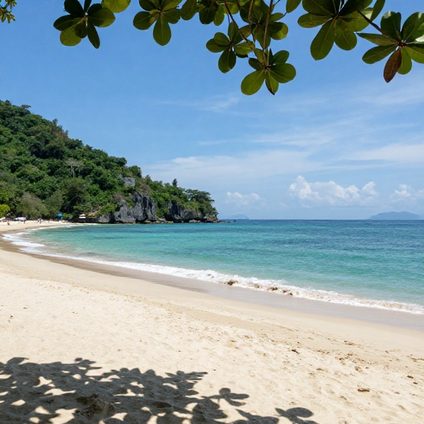
Palawan is known for its dramatic limestone islands, crystal-clear waters, and extensive marine ecosystems. Its surrounding waters feature coral gardens, rocky reef structures, underwater walls, and sandy channels that support diverse tropical fish species. Marine life in the region includes giant trevally, Spanish mackerel, snapper, grouper, and various reef fish. The combination of sheltered bays and exposed coastal waters creates a diverse underwater environment. Spearfishing should follow Philippine fishing regulations and restrictions within marine protected areas, particularly around protected destinations such as El Nido and the Tubbataha Reefs.
Where to Stay: Coron Town and Puerto Princesa offer convenient accommodation, restaurants, marinas, and access to local boat operators. Consider Two Seasons Coron Island Resort & Spa or Astoria Palawan for a beachfront stay.
Where to Spearfish: Legally permitted fishing areas ➤ approved coastal reef formations ➤ permitted rocky structures ➤ authorized offshore waters ➤ non-protected fishing zones.
Target Species: Giant trevally, Spanish mackerel, snapper, grouper, reef fish.
Fishing Environment: Limestone island formations ➤ coral gardens ➤ rocky reef structures ➤ underwater walls ➤ sandy channels ➤ offshore reef slopes ➤ coastal drop-offs.
Siquijor Spearfishing – Philippines
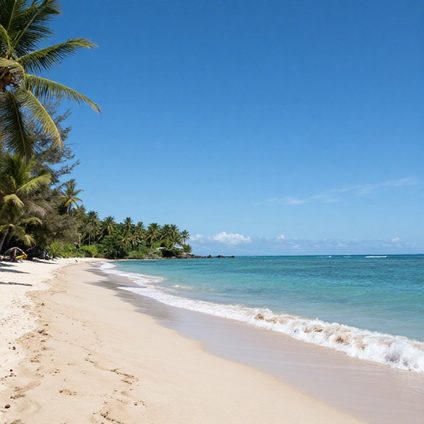
Siquijor is a tropical Philippine island known for its beautiful coastal reefs, clear waters, and diverse underwater landscapes. The surrounding marine environment features coral gardens, rocky formations, seagrass beds, and sandy-bottom areas that provide habitats for numerous tropical fish species. Fish commonly associated with the region include snapper, grouper, parrotfish, rabbitfish, and trevally. Its relatively relaxed island atmosphere and scenic coastline make it an appealing destination for marine exploration. Spearfishing should follow Philippine fishing regulations, local ordinances, and marine sanctuary restrictions.
Where to Stay: San Juan and Solangon Beach offer convenient accommodation, restaurants, beachfront resorts, and access to local marine activities. Consider Coco Grove Beach Resort or Salamangka Beach and Dive Resort for a comfortable tropical island stay.
Where to Spearfish: Legally permitted fishing areas ➤ approved coastal reef sections ➤ rocky underwater structures ➤ permitted sandy channels ➤ authorized offshore waters.
Target Species: Snapper, grouper, parrotfish, rabbitfish, trevally.
Fishing Environment: Fringing coral reefs ➤ coral gardens ➤ rocky limestone formations ➤ seagrass beds ➤ sandy-bottom channels ➤ shallow reef flats ➤ coastal reef slopes.
Indian Ocean Spearfishing
Mahé Spearfishing – Seychelles
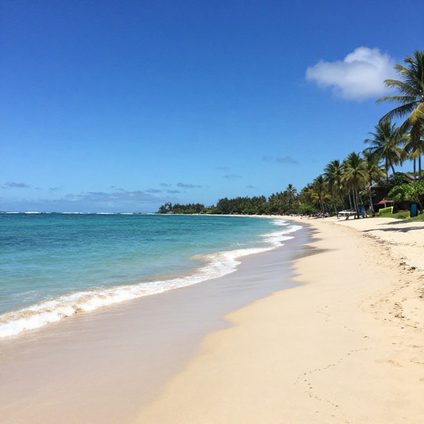
Mahé is the largest island in Seychelles and offers beautiful Indian Ocean environments with dramatic granite coastlines, warm tropical waters, and diverse marine habitats. Its surrounding waters feature rocky underwater formations, coral reefs, sandy channels, and offshore reef structures that support a variety of tropical fish species. Marine life in the region includes giant trevally, dogtooth tuna, Spanish mackerel, snapper, and grouper. The island’s combination of sheltered coastal areas and exposed offshore waters creates varied underwater scenery. Spearfishing should follow Seychelles fishing regulations, protected-area restrictions, and local marine conservation rules.
Where to Stay: Beau Vallon, Victoria, and Anse Royale offer convenient accommodation, restaurants, marinas, and access to island activities. Consider STORY Seychelles in Beau Vallon or Kempinski Seychelles Resort in Baie Lazare for a beachfront stay.
Where to Spearfish: Legally permitted fishing areas ➤ approved granite reef formations ➤ rocky coastal structures ➤ permitted offshore reefs ➤ authorized deeper-water sections.
Target Species: Giant trevally, dogtooth tuna, Spanish mackerel, snapper, grouper.
Fishing Environment: Granite underwater formations ➤ coral reef systems ➤ rocky ledges ➤ sandy-bottom channels ➤ offshore reef slopes ➤ coastal drop-offs.
Praslin Spearfishing – Seychelles
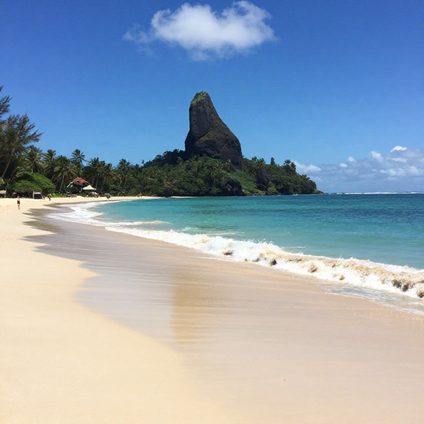
Praslin is known for its beautiful tropical island scenery, turquoise waters, and diverse coral reef ecosystems. Its surrounding waters feature granite rock formations, coral gardens, sandy channels, and sheltered coastal habitats that support a variety of Indian Ocean fish species. Marine life includes giant trevally, snapper, grouper, barracuda, and various reef fish. The island’s clear tropical waters and varied underwater terrain make it an appealing destination for marine exploration. Spearfishing should follow Seychelles fishing regulations and restrictions within protected marine areas.
Where to Stay: Côte d’Or, Anse Volbert, and Grand Anse offer convenient accommodation near beaches, restaurants, and boat transportation. Consider Constance Lemuria or Le Duc de Praslin for a comfortable island stay.
Where to Spearfish: Legally permitted fishing areas ➤ approved granite reef structures ➤ permitted coral reef edges ➤ rocky coastal formations ➤ authorized offshore waters.
Target Species: Giant trevally, snapper, grouper, barracuda, reef fish.
Fishing Environment: Coral gardens ➤ granite underwater structures ➤ rocky reef formations ➤ sandy-bottom channels ➤ shallow coastal reefs ➤ offshore reef slopes.
Maafushi Spearfishing – Maldives
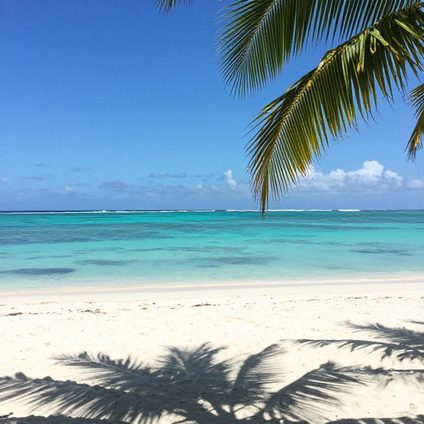
Maafushi is a popular island in the Maldives, surrounded by beautiful turquoise waters, coral reefs, and the rich marine biodiversity of the Indian Ocean. The surrounding atoll environment features coral gardens, sandy lagoons, reef edges, and deeper ocean channels that support numerous tropical fish species. Marine life in the broader Maldivian region includes tuna, giant trevally, snapper, grouper, and barracuda. Its clear waters and spectacular reef scenery make it a popular destination for snorkeling, diving, and marine exploration. However, spearfishing is prohibited in the Maldives, so visitors should enjoy these marine environments through permitted activities such as snorkeling, diving, and recreational fishing where allowed.
Where to Stay: Maafushi Island offers guesthouses, beachfront hotels, restaurants, and convenient access to snorkeling and diving excursions. Consider Kaani Palm Beach or Arena Beach Hotel for accommodation overlooking the turquoise lagoon.
Where to Explore: Coral reef gardens ➤ lagoon environments ➤ sandy channels ➤ reef edges ➤ permitted snorkeling and diving areas.
Target Species: Tuna, giant trevally, snapper, grouper, barracuda.
Fishing Environment: Coral atolls ➤ shallow lagoons ➤ coral gardens ➤ sandy-bottom channels ➤ outer reef walls ➤ deep-water ocean channels.
Conclusion
The world is full of incredible spearfishing destinations, each offering unique underwater landscapes, diverse marine life, and unforgettable adventures. From the tropical waters of the Bahamas and Fiji to the rich fishing grounds of Australia, Mexico, and South Africa, there’s a destination for every type of spearfisher.
The best destination ultimately depends on your experience, target species, preferred diving conditions, and travel budget. Before heading out, always research local spearfishing regulations, protected marine areas, seasonal restrictions, and licensing requirements.
Whether you’re planning a weekend getaway or an international spearfishing expedition, these 25 destinations are excellent places to start building your underwater adventure bucket list.
Frequently Asked Questions (FAQs)
1. What is the best spearfishing destination in the world?
The Bahamas, Hawaii, Australia, Fiji, and Costa Rica are popular spearfishing destinations thanks to their diverse marine life, clear waters, and excellent underwater environments.
2. Which country is best for spearfishing?
Australia, Mexico, South Africa, Indonesia, and the Bahamas are among the most attractive countries for spearfishing, although regulations and permitted species vary significantly.
3. Where can beginners go spearfishing?
Florida, parts of the Caribbean, and selected Mediterranean destinations can offer suitable conditions for beginners. It’s best to start with a qualified local guide and sheltered locations with manageable conditions.
4. What are the best tropical destinations for spearfishing?
Some excellent tropical options include:
- Bahamas
- Fiji
- Indonesia
- Philippines
- Maldives
- Costa Rica
- French Polynesia
5. What fish can you catch while spearfishing?
Depending on the destination and local regulations, common target species include:
- Grouper
- Snapper
- Mahi-mahi
- Wahoo
- Amberjack
- Tuna
- Hogfish
6. What is the best time of year for spearfishing?
The best season depends on the destination, water temperature, visibility, weather, currents, and target species. Research local seasonal conditions before booking your trip.
7. Do you need a license to spearfish internationally?
Requirements vary by country and sometimes by region. Some destinations require fishing licenses, permits, or registration, while others prohibit certain spearfishing methods or species.
8. Is spearfishing legal everywhere?
No. Some countries restrict spearfishing, prohibit scuba-assisted spearfishing, establish protected marine areas, or ban harvesting specific species. Always check current local regulations before diving.
9. What equipment should I bring on a spearfishing trip?
Essential equipment typically includes a speargun or pole spear where legal, mask, snorkel, fins, wetsuit, weight belt, dive knife, surface float, and appropriate safety equipment.
10. How do I choose the best spearfishing destination?
Consider these factors:
- Water visibility and temperature
- Target fish species
- Local spearfishing regulations
- Seasonal weather and sea conditions
- Accessibility and travel costs
- Availability of experienced local guides
Choosing a destination that matches your experience level and diving abilities will help make your spearfishing trip safer and more enjoyable.