Croatia is a dream destination for wilderness lovers, offering everything from rugged mountain ranges and dense forests to secluded islands, dramatic river canyons, and breathtaking waterfalls. Whether you enjoy hiking remote trails, kayaking through pristine waters, watching wildlife, or escaping to peaceful natural landscapes, Croatia has an outdoor adventure waiting for you. Explore these 25 best wilderness getaways in Croatia to discover spectacular destinations for your next nature-filled escape.
- Plan Your Trip Online
- Istria and the Northern Adriatic: Wilderness Getaways in Croatia
- Lika and the Velebit Mountains: Wilderness Getaways in Croatia
- Northern Dalmatia: Wilderness Getaways in Croatia
- Central Dalmatia: Wilderness Getaways in Croatia
- Southern Dalmatia and the Islands
- Conclusion
- Frequently Asked Questions
Plan Your Trip Online
- Find Hotels , Car Rentals, Tour Tickets: Booking,com
- Find Guided Tours: Viator
- Travel Insurance Vistors Coverage
- Fishing Charters Fishingbooker.com
- Cruises Booking.com
- Book Bikes Bikebookings
- Rent a Car Car Rentals
- Adventure Gear Backcountry.com
- Shop for Travel Clothes Amazon
Istria and the Northern Adriatic: Wilderness Getaways in Croatia
Brijuni National Park, Istria, Croatia
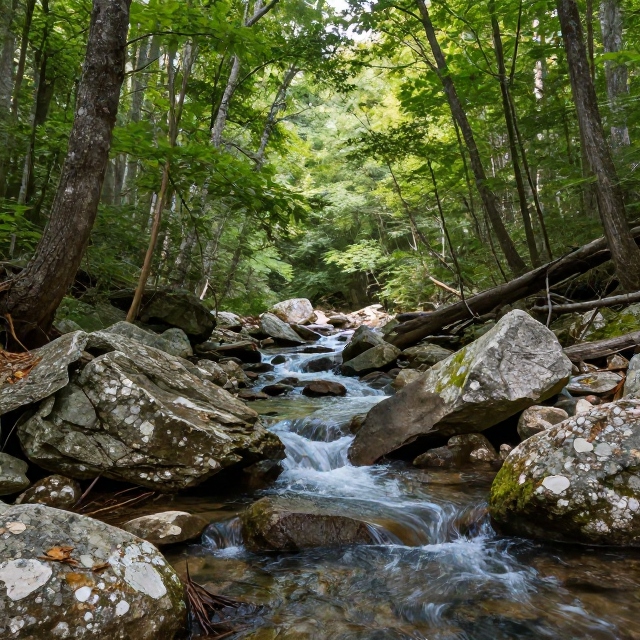
Brijuni National Park is a scenic island archipelago off the western coast of Istria, offering a peaceful escape surrounded by the Adriatic Sea. The islands feature Mediterranean vegetation, ancient olive trees, diverse wildlife, and fascinating Roman archaeological remains. Visitors can explore the largest island, Veliki Brijun, by bicycle or on guided excursions through its natural and historical attractions. With its coastal scenery and tranquil island atmosphere, Brijuni is ideal for travelers seeking a blend of outdoor exploration and cultural discovery.
Things to Do: Cycle scenic island routes, explore Roman ruins, take guided sightseeing tours, observe wildlife, and photograph the Mediterranean landscapes. Boat excursions from Fažana provide access to the national park.
Where to Stay: Stay in Fažana, Pula, or nearby coastal villages, where hotels, guesthouses, campsites, and holiday apartments are available. These locations provide convenient access to boat departures and other Istrian attractions.
Učka Nature Park, Istria, Croatia
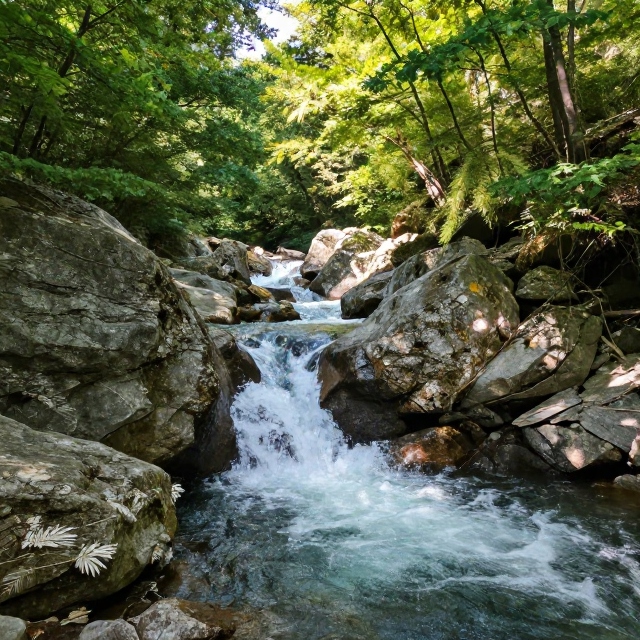
Učka Nature Park protects a dramatic mountain landscape where forested slopes rise above the Istrian Peninsula and the northern Adriatic coastline. Its hiking trails pass through beech forests, rocky terrain, and open meadows, leading to panoramic viewpoints with sweeping sea and mountain vistas. The park is also known for its rich biodiversity, traditional mountain villages, and distinctive limestone formations. For adventure travelers, Učka offers a refreshing wilderness escape within reach of Croatia’s coastal towns.
Things to Do: Hike to Vojak, the park’s highest peak, explore marked forest trails, photograph panoramic viewpoints, watch for native wildlife, and discover traditional villages around the mountain. Check weather conditions before longer hikes, as visibility can change quickly at higher elevations.
Where to Stay: Choose hotels, guesthouses, rural cottages, and holiday rentals in Lovran, Opatija, or inland Istrian villages. These destinations provide convenient access to the park while offering restaurants and additional coastal or countryside activities.
Cape Kamenjak, Premantura, Croatia
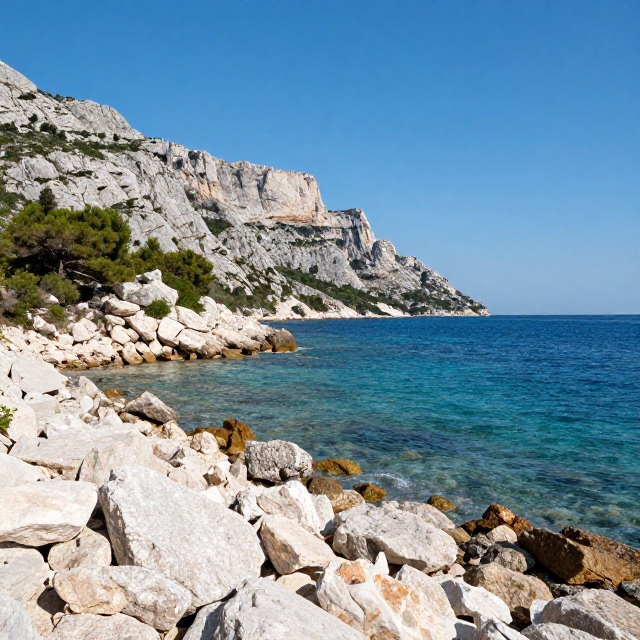
Cape Kamenjak is a rugged coastal wilderness at the southern tip of the Istrian Peninsula, known for its rocky cliffs, secluded coves, and exceptionally clear Adriatic water. The protected landscape features coastal trails, Mediterranean scrubland, and unusual rock formations shaped by wind and waves. Unlike a traditional beach resort, Kamenjak offers a more natural setting for visitors who enjoy exploring on foot, by bicycle, or from the water. Its hidden swimming spots and dramatic shoreline make it a memorable destination for outdoor adventures.
Things to Do: Walk or cycle coastal paths, swim in sheltered coves, snorkel in clear water, kayak along the shoreline, and photograph the rugged cliffs. Bring water and sun protection because facilities are limited in some areas, and check local rules before cliff jumping or accessing sensitive habitats.
Where to Stay: Find holiday apartments, guesthouses, campsites, and small hotels in Premantura and nearby Medulin or Pula. Staying in Premantura provides especially convenient access to the cape’s trails and coastal scenery.
Lim Bay, Istria, Croatia
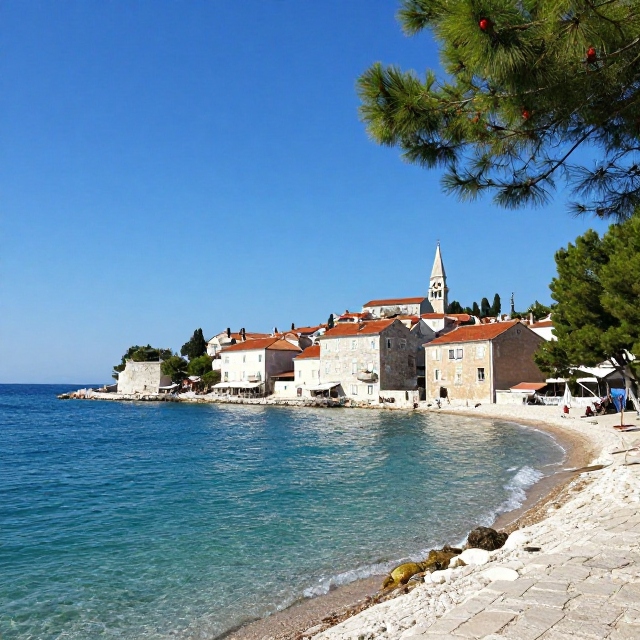
Lim Bay, also known as Lim Channel, is a striking coastal inlet on the western side of Istria, surrounded by steep green hills and forested slopes. Its long, narrow shape creates a peaceful landscape that feels removed from the busier Adriatic resort towns. The area is known for its marine environment, scenic viewpoints, and opportunities to explore the coastline from the water. It is an appealing wilderness getaway for travelers interested in photography, kayaking excursions, and quiet nature experiences.
Things to Do: Enjoy panoramic viewpoints, take a boat excursion, explore designated walking routes, photograph the forested hills, and look for local birdlife. Kayaking opportunities may be available through local operators, depending on weather and access conditions.
Where to Stay: Choose guesthouses, rural villas, and holiday apartments in nearby Vrsar, Rovinj, or the surrounding Istrian countryside. Rovinj offers a wider selection of accommodation and dining, while rural stays provide a quieter base for exploring the region.
Risnjak National Park, Gorski Kotar, Croatia
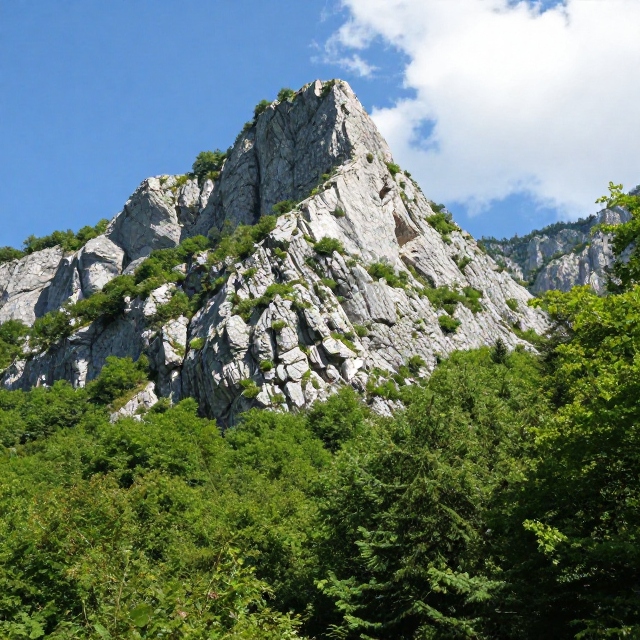
Risnjak National Park is a mountainous wilderness in Croatia’s Gorski Kotar region, celebrated for its dense forests, limestone peaks, and diverse wildlife. Cool mountain air and extensive woodland create a peaceful contrast with the country’s warmer coastal destinations. Hiking routes wind through beech and fir forests toward scenic viewpoints, including the summit area of Veliki Risnjak. The park’s remote atmosphere makes it an excellent choice for travelers seeking quiet trails, mountain scenery, and opportunities to connect with nature.
Things to Do: Hike marked mountain trails, explore the Leska educational trail, climb toward Veliki Risnjak, photograph forest landscapes, and watch for wildlife from a safe distance. Check trail conditions and weather forecasts before setting out, especially for summit hikes.
Where to Stay: Look for guesthouses, mountain lodges, campsites, and rural holiday rentals in Crni Lug and nearby Gorski Kotar villages. Delnice and Fužine provide additional accommodation options for visitors exploring the surrounding mountains.
Lika and the Velebit Mountains: Wilderness Getaways in Croatia
Plitvice Lakes National Park, Croatia
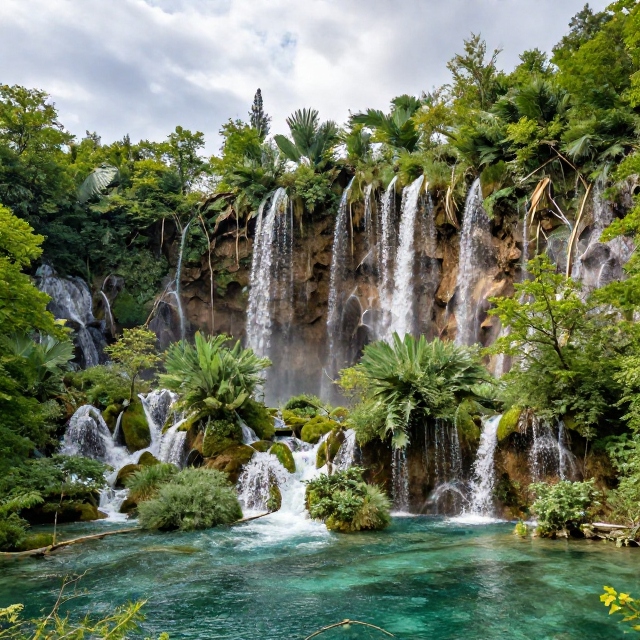
Plitvice Lakes National Park is one of Croatia’s most spectacular wilderness destinations, featuring turquoise lakes, cascading waterfalls, and dense forest landscapes. Located in the mountainous interior between the Lika and Karlovac regions, the park’s lakes are connected by natural travertine barriers that create a remarkable series of cascades. Wooden walkways and marked trails lead through lush scenery, offering opportunities to observe wildlife and photograph the park’s famous waterfalls. Recognized as a UNESCO World Heritage Site, Plitvice is an unforgettable destination for hikers, photographers, and nature lovers.
Things to Do: Explore the wooden boardwalks, hike marked forest trails, photograph waterfalls, visit scenic viewpoints, and take an electric boat across designated sections of the lakes. Follow park regulations and allow plenty of time to explore the different walking routes.
Where to Stay: Choose hotels, guesthouses, campsites, and rural holiday rentals near the park entrances or in villages such as Rastovača and Jezerce. Staying nearby allows visitors to reach the trails early and explore the surrounding countryside.
Northern Velebit National Park, Croatia
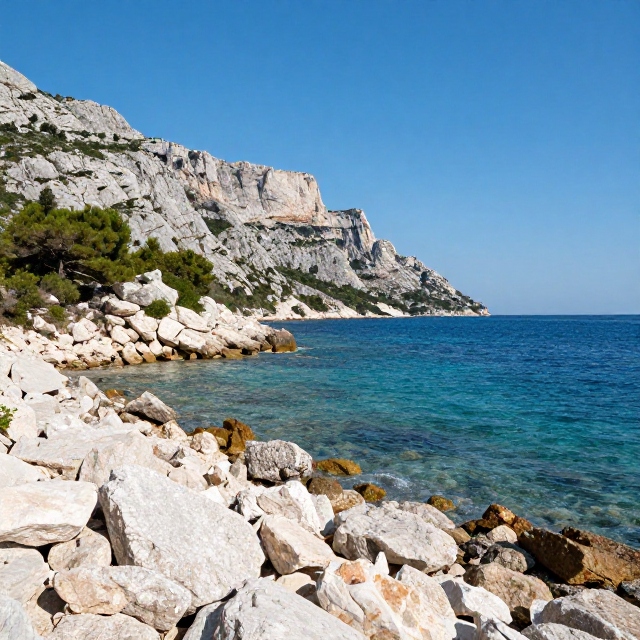
Northern Velebit National Park protects a rugged mountain wilderness characterized by limestone peaks, dramatic karst formations, alpine meadows, and diverse plant life. The famous Premužić Trail crosses some of the park’s most beautiful terrain, providing access to spectacular mountain views without requiring every visitor to tackle a difficult summit climb. Remote landscapes and extensive hiking routes make the park particularly appealing to outdoor adventurers seeking a quieter alternative to Croatia’s coastal destinations. Weather conditions can change quickly, so preparation is essential when exploring the higher elevations.
Things to Do: Hike the Premužić Trail, explore designated mountain paths, photograph limestone formations, discover alpine plants, and enjoy panoramic viewpoints overlooking the Adriatic. Check trail access and weather conditions before visiting, and carry suitable clothing, footwear, and water.
Where to Stay: Look for mountain huts, guesthouses, campsites, and holiday rentals in Krasno and nearby villages. Accommodation in coastal settlements on the Adriatic side of the mountains can also provide a base for day trips, depending on road access.
Velebit Nature Park, Croatia
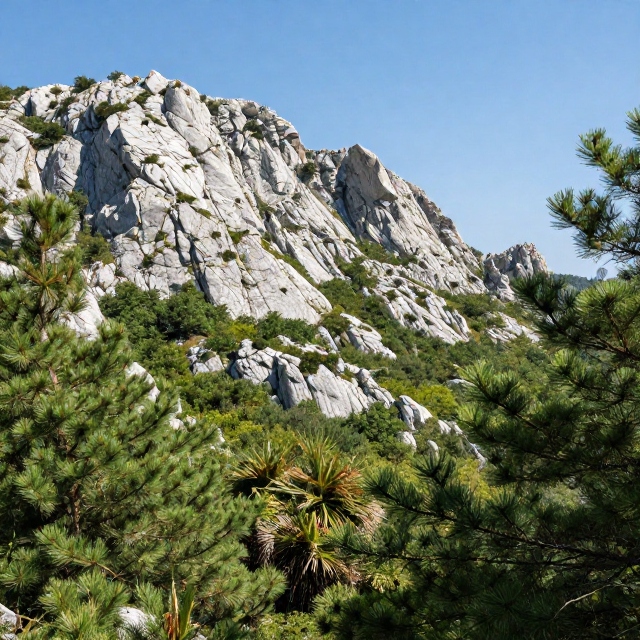
Velebit Nature Park encompasses an extensive section of the Velebit mountain range, one of Croatia’s most impressive natural regions. Its landscapes include dense forests, rugged limestone peaks, deep valleys, traditional mountain settlements, and far-reaching views toward the Adriatic Sea. The park offers a sense of remoteness that appeals to hikers, wildlife enthusiasts, and travelers who enjoy exploring less-developed outdoor destinations. Its varied terrain supports diverse habitats and provides opportunities for adventures ranging from gentle woodland walks to challenging mountain excursions.
Things to Do: Explore marked hiking trails, photograph mountain ridges, discover traditional villages, observe wildlife from a distance, and visit scenic viewpoints overlooking the coast. Plan routes according to your experience level, as some trails are remote and have limited facilities.
Where to Stay: Choose guesthouses, mountain lodges, campsites, and rural holiday homes in villages around the Velebit range. Krasno, Gospić, and coastal settlements near Starigrad offer different accommodation options depending on which part of the park you plan to explore.
Zavratnica Cove, Croatia
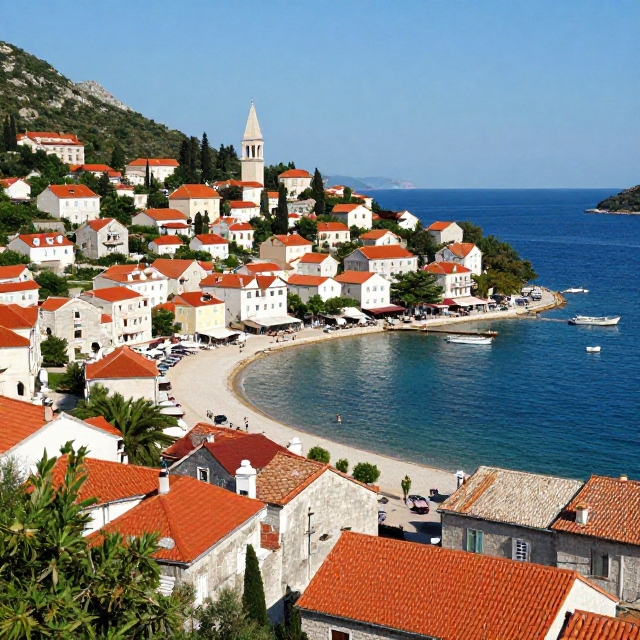
Zavratnica Cove is a narrow, dramatic inlet near Jablanac on Croatia’s Adriatic coast, framed by steep rocky cliffs and crystal-clear water. Its long, sheltered shape gives it a fjord-like appearance, creating one of the most distinctive coastal landscapes beneath the Velebit Mountains. A walking path follows the shoreline, allowing visitors to appreciate the cliffs, tranquil sea, and unusual geological formations. The cove is also known for the remains of a sunken World War II vessel visible underwater in suitable conditions.
Things to Do: Walk the coastal trail, photograph the towering cliffs, swim where permitted and conditions are safe, and explore the shoreline’s natural features. Visitors may also be able to view the sunken vessel from the water, depending on visibility and sea conditions.
Where to Stay: Find guesthouses, apartments, and small hotels in nearby Jablanac, Senj, or other coastal settlements. These locations offer access to the cove and provide a convenient base for exploring the surrounding Velebit coastline.
Cerovačke Caves, Croatia
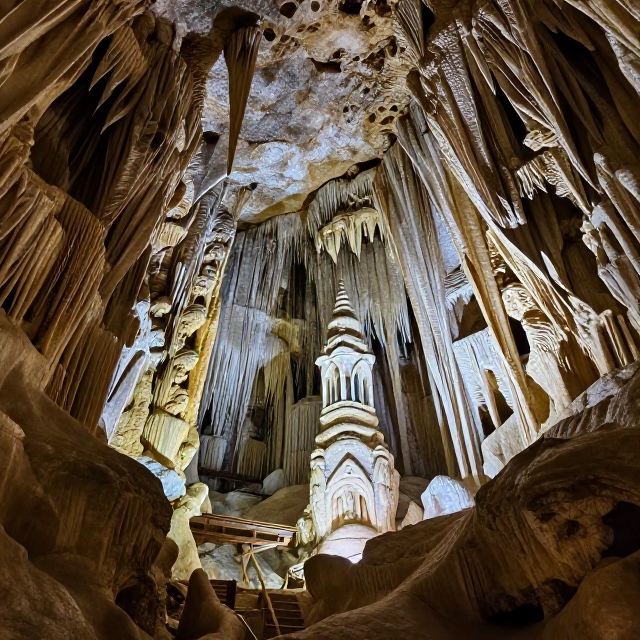
Cerovačke Caves are an impressive underground cave system on the southern slopes of the Velebit Mountains, near Gračac in the Lika region. The caves are renowned for their extensive chambers, stalactites, stalagmites, and other formations created over thousands of years. Their geological features reveal fascinating details about the region’s underground landscape and natural history. Guided visits provide an opportunity to explore this hidden environment while learning about cave formation and the importance of protecting fragile subterranean habitats.
Things to Do: Join an authorized guided cave tour, observe the underground formations, learn about the area’s geology, and explore nearby marked nature trails. Wear sturdy footwear and bring an extra layer of clothing because caves are cool and can have uneven surfaces.
Where to Stay: Look for guesthouses, apartments, and rural accommodation in Gračac and nearby Lika villages. Gospić offers additional hotels and services for travelers combining the caves with hiking and sightseeing in the Velebit region.
Northern Dalmatia: Wilderness Getaways in Croatia
Paklenica National Park, Croatia
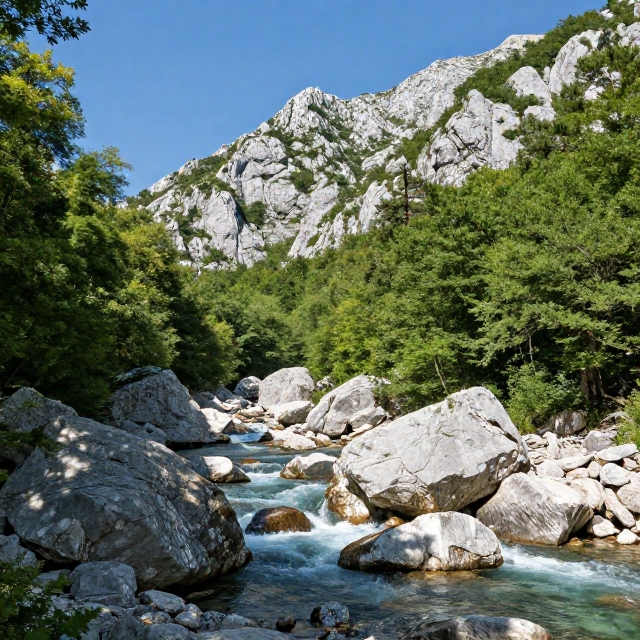
Paklenica National Park is a spectacular wilderness destination in the southern Velebit Mountains, famous for its towering limestone cliffs, deep canyons, and rugged mountain landscapes. The park’s Velika Paklenica and Mala Paklenica canyons offer dramatic scenery, while extensive hiking routes lead through forests and rocky terrain. Its impressive cliff walls have made it one of Croatia’s leading rock-climbing destinations, attracting outdoor enthusiasts from around the world. With its combination of mountain wilderness and nearby Adriatic coastline, Paklenica is ideal for an adventurous Croatian getaway.
Things to Do: Hike through Velika Paklenica Canyon, explore marked mountain trails, try rock climbing with suitable experience or a qualified guide, photograph limestone cliffs, and discover the park’s natural features. Check weather conditions and trail difficulty before setting out.
Where to Stay: Find guesthouses, hotels, campsites, and holiday apartments in Starigrad-Paklenica and nearby coastal villages. Staying near the park entrance provides convenient access to hiking trails and the Adriatic coast.
Kornati National Park, Croatia
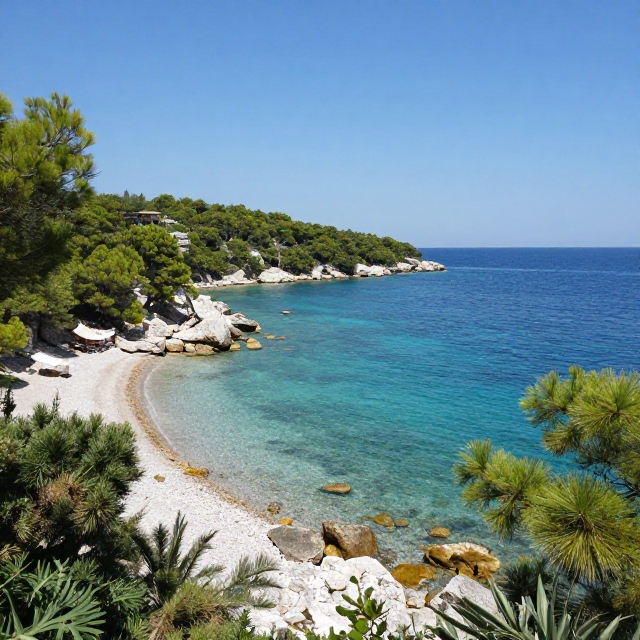
Kornati National Park protects a remarkable archipelago in the northern Adriatic, known for its rugged limestone islands, steep cliffs, and clear blue water. The island landscape appears almost lunar in places, with sparse vegetation contrasting against secluded bays and the surrounding sea. Accessible primarily by boat, Kornati offers a sense of isolation that appeals to sailors, photographers, and nature lovers. Its marine habitats and striking coastal scenery make it one of Croatia’s most distinctive wilderness destinations.
Things to Do: Take a guided boat trip, sail between the islands, snorkel in permitted areas, photograph dramatic cliffs, and explore secluded bays. Follow park regulations and check sea conditions before arranging water-based activities.
Where to Stay: Stay in Murter, a popular base for boat excursions, or choose accommodation in nearby coastal towns such as Zadar and Šibenik. Hotels, guesthouses, campsites, and holiday apartments are available on the mainland, while some private island properties offer seasonal accommodation.
Telašćica Nature Park, Dugi Otok, Croatia
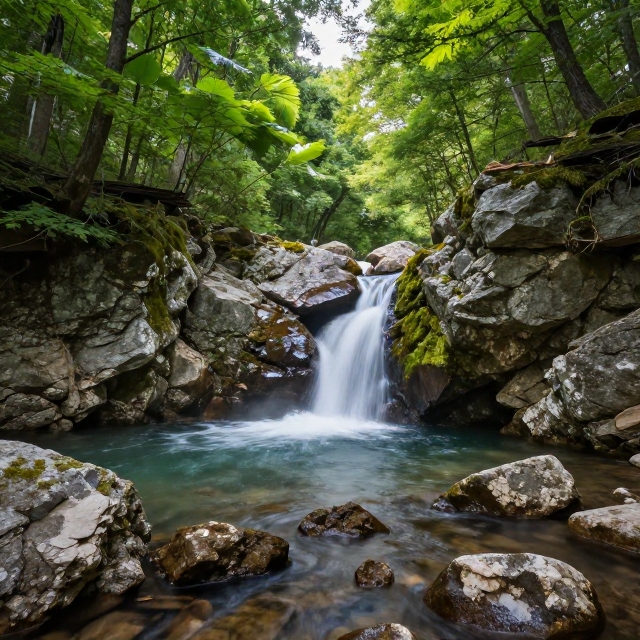
Telašćica Nature Park occupies the southeastern part of Dugi Otok and combines dramatic coastal cliffs, sheltered bays, and a distinctive saltwater lake. Its towering sea cliffs rise above the Adriatic, providing sweeping views across the water and surrounding islands. The sheltered Telašćica Bay offers a contrast to the exposed outer coastline, while Lake Mir is known for its salty water and peaceful setting. The park’s combination of marine scenery, wildlife, and walking routes makes it an excellent destination for nature-focused travel.
Things to Do: Walk to the cliff viewpoints, explore designated trails, visit Lake Mir, photograph the rugged coastline, and discover the sheltered bay by boat or kayak where permitted. Bring water and sun protection, particularly during summer, when exposed trails can become hot.
Where to Stay: Choose guesthouses, apartments, and holiday homes in nearby villages on Dugi Otok, including Sali and Žman. Staying on the island provides convenient access to park excursions, while Zadar offers additional accommodation and ferry connections.
Zrmanja River Canyon, Croatia
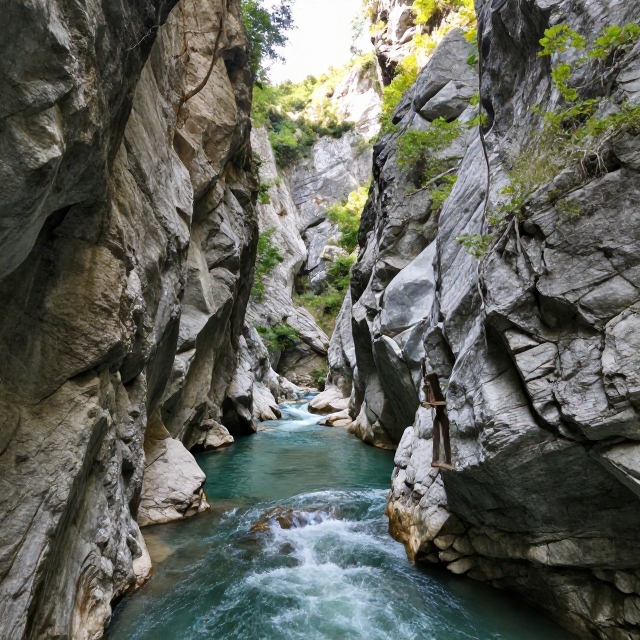
The Zrmanja River Canyon is a spectacular inland wilderness near Obrovac, where clear river water winds through dramatic limestone cliffs and rugged karst scenery. The landscape combines tranquil stretches of water with narrow canyon sections, creating an exceptional setting for photography and outdoor exploration. Depending on water levels and local conditions, parts of the river offer opportunities for kayaking, canoeing, and rafting. Its relatively remote atmosphere makes the canyon an appealing escape for travelers looking to experience Croatia beyond its famous beaches.
Things to Do: Join a guided kayaking or rafting excursion when conditions permit, photograph the canyon, explore nearby viewpoints, and discover marked walking routes in the surrounding countryside. Choose an experienced local operator for river activities and check water levels, weather, and seasonal restrictions.
Where to Stay: Look for guesthouses, rural holiday homes, and apartments in Obrovac and surrounding villages. Zadar provides a wider selection of hotels and restaurants for travelers planning day trips to the river canyon.
Vrana Lake Nature Park, Croatia
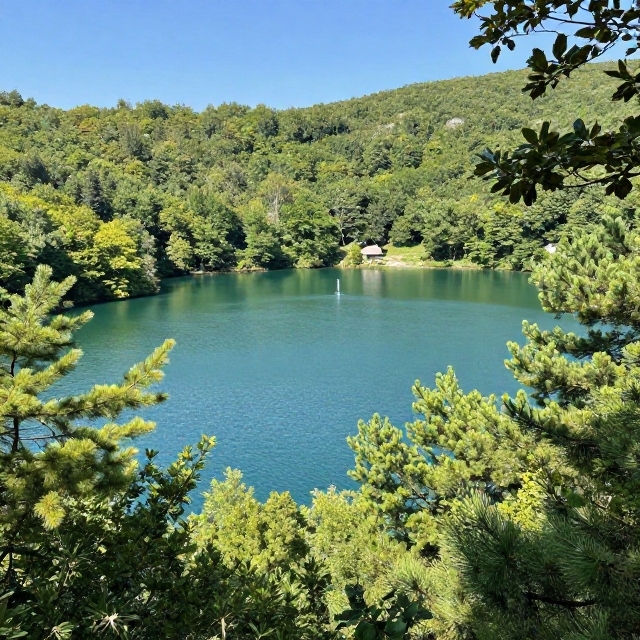
Vrana Lake Nature Park protects Croatia’s largest natural lake, a freshwater wetland near the Adriatic coast between Zadar and Šibenik. The lake’s reed beds, marshes, and surrounding landscapes create important habitats for numerous bird species, making it a rewarding destination for wildlife enthusiasts. Observation points and walking and cycling routes allow visitors to explore the wetlands while enjoying expansive views across the water. The park offers a quieter outdoor experience for travelers interested in birdwatching, photography, and nature conservation.
Things to Do: Watch birds from designated observation points, photograph wetland scenery, cycle around sections of the lake, explore nature trails, and visit viewpoints overlooking the water. Bring binoculars for birdwatching and follow park guidance to avoid disturbing wildlife.
Where to Stay: Choose hotels, guesthouses, campsites, and holiday apartments in nearby Biograd na Moru, Pakoštane, or other coastal communities. These towns offer convenient access to the nature park along with restaurants, beaches, and additional outdoor activities.
Central Dalmatia: Wilderness Getaways in Croatia
Krka National Park, Croatia
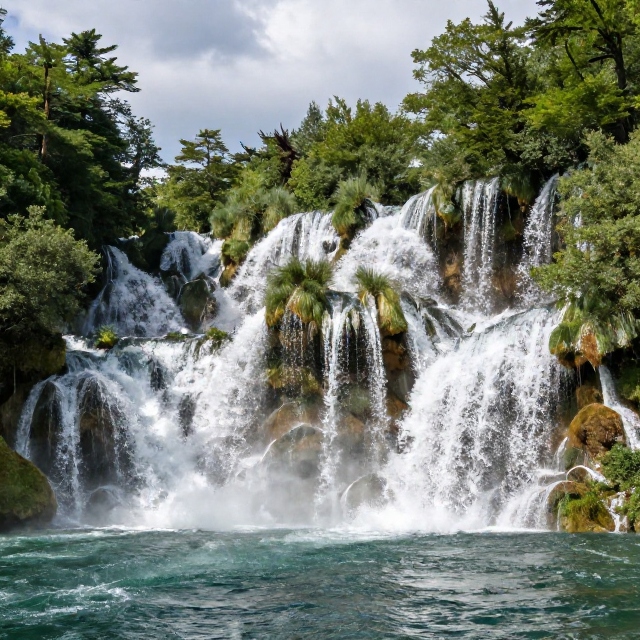
Krka National Park is a spectacular natural escape near Šibenik, renowned for its cascading waterfalls, emerald river scenery, and lush woodland. Following the Krka River, the park protects a diverse landscape of limestone canyons, forests, wetlands, and travertine formations. Its famous Skradinski Buk waterfall features a series of cascades surrounded by green vegetation and scenic walking paths. With historic watermills, wildlife habitats, and peaceful viewpoints, Krka offers a memorable wilderness experience in central Dalmatia.
Things to Do: Explore marked woodland trails and boardwalks, photograph Skradinski Buk, visit historic watermills, discover scenic viewpoints, and observe local wildlife. Check current park regulations before planning swimming or other water activities.
Where to Stay: Choose hotels, guesthouses, and holiday apartments in Skradin, Šibenik, or Lozovac. Skradin is a convenient base for exploring the park, while Šibenik offers additional dining, historic attractions, and accommodation options.
Biokovo Nature Park, Croatia
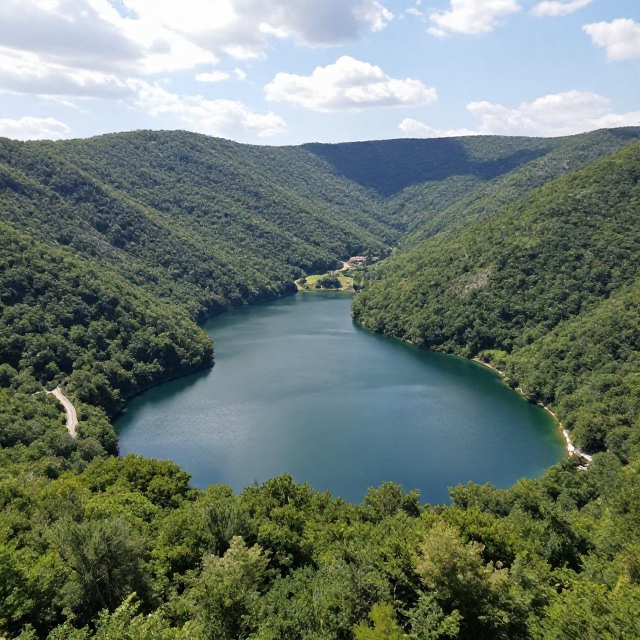
Biokovo Nature Park rises dramatically above the Makarska Riviera, creating a rugged mountain wilderness with limestone peaks, steep slopes, and spectacular Adriatic views. Its varied landscapes range from Mediterranean vegetation at lower elevations to rocky mountain terrain higher up. The park is home to distinctive plant life and wildlife, while its mountain roads and hiking routes offer access to remarkable viewpoints. For travelers seeking an adventurous escape from the coastal resorts, Biokovo combines challenging terrain with some of Croatia’s most impressive scenery.
Things to Do: Hike designated mountain trails, visit the Skywalk Biokovo viewpoint, photograph panoramic views of the Adriatic, and explore the park’s rocky landscapes. Mountain weather can change rapidly, so check access restrictions and trail conditions before visiting.
Where to Stay: Find hotels, guesthouses, and holiday apartments in Makarska, Tučepi, and Brela. These coastal towns provide convenient bases for mountain excursions while offering restaurants, beaches, and other seaside activities.
Cetina River Canyon, Croatia
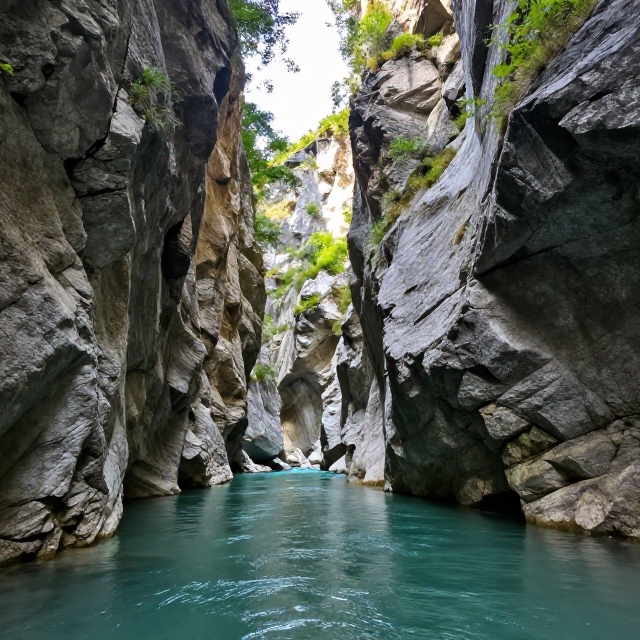
Cetina River Canyon near Omiš is a striking natural landscape where clear river water winds between steep limestone cliffs and forested slopes. The canyon offers a dramatic contrast to the nearby Adriatic coast, with peaceful stretches of river interrupted by rapids and narrow passages. Its scenery makes it a favorite destination for adventure travelers looking for outdoor activities in central Dalmatia. The surrounding countryside also provides opportunities for photography, hiking, and discovering traditional villages.
Things to Do: Join guided rafting or kayaking excursions when river conditions permit, explore designated walking routes, photograph the canyon walls, and enjoy scenic viewpoints. Choose a reputable outdoor operator and check water levels, weather, and seasonal activity availability.
Where to Stay: Stay in Omiš for easy access to the river and coast, or choose guesthouses and rural holiday homes in nearby villages. Split offers a broader range of hotels, restaurants, and transport connections for visitors planning day trips.
Mosor Mountain, Croatia
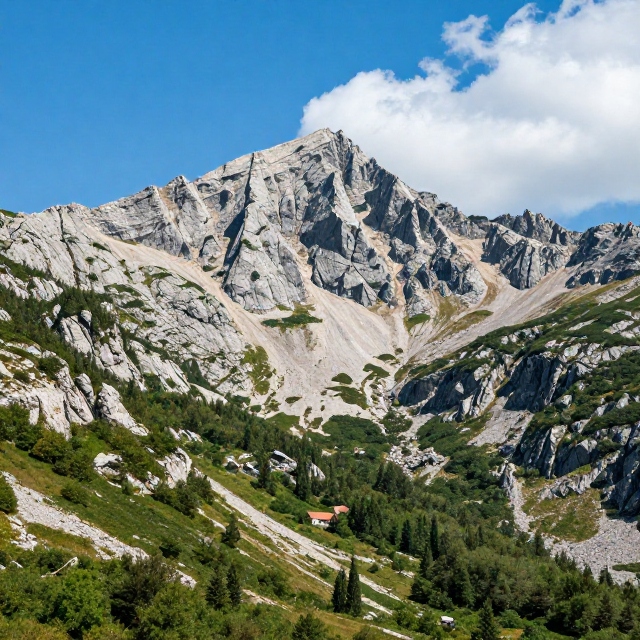
Mosor Mountain stretches inland from the Split region, offering rugged limestone terrain, rocky ridges, and far-reaching views across the Adriatic and nearby islands. Its landscape features scrubland, forested sections, and exposed mountain paths that appeal to hikers seeking a more challenging outdoor experience. The mountain’s elevated viewpoints provide a striking perspective on the Dalmatian coast and surrounding countryside. Although close to populated areas, Mosor can feel wonderfully remote once visitors venture onto its higher trails.
Things to Do: Hike marked mountain routes, explore rocky ridgelines, photograph coastal panoramas, and discover mountain huts and traditional trails where accessible. Wear sturdy footwear, carry sufficient water, and avoid exposed routes during extreme heat or poor weather.
Where to Stay: Choose hotels and apartments in Split, Žrnovnica, or nearby villages. Split provides the widest range of accommodation and dining, while smaller settlements offer a quieter base closer to the mountain trails.
Dinara Nature Park, Croatia
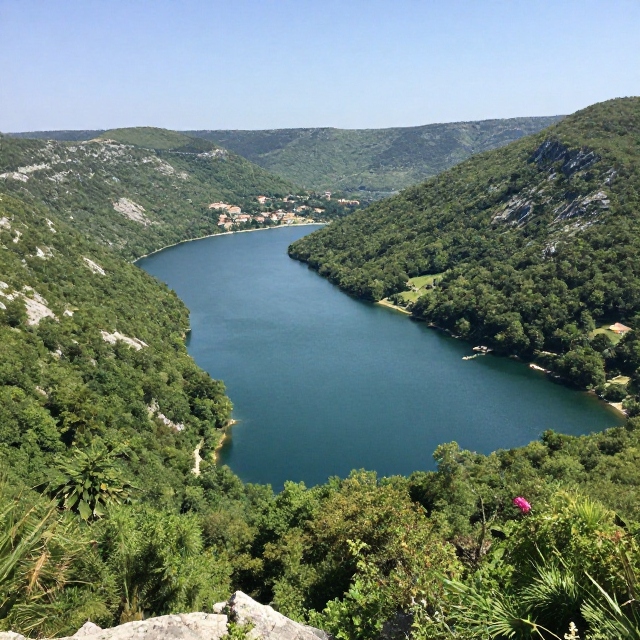
Dinara Nature Park protects a rugged mountain region along Croatia’s border with Bosnia and Herzegovina, encompassing Dinara, the country’s highest mountain massif. Its landscapes include rocky summits, open grasslands, limestone formations, and remote valleys with a distinctly wild character. The park supports a range of mountain habitats and offers sweeping views across the surrounding countryside. For experienced hikers and nature enthusiasts, Dinara provides an opportunity to explore one of Croatia’s least urbanized mountain regions.
Things to Do: Hike designated mountain routes, explore open grasslands, photograph rocky peaks, observe wildlife from a respectful distance, and enjoy panoramic viewpoints. Plan carefully before attempting higher summits, as routes can be remote, weather conditions change quickly, and facilities are limited.
Where to Stay: Look for guesthouses, rural accommodation, and holiday rentals in Knin, Kijevo, and nearby villages. These locations provide access to different parts of the mountain region, while visitors should arrange transport and check trail access before setting out.
Southern Dalmatia and the Islands
Mljet National Park
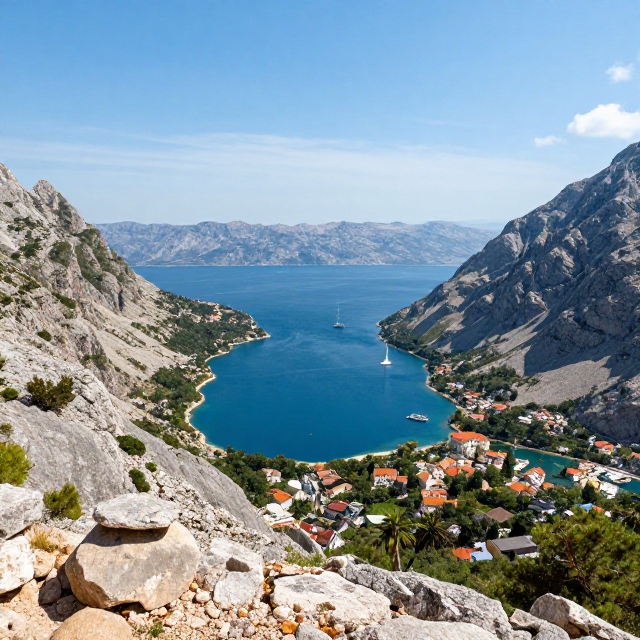
Mljet National Park is a peaceful island wilderness known for its dense pine forests, turquoise saltwater lakes, and secluded walking trails. Located on the western side of Mljet Island, the park offers a refreshing escape from Croatia’s busier coastal destinations. Visitors can explore forested paths, discover quiet coves, and enjoy beautiful views across the Adriatic. Its natural scenery makes it an excellent destination for hikers, cyclists, kayakers, and nature lovers.
Things to Do: Hike through pine forests, cycle around the saltwater lakes, kayak across Veliko Jezero, visit the islet of St. Mary, and explore secluded coastal paths.
Where to Stay: Stay in Pomena or Polače for convenient access to the national park, with guesthouses, apartments, and small hotels offering a peaceful island atmosphere.
Lastovo Islands Nature Park
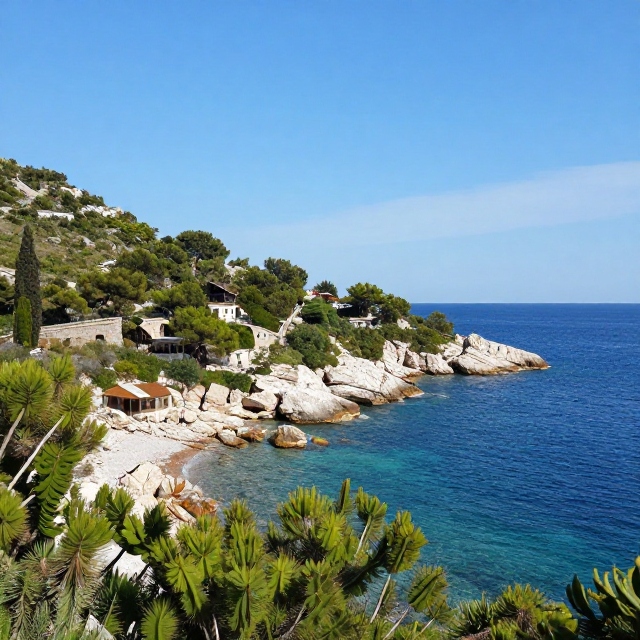
Lastovo Islands Nature Park protects a remote Adriatic archipelago celebrated for its clear waters, rugged coastline, forested hills, and rich marine life. Its relatively isolated location makes it an appealing wilderness getaway for travelers seeking quiet coves and uncrowded outdoor experiences. The surrounding waters are popular for snorkeling, diving, sailing, and kayaking, while the island’s low light pollution creates exceptional stargazing opportunities. Traditional villages and scenic trails add cultural interest to this tranquil natural retreat.
Things to Do: Explore hiking trails, kayak along rocky coastlines, snorkel in clear bays, go scuba diving, sail between the islands, and enjoy nighttime stargazing.
Where to Stay: Look for apartments, guesthouses, and small holiday homes in Lastovo village and Pasadur, or choose a sailing trip for a more adventurous way to explore the archipelago.
Lokrum Island Nature Reserve
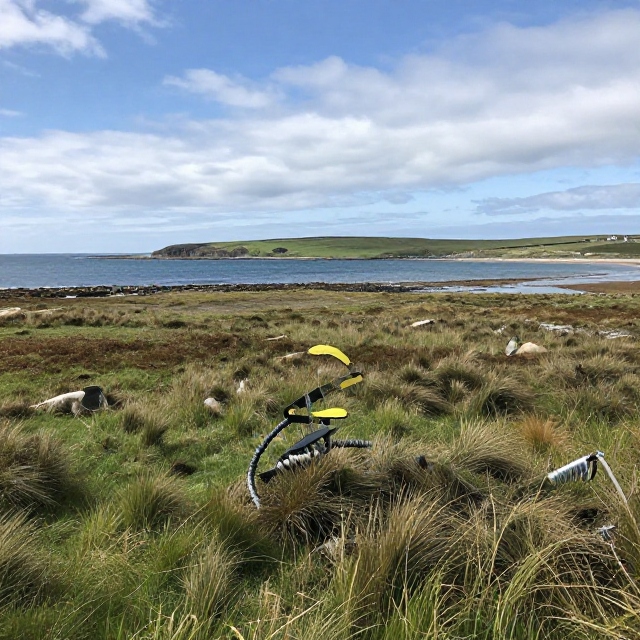
Lokrum Island Nature Reserve offers a natural escape just a short boat ride from Dubrovnik’s historic Old Town. The small island features Mediterranean woodland, botanical gardens, rocky swimming areas, and shaded walking paths. Visitors can explore its peaceful interior, discover historic ruins, and enjoy panoramic views of the Adriatic coastline. Although close to a major tourist destination, Lokrum provides a refreshing opportunity to experience nature without traveling far from the city.
Things to Do: Walk beneath pine and olive trees, explore the botanical gardens and monastery ruins, swim at rocky coastal spots, watch local wildlife, and enjoy views back toward Dubrovnik.
Where to Stay: Lokrum has no overnight accommodation for regular visitors, so stay in Dubrovnik, particularly in the Old Town or nearby districts, and visit the island by boat during the day.
Elaphiti Islands
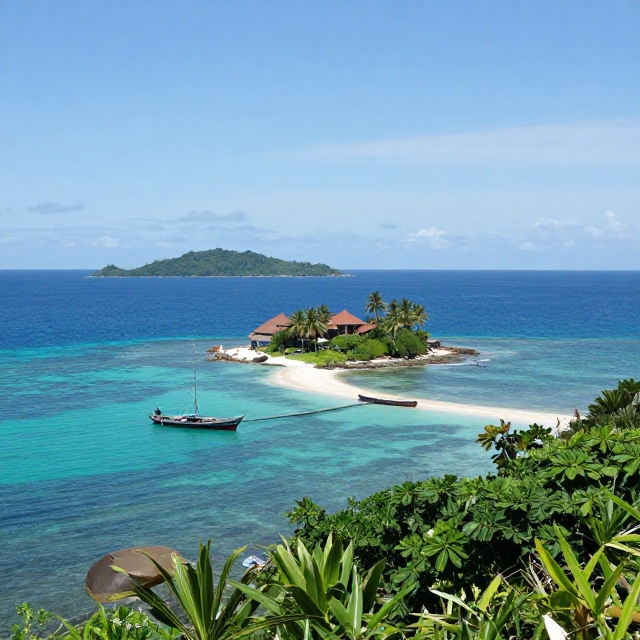
The Elaphiti Islands form a scenic archipelago northwest of Dubrovnik, offering forested hills, traditional fishing villages, secluded bays, and peaceful coastal landscapes. The main inhabited islands of Šipan, Lopud, and Koločep each provide a different atmosphere, from quiet countryside to sandy beaches and woodland paths. With limited vehicle traffic in some areas, the islands are especially appealing for travelers who prefer exploring on foot or by boat. Their relaxed pace makes them an excellent choice for a nature-focused island getaway.
Things to Do: Hike woodland trails, swim in secluded bays, explore traditional villages, kayak along the coast, take boat trips between islands, and discover quiet beaches such as Šunj on Lopud.
Where to Stay: Choose guesthouses, family-run hotels, and holiday apartments on Lopud, Šipan, or Koločep, depending on whether you prefer beaches, countryside, or a quiet village atmosphere.
Pelješac Peninsula
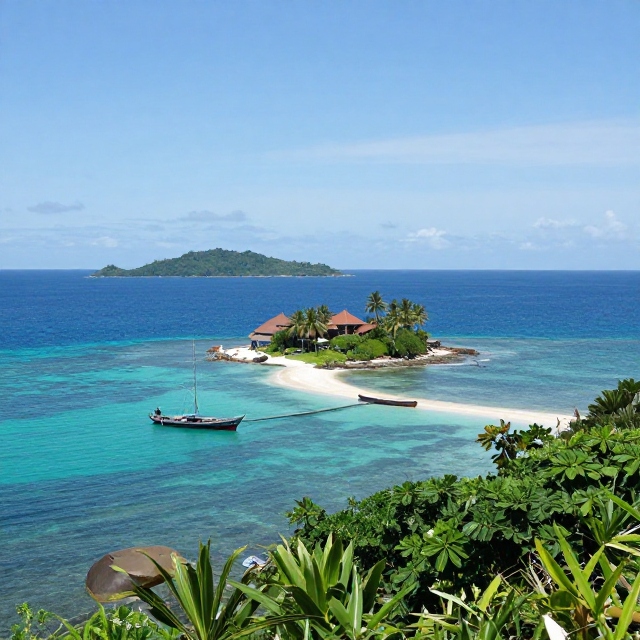
The Pelješac Peninsula offers a rugged combination of coastal scenery, rolling hills, traditional villages, and quiet coves along Croatia’s southern Adriatic coast. Beyond its well-known vineyards and historic settlements, the peninsula provides plenty of opportunities to explore rural landscapes and less-crowded stretches of shoreline. Scenic roads wind through the hills, while walking routes reveal sweeping views over the sea and nearby islands. It is an excellent choice for travelers looking to combine outdoor exploration with local food, culture, and a slower pace of travel.
Things to Do: Hike or walk coastal trails, explore the hills around Orebić, swim in quiet coves, visit traditional villages, sample local wines, and take boat trips to nearby Korčula Island.
Where to Stay: Stay in Orebić for coastal access and ferry connections, or choose guesthouses, rural villas, and apartments in smaller villages for a quieter countryside retreat.
Conclusion
From the dramatic peaks of the Velebit Mountains to the tranquil lakes of Mljet and the remote islands of the Adriatic, Croatia offers countless opportunities to reconnect with nature. Whether you prefer challenging mountain hikes, peaceful forest retreats, or coastal adventures, these wilderness destinations showcase the country’s remarkable natural beauty. Plan your Croatian getaway and discover the wild landscapes waiting beyond the popular tourist towns.
Frequently Asked Questions
1. What are the best wilderness destinations in Croatia?
Some of the best destinations include Plitvice Lakes National Park, Northern Velebit National Park, Risnjak National Park, Paklenica National Park, and Mljet National Park.
2. Does Croatia have good hiking destinations?
Yes. Croatia has excellent hiking opportunities in the Velebit Mountains, Paklenica National Park, Učka Nature Park, Biokovo Nature Park, and Dinara Nature Park.
3. Where can you experience remote wilderness in Croatia?
The Lastovo Islands, Kornati archipelago, Northern Velebit, and remote areas of Gorski Kotar offer opportunities to experience quieter natural landscapes away from busy tourist centers.
4. Can you go camping in Croatia’s wilderness?
Yes, but camping is regulated. Wild camping is generally prohibited, including in many protected areas. Use designated campsites and check individual park regulations before planning an overnight stay.
5. What is the best time to visit Croatia for wilderness adventures?
Late spring and early autumn are excellent for hiking and exploring many natural areas because temperatures are often more comfortable. Summer is ideal for island hopping and water activities, while mountain weather can change quickly throughout the year.



Leave a Reply