Croatia is home to eight spectacular national parks, offering some of Europe’s most beautiful landscapes and outdoor adventures. From the cascading waterfalls and turquoise lakes of Plitvice Lakes National Park to the rugged mountain trails of Paklenica and the island scenery of Kornati National Park, Croatia’s protected wilderness areas offer something for every nature lover. Visitors can explore forested hiking trails, kayak across peaceful lakes, sail between remote islands, watch wildlife, and discover breathtaking coastal scenery. Whether you’re planning an active hiking vacation or a relaxing nature escape, this guide to the eight best national parks in Croatia will help you discover the country’s most remarkable natural destinations.
Plan Your Croatia Trip
Make your Croatian adventure easy to plan! Purchase national park entrance tickets through the official government or park websites listed under each national park in our guide. For flights, compare fares and book your airline tickets through Booking.com. You can also use Booking.com to find hotels and accommodations near Croatia’s breathtaking waterfalls, mountains, islands, and coastal destinations.
Travel Tip: Book flights and accommodations early during the busy summer season, and check official park websites for ticket availability, entrance fees, and visitor requirements before your trip.
National Parks in Istria, Croatia
Brijuni National Park
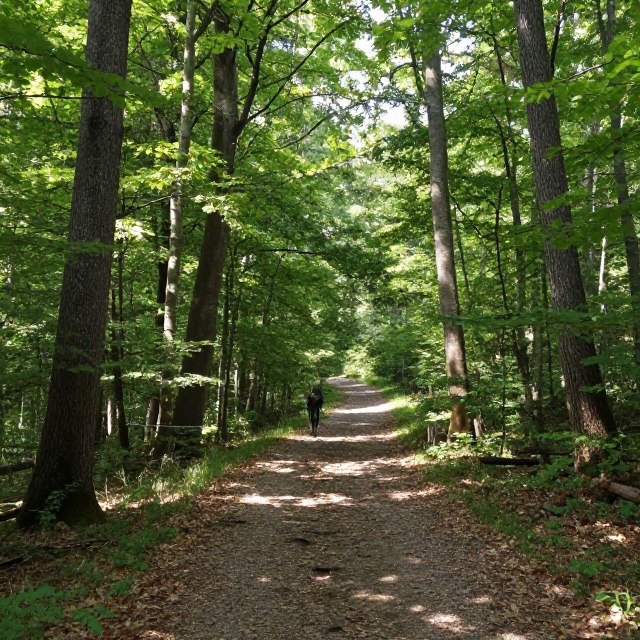
Brijuni National Park is a beautiful island destination off the western coast of the Istrian Peninsula, near the coastal town of Fažana. The archipelago is known for its Mediterranean landscapes, crystal-clear Adriatic waters, diverse wildlife, and remarkable archaeological remains. Visitors can discover Roman ruins, historic villas, ancient olive trees, and scenic walking and cycling routes across Veliki Brijun, the park’s largest island. The combination of natural beauty, cultural heritage, and island scenery makes Brijuni a memorable destination for adventure travelers and nature enthusiasts.
Things to Do: Take a guided island tour, explore Roman archaeological sites, cycle or walk scenic trails, observe wildlife, and visit historic landmarks. Visitors can also enjoy boat excursions and discover the archipelago’s coastal scenery.
Where to Stay: Stay in Fažana for convenient access to boat departures, or choose hotels, guesthouses, and holiday apartments in nearby Pula. These mainland destinations offer a wide range of accommodation, restaurants, and opportunities to explore the Istrian coast.
Guide Brijuni National Park
National Parks Northern Dalmatia
Paklenica National Park, Croatia
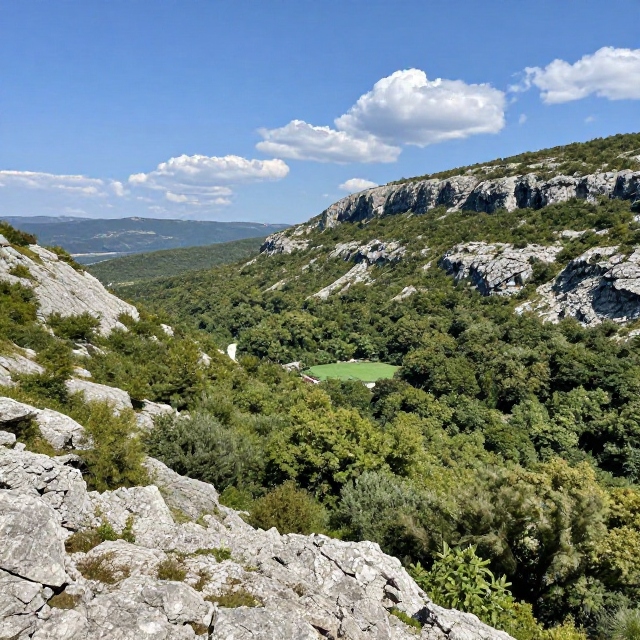
Paklenica National Park is a spectacular outdoor destination on the southern Velebit mountain range near Starigrad in northern Dalmatia. The park is famous for its dramatic limestone canyons, towering cliffs, dense forests, and rugged mountain scenery. Its best-known areas, Velika Paklenica and Mala Paklenica, feature hiking routes through striking landscapes with opportunities to observe local wildlife and native plant species. With challenging trails and world-class climbing areas, Paklenica is an excellent destination for adventure travelers and outdoor enthusiasts.
Things to Do: Hike through Velika Paklenica Canyon, explore forest trails, try rock climbing on designated routes, photograph dramatic limestone cliffs, and discover the park’s caves and mountain landscapes. Choose trails suited to your fitness and experience level, and check weather conditions before setting out.
Where to Stay: Find hotels, guesthouses, campsites, and holiday apartments in Starigrad-Paklenica and nearby coastal villages. Staying close to the park entrance makes it easier to start hikes early and enjoy the surrounding Adriatic coastline.
Guide:Paklenica National Park, Croatia
Kornati National Park, Croatia
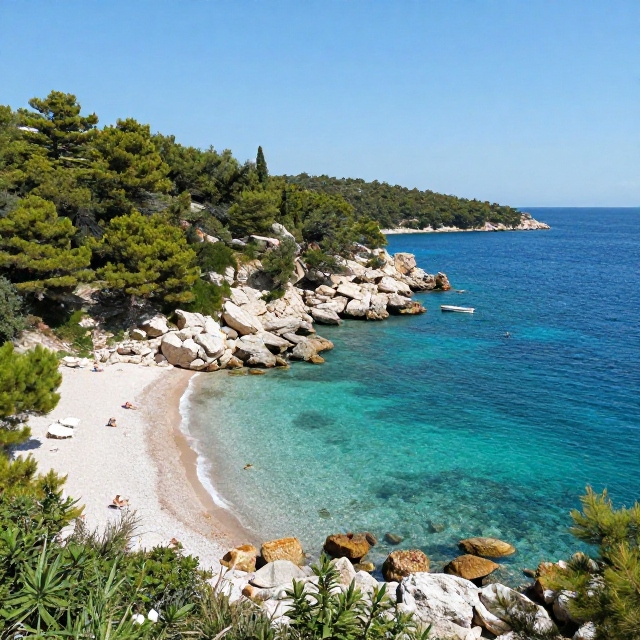
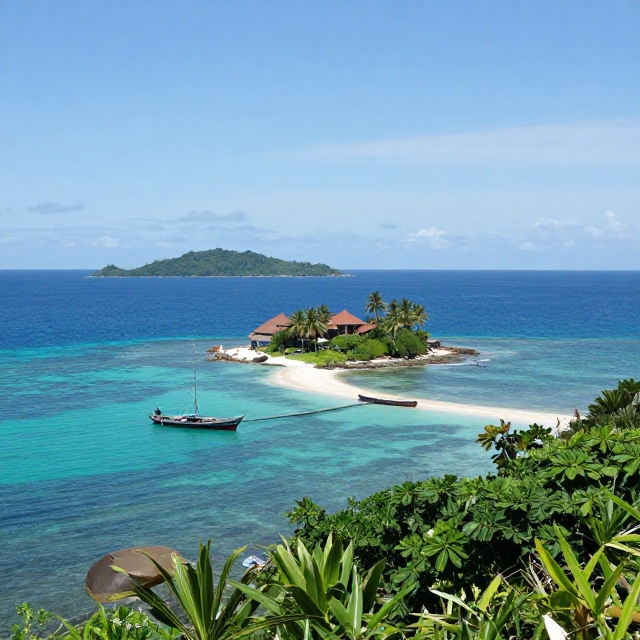
Kornati National Park is a remarkable archipelago in the Adriatic Sea off northern Dalmatia, known for its rugged islands, steep cliffs, and exceptionally clear water. The protected park includes dozens of islands and islets, creating a dramatic seascape of pale limestone and deep blue sea. Its relatively barren terrain contrasts with hidden coves and underwater habitats that attract sailors, divers, and nature lovers. The islands are largely explored by boat, making the journey across the Adriatic an important part of the experience.
Things to Do: Take a guided boat excursion, sail between the islands, snorkel in permitted areas, photograph the cliffs and secluded bays, and discover the park’s distinctive marine scenery. Visitors should follow park regulations and use authorized operators when required.
Where to Stay: Stay in Murter, a popular mainland base for boat trips to Kornati, or choose accommodation in nearby coastal towns such as Zadar and Šibenik. Options include hotels, guesthouses, campsites, and holiday apartments, while overnight stays within the archipelago may be available at designated private properties.
Guide Kornati National Park, Croatia
Central Dalmatia
Krka National Park, Croatia
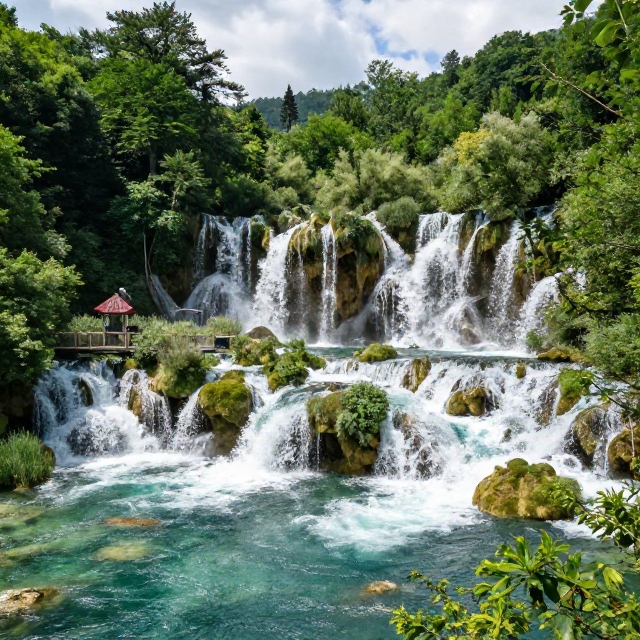
Krka National Park is a spectacular natural destination near Šibenik in central Dalmatia, celebrated for its cascading waterfalls, emerald-green river scenery, and lush landscapes. The park follows the Krka River through limestone canyons, forests, and tranquil waterways, creating a diverse environment for nature lovers and photographers. Its most famous waterfall areas include Skradinski Buk, where a series of cascades flows through a striking natural setting. Wooden walkways and designated trails allow visitors to explore the park’s scenery while learning about its wildlife, geology, and cultural heritage.
Things to Do: Walk designated trails and boardwalks, photograph Skradinski Buk waterfall, visit historic watermills, explore scenic viewpoints, and discover the park’s cultural landmarks. Swimming rules vary by location, so check current park regulations before planning water activities.
Where to Stay: Choose hotels, guesthouses, and holiday apartments in nearby Šibenik, Skradin, or Lozovac. Skradin is a convenient base for exploring the park, while Šibenik offers a wider selection of accommodation, restaurants, and historic attractions.
Guide Krka National Park
Southern Dalmatia National Parks
Mljet National Park, Croatia
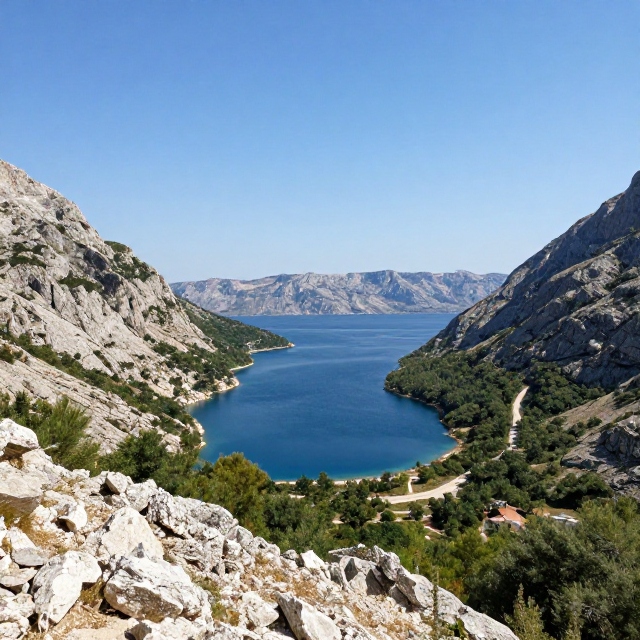
Mljet National Park covers the northwestern part of Mljet Island, one of Croatia’s most peaceful and heavily forested Adriatic islands. The park is famous for its two interconnected saltwater lakes, Veliko Jezero and Malo Jezero, surrounded by lush Mediterranean vegetation and scenic walking paths. Visitors can explore quiet bays, cycle through shaded woodland, and enjoy panoramic views of the island’s rugged coastline. A small island within Veliko Jezero is home to a historic Benedictine monastery, adding cultural interest to this tranquil natural destination.
Things to Do: Kayak across the saltwater lakes, cycle or hike forest trails, explore the Benedictine monastery on St. Mary’s Islet, photograph peaceful bays, and discover the park’s diverse plant and animal life. Visitors can also enjoy swimming in permitted areas and take boat excursions around the lakes.
Where to Stay: Choose guesthouses, holiday apartments, and small hotels in Pomena and Polače, two convenient villages near the national park. Additional accommodation is available in other Mljet villages, with ferries and local transport connecting the island to destinations along the Dalmatian coast.
Guide Mljet National Park
Lika and Inland Croatia
Plitvice Lakes National Park, Croatia
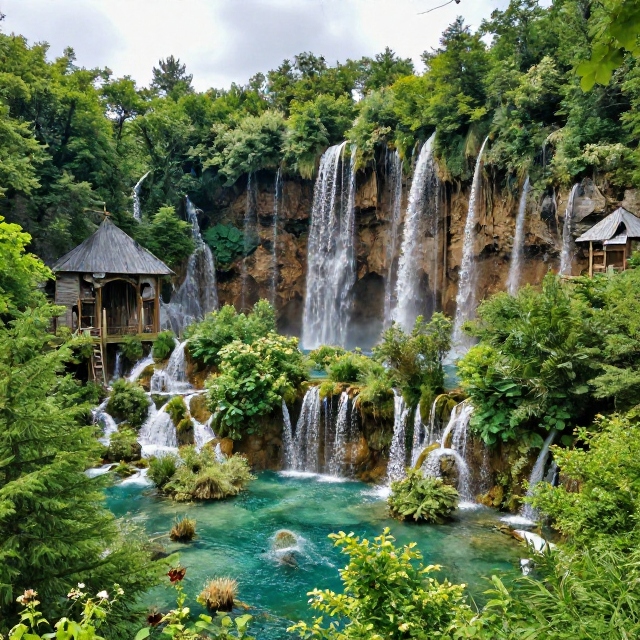
Plitvice Lakes National Park is one of Croatia’s most celebrated natural attractions, renowned for its cascading waterfalls, turquoise lakes, and lush forest landscapes. Located between the Lika and Karlovac regions, the park features a series of interconnected lakes formed by natural travertine barriers. Wooden walkways and designated hiking trails lead visitors past sparkling water, dramatic cascades, and scenic viewpoints. Recognized as a UNESCO World Heritage Site, Plitvice is an exceptional destination for nature photography, outdoor exploration, and discovering Croatia’s remarkable natural beauty.
Things to Do: Walk the wooden pathways, photograph the waterfalls, explore the upper and lower lakes, follow marked hiking trails, and enjoy panoramic viewpoints. Electric boats and park transport operate on selected routes, depending on the season and current conditions.
Where to Stay: Find hotels, guesthouses, campsites, and rural holiday rentals in nearby villages such as Rastovača, Jezerce, and Mukinje. Staying close to the park entrances allows visitors to arrive early and enjoy the trails before the busiest periods.
Guide Plitvice Lakes National Park, Croatia
Gorski Kotar
Risnjak National Park, Croatia
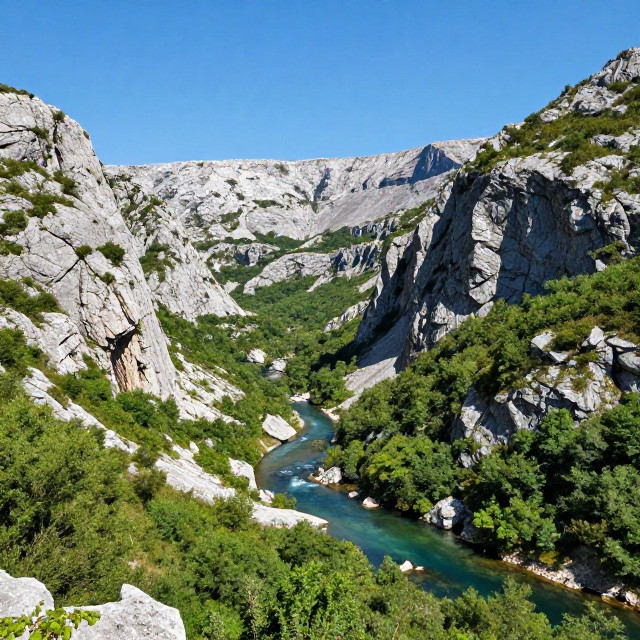
Risnjak National Park protects a beautiful mountainous landscape in Croatia’s Gorski Kotar region, near the village of Crni Lug. Its dense beech and fir forests, limestone peaks, and cool mountain climate create a striking contrast with Croatia’s coastal destinations. The park is home to diverse wildlife, including brown bears, wolves, and lynx, although sightings are uncommon. Hiking trails lead through peaceful woodland and toward mountain viewpoints, making Risnjak an appealing destination for hikers and nature enthusiasts seeking a quieter outdoor experience.
Things to Do: Hike forest trails, climb toward the summit of Veliki Risnjak, explore the Leska educational trail, photograph mountain scenery, and observe wildlife from a respectful distance. Check trail conditions and weather forecasts before heading into higher elevations.
Where to Stay: Choose guesthouses, mountain lodges, holiday rentals, and small hotels in Crni Lug and nearby Gorski Kotar villages. The towns of Delnice and Fužine offer additional accommodation and convenient bases for exploring the surrounding mountains.
Guide Risnjak National Park, Croatia
Northern Velebit Mountains
Northern Velebit National Park, Croatia
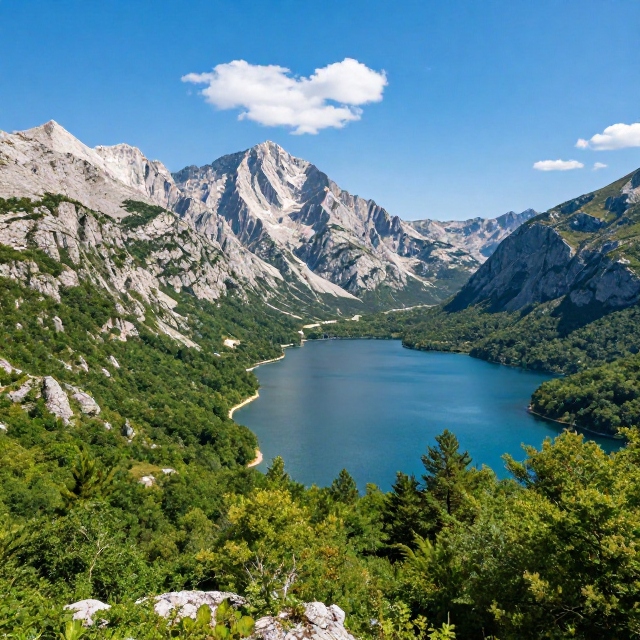
Northern Velebit National Park protects a rugged section of the Velebit mountain range in northern Croatia, featuring dramatic limestone formations, rocky peaks, alpine meadows, and remarkable biodiversity. Its karst landscape includes unusual rock shapes and sinkholes formed over thousands of years. The famous Premužić Trail winds through some of the park’s most scenic terrain, offering spectacular views of the mountains and the Adriatic Sea. This remote wilderness destination is ideal for experienced hikers and outdoor travelers who appreciate wild landscapes and peaceful mountain trails.
Things to Do: Hike sections of the Premužić Trail, explore marked mountain routes, photograph limestone formations, discover alpine plant life, and enjoy panoramic viewpoints. Mountain weather can change quickly, so bring appropriate clothing, sturdy footwear, and sufficient water, and check trail access before visiting.
Where to Stay: Look for mountain huts, guesthouses, campsites, and holiday rentals in nearby villages such as Krasno and Oltari. Visitors can also stay in coastal towns on the Adriatic side of Velebit and travel inland for day hikes, depending on road and trail conditions.
GuideNorthern Velebit National Park, Croatia
Conclusion
Croatia’s eight national parks showcase the country’s extraordinary natural diversity, from dramatic mountain ranges and ancient forests to cascading waterfalls, crystal-clear lakes, and beautiful Adriatic islands. Each park offers a different way to experience Croatia’s wilderness, whether you’re hiking mountain trails in Northern Velebit, exploring the lakes of Plitvice, or sailing through the Kornati archipelago. These protected landscapes are ideal for travelers seeking outdoor recreation, photography, wildlife encounters, and adventures beyond Croatia’s popular coastal cities. Add one or more of these national parks to your itinerary to experience another side of Croatia and discover some of its most unforgettable natural wonders.
Frequently Asked Questions
1. How many national parks are in Croatia?
Croatia has eight national parks: Plitvice Lakes, Krka, Paklenica, Kornati, Mljet, Brijuni, Risnjak, and Northern Velebit.
2. What is the most famous national park in Croatia?
Plitvice Lakes National Park is widely recognized for its interconnected turquoise lakes, cascading waterfalls, forested landscapes, and wooden walking paths. It is also a UNESCO World Heritage Site.
3. Which national parks in Croatia are best for hiking?
Paklenica, Northern Velebit, and Risnjak are excellent choices for hiking and mountain adventures. Plitvice Lakes and Krka also offer scenic walking routes through forests and around waterfalls.
4. Can you swim in Croatia’s national parks?
Swimming is prohibited in the lakes and waterfalls of Plitvice Lakes National Park. Rules differ at other parks, so check current regulations before planning a swim. Visitors can enjoy swimming at designated beaches outside protected park areas.
5. What is the best time to visit Croatia’s national parks?
May, June, and September are excellent months for hiking and sightseeing, with generally comfortable temperatures. Spring often brings flowing waterfalls, while autumn offers colorful foliage. Summer is popular but can be crowded at major attractions.
6. Which Croatian national parks are best for island adventures?
Kornati National Park is ideal for sailing and exploring a rugged island archipelago, while Mljet National Park offers forest trails, cycling, kayaking, and saltwater lakes. Brijuni National Park is another option for island scenery, wildlife, and historical attractions.
7. Are Croatia’s national parks suitable for families?
Yes. Plitvice Lakes and Krka offer popular sightseeing routes, while Brijuni provides accessible island excursions. Families should check trail lengths, terrain, accessibility, and seasonal visitor rules before choosing a park.
8. Do you need to pay to enter Croatia’s national parks?
Most Croatian national parks charge admission, and prices can vary by park, season, and visitor category. Boat transfers, guided excursions, parking, and other services may cost extra. Check each park’s official website for current ticket prices and booking requirements.
9. Can you visit Croatia’s national parks without a car?
Yes. Some parks can be reached by public buses, organized excursions, ferries, or boat tours. Plitvice Lakes and Krka are particularly popular day-trip destinations from nearby cities, while island parks require additional ferry or boat planning.
10. Which Croatian national park is best for wildlife watching?
Risnjak and Northern Velebit are excellent choices for experiencing forest and mountain ecosystems. Wildlife includes species such as deer, chamois, and, in some areas, bears and wolves. Sightings are never guaranteed, so observe animals from a safe distance and follow park guidelines.



Leave a Reply