Some of the world’s most extraordinary destinations are also among its most difficult to reach. Far from crowded cities and traditional tourist routes, remote places can offer dramatic mountains, isolated islands, vast wilderness, ancient landscapes, and unforgettable adventures. Getting there may require long hikes, boats, rugged roads, specialized equipment, or careful planning.
These 25 remote places only the brave dare to visit showcase destinations for travelers who are drawn to wild landscapes and challenging journeys. From remote islands and Arctic wilderness to high mountains and isolated corners of the world, these places offer a very different kind of travel experience.
Remote Mountains & Wilderness
Mountains of Kyrgyzstan — Kyrgyzstan

The remote mountains of Kyrgyzstan stretch across enormous valleys, alpine passes, glaciers, and high-altitude lakes where wilderness can dominate the landscape for miles. Why only the brave visit: Remote trails, unpredictable mountain weather, river crossings, high passes, and limited infrastructure can make these journeys challenging and require strong wilderness skills.
Where to Visit & Things to Do: Explore the Ala-Kul area for alpine trekking and dramatic lake views, the Tien Shan Mountains for high-altitude hiking and mountaineering, Song-Kul for horseback riding and yurt stays, and the Altyn Arashan Valley for hiking and natural hot springs. Around Karakol and Naryn, travelers can also explore remote valleys, camp beneath the mountains, and take multi-day horseback or trekking adventures.
Where to Stay: Karakol and Naryn are useful bases for arranging supplies, guides, and transportation. During multi-day adventures, travelers can stay in mountain guesthouses, traditional yurts, village homestays, or remote campsites.
Karakoram Mountains — Pakistan

The Karakoram Mountains rise dramatically across northern Pakistan, creating a landscape of enormous peaks, glaciers, rocky valleys, and remote mountain villages. Why only the brave visit: Extreme elevation, demanding terrain, glacial crossings, severe weather, and remote access make many Karakoram journeys serious wilderness adventures.
Where to Visit & Things to Do: Trek toward K2 Base Camp and Concordia for legendary high-mountain scenery, explore the Baltoro Glacier, visit the spectacular Hunza Valley, and see the dramatic peaks around Passu. Activities include trekking, mountaineering, glacier travel, photography, cultural exploration, and multi-day wilderness expeditions.
Where to Stay: Skardu, Hunza, and Karimabad provide hotels, guesthouses, restaurants, and supplies before heading into the mountains. Remote treks generally involve mountain camps, expedition tents, and designated camping areas rather than conventional accommodations.
Dhaulagiri Region — Nepal

The Dhaulagiri Region surrounds one of the Himalayas’ great mountain massifs, with glaciers, steep valleys, high passes, and isolated settlements. Why only the brave visit: High-altitude terrain, difficult passes, severe weather, and long stretches away from substantial services make this a demanding wilderness destination.
Where to Visit & Things to Do: Explore the Dhaulagiri Circuit, trek toward Italian Base Camp and Dhaulagiri Base Camp, cross the French Pass, and experience the remote Hidden Valley. Experienced adventurers can also enjoy mountain photography, high-altitude camping, glacier views, and spectacular Himalayan panoramas.
Where to Stay: Pokhara is the primary staging point for supplies, transportation, guides, and trekking preparations. Once on the trail, travelers typically use basic teahouses, local lodges, homestays, and camping, with tents needed on particularly remote sections.
Upper Dolpo — Nepal

Upper Dolpo is a remote Himalayan wilderness of barren valleys, turquoise lakes, dramatic passes, and centuries-old mountain villages. Why only the brave visit: High altitude, extremely isolated trails, limited infrastructure, difficult passes, and rapidly changing weather can make the journey demanding even for experienced trekkers.
Where to Visit & Things to Do: Visit Phoksundo Lake for its striking turquoise water, explore Shey Gompa, trek through Shey Phoksundo National Park, and cross remote Himalayan passes between traditional villages. Activities include trekking, camping, wildlife watching, photography, monastery visits, and experiencing the region’s distinctive Tibetan-influenced culture.
Where to Stay: Nepalgunj and Dunai are important access points before heading deeper into the region. Inside Upper Dolpo, travelers rely heavily on basic local lodges, village homestays, teahouses where available, and camping along remote portions of the trek.
Cordillera Huayhuash — Peru

The Cordillera Huayhuash is a spectacular wilderness range in the Peruvian Andes filled with towering peaks, glacial lakes, high passes, and remote valleys. Why only the brave visit: The circuit reaches high elevations, includes steep and challenging terrain, and exposes trekkers to rapidly changing mountain weather with limited services along portions of the route.
Where to Visit & Things to Do: Trek the Huayhuash Circuit, visit Laguna Jahuacocha and Laguna Carhuacocha, photograph Siula Grande, and cross dramatic high passes such as Paso Trapecio. Adventurers can also enjoy high-altitude camping, mountain photography, wildlife watching, and challenging day hikes through the surrounding Andes.
Where to Stay: Huaraz is the primary base for organizing transportation, guides, equipment, and supplies. Along the circuit, trekkers generally stay in basic mountain campsites, local refugios, or tents, with some communities offering simple lodging.
Arctic & Subarctic Destinations
Svalbard — Norway

Svalbard is a true High Arctic wilderness of glaciers, frozen fjords, bare mountains, and vast tundra located far north of mainland Norway. Why only the brave visit: extreme seasonal conditions, polar darkness, sea ice, glaciers, and isolated wilderness make this a destination where visitors need to respect Arctic conditions and local safety guidance.
Where to Visit & Things to Do: Longyearbyen is the main gateway for exploring the archipelago, with opportunities for snowmobiling, dog sledding, hiking, kayaking, boat trips, ice-cave excursions, skiing, and Northern Lights experiences depending on the season. Pyramiden, Barentsburg, Isfjord Radio, and Ny-Ålesund offer additional Arctic scenery, history, and wildlife experiences; travel between settlements generally requires organized boat or snowmobile trips because there are very few roads.
Where to Stay: Longyearbyen has the widest selection of hotels, guesthouses, restaurants, and tour operators. For a more remote experience, travelers can stay at Isfjord Radio, while some multi-day adventures use wilderness cabins or expedition-style accommodations. (Visit Svalbard)
Kalaallit Nunaat (Greenland) — Greenland

Kalaallit Nunaat, the Greenlandic name for Greenland, combines enormous ice-covered landscapes, isolated coastal communities, glaciers, fjords, and Arctic wilderness. Why only the brave visit: vast distances, limited road connections, severe weather, and remote terrain mean that reaching some wilderness areas requires boats, aircraft, dogsleds, or organized excursions.
Where to Visit & Things to Do: Explore Ilulissat Icefjord to see enormous icebergs, visit Kangerlussuaq for access toward the Greenland Ice Sheet, hike the Arctic Circle Trail, or explore Sisimiut and the surrounding Arctic landscape. Depending on the destination and season, activities include hiking, kayaking, dogsledding, skiing, fishing, wildlife watching, glacier excursions, and boat trips.
Where to Stay: Ilulissat, Nuuk, Kangerlussuaq, and Sisimiut offer hotels, guesthouses, and other visitor accommodations. For deeper wilderness adventures, travelers can use remote cabins, campsites, expedition camps, or local homestays, depending on the route.
Wrangel Island — Russia

Wrangel Island is an exceptionally remote Arctic island known for its tundra, mountains, coastal landscapes, and important wildlife habitat. Why only the brave visit: its extreme isolation, Arctic weather, difficult logistics, and protected status make it very different from a conventional tourist destination. Access and visitation are highly regulated, so travelers must verify current permissions and arrangements before planning a trip.
Where to Visit & Things to Do: The island is primarily of interest for Arctic wildlife observation, landscape photography, scientific and natural-history experiences, and expedition-style exploration. Polar bears, walruses, whales, seabirds, and other Arctic wildlife are among the major attractions, although wildlife encounters should always be conducted under appropriate professional guidance.
Where to Stay: There is no conventional tourist resort infrastructure comparable with destinations such as Svalbard or Greenland. Expeditions generally rely on specialized expedition vessels and expedition-style camps or approved field accommodations, subject to current Russian regulations and access requirements.
Denali Wilderness — Alaska, USA

The Denali Wilderness encompasses enormous expanses of Alaska’s interior, with tundra, glaciers, braided rivers, and some of North America’s most dramatic mountain scenery. Why only the brave visit: the backcountry is largely undeveloped, and hikers must be prepared to navigate without maintained trails while dealing with wildlife, river crossings, rapidly changing weather, and difficult terrain.
Where to Visit & Things to Do: Explore the Denali backcountry for backpacking, wildlife watching, photography, mountaineering, and wilderness camping. Experienced visitors can venture away from developed areas and experience the vast tundra and mountain landscapes, while climbers can pursue mountaineering objectives in the Alaska Range. Overnight backpacking requires a free backcountry permit and an orientation, with additional requirements for certain activities.
Where to Stay: Denali Park Village, nearby lodges, and accommodations around the park entrance provide convenient bases before heading into the wilderness. Backcountry travelers stay at designated or permitted wilderness campsites, while mountaineering expeditions use expedition camps in the Alaska Range.
Brooks Range — Alaska, USA

The Brooks Range stretches across northern Alaska in a spectacular landscape of rugged mountains, tundra, rivers, and enormous wilderness areas far from major population centers. Why only the brave visit: remoteness, limited infrastructure, difficult river crossings, wildlife, unpredictable Arctic weather, and long distances from roads make wilderness travel here particularly demanding.
Where to Visit & Things to Do: Explore the Gates of the Arctic region, hike or backpack through remote valleys, paddle wild rivers, photograph the northern lights, watch Arctic wildlife, and experience the dramatic transition between the Brooks Range and Arctic tundra. The area is especially suited to experienced backpackers, paddlers, photographers, and wilderness travelers seeking minimal infrastructure and solitude.
Where to Stay: Coldfoot and Wiseman can serve as practical staging points for some Brooks Range adventures, while deeper expeditions require backcountry camping, remote cabins where available, or expedition-style camps. Travelers heading into the most isolated areas should plan transportation, navigation, food, communications, and emergency contingencies well in advance.
Remote Islands
Tristan da Cunha — South Atlantic Ocean

Tristan da Cunha is one of the world’s most isolated inhabited islands, sitting deep in the South Atlantic far from major population centers. Why only the brave visit: reaching the island requires a long sea journey, and landing can be affected by weather and ocean conditions. Visitors encounter a tiny community, dramatic volcanic scenery, rugged coastline, and a way of life shaped by extraordinary isolation. The journey itself is part of the adventure, making Tristan da Cunha a destination for travelers seeking something far beyond ordinary tourism.
Where to Visit & Things to Do: Explore Edinburgh of the Seven Seas, the island’s main settlement, visit the Tristan da Cunha Museum, hike toward Queen Mary’s Peak when conditions permit, and explore the rugged volcanic landscape. Wildlife enthusiasts can look for seabirds and penguins while learning about the island’s unusual history and isolated community.
Where to Stay: Visitors can stay in local guesthouses and island homes, including catered and self-catering accommodations. Staying with local residents provides an opportunity to experience everyday island life in one of the world’s most remote communities.
Pitcairn Island — South Pacific Ocean

Pitcairn Island is an exceptionally isolated South Pacific destination known for its tiny community, rugged terrain, clear waters, and history connected to the Bounty mutineers. Why only the brave visit: reaching the island requires a long sea journey, and its tiny population and limited infrastructure make the experience very different from a conventional tropical vacation. Travelers who make the journey are rewarded with dramatic landscapes and an intimate glimpse into remote island life. The isolation is one of the destination’s defining attractions.
Where to Visit & Things to Do: Explore Adamstown, hike the Eco Trail, visit Christian’s Cave, swim at St. Paul’s Pool when ocean conditions permit, explore the marine environment, and take guided island tours. Visitors can also experience local crafts, traditional foods, island history, and exceptionally dark skies for stargazing.
Where to Stay: Pitcairn offers local homestays, studios, chalets, and private homes. Staying with local residents allows travelers to experience the community and learn more about life on this extremely isolated island.
Kerguelen Islands — French Southern Territories

The Kerguelen Islands are a vast, windswept subantarctic wilderness in the southern Indian Ocean, known for rugged mountains, glaciers, fjords, and extraordinary wildlife. Why only the brave visit: the archipelago is extremely remote, has no conventional tourist infrastructure, and is separated from major population centers by a vast ocean journey. Its isolation and harsh weather make it primarily a destination for scientific and expedition activities rather than ordinary tourism. The landscape is among the most untouched and dramatic in the Southern Hemisphere.
Where to Visit & Things to Do: Port-aux-Français is the principal base and focal point for scientific and logistical activity. Authorized visitors may encounter albatrosses, penguins, seals, glaciers, mountains, fjords, and dramatic coastal landscapes, while learning about scientific research and conservation work. Expedition activities can include wildlife observation, photography, hiking, and exploring the island’s extraordinary natural environment.
Where to Stay: Kerguelen has no conventional hotels or tourist resorts. Accommodation is primarily associated with the Port-aux-Français scientific base and mission infrastructure, and access is highly restricted. Travelers cannot simply arrive independently and book a room; visits depend on authorized missions and current access arrangements.
South Georgia Island — Southern Ocean

South Georgia is a spectacular subantarctic island of mountains, glaciers, beaches, and enormous wildlife colonies in the Southern Ocean. Why only the brave visit: there is no airport, visitors must arrive by ship, and unpredictable maritime conditions make reaching the island an expedition in itself. Its remote location and strict environmental protections add to the sense of adventure. The island’s combination of wilderness and extraordinary wildlife makes it unlike almost anywhere else on Earth.
Where to Visit & Things to Do: Visit Grytviken to explore historic whaling-station remains and its museum, and make authorized landings to observe king penguins, elephant seals, fur seals, seabirds, glaciers, and dramatic mountain scenery. Expedition cruises may use Zodiac boats to reach remote beaches and wildlife colonies, with some itineraries offering kayaking opportunities.
Where to Stay: There are no hotels or tourist accommodations on South Georgia. Visitors stay aboard their expedition cruise ship or yacht, which serves as their base throughout the journey and while making authorized shore excursions.
Easter Island (Rapa Nui) — Chile

Rapa Nui, also known as Easter Island, combines remote Pacific landscapes with one of the world’s most recognizable archaeological traditions. Why only the brave visit: the island lies thousands of miles from mainland Chile, surrounded by the vast Pacific Ocean, while its volcanic terrain, cliffs, caves, and remote archaeological sites create a genuine sense of adventure. Unlike the other islands in this group, Rapa Nui has established visitor infrastructure while maintaining its distinctive Polynesian culture and isolated setting. Its famous moai statues are only part of the island’s broader cultural and natural landscape.
Where to Visit & Things to Do: Explore Rano Raraku, the famous moai quarry, visit Anakena Beach, hike around Maunga Terevaka, explore volcanic craters and caves, and discover archaeological sites throughout Rapa Nui National Park. Visitors can explore by vehicle, bicycle, horseback, or on foot while learning about Rapa Nui culture and history.
Where to Stay: Hanga Roa is the island’s main settlement and the primary base for travelers. It offers hotels, guesthouses, vacation accommodations, restaurants, and tour services, making it easy to arrange excursions throughout the island.
Wild & Extreme Landscapes
Kamchatka Peninsula — Russia

The Kamchatka Peninsula is a vast wilderness of active volcanoes, glaciers, rugged coastlines, steaming valleys, and powerful rivers. Why only the brave visit: Remote terrain, unpredictable weather, difficult transportation, volcanic activity, and limited infrastructure can make exploration challenging and require strong wilderness skills. Adventurers can trek around volcanic landscapes, explore remote valleys, raft wild rivers, and experience some of the peninsula’s spectacular mountain scenery.
Where to Visit & Things to Do: Explore Klyuchevskaya Sopka and the surrounding volcanic landscapes, visit Valley of Geysers, hike around Avacha Volcano, and explore the Bystrinsky Nature Park for trekking and wildlife viewing. Experienced adventurers can also pursue multi-day wilderness expeditions, rafting trips, and volcano climbs.
Where to Stay: Petropavlovsk-Kamchatsky is the primary base for arranging guides, transportation, equipment, and excursions. During wilderness adventures, travelers may stay in remote camps, mountain huts, expedition tents, or rustic lodges.
Atacama Desert — Chile

The Atacama Desert is an immense landscape of salt flats, volcanic peaks, sand dunes, rocky valleys, and high-altitude lagoons. Why only the brave visit: Extreme dryness, intense sun, high elevations, dramatic temperature changes, and remote terrain can make desert exploration physically demanding. Adventurers can trek through barren valleys, explore geothermal landscapes, climb desert volcanoes, and camp beneath exceptionally clear skies.
Where to Visit & Things to Do: Explore Valle de la Luna, Valle de la Muerte, Salar de Atacama, and the Altiplano lagoons around San Pedro de Atacama. Adventurous travelers can also explore high-altitude volcanoes, visit geysers, photograph desert landscapes, and experience remote cycling or trekking routes.
Where to Stay: San Pedro de Atacama is the main base for desert adventures, with hotels, guesthouses, camps, and expedition-style accommodations. Multi-day trips into remote areas may involve desert camps, mountain refuges, or organized expedition camps.
Patagonia’s Southern Ice Field — Chile & Argentina

Patagonia’s Southern Ice Field covers an enormous wilderness of glaciers, ice-covered mountains, deep valleys, and remote waterways. Why only the brave visit: Severe weather, powerful winds, glacial terrain, isolation, and difficult access can make expeditions demanding even for experienced adventurers. The region offers opportunities for trekking, mountaineering, glacier exploration, and multi-day wilderness expeditions.
Where to Visit & Things to Do: Explore areas surrounding O’Higgins Glacier, Grey Glacier, and the mountains of Los Glaciares National Park and Bernardo O’Higgins National Park. Experienced travelers can pursue long-distance treks, glacier excursions, boat journeys, mountaineering, and remote backcountry adventures.
Where to Stay: El Chaltén, El Calafate, Puerto Natales, and Villa O’Higgins provide important bases depending on the route. In the wilderness, accommodations can include mountain refuges, backcountry campsites, expedition tents, and remote lodges.
Danakil Depression — Ethiopia

The Danakil Depression is one of Earth’s most extreme landscapes, featuring salt flats, volcanic formations, sulfur springs, lava fields, and intensely colored mineral deposits. Why only the brave visit: Extreme heat, severe aridity, volcanic hazards, and remote conditions make travel here physically demanding and require careful planning. The stark landscape offers an extraordinary adventure for travelers fascinated by geology and places that appear almost extraterrestrial.
Where to Visit & Things to Do: Explore the Erta Ale volcanic region, the Dallol geothermal area, and the vast salt flats around Lake Karum. Travelers can experience volcanic landscapes, photograph colorful mineral formations, observe traditional salt-mining activities, and take guided multi-day desert expeditions.
Where to Stay: Mekelle is commonly used as a logistical base for trips into the Danakil region. During expeditions, travelers generally rely on desert camps, expedition tents, or basic temporary camps rather than conventional hotels.
Socotra — Yemen

Socotra is an isolated island wilderness famous for bizarre-looking dragon blood trees, rugged mountains, limestone caves, dramatic canyons, and remote beaches. Why only the brave visit: Its isolation, limited infrastructure, rugged terrain, and complex travel logistics make visiting significantly more challenging than reaching conventional island destinations. The island’s unusual ecosystems and landscapes provide opportunities for trekking, camping, wildlife observation, and exploration far from major tourist centers.
Where to Visit & Things to Do: Explore the Diksam Plateau and its famous dragon blood trees, hike through Wadi Dirhur, visit Hoq Cave, and explore the beaches and lagoons around the island. Adventurous travelers can also trek through remote valleys, camp beneath the stars, explore caves, and visit isolated coastal areas.
Where to Stay: Hadibo is the island’s main settlement and a practical base for arranging transportation and supplies. Away from town, travelers can stay in basic guesthouses, traditional homestays, eco-camps, or remote campsites depending on the route.
Remote Adventure Destinations
Amazon Rainforest — South America

The Amazon Rainforest is an immense wilderness of dense jungle, powerful rivers, flooded forests, and extraordinary biodiversity spanning several South American countries. Why only the brave visit: Extreme humidity, remote terrain, insects, river crossings, unpredictable weather, and limited access can make deep-jungle exploration physically demanding. Adventurers can travel by river, trek through rainforest trails, camp in the jungle, and explore remote waterways far from major settlements.
Where to Visit & Things to Do: Explore the Amazon River, Tambopata National Reserve, Manu National Park, and Yasuni National Park for wildlife encounters, rainforest trekking, canoeing, and river expeditions. Multi-day journeys can include jungle camping, nighttime wildlife walks, fishing, birdwatching, and exploration of remote tributaries.
Where to Stay: Manaus, Iquitos, Puerto Maldonado, and Coca provide access points to different parts of the Amazon. Deeper in the rainforest, travelers can stay in jungle lodges, river camps, eco-lodges, floating accommodations, or expedition camps.
Papua New Guinea Highlands — Papua New Guinea
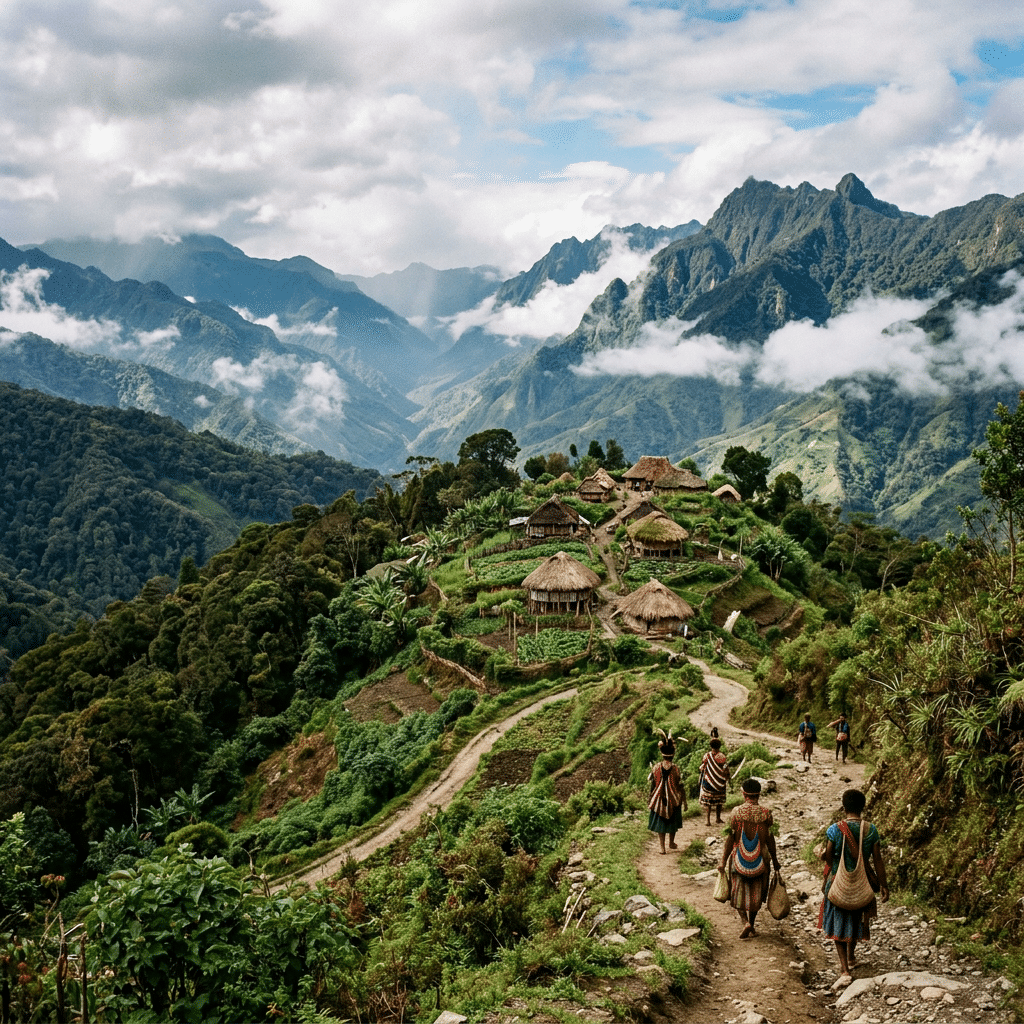
The Papua New Guinea Highlands are a rugged region of towering mountains, deep valleys, dense forests, and isolated communities. Why only the brave visit: Steep terrain, remote trails, limited infrastructure, tropical conditions, and challenging transportation can make wilderness travel demanding. Adventurers can trek through mountain valleys, explore traditional villages, cross remote passes, and experience landscapes far removed from large urban centers.
Where to Visit & Things to Do: Explore the Kokoda Track for a demanding multi-day trek, venture into the Baiyer Valley, and explore the mountainous regions surrounding Mount Hagen and Goroka. Other adventures include village visits, birdwatching, mountain trekking, river exploration, and multi-day wilderness journeys.
Where to Stay: Mount Hagen, Goroka, and Kainantu can serve as bases depending on the route. During longer treks, accommodations may include guesthouses, village homestays, trekking camps, basic lodges, or remote campsites.
Fiordland — New Zealand
Fiordland is a vast wilderness of rainforests, glacier-carved mountains, deep fiords, waterfalls, and remote alpine valleys on New Zealand’s South Island. Why only the brave visit: Heavy rainfall, rapidly changing weather, steep terrain, river crossings, and isolated backcountry tracks can make some adventures challenging. The region offers some of New Zealand’s most spectacular opportunities for hiking, kayaking, mountaineering, and wilderness exploration.
Where to Visit & Things to Do: Explore Milford Sound, Doubtful Sound, and Fiordland National Park, or tackle the Milford Track, Routeburn Track, and Kepler Track. Adventurous travelers can also kayak through fiords, take multi-day backcountry trips, climb alpine peaks, and explore remote valleys.
Where to Stay: Te Anau and Manapouri are the main bases for exploring Fiordland. During multi-day hikes, travelers can stay in Department of Conservation huts, backcountry campsites, lodges, or remote wilderness accommodations.
Tasmanian Wilderness — Australia

The Tasmanian Wilderness covers an enormous area of rugged mountains, temperate rainforest, wild rivers, lakes, and remote valleys. Why only the brave visit: Unpredictable weather, dense vegetation, muddy trails, river crossings, and isolated wilderness routes can turn relatively short journeys into demanding adventures. The region is ideal for travelers seeking multi-day hikes and deep wilderness experiences.
Where to Visit & Things to Do: Explore Cradle Mountain–Lake St Clair National Park, Southwest National Park, and Franklin-Gordon Wild Rivers National Park. Adventurers can tackle the Overland Track, paddle remote waterways, explore alpine terrain, photograph waterfalls, and undertake challenging backcountry hikes.
Where to Stay: Queenstown, Strahan, and Cradle Mountain provide access to different parts of the wilderness. On longer adventures, travelers can use wilderness huts, designated campsites, backcountry shelters, or tents.
Antarctic Peninsula — Antarctica

The Antarctic Peninsula is a frozen wilderness of towering mountains, massive glaciers, sea ice, and remote islands surrounded by the Southern Ocean. Why only the brave visit: Extreme cold, rapidly changing weather, rough seas, ice conditions, and complete isolation from conventional infrastructure make Antarctica an exceptionally demanding environment. Adventurers can explore icy coastlines, kayak among icebergs, observe penguins and seals, and experience one of the planet’s most remote landscapes.
Where to Visit & Things to Do: Explore Paradise Bay, Lemaire Channel, Neko Harbour, and the islands surrounding the Antarctic Peninsula. Activities can include expedition cruising, sea kayaking, Zodiac excursions, wildlife observation, photography, and carefully managed shore excursions.
Where to Stay: There are no conventional towns or tourist hotels on the Antarctic Peninsula. Visitors generally stay aboard expedition ships, with some specialized expeditions using temporary field camps or expedition tents.
Conclusion
Remote travel offers something that crowded destinations often cannot: a sense of isolation, discovery, and adventure. These destinations can require more preparation than a typical vacation, but their landscapes and unusual locations can make the journey itself part of the experience.
Before visiting a remote destination, research access requirements, weather conditions, transportation, permits, local regulations, communications, and emergency services. Some locations are appropriate only for experienced travelers or guided expeditions. With thoughtful preparation and respect for local communities and fragile environments, remote travel can become an unforgettable adventure.
FAQ
What is considered a remote travel destination?
A remote destination is generally a place that is difficult to reach or far from major population centers, transportation networks, and tourist infrastructure. Some are isolated because of geography, while others are remote because of challenging terrain or limited access.
Why do people travel to remote places?
Travelers may be attracted by solitude, dramatic scenery, wildlife, cultural experiences, photography, exploration, hiking, mountaineering, and the opportunity to experience places far from conventional tourist routes.
Are remote destinations safe to visit?
Safety varies considerably. Some remote destinations are accessible to ordinary travelers, while others involve serious environmental, transportation, or terrain-related hazards. Research current conditions and local guidance before traveling.
Do I need a guide for remote destinations?
Not always, but some destinations require or strongly recommend guides, permits, or organized expeditions. Requirements vary by country, protected area, activity, and season.
What should I pack for remote travel?
Depending on the destination, important equipment can include appropriate clothing, navigation equipment, food and water supplies, first-aid equipment, communication devices, power banks, medications, and emergency supplies.
How do you communicate in places without cell service?
Remote travelers may use satellite messengers, satellite phones, emergency beacons, radios, or other communication systems where cellular networks aren’t available.
What is the biggest challenge of visiting remote places?
Access is often the biggest challenge, but weather, limited transportation, lack of services, difficult terrain, communications, and changing conditions can also make remote travel considerably more complicated than ordinary tourism.
How should travelers prepare for a remote adventure?
Research the destination carefully, understand the access route and weather, check permits and regulations, arrange transportation, tell someone your itinerary, carry appropriate emergency equipment, and have a contingency plan before leaving.


Leave a Reply