The Canadian Rockies offer some of the most challenging and spectacular Class V whitewater kayaking experiences in North America. With glacier-fed rivers, deep mountain canyons, steep gradients, and remote wilderness settings, the region attracts expert paddlers seeking technical river runs and demanding expedition adventures.
From the powerful canyon rapids of the Kicking Horse River to the legendary wilderness of the Stikine River, Class V kayaking in the Canadian Rockies combines extreme whitewater with breathtaking alpine landscapes. These rivers require advanced skills, strong river judgment, and thorough preparation due to their remote locations and challenging conditions.
Best Class V Whitewater Kayaking in Alberta Rockies, Canada
The Alberta Rockies offer some of the most spectacular whitewater kayaking in Canada, with glacier-fed rivers, steep mountain valleys, and remote wilderness runs surrounded by the Canadian Rockies. The region’s rivers are shaped by snowmelt from high alpine peaks, creating powerful flows, technical rapids, and challenging Class IV–V sections. From remote creeks to large-volume canyon rivers, Alberta provides expert paddlers with a mix of adventure, solitude, and dramatic mountain scenery.
Ram River

The Ram River is one of Alberta’s most respected advanced whitewater destinations, known for its remote setting and technical mountain character. Flowing through the eastern slopes of the Rockies, it offers challenging Class IV–V sections with steep drops, boulder gardens, narrow channels, and powerful spring flows. The river’s wilderness location provides a true expedition feel, with limited access and few opportunities for assistance. Its combination of technical paddling and rugged scenery makes it a favorite among experienced Alberta creek boaters.
Quick Facts: Location: Ram River Valley, Alberta Rockies, Alberta, Canada | Difficulty: Class IV–V | River Type: Mountain Creek / Canyon River | Best Season: May–July (Snowmelt Season)
Where to Stay: Nordegg is the closest major base for exploring the Ram River area, offering hotels, cabins, campgrounds, and outdoor services. Many paddlers use wilderness camping near the river due to its remote location.
North Saskatchewan River (Upper Sections)
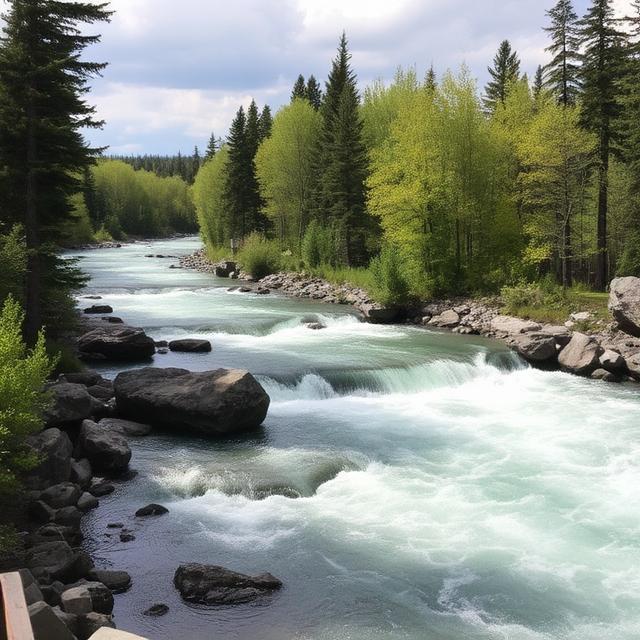
The Upper North Saskatchewan River is a powerful alpine river descending from the Columbia Icefield and Canadian Rockies. Advanced sections feature fast currents, large waves, technical rapids, and powerful river features during peak flows. The river combines high-volume paddling with spectacular mountain scenery, making it an excellent destination for experienced kayakers seeking challenging runs. Its remote wilderness setting adds an expedition-style atmosphere to the adventure.
Quick Facts: Location: Rocky Mountain House / Saskatchewan River Valley, Alberta Rockies, Alberta, Canada | Difficulty: Class IV–V | River Type: Glacier-Fed High-Volume River | Best Season: June–August
Where to Stay: Nordegg is a popular base for accessing upper sections, with cabins, lodges, campgrounds, and restaurants. Rocky Mountain House provides additional accommodation and services for longer river trips.
Kananaskis River (Advanced Sections)
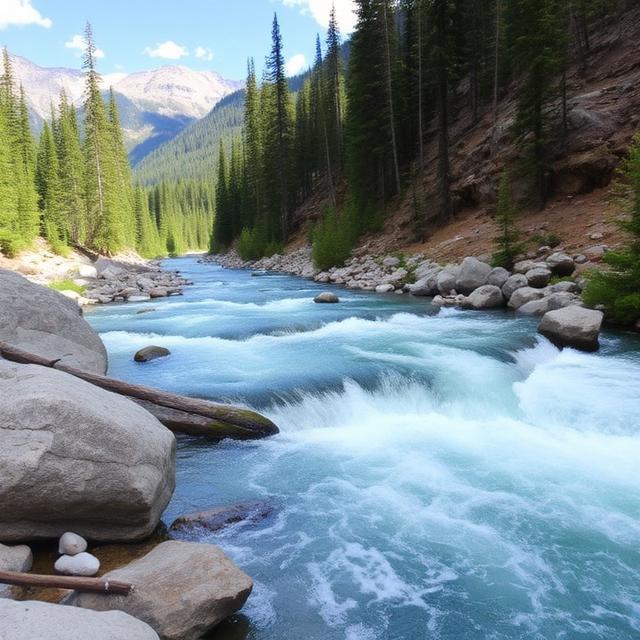
The Kananaskis River is one of Alberta’s most accessible whitewater rivers, offering both recreational and advanced kayaking opportunities. Expert sections provide Class IV–V challenges with technical rapids, strong currents, rocky features, and demanding lines during higher flows. Surrounded by the spectacular landscapes of Kananaskis Country, the river offers a combination of challenging paddling and easy access from Calgary. It is a popular training ground for experienced paddlers preparing for larger alpine rivers.
Quick Facts: Location: Kananaskis Country, Alberta Rockies, Alberta, Canada | Difficulty: Class IV–V | River Type: Mountain River / Alpine Creek | Best Season: May–September
Where to Stay: Canmore is the main base for kayaking the Kananaskis River, offering hotels, hostels, restaurants, and outdoor services. Kananaskis Village provides closer accommodation with mountain lodges and resort facilities.
Red Deer River (Upper Canyon Sections)
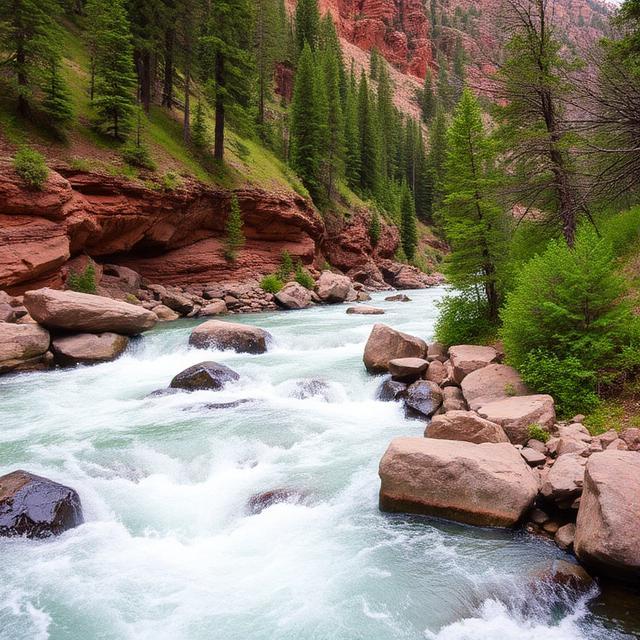
The upper Red Deer River flows through remote mountain landscapes and deep canyon terrain east of the Canadian Rockies. Advanced canyon sections feature technical Class IV–V whitewater with narrow passages, rocky rapids, strong currents, and challenging maneuvers. The river’s isolated setting provides a true wilderness kayaking experience away from more developed alpine destinations. Experienced paddlers are rewarded with dramatic scenery, wildlife, and demanding river conditions.
Quick Facts: Location: Upper Red Deer Valley, Alberta Rockies, Alberta, Canada | Difficulty: Class IV–V | River Type: Mountain Canyon River | Best Season: June–August
Where to Stay: Nordegg is the closest accommodation hub, offering cabins, lodges, campgrounds, and basic services for river expeditions. Remote sections often require wilderness camping and self-supported trip planning.
Best Class V Whitewater Kayaking in British Columbia Rockies & Adjacent Mountain Regions, Canada
British Columbia’s Rockies and surrounding mountain regions contain some of the most legendary whitewater kayaking rivers in North America. Fed by glaciers, snowfields, and high alpine watersheds, these rivers offer powerful flows, deep wilderness, and some of the most challenging Class IV–V expedition paddling on the continent. From technical alpine creeks to massive remote canyon expeditions, this region provides expert kayakers with unforgettable river adventures surrounded by dramatic mountain landscapes.
Kicking Horse River (Upper Canyon / Expert Sections)
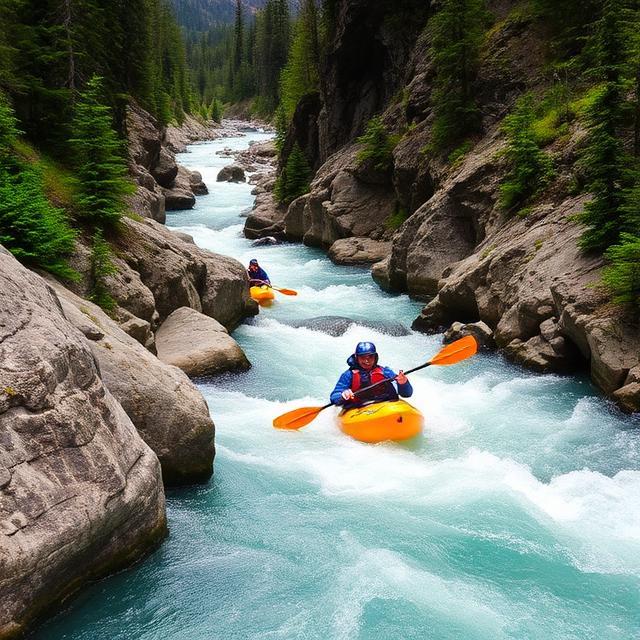
The Kicking Horse River is one of Canada’s most famous whitewater rivers and a premier destination for advanced kayakers. The upper canyon and expert sections feature powerful Class IV–V rapids, large hydraulics, steep canyon walls, and continuous technical whitewater. Glacier-fed flows create high-volume conditions that demand strong boat control, precise lines, and advanced river-reading skills. With its dramatic Rocky Mountain scenery and world-class rapids, the Kicking Horse is a must-paddle river for expert whitewater enthusiasts.
Quick Facts: Location: Golden Valley, British Columbia Rockies, British Columbia, Canada | Difficulty: Class IV–V | River Type: Glacier-Fed High-Volume Canyon River | Best Season: June–September (Snowmelt Season)
Where to Stay: Golden is the main base for kayaking the Kicking Horse River, offering hotels, lodges, campsites, restaurants, and outdoor services. The town provides easy access to multiple river sections and is one of Canada’s best whitewater hubs.
Yoho River
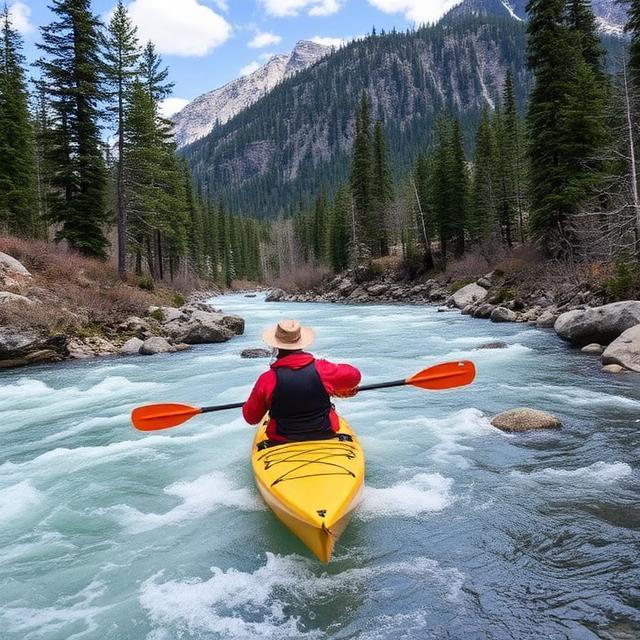
The Yoho River is a steep alpine river flowing through the spectacular landscapes of Yoho National Park. Advanced sections offer technical Class IV–V whitewater with narrow channels, rocky drops, powerful currents, and demanding creek-style features. Its remote mountain setting and glacier-fed flows create a true wilderness kayaking experience. The river requires expert paddling skills due to its steep gradient and limited recovery opportunities.
Quick Facts: Location: Yoho National Park, British Columbia Rockies, British Columbia, Canada | Difficulty: Class IV–V | River Type: Alpine Glacier-Fed Creek | Best Season: June–August
Where to Stay: Field is the closest base for exploring the Yoho River, offering mountain lodges, guesthouses, and small accommodations. Golden provides a wider range of hotels, restaurants, and services for paddlers exploring nearby rivers.
Illecillewaet River
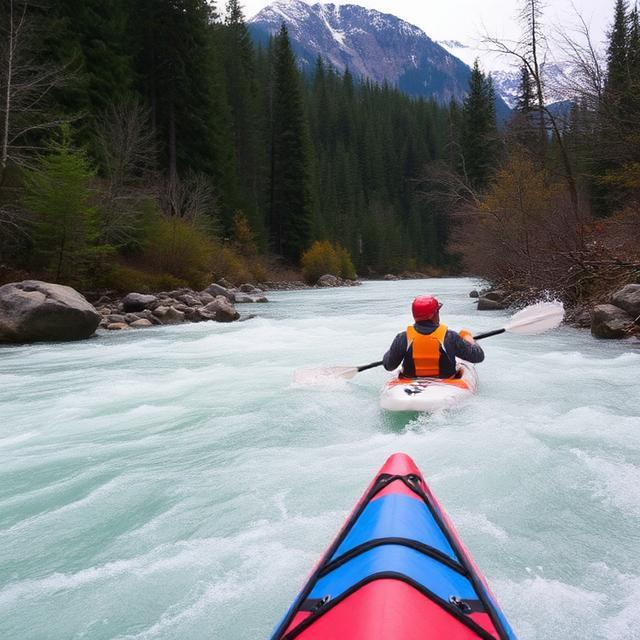
The Illecillewaet River is a challenging alpine river flowing through the rugged Selkirk Mountains near Rogers Pass. Its advanced sections feature Class IV–V whitewater with steep drops, technical rapids, fast currents, and complex river features. The river’s glacier-fed character creates cold, powerful flows that require experience with alpine conditions. Surrounded by dramatic peaks and wilderness, it offers a demanding and scenic paddling adventure.
Quick Facts: Location: Glacier National Park / Rogers Pass Region, British Columbia, Canada | Difficulty: Class IV–V | River Type: Glacier-Fed Mountain River | Best Season: June–August
Where to Stay: Revelstoke is the main base for accessing the Illecillewaet River, offering hotels, campsites, restaurants, and outdoor services. Golden is another option for paddlers combining multiple rivers in the Columbia Mountains region.
Duncan River (Upper Sections)
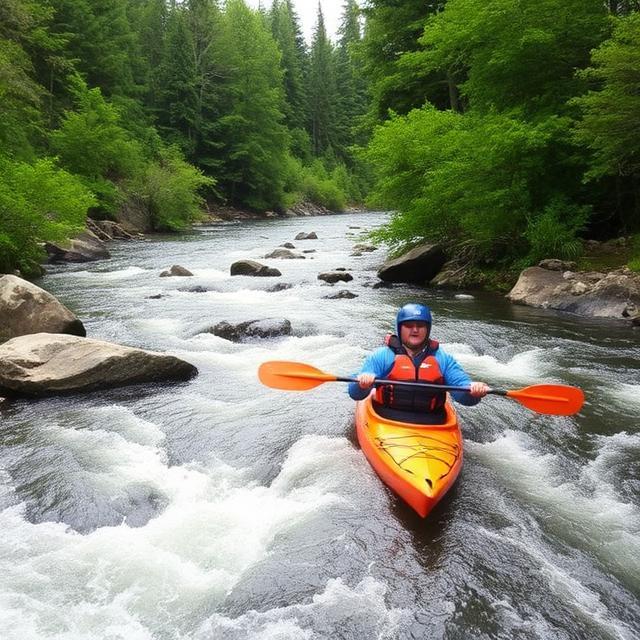
The upper Duncan River is a remote and powerful mountain river located in the Selkirk and Purcell mountain regions. Advanced sections provide challenging Class IV–V whitewater with technical rapids, strong flows, rocky channels, and wilderness expedition conditions. The river’s isolation makes it ideal for experienced paddlers seeking adventure away from developed areas. Its combination of demanding whitewater and untouched mountain scenery creates a true backcountry kayaking experience.
Quick Facts: Location: Duncan Valley, Purcell Mountains, British Columbia, Canada | Difficulty: Class IV–V | River Type: Remote Alpine River | Best Season: June–August
Where to Stay: Invermere and Cranbrook are practical bases for organizing trips into the Duncan River region, offering hotels, restaurants, and supplies. Remote sections often require expedition-style camping and self-supported logistics.
Stikine River (Grand Canyon Expedition Sections)
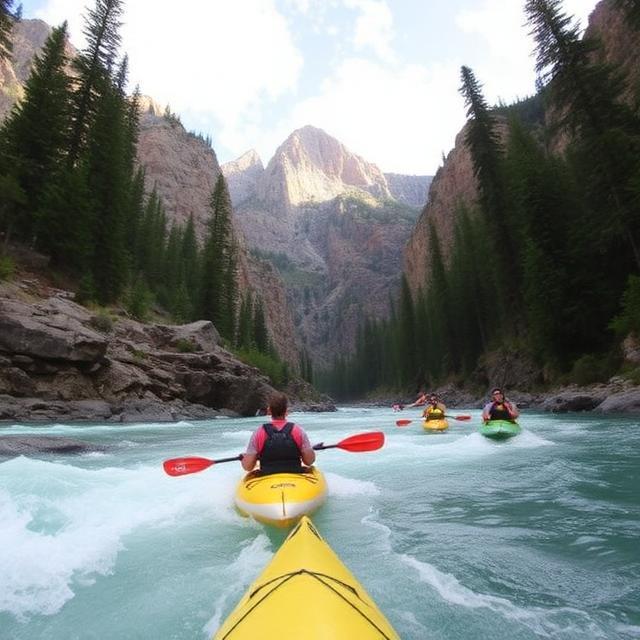
The Stikine River is one of the greatest expedition whitewater rivers in the world and a legendary destination for expert kayakers. The Grand Canyon section features massive Class V rapids, enormous volume, powerful hydraulics, and remote wilderness conditions far from roads and civilization. Successful descents require advanced expedition skills, detailed planning, and experience handling extreme river environments. Its scale, isolation, and difficulty place it among the ultimate whitewater challenges on Earth.
Quick Facts: Location: Northern British Columbia, Stikine River Wilderness, Canada | Difficulty: Class V–V+ | River Type: Large-Volume Wilderness Expedition River | Best Season: June–September
Where to Stay: Dease Lake is the primary staging point for Stikine River expeditions, providing basic accommodations, supplies, and access logistics. Most paddlers operate with expedition camps and helicopter-supported logistics due to the river’s extreme remoteness.
Conclusion
Class V whitewater kayaking in the Canadian Rockies provides some of the most rewarding adventures for experienced paddlers. The combination of rugged mountains, powerful rivers, and remote wilderness makes destinations such as Kicking Horse, Stikine, Yoho, Illecillewaet, and Ram River internationally recognized among advanced kayakers.
While these rivers offer unforgettable experiences, Class V kayaking demands expert-level skills, proper safety equipment, rescue knowledge, and awareness of changing river conditions. For those prepared for the challenge, the Canadian Rockies deliver world-class whitewater adventures.
Frequently Asked Questions (FAQs)
1. How many Class V whitewater kayaking rivers are in the Canadian Rockies?
The Canadian Rockies have approximately 5–10 major Class V river sections, depending on water levels, river grading, and seasonal conditions.
2. What are the best Class V kayaking rivers in the Canadian Rockies?
The most famous expert rivers include:
- Kicking Horse River
- Stikine River
- Yoho River
- Illecillewaet River
- Ram River
- North Saskatchewan River (upper sections)
3. Which is the most famous Class V kayaking river in Canada?
The Stikine River is considered one of the world’s legendary expedition kayaking rivers, known for remote wilderness, huge canyon walls, and challenging Class V whitewater.
4. Is Kicking Horse River suitable for Class V kayakers?
Yes, the advanced sections of the Kicking Horse River provide challenging Class V-style whitewater for experienced paddlers, especially in the upper canyon sections.
5. What skills are needed for Class V kayaking in the Canadian Rockies?
Paddlers should have:
- Extensive Class IV experience
- Advanced rescue skills
- Strong river-reading ability
- Experience with cold water and remote environments
- Ability to handle complex rapids
6. When is the best time for Class V kayaking in the Canadian Rockies?
The main season is typically late spring through summer (May–August) when snowmelt increases river flows. Conditions vary greatly depending on altitude, weather, and rainfall.
7. Are guided Class V kayaking trips available in the Canadian Rockies?
Some professional operators provide advanced instruction and guided expeditions, but many Class V runs require experienced teams due to their remote and technical nature.
8. What makes Canadian Rockies Class V kayaking unique?
The region is known for:
- Glacier-fed rivers
- Remote wilderness expeditions
- Big-volume rapids
- Mountain canyon scenery
- Technical alpine kayaking
9. Is Class V kayaking dangerous?
Class V kayaking involves significant hazards, including powerful currents, difficult rescues, cold water, and remote locations. It should only be attempted by highly experienced paddlers with proper equipment and planning.



Leave a Reply