Alaska offers some of the most remote, powerful, and technically demanding whitewater kayaking in North America. Its glacier-fed rivers, steep mountain streams, narrow canyons, and rugged wilderness create exceptional opportunities for experienced paddlers seeking Class V whitewater. River difficulty can change dramatically with glacial melt, rainfall, water levels, and the specific section being run, so a river’s rating should never be treated as a fixed measure of difficulty. Paddlers should have extensive Class IV–V experience, research current conditions, and carefully plan access, rescue, weather, and wilderness logistics before attempting challenging Alaskan rivers.
Southcentral Alaska Class V Whitewater Kayaking
━━━━━━━━━━━━━━━ 🛶 ━━━━━━━━━━━━━━━
Southcentral Alaska offers an extraordinary range of whitewater, from steep mountain creeks and glacier-fed rivers to powerful canyon runs surrounded by rugged wilderness. The Sixmile, Bird, Campbell, Caribou, Chakachamna, Chakina, Granite, Hicks, Kern, Kiagna, Kings, Little Susitna, Lowe, Mineral, Nellie Juan, Reeds, Savage, Susitna, Willow, and Wolverine waterways provide different combinations of technical rapids, swift current, rocky drops, and remote river environments. Difficulty varies significantly by section and water level, and not every river listed should be considered continuously Class V. Paddlers should verify current flows, access, weather, hazards, and specific rapid classifications before attempting any advanced or expert-level section.
━━━━━━━━━━━━━━━ 🛶 ━━━━━━━━━━━━━━━
🛶 Sixmile River
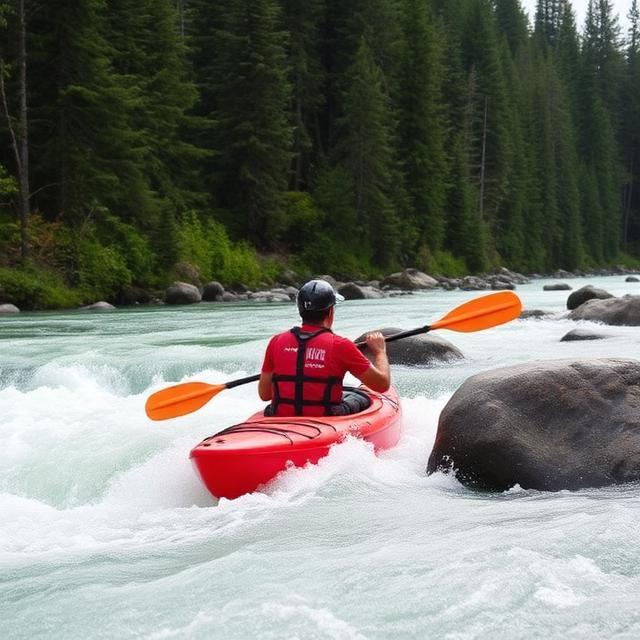
The Sixmile River is one of Southcentral Alaska’s best-known whitewater destinations, located near the Kenai Peninsula and accessible from the Seward Highway. Its steep canyon sections feature powerful rapids, technical drops, strong hydraulics, and narrow channels that can challenge experienced paddlers. Several sections are commonly associated with Class IV–V whitewater, although difficulty varies with water level and the specific run. The river’s accessibility and concentration of challenging rapids make it a popular choice for experienced kayakers seeking serious Alaskan whitewater.
Quick Facts: Location: Kenai Peninsula, Southcentral Alaska | Class Rapids: Class IV–V depending on section and flow | Difficulty: Advanced to Expert | River Type: Mountain river and canyon | Best Season: Summer and suitable higher-flow periods
Where to Stay: Cooper Landing, Moose Pass, and Seward provide lodging, restaurants, camping, fuel, and outdoor services for paddlers accessing the Sixmile area.
━━━━━━━━━━━━━━━ 🛶 ━━━━━━━━━━━━━━━
🛶 Bird Creek
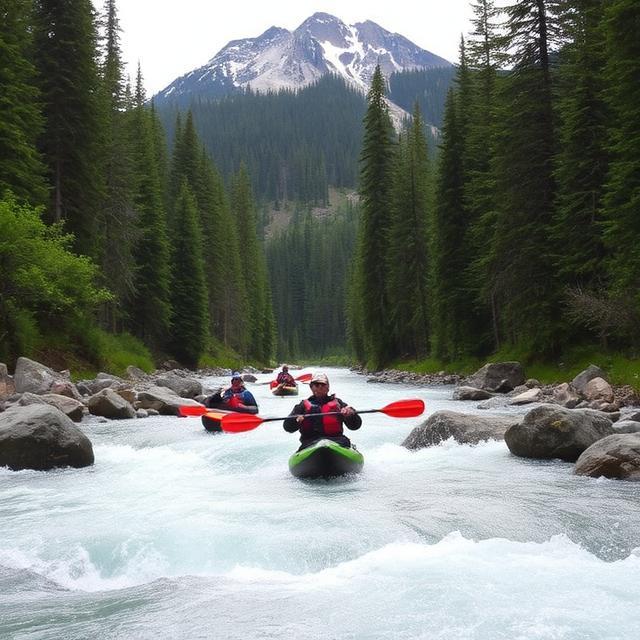
Bird Creek is a steep coastal stream located south of Anchorage and is known for technical whitewater when conditions are suitable. Its smaller channel can create fast current, rocky features, and tight maneuvering requirements, with difficulty increasing considerably at higher flows. Certain sections may provide Class IV–V-style challenges, making accurate flow assessment especially important. The creek’s proximity to Anchorage makes it more accessible than many remote Alaskan whitewater runs.
Quick Facts: Location: Chugach Mountains, Southcentral Alaska | Class Rapids: Class IV–V depending on section and flow | Difficulty: Advanced to Expert | River Type: Steep mountain creek | Best Season: Snowmelt and rainfall-dependent periods
Where to Stay: Anchorage provides the largest selection of hotels, restaurants, gear shops, fuel, and outdoor services, while nearby communities offer additional camping and lodging options.
━━━━━━━━━━━━━━━ 🛶 ━━━━━━━━━━━━━━━
🛶 Campbell Creek
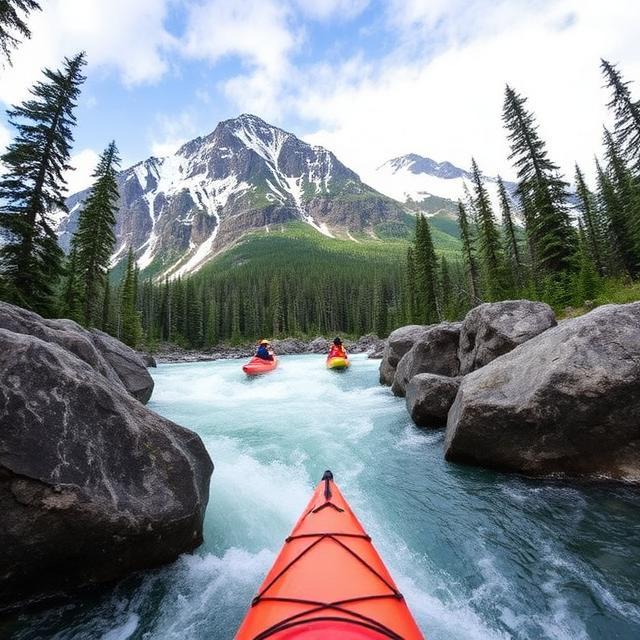
Campbell Creek flows through the Anchorage area and provides a more accessible introduction to local whitewater conditions than some of Alaska’s remote rivers. While much of the creek is not continuous Class V, selected technical sections and higher flows can create demanding features for experienced paddlers. Rocky channels, swift current, and changing water levels require careful attention to conditions. Its urban proximity makes logistics easier, but paddlers should still evaluate hazards and access carefully.
Quick Facts: Location: Anchorage, Southcentral Alaska | Class Rapids: Varies by section and flow | Difficulty: Intermediate to Advanced in challenging sections | River Type: Mountain creek | Best Season: Spring through summer runoff
Where to Stay: Anchorage offers extensive accommodation, food, transportation, paddling equipment, and outdoor services close to the creek.
━━━━━━━━━━━━━━━ 🛶 ━━━━━━━━━━━━━━━
🛶 Caribou Creek
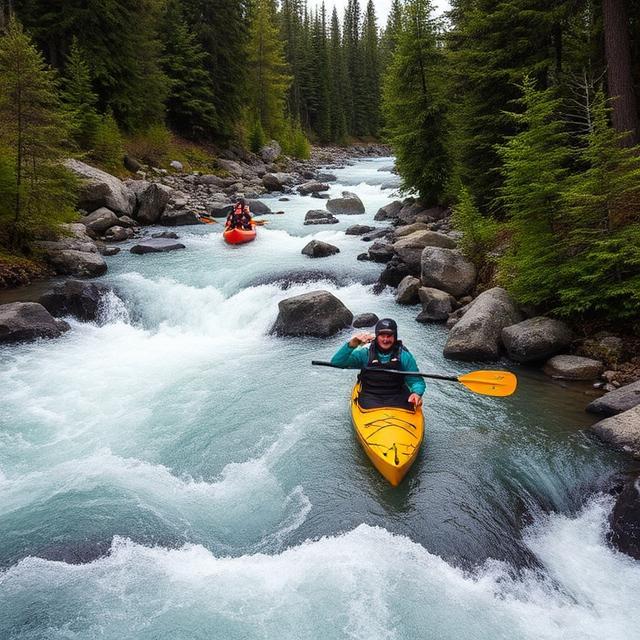
Caribou Creek is a rugged Southcentral Alaska stream with steep terrain and technical whitewater characteristics. Its more challenging reaches can feature Class IV–V-level rapids, including rocky drops, fast current, and complex lines that demand precise boat control. Water levels can significantly change the character of the creek, making local flow knowledge particularly valuable. The surrounding wilderness provides a remote Alaskan setting for experienced creek boaters.
Quick Facts: Location: Southcentral Alaska | Class Rapids: Class IV–V depending on section and flow | Difficulty: Advanced to Expert | River Type: Mountain creek | Best Season: Seasonal snowmelt and suitable rainfall periods
Where to Stay: Anchorage and nearby Southcentral Alaska communities can serve as practical bases for lodging, supplies, transportation, and shuttle planning.
━━━━━━━━━━━━━━━ 🛶 ━━━━━━━━━━━━━━━
🛶 Chakachamna River
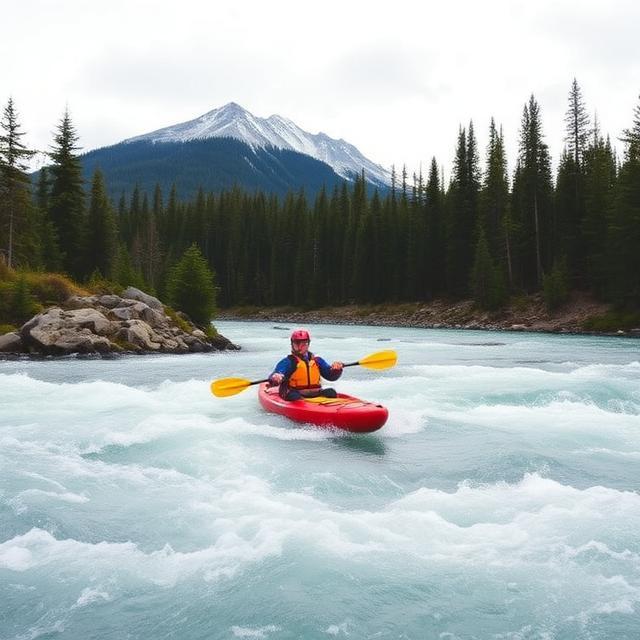
The Chakachamna River drains a remote glacier-fed region west of Cook Inlet and offers a challenging wilderness whitewater environment. Its glacial influence can produce powerful flows, cold water, and rapidly changing river conditions. Technical sections may include demanding rapids and powerful current that require strong boat control and careful scouting. The river’s remote access makes trip planning and emergency preparation particularly important.
Quick Facts: Location: Alaska Range, Southcentral Alaska | Class Rapids: Class IV–V depending on section and conditions | Difficulty: Advanced to Expert | River Type: Glacier-fed mountain river | Best Season: Summer glacial-flow season
Where to Stay: Anchorage is the most practical major base for organizing transportation, food, equipment, and expedition logistics, while remote camping may be required near the river.
━━━━━━━━━━━━━━━ 🛶 ━━━━━━━━━━━━━━━
🛶 Chakina River
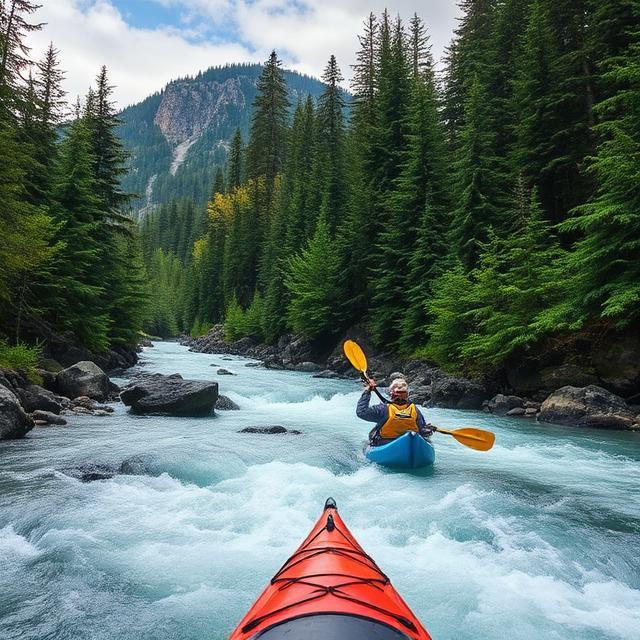
The Chakina River is a remote Alaskan waterway characterized by rugged terrain, cold water, and potentially technical whitewater. Its difficulty can vary significantly with glacier and snowmelt conditions, with faster current and more powerful features developing at higher levels. Experienced paddlers should expect a wilderness environment with limited road access and few opportunities for outside assistance. Careful route planning, scouting, and flow assessment are essential before attempting difficult sections.
Quick Facts: Location: Southcentral Alaska | Class Rapids: Class IV–V depending on section and flow | Difficulty: Advanced to Expert | River Type: Remote mountain and glacier-fed river | Best Season: Summer runoff
Where to Stay: Anchorage and other regional communities can serve as supply and transportation bases, while remote camping may be necessary for the river trip itself.
━━━━━━━━━━━━━━━ 🛶 ━━━━━━━━━━━━━━━
🛶 Granite Creek
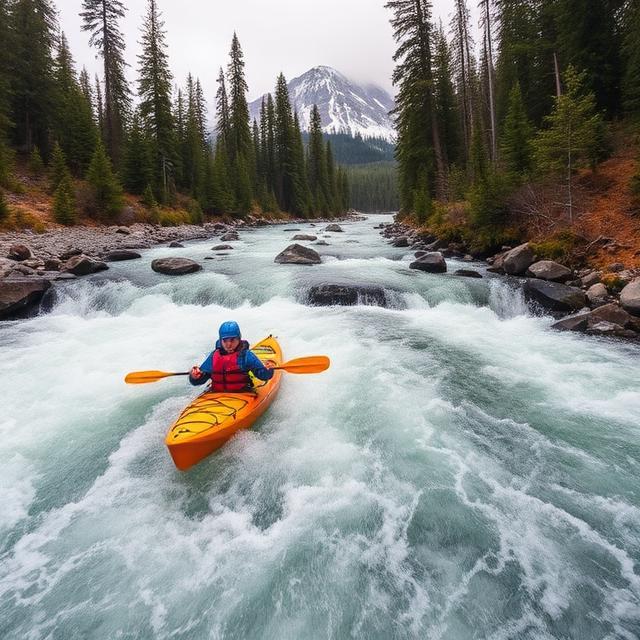
Granite Creek is a steep mountain stream offering technical creek-boating opportunities in Southcentral Alaska. Its narrow channel, rocky drops, and swift current can create challenging sequences, particularly when water levels rise. Certain sections may reach Class IV–V difficulty, requiring precise maneuvering and strong rescue skills. Paddlers should treat changing flows seriously because small creeks can become significantly more powerful in a short period.
Quick Facts: Location: Southcentral Alaska | Class Rapids: Class IV–V depending on section and flow | Difficulty: Advanced to Expert | River Type: Steep mountain creek | Best Season: Snowmelt and rainfall-dependent periods
Where to Stay: Anchorage can provide a practical base for equipment, food, fuel, lodging, and transportation, while smaller nearby communities may offer limited alternatives.
━━━━━━━━━━━━━━━ 🛶 ━━━━━━━━━━━━━━━
🛶 Hicks Creek
Hicks Creek is a smaller, technical stream where steep gradient and changing flow can produce demanding whitewater. Its more difficult features may include rocky drops, narrow channels, and fast-moving water requiring quick and accurate decisions. Because smaller Alaskan creeks can change rapidly after rainfall or snowmelt, flow assessment is particularly important. The creek is better suited to experienced paddlers familiar with technical creek boating.
Quick Facts: Location: Southcentral Alaska | Class Rapids: Class IV–V depending on conditions | Difficulty: Advanced to Expert | River Type: Technical mountain creek | Best Season: Seasonal runoff and suitable rainfall periods
Where to Stay: Anchorage is a practical larger base for lodging, equipment, food, fuel, and transportation when accessing remote Southcentral Alaska creeks.
━━━━━━━━━━━━━━━ 🛶 ━━━━━━━━━━━━━━━
🛶 Kern Creek
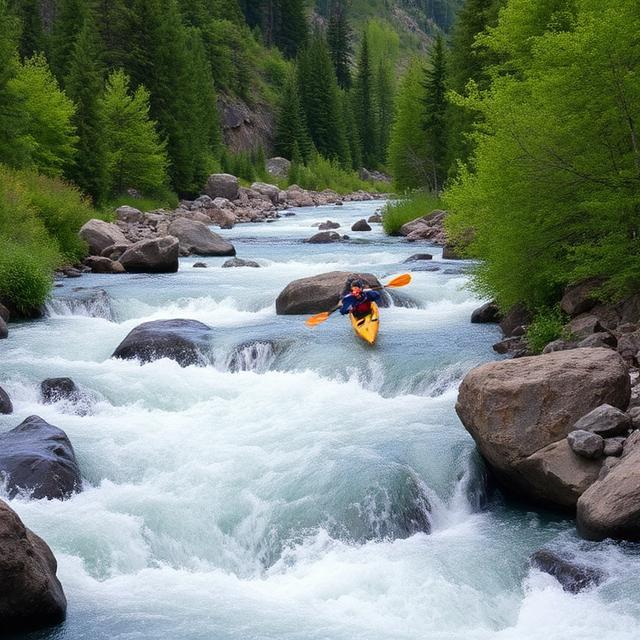
Kern Creek is a technical Southcentral Alaska creek with steep terrain, cold water, and narrow river features. Higher flows can create powerful hydraulics, rocky drops, and complex rapids that challenge advanced and expert paddlers. The creek’s character is strongly influenced by seasonal snowmelt and rainfall, so runnable conditions need to be evaluated carefully. Its remote mountain environment adds a wilderness component to the technical paddling experience.
Quick Facts: Location: Southcentral Alaska | Class Rapids: Class IV–V depending on section and flow | Difficulty: Advanced to Expert | River Type: Steep mountain creek | Best Season: Seasonal runoff
Where to Stay: Anchorage and nearby Southcentral Alaska communities can provide lodging, food, fuel, and transportation, with camping useful for remote trips.
━━━━━━━━━━━━━━━ 🛶 ━━━━━━━━━━━━━━━
🛶 Kiagna River
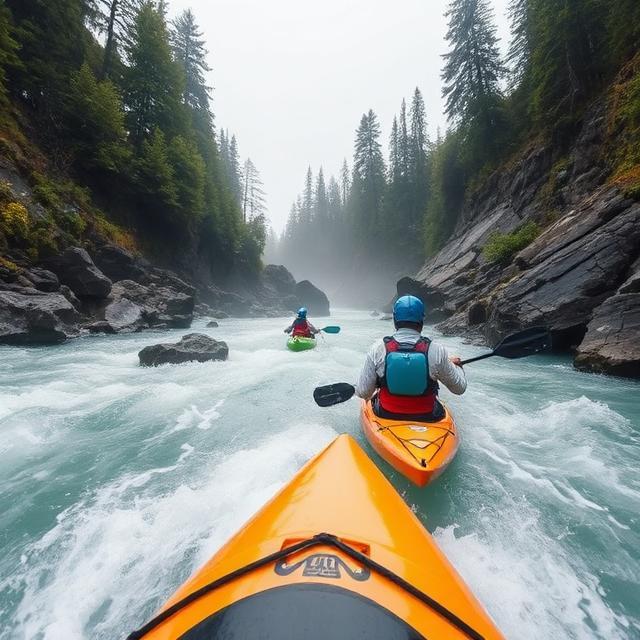
The Kiagna River is a remote wilderness river flowing through the rugged terrain of Southcentral Alaska. Its whitewater character can include swift current, rocky rapids, technical features, and powerful flows influenced by seasonal snow and glacier melt. More difficult sections may reach Class IV–V-level challenges, particularly when water levels rise. The river’s remoteness means paddlers must be prepared for limited access and a self-sufficient wilderness trip.
Quick Facts: Location: Southcentral Alaska | Class Rapids: Class IV–V depending on section and conditions | Difficulty: Advanced to Expert | River Type: Remote mountain river | Best Season: Summer runoff
Where to Stay: Anchorage is the most practical major staging point for transportation, supplies, equipment, and expedition planning, with remote camping likely required near the river.
━━━━━━━━━━━━━━━ 🛶 ━━━━━━━━━━━━━━━
🛶 Kings River
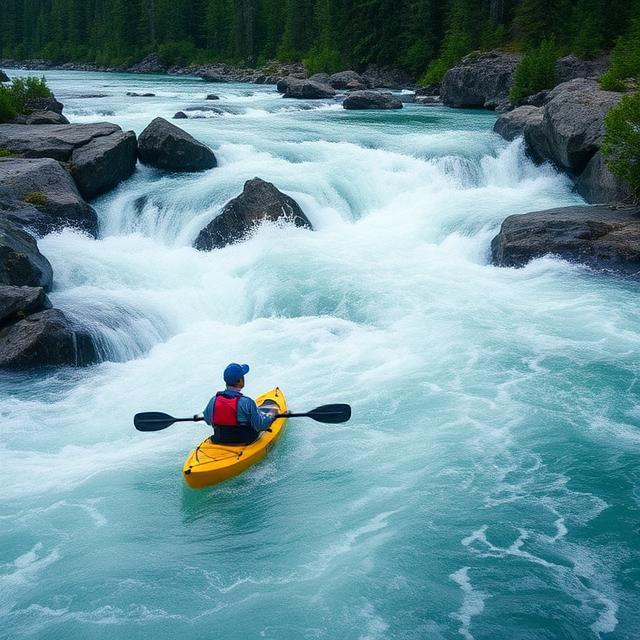
The Kings River is a scenic Southcentral Alaska river with mountain scenery, cold water, and technical whitewater in selected sections. Its challenging rapids can include rocky drops, strong current, and complex lines that become more demanding at higher flows. The river’s difficulty depends heavily on the specific reach and seasonal conditions. Experienced paddlers should scout unfamiliar sections and be prepared for wilderness-style access.
Quick Facts: Location: Southcentral Alaska | Class Rapids: Class III–V depending on section and flow | Difficulty: Intermediate to Expert | River Type: Mountain river and canyon | Best Season: Spring and summer runoff
Where to Stay: Palmer, Wasilla, and Anchorage provide convenient lodging, restaurants, fuel, camping, and outdoor services for paddlers exploring the region.
━━━━━━━━━━━━━━━ 🛶 ━━━━━━━━━━━━━━━
🛶 Little Susitna River
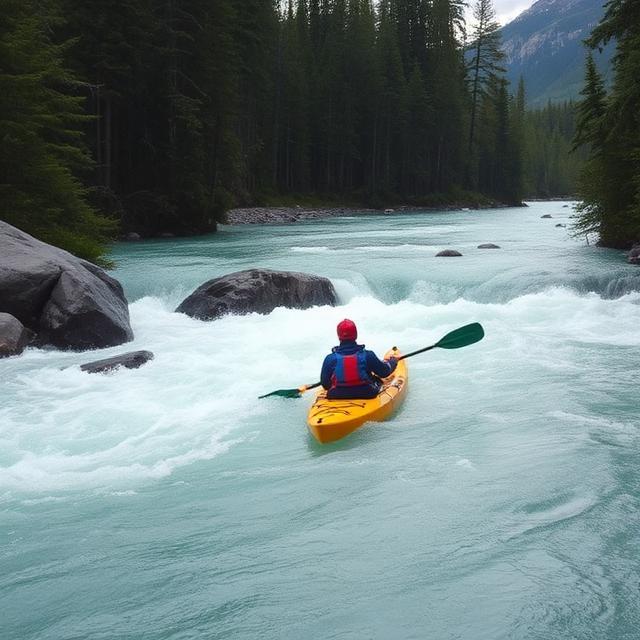
The Little Susitna River is a popular Southcentral Alaska river that combines scenic forest, mountain terrain, and seasonal whitewater. Its difficulty varies substantially along the river, with some sections offering moderate paddling and others developing stronger technical features at appropriate flows. Experienced paddlers may encounter challenging rapids, rocky channels, and fast current during higher-water periods. Its relative proximity to Anchorage and the Mat-Su Valley makes it more accessible than many remote Alaskan rivers.
Quick Facts: Location: Mat-Su Valley, Southcentral Alaska | Class Rapids: Varies by section and flow | Difficulty: Intermediate to Advanced | River Type: Mountain river | Best Season: Spring through summer runoff
Where to Stay: Palmer, Wasilla, and Anchorage offer extensive lodging, food, fuel, camping, and outdoor services.
━━━━━━━━━━━━━━━ 🛶 ━━━━━━━━━━━━━━━
🛶 Lowe River
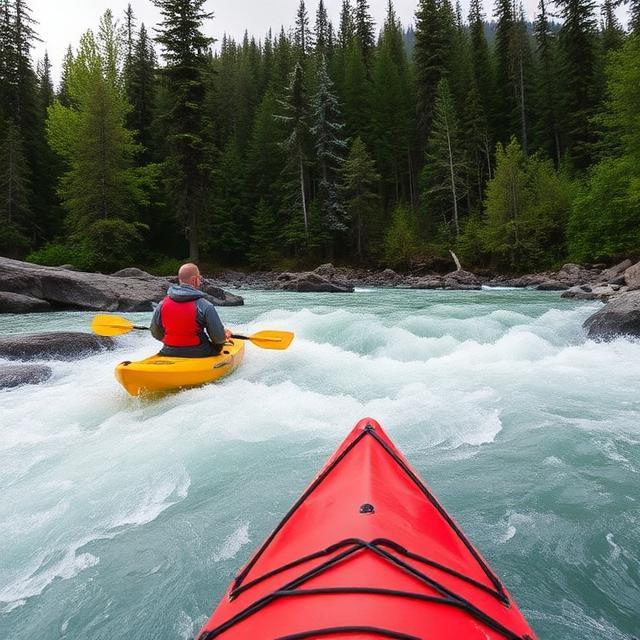
The Lowe River flows through the dramatic mountains surrounding Valdez and is influenced by snow and glacial runoff. Its steep terrain and powerful water can create demanding whitewater, with technical sections and strong current requiring advanced river-reading skills. The river is particularly sensitive to seasonal conditions, and flows can change as temperatures and glacial melt increase. Its spectacular mountain scenery makes it a notable destination for experienced paddlers visiting the Valdez area.
Quick Facts: Location: Valdez, Southcentral Alaska | Class Rapids: Class IV–V depending on section and flow | Difficulty: Advanced to Expert | River Type: Glacier- and snow-fed mountain river | Best Season: Summer runoff
Where to Stay: Valdez offers hotels, campgrounds, restaurants, fuel, outdoor shops, and other services, making it one of the more convenient bases on this list.
━━━━━━━━━━━━━━━ 🛶 ━━━━━━━━━━━━━━━
🛶 Mineral Creek

Mineral Creek is a steep mountain stream near Valdez with challenging terrain and fast seasonal flows. Its technical character can include narrow channels, rocky drops, and powerful current, with difficulty increasing significantly at higher levels. The creek is best suited to experienced paddlers familiar with steep Alaska creek boating and changing runoff conditions. The surrounding Chugach Mountains provide an impressive wilderness backdrop.
Quick Facts: Location: Valdez, Southcentral Alaska | Class Rapids: Class IV–V depending on section and flow | Difficulty: Advanced to Expert | River Type: Steep mountain creek | Best Season: Summer snowmelt
Where to Stay: Valdez provides convenient lodging, camping, food, fuel, and outdoor services for paddlers exploring nearby creeks.
━━━━━━━━━━━━━━━ 🛶 ━━━━━━━━━━━━━━━
🛶 Nellie Juan River
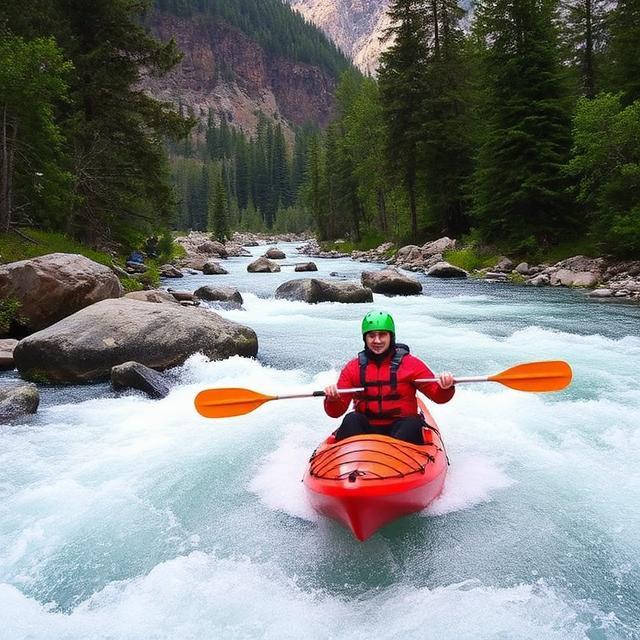
The Nellie Juan River is a remote wilderness river on the Kenai Peninsula, surrounded by rugged mountains and coastal wilderness. Its isolation and cold water are major considerations in addition to the river’s technical whitewater. Depending on the specific section and conditions, paddlers may encounter challenging rapids, swift current, and technical river features. Access logistics can be complicated, making this a destination for experienced expedition-style paddlers rather than casual day trips.
Quick Facts: Location: Kenai Peninsula, Southcentral Alaska | Class Rapids: Varies by section and flow, with challenging features | Difficulty: Advanced in difficult sections | River Type: Remote coastal mountain river | Best Season: Summer
Where to Stay: Seward and other Kenai Peninsula communities can serve as staging areas for transportation, food, lodging, and supplies, while remote camping may be required for the river trip.
━━━━━━━━━━━━━━━ 🛶 ━━━━━━━━━━━━━━━
🛶 Reeds Creek
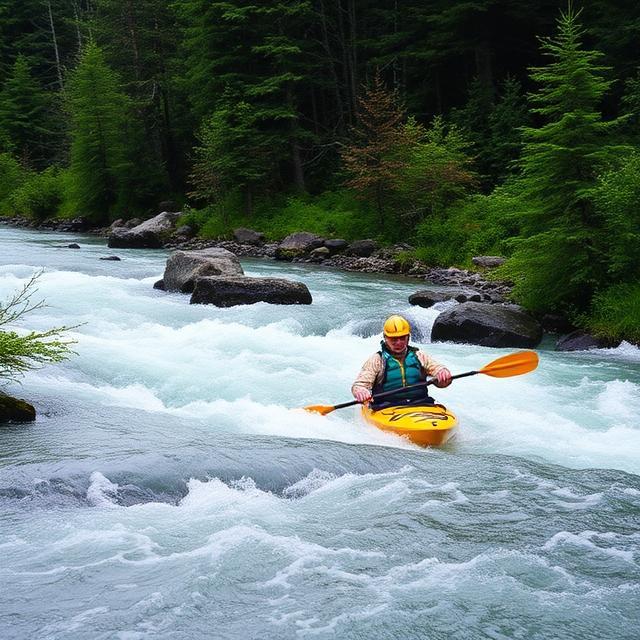
Reeds Creek is a remote Southcentral Alaska stream with steep terrain and technical creek characteristics. Its smaller channel can produce fast current, rocky drops, and tight maneuvering, especially during favorable runoff conditions. Certain sections may reach advanced or expert difficulty, requiring careful scouting and strong boat control. Paddlers should be prepared for limited access and changing water levels.
Quick Facts: Location: Southcentral Alaska | Class Rapids: Class IV–V depending on section and conditions | Difficulty: Advanced to Expert | River Type: Mountain creek | Best Season: Seasonal snowmelt and rainfall
Where to Stay: Anchorage or nearby regional communities can provide lodging, food, fuel, equipment, and transportation, while remote camping may be necessary depending on the selected run.
━━━━━━━━━━━━━━━ 🛶 ━━━━━━━━━━━━━━━
🛶 Savage River
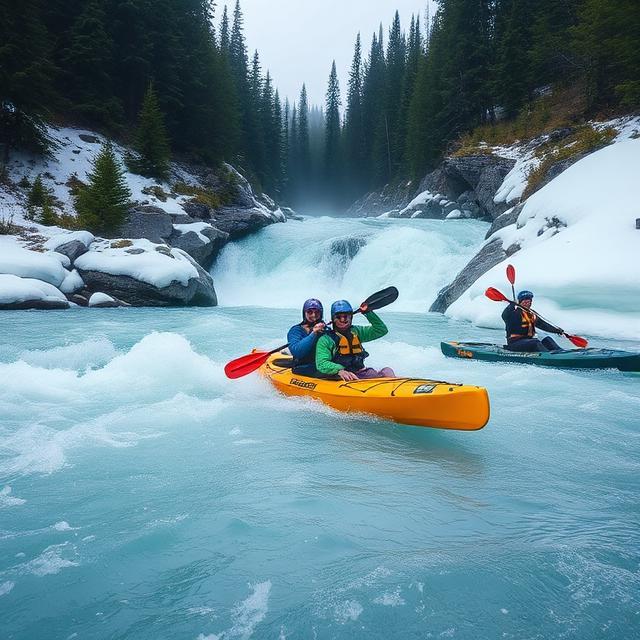
The Savage River flows through Denali National Park and Preserve, providing a scenic wilderness setting with cold mountain water and technical river features. Its whitewater character varies by section and flow, with rocky channels and swift current creating challenges for experienced paddlers. The surrounding Denali landscape is a major attraction, but weather, water temperature, and remoteness require careful preparation. Paddlers should also verify current park regulations, access conditions, and permitted activities before planning a run.
Quick Facts: Location: Denali National Park and Preserve, Southcentral Alaska | Class Rapids: Varies by section and conditions | Difficulty: Advanced in challenging sections | River Type: Mountain river and canyon | Best Season: Summer
Where to Stay: Denali Park and nearby communities provide camping and lodging options, although availability and access can be seasonal.
━━━━━━━━━━━━━━━ 🛶 ━━━━━━━━━━━━━━━
🛶 Susitna River — Devil’s Canyon
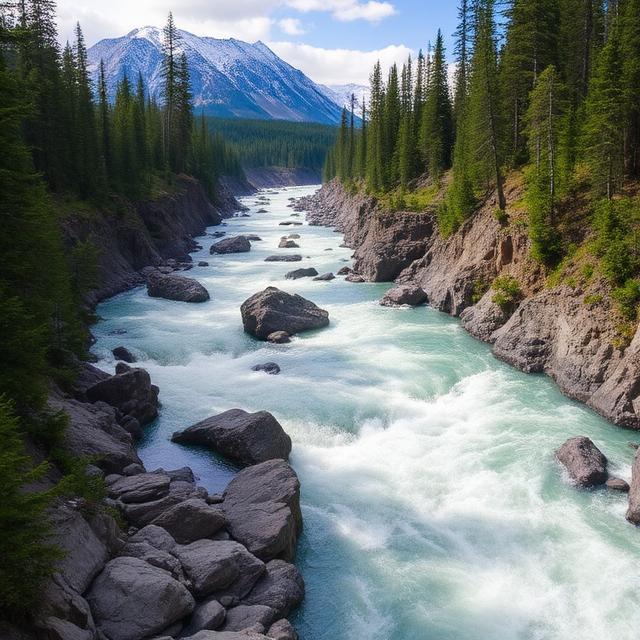
Devil’s Canyon on the Susitna River is one of Alaska’s most formidable whitewater environments, known for enormous flows, powerful hydraulics, and imposing canyon walls. The section contains extremely serious rapids and features that have historically attracted elite expedition paddlers rather than ordinary river runners. Large-volume water, complex hydraulics, cold conditions, and remote access make this a highly consequential whitewater undertaking. Only highly experienced expedition teams with extensive Class V and big-water experience should consider such a run, with detailed logistics and current conditions evaluated beforehand.
Quick Facts: Location: Southcentral Alaska | Class Rapids: Extreme Class V-level whitewater | Difficulty: Expert / Expedition | River Type: Large-volume river and massive canyon | Best Season: Summer, subject to flow and expedition conditions
Where to Stay: Talkeetna is a practical staging community for many Susitna River expeditions, while the canyon itself requires remote expedition-style camping and transportation.
━━━━━━━━━━━━━━━ 🛶 ━━━━━━━━━━━━━━━
🛶 Willow Creek
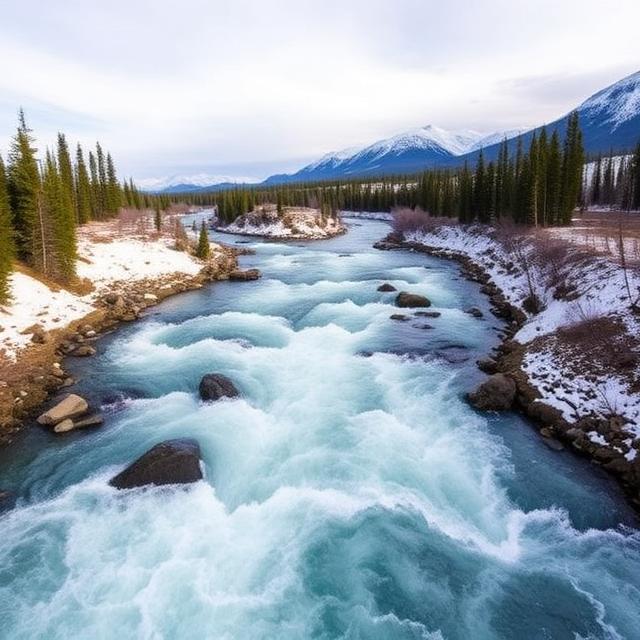
Willow Creek is a Southcentral Alaska stream offering seasonal whitewater in a scenic mountain environment. Its difficulty varies with flow, and higher water can create faster current, stronger hydraulics, and more technical river features. While not every section is Class V, experienced paddlers can encounter challenging conditions that require careful boat control and scouting. Seasonal runoff and rainfall can have a major impact on whether particular sections are suitable for paddling.
Quick Facts: Location: Mat-Su Valley, Southcentral Alaska | Class Rapids: Varies by section and flow | Difficulty: Intermediate to Advanced in challenging sections | River Type: Mountain creek | Best Season: Spring through summer runoff
Where to Stay: Wasilla, Palmer, and Anchorage offer lodging, restaurants, fuel, camping, and outdoor services for paddlers exploring Willow Creek and the surrounding Mat-Su Valley.
━━━━━━━━━━━━━━━ 🛶 ━━━━━━━━━━━━━━━
🛶 Wolverine Creek
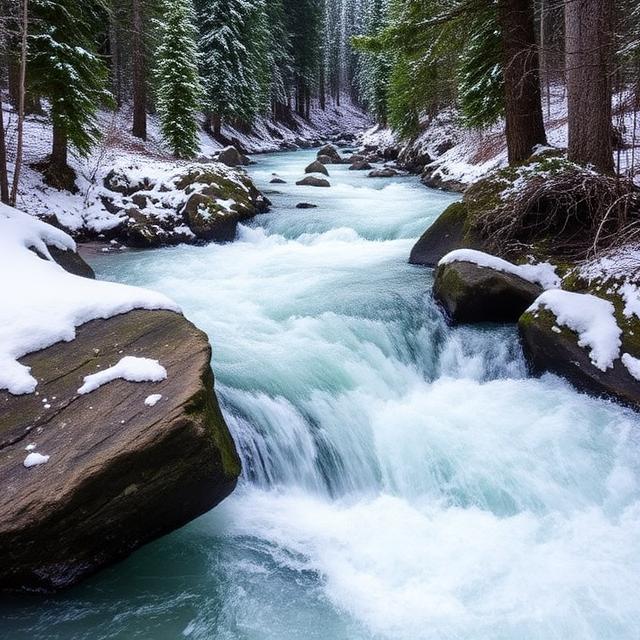
Wolverine Creek is a remote Southcentral Alaska stream surrounded by rugged mountain terrain and seasonal runoff. Its technical sections can feature narrow channels, rocky drops, swift current, and challenging river features that require advanced creek-boating skills. As with many smaller Alaskan waterways, the difficulty can change quickly as snowmelt and rainfall alter the flow. Paddlers should evaluate current conditions carefully and be prepared for limited access and emergency support.
Quick Facts: Location: Southcentral Alaska | Class Rapids: Class IV–V depending on section and flow | Difficulty: Advanced to Expert | River Type: Mountain creek | Best Season: Seasonal runoff and suitable rainfall periods
Where to Stay: Anchorage and nearby Southcentral Alaska communities can serve as bases for lodging, supplies, transportation, and equipment before heading to more remote sections.
Interior Alaska Class V Whitewater Kayaking
━━━━━━━━━━━━━━━ 🛶 ━━━━━━━━━━━━━━━
Interior Alaska offers a remote and rugged whitewater environment characterized by mountain rivers, cold water, expansive wilderness, and rapidly changing seasonal flows. The Sanctuary River, Teklanika River, and Tiekel River provide different paddling experiences, from technical mountain sections to challenging glacier- and snowmelt-fed waterways. Difficulty can vary significantly by section, water level, and seasonal conditions, and not every stretch should be considered continuous Class V. Paddlers should have advanced whitewater experience, research current conditions, and carefully consider access, weather, water temperature, rescue options, and wilderness logistics before attempting difficult sections.
━━━━━━━━━━━━━━━ 🛶 ━━━━━━━━━━━━━━━
🛶 Sanctuary River
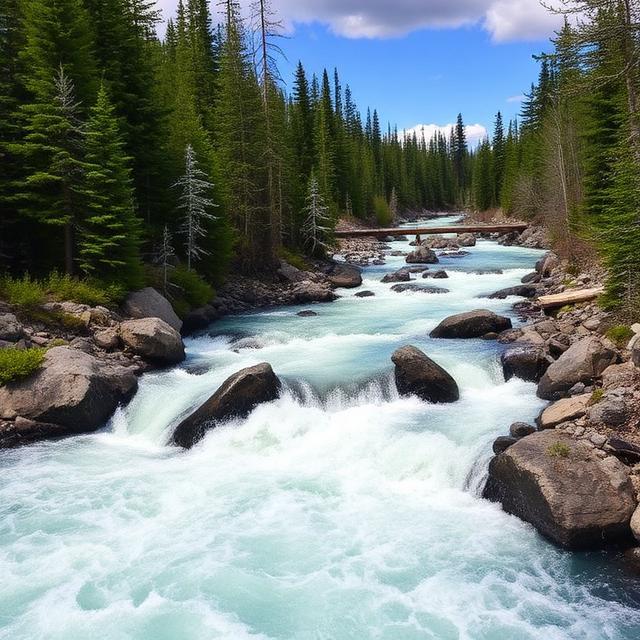
The Sanctuary River flows through the rugged wilderness of Interior Alaska and offers a remote setting for experienced whitewater paddlers. Its character can include swift current, rocky channels, technical features, and changing flows influenced by seasonal snowmelt. More demanding sections may provide advanced whitewater challenges, although difficulty varies considerably with river level and the specific reach. The river’s remote environment means paddlers should be prepared for limited road access and minimal opportunities for outside assistance.
Quick Facts: Location: Interior Alaska | Class Rapids: Varies by section and flow, with challenging features | Difficulty: Intermediate to Advanced | River Type: Mountain and wilderness river | Best Season: Summer runoff
Where to Stay: Denali Park and Healy provide the most convenient lodging, restaurants, fuel, camping, and outdoor services for paddlers exploring the Interior Alaska region.
━━━━━━━━━━━━━━━ 🛶 ━━━━━━━━━━━━━━━
🛶 Teklanika River
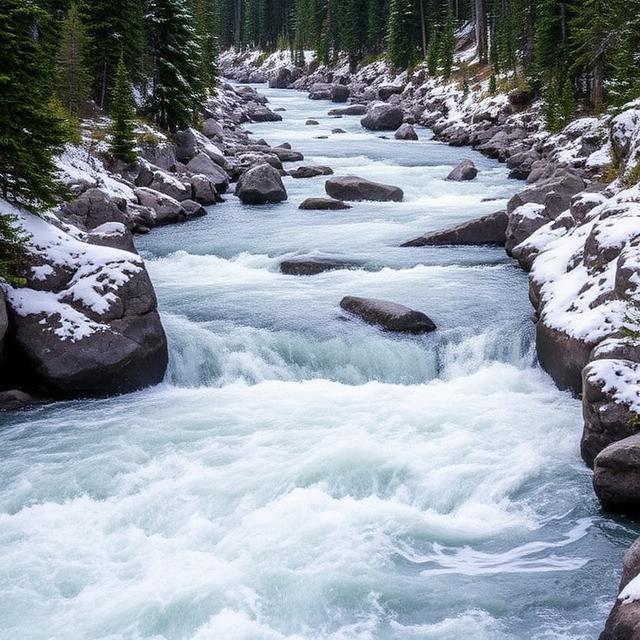
The Teklanika River is a rugged Interior Alaska river flowing through the Denali region, with cold water, remote terrain, and strong seasonal flows. Its whitewater character varies substantially depending on water level, with faster current, rocky features, and technical sections developing under suitable conditions. Paddlers should be particularly aware of cold water and changing weather when planning a trip on this remote river. The surrounding wilderness makes the Teklanika an appealing destination for experienced kayakers seeking a more isolated Alaskan paddling experience.
Quick Facts: Location: Denali region, Interior Alaska | Class Rapids: Varies by section and flow | Difficulty: Intermediate to Advanced in challenging sections | River Type: Mountain and glacier-influenced river | Best Season: Summer
Where to Stay: Healy, Denali Park, and Fairbanks offer lodging, restaurants, fuel, camping, and other services, depending on the river access point.
━━━━━━━━━━━━━━━ 🛶 ━━━━━━━━━━━━━━━
🛶 Tiekel River
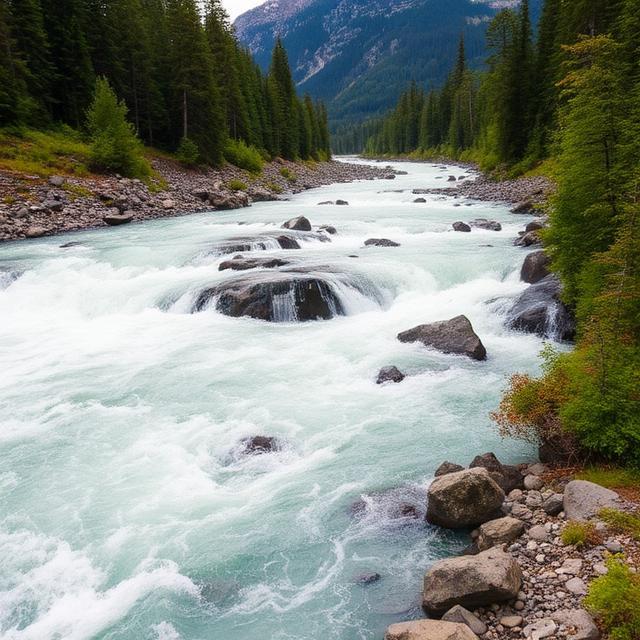
The Tiekel River is a remote mountain river associated with the rugged terrain of Alaska’s interior and eastern Southcentral region. Seasonal snowmelt and glacial influence can produce cold, fast-moving water and changing river conditions, while technical sections may include rocky rapids and demanding lines. Its remote character makes transportation, weather, communications, and emergency planning important parts of any paddling trip. Experienced kayakers should carefully evaluate the specific section and current flow before attempting challenging whitewater.
Quick Facts: Location: Interior / Eastern Alaska region | Class Rapids: Class III–IV with harder features possible depending on section and flow | Difficulty: Intermediate to Advanced | River Type: Mountain and glacier-influenced river | Best Season: Summer runoff
Where to Stay: Glennallen and Valdez can provide lodging, restaurants, fuel, camping, and outdoor supplies for trips in the surrounding region. Remote sections may require expedition-style camping and advance transportation planning.
Copper River Basin / Wrangell Mountains Class V Whitewater Kayaking
━━━━━━━━━━━━━━━ 🛶 ━━━━━━━━━━━━━━━
The Copper River Basin and Wrangell Mountains offer some of Alaska’s most rugged whitewater terrain, with glacier-fed rivers, steep mountain valleys, cold water, and remote wilderness surroundings. The Chetaslina, Kotsina, Nadina, Tonsina, and Tsaina rivers are influenced by snowmelt and glacial runoff, creating powerful and rapidly changing conditions during the paddling season. Difficulty varies by river section and flow, with some reaches offering advanced or expert-level whitewater rather than continuous Class V rapids. Paddlers should have strong cold-water and expedition skills and carefully research flows, access, weather, river hazards, and transportation before attempting challenging sections.
━━━━━━━━━━━━━━━ 🛶 ━━━━━━━━━━━━━━━
🛶 Chetaslina River
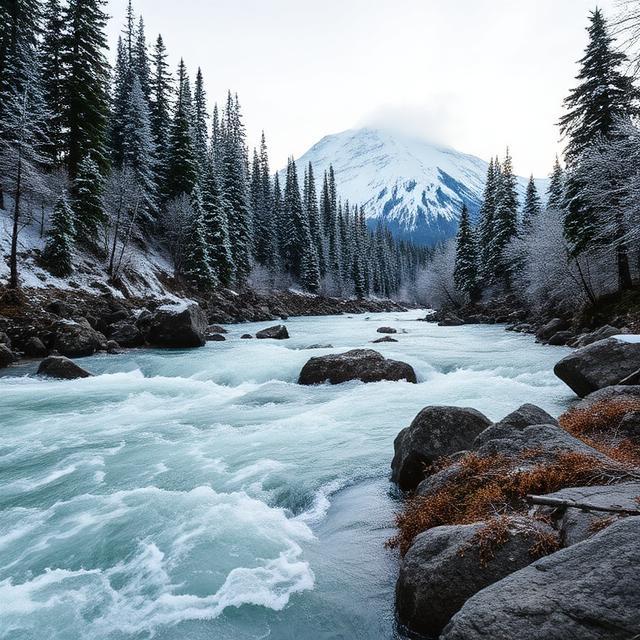
The Chetaslina River flows through the rugged Copper River Basin near the Wrangell Mountains, offering a remote glacier- and snowmelt-fed whitewater environment. Its seasonal flows can create powerful current, rocky rapids, technical features, and challenging river passages for experienced paddlers. The river’s remote character means that access, weather, and emergency planning are just as important as technical kayaking ability. Paddlers should carefully evaluate water levels because glacial and snowmelt conditions can significantly change the river’s difficulty.
Quick Facts: Location: Copper River Basin, Alaska | Class Rapids: Class III–V depending on section and flow | Difficulty: Advanced to Expert | River Type: Glacier- and snowmelt-fed mountain river | Best Season: Summer runoff
Where to Stay: Glennallen and Chitina are practical bases for lodging, food, fuel, camping, and transportation before heading into more remote river sections.
━━━━━━━━━━━━━━━ 🛶 ━━━━━━━━━━━━━━━
🛶 Kotsina River
The Kotsina River is a rugged tributary in the Copper River region, surrounded by dramatic mountain and wilderness scenery. Its cold, fast-moving water can produce technical rapids, rocky channels, and powerful features during seasonal runoff. Certain sections may reach advanced or expert difficulty depending on water levels and river conditions. Because access can be remote, paddlers should plan transportation, communications, supplies, and emergency contingencies well before launching.
Quick Facts: Location: Copper River Basin, Alaska | Class Rapids: Class IV–V depending on section and flow | Difficulty: Advanced to Expert | River Type: Glacier-fed mountain river | Best Season: Summer glacial runoff
Where to Stay: Glennallen and Chitina offer the most useful combination of lodging, fuel, food, camping, and other supplies for paddlers exploring the Kotsina region.
━━━━━━━━━━━━━━━ 🛶 ━━━━━━━━━━━━━━━
🛶 Nadina River
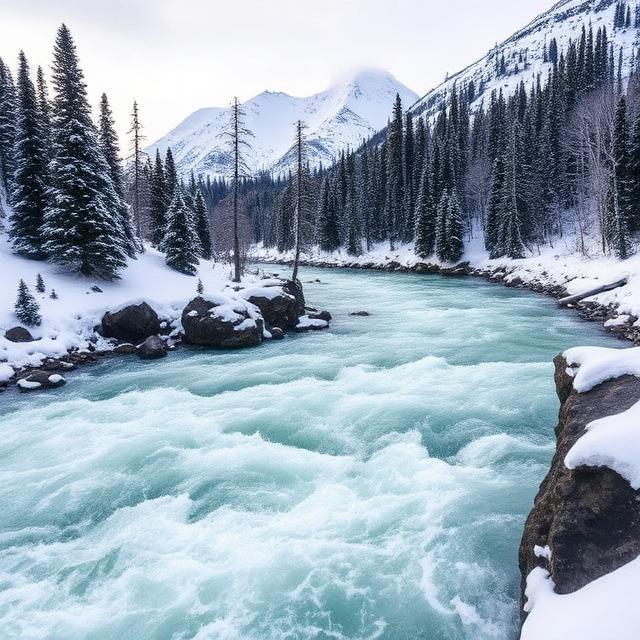
The Nadina River is a remote Alaska waterway influenced by seasonal snowmelt and mountain runoff. Its whitewater can include swift current, rocky rapids, technical lines, and changing river features as flows increase. The river is best suited to experienced paddlers who are comfortable with cold-water conditions and wilderness-style river travel. Careful flow assessment is essential because the character and difficulty of smaller glacier-influenced rivers can change substantially throughout the season.
Quick Facts: Location: Copper River Basin / Wrangell Mountains region | Class Rapids: Class III–IV with harder features possible | Difficulty: Intermediate to Advanced | River Type: Mountain and glacier-influenced river | Best Season: Summer runoff
Where to Stay: Glennallen is a convenient staging point for lodging, restaurants, fuel, camping, and supplies, while remote sections may require overnight wilderness camping.
━━━━━━━━━━━━━━━ 🛶 ━━━━━━━━━━━━━━━
🛶 Tonsina River
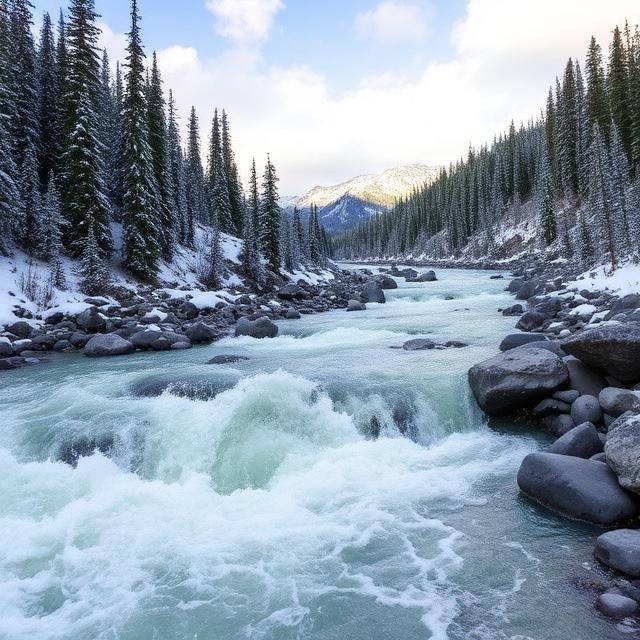
The Tonsina River is a significant Copper River Basin waterway flowing through rugged mountain terrain and glacial landscapes. Its seasonal flows can create powerful current, technical rapids, rocky features, and demanding sections for experienced kayakers. The river’s difficulty varies considerably according to the specific reach and water level, so paddlers should not assume that every section carries the same rating. Its combination of cold water, remote terrain, and changing flows makes preparation particularly important.
Quick Facts: Location: Copper River Basin, Alaska | Class Rapids: Class III–IV with harder features possible depending on section and flow | Difficulty: Intermediate to Advanced | River Type: Glacier- and snowmelt-fed mountain river | Best Season: Summer runoff
Where to Stay: Glennallen and Copper Center provide convenient access to lodging, restaurants, fuel, camping, and outdoor supplies for trips in the Tonsina area.
━━━━━━━━━━━━━━━ 🛶 ━━━━━━━━━━━━━━━
🛶 Tsaina River
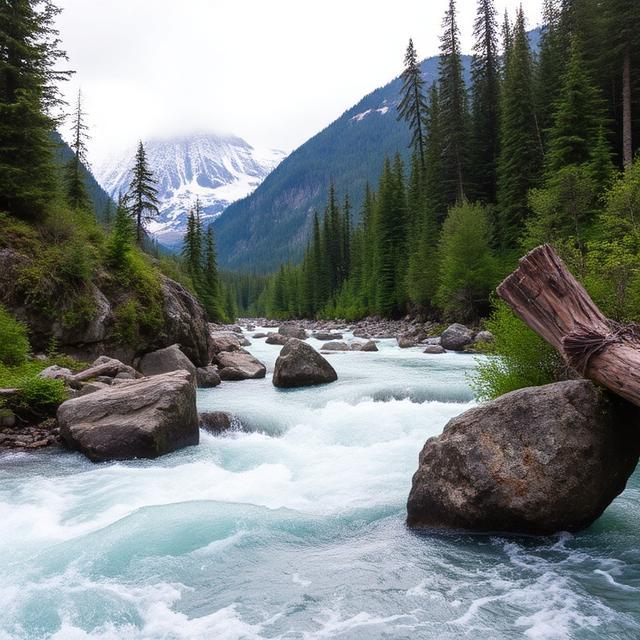
The Tsaina River flows through the rugged Chugach and Copper River region, with cold water and seasonal flows influenced by snow and glacial melt. Its more challenging sections can feature swift current, rocky rapids, technical maneuvers, and powerful river features. Conditions can change quickly during periods of increased runoff, making current flow informa
tion essential for planning a safe descent. The river is best suited to experienced paddlers prepared for cold water, remote terrain, and limited rescue access.
Quick Facts: Location: Copper River / Chugach Mountains region, Alaska | Class Rapids: Class III–V depending on section and flow | Difficulty: Advanced to Expert | River Type: Glacier-fed mountain river | Best Season: Summer runoff
Where to Stay: Glennallen and Valdez are useful bases for lodging, food, fuel, camping, and outdoor supplies, depending on the selected river access point. Remote trips may require additional transportation and wilderness camping arrangements.
Southeast Alaska Class V Whitewater Kayaking
━━━━━━━━━━━━━━━ 🛶 ━━━━━━━━━━━━━━━
Southeast Alaska offers a unique whitewater environment shaped by steep coastal mountains, heavy rainfall, dense temperate rainforest, and abundant seasonal runoff. Fish Creek, Gold Creek, and Lawson Creek provide technical mountain-stream paddling opportunities where narrow channels, steep gradients, rocky drops, and fast-moving water can create demanding conditions. Water levels can change rapidly following heavy rain, and many creeks have difficult access and limited rescue options. Paddlers should have advanced creek-boating skills, check current conditions, and carefully evaluate access, weather, water levels, and hazards before attempting challenging sections.
━━━━━━━━━━━━━━━ 🛶 ━━━━━━━━━━━━━━━
🛶 Fish Creek
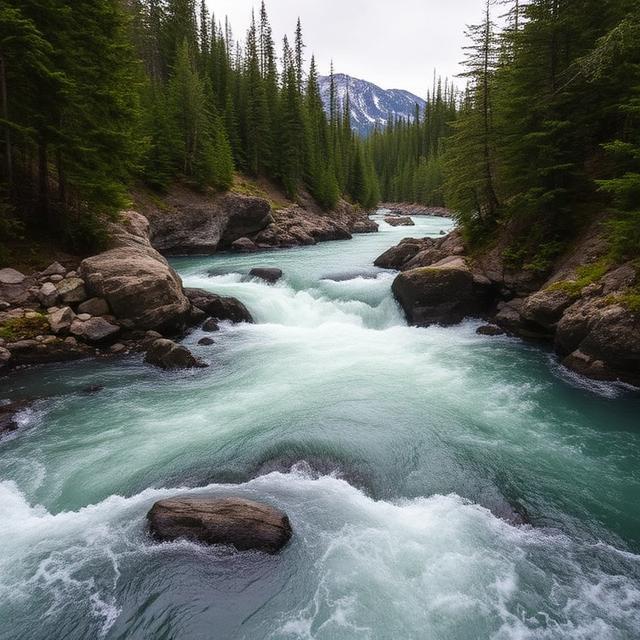
Fish Creek is a rugged Southeast Alaska creek surrounded by steep forested terrain and coastal mountains. Heavy rainfall and seasonal runoff can produce fast current, technical rapids, rocky drops, and narrow channels that require precise boat control. Depending on the specific section and water level, paddlers may encounter advanced or expert-level whitewater. The remote character of Southeast Alaska also means that transportation, scouting, communication, and emergency planning are important parts of any trip.
Quick Facts: Location: Southeast Alaska | Class Rapids: Class IV–V depending on section and flow | Difficulty: Advanced to Expert | River Type: Steep rainforest mountain creek | Best Season: Rainfall and seasonal runoff periods
Where to Stay: Juneau can serve as a convenient regional base for paddlers, providing lodging, restaurants, fuel, outdoor shops, and transportation options. Depending on the creek’s location, additional remote camping and transportation may be necessary.
━━━━━━━━━━━━━━━ 🛶 ━━━━━━━━━━━━━━━
🛶 Gold Creek

Gold Creek is a steep Southeast Alaska stream where heavy precipitation can create powerful seasonal flows and technical whitewater. Its narrow mountain channel may contain rocky drops, fast current, and complex features requiring careful line selection. Difficulty can change substantially with rainfall, making current water levels especially important before launching. The surrounding rainforest and rugged mountain landscape provide a distinctly Southeast Alaska paddling experience.
Quick Facts: Location: Southeast Alaska | Class Rapids: Class IV–V depending on section and flow | Difficulty: Advanced to Expert | River Type: Rain-fed mountain creek | Best Season: Rainfall-dependent periods
Where to Stay: Juneau and other Southeast Alaska communities can provide lodging, restaurants, fuel, camping, and outdoor supplies depending on the creek’s access point. Paddlers should arrange transportation and access logistics well in advance.
━━━━━━━━━━━━━━━ 🛶 ━━━━━━━━━━━━━━━
🛶 Lawson Creek
Lawson Creek is a technical mountain stream in Southeast Alaska characterized by steep terrain, dense rainforest, and rapidly changing water conditions. Heavy rain can quickly increase flows, creating stronger current, rocky rapids, and demanding creek sections for experienced paddlers. Its smaller size and steep gradient can make precise maneuvering particularly important, especially when water levels rise. Paddlers should carefully assess the creek before committing to difficult sections and be prepared for limited access and rescue options.
Quick Facts: Location: Southeast Alaska | Class Rapids: Class IV–V depending on section and conditions | Difficulty: Advanced to Expert | River Type: Steep rainforest creek | Best Season: Rainfall-dependent periods
Where to Stay: Juneau is a useful base for regional paddling logistics, with hotels, restaurants, fuel, outdoor equipment, and transportation services. Remote camping may be necessary depending on the creek and access route.
Southwest Alaska Class V Whitewater Kayaking
━━━━━━━━━━━━━━━ 🛶 ━━━━━━━━━━━━━━━
Southwest Alaska offers a remote and spectacular whitewater environment shaped by volcanic mountains, tundra, glacier-fed waterways, and expansive wilderness. The Kijik River and Newhalen River provide experienced paddlers with opportunities to explore cold, fast-moving water in areas where road access and emergency services can be limited. River difficulty can vary significantly by section, flow, and seasonal conditions, and neither river should automatically be treated as continuous Class V throughout its entire length. Paddlers should research current water levels, weather, access, wildlife considerations, and transportation logistics before attempting challenging sections.
━━━━━━━━━━━━━━━ 🛶 ━━━━━━━━━━━━━━━
🛶 Kijik River
The Kijik River flows through the remote wilderness of Southwest Alaska, surrounded by expansive tundra, mountains, and undeveloped landscapes. Seasonal snowmelt and glacial influence can produce cold, swift water with rocky rapids and technical features on appropriate sections. Its remote location adds considerable logistical challenges, including limited road access and few nearby emergency resources. Experienced paddlers should be prepared for an expedition-style trip and carefully evaluate river levels before attempting difficult sections.
Quick Facts: Location: Southwest Alaska | Class Rapids: Class III–IV with harder features possible depending on section and flow | Difficulty: Intermediate to Advanced | River Type: Remote tundra and mountain river | Best Season: Summer runoff
Where to Stay: King Salmon can serve as a useful regional staging point for trips into Southwest Alaska, offering lodging, restaurants, fuel, and transportation connections. Remote camping and specialized transportation may be required for access to the Kijik River.
━━━━━━━━━━━━━━━ 🛶 ━━━━━━━━━━━━━━━
🛶 Newhalen River
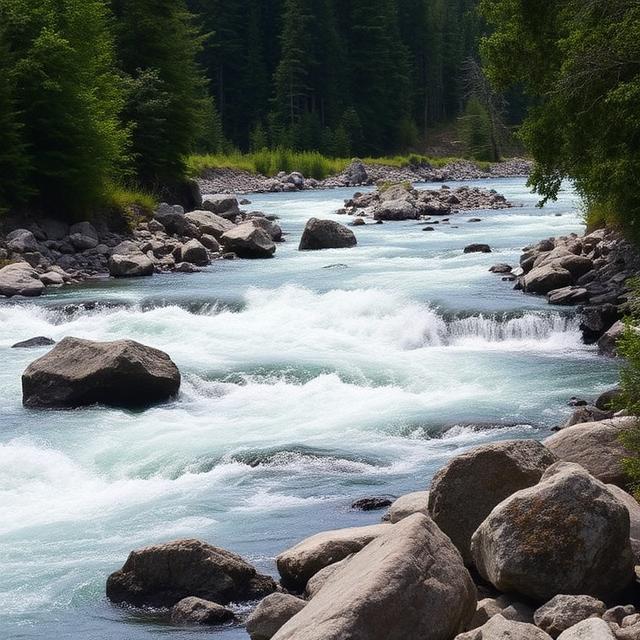
The Newhalen River is a scenic Southwest Alaska waterway flowing through rugged volcanic and tundra landscapes near Lake Clark and the Alaska Peninsula region. Its cold water and seasonal flows can create swift current, rocky rapids, and technical features, with difficulty depending heavily on the selected section and water level. The river’s remote setting makes wilderness preparation and transportation planning essential for paddlers. Experienced kayakers should confirm current conditions and access before attempting any advanced sections.
Quick Facts: Location: Southwest Alaska | Class Rapids: Class III–IV with harder features possible depending on section and flow | Difficulty: Intermediate to Advanced | River Type: Tundra and mountain river | Best Season: Summer
Where to Stay: Port Alsworth and King Salmon can provide useful staging options for exploring the region, although lodging and services are limited compared with larger Alaskan communities. Remote camping, air transportation, and boat access may be necessary depending on the chosen section.
Conclusion
Class V whitewater kayaking in Alaska combines extreme technical challenges with some of the most spectacular wilderness scenery in the world. From powerful glacier-fed rivers to steep mountain creeks, Alaska offers experienced kayakers an incredible variety of demanding runs. However, remoteness, cold water, rapidly changing flows, difficult access, and limited emergency services can make these trips significantly more serious than similar runs in developed areas. Proper preparation, advanced paddling skills, reliable equipment, local knowledge, and conservative decision-making are essential for safely enjoying Alaska’s Class V whitewater.
FAQ
What is Class V whitewater kayaking?
Class V is considered expert-level whitewater involving extremely challenging rapids, complex maneuvers, powerful hydraulics, steep drops, and significant consequences for mistakes. The exact difficulty depends on the river section, water level, and local conditions.
Is Alaska good for Class V kayaking?
Yes. Alaska has numerous remote rivers and creeks that can provide exceptionally challenging whitewater. Its steep terrain, glacier-fed rivers, and wilderness environment make it particularly attractive to expert paddlers.
What makes Alaska’s whitewater different?
Alaska combines difficult rapids with cold water, remote wilderness, changing weather, glacier-fed flows, and limited road access. These factors can make a technically difficult rapid even more demanding from a logistical and safety perspective.
What is the best time for whitewater kayaking in Alaska?
The ideal season varies by river. Snowmelt and warmer summer temperatures can increase flows on many rivers, while glacier-fed rivers may behave differently throughout the season. Paddlers should check current river levels and local conditions rather than relying only on a general seasonal schedule.
Do I need Class V experience to kayak these rivers?
Yes. Class V rivers should generally be attempted only by highly experienced whitewater kayakers with strong Class IV–V skills, solid rescue knowledge, and experience assessing changing river conditions.
What equipment is important for Alaskan whitewater?
Cold-water protection is especially important. Depending on the river and conditions, paddlers may need a suitable drysuit or wetsuit, helmet, personal flotation device, whitewater kayak, paddle, throw bag, rescue equipment, communication equipment, and appropriate wilderness gear.
Are Alaska’s Class V rivers easy to access?
Many are not. Some challenging rivers require long drives, flights, boat approaches, hiking, or multi-day wilderness trips to reach the put-in. Access and evacuation logistics should be researched before committing to a remote run.
Can river difficulty change during the season?
Absolutely. Water levels can substantially change the size, speed, hydraulics, and appearance of rapids. A section that is manageable at one level may become significantly more dangerous at another, making current flow information essential.
Should beginners attempt Class V kayaking in Alaska?
No. Class V kayaking requires advanced technical skills and extensive experience, and Alaska’s remote environment adds additional risks. Beginners should develop skills progressively on easier and more accessible whitewater before considering expert-level rivers.



Leave a Reply