Class V whitewater kayaking represents the ultimate challenge for experienced paddlers seeking powerful rapids, technical drops, steep creeks, and breathtaking canyon landscapes. Around the world, some of the most spectacular rivers carve through towering granite walls, remote mountain valleys, deep limestone gorges, and rugged wilderness. From the legendary Grand Canyon of the Stikine in Canada and the turquoise waters of Chile’s Futaleufú River to the massive rapids of Africa’s Zambezi River, these destinations offer unforgettable adventures for expert whitewater kayakers.
Whether you’re drawn to narrow bedrock chasms, cascading waterfalls, continuous technical rapids, or enormous waves in remote wilderness canyons, the world’s best Class V kayaking destinations offer extraordinary scenery and demanding paddling experiences. In this guide, we explore 25 remarkable destinations worldwide, highlighting their unique canyon formations, whitewater characteristics, and what makes each one worth discovering.
Note: Class ratings, access points, river durations, and ideal seasons can change with water levels, dam releases, and selected river sections. Class V rivers are expert-level whitewater and should only be attempted by appropriately experienced paddlers with suitable safety support.
Plan Your Trip Online
- Find Hotels , Car Rentals, Tour Tickets: Booking,com
- Find Guided Tours: Viator
- Travel Insurance Vistors Coverage
- Fishing Charters Fishingbooker.com
- Cruises Booking.com
- Book BikesBikebookings
- Rent a Car Car Rentals
- Adventure Gear Backcountry.com
- Shop for Travel Clothes Amazon
North America — Class V Whitewater Kayaking Destinations
Grand Canyon of the Stikine — British Columbia
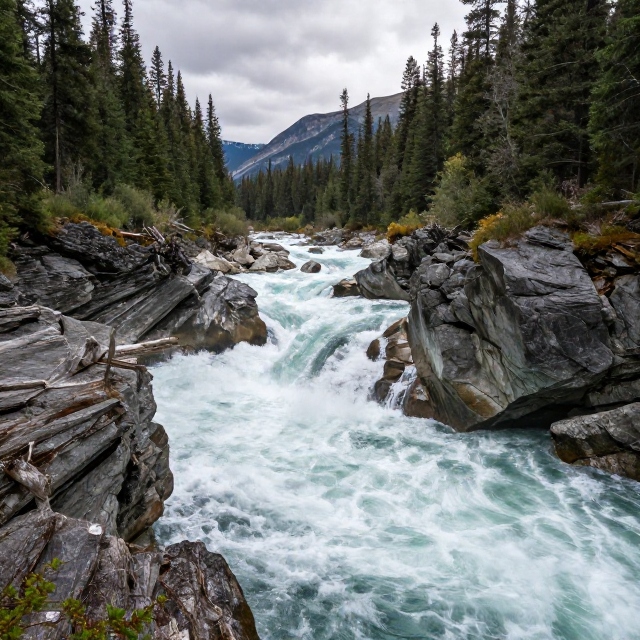
The Grand Canyon of the Stikine is one of the most legendary and demanding whitewater kayaking expeditions in North America. This remote wilderness river features enormous Class V rapids, powerful hydraulics, massive waves, and towering canyon walls. Long stretches of continuous whitewater, difficult portages, and limited access create an exceptionally challenging expedition environment. The river demands advanced big-water kayaking skills, careful scouting, and extensive safety preparation.
Quick Facts: Location: Northern British Columbia, Canada | Difficulty: Class V | Typical Duration: 3–5 days | Kayak Type: Advanced Expedition / Big-Water Kayaking | Best Season: Late summer–early fall, depending on water levels.
Starting Point: Telegraph Creek area | Finish: Lower Stikine River | Route: Upper Stikine → Grand Canyon → Lower Stikine.
Where to Stay: Telegraph Creek, Dease Lake, and Iskut. These remote communities offer limited accommodation and services, making advance expedition planning essential.
Clendenning River — British Columbia
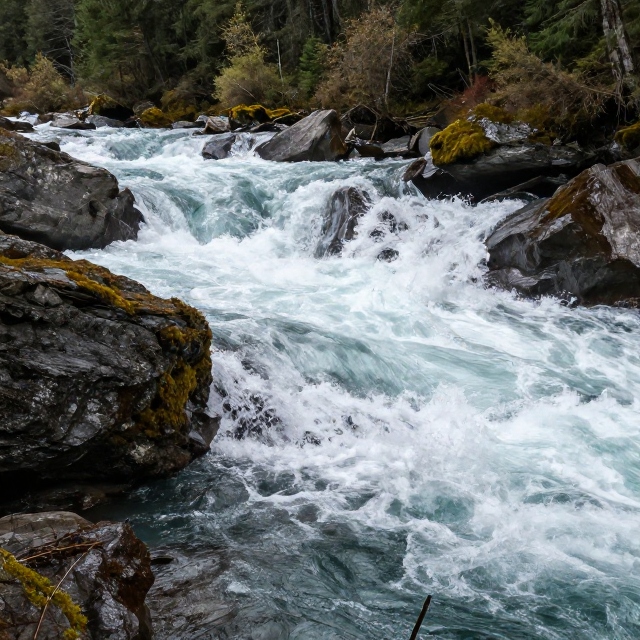
The Clendenning River is a remote and challenging whitewater destination hidden within the rugged Coast Mountains of British Columbia. Its steep gradient, powerful rapids, narrow channels, and technical canyon sections create a demanding Class V kayaking experience. Surrounded by dramatic mountain wilderness, the river offers an adventurous expedition atmosphere with limited road access and challenging rescue logistics. Advanced creek-boating skills, thorough scouting, and reliable safety planning are essential.
Quick Facts: Location: Coast Mountains, British Columbia, Canada | Difficulty: Class V, depending on section and water level | Typical Duration: 1–2 river days, excluding access | Kayak Type: Advanced Creek / Expedition Kayaking | Best Season: Late spring–summer, depending on snowmelt.
Starting Point: Upper Clendenning River access | Finish: Lower Clendenning River | Route: Upper river → steep canyon sections → lower river.
Where to Stay: Cities/Places to Stay: Pemberton, Squamish, and Whistler. These communities provide accommodation, restaurants, and access to the surrounding Coast Mountain wilderness.
Cherry Creek — Tuolumne River
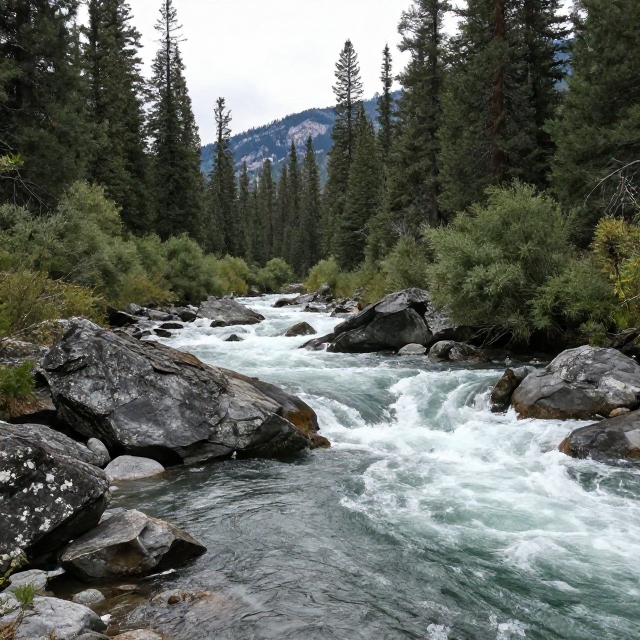
Cherry Creek is one of the most demanding and technically challenging whitewater kayaking runs in the United States. Located in California’s Sierra Nevada, this steep granite river features continuous Class V rapids, powerful drops, narrow channels, and complex boulder gardens. Its challenging sequences require exceptional boat control, advanced creek-boating techniques, and careful scouting. Spectacular granite formations and a rugged canyon environment make Cherry Creek a legendary destination for expert paddlers.
Quick Facts: Location: Tuolumne River, Sierra Nevada, California, USA | Difficulty: Class V | Typical Duration: 1 day | Kayak Type: Advanced Creek Kayaking | Best Season: Summer, depending on water releases and levels.
Starting Point: Cherry Creek put-in | Finish: Confluence with the Tuolumne River | Route: Cherry Creek → technical granite gorge → Tuolumne River.
Where to Stay: : Groveland, Sonora, and Yosemite-area communities. These locations offer hotels, cabins, campgrounds, and restaurants with access to the Sierra Nevada.
Burnt Ranch Gorge — California
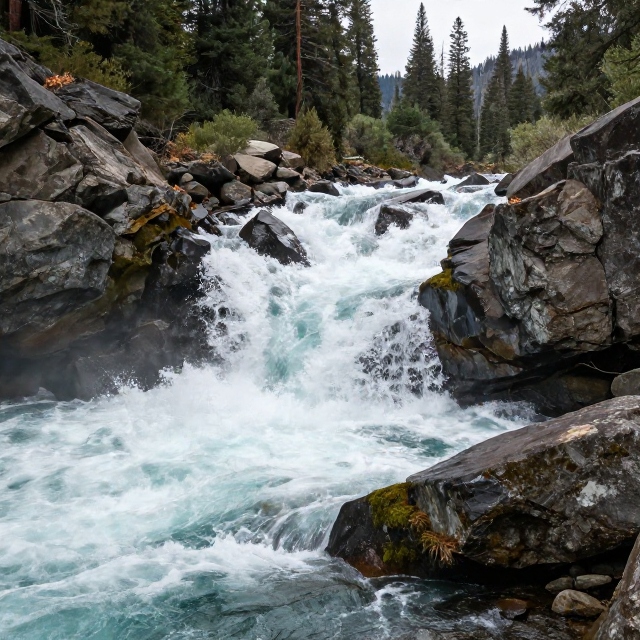
Burnt Ranch Gorge is a spectacular and challenging section of the Trinity River in Northern California, known for its powerful whitewater and rugged canyon scenery. The gorge features demanding Class V rapids, large boulder gardens, steep drops, and turbulent hydraulics. Its technical passages require precise maneuvering, strong river-reading abilities, and experience navigating powerful whitewater. Forested canyon walls and remote surroundings make this a memorable destination for advanced whitewater kayakers.
Quick Facts: Location: Trinity River, near Burnt Ranch, Northern California, USA | Difficulty: Class IV–V, depending on section and water level | Typical Duration: Half day–1 day | Kayak Type: Advanced Creek / Big-Water Kayaking | Best Season: Winter–spring, depending on rainfall and flows.
Starting Point: Burnt Ranch Gorge put-in | Finish: Lower gorge take-out | Route: Upper gorge → technical rapids → lower Trinity River.
Where to Stay: : Willow Creek, Weaverville, and Junction City. These communities provide motels, cabins, campgrounds, and basic services for visiting paddlers.
Forks of the Kern — California
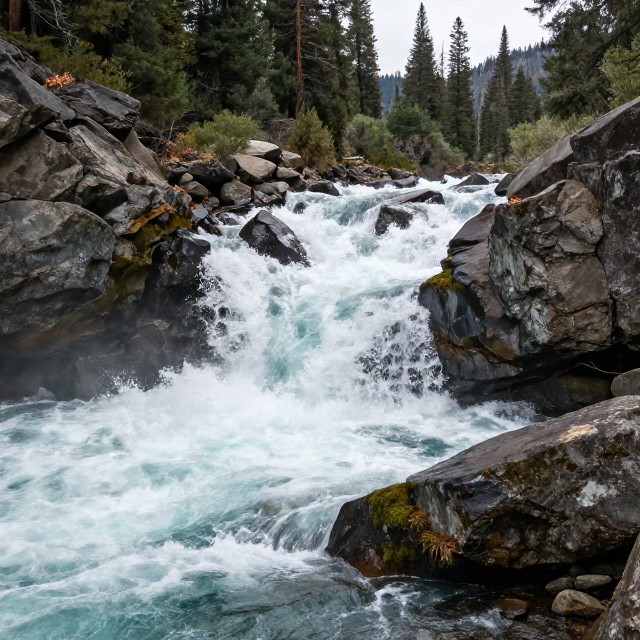
The Forks of the Kern is a renowned wilderness whitewater run flowing through the remote Kern River canyon in California’s southern Sierra Nevada. Its challenging rapids feature steep granite drops, powerful hydraulics, technical boulder gardens, and continuous whitewater. Certain sections reach Class V, demanding advanced paddling abilities, strong endurance, and careful scouting. The spectacular mountain scenery, deep canyon walls, and remote setting make it one of California’s classic multi-day kayaking adventures.
Quick Facts: Location: Sequoia National Forest, southern Sierra Nevada, California, USA | Difficulty: Class IV–V, depending on section and water level | Typical Duration: 2–3 days | Kayak Type: Advanced Wilderness / Creek Kayaking | Best Season: Late spring–early summer, depending on snowmelt.
Starting Point: Forks of the Kern trailhead access | Finish: Kern River below the Forks | Route: Upper Kern River → Forks of the Kern → lower Kern River.
Where to Stay: : Kernville, Johnsondale, and Lake Isabella. These communities offer cabins, lodges, campgrounds, restaurants, and access to the southern Sierra Nevada.
Green River Narrows — North Carolina
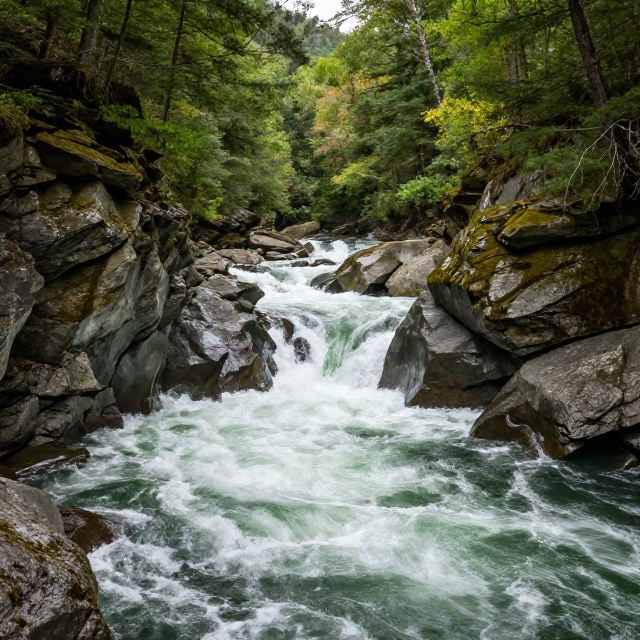
The Green River Narrows is one of the most iconic and technically demanding whitewater kayaking runs in the southeastern United States. This steep, narrow gorge features powerful Class V+ rapids, waterfalls, tight passages, and complex technical drops. Famous rapids such as Gorilla and Sunshine require exceptional precision, confident boat control, and extensive experience in steep creek environments. Its dramatic gorge scenery and challenging whitewater make it a legendary destination for expert kayakers.
Quick Facts: Location: Green River Game Lands, near Saluda, North Carolina, USA | Difficulty: Class V+ | Typical Duration: 2–4 hours | Kayak Type: Advanced Steep Creek Kayaking | Best Season: Fall–spring, depending on rainfall and water levels.
Starting Point: Green River Narrows put-in | Finish: Fishtop Falls area | Route: Upper Green River → Narrows gorge → lower Green River.
Where to Stay: Saluda, Hendersonville, Asheville, and Flat Rock. These communities provide hotels, cabins, campgrounds, and restaurants near the Blue Ridge Mountains.
Linville Gorge — North Carolina
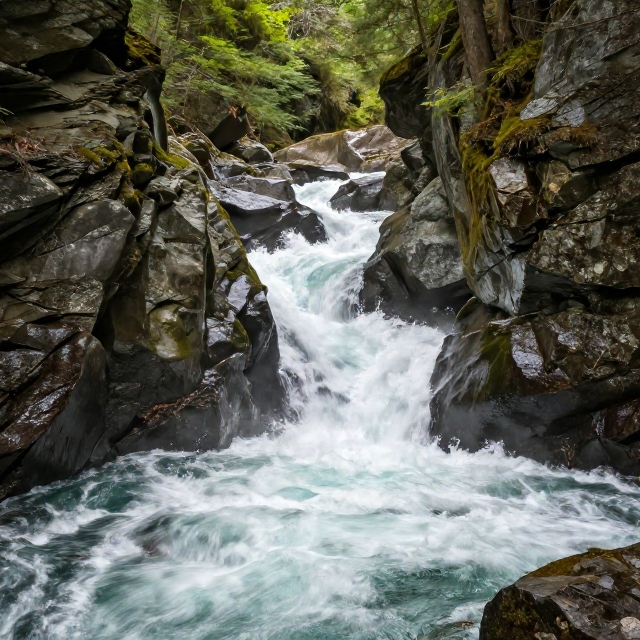
The Linville River flows through one of the most rugged and scenic wilderness canyons in the southeastern United States. Its challenging sections feature steep Class IV–V rapids, bedrock drops, narrow channels, and powerful hydraulics surrounded by towering cliffs and dense mountain forests. Remote access, difficult portages, and limited rescue options add to the commitment required for a successful descent. Advanced creek-boating experience, careful scouting, and comprehensive safety planning are essential.
Quick Facts: Location: Linville Gorge Wilderness, western North Carolina, USA | Difficulty: Class IV–V, depending on section and water level | Typical Duration: 1 day | Kayak Type: Advanced Creek Kayaking | Best Season: Winter–spring, depending on rainfall and water levels.
Starting Point: Upper Linville River access | Finish: Lower Linville Gorge | Route: Upper Linville River → technical gorge sections → lower Linville River.
Where to Stay: : Linville, Banner Elk, Boone, and Marion. These communities offer hotels, cabins, restaurants, and campgrounds with access to the surrounding Blue Ridge Mountains.
Tallulah Gorge — Georgia
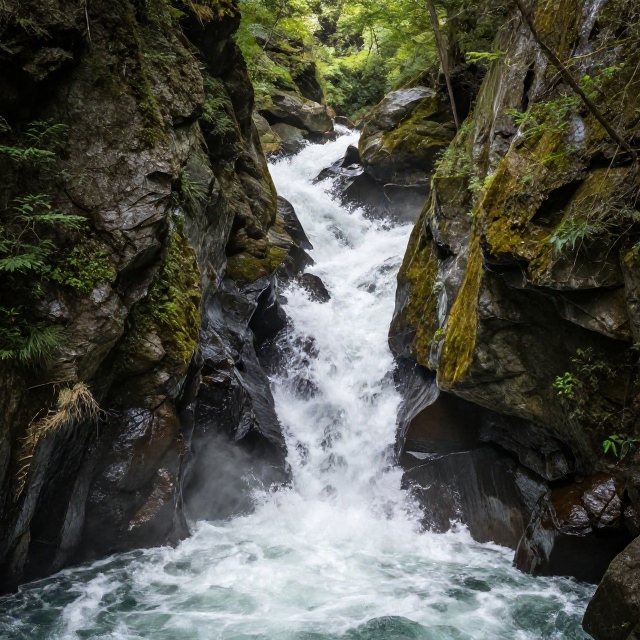
Tallulah Gorge is one of the most spectacular and challenging whitewater kayaking destinations in the southeastern United States. Carved deep into the Appalachian foothills, the gorge features steep granite walls, dramatic waterfalls, powerful hydraulics, and technical Class V rapids. Its famous drops and narrow passages demand advanced kayaking skills, precise boat control, and thorough knowledge of the river’s changing conditions. Scheduled water releases make this a unique destination where paddlers can experience exceptional whitewater within a dramatic natural landscape.
Quick Facts: Location: Tallulah Gorge State Park, near Tallulah Falls, Georgia, USA | Difficulty: Class IV–V, depending on rapid and water level | Typical Duration: 2–4 hours | Kayak Type: Advanced Steep Creek / Waterfall Kayaking | Best Season: Scheduled release weekends, generally in spring and fall.
Starting Point: Upper Tallulah River access | Finish: Lower Tallulah Gorge | Route: Upper Tallulah River → gorge rapids and waterfalls → lower Tallulah River.
Where to Stay:Tallulah Falls, Clayton, and Clarkesville. These communities provide cabins, hotels, campgrounds, and restaurants near the Blue Ridge Mountains.
Gore Canyon — Colorado
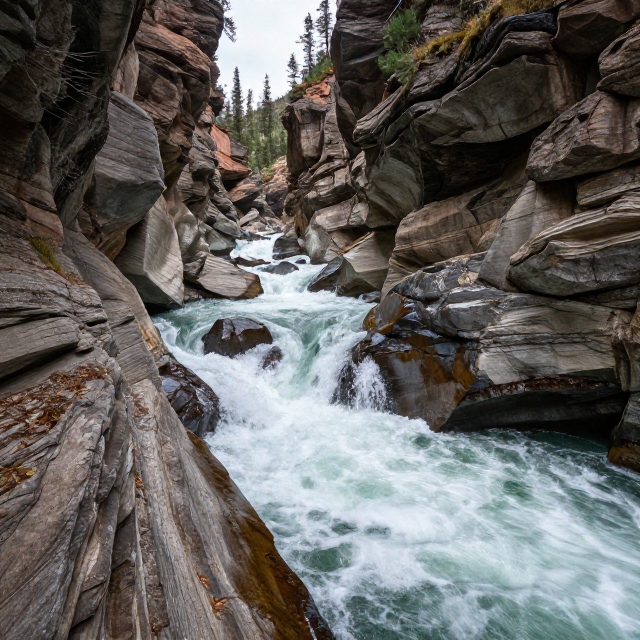
Gore Canyon is one of Colorado’s most challenging and spectacular big-water kayaking destinations. Located along the Colorado River in the Rocky Mountains, the canyon features powerful Class IV–V rapids, enormous boulder gardens, turbulent hydraulics, and steep drops. Its demanding rapid sequences require strong big-water skills, precise maneuvering, and extensive scouting. Towering canyon walls and dramatic mountain scenery create an unforgettable setting for experienced whitewater paddlers.
Quick Facts: Location: Colorado River, near Kremmling, Colorado, USA | Difficulty: Class IV–V | Typical Duration: 2–4 hours | Kayak Type: Advanced Big-Water / Creek Kayaking | Best Season: Summer–early fall, depending on water releases.
Starting Point: Pumphouse Recreation Site | Finish: Radium Recreation Site | Route: Upper Colorado River → Gore Canyon → lower Colorado River.
Where to Stay: Kremmling, Silverthorne, and Grand Lake. These communities offer hotels, cabins, campgrounds, and restaurants with access to the Colorado River and Rocky Mountains.
Upper Gauley River — West Virginia
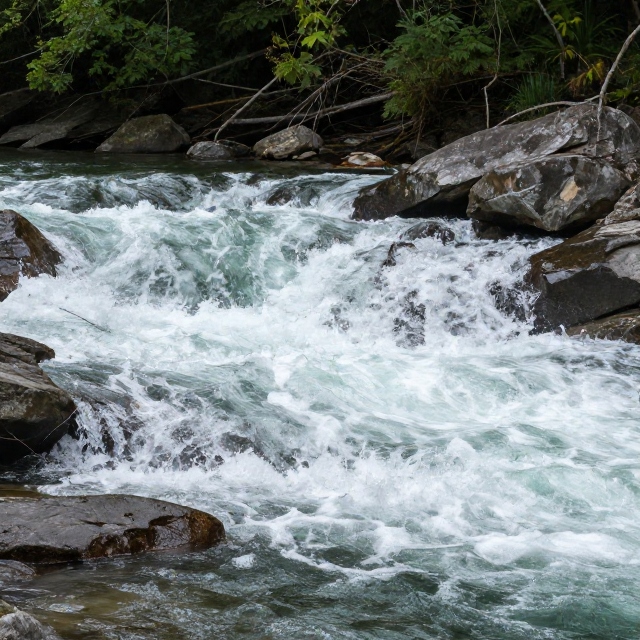
The Upper Gauley River is one of the most famous big-water whitewater kayaking destinations in the eastern United States. Its powerful Class IV–V rapids feature enormous waves, turbulent holes, steep drops, and dramatic canyon scenery. Legendary rapids such as Pillow Rock, Iron Ring, and Sweet’s Falls create a challenging combination of technical maneuvering and powerful hydraulics. The river is especially popular during the autumn Gauley Season, when scheduled dam releases create outstanding whitewater conditions.
Quick Facts: Location: Gauley River National Recreation Area, West Virginia, USA | Difficulty: Class IV–V | Typical Duration: 3–5 hours | Kayak Type: Advanced Big-Water Kayaking | Best Season: September–October, during scheduled dam releases.
Starting Point: Summersville Dam put-in | Finish: Mason Branch take-out | Route: Upper Gauley → major rapids → Mason Branch take-out.
Where to Stay: Summersville, Fayetteville, and the Summersville Lake area. These communities provide hotels, cabins, campgrounds, and restaurants near the Gauley River.
North Fork Payette River — Idaho
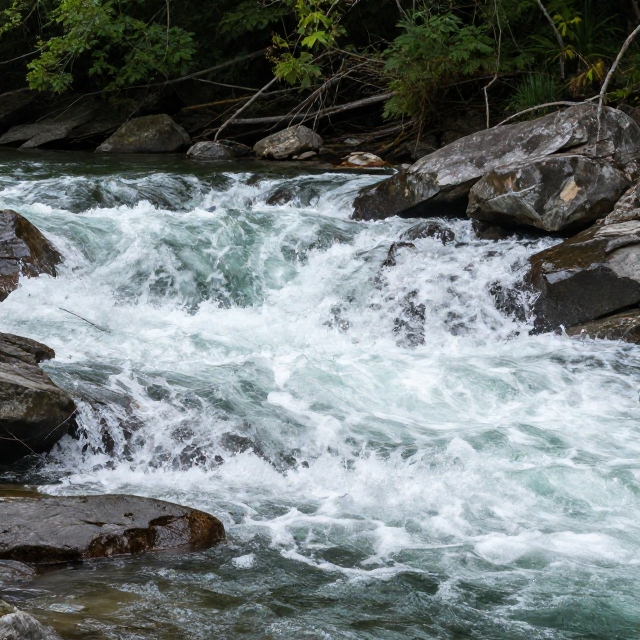
The North Fork Payette River is a world-renowned whitewater kayaking destination known for its steep gradient, continuous rapids, and highly technical whitewater. Its famous Class V sections feature powerful drops, tight boulder gardens, complex hydraulics, and relentless sequences of challenging rapids. The river demands exceptional endurance, advanced maneuvering skills, and the ability to make quick decisions in demanding conditions. Surrounded by forested mountains and rugged canyon terrain, it is a premier destination for experienced creek boaters.
Quick Facts: Location: North Fork Payette River, near Banks, Idaho, USA | Difficulty: Class V, depending on section | Typical Duration: 1–4 hours | Kayak Type: Advanced Creek / Continuous Whitewater Kayaking | Best Season: Summer, depending on snowmelt and water levels.
Starting Point: North Fork Payette put-in near Banks | Finish: Banks area, depending on selected section | Route: North Fork Payette → continuous technical rapids → lower river sections.
Where to Stay: Boise, Cascade, and McCall. These communities offer hotels, cabins, campgrounds, and restaurants with access to Idaho’s mountain recreation areas.
Santo Domingo River — Chiapas
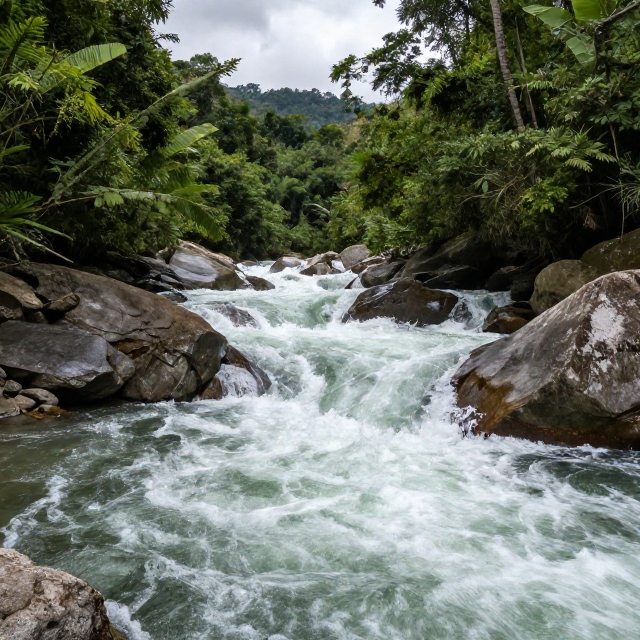
The Santo Domingo River is a remote whitewater destination flowing through the spectacular rainforest landscapes of Chiapas, southern Mexico. Its river sections feature powerful rapids, steep drops, rocky channels, and deep tropical canyon scenery. Depending on the section and water levels, paddlers can encounter challenging Class IV–V whitewater requiring strong technical skills and experience navigating unfamiliar rivers. Dense vegetation, warm tropical conditions, and remote surroundings give this river a distinctive wilderness kayaking atmosphere.
Quick Facts: Location: Chiapas, southern Mexico | Difficulty: Class IV–V, depending on section and water level | Typical Duration: 1–2 days, depending on route | Kayak Type: Advanced Creek / Expedition Kayaking | Best Season: Dry season, generally November–April, subject to local rainfall and river conditions.
Starting Point: Upper Santo Domingo River access | Finish: Downstream Santo Domingo River sections | Route: Upper river → technical rapids → tropical canyon sections → lower river.
Where to Stay: : Comitán de Domínguez, Las Nubes, and nearby Lacandon Jungle communities. Accommodation includes small hotels, eco-lodges, and rustic
South America
Futaleufú River — Patagonia
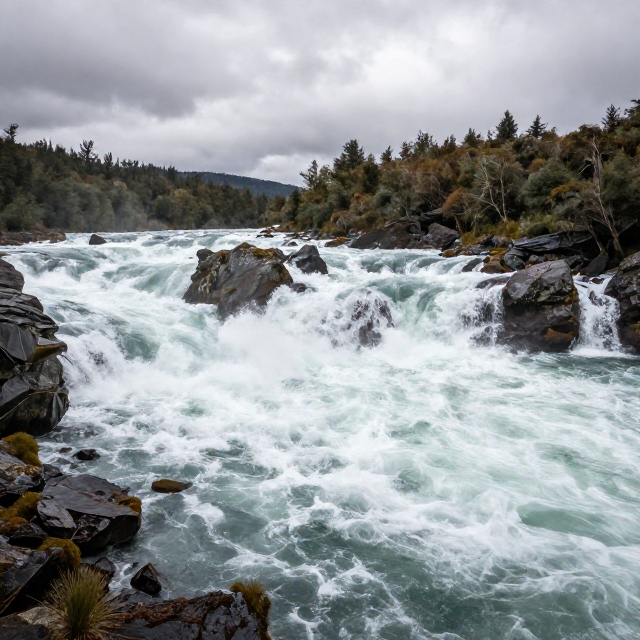
The Futaleufú River is one of the world’s most famous whitewater kayaking destinations, celebrated for its brilliant turquoise water, enormous waves, and spectacular granite canyon walls. Its powerful Class V sections include legendary rapids such as Terminator, Inferno, and the Throttle. The river combines big-water paddling with technical challenges, creating an unforgettable experience for highly skilled kayakers. Its dramatic Patagonian scenery and consistent whitewater make it a bucket-list destination for advanced paddlers.
Quick Facts: Location: Futaleufú, Los Lagos Region, Patagonia, Chile | Difficulty: Class III–V, depending on section | Typical Duration: 1–3 days | Kayak Type: Advanced Creek / Big-Water Kayaking | Best Season: November–March.
Starting Point: Futaleufú River put-in near the town of Futaleufú | Finish: Lower Futaleufú River | Route: Upper Futaleufú → Terminator section → lower river.
Where to Stay: Futaleufú, Chaitén, and Puerto Montt. Futaleufú offers riverside lodges, kayaking camps, guesthouses, restaurants, and guided rafting and kayaking services.
Río Claro (Seven Teacups) — Maule Region
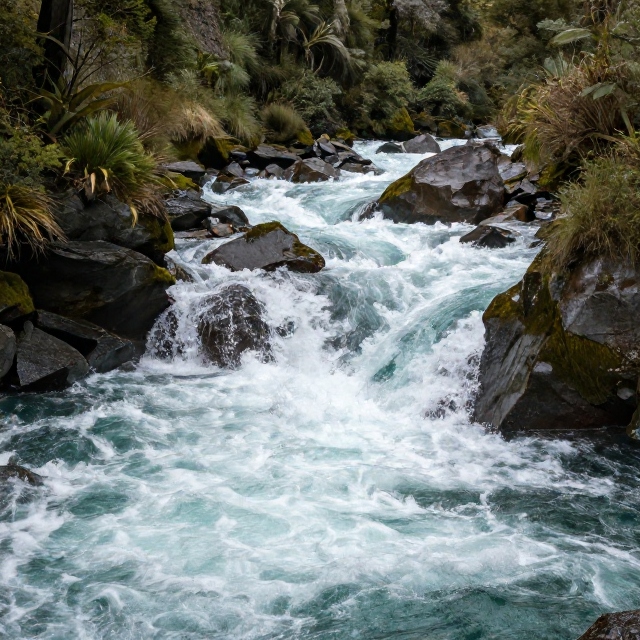
The Río Claro, famous for its spectacular Seven Teacups (Siete Tazas), is one of Chile’s most visually impressive whitewater kayaking destinations. Flowing through a series of sculpted volcanic rock formations, the river features waterfalls, narrow channels, steep drops, and powerful natural pools. Its more challenging sections can reach Class V, requiring advanced creek-boating skills, precise maneuvering, and careful scouting. Surrounded by lush forests and dramatic geological formations, the river offers an unforgettable combination of technical whitewater and natural beauty.
Quick Facts: Location: Parque Nacional Radal Siete Tazas, Maule Region, Chile | Difficulty: Class IV–V, depending on section and water level | Typical Duration: Half day–1 day | Kayak Type: Advanced Creek / Waterfall Kayaking | Best Season: Spring–summer, depending on snowmelt and water levels.
Starting Point: Upper Río Claro access | Finish: Downstream of the Siete Tazas area | Route: Upper Río Claro → technical drops and canyon sections → lower Río Claro.
Where to Stay: Molina, Radal, and Curicó. These communities offer cabins, lodges, campgrounds, restaurants, and access to the surrounding Maule wilderness.
Jondachi River — Napo Province
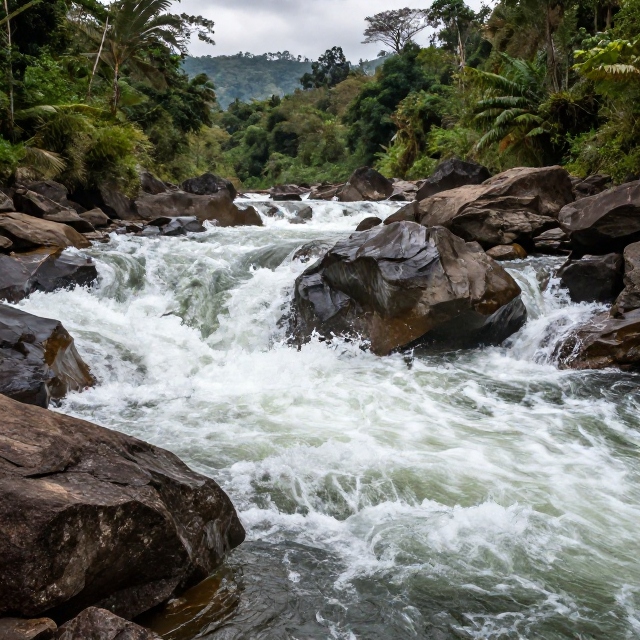
The Jondachi River is a spectacular whitewater kayaking destination located in Ecuador’s Amazon foothills, surrounded by dense rainforest and dramatic jungle scenery. Its clear water flows through narrow channels, volcanic rock formations, technical drops, and continuous whitewater sections. Some sections reach Class IV–V, offering demanding rapids that require precise boat control, strong creek-boating abilities, and careful river reading. The combination of technical whitewater, lush tropical vegetation, and remote rainforest landscapes makes the Jondachi a standout destination for adventurous paddlers.
Quick Facts: Location: Napo Province, near Tena, Ecuador | Difficulty: Class III–V, depending on section and water level | Typical Duration: 1 day | Kayak Type: Advanced Creek / Tropical Whitewater Kayaking | Best Season: Generally December–March for lower rainfall, although conditions vary throughout the year.
Starting Point: Upper Jondachi River access | Finish: Jondachi–Hollín River confluence area | Route: Upper Jondachi → rainforest canyon → technical rapids → lower river.
Where to Stay: Tena, Archidona, and Misahuallí. These towns offer hotels, jungle lodges, hostels, restaurants, and kayaking outfitters with access to the Ecuadorian Amazon.
Europe
Sjoa River — Gudbrandsdalen Valley
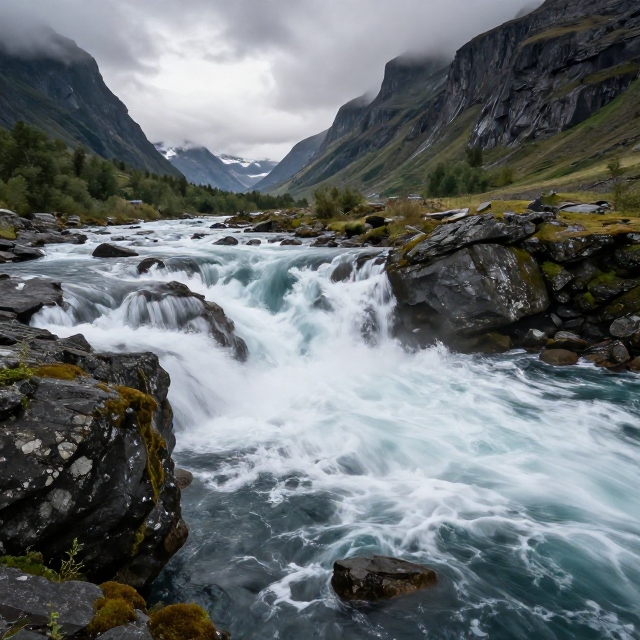
The Sjoa River is one of Europe’s most famous whitewater kayaking destinations, renowned for its powerful rapids, crystal-clear water, and spectacular Norwegian mountain scenery. Flowing through rugged valleys and narrow granite gorges, the river features challenging Class IV–V sections with steep drops, technical passages, powerful hydraulics, and continuous whitewater. Famous sections such as Åsengjuvet and the upper Sjoa attract experienced kayakers from around the world. Its combination of technical creek boating, big-water rapids, and dramatic Scandinavian landscapes makes it a must-visit destination for advanced paddlers.
Quick Facts: Location: Gudbrandsdalen Valley, Innlandet, Norway | Difficulty: Class III–V, depending on section and water level | Typical Duration: Half day–1 day | Kayak Type: Advanced Creek / Big-Water Kayaking | Best Season: May–September, depending on snowmelt and river levels.
Starting Point: Upper Sjoa River access near Heidal | Finish: Lower Sjoa River near Sjoa village | Route: Upper Sjoa → Åsengjuvet → technical gorge sections → lower Sjoa.
Where to Stay: : Heidal, Sjoa, Vågå, and Otta. These communities offer riverside cabins, mountain lodges, campsites, hotels, restaurants, and established whitewater kayaking operators.
Noce River — Val di Sole, Trentino
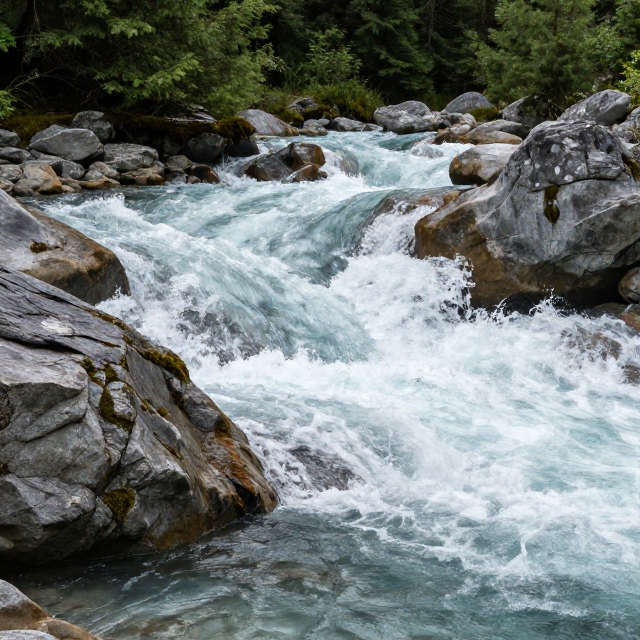
The Noce River is one of Europe’s premier whitewater kayaking destinations, flowing through the spectacular Val di Sole in the Italian Dolomites. Known for its turquoise water, powerful rapids, and dramatic alpine scenery, the river offers exciting Class III–V sections depending on the chosen stretch and water conditions. Its more demanding sections feature large waves, technical passages, strong currents, and challenging hydraulics that attract experienced paddlers. Surrounded by forested mountains and picturesque alpine villages, the Noce combines world-class whitewater with some of Italy’s most beautiful mountain landscapes.
Quick Facts: Location: Val di Sole, Trentino, northern Italy | Difficulty: Class III–V, depending on section and water level | Typical Duration: 2–4 hours | Kayak Type: Advanced Creek / Big-Water Kayaking | Best Season: May–September, depending on snowmelt and water releases.
Starting Point: Cusiano or upper Val di Sole access | Finish: Mezzana or downstream Val di Sole sections | Route: Upper Noce → Dimaro → Mezzana → lower Noce River.
Where to Stay: Dimaro, Mezzana, Malè, and Cles. These alpine communities offer hotels, mountain lodges, campsites, restaurants, and specialized rafting and kayaking services.
Asia
Yarlung Tsangpo Gorge — Tibet
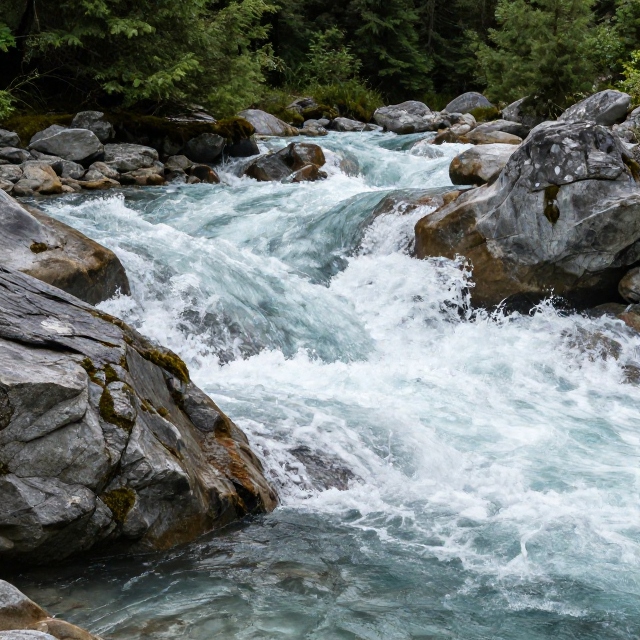
The Yarlung Tsangpo Gorge is one of the most remote, powerful, and legendary whitewater kayaking destinations on Earth. Carved through the eastern Himalayas, the river descends through enormous mountain canyons surrounded by towering peaks, dense forests, and dramatic cliffs. Its extreme gradient, massive rapids, powerful hydraulics, and isolated terrain create some of the most challenging whitewater conditions imaginable, with sections reaching Class V and beyond. The gorge is considered one of the ultimate challenges in expedition kayaking, demanding exceptional big-water experience, extensive logistical preparation, and specialized expedition support.
Quick Facts: Location: Yarlung Tsangpo River, southeastern Tibet, China | Difficulty: Class V–VI, depending on section | Typical Duration: Multi-day expedition | Kayak Type: Extreme Expedition / Big-Water Kayaking | Best Season: Generally autumn, subject to water levels and weather conditions.
Starting Point: Upper Yarlung Tsangpo access near the Great Bend | Finish: Downstream of the Tsangpo Gorge | Route: Upper Yarlung Tsangpo → Great Bend → Tsangpo Gorge → lower river.
Where to Stay: Nyingchi, Mainling, and Pai Township. These communities provide hotels, guesthouses, and basic expedition services. Remote sections require extensive advance arrangements, local permissions, and specialized logistical support.
Sary-Jaz River — Eastern Kyrgyzstan
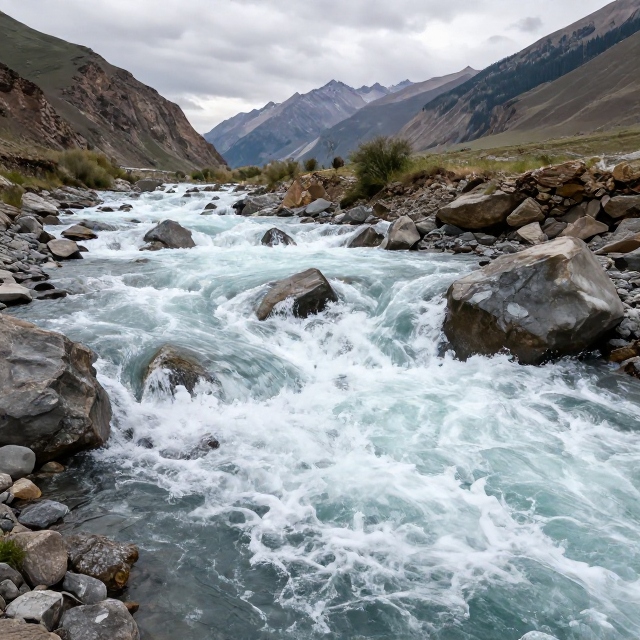
The Sary-Jaz River is a spectacular wilderness whitewater destination flowing through the remote Tian Shan Mountains of eastern Kyrgyzstan. Fed by glacial waters, the river travels through dramatic alpine valleys, rugged mountain terrain, and isolated canyon sections. Its challenging stretches feature powerful Class IV–V rapids, steep drops, large boulder gardens, and strong glacial currents that demand advanced whitewater kayaking skills. The combination of high-altitude scenery, remote wilderness, and demanding river conditions makes the Sary-Jaz an exceptional destination for experienced expedition kayakers.
Quick Facts: Location: Issyk-Kul Region, eastern Kyrgyzstan | Difficulty: Class IV–V, depending on section and water level | Typical Duration: 3–6 days, depending on expedition route | Kayak Type: Advanced Expedition / Glacial Whitewater Kayaking | Best Season: July–August, depending on snowmelt and glacial flows.
Starting Point: Upper Sary-Jaz River valley | Finish: Downstream Sary-Jaz valley | Route: Upper glacial river → alpine canyon sections → lower Sary-Jaz.
Where to Stay: Karakol, Engilchek, and nearby mountain settlements. Karakol offers hotels, guesthouses, restaurants, and expedition services, while more remote sections require camping and self-supported logistics.
Rhondu Gorge — Indus River
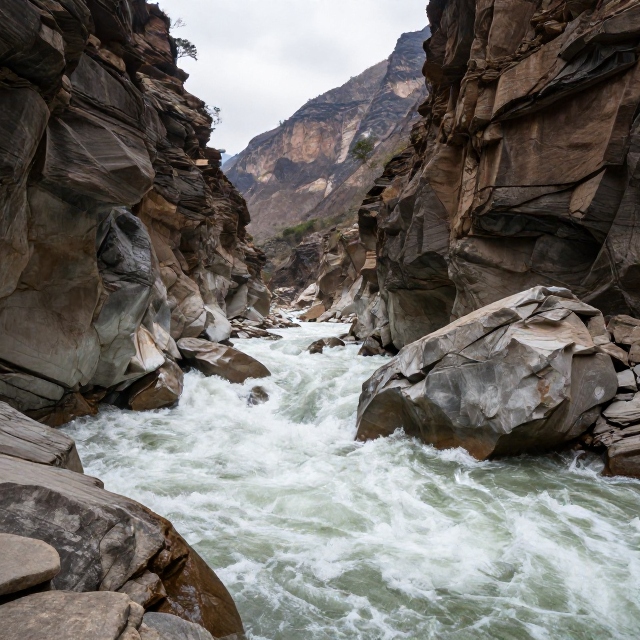
Rhondu Gorge is a dramatic whitewater section of the Indus River in the rugged mountains of northern Pakistan. Surrounded by towering Himalayan and Karakoram landscapes, the river cuts through narrow rocky valleys and challenging canyon terrain. Its powerful current, large waves, turbulent hydraulics, and technical rapids create demanding whitewater conditions, with difficult sections reaching Class V depending on water levels. The remote mountain environment and powerful river make Rhondu Gorge a serious destination for experienced expedition kayakers with advanced big-water skills.
Quick Facts: Location: Indus River, near Rondu, Gilgit-Baltistan, Pakistan | Difficulty: Class IV–V, depending on section and water level | Typical Duration: 1–2 days for selected river sections | Kayak Type: Advanced Big-Water / Expedition Kayaking | Best Season: Generally late summer–early autumn, subject to glacial flows and river conditions.
Starting Point: Upper Indus access near the Rondu region | Finish: Downstream Indus River near the lower Rondu valley | Route: Upper Indus → Rhondu Gorge → lower Indus River.
Where to Stay: Skardu, Gilgit, and nearby mountain communities. These locations offer hotels, guesthouses, restaurants, and expedition services. Remote river sections require advance transport arrangements, local knowledge, and careful expedition planning.
Important: These are remote and potentially high-consequence kayaking destinations. The Yarlung Tsangpo Gorge is an extreme expedition river, not simply a conventional Class V run. Access permits, political restrictions, glacial conditions, seasonal flows, and local expedition regulations should be verified before including these destinations in a kayaking itinerary.
Africa
Zambezi River — Batoka Gorge
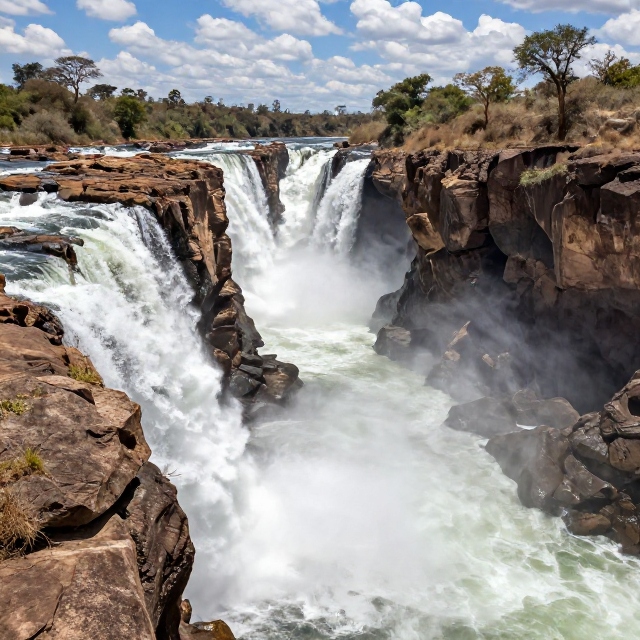
The Zambezi River flowing through Batoka Gorge is one of the world’s most famous big-water whitewater kayaking destinations. Located below Victoria Falls, the river features enormous standing waves, powerful hydraulics, massive rapids, and dramatic black-rock canyon walls. Its legendary rapids, including Stairway to Heaven, Oblivion, and the Washing Machine, create challenging Class IV–V whitewater conditions that attract expert paddlers from around the world. The combination of warm African waters, spectacular gorge scenery, and powerful whitewater makes the Zambezi an unforgettable kayaking destination.
Quick Facts: Location: Batoka Gorge, below Victoria Falls, Zimbabwe/Zambia | Difficulty: Class IV–V | Typical Duration: 1 day, with multi-day expedition options | Kayak Type: Advanced Big-Water / Expedition Kayaking | Best Season: Generally August–December, depending on water levels and dam releases.
Starting Point: Victoria Falls downstream put-in | Finish: Batoka Gorge downstream take-out | Route: Upper Zambezi below Victoria Falls → Batoka Gorge → lower Zambezi River.
Where to Stay: Cities/Places to Stay: Victoria Falls, Zimbabwe, and Livingstone, Zambia. Both towns offer hotels, luxury lodges, guesthouses, campsites, restaurants, and established whitewater kayaking and rafting operators.
Grand Inga Rapids — Congo River
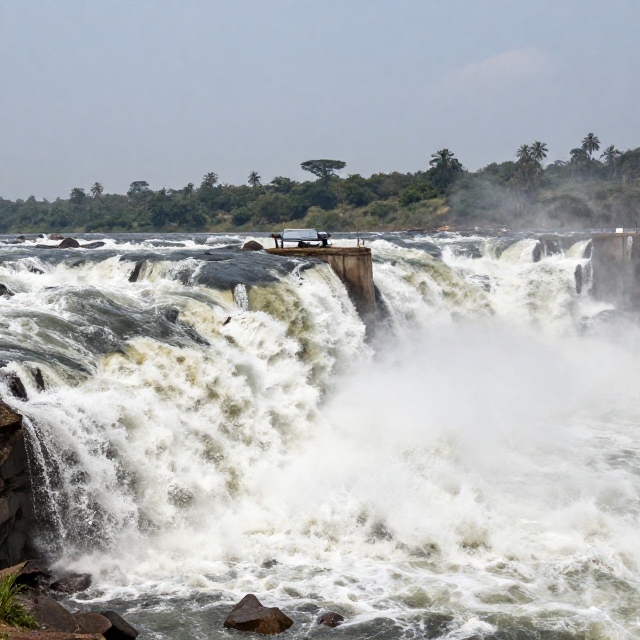
The Grand Inga Rapids are among the most powerful and formidable stretches of whitewater on Earth, located along the mighty Congo River in the western Democratic Republic of the Congo. This enormous river section is characterized by immense volumes of water, violent hydraulics, massive whirlpools, powerful currents, and enormous standing waves. The Inga Rapids are considered an extreme whitewater environment, with sections far beyond conventional Class V kayaking difficulty and potentially unrunnable features. Their extraordinary scale and unpredictable conditions make this one of the most intimidating river environments in the world, rather than a conventional recreational kayaking destination.
Quick Facts: Location: Lower Congo River, near Inga Falls, Kongo Central Province, Democratic Republic of the Congo | Difficulty: Extreme / Class VI and unrunnable sections; conventional Class V classification is not appropriate for the entire area | Typical Duration: No standard recreational kayaking run | Kayak Type: Extreme Expedition / Big-Water Exploration | Best Season: Dependent on river conditions; no established recreational kayaking season.
Starting Point: No established recreational kayaking put-in | Finish: No established recreational kayaking take-out | Route: Inga Rapids section of the Lower Congo River.
Where to Stay: Matadi, Boma, and Kinshasa. These cities offer hotels, guesthouses, restaurants, and transport services, although access to the Inga area requires extensive local arrangements.
Important: The Zambezi is an established expert-level whitewater destination, while the Grand Inga Rapids are an exceptionally hazardous river system and should not be presented as a standard Class V kayaking run. River access, local security, permits, and current conditions must be independently verified before any expedition planning.
Oceania
Kaituna River — Rotorua
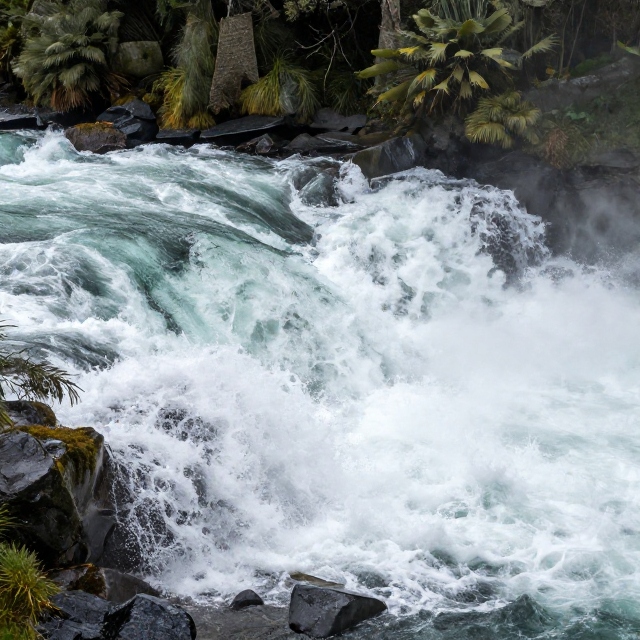
The Kaituna River is one of New Zealand’s most famous whitewater kayaking destinations, renowned for its spectacular waterfalls, technical rapids, and lush native forest surroundings. The river’s challenging sections feature powerful currents, narrow channels, steep drops, and exciting technical features. Its most famous landmark, Tutea Falls, is a dramatic 7-meter waterfall and one of the highest commercially rafted waterfalls in the world. With sections ranging from intermediate to advanced difficulty, the Kaituna offers an unforgettable combination of technical whitewater and waterfall kayaking.
Quick Facts: Location: Kaituna River, near Rotorua, Bay of Plenty, New Zealand | Difficulty: Class III–V, depending on section and water level | Typical Duration: 2–4 hours | Kayak Type: Advanced Creek / Waterfall Kayaking | Best Season: Year-round, depending on river conditions.
Starting Point: Upper Kaituna River access near Okere Falls | Finish: Lower Kaituna River take-out | Route: Upper Kaituna → Okere Falls → Tutea Falls → lower Kaituna.
Where to Stay: : Rotorua, Tauranga, and Okere Falls. These locations offer hotels, lakeside lodges, cabins, campgrounds, restaurants, and established whitewater kayaking operators.
Franklin River — Tasmania
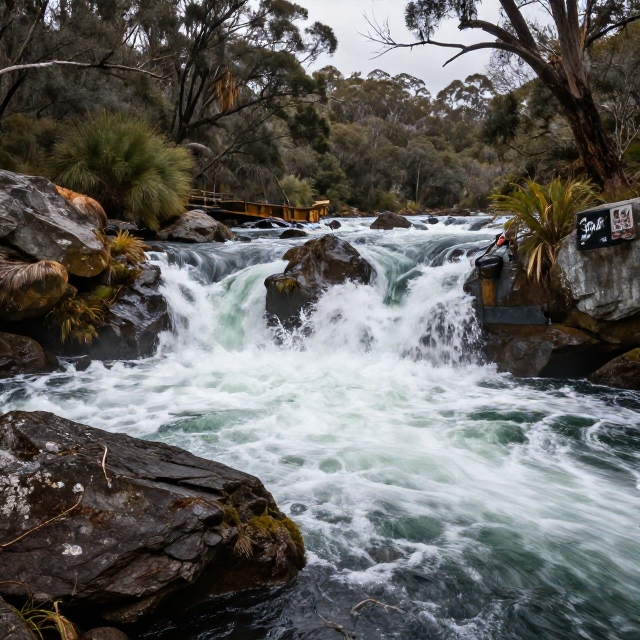
The Franklin River is one of Australia’s most celebrated wilderness rivers, flowing through the remote and rugged landscapes of Tasmania’s World Heritage wilderness. Its challenging whitewater sections feature powerful rapids, steep drops, narrow gorges, technical boulder gardens, and spectacular rainforest scenery. Certain sections reach Class IV–V, demanding advanced kayaking skills, strong endurance, and experience navigating remote multi-day river expeditions. The river’s pristine wilderness, dramatic canyon walls, and isolation make it one of the most remarkable expedition kayaking destinations in the Southern Hemisphere.
Quick Facts: Location: Franklin-Gordon Wild Rivers National Park, western Tasmania, Australia | Difficulty: Class III–V, depending on section and water level | Typical Duration: 5–10 days | Kayak Type: Advanced Wilderness / Expedition Kayaking | Best Season: November–March, depending on rainfall and river conditions.
Starting Point: Collingwood River access near the Franklin River headwaters | Finish: Gordon River / Sir John Falls area, depending on expedition route | Route: Upper Franklin → Great Ravine → lower Franklin → Gordon River.
Where to Stay: Strahan, Queenstown, and Derwent Bridge. These communities offer hotels, wilderness lodges, cabins, campgrounds, and restaurants. Most of the river journey requires self-supported wilderness camping.
North Johnstone River — Queensland
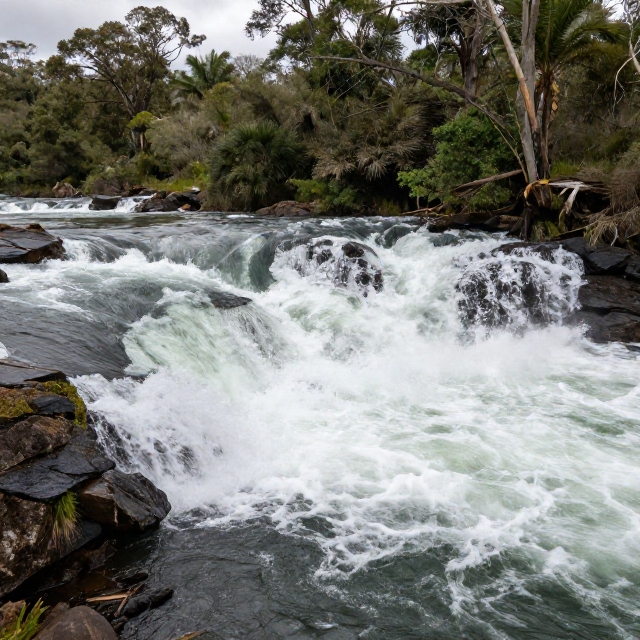
The North Johnstone River is a spectacular wilderness whitewater destination flowing through the tropical rainforests of Far North Queensland. Its remote river corridor features powerful rapids, steep drops, technical boulder gardens, and narrow rainforest gorges surrounded by dense tropical vegetation. Challenging sections can reach Class V, requiring advanced creek-boating abilities, precise maneuvering, and experience navigating continuous whitewater. The river’s isolation, dramatic scenery, and demanding rapids make it one of Australia’s most adventurous whitewater kayaking expeditions.
Quick Facts: Location: North Johnstone River, near Malanda and Ravenshoe, Far North Queensland, Australia | Difficulty: Class IV–V, depending on section and water level | Typical Duration: 2–4 days, depending on expedition route | Kayak Type: Advanced Creek / Wilderness Expedition Kayaking | Best Season: Generally winter–early spring (June–September), subject to rainfall and river conditions.
Starting Point: Upper North Johnstone River access | Finish: Lower North Johnstone River near the Tully River region | Route: Upper North Johnstone → rainforest gorge sections → lower North Johnstone.
Where to Stay: Malanda, Atherton, Ravenshoe, and Cairns. These communities offer hotels, guesthouses, rainforest lodges, cabins, and campgrounds. Remote sections require advance transport arrangements and self-supported expedition planning.
Note: Difficulty grades and suitable paddling seasons vary with water levels, rainfall, and individual river sections. The Kaituna is an established commercial whitewater destination, whereas the Franklin and North Johnstone are remote wilderness expeditions requiring substantial planning, advanced paddling experience, and appropriate safety support.
Conclusion
The world’s best Class V whitewater kayaking destinations showcase the incredible diversity of river landscapes and whitewater adventures. From the towering walls of the Stikine River and the dramatic gorges of the Futaleufú to the powerful Zambezi and the remote wilderness rivers of New Zealand and Tasmania, each destination offers a distinctive combination of natural beauty and challenging whitewater.
For experienced kayakers, exploring these rivers is about more than conquering rapids. It’s about discovering extraordinary landscapes, experiencing remote wilderness, and developing the skills needed to navigate some of the planet’s most demanding waterways. Before planning an expedition, research seasonal water levels, river access, permits, local regulations, and current hazards. Class V rivers require advanced technical ability, sound judgment, reliable rescue skills, and appropriate support.
Whether you’re planning your next international kayaking expedition or building a bucket list of spectacular canyon runs, these 25 destinations are an inspiring starting point for exploring the world of extreme whitewater kayaking.
Frequently Asked Questions (FAQ)
1. What is Class V whitewater kayaking?
Class V whitewater kayaking involves extremely difficult rapids with powerful currents, steep drops, complex obstacles, and potentially severe consequences for mistakes. It requires advanced paddling techniques, strong river-reading abilities, and expert rescue knowledge.
2. Where is the best Class V whitewater kayaking in the world?
Some of the most famous destinations include:
- Grand Canyon of the Stikine, Canada
- Futaleufú River, Chile
- Cherry Creek, California, USA
- Green River Narrows, North Carolina, USA
- Zambezi River, Zimbabwe and Zambia
- Kaituna River, New Zealand
Each offers different styles of challenging whitewater, from steep technical creeking to powerful big-water rapids.
3. What is the most difficult whitewater kayaking river in the world?
The Grand Canyon of the Stikine in British Columbia, Canada, is widely regarded as one of the most challenging and prestigious big-water kayaking expeditions in the world. Its enormous rapids, remote location, and demanding canyon environment make it particularly formidable.
4. What is the difference between Class V creek kayaking and big-water kayaking?
Class V creek kayaking typically involves steep, narrow rivers with waterfalls, technical drops, boulder gardens, and tight passages. Big-water kayaking involves powerful currents, enormous waves, large hydraulics, and high-volume rapids. Both demand advanced skills but require different techniques and approaches.
5. Which countries have the best Class V kayaking destinations?
Some of the leading countries for advanced whitewater kayaking include:
- United States
- Canada
- Chile
- New Zealand
- Norway
- Italy
- Switzerland
- Nepal
- Zimbabwe
- Australia
These countries offer a wide variety of mountain creeks, deep gorges, remote wilderness rivers, and powerful expedition routes.
6. What is the best time of year for Class V whitewater kayaking?
The ideal season depends on the river and its water source. Snowmelt-fed rivers often run best during spring and early summer, while dam-controlled rivers may have scheduled releases. Rain-fed rivers can have shorter and less predictable boating windows. Always check local flow information before traveling.
7. Do you need experience to kayak Class V rapids?
Yes. Class V kayaking is intended for highly experienced paddlers with advanced technical skills, dependable rescue abilities, and experience handling difficult river conditions. It is not suitable for beginners or intermediate kayakers attempting to progress without qualified instruction and preparation.
8. What equipment is needed for Class V whitewater kayaking?
Essential equipment generally includes:
- Appropriate whitewater kayak and paddle
- Certified whitewater helmet
- Properly fitted personal flotation device (PFD)
- Suitable drysuit or thermal protection
- Throw ropes and rescue equipment
- River knife and whistle
- First-aid and emergency communication equipment
Equipment should be selected according to the river, climate, water temperature, and expedition requirements.
9. Are Class V kayaking rivers suitable for guided trips?
Some destinations offer professional guiding, instruction, or expedition support. However, not every Class V run is commercially guided or appropriate for guided recreational trips. Check the operator’s qualifications, local conditions, and the specific difficulty of the river.
10. What makes a canyon especially exciting for whitewater kayaking?
The most spectacular canyon kayaking destinations combine towering rock walls, narrow river passages, dramatic waterfalls, granite slides, powerful rapids, and remote wilderness scenery. These geological features create unforgettable paddling environments while often making river access, scouting, and rescue more challenging.