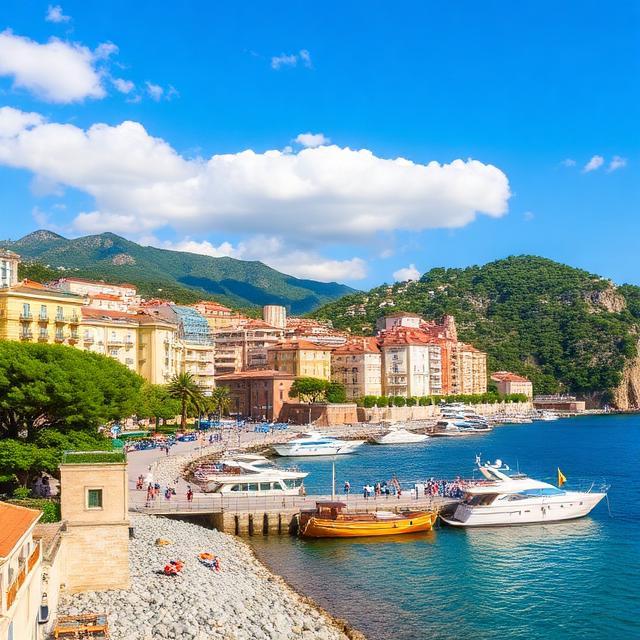
Diving in Playa del Carmen is an unforgettable way to explore the underwater world of the Riviera Maya. Located along Mexico’s Caribbean coast, Playa del Carmen offers easy access to colorful coral reefs, abundant marine life, drift dives, cenotes, and some of the region’s most famous underwater experiences.
Whether you are a first-time diver, an experienced scuba diver, or looking to explore cenotes and nearby Cozumel, Playa del Carmen provides a wide variety of diving opportunities. With warm Caribbean waters, excellent visibility, and dive sites for different experience levels, it is an ideal destination for discovering the underwater beauty of the Riviera Maya.
Reef Diving in Playa del Carmen
Playa del Carmen Reef

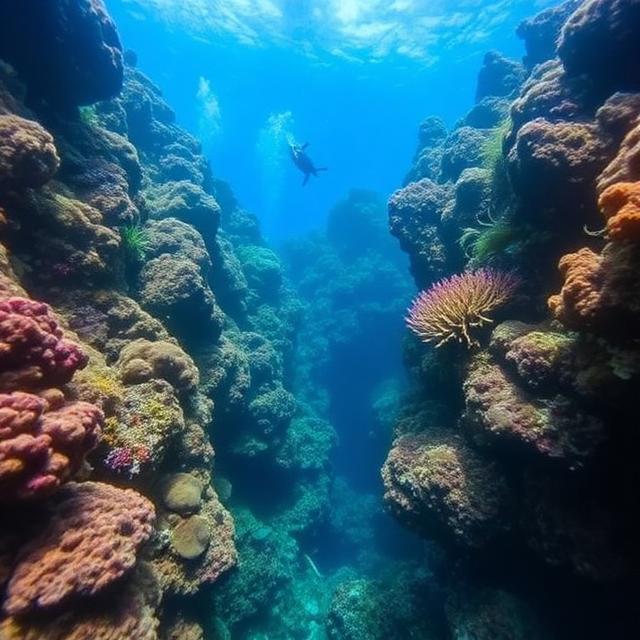
Playa del Carmen’s local reefs offer warm Caribbean water, colorful coral formations, and a variety of tropical marine life. Many sites are suitable for recreational divers, with relatively shallow areas that allow beginners to explore comfortably. Divers can encounter sea turtles, rays, moray eels, barracuda, angelfish, and schools of smaller reef fish depending on the site and season. Drift diving can also be common because of the area’s coastal currents.
Marine Life: Sea turtles, rays, moray eels, barracuda, angelfish, tropical reef fish
Dive Features: Coral reefs ➤ sandy channels ➤ reef walls ➤ drift diving
Playacar Reef

Playacar Reef is located just south of central Playa del Carmen and provides access to a series of shallow and moderately deep Caribbean reef environments. The sites feature coral formations, sandy patches, and reef channels that attract schools of tropical fish and larger predators. Divers may see turtles, stingrays, barracuda, moray eels, and colorful reef fish during a typical dive. The generally accessible depths make the area suitable for recreational divers when currents and visibility are favorable.
Marine Life: Turtles, stingrays, barracuda, moray eels, snapper, angelfish
Dive Features: Shallow reef ➤ coral formations ➤ sandy patches ➤ reef channels
Punta Maroma

Punta Maroma offers reef diving along a scenic section of the Riviera Maya coastline where coral structure meets sandy-bottom areas and deeper Caribbean water. The reefs provide shelter for tropical fish while larger species move along the outer edges and nearby drop-offs. Divers can encounter turtles, rays, barracuda, moray eels, snapper, and other Caribbean reef species. The combination of reef structure and open-water visibility makes Punta Maroma an appealing option for both intermediate and experienced recreational divers.
Marine Life: Sea turtles, rays, barracuda, moray eels, snapper, jacks
Dive Features: Coral reef ➤ sandy-bottom areas ➤ reef edges ➤ deeper drop-offs
Punta Venado

Punta Venado features Caribbean reef habitat with coral formations, rocky structure, sandy areas, and current-influenced sections. The varied underwater terrain creates feeding and shelter zones for numerous tropical fish and reef predators. Depending on conditions, divers may encounter turtles, stingrays, barracuda, moray eels, grouper, and schools of colorful reef fish. The area can provide an enjoyable combination of reef exploration and drift-style diving.
Marine Life: Turtles, stingrays, barracuda, moray eels, grouper, reef fish
Dive Features: Coral formations ➤ rocky structure ➤ sandy patches ➤ current corridors
Paamul

Paamul is known for its clear Caribbean water and reef environment, with underwater terrain that includes coral formations, sandy channels, and rocky sections. The reefs provide habitat for smaller tropical species as well as larger predators that patrol the edges. Divers may see sea turtles, rays, moray eels, snapper, parrotfish, and barracuda depending on the season. Its mix of shallow and moderately deep reef terrain makes it suitable for a range of recreational diving experiences.
Marine Life: Sea turtles, rays, moray eels, snapper, parrotfish, barracuda
Dive Features: Coral gardens ➤ sandy channels ➤ rocky reef ➤ reef edges
Puerto Aventuras

Puerto Aventuras provides access to a variety of Caribbean reef sites featuring coral formations, sandy bottoms, and underwater ledges. The surrounding reef habitat supports diverse tropical fish populations, while deeper sections can attract larger species and passing predators. Divers may encounter turtles, stingrays, barracuda, moray eels, grouper, and schools of snapper and grunts. The area’s variety of depths allows dive operators to select sites based on diver experience and daily conditions.
Marine Life: Turtles, stingrays, barracuda, moray eels, grouper, snapper
Dive Features: Coral reefs ➤ underwater ledges ➤ sandy bottoms ➤ deeper reef sections
Puerto Morelos

Puerto Morelos offers some of the most established reef diving along the northern Riviera Maya, with access to the Mesoamerican Barrier Reef system. Its underwater landscape includes coral heads, reef walls, sandy channels, and areas of healthy marine habitat that support abundant tropical life. Divers can encounter sea turtles, rays, barracuda, moray eels, angelfish, parrotfish, and numerous schooling species. The area’s protected reef environment and range of recreational depths make it popular with both newer and experienced divers.
Marine Life: Sea turtles, rays, barracuda, moray eels, angelfish, parrotfish
Dive Features: Mesoamerican Reef ➤ coral heads ➤ reef walls ➤ sandy channels
Cenote Diving
Cenote Dos Ojos

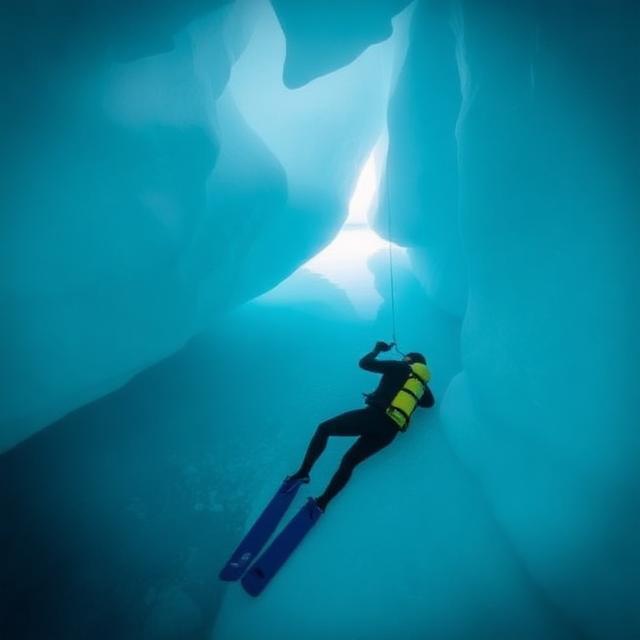
Cenote Dos Ojos is one of the Riviera Maya’s best-known cenotes, famous for exceptionally clear freshwater and an extensive network of underwater caves and caverns. Divers can explore dramatic limestone formations, stalactites, stalagmites, and illuminated cavern passages. The site offers both recreational cavern experiences and more advanced cave-diving routes for properly certified divers. Its excellent visibility and distinctive geological scenery make it a popular choice for underwater photography.
Dive Features: Crystal-clear water ➤ cavern passages ➤ stalactites and stalagmites ➤ underwater cave system
Cenote Sac Actun
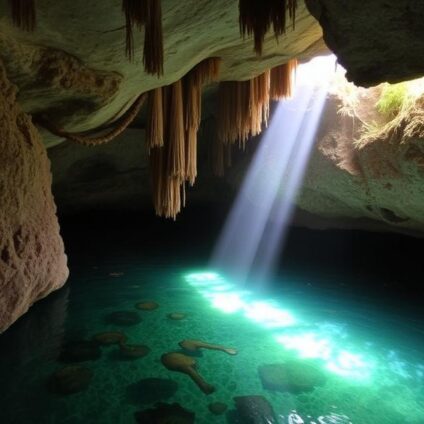
Cenote Sac Actun is connected to one of the largest known underwater cave systems in the world and offers spectacular freshwater diving. The cavern sections contain intricate limestone formations, large chambers, narrow passages, and areas of natural light. Divers can experience remarkable visibility while exploring the geological features beneath the surface. Cave-diving sections require appropriate certification, equipment, and specialized guidance.
Dive Features: Extensive cave system ➤ limestone chambers ➤ stalactites and stalagmites ➤ crystal-clear freshwater
Cenote Chac Mool
Cenote Chac Mool is a popular cenote near Playa del Carmen known for its large open entrances, clear water, and impressive cavern environment. Sunlight entering through the cenote openings creates dramatic beams that illuminate the underwater rock formations. Divers can also experience a halocline where freshwater and saltwater meet at depth. The combination of open water, cavern passages, and natural lighting makes Chac Mool a memorable introduction to cenote diving.
Dive Features: Open cenote ➤ cavern zones ➤ halocline ➤ dramatic light beams
Cenote Tajma Ha

Cenote Tajma Ha is known for its decorated cavern environment, clear freshwater, and impressive limestone formations. Natural openings allow sunlight to penetrate the cavern, producing striking beams of light and changing shadows underwater. Divers can encounter stalactites, stalagmites, columns, and other formations along the route. The overhead environment means divers should remain within the limits of their certification and dive with appropriate supervision.
Dive Features: Decorated cavern ➤ light beams ➤ limestone formations ➤ clear freshwater
Cenote El Pit

Cenote El Pit is famous for its deep vertical profile, dramatic sunlight shaft, and distinctive underwater layers. The dive descends through clear freshwater toward a halocline and a visible hydrogen sulfide cloud deeper in the cenote. Large limestone walls and the vertical nature of the site create an impressive sense of depth and scale. Its depth makes El Pit particularly attractive to experienced recreational and technical divers.
Dive Features: Deep vertical shaft ➤ sunlight beams ➤ halocline ➤ hydrogen sulfide cloud
Cenote Angelita

Cenote Angelita is famous for its unusual underwater river effect created by a dense hydrogen sulfide layer beneath the freshwater. Divers descend through clear water before reaching the cloud, where submerged branches and vegetation create the appearance of a forest or river beneath the surface. The unusual visual environment makes Angelita particularly popular with experienced divers and underwater photographers. Its depth and conditions require appropriate training, buoyancy control, and careful dive planning.
Dive Features: Underwater river effect ➤ hydrogen sulfide layer ➤ submerged vegetation ➤ deep cenote
Cenote Calavera

Cenote Calavera, also known as the “Temple of Doom,” features a distinctive circular opening leading into a freshwater cavern environment. Divers descend beneath the surface to explore limestone formations, stalactites, and stalagmites surrounding the cavern. A halocline can create a noticeable visual distortion where freshwater meets saltwater below. The site offers an exciting cenote experience while remaining accessible to appropriately trained recreational divers.
Dive Features: Circular cenote entrance ➤ cavern passages ➤ halocline ➤ limestone formations
Cenote Kukulkan

Cenote Kukulkan is a popular cavern-diving site characterized by clear freshwater, limestone formations, and natural sunlight entering through its open sections. Light beams can illuminate the cavern and create strong contrasts between the bright surface and darker underwater passages. Divers may also encounter a halocline as freshwater transitions into saltwater at depth. Its combination of natural lighting and geological features makes it a rewarding cenote for recreational divers.
Dive Features: Cavern zone ➤ natural light beams ➤ halocline ➤ limestone formations
Cenote Dreamgate

Cenote Dreamgate is known for its intricate underwater formations and beautifully decorated cavern passages. The exceptionally clear water allows divers to see clusters of stalactites, stalagmites, columns, and other limestone features in detail. Natural light filtering into sections of the cavern adds to the visual appeal of the dive. Because the site includes overhead environments, divers should follow appropriate cavern-diving procedures and remain within their training limits.
Dive Features: Decorated cavern ➤ clear freshwater ➤ stalactites and stalagmites ➤ overhead environment
Cenote Jardín del Edén

Cenote Jardín del Edén, also known as Garden of Eden, is a large open cenote surrounded by lush vegetation and exposed limestone. Its clear freshwater provides excellent visibility around underwater rock formations, ledges, and natural features. Divers can experience sunlight filtering through the open cenote while exploring areas that transition toward cavern-like environments. A halocline may also be encountered where freshwater meets saltwater deeper below the surface.
Dive Features: Open cenote ➤ underwater rock formations ➤ natural sunlight ➤ freshwater and saltwater layers
Cozumel Diving
Palancar Reef

Palancar Reef is one of Cozumel’s most famous dive areas, known for clear Caribbean water, coral formations, swim-throughs, and dramatic underwater terrain. The reef system includes walls, pinnacles, caves, and channels that create habitat for colorful tropical fish and larger reef species. Divers may encounter sea turtles, eagle rays, nurse sharks, moray eels, barracuda, and schools of reef fish. Its range of depths and formations makes Palancar suitable for experienced recreational divers when conditions are favorable.
Marine Life: Sea turtles, eagle rays, nurse sharks, moray eels, barracuda, tropical reef fish
Dive Features: Coral formations ➤ swim-throughs ➤ reef walls ➤ caves and channels
Santa Rosa Wall

Santa Rosa Wall is a renowned Cozumel wall dive where the reef drops dramatically into deeper Caribbean water. The vertical wall is covered with sponges, corals, sea fans, and other marine growth that provide shelter for a wide range of reef species. Divers can encounter turtles, eagle rays, moray eels, barracuda, grouper, and large schools of tropical fish along the wall. Strong currents can create excellent drift-diving conditions, making the site particularly appealing to experienced divers.
Marine Life: Turtles, eagle rays, moray eels, barracuda, grouper, reef fish
Dive Features: Steep wall ➤ coral growth ➤ deep drop-off ➤ drift diving
Colombia Reef

Colombia Reef offers a combination of coral formations, channels, swim-throughs, and sloping reef terrain in Cozumel’s clear Caribbean waters. The reef provides abundant habitat for tropical fish, crustaceans, and larger predators that patrol the surrounding structure. Divers may see sea turtles, rays, barracuda, moray eels, nurse sharks, and colorful schools of reef fish. Its varied underwater terrain provides opportunities to explore both open reef areas and sheltered formations.
Marine Life: Sea turtles, rays, barracuda, moray eels, nurse sharks, tropical fish
Dive Features: Coral formations ➤ swim-throughs ➤ reef channels ➤ sloping reef
Punta Sur

Punta Sur is located at the southern end of Cozumel and offers access to some of the island’s more dramatic underwater environments. The area features steep walls, caves, tunnels, and strong current movement that can create exciting drift-diving conditions. Divers may encounter eagle rays, turtles, barracuda, moray eels, groupers, and other Caribbean reef species. Some sites around Punta Sur are better suited to experienced divers because of depth, currents, and overhead environments.
Marine Life: Eagle rays, turtles, barracuda, moray eels, grouper, reef fish
Dive Features: Deep walls ➤ caves ➤ tunnels ➤ strong currents
Paradise Reef

Paradise Reef is a popular Cozumel dive site known for relatively accessible depths, clear water, coral formations, and abundant tropical marine life. The reef includes sandy areas and coral structures where divers can look for smaller creatures as well as schooling fish. Common sightings can include angelfish, parrotfish, barracuda, moray eels, rays, and sea turtles. Its generally manageable profile makes Paradise Reef a popular option for newer certified divers and those looking for a relaxed reef dive.
Marine Life: Angelfish, parrotfish, barracuda, moray eels, rays, sea turtles
Dive Features: Shallow reef ➤ coral formations ➤ sandy areas ➤ easy drift diving
Marine Life & Specialty Diving
Akumal — Turtle Diving

Akumal is one of the Riviera Maya’s best-known areas for observing sea turtles in their natural habitat. The shallow coastal waters and seagrass beds provide important feeding grounds where green sea turtles are commonly encountered. Divers and snorkelers can also see rays, tropical fish, and other Caribbean marine life around nearby reef areas. Turtle encounters should be conducted responsibly by maintaining distance and following local wildlife-protection rules.
Marine Life: Green sea turtles, stingrays, tropical fish, parrotfish, snapper
Dive Features: Seagrass beds ➤ shallow coastal water ➤ reef edges ➤ turtle feeding grounds
Playa del Carmen — Bull Shark Diving

Playa del Carmen is well known for seasonal bull shark diving, particularly during the cooler months when sharks gather in the area. These dives typically take place in deeper coastal waters and are conducted with experienced operators using established safety procedures. Encounters provide divers with an opportunity to observe large bull sharks in their natural environment without approaching or feeding the animals independently. The experience is best suited to certified divers who are comfortable with deeper water and following detailed dive briefings.
Marine Life: Bull sharks, rays, barracuda, tropical reef fish
Dive Features: Deep coastal water ➤ seasonal shark aggregation ➤ open-water diving ➤ guided shark encounters
Tulum — Cave & Cavern Diving

Tulum is surrounded by some of the Riviera Maya’s most famous cenotes, offering access to spectacular freshwater cave and cavern environments. Divers can explore crystal-clear water, limestone formations, stalactites, stalagmites, haloclines, and underground passages depending on the cenote. Cavern diving can be available to appropriately trained recreational divers, while deeper cave sections require specialized cave-diving certification and equipment. Popular nearby systems include Dos Ojos, Sac Actun, and other cenotes extending through the limestone landscape.
Dive Features: Cenotes ➤ limestone formations ➤ cavern passages ➤ haloclines and freshwater caves
Conclusion
Playa del Carmen is one of the best destinations in Mexico for scuba diving, combining Caribbean reef dives with unique cenote experiences and convenient access to Cozumel. From colorful marine life and coral reefs to caves and crystal-clear freshwater cenotes, divers can enjoy a wide range of underwater adventures.
The best dive experience depends on your certification, experience level, interests, and the time of year you visit. Whether you are looking for your first scuba experience, a reef dive, a cenote adventure, or a full-day trip to Cozumel, Playa del Carmen offers excellent options for divers of all levels.
Playa del Carmen Diving FAQ
What Is the Best Time to Dive Playa del Carmen?
The best time to dive Playa del Carmen is generally from November through May, when conditions are often favorable and underwater visibility can be excellent. Water temperatures remain comfortable, although a wetsuit is recommended during the cooler winter months. Summer can also offer good diving, particularly for warm water and calmer conditions on suitable days. If you want to see bull sharks, the winter season from roughly November to March is especially notable.
Is Playa del Carmen Good for Diving?
Yes, Playa del Carmen is an excellent diving destination for both beginners and experienced divers. Its location along the Riviera Maya provides access to Caribbean reefs, walls, wrecks, and nearby cenotes. Divers can encounter sea turtles, rays, tropical reef fish, nurse sharks, and seasonal bull sharks. The variety of shallow and deeper sites also makes it possible to choose dives based on experience level and conditions.
Where to Go Diving in Playa del Carmen?
The main diving areas around Playa del Carmen include the coastal reefs directly offshore, deeper reef sites, and cenotes farther inland. Popular reef areas include sites around Playa del Carmen’s local reef system, while cenotes such as Dos Ojos and nearby cavern systems provide a completely different freshwater experience. Cozumel is also easily accessible for day trips and is famous for its clear water and current-assisted reef diving. The best location depends on whether you want reefs, cenotes, marine life, or deeper wall dives.
What Are the Best Dive Sites in Playa del Carmen?
Some of the best-known diving experiences around Playa del Carmen include local Caribbean reef sites, bull shark sites during the winter season, and nearby cenotes. Reef dives offer colorful coral, tropical fish, turtles, rays, and other marine life in relatively warm water. Cenotes provide dramatic freshwater environments featuring caves, rock formations, shafts of sunlight, and crystal-clear visibility. Experienced divers can also explore deeper sites and drift dives when conditions are suitable.
How Much Is Scuba Diving in Playa del Carmen?
The cost of scuba diving in Playa del Carmen varies depending on whether you choose a local reef dive, cenote excursion, certification course, private trip, or multi-dive package. A typical guided two-tank reef dive is generally more affordable than a full-day cenote excursion because cenote trips often include transportation, entrance fees, and specialized guides. Equipment rental can also affect the final price if you do not bring your own gear. Prices change by operator and season, so it is best to compare what is included before booking.
What Can You See Diving in Playa del Carmen?
Diving in Playa del Carmen can reveal a wide range of Caribbean marine life, including sea turtles, southern stingrays, eagle rays, moray eels, barracuda, nurse sharks, and colorful reef fish. During the winter months, bull sharks are one of the area’s most famous seasonal attractions. Reef sites feature coral formations, sponges, caves, and schools of tropical fish. Nearby cenotes offer a completely different experience with freshwater species, limestone formations, haloclines, and spectacular light effects.
What Is the Playa del Carmen Diving Season?
Playa del Carmen has a year-round diving season because water temperatures remain relatively warm throughout the year. November through May is often favored for comfortable conditions and strong visibility, while the summer months can provide warm water and excellent reef diving when weather conditions cooperate. Bull shark encounters are most associated with the winter period. Cenote diving is also available throughout the year, although local weather and water conditions can influence individual excursions.
Is Playa del Carmen Good for Diving for Beginners?
Playa del Carmen is well suited to beginners because many local reef dives can be conducted in relatively shallow water with professional guides. Beginner divers can start with calm reef environments before progressing to deeper sites or more specialized experiences. Cenote diving is also available to appropriately trained divers, although some cenote environments require specific experience and should not be treated like ordinary open-water dives. New divers should choose sites based on their certification, comfort level, and current conditions.
How Deep Are the Dive Sites in Playa del Carmen?
Dive depths around Playa del Carmen vary considerably depending on the site, with beginner-friendly reefs often staying relatively shallow while advanced sites can descend much deeper. Many recreational reef dives fall within approximately 10–30 meters (33–100 feet), although exact depths vary by location. Cenotes can have different depth profiles, with some areas remaining shallow and others reaching considerably deeper sections. Divers should always follow the site’s certified depth limits, their training, and the dive operator’s safety requirements.