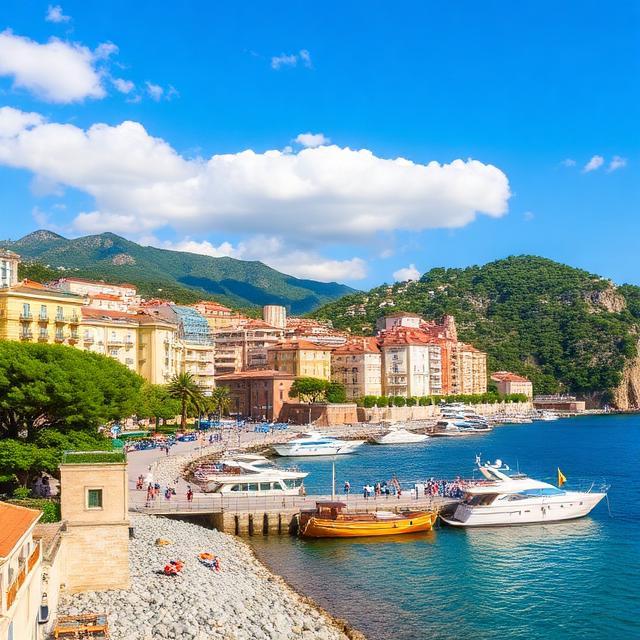
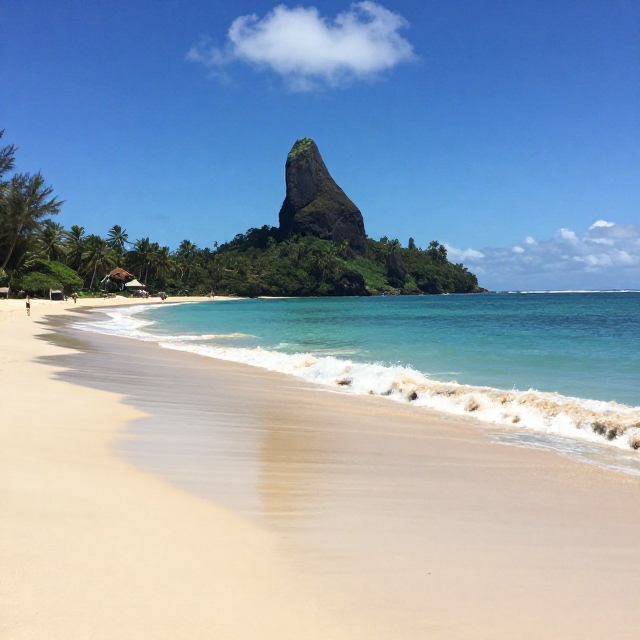
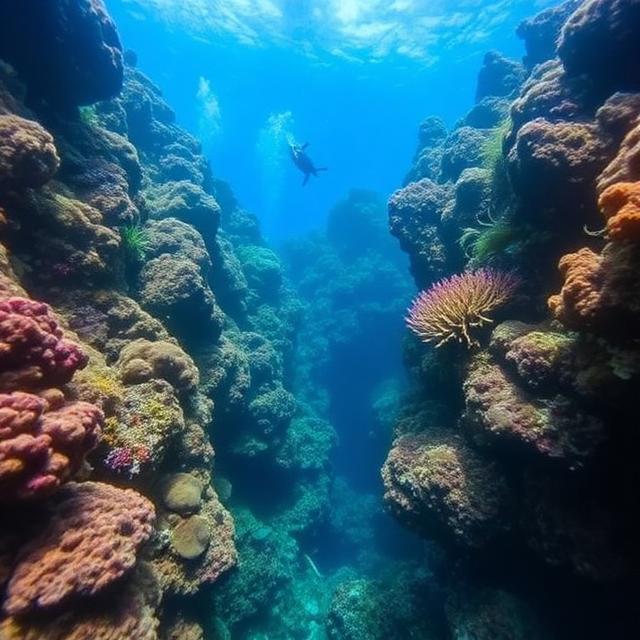
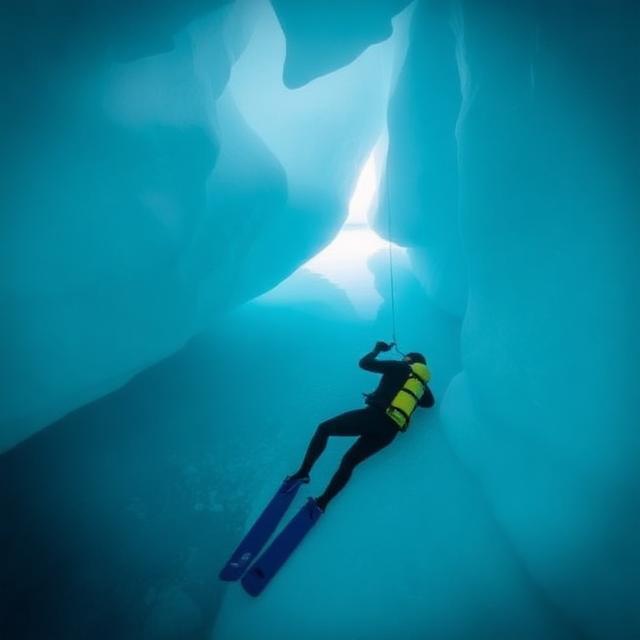
The Big Island of Hawaii is widely considered one of the premier diving destinations in the Pacific, offering an extraordinary underwater world shaped by volcanic activity and surrounded by crystal-clear ocean waters. Divers can explore vibrant coral reefs, dramatic lava tubes, underwater caverns, and thriving marine habitats filled with sea turtles, tropical fish, dolphins, reef sharks, and the island’s famous manta rays. The Kona Coast is especially renowned for its calm conditions, exceptional visibility, and world-famous night dives, while the Hilo and Puna regions offer unique volcanic seascapes and less-crowded underwater adventures. Whether you’re earning your first scuba certification or seeking advanced offshore experiences, the Big Island provides unforgettable diving opportunities throughout the year. In this guide, we’ll explore the 25 best diving spots on the Big Island of Hawaii, organized by dive type and experience level.
Beginner-Friendly Reef & Shore Dives
Beginner-friendly diving spots are perfect for new divers who want a safe and comfortable introduction to the underwater world. These locations usually feature calm, shallow waters, easy shore access, and minimal currents, making it simple to enter and exit the ocean without stress. Visibility is often good, and marine life such as colorful reef fish and sea turtles can be found close to shore, allowing for an enjoyable experience without needing advanced skills or long swims. These areas also provide ideal conditions for practicing basic techniques like buoyancy control, breathing, and underwater awareness. Overall, they offer a relaxed and supportive environment for building confidence while still enjoying the beauty of the ocean.
Kahaluʻu Beach Park

Kahaluʻu Beach Park is one of the most popular beginner snorkeling and shallow diving spots on the Big Island, known for its calm, protected bay. The reef sits close to shore, making it easy for new divers to explore without long swims or boat access. You’ll often see vibrant reef fish, sea turtles, and healthy coral formations just a short distance from the entry point. Because the water is usually calm, it’s ideal for practicing buoyancy control and basic underwater navigation. However, reef conservation is taken seriously here, so divers are expected to avoid touching coral and to be mindful of protected areas.
Two Step

Two Step is named after its natural lava rock entry point that makes getting into the ocean simple and convenient for beginners. The water quickly deepens into clear, calm reef areas where visibility is often excellent. This site is especially famous for encounters with spinner dolphins and green sea turtles in the surrounding waters. The underwater terrain includes lava formations, coral heads, and small fish schools, making it a visually rich dive without strong currents. It’s a favorite for first-time shore divers because of its easy access and consistently rewarding marine life.
Richardson Ocean Park

Richardson Ocean Park is one of the best beginner-friendly diving locations on the east side of the Big Island, offering black sand beaches and calm, sheltered coves. The mix of lava rock pools and reef systems creates multiple shallow areas perfect for learning basic diving skills. Visibility can vary due to rainfall on the Hilo side, but marine life is still abundant, including tropical fish and occasional sea turtles. The park’s gentle entry points make it a safe choice for those still building confidence in the water. It’s also a great place to combine light snorkeling with shallow reef exploration.
Carlsmith Beach Park

Carlsmith Beach Park features a series of protected lagoon-style pools formed by lava rock, creating extremely calm conditions ideal for beginner divers. These lagoons often act like natural aquariums, filled with clear water and a surprising variety of fish species. The sandy-bottom sections make it easy to practice diving skills without dealing with strong surf or currents. Sea turtles are frequently spotted resting in the lagoons, offering unforgettable close-up experiences. This spot is especially good for those who want a relaxed, low-pressure introduction to reef diving.
Leleiwi Beach Park

Leleiwi Beach Park offers a more rugged but still beginner-accessible diving environment with lava rock formations and reef patches close to shore. The entry requires a bit more caution due to uneven terrain, but once in the water, conditions are typically manageable for new divers. The underwater landscape includes coral shelves, small caves, and schools of reef fish that move through the currents. It’s less crowded than other Hilo-area spots, giving divers a more peaceful and natural experience. This location is best suited for beginners who already have some basic comfort in ocean entry and reef awareness.
Coral Reefs & Marine Life Hotspots (Big Island, Hawaii)
Coral Reefs & Marine Life Hotspots on the Big Island are some of the most vibrant and ecologically rich underwater environments in Hawaii, where clear waters, volcanic coastlines, and protected bays create ideal conditions for coral growth and marine biodiversity. These areas are home to thriving coral gardens, colorful reef fish, Hawaiian green sea turtles, and occasional encounters with dolphins and other pelagic species. Many of these sites are designated conservation zones, helping preserve delicate reef ecosystems while offering divers and snorkelers exceptional visibility and easy access from shore. From shallow reef flats to deeper coral formations, these hotspots provide unforgettable underwater experiences for all skill levels and showcase the natural beauty of Hawaii’s ocean life.
Kealakekua Bay

Kealakekua Bay is one of the most famous marine conservation areas in Hawaii, known for its crystal-clear water and thriving coral reef ecosystem. The bay’s protected status helps preserve large schools of tropical fish, vibrant coral formations, and frequent spinner dolphin sightings. Its calm, deep waters make it especially popular for snorkeling and diving along steep reef walls. Because of the high visibility, divers can easily observe complex reef structures and marine activity from a distance. This location offers one of the most untouched and biodiverse underwater experiences on the island.
Honaunau Bay

Honaunau Bay, often called “Two Step’s neighbor,” is a rich coral reef area located near Puʻuhonua o Hōnaunau National Historical Park. The reef is healthy and teeming with marine life, including butterflyfish, parrotfish, and Hawaiian green sea turtles. Its calm, clear conditions make it a prime snorkeling and diving hotspot for both beginners and experienced ocean explorers. Lava rock formations create natural underwater pathways that guide divers through vibrant reef zones. The combination of cultural significance and marine biodiversity makes this bay especially unique.
Puako Reef

Puako Reef stretches along the Kohala Coast and is known for its extensive coral gardens and relatively easy shore access in several areas. The reef system here is one of the oldest and most established on the Big Island, supporting a wide variety of marine species. Divers often encounter colorful reef fish, eels, and resting sea turtles in the shallow waters. Conditions are typically calm in the morning, making it a great location for relaxed reef exploration. Its long reef structure allows for extended dives with constantly changing underwater scenery.
Waialea Bay

Waialea Bay, also known as Beach 69, is a peaceful snorkeling and diving spot surrounded by shady trees and soft sandy entry points. The offshore reef features coral patches that attract schools of tropical fish and occasional manta ray sightings. Its relatively sheltered waters create good visibility and gentle conditions, especially in summer months. The mix of sand channels and reef structure makes it easy to explore different underwater habitats in one dive. It’s a favorite among those looking for a quieter, less crowded marine experience.
Anaehoʻomalu Bay

Anaehoʻomalu Bay, often called “A-Bay,” combines calm waters with accessible reef areas, making it a popular destination for casual snorkeling and diving. The bay features shallow coral formations close to shore, where fish and sea turtles are commonly seen. Its sandy-bottom entry and protected cove help reduce wave action, creating comfortable conditions for extended time in the water. While not as densely packed with coral as other sites, it still offers steady marine activity and beautiful coastal scenery. This spot is especially known for sunset views above water and relaxed underwater exploration below it.
Lava Tubes, Caverns & Underwater Arches
Lava Tubes, Caverns & Underwater Arches on the Big Island of Hawaii showcase the island’s dramatic volcanic origins beneath the ocean’s surface, where ancient lava flows have formed tunnels, arches, and hidden cave systems now filled with marine life. These unique dive environments offer a mix of adventure and natural beauty, with sunlight filtering through openings in the rock to create glowing effects and shifting shadows underwater. Divers can explore swim-through arches, winding lava tubes, and cavern-like structures that shelter reef fish, crustaceans, and other marine species. While some sites are suitable for confident beginners, many require intermediate to advanced skills due to overhead environments and navigation challenges. Overall, these locations provide some of the most visually striking and geologically fascinating diving experiences in Hawaii.
Golden Arches

Golden Arches is a striking underwater formation known for its natural lava rock arches shaped by ancient volcanic activity. Divers are drawn here for the dramatic swim-throughs where sunlight filters through openings in the rock, creating a glowing “golden” effect underwater. The site offers a mix of shallow and moderate depths, making it accessible for intermediate divers with good buoyancy control. Marine life such as butterflyfish, surgeonfish, and occasional reef sharks can be seen moving through the archways. It’s a visually stunning dive that combines geology and marine life in one compact area.
Catacombs Dive Site

The Catacombs Dive Site is a maze-like underwater lava formation featuring narrow passages, swim-through tunnels, and chambered rock structures. This site is best suited for experienced divers due to its complex layout and overhead environments that require careful navigation. Inside the caverns, divers often encounter resting reef fish, lobsters, and unique rock formations shaped by ancient lava flows. Light beams cutting through small openings create an eerie but beautiful atmosphere, giving the site its “catacombs” name. It’s a thrilling dive that rewards slow, controlled exploration.
Arch Dive Site

The Arch Dive Site is known for its prominent underwater archway formed by cooled lava rock, creating a natural bridge-like structure beneath the ocean surface. Divers can swim through and around the arch while observing schools of tropical fish that gather in the protected currents. The structure provides excellent photo opportunities due to the contrast between deep blue water and bright reef life. Depths are generally moderate, making it suitable for confident beginner-to-intermediate divers. The site is popular for its simplicity, beauty, and easy navigation.
Lava Tube Cave System Kona

The Lava Tube Cave System near Kona is a network of underwater tunnels formed by ancient volcanic eruptions that cooled and collapsed into hollow passageways. These tubes create a unique diving environment where divers can move through natural corridors carved by lava. Visibility can vary, but when clear, the system reveals dramatic rock textures and hidden marine life tucked into crevices. Because of the overhead environments, this site is generally recommended for advanced divers with cave or overhead training. It offers one of the most geological and adventurous underwater experiences on the Big Island.
Turtle Pinnacle

Turtle Pinnacle is a well-known underwater reef structure where Hawaiian green sea turtles frequently gather to rest and feed. The pinnacle rises from the seafloor, attracting a variety of reef fish and creating a natural cleaning station environment. Divers often experience calm conditions around the site, making it easier to observe marine life without strong currents. The highlight is consistent turtle sightings, often at close but respectful distances. It’s a peaceful and rewarding dive site that emphasizes marine wildlife interaction over complex terrain.
Advanced & Deep Water Diving
Advanced and deep water diving in Hawaii takes divers far beyond the shallow reefs into the open ocean, deeper reef walls, and night-time pelagic environments where conditions are more demanding but the rewards are significantly greater. These dives often involve greater depths, stronger currents, limited visibility at times, and strict buoyancy control, requiring solid training, experience, and confidence in open-water navigation.
Black Water Dive Kona

Black Water Dive Kona is one of the most extreme and unique diving experiences in the world, taking place in deep offshore waters at night. Divers descend into the open ocean over thousands of feet of water, where powerful lights attract rare and bioluminescent deep-sea creatures. The experience reveals organisms that normally live in the abyss, including larval fish, jelly-like species, and glowing plankton. There is no reef or bottom structure—just open ocean—making buoyancy control and comfort in darkness essential. It is strictly for advanced divers due to the psychological and technical demands of deep night diving.
Fish Rain

Fish Rain is a dramatic offshore diving phenomenon where pelagic fish and deep-water species are drawn upward into illuminated waters at night. Divers often witness unusual vertical movement in the water column, with small fish and predators interacting in unpredictable ways. The experience is typically part of black-water or deep offshore dives, where powerful lights create a temporary ecosystem in the open ocean. Conditions are completely dark beyond the light beams, adding to the surreal feeling of the dive. It is considered an advanced experience due to depth, night conditions, and open-ocean environment.
Crescent Beach Deep Reef

Crescent Beach Deep Reef features deeper coral structures and sloping reef walls that drop into blue water, making it suitable for advanced divers comfortable with depth. The reef supports a mix of pelagic visitors and reef-associated species, including jacks, trevally, and larger reef fish. Visibility is often excellent, but currents can vary depending on conditions offshore. The deeper sections require strong buoyancy control and awareness of nitrogen limits. It is valued for its combination of reef structure and occasional encounters with larger marine life.
Pelagic Magic Dive Area

Pelagic Magic Dive Area is an offshore diving zone known for encounters with large open-ocean species such as manta rays, sharks, and seasonal pelagic visitors. Divers typically experience drifting or stationary dives in deep water where bait and light attract marine life from the surrounding ocean. Conditions are dynamic, often requiring drift diving skills and strong situational awareness. This site is famous for unpredictable but thrilling wildlife encounters in a true blue-water environment. It is best suited for experienced divers comfortable with deep, open-ocean conditions.
Garden Eel Cove Offshore Sites

Garden Eel Cove Offshore Sites are deep-water diving areas near Kona where sand patches and gentle slopes are home to colonies of garden eels and visiting pelagic species. The environment shifts between calm reef edges and deeper offshore drop-offs, creating a diverse underwater landscape. Divers often encounter rays, sharks, and schooling fish moving through the blue water beyond the reef. Currents and depth make this site more suitable for advanced divers with drift diving experience. It is especially known for combining delicate bottom-dwelling species with large open-ocean encounters.
Signature Big Island Dive Experiences
Signature dive experiences on the Big Island represent the most iconic and unforgettable underwater adventures Hawaii has to offer, combining world-famous marine encounters, unique volcanic seascapes, and rare open-ocean wildlife interactions. These dives include everything from graceful nighttime manta ray gatherings to historic reef systems and dramatic lava-formed coastlines shaped by volcanic activity. Many of these sites are internationally recognized for their consistency, clarity, and abundance of marine life, making them must-visit locations for divers from around the world. Whether exploring calm reef flats, drifting along deep coastal drop-offs, or witnessing pelagic life in open water, these experiences capture the very best of Hawaii’s underwater world in one destination.
Manta Village

Manta Village is one of the most iconic night diving and snorkeling experiences in Hawaii, famous for its consistent gatherings of giant manta rays. Divers sit or hover near the ocean floor while powerful lights attract plankton, which in turn draws mantas that glide and barrel-roll through the beams. The experience is calm yet breathtaking, with close-up encounters that feel almost surreal as the rays move gracefully overhead. Depths are relatively manageable, making it accessible to certified divers with basic night diving comfort. It is one of the most reliable places in the world to see manta rays up close.
Manta Heaven

Manta Heaven is another premier manta ray dive site located off the Kona Coast, offering a similar but often more spacious experience compared to other manta locations. The site features a sandy bottom where divers gather while mantas feed in the illuminated water column above. Strong plankton attraction can lead to multiple manta sightings at once, creating a dramatic underwater ballet. Conditions are typically calm, but night diving skills are recommended for comfort and safety. It is widely regarded as one of the best alternative manta ray viewing sites on the island.
Place of Refuge Reef

Place of Refuge Reef sits near the historically significant Puʻuhonua o Hōnaunau area and features a healthy coral reef system with clear, calm waters. The site offers a mix of shallow coral gardens and deeper reef edges, attracting a wide range of marine life including turtles, reef fish, and occasional eagle rays. Its protected coastline helps maintain excellent visibility and relatively gentle conditions. Divers also appreciate the cultural importance of the nearby Hawaiian historical site. It’s a balanced dive location that combines history, calm conditions, and vibrant marine life.
South Kona Coast Dive Sites
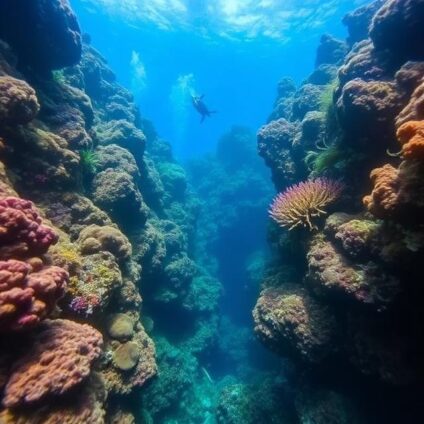
The South Kona Coast Dive Sites stretch along one of the most biologically rich and visually diverse sections of coastline on the Big Island. This region is known for crystal-clear waters, lava rock formations, and steep underwater drop-offs that attract large pelagic species. Divers frequently encounter dolphins, manta rays, reef sharks, and dense schools of tropical fish. Many sites offer easy shore access with calm morning conditions, making it a favorite region for both boat and shore diving. The variety of dive environments makes South Kona one of the most consistent and rewarding dive regions in Hawaii.
Puna Coast Volcanic Reefs

Puna Coast Volcanic Reefs are some of the most geologically unique dive environments on the Big Island, formed by relatively recent lava flows that created rugged underwater landscapes. These reefs feature black lava rock formations, lava fingers, and newly developing coral growth in clear, remote waters. Marine life here is less dense than Kona but highly diverse, often including endemic fish species and occasional pelagic visitors. Conditions can vary due to ocean exposure, making some sites more suitable for experienced divers. It’s a dramatic blend of raw volcanic terrain and emerging marine ecosystems.
Conclusion
Diving the Big Island of Hawaii offers one of the most diverse underwater experiences in the world, from calm beginner reefs and thriving coral gardens to dramatic lava tubes, caverns, and deep offshore pelagic dives. Each region of the island brings something different—Kona’s clear, protected waters are ideal for reefs and manta encounters, while Hilo and the Puna coast showcase raw volcanic landscapes and unique marine environments. Together, these sites create a full spectrum of diving experiences that suit beginners, intermediate divers, and advanced explorers alike. Whether you’re swimming alongside sea turtles, drifting through lava arches, or witnessing manta rays at night, the Big Island delivers unforgettable ocean encounters at every level.
FAQ
1. What is the best time of year to dive on the Big Island?
Diving is possible year-round, but conditions are often calmest in summer (May–September), with better visibility and lighter surf along many coastlines.
2. Do I need advanced certification to dive in Hawaii?
No. Many reef and shore sites are beginner-friendly, but advanced certification is recommended for deep dives, caverns, and night pelagic dives.
3. What marine life can I expect to see?
Common sightings include Hawaiian green sea turtles, reef fish, manta rays, dolphins, eagle rays, and occasional sharks depending on depth and location.
4. Are there dangerous currents or conditions?
Some sites can have strong currents or surge, especially on the east side and deeper offshore dives. Always check local conditions and dive with a guide when unsure.
5. Is night diving safe in Kona?
Yes, when done with certified operators. Night dives like manta ray dives are very popular and considered safe when proper procedures are followed.
6. Can beginners do manta ray dives?
Yes. Most manta ray night dives are designed for beginners, especially snorkelers and newly certified divers, with guided supervision.