The world’s frozen wildernesses are some of the most breathtaking and mysterious places on Earth. From the endless ice sheets of Antarctica to Greenland’s towering glaciers and Alaska’s snow-covered mountains, these remote landscapes offer extraordinary natural beauty and unforgettable adventures. Home to incredible wildlife, frozen lakes, icy fjords, and vast stretches of untouched wilderness, these destinations showcase nature at its wildest. Whether you love Arctic exploration, spectacular winter scenery, or discovering the planet’s most remote places, these best frozen wildernesses on Earth deserve a place on your bucket list.
Plan Your Trip Online
- Find Hotels , Car Rentals, Tour Tickets: Booking,com
- Find Guided Tours: Viator
- Travel Insurance Vistors Coverage
- Fishing Charters Fishingbooker.com
- Cruises Booking.com
- Book BikesBikebookings
- Rent a Car Car Rentals
- Adventure Gear Backcountry.com
- Shop for Travel Clothes Amazon
Antarctica
Antarctica
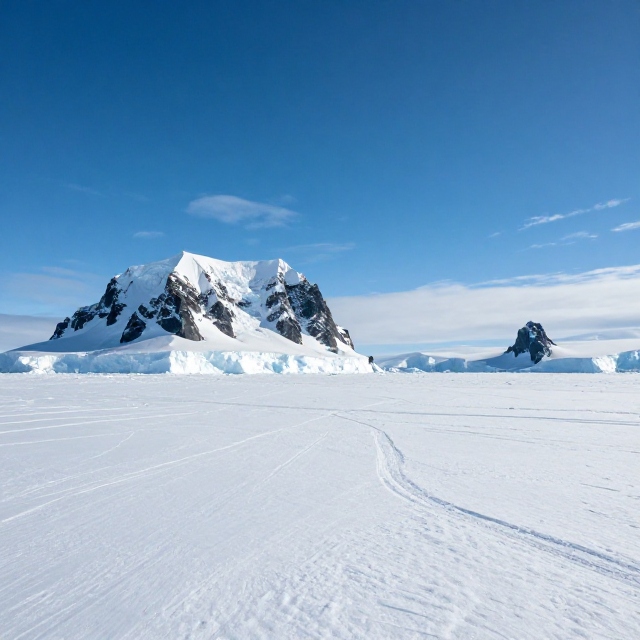
Antarctica is the coldest, driest, and windiest continent on Earth, making it one of the most extraordinary frozen wilderness destinations in the world. Covered by enormous ice sheets, towering glaciers, and snow-covered mountains, it offers breathtaking polar landscapes and untouched natural beauty. The continent is home to penguins, seals, whales, and seabirds that survive in its extreme environment. Visitors can experience spectacular icebergs, explore remote research stations, and observe unique Antarctic wildlife on guided expeditions. Its dramatic scenery and isolated atmosphere make Antarctica an unforgettable destination for adventure and nature enthusiasts.
Things to Do: Take an Antarctic expedition cruise, observe penguin colonies, watch seals and whales, explore icy coastlines, photograph massive icebergs, visit scientific research stations, and enjoy guided Zodiac boat excursions.
Where to Stay: Accommodation is primarily available aboard expedition cruise ships departing from Ushuaia, Argentina, or Punta Arenas, Chile. Most visitors stay on board throughout their Antarctic journey, as there are very few permanent visitor accommodation facilities on the continent.
McMurdo Dry Valleys
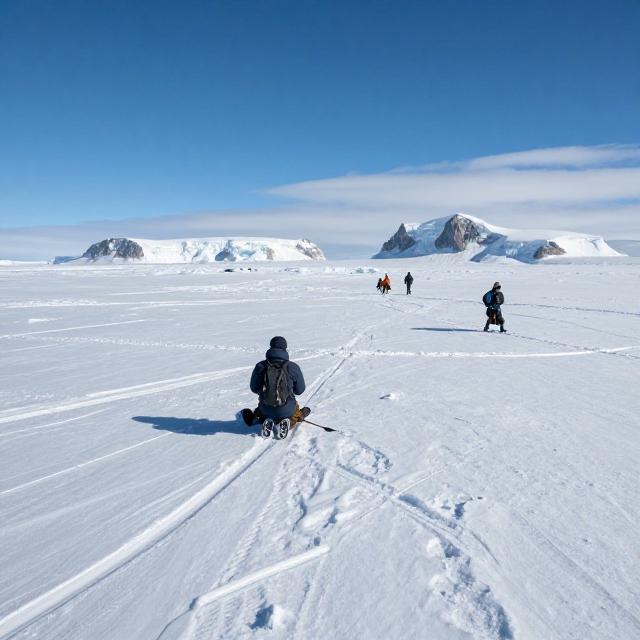
The McMurdo Dry Valleys are a remarkable region of Antarctica known for their unusual desert-like landscapes and extremely dry conditions. Located in Victoria Land, this area features rocky mountains, ancient glaciers, frozen lakes, and vast stretches of exposed ground. Strong winds and freezing temperatures create an environment where almost no snow accumulates, making it one of the driest places on Earth. The valleys are also scientifically important because their extreme conditions resemble those found on Mars. Their unusual scenery and scientific significance make them a fascinating destination for researchers and polar exploration enthusiasts.
Things to Do: Explore the dramatic glacial landscapes, observe frozen lakes, photograph the unique desert-like terrain, learn about Antarctic scientific research, study unusual microbial ecosystems, and discover the region’s geological formations.
Where to Stay: There are no traditional hotels or tourist accommodations in the McMurdo Dry Valleys. Access is generally arranged through scientific research programs, with accommodation available at McMurdo Station or other authorized Antarctic research facilities.
South Georgia Island
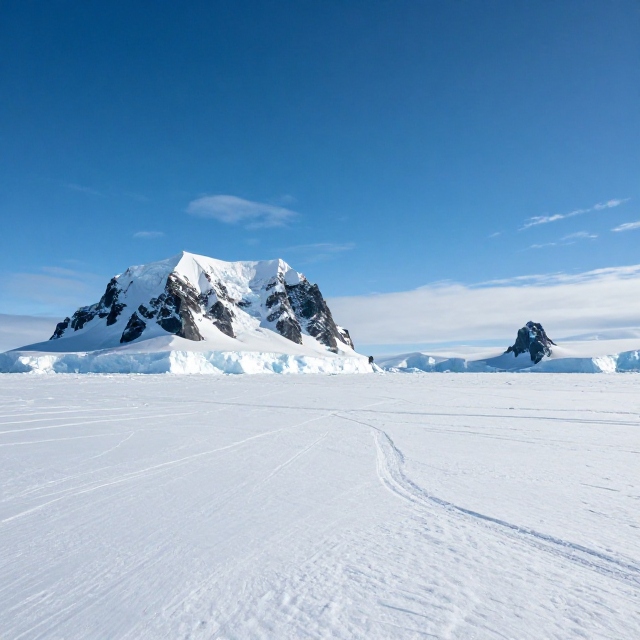
South Georgia Island is a remote sub-Antarctic island famous for its spectacular glaciers, rugged mountains, and extraordinary wildlife. Surrounded by the cold waters of the Southern Ocean, the island features dramatic coastlines, snow-covered peaks, and vast green valleys during the summer months. It is home to enormous colonies of king penguins, elephant seals, fur seals, and numerous seabirds. Visitors can also discover historic whaling stations and sites connected to early polar exploration. Its combination of untouched landscapes, abundant wildlife, and fascinating history makes South Georgia one of the most memorable destinations in the frozen wilderness.
Things to Do: Visit enormous king penguin colonies, observe elephant seals and fur seals, explore historic whaling stations, photograph glaciers and mountain scenery, enjoy guided shore excursions, and discover locations associated with polar explorer Ernest Shackleton.
Where to Stay: There are no conventional hotels or resorts on South Georgia Island. Most visitors stay aboard expedition cruise ships that travel from Ushuaia, Argentina, or the Falkland Islands, with guided land excursions arranged during the journey.
North America: The Frozen Wilderness
Wrangell–St. Elias, Alaska, USA
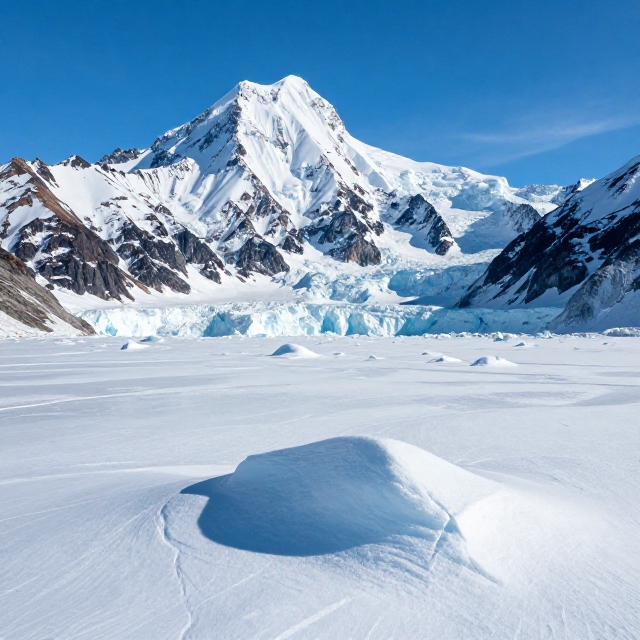
Wrangell–St. Elias National Park is the largest national park in the United States and a spectacular destination for exploring Alaska’s frozen wilderness. The park features towering mountain ranges, enormous glaciers, ice-covered valleys, and remote wilderness landscapes. Visitors can discover historic mining towns, explore rugged hiking trails, and experience breathtaking views of some of North America’s highest peaks. Its vast glaciers and untouched natural scenery make it an unforgettable destination for outdoor adventurers.
Things to Do: Explore Root Glacier, hike scenic mountain trails, visit the historic Kennecott mining town, take glacier flightseeing tours, photograph snow-covered peaks, and experience guided wilderness excursions.
Where to Stay: Stay in McCarthy or Kennicott for convenient access to the park’s main attractions, or choose accommodation in Chitina for access to the surrounding wilderness.
Denali, Alaska, USA
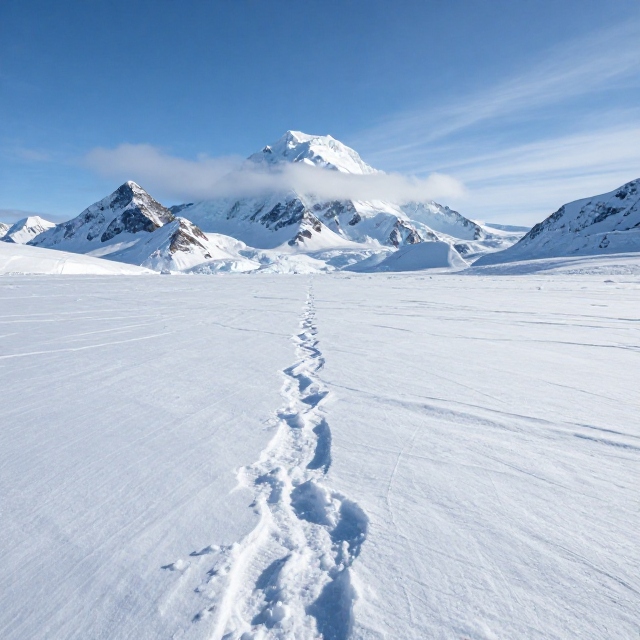
Denali National Park is one of Alaska’s most iconic wilderness destinations, famous for its towering mountains, glaciers, and expansive tundra landscapes. The park is home to Denali, North America’s highest mountain peak, which rises dramatically above the surrounding wilderness. Visitors can encounter wildlife such as grizzly bears, moose, caribou, wolves, and Dall sheep while exploring the park’s remote landscapes. During winter, snow-covered forests and frozen valleys create a breathtaking Arctic atmosphere. Its incredible mountain scenery and abundant wildlife make Denali a must-visit destination for nature lovers.
Things to Do: Take a guided wildlife tour, explore scenic hiking trails, photograph Denali Mountain, enjoy flightseeing excursions, go dog sledding, observe wildlife, and experience winter snowshoeing.
Where to Stay: Stay in the nearby communities of Healy or Cantwell for convenient access to the park, or choose accommodation around the Denali Park entrance for lodges, cabins, and wilderness retreats.
Ellesmere Island, Canada
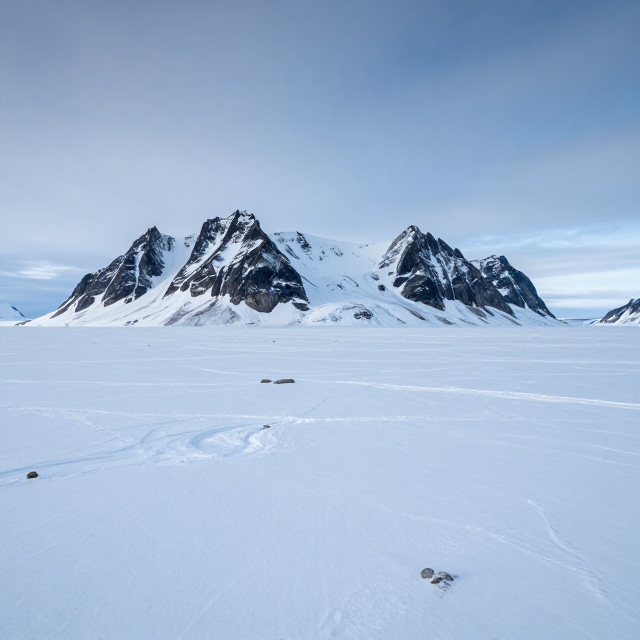
Ellesmere Island is one of Canada’s northernmost islands and a remote destination known for its dramatic Arctic wilderness. Located in Nunavut, the island features enormous glaciers, ice-covered mountains, frozen fjords, and vast polar landscapes. It is home to Arctic wildlife, including muskoxen, Arctic foxes, polar bears, and caribou. The island also contains Quttinirpaaq National Park, one of Canada’s most isolated national parks. Its extreme climate and untouched scenery make it an extraordinary destination for Arctic exploration.
Things to Do: Explore Quttinirpaaq National Park, photograph Arctic glaciers, observe polar wildlife from a safe distance, experience guided Arctic expeditions, discover frozen fjords, and enjoy remote wilderness photography.
Where to Stay: Accommodation is extremely limited, with no conventional hotels across most of the island. Visitors generally arrange expedition-based stays, research-station accommodation when authorized, or lodging in the nearby community of Grise Fiord.
Canadian Rockies, Canada
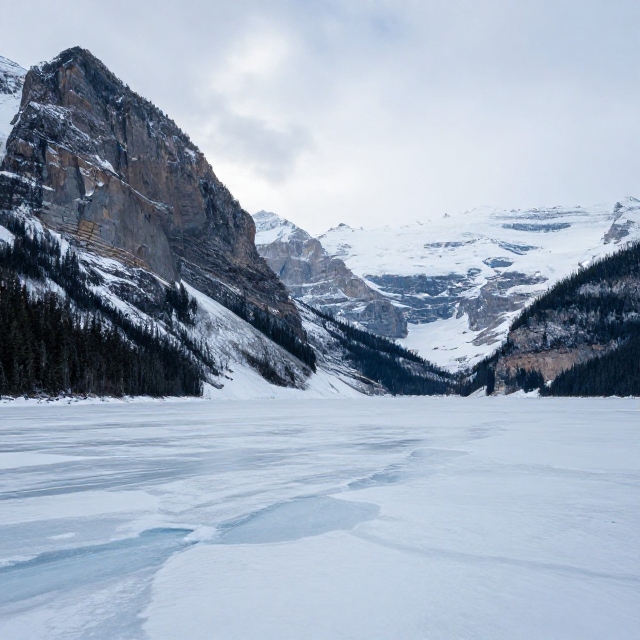
The Canadian Rockies are a spectacular mountain region stretching across Alberta and British Columbia, famous for their snow-covered peaks, turquoise lakes, and enormous glaciers. During winter, the landscape transforms into a frozen wonderland filled with snowy forests, icy waterfalls, and dramatic mountain scenery. The region includes famous destinations such as Banff, Jasper, and Yoho National Parks. Visitors can enjoy outdoor adventures throughout the year while discovering some of Canada’s most beautiful natural landscapes. Its combination of alpine scenery, abundant wildlife, and charming mountain towns makes it an unforgettable wilderness destination.
Things to Do: Visit Lake Louise, explore Banff and Jasper National Parks, hike scenic mountain trails, enjoy skiing and snowboarding, photograph frozen waterfalls, take glacier tours, and experience wildlife watching.
Where to Stay: Stay in Banff, Lake Louise, or Jasper for convenient access to mountain attractions, with accommodation ranging from luxury mountain resorts to cozy cabins and wilderness lodges.
Baffin Island, Canada
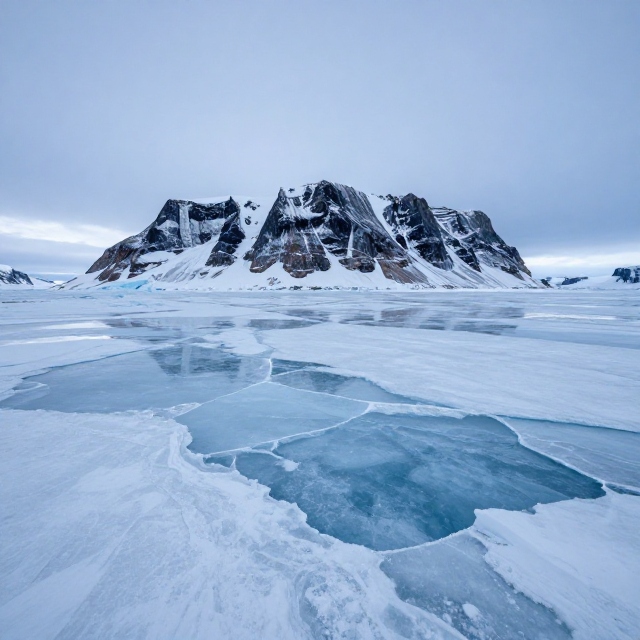
Baffin Island is Canada’s largest island and an extraordinary destination for discovering the remote beauty of the Arctic. Located in Nunavut, it features towering mountains, enormous glaciers, dramatic fjords, and vast stretches of frozen tundra. Auyuittuq National Park is one of its most famous attractions, offering spectacular views of rugged peaks and impressive ice formations. The island is also home to Inuit communities and wildlife such as Arctic foxes, polar bears, seals, and caribou. Its breathtaking landscapes and rich Indigenous culture make it one of Canada’s most fascinating wilderness destinations.
Things to Do: Explore Auyuittuq National Park, photograph the dramatic peaks of Mount Thor, experience guided Arctic hiking, observe wildlife, discover Inuit culture, and enjoy northern lights photography.
Where to Stay: Stay in Iqaluit for hotels, guesthouses, and access to local experiences, or choose accommodation in Pangnirtung for access to Auyuittuq National Park and nearby Arctic landscapes.
Yukon Wilderness, Canada
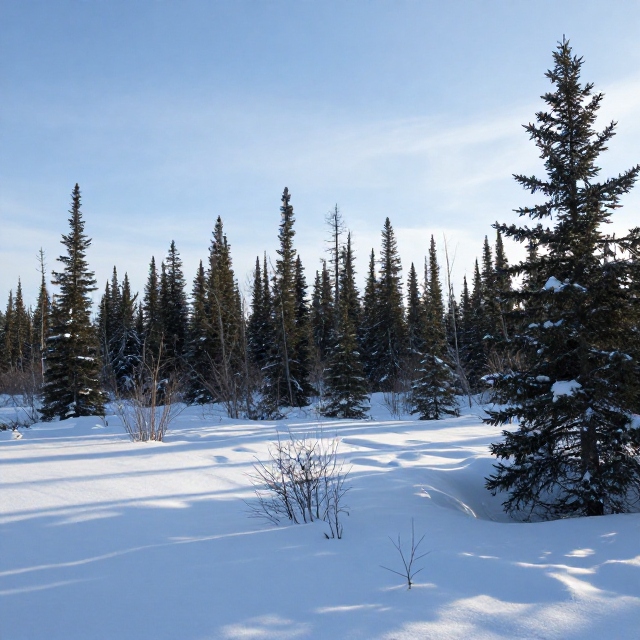
The Yukon Wilderness is a vast northern region known for its rugged mountains, frozen rivers, snow-covered forests, and untouched natural landscapes. During winter, the territory becomes a spectacular frozen wilderness where temperatures can fall dramatically below freezing. Visitors can explore remote national parks, discover historic gold rush towns, and experience the beauty of the northern lights. Wildlife such as moose, caribou, wolves, lynx, and grizzly bears roam throughout the region. Its peaceful atmosphere and incredible scenery make the Yukon an ideal destination for adventure and nature enthusiasts.
Things to Do: Experience northern lights viewing, explore Kluane National Park, go dog sledding, enjoy snowshoeing, visit historic Dawson City, photograph frozen lakes, and take guided wilderness excursions.
Where to Stay: Stay in Whitehorse for convenient access to hotels, restaurants, and outdoor tours, or choose wilderness lodges and cabins near Kluane National Park and other remote destinations.
Gates of the Arctic, Alaska, USA
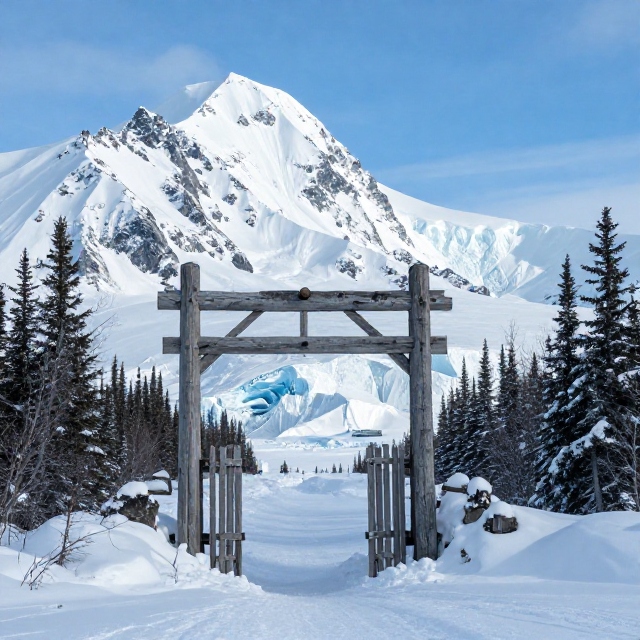
Gates of the Arctic National Park is one of America’s most remote and untouched wilderness destinations, located entirely above the Arctic Circle. The park features dramatic mountain ranges, glacial valleys, wild rivers, and enormous stretches of Arctic tundra. With no established roads or developed visitor facilities, it offers an extraordinary experience for those seeking true wilderness exploration. Wildlife includes caribou, grizzly bears, wolves, Dall sheep, and Arctic foxes. Its isolation and spectacular natural beauty make it one of the most remarkable frozen wilderness destinations in North America.
Things to Do: Experience guided backcountry hiking, explore remote mountain valleys, photograph Arctic landscapes, observe wildlife, enjoy wilderness camping, and experience scenic flightseeing tours.
Where to Stay: There are no hotels or developed campgrounds within the park. Visitors typically stay in Bettles, Coldfoot, or other nearby communities before arranging guided wilderness trips and backcountry camping.
Kobuk Valley, Alaska, USA
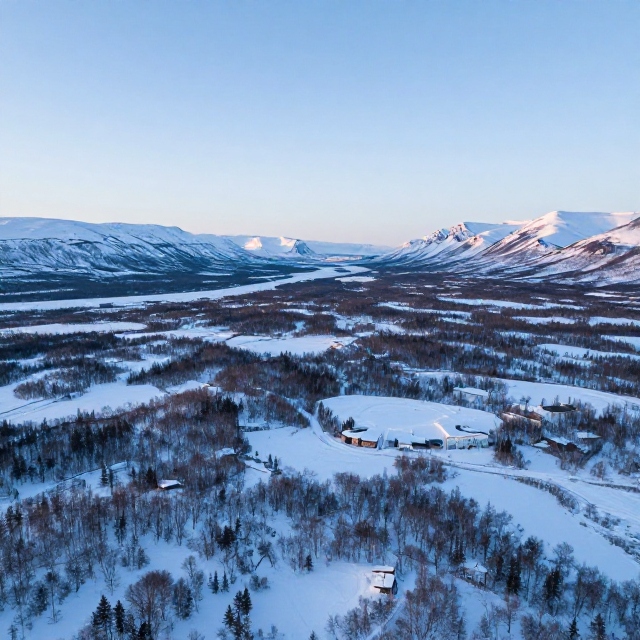
Kobuk Valley National Park is a remote Alaskan wilderness destination famous for its enormous sand dunes, winding rivers, and Arctic landscapes. Located above the Arctic Circle, the park offers a fascinating combination of desert-like terrain, frozen tundra, and snow-covered mountains. The Great Kobuk Sand Dunes are among its most unusual natural attractions, creating a striking contrast with the surrounding Arctic environment. The region is also known for the annual migration of large caribou herds through the valley. Its isolated setting and unusual landscapes make it a fascinating destination for nature enthusiasts and adventurous travelers.
Things to Do: Explore the Great Kobuk Sand Dunes, observe migrating caribou, photograph Arctic landscapes, experience guided backcountry hiking, enjoy scenic flightseeing, and discover the Kobuk River.
Where to Stay: There are no hotels or developed visitor accommodations inside the park. Visitors generally stay in Kotzebue or nearby communities before arranging guided excursions, wilderness camping, or remote backcountry experiences.
European Wilderness: The Frozen Wilderness
Svalbard, Norway
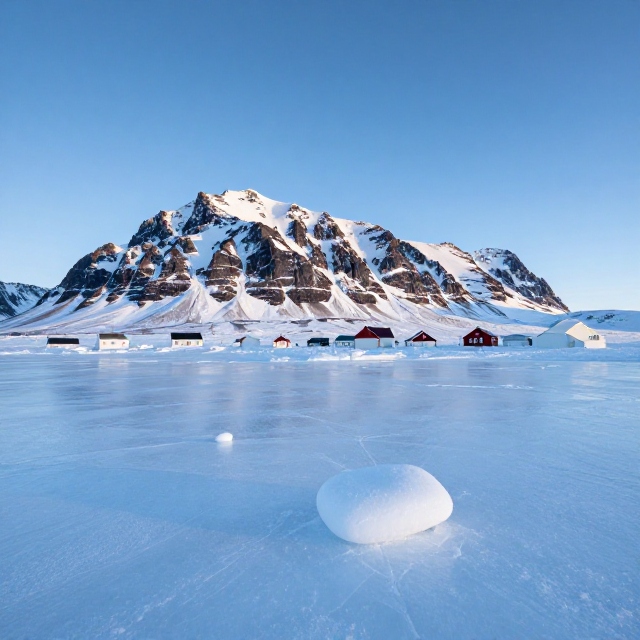
Svalbard is a remote Arctic archipelago located between mainland Norway and the North Pole, famous for its glaciers, frozen mountains, and extraordinary polar landscapes. Much of the region is covered by ice, creating a dramatic environment of snow-covered valleys, icy fjords, and rugged coastlines. The archipelago is home to polar bears, Arctic foxes, reindeer, walruses, and numerous seabirds. Visitors can experience the midnight sun during summer and spectacular northern lights during the darker winter months. Its isolated location and remarkable wildlife make Svalbard one of Europe’s most fascinating destinations for Arctic adventure.
Things to Do: Take guided snowmobile excursions, explore glaciers, enjoy dog sledding, observe Arctic wildlife, visit Longyearbyen, experience northern lights tours, and join guided boat expeditions.
Where to Stay: Stay in Longyearbyen for hotels, guesthouses, restaurants, and tour operators. Remote wilderness lodges and expedition accommodations are also available through specialized Arctic travel operators.
Spitsbergen, Norway
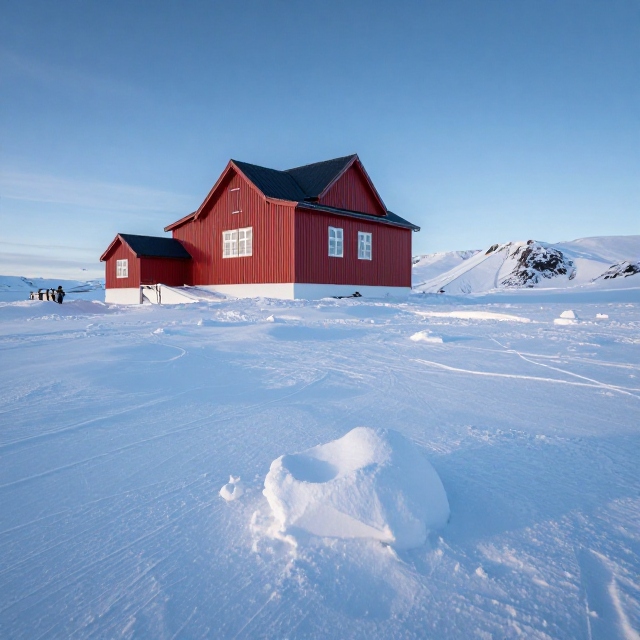
Spitsbergen is the largest island in the Svalbard archipelago and an extraordinary destination for exploring the frozen Arctic wilderness. Its dramatic landscape features enormous glaciers, rugged mountain ranges, deep fjords, and vast snow-covered valleys. The island is famous for its polar wildlife, including polar bears, Arctic foxes, Svalbard reindeer, and walruses. Visitors can explore remote settlements, discover historic polar exploration sites, and experience some of the most impressive Arctic scenery in the world. Its combination of glaciers, wildlife, and extreme northern landscapes makes Spitsbergen a remarkable destination for adventurous travelers.
Things to Do: Explore Isfjord, visit Ny-Ålesund, take guided glacier excursions, enjoy snowmobiling, observe Arctic wildlife, photograph frozen fjords, and experience boat trips along the island’s dramatic coastline.
Where to Stay: Longyearbyen offers the widest selection of hotels, guesthouses, and restaurants. Visitors can also arrange stays at specialized wilderness lodges or expedition accommodations in other parts of the island.
Vatnajökull National Park, Iceland
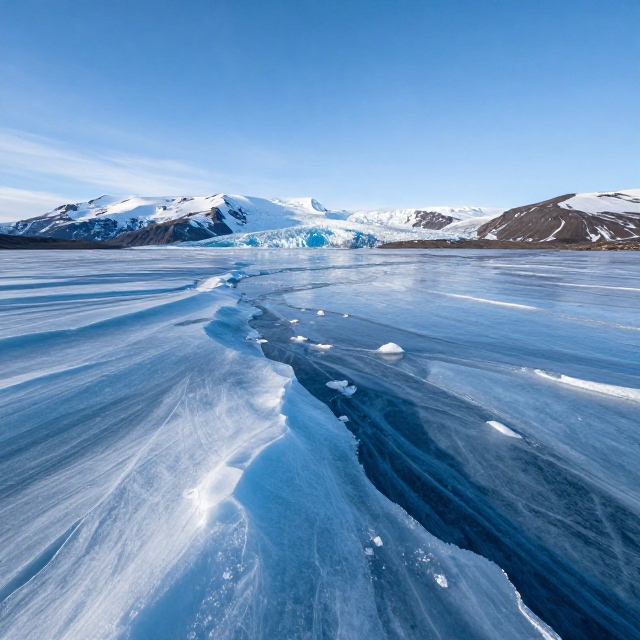
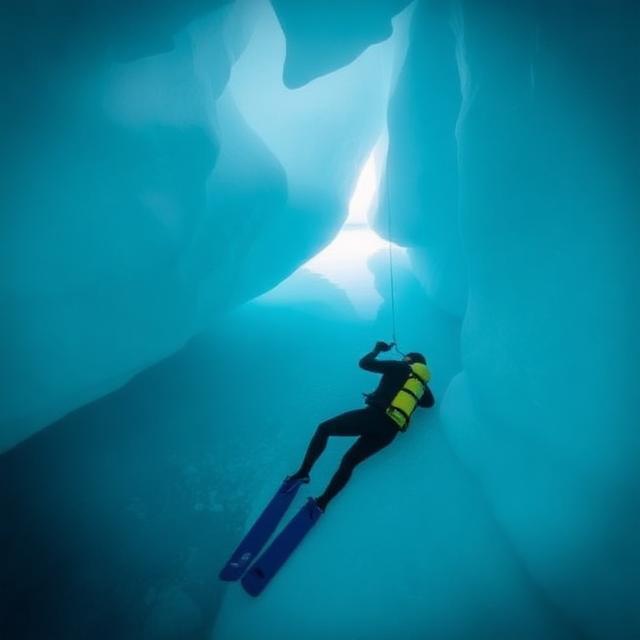
Vatnajökull National Park is one of Iceland’s most spectacular wilderness destinations, featuring enormous glaciers, volcanic landscapes, ice caves, and dramatic mountain scenery. The park is home to Vatnajökull, one of Europe’s largest glaciers, which covers a vast area of southeastern Iceland. Visitors can discover frozen lagoons, powerful waterfalls, black sand plains, and striking ice formations. During winter, guided ice cave excursions reveal beautiful blue ice chambers beneath the glacier. Its combination of glaciers, volcanoes, and unique geological features makes it an unforgettable destination for nature enthusiasts.
Things to Do: Explore crystal-blue ice caves, take guided glacier hikes, visit Jökulsárlón Glacier Lagoon, photograph Diamond Beach, discover Svartifoss waterfall, enjoy snowmobile tours, and experience scenic mountain drives.
Where to Stay: Stay in Höfn for convenient access to the eastern part of the park, or choose accommodation in Skaftafell and the surrounding countryside for easier access to glacier excursions and hiking trails.
Sarek National Park, Sweden
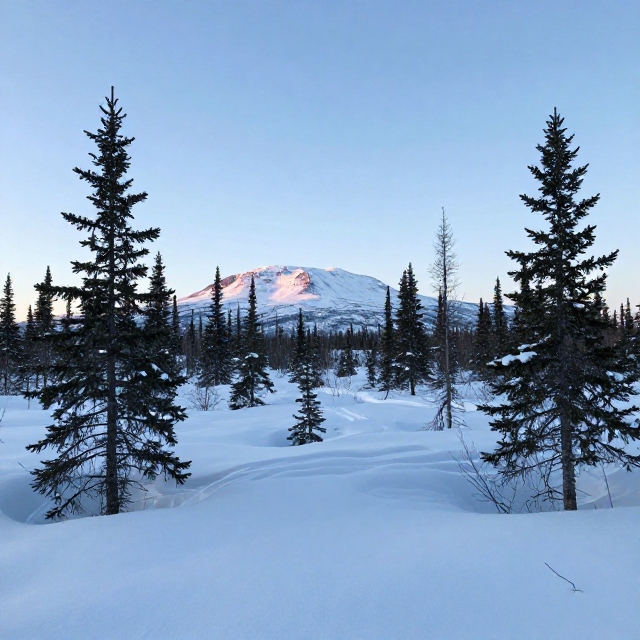
Sarek National Park is one of Europe’s most remote and untouched wilderness areas, located in Swedish Lapland. The park features dramatic mountain ranges, enormous glaciers, deep valleys, and wild rivers surrounded by expansive Arctic landscapes. It is home to wildlife such as reindeer, moose, Arctic foxes, and golden eagles. With no marked hiking trails or conventional visitor facilities, Sarek offers a challenging wilderness experience for experienced outdoor adventurers. Its spectacular scenery and peaceful isolation make it one of Scandinavia’s most remarkable natural destinations.
Things to Do: Explore remote mountain valleys, experience multi-day wilderness trekking, photograph glaciers and alpine landscapes, observe wildlife, enjoy backcountry camping, and experience the northern lights during suitable conditions.
Where to Stay: There are no hotels or developed accommodation facilities inside Sarek National Park. Visitors generally stay in nearby communities such as Kvikkjokk or Ritsem before beginning their wilderness adventures, with mountain huts and backcountry camping available along certain routes.
Finnish Lapland, Finland
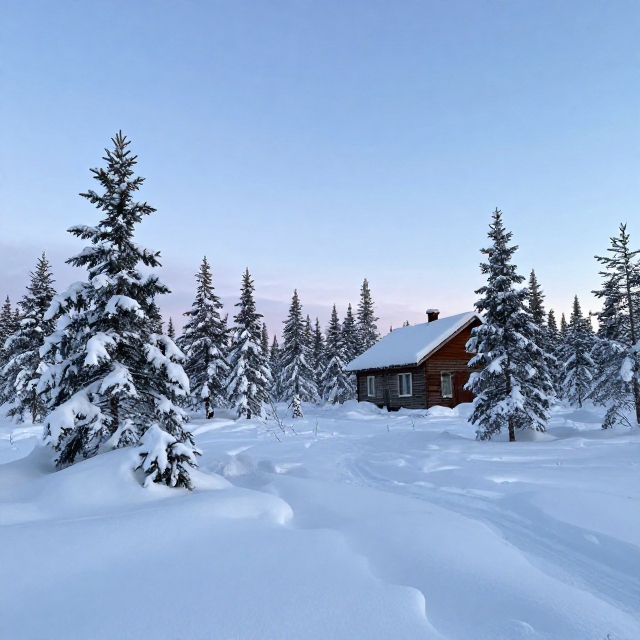
Finnish Lapland is a magical northern wilderness region known for its snow-covered forests, frozen lakes, Arctic landscapes, and spectacular northern lights. During winter, the region transforms into a snowy wonderland where visitors can experience traditional Nordic outdoor activities and peaceful wilderness surroundings. It is home to reindeer, moose, Arctic foxes, and other northern wildlife. Visitors can explore charming villages, discover Sámi culture, and enjoy the beauty of the Arctic Circle. Its combination of natural scenery, winter adventures, and unique cultural experiences makes Finnish Lapland one of Europe’s most appealing frozen wilderness destinations.
Things to Do: Experience northern lights viewing, enjoy husky sledding, take reindeer sleigh rides, explore snow-covered forests, go snowmobiling, visit traditional Sámi cultural attractions, try cross-country skiing, and stay in a glass-roofed igloo.
Where to Stay: Stay in Rovaniemi for hotels, restaurants, and access to Arctic Circle attractions, or choose Saariselkä, Levi, and Inari for wilderness lodges, glass igloos, ski resorts, and peaceful northern retreats.
Conclusion
The 25 best frozen wildernesses on Earth reveal just how beautiful and powerful nature can be. From the isolated landscapes of Antarctica and Ellesmere Island to the glaciers of Patagonia and the snowy forests of Siberia, each destination offers something unique. These frozen environments are home to remarkable wildlife, extraordinary geological features, and some of the world’s most spectacular scenery. Whether you dream of exploring icy mountains, witnessing polar wildlife, or experiencing the peaceful beauty of a snow-covered wilderness, these incredible places remind us why Earth’s coldest regions are worth protecting and exploring.
Frequently Asked Questions
1. What is the largest frozen wilderness on Earth?
Antarctica is the largest frozen wilderness on Earth, covering approximately 14 million square kilometers. Its enormous ice sheets, glaciers, and remote mountain ranges make it one of the planet’s most extreme environments.
2. What is the coldest wilderness in the world?
Antarctica is the coldest wilderness on Earth. Temperatures in its interior can drop below -80°C (-112°F) during winter.
3. Where can you find the most beautiful frozen landscapes?
Some of the most beautiful frozen landscapes can be found in Greenland, Antarctica, Alaska, Iceland, Patagonia, and the Canadian Arctic.
4. What animals live in frozen wilderness areas?
Frozen wildernesses support animals such as polar bears, Arctic foxes, reindeer, musk oxen, penguins, seals, wolves, and snowy owls, depending on the region.
5. Can tourists visit frozen wildernesses?
Yes. Tourists can visit destinations such as Iceland, Greenland, Alaska, Svalbard, Finnish Lapland, and parts of Antarctica through organized tours and guided expeditions.
6. What is the most remote frozen wilderness?
Antarctica’s interior is among the most remote wilderness regions on Earth. Other extremely isolated places include Ellesmere Island, Franz Josef Land, and parts of the Siberian Arctic.
7. When is the best time to visit frozen wildernesses?
The best time depends on the destination. Arctic destinations are generally easiest to explore during summer, while winter offers opportunities to experience snow-covered landscapes and northern lights in places such as Alaska, Iceland, and Lapland.
8. Why are frozen wildernesses important?
Frozen wildernesses help regulate Earth’s climate, store enormous amounts of freshwater, support specialized wildlife, and provide valuable information about the planet’s environmental history. Protecting these fragile ecosystems is essential for future generations.