Maine is home to some of the most challenging whitewater kayaking in the Northeast. From steep mountain streams to powerful river gorges, the state offers a variety of Class V whitewater for experienced paddlers. These runs are generally characterized by complex rapids, significant hazards, difficult navigation, and serious consequences for mistakes. Popular areas include the West Branch Penobscot, Dead River, Kennebec River, Austin Stream, Big Wilson Stream, and Gulf Hagas. Because conditions can change rapidly with water levels, paddlers should carefully research each run and have the appropriate skills and safety equipment before attempting Class V whitewater.
West Branch Penobscot River — Ripogenus Gorge

The West Branch of the Penobscot River from Ripogenus Dam is Maine’s premier expert-level whitewater run, featuring steep, committing drops beneath the shadow of Mount Katahdin. The river cuts through the intense Ripogenus Gorge, presenting continuous technical pool-drop rapids like The Cribworks and Exterminator. This demanding stretch requires precise boat control, expert line selection, and deep respect for powerful hydraulics and boulder-strewn channels. It is strictly an advanced run intended for seasoned paddlers with solid Class V experience.
Quick Facts:
- Location: Northern Maine (Millinocket region)
- Class Rapids: Class IV to V
- Difficulty: Expert
- River Type: Technical pool-drop gorge
- Best Season: Spring through summer, driven by dam releases
- Where to Stay: Millinocket and Baxter State Park basecamps offer the closest lodging, campgrounds, and outfitters for paddlers tackling the North Woods.
Dead River — Spencer Stream to The Forks
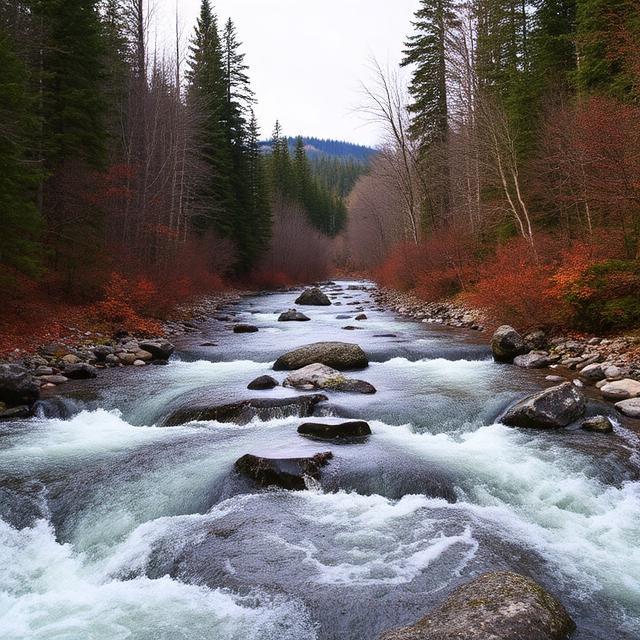
The Dead River offers the longest continuous stretch of whitewater in the Eastern United States, running through a pristine wilderness canyon in western Maine. During scheduled dam-release dates in the spring and fall, the river transforms into a massive-volume torrent featuring non-stop technical rapids that can push into Class V territory. Paddlers face continuous wave trains, powerful hydraulics, and sustained physical demands over its roughly 16-mile journey. This run requires advanced endurance, precise boat handling, and careful timing around scheduled high-flow releases.
Quick Facts:
- Location: Western Maine (West Forks region)
- Class Rapids: Class III to V
- Difficulty: Advanced to Expert (at high flows)
- River Type: High-volume wilderness gorge
- Best Season: Spring and fall scheduled dam releases
- Where to Stay: The Forks and West Forks provide local lodges, cabin rentals, and riverside campgrounds tailored directly to the whitewater community.
Kennebec River — Harris Station to The Forks
The Kennebec River below Harris Station is one of Maine’s most iconic and reliable whitewater runs, offering an action-packed gorge experience. The river features massive, rolling waves and powerful hydraulics through famous landmarks like Magic Falls and Big Mama. While generally rated Class III to IV under normal flows, certain high-flow events can push its technical limits. It is a fantastic destination for intermediate to advanced boaters looking for big water and continuous excitement.
Quick Facts:
- Location: Western Maine (The Forks)
- Class Rapids: Class II to IV (with occasional high-water V)
- Difficulty: Intermediate to Advanced
- River Type: High-volume dam-controlled run
- Best Season: May through October
- Where to Stay: The Forks offers multiple rafting camps, cabin resorts, and campgrounds right along the river corridor.
Conclusion
Maine offers a diverse selection of Class V whitewater kayaking, with challenging runs spread across several regions of the state. The West Branch Penobscot and Ripogenus Gorge, Austin Stream, Big Wilson Stream, Gulf Hagas, and other technical waterways provide experienced kayakers with some of the Northeast’s most demanding whitewater. Water levels, access, hazards, and difficulty can vary considerably, so proper planning and knowledge of the specific run are essential. For advanced paddlers looking for technical whitewater, Maine is a destination worth exploring—but Class V rivers should be approached with serious preparation and respect.
Frequently Asked Questions about Whitewater Kayaking in Maine
What is the best time of year for whitewater kayaking in Maine? The peak whitewater season runs from May through October. Spring offers high water levels driven by snowmelt and natural runoffs, while summer and fall feature reliable flows supported by scheduled dam releases, particularly on the Kennebec and Dead rivers.
Do I need reservations or permits to paddle these rivers? Most major commercial runs like the Kennebec, Dead, and West Branch of the Penobscot are dam-controlled and flow through private timberlands or state-managed corridors. While independent private kayakers generally do not need commercial guide permits, you should always check current access agreements, parking fees, and timberland gate policies (such as those managed by North Maine Woods).
Are Maine’s whitewater rivers suitable for beginners? Maine is globally famous for its big-water Class III to V runs, which are tailored to intermediate and expert paddlers. However, beginner-friendly flatwater and gentle Class I–II sections (such as parts of the Androscoggin or the upper stretches of the Kennebec’s East Outlet) are available for those building their skills.
How do I know when the dam releases happen? Utility companies and local outfitters publish annual dam-release schedules—particularly for the Dead River and the Kennebec River—well in advance. Checking these schedules is essential since non-release days can leave sections too low or stagnant to run.
Where can I find local gear, shuttles, or emergency support? Basecamp towns like The Forks, Millinocket, and West Forks host local outfitters, guide services, and lodges that are deeply integrated with the paddling community and serve as the best hubs for local beta and river safety updates.



Leave a Reply