Nepal is one of the world’s premier destinations for whitewater kayaking, offering an incredible combination of steep mountain rivers, powerful rapids, and breathtaking Himalayan scenery. For experienced paddlers seeking the ultimate challenge, Class V whitewater kayaking in Nepal delivers technical rapids, continuous action, and remote river expeditions that demand advanced skills, endurance, and precise river reading.
From the legendary sections of the Bhote Koshi to the remote canyons of the Tamur and other Himalayan rivers, Nepal offers unforgettable adventures for expert kayakers. Whether you’re planning a guided expedition or looking to paddle with a team of seasoned professionals, Class V kayaking in Nepal promises adrenaline-filled days on some of the most exciting rivers in the world.
Best Class V Whitewater Kayaking in Eastern Nepal
Tamur River (Taplejung)
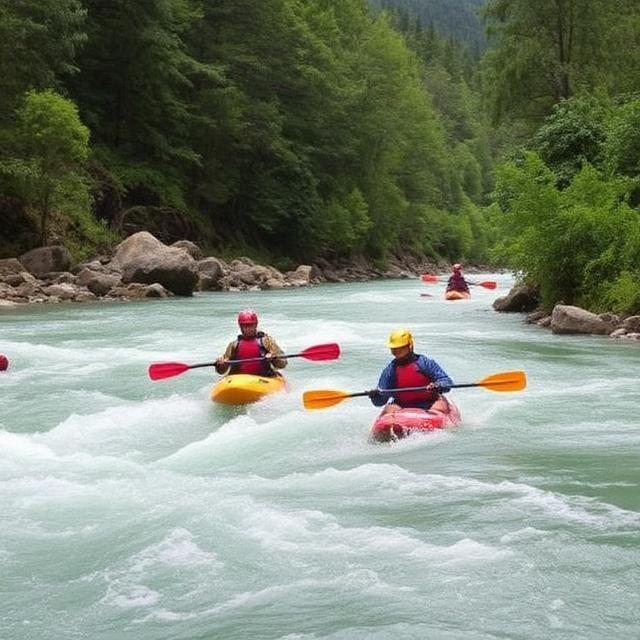
The Tamur River is one of Nepal’s premier expedition kayaking rivers, originating near the glaciers of Kanchenjunga. Its upper reaches feature exciting Class V whitewater with continuous rapids, technical boulder gardens, large wave trains, and powerful hydraulics before gradually transitioning into a longer expedition river downstream. The combination of challenging rapids, pristine wilderness, and spectacular Himalayan scenery makes it a favorite among experienced paddlers. It offers an unforgettable blend of technical kayaking and remote adventure.
Quick Facts: Location: Taplejung District, Koshi Province, Nepal | Difficulty: Class IV–V | River Type: High-Volume Himalayan River | Best Season: October–November and April–May
Where to Stay: Taplejung serves as the primary gateway to the Tamur River, offering comfortable guesthouses, trekking lodges, and local hotels. Most paddlers spend a night here before organizing transport to the river’s upper access points.
Best Class V Whitewater Kayaking in Everest Region
Dudh Koshi River (Solukhumbu)
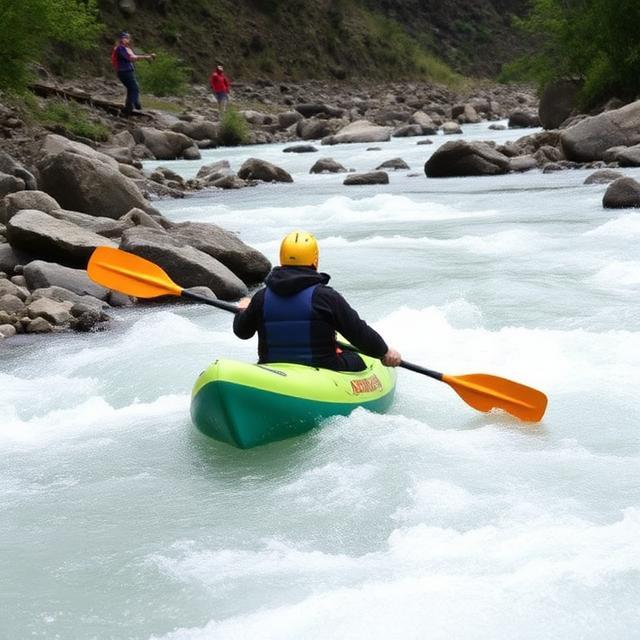
The Dudh Koshi River drains directly from the Everest region, creating one of Nepal’s most technically demanding whitewater runs. Its upper sections are packed with continuous Class V rapids, narrow rock channels, powerful hydraulics, and challenging boulder gardens. Cold glacial water and steep gradients demand expert river-reading skills and precise boat control throughout the descent. Combined with breathtaking Himalayan scenery, it offers one of Nepal’s most rewarding expert kayaking experiences.
Quick Facts: Location: Solukhumbu District, Koshi Province, Nepal | Difficulty: Class V | River Type: Steep Glacial Mountain River | Best Season: October–November and April–May
Where to Stay: Lukla is the main base for accessing the upper Dudh Koshi, with numerous trekking lodges, guesthouses, and hotels. Many paddlers combine kayaking with trekking logistics in the Everest region.
Best Class V Whitewater Kayaking in Central Nepal
Bhote Koshi River
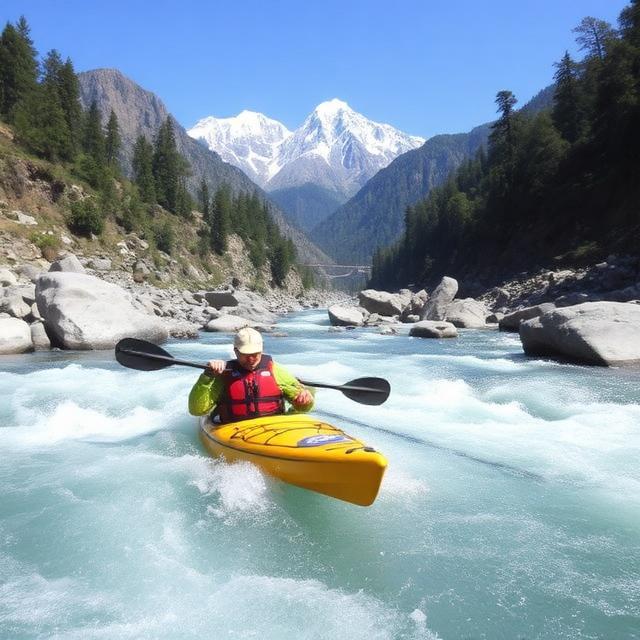
The Bhote Koshi River is Nepal’s most famous Class V kayaking destination and one of the country’s top expert day runs. Its steep gradient creates nonstop rapids filled with technical drops, powerful holes, fast currents, and continuous whitewater from start to finish. The river offers very few recovery pools, making it suitable only for highly experienced paddlers. Its easy accessibility from Kathmandu has made it one of Nepal’s most popular rivers for advanced whitewater kayaking.
Quick Facts: Location: Sindhupalchok District, Bagmati Province, Nepal | Difficulty: Class IV–V+ | River Type: Steep Himalayan Creek | Best Season: October–November and April–May
Where to Stay: Lamosangu is the primary kayaking base, offering riverside lodges, camps, and guesthouses close to the river. Many paddlers also stay in Kathmandu and travel to the Bhote Koshi for day trips.
Upper Sun Koshi River
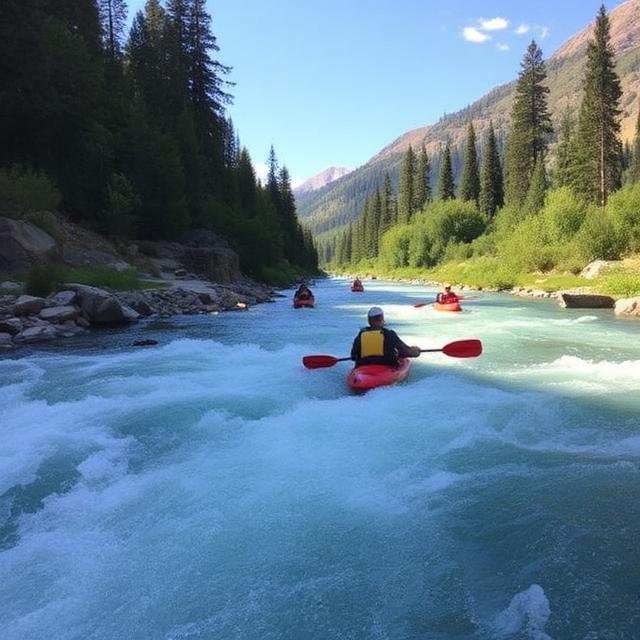
The Upper Sun Koshi offers exciting Class IV–V whitewater before joining Nepal’s famous multi-day Sun Koshi expedition. Paddlers encounter large wave trains, technical rapids, powerful eddy lines, and fast-moving currents throughout the upper river. During optimal water levels, it provides long stretches of continuous and demanding whitewater in a spectacular Himalayan valley. It is an excellent destination for kayakers seeking both technical challenges and scenic river running.
Quick Facts: Location: Sindhupalchok District, Bagmati Province, Nepal | Difficulty: Class IV–V | River Type: High-Volume Himalayan River | Best Season: October–November and April–May
Where to Stay: Dolalghat provides the closest accommodation with guesthouses and small lodges serving rafting and kayaking visitors. Kathmandu is another convenient base for accessing the river.
Balephi Khola
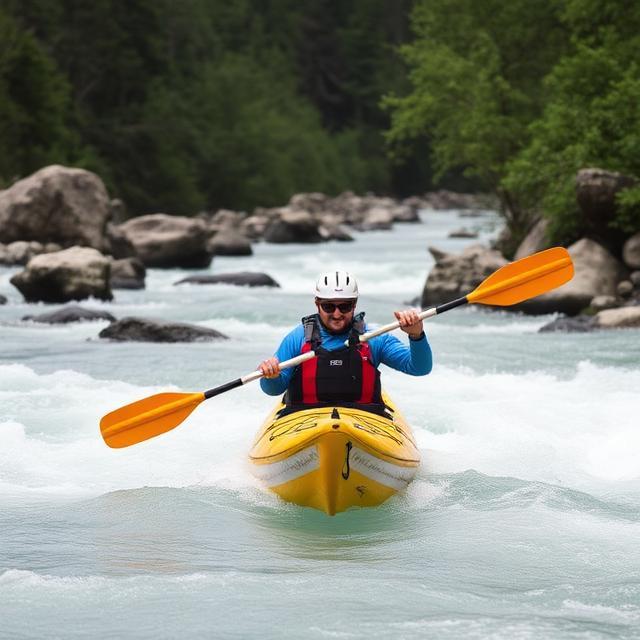
Balephi Khola is a steep Himalayan creek that delivers continuous Class V whitewater over a relatively short distance. The river is characterized by technical boulder gardens, bedrock slides, narrow channels, and fast-moving rapids that demand constant attention. Its steep gradient and technical nature make it best suited for expert creek boaters. Despite being less well known than nearby rivers, it offers exceptional whitewater in a beautiful mountain setting.
Quick Facts: Location: Sindhupalchok District, Bagmati Province, Nepal | Difficulty: Class V | River Type: Steep Mountain Creek | Best Season: October–November and April–May
Where to Stay: Balephi village offers simple guesthouses and local accommodations near the river. Many paddlers also stay in Kathmandu before traveling to the valley.
Langtang Khola
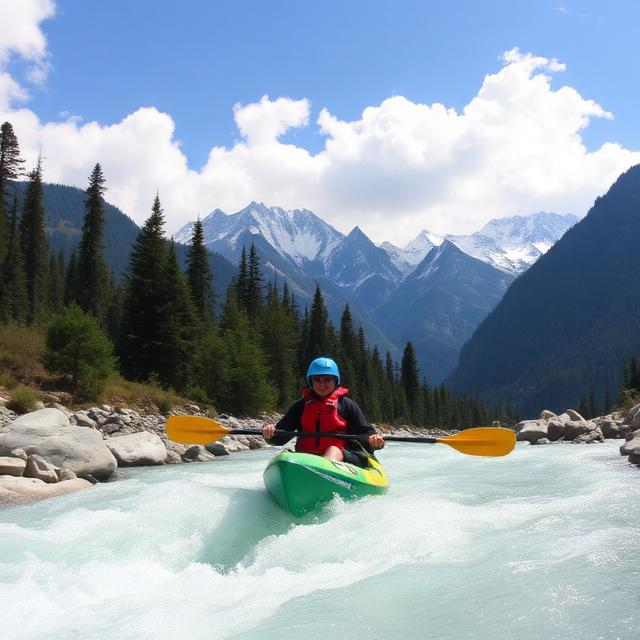
Langtang Khola flows from glaciers within Langtang National Park and offers remote, technical Class V kayaking through rugged mountain terrain. The river features continuous rapids, bedrock ledges, narrow chutes, and challenging boulder gardens that require expert skills. Its remote setting provides a true wilderness paddling experience with stunning alpine scenery. Due to difficult access, it remains one of Nepal’s lesser-paddled expert rivers.
Quick Facts: Location: Rasuwa District, Bagmati Province, Nepal | Difficulty: Class V | River Type: Glacial Mountain Creek | Best Season: October–November and April–May
Where to Stay: Syabrubesi is the main gateway to the Langtang Valley and offers several trekking lodges, hotels, and guesthouses. It serves as the primary base before accessing the river.
Best Class V Whitewater Kayaking in Gandaki Province
Marsyangdi River
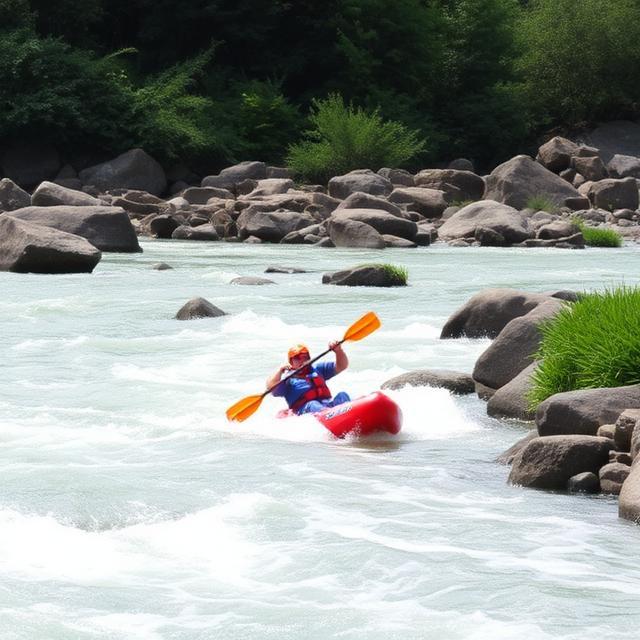
The Upper Marsyangdi is considered one of Nepal’s finest Class V rivers, combining long technical rapids with spectacular Himalayan scenery. Continuous boulder gardens, powerful hydraulics, fast current, and steep gradients provide sustained challenges for expert paddlers. Unlike many shorter creeks, the Marsyangdi offers lengthy sections of demanding whitewater that test endurance as well as technical ability. It remains a world-renowned destination for advanced whitewater kayakers.
Quick Facts: Location: Lamjung District, Gandaki Province, Nepal | Difficulty: Class IV–V+ | River Type: High-Volume Himalayan River | Best Season: October–November and April–May
Where to Stay: Besisahar is the primary paddling base with hotels, guesthouses, restaurants, and transportation services. It provides excellent access to the upper sections of the Marsyangdi River.
Upper Seti River

The Upper Seti is one of Nepal’s best expert day runs, packing continuous Class V whitewater into a short but action-filled section. Deep jungle gorges, technical drops, narrow bedrock channels, and powerful hydraulics require precise maneuvering throughout the run. Despite being close to Pokhara, the river maintains a remote wilderness feel once inside the canyon. Its accessibility and outstanding whitewater make it a favorite among experienced kayakers.
Quick Facts: Location: Kaski District, Gandaki Province, Nepal | Difficulty: Class V | River Type: Steep Bedrock Creek | Best Season: October–November and April–May
Where to Stay: Pokhara is the ideal base for paddlers, offering a wide range of hotels, hostels, restaurants, outfitters, and transportation services. The river can easily be reached on a day trip from the city.
Madi River
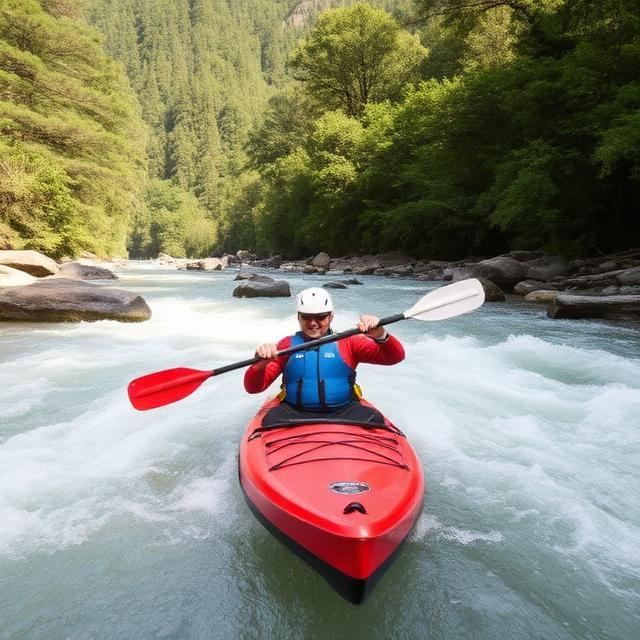
The Upper Madi River is a remote Himalayan creek offering continuous Class V whitewater through forested mountain valleys. Paddlers encounter technical rapids, steep gradients, bedrock slides, and narrow channels that demand advanced boat control. The river receives relatively little paddling traffic, preserving its wild and adventurous character. It is an excellent destination for expert kayakers looking to explore beyond Nepal’s more famous rivers.
Quick Facts: Location: Kaski District, Gandaki Province, Nepal | Difficulty: Class V | River Type: Steep Mountain Creek | Best Season: October–November and April–May
Where to Stay: Pokhara offers the best accommodation options, from budget hostels to luxury lakeside resorts. Most kayaking trips to the Madi River begin from Pokhara.
Best Class V Whitewater Kayaking in Far Western Nepal
Karnali Tributaries
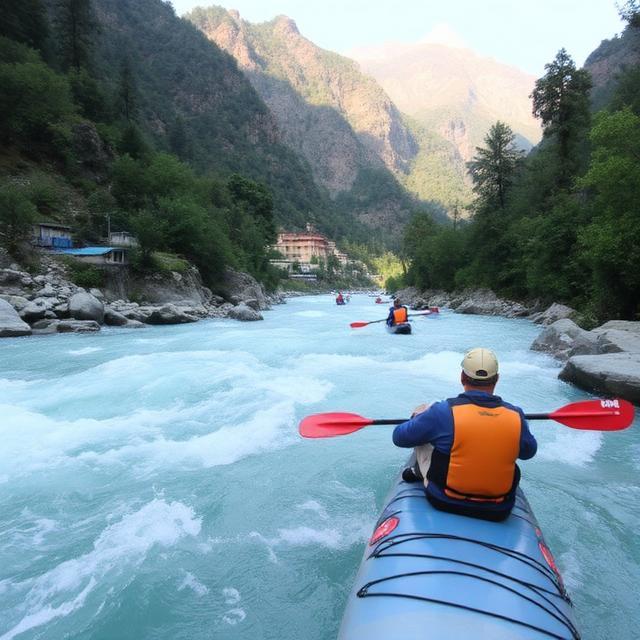
The tributaries feeding the Karnali River contain some of Nepal’s most remote and least explored Class V whitewater. These steep mountain rivers feature technical drops, narrow gorges, continuous rapids, and pristine wilderness requiring expedition-style logistics. Their isolation and challenging nature make them suitable only for highly experienced paddlers with strong self-sufficiency skills. For those seeking true Himalayan adventure, the Karnali tributaries offer exceptional expedition kayaking.
Quick Facts: Location: Far Western Nepal | Difficulty: Class V | River Type: Remote Himalayan Mountain Tributaries | Best Season: October–November and April–May
Where to Stay: Surkhet is the main regional hub for organizing expeditions into the Karnali watershed, with hotels, guesthouses, and transport services. Remote villages near individual tributaries provide basic lodging for paddlers traveling deeper into the region.
Conclusion
Class V whitewater kayaking in Nepal is more than an adventure—it’s a true test of skill, determination, and teamwork. The country’s powerful Himalayan rivers provide world-class rapids, stunning landscapes, and unforgettable expedition experiences that attract expert kayakers from around the globe.
If you’re ready to push your limits, Nepal offers some of the finest challenging whitewater on Earth. With experienced guides, proper safety planning, and respect for the river, your kayaking expedition can become the adventure of a lifetime.
Frequently Asked Questions (FAQs)
1. What is Class V whitewater kayaking?
Class V whitewater features extremely difficult rapids with complex routes, powerful currents, large drops, and significant hazards. It is recommended only for highly experienced kayakers with advanced rescue and paddling skills.
2. Which rivers in Nepal are best for Class V kayaking?
Popular Class V rivers include the Bhote Koshi, Tamur, Marsyangdi, Upper Seti, and selected sections of the Sun Koshi during higher water levels. River conditions vary by season and water flow.
3. Do I need previous kayaking experience?
Yes. Class V kayaking is suitable only for expert paddlers who have substantial experience navigating Class IV and V rapids and are comfortable performing self-rescue techniques.
4. When is the best time for Class V kayaking in Nepal?
The best seasons are typically spring (March to May) and autumn (September to November), when river levels are favorable and weather conditions are generally stable.
5. Is guided Class V kayaking available?
Yes. Several professional operators in Nepal offer guided Class V kayaking expeditions led by certified guides with extensive knowledge of local rivers and safety procedures.
6. What equipment is required?
Essential gear includes a whitewater kayak, paddle, helmet, personal flotation device (PFD), spray skirt, wetsuit or drysuit (depending on conditions), throw bag, rescue equipment, and a first-aid kit. Most guided expeditions provide technical gear.
7. How physically demanding is Class V kayaking?
It is highly demanding. Participants should have excellent physical fitness, strong paddling endurance, and the ability to make quick decisions in fast-moving water.
8. Can international kayakers join expeditions in Nepal?
Yes. Nepal welcomes international paddlers, and many expedition companies organize trips for experienced kayakers from around the world, including logistics, transportation, and professional guiding services.

Leave a Reply