The Atlas Mountains of Morocco offer a unique setting for advanced whitewater kayaking, with steep valleys, seasonal snowmelt, technical rapids, and remote mountain landscapes. Most serious whitewater opportunities are concentrated in the High Atlas, where rivers such as the N’Fiss, Ourika, Rdat, Tessaout, and Oued El Abid can contain demanding Class V or IV–V sections.
Water levels are highly seasonal, and river difficulty can change dramatically depending on flow. For experienced paddlers, researching individual river sections, current conditions, access, and local knowledge is essential before planning a descent.
High Atlas, Morocco
The High Atlas Mountains offer rugged mountain rivers and seasonal streams flowing through deep valleys, gorges, and remote Berber villages. Whitewater conditions are highly dependent on snowmelt and rainfall, so many rivers are best viewed as seasonal expedition-style runs rather than consistently runnable kayaking destinations. The region is particularly appealing to experienced paddlers seeking remote terrain, technical river sections, and dramatic mountain scenery. Local river knowledge, scouting, and careful assessment of access and water levels are essential before attempting these waterways.
N’Fiss River — High Atlas

The N’Fiss River descends through a rugged valley on the western side of the High Atlas, passing through remote mountain terrain before reaching lower valleys toward the Marrakech region. Its seasonal flow can create technical whitewater through narrow channels, rocky sections, and mountain gorges. The river is more suited to exploratory and expedition-style paddling than conventional commercial kayaking. Experienced paddlers should carefully assess flow levels, access, and potential hazards before attempting any section.
Quick Facts: Location: Western High Atlas, Morocco | Class Rapids: Variable and highly flow-dependent | Difficulty: Advanced to Expert when runnable | River Type: Seasonal mountain river and gorge | Best Season: Spring snowmelt and suitable periods after rainfall
Where to Stay: Marrakech is the most convenient major base for the western High Atlas, while mountain villages and valley guesthouses can provide closer overnight options for multi-day explorations.
Ourika River — Ourika Valley

The Ourika River flows through the scenic Ourika Valley south of Marrakech, surrounded by steep High Atlas slopes and traditional mountain villages. During periods of sufficient snowmelt or rainfall, sections of the river can develop fast current, rocky rapids, and technical features. The river’s highly variable flow means that kayaking conditions can change considerably throughout the year. The valley is also one of the more accessible High Atlas destinations, making it a practical area for combining river exploration with mountain travel.
Quick Facts: Location: Ourika Valley, High Atlas, Morocco | Class Rapids: Variable; dependent on seasonal flow | Difficulty: Intermediate to Expert when runnable | River Type: Mountain river and narrow valley | Best Season: Spring snowmelt and periods of adequate rainfall
Where to Stay: Ourika Valley has numerous guesthouses, mountain lodges, and rural accommodations, while Marrakech provides the largest selection of hotels, restaurants, and transportation services.
Rdat River — Central High Atlas
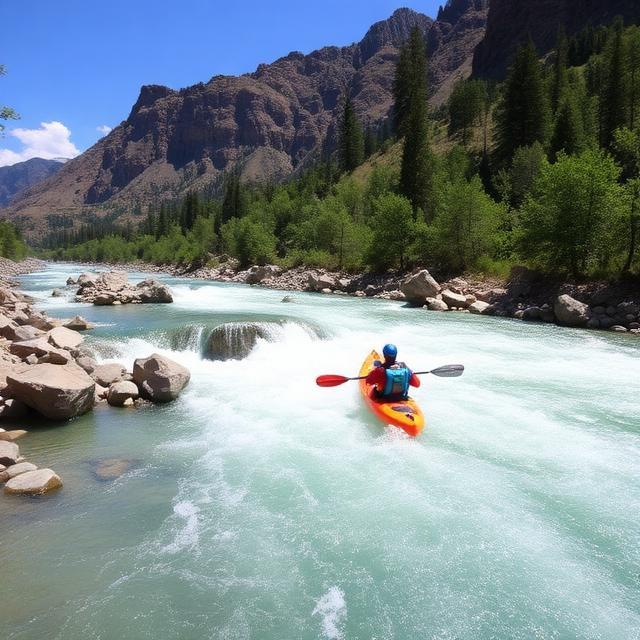
The Rdat River runs through remote terrain in the Central High Atlas, where seasonal water flows between steep mountain slopes and rocky valleys. Its remote character makes it more appropriate for experienced paddlers interested in exploratory whitewater rather than established commercial runs. When sufficient water is present, the river can feature technical rapids, constricted channels, and rocky drops. Detailed local reconnaissance is particularly important because information and river access can be limited.
Quick Facts: Location: Central High Atlas, Morocco | Class Rapids: Variable and flow-dependent | Difficulty: Advanced to Expert | River Type: Remote seasonal mountain river | Best Season: Spring and after significant rainfall
Where to Stay: Mountain villages and small guesthouses provide basic accommodation near sections of the Central High Atlas, while larger towns such as Ouarzazate or Marrakech can serve as logistical bases depending on the route.
Tessaout River — Central High Atlas

The Tessaout River drains a remote portion of the Central High Atlas and is known more broadly for its dramatic valleys and trekking terrain. Seasonal snowmelt and rainfall can produce runnable flows through sections of the river, although conditions are not consistent throughout the year. The combination of narrow valleys, rocky riverbeds, and remote access can make a descent an expedition-style undertaking. Paddlers should have strong self-rescue skills and be prepared for limited infrastructure in the surrounding mountains.
Quick Facts: Location: Central High Atlas, Morocco | Class Rapids: Variable and dependent on water levels | Difficulty: Advanced to Expert when runnable | River Type: Remote Alpine-style mountain river | Best Season: Spring snowmelt and suitable rainfall periods
Where to Stay: Accommodation is limited in the more remote Tessaout region, so mountain villages, local guesthouses, and expedition-style camping are often more practical than conventional hotels.
Lakhdar River — High Atlas
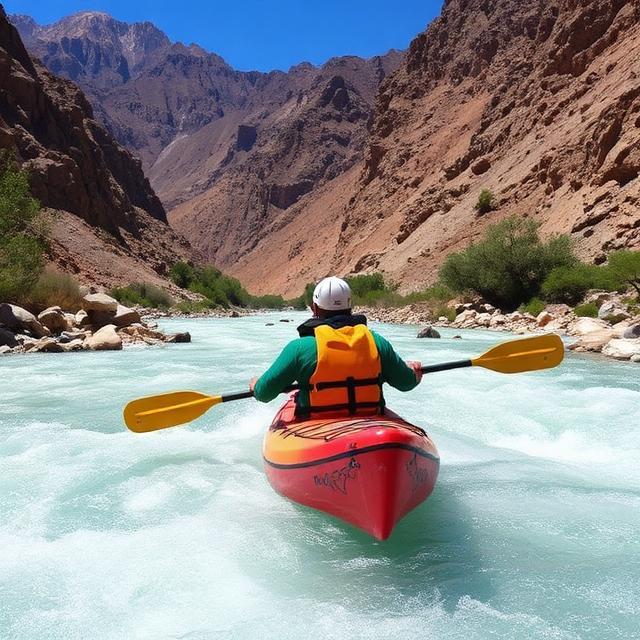
The Lakhdar River flows through the High Atlas foothills and valleys east of Marrakech, forming part of the region’s network of seasonal mountain waterways. Higher flows can create fast-moving sections and technical river features, particularly following snowmelt or significant rainfall. The river is better suited to experienced paddlers who can evaluate changing water levels and river hazards independently. Its surrounding mountain landscape provides a scenic setting for exploratory paddling away from the busier tourist valleys.
Quick Facts: Location: High Atlas, Morocco | Class Rapids: Variable and seasonal | Difficulty: Intermediate to Expert depending on section and flow | River Type: Mountain and foothill river | Best Season: Spring and periods of sufficient rainfall
Where to Stay: Marrakech and nearby High Atlas towns provide the greatest range of lodging, while smaller valley settlements offer guesthouses closer to individual river sections.
Oued El Abid — Central High Atlas

Oued El Abid is one of the major rivers draining the Central High Atlas and flows through dramatic gorges and rugged mountain terrain. Its seasonal character means that suitable kayaking conditions depend heavily on snowmelt and rainfall, with some periods producing significantly stronger currents. The river’s remote setting and canyon terrain can create demanding technical conditions for experienced paddlers. Scouting, local knowledge, and careful flow assessment are essential before attempting any whitewater section.
Quick Facts: Location: Central High Atlas, Morocco | Class Rapids: Variable, potentially technical at higher flows | Difficulty: Advanced to Expert when runnable | River Type: Mountain river and deep gorge | Best Season: Spring snowmelt and after substantial rainfall
Where to Stay: Small mountain communities and guesthouses provide limited accommodation near the river, while Beni Mellal can serve as a useful logistical base for the broader Central High Atlas.
Assif Melloul — Central High Atlas
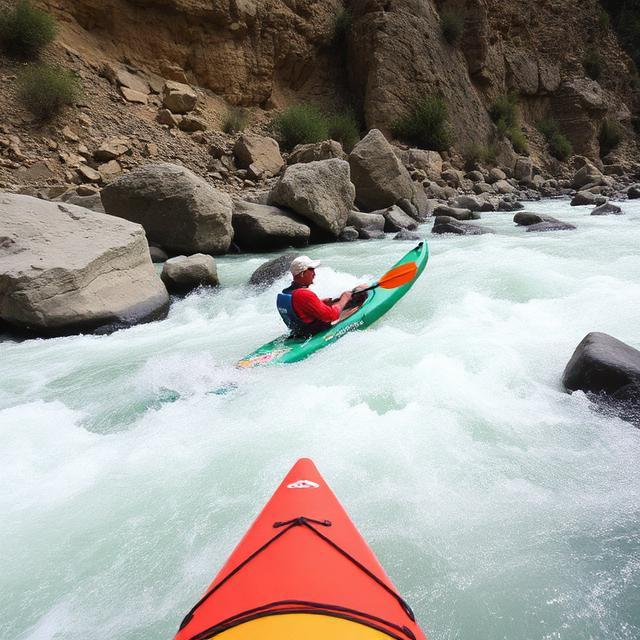
Assif Melloul is a remote mountain waterway flowing through the rugged Central High Atlas, where steep terrain and seasonal runoff shape the river’s character. When water levels are sufficient, paddlers may encounter fast current, rocky rapids, narrow channels, and technical sections. Its remoteness makes it more appropriate for experienced expedition paddlers than casual river-running trips. Access, water levels, and river conditions should be thoroughly investigated before attempting a descent.
Quick Facts: Location: Central High Atlas, Morocco | Class Rapids: Variable and highly flow-dependent | Difficulty: Advanced to Expert | River Type: Remote mountain river and gorge | Best Season: Spring snowmelt and suitable rainfall periods
Where to Stay: Accommodation is sparse around the upper river, with local villages and basic guesthouses providing limited options; expedition camping may be necessary for remote sections.
Akka Tifloute — Southern High Atlas

Akka Tifloute lies in the southern High Atlas, where seasonal mountain watercourses cut through rugged valleys and arid landscapes. The contrast between high mountain terrain and surrounding dry country creates a distinctive setting for exploratory whitewater trips. Runnable conditions are highly dependent on rainfall and seasonal runoff, and the area does not have the established kayaking infrastructure found in major European whitewater destinations. Experienced paddlers should treat the area as a remote expedition environment and verify current conditions, access, and local guidance before attempting any descent.
Quick Facts: Location: Southern High Atlas, Morocco | Class Rapids: Variable and dependent on seasonal flow | Difficulty: Advanced to Expert when runnable | River Type: Seasonal mountain gorge and creek | Best Season: Spring and periods following sufficient rainfall
Where to Stay: Accommodation is limited in the remote southern High Atlas, with rural guesthouses and mountain villages offering basic options; larger towns such as Ouarzazate can provide additional lodging and expedition supplies.
Conclusion
Morocco’s Atlas Mountains can provide challenging Class V whitewater in a spectacular alpine environment. The High Atlas is the primary area to explore, with Oued El Abid, N’Fiss, Ourika, Rdat, and Tessaout among the most notable rivers. Because many runs are remote and flow-dependent, careful planning and current local information are essential for a safe trip.
Frequently Asked Questions
How many Class V rivers are in the Atlas Mountains?
There is no definitive official count. Several rivers have documented Class V or IV–V sections, depending on the specific reach and water level.
What is the best area for Class V kayaking?
The High Atlas offers the greatest concentration of serious whitewater opportunities.
What are the best-known rivers?
The N’Fiss, Ourika, Rdat, Tessaout, and Oued El Abid are among the main rivers advanced paddlers research.
When is the best time to kayak?
The best season depends on snowmelt and rainfall. Spring can provide stronger flows, but conditions vary significantly from year to year.
Is Atlas Mountain Class V kayaking suitable for beginners?
No. Class V is expert-level whitewater and requires advanced boat control, rescue skills, appropriate equipment, and detailed knowledge of current river conditions.

Leave a Reply