Cold water surfing in Tofino, Canada, offers an unforgettable experience for surfers looking to ride Pacific Ocean waves surrounded by rugged coastlines, lush rainforests, and breathtaking natural scenery. Located on Vancouver Island in British Columbia, Tofino is one of Canada’s most popular surfing destinations, attracting beginners and experienced surfers throughout the year. Although the water can be chilly, the right wetsuit, boots, gloves, and hood make surfing possible even during the colder months. From the sandy shores of Chesterman Beach to the consistent waves at Cox Bay, Tofino offers excellent opportunities to enjoy cold-water surfing, improve your skills, and experience the beauty of Canada’s west coast.
Best Beaches for Cold-Water Surfing in Tofino, Canada
Chesterman Beach
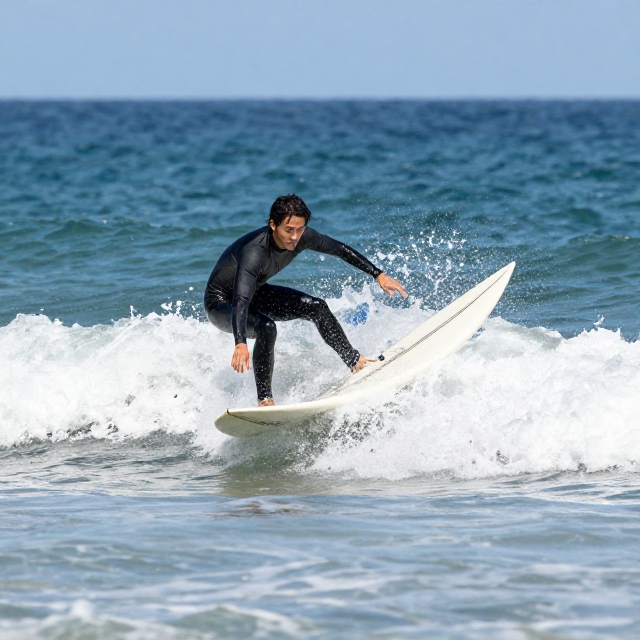
Chesterman Beach is one of the most popular surfing spots in Tofino, offering a beautiful sandy shoreline and waves for different skill levels. It is a good place for beginners to learn surfing when conditions are manageable. Several local surf schools offer lessons and equipment rentals nearby. The beach is also ideal for experienced surfers looking to enjoy a relaxed session along Vancouver Island’s scenic coastline. Always check the tides and wave conditions before entering the water.
Other Things to Do: Enjoy beachcombing, sunset photography, tide-pool exploration at low tide, and long coastal walks. You can also explore the sandbar near Frank Island when the tide permits, taking care to check tide times before crossing.
Where to Stay: Consider Wickaninnish Inn for a luxury oceanfront stay with beautiful coastal views. For a smaller, more private option, Chesterman Beach Bed and Breakfast offers self-contained accommodations near the sand. Both are convenient for early-morning surf sessions and peaceful evenings by the ocean.
Cox Bay Beach
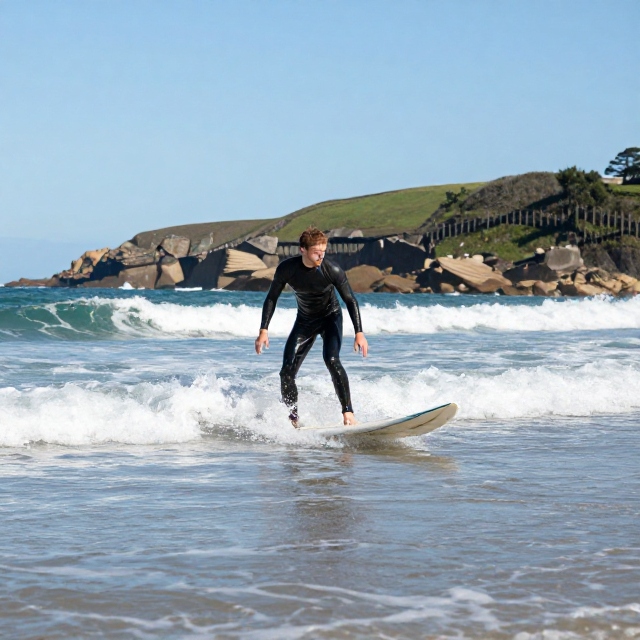
Cox Bay Beach is a favorite destination for surfers seeking consistent waves and a lively surf atmosphere. Its exposed coastline often receives Pacific swells, making it suitable for intermediate and experienced surfers when conditions are favorable. Beginners can also surf here with professional instruction and appropriate wave conditions. The beach is particularly popular during autumn and winter, when larger swells often arrive. Cold-water wetsuits, boots, gloves, and a hood are recommended during colder months.
Other Things to Do: Try storm watching, beach walks, coastal photography, and hiking the Cox Bay Lookout Trail for panoramic views of the coastline. After a cold surf session, warm up with a hot drink and enjoy the dramatic ocean scenery.
Where to Stay: Pacific Sands Beach Resort offers oceanfront suites with direct access to Cox Bay, making it an excellent choice for surf-focused trips. Another option is Cox Bay Beach Resort, which features spacious, self-contained suites close to the waves. These accommodations are ideal for travelers who want convenient beach access and space to relax between sessions.
Long Beach
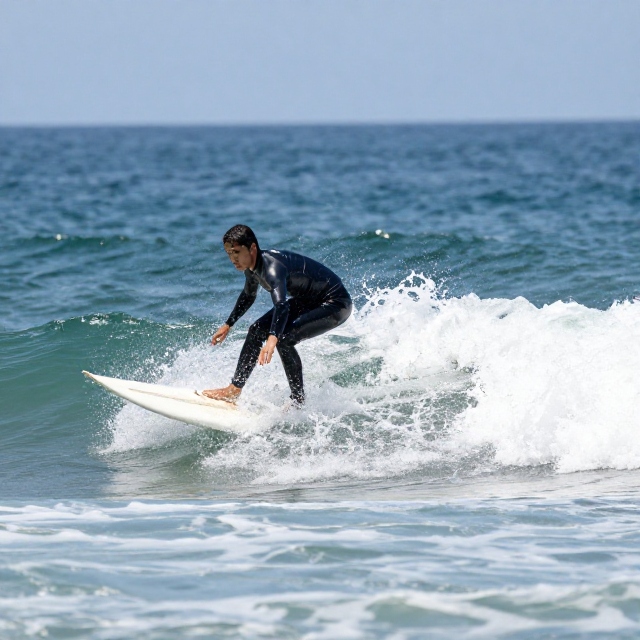
Long Beach, located in Pacific Rim National Park Reserve, is known for its expansive sandy shoreline and dramatic Pacific Ocean scenery. Its open exposure can produce excellent surfing conditions, especially when consistent swells reach Vancouver Island. Some areas can experience powerful waves and strong currents, so surfers should assess conditions carefully before paddling out. The beach offers plenty of space to enjoy surfing away from crowded areas during quieter periods. Beginners should seek local guidance before surfing unfamiliar sections of this coastline.
Other Things to Do: Explore rainforest hiking trails, beachcombing, wildlife watching, and scenic photography throughout the surrounding national park. Long Beach is also a wonderful destination for storm watching, especially during the cooler months, when large waves create dramatic coastal views.
Where to Stay: For convenient access to the wider national park area, consider Crystal Cove Beach Resort, which offers cabins and RV accommodation on Tinwis Beach in Tofino. Alternatively, stay in central Tofino for easy access to restaurants, shops, and guided wildlife tours before driving to Long Beach. Remember that Long Beach is inside the national park, so check current Parks Canada entry requirements before visiting.
Mackenzie Beach

Mackenzie Beach is a scenic Tofino destination known for its sheltered setting and relatively calm atmosphere compared with more exposed surf beaches. Wave conditions can sometimes be suitable for practicing basic skills, depending on the swell, wind, and tide. It is also popular for beach walks, relaxing by the ocean, and enjoying views of the surrounding islands. Because it is more sheltered, it may not provide the same consistent surf as Cox Bay or Long Beach. Check local conditions before choosing it for a dedicated surfing session.
Other Things to Do: Enjoy stand-up paddleboarding, beach picnics, beachcombing, sunset watching, and casual shoreline walks. The sheltered cove is a good place to unwind after a more challenging surf session at Cox Bay or Chesterman Beach.
Where to Stay: Ocean Village Resort Tofino offers distinctive cedar cabins and suites right beside the beach. Another practical choice is Best Western Plus Tin Wis Resort, an oceanfront hotel with convenient access to beach activities. Both are suitable for travelers who want a comfortable base near the shoreline while remaining a short drive from downtown Tofino.
Florencia Bay
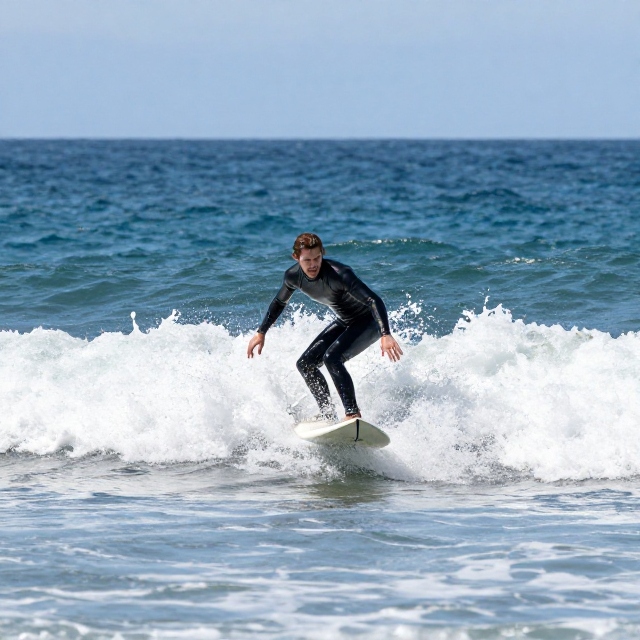
Florencia Bay is a picturesque beach south of Tofino, surrounded by lush rainforest and rugged coastal scenery. Its exposed location can produce challenging waves, making it more appropriate for surfers who understand changing ocean conditions. Surf quality varies with swell direction, tides, and weather, so it is important to assess the conditions before entering the water. The beach is also a beautiful place to experience the wild Pacific coastline away from Tofino’s busier surf areas. Beginners should seek local advice and avoid surfing when conditions exceed their abilities.
Other Things to Do: Spend time hiking forest trails, photographing the rugged coastline, exploring the sandy beach, and enjoying peaceful nature walks. You can also visit nearby beaches and viewpoints within Pacific Rim National Park Reserve for more opportunities to experience Vancouver Island’s natural scenery.
Where to Stay: Florencia Bay Retreat is an option for travelers seeking private, self-catered accommodation in a forest setting near the bay. You can also stay in Ucluelet for access to nearby coastal trails and a quieter small-town atmosphere, or choose Tofino for more restaurants, surf shops, and tour operators. Check driving distances and accommodation availability before booking, as Florencia Bay is outside central Tofino.
Conclusion
Cold water surfing in Tofino, Canada, is more than just a sport; it’s an opportunity to experience the wild beauty of Vancouver Island while enjoying some of the country’s best surf conditions. Whether you’re learning to surf at Chesterman Beach, exploring the waves at Cox Bay, or tackling winter swells along Long Beach, choosing the right location, checking ocean conditions, and wearing suitable thermal protection are essential for a safe and enjoyable session. With its year-round surfing opportunities, welcoming surf community, and stunning coastal scenery, Tofino is an excellent destination for anyone looking to experience the excitement of cold-water surfing.
FAQ
1. Is Tofino good for cold-water surfing?
Yes. Tofino is one of Canada’s best-known surfing destinations, offering surf opportunities throughout the year. Its Pacific coastline provides a variety of beach breaks suitable for different skill levels, depending on the weather and wave conditions.
2. How cold is the water in Tofino?
Water temperatures generally range from approximately 7°C to 14°C (45°F to 57°F), depending on the season and local conditions. Winter water is colder, so appropriate thermal protection is essential.
3. What wetsuit do I need for surfing in Tofino?
A 5/4 mm or 6/5 mm wetsuit is often suitable for colder conditions, particularly in autumn and winter. Neoprene boots, gloves, and a hood help retain body heat. The best setup depends on water temperature, wind, session length, and your personal tolerance for cold.
4. What is the best time of year to surf in Tofino?
Autumn and winter often bring larger, more consistent swells, making them popular with experienced surfers. Late spring and summer can offer more comfortable conditions for beginners, although waves and weather vary daily.
5. Which beaches are best for surfing in Tofino?
Chesterman Beach is a popular option for lessons and manageable conditions. Cox Bay is known for its consistent surf, while Long Beach offers a vast, exposed coastline with waves that can be powerful. Always choose a beach based on your experience and the day’s conditions.
6. Can beginners learn to surf in Tofino?
Absolutely. Tofino has surf schools that offer beginner lessons and equipment rentals. An instructor can help you learn basic techniques, understand ocean safety, and select a beach with suitable conditions.
7. Can I rent a wetsuit and surfboard in Tofino?
Yes. Local surf shops and surf schools offer wetsuit and surfboard rentals. Many also provide boots, gloves, and other cold-water accessories. Confirm availability and suitable winter equipment before your visit.
8. Is cold-water surfing in Tofino safe?
It can be safe with appropriate preparation, but cold water, strong currents, powerful waves, and changing weather present real risks. Check surf and tide forecasts, understand local hazards, avoid surfing alone in unfamiliar conditions, and use suitable thermal protection. Beginners should consider taking a lesson with a qualified local instructor.
9. Do I need experience to surf Tofino in winter?
Winter surfing is generally more challenging because of colder water and potentially larger waves. Beginners are better off taking lessons in manageable conditions rather than paddling into powerful winter surf without guidance.
10. What should I bring for a cold-water surfing trip to Tofino?
Bring a suitable wetsuit, neoprene boots, gloves, and a hood, along with a towel or changing poncho, warm dry clothing, and a thermos for a hot drink. Check the forecast and local surf conditions before each session.



Leave a Reply