The Everest Base Camp Trek is one of the world’s most iconic high-altitude adventures, taking trekkers deep into Nepal’s Khumbu region beneath some of the highest mountains on Earth. The journey combines dramatic Himalayan scenery with suspension bridges, remote mountain villages, Buddhist monasteries, glaciers, and the distinctive culture of the Sherpa people. Although you don’t climb Mount Everest itself, reaching Base Camp means traveling through an extraordinary high-altitude landscape that has become legendary among trekkers and mountaineers.
The route typically begins in Lukla and follows the Dudh Koshi Valley toward Namche Bazaar before climbing gradually through Tengboche, Dingboche, Lobuche, and Gorak Shep. Along the way, carefully planned acclimatization days help trekkers adjust to increasingly thin air. The final approach to Everest Base Camp reaches approximately 5,364 meters (17,598 feet), while the optional climb of Kala Patthar takes the trek even higher for expansive views of Everest and the surrounding Himalayan peaks.
This complete Everest Base Camp Trek guide covers the route, itinerary, elevation, difficulty, cost, best time to visit, packing list, accommodation, food, training, safety, and everything else you need to know before planning the adventure.
Need a Trek or Guide?
Can’t find the trek you’re looking for? Email us at kw@kwalmag.com and we’ll help research additional treks or guides not currently featured on our site.
Enjoying our content? Support KWAL Adventure & Lifestyle Magazine through advertising, affiliate purchases, or a voluntary donation of any amount via Cash App: $kwadven.
- Reasons to Trek to Everest Base Camp
- Everest Base Camp Trek at a Glance
- Best Time to Trek Everest Base Camp
- Who Should Do the Everest Base Camp Trek?
- Top Attractions on the Everest Base Camp Trek
- Everest Base Camp Trek Cost
- How Difficult Is the Everest Base Camp Trek?
- Everest Base Camp Climate by Season
- Wildlife on the Everest Base Camp Trek
- Natural Disasters on the Everest Base Camp Trek
- Everest Base Camp Trek Safety
- Everest Base Camp Trek Elevation Gain
- Everest Base Camp Trek Accommodation
- Everest Base Camp Trek Routes
- Everest Base Camp Camping & Backpacking
- Common Everest Base Camp Trek Mistakes
- Everest Base Camp Training
- Everest Base Camp Trek Packing List
- Everest Base Camp Trek Travel Tips
- Conclusion
- Frequently Asked Questions
Reasons to Trek to Everest Base Camp
See Mount Everest

Trek deep into the Himalayas and experience the incredible landscapes surrounding Mount Everest. The route provides spectacular views of Everest, Lhotse, Nuptse, and Ama Dablam. As you gain elevation, the scenery becomes increasingly dramatic and rugged. Few trekking experiences offer such an iconic mountain setting.
Experience Sherpa Culture

The trek passes through traditional Sherpa villages, monasteries, and mountain communities. Namche Bazaar offers a fascinating look at life in the high Himalayas. Tengboche is home to a famous Buddhist monastery surrounded by spectacular peaks. Along the route, trekkers can experience the region’s distinctive culture and traditions.
Reach Everest Base Camp

Reaching Everest Base Camp at approximately 5,364 meters (17,598 feet) is a major achievement for adventure travelers. The trail leads through the spectacular Khumbu Valley toward the famous base camp beneath Everest. The surrounding Khumbu Glacier and towering peaks create an unforgettable landscape. Standing at Base Camp provides a memorable highlight of the entire journey.
Climb Kala Patthar

Kala Patthar is one of the most famous viewpoints on the Everest Base Camp Trek. At approximately 5,644 meters (18,519 feet), it provides expansive views of Everest and surrounding Himalayan peaks. Many trekkers make the climb early in the morning for dramatic mountain scenery. The demanding ascent adds another memorable challenge to the journey.
Challenge Yourself

The Everest Base Camp Trek combines long hiking days, steep terrain, rugged trails, and extreme elevation. Trekkers must gradually adapt as the route climbs deeper into the Himalayas. Proper training and acclimatization are important for handling the physical demands. Completing the trek can become a significant personal accomplishment.
Explore the Himalayas

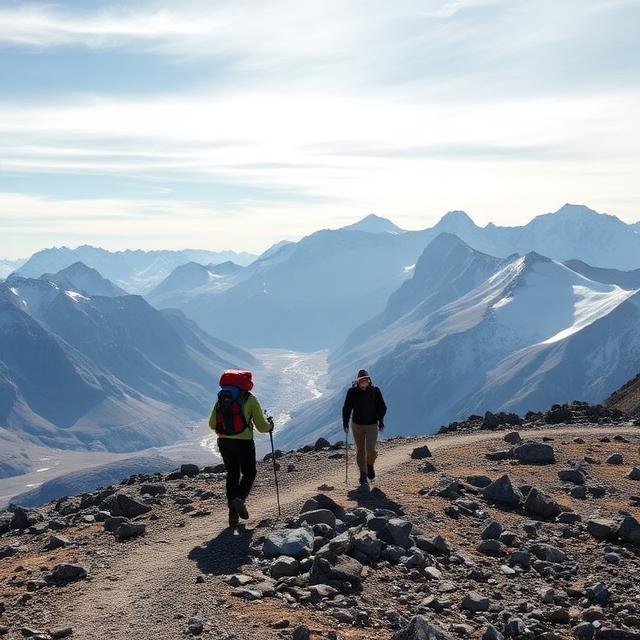
The journey passes through forests, river valleys, suspension bridges, glaciers, and high-altitude wilderness. The landscape changes dramatically as the trail climbs from Lukla toward Everest Base Camp. Along the way, trekkers encounter remote villages, mountain monasteries, and enormous Himalayan peaks. The constantly changing scenery makes the journey itself as memorable as reaching Base Camp.
Everest Base Camp Trek at a Glance
Location: Khumbu, Nepal
Starting Point: Lukla
Destination: Everest Base Camp
Base Camp Elevation: 5,364 m (17,598 ft)
Highest Point: Kala Patthar — 5,644 m (18,519 ft)
Typical Duration: 12–16 days
Difficulty: Challenging
Best Seasons: Spring and autumn
Terrain: Mountain trails, valleys, glaciers, rocky paths, and suspension bridges
Main Highlights: Mount Everest, Sherpa villages, Tengboche Monastery, Namche Bazaar, Khumbu Glacier, and Kala Patthar
Best Time to Trek Everest Base Camp

- Spring (March–May): Clear skies, mild days, excellent mountain views.
- Summer/Monsoon (June–August): Rainy, cloudy, muddy trails; less ideal.
- Autumn (September–November): Dry, clear weather and excellent visibility.
- Winter (December–February): Very cold, snowy, and shorter trekking days.
Who Should Do the Everest Base Camp Trek?
Experienced & Prepared Hikers

The trek is best suited to physically prepared hikers who can comfortably walk for several hours on consecutive days. Previous multi-day hiking experience is helpful but not essential if you train properly beforehand.
Adventure Travelers

It is ideal for travelers who enjoy mountains, remote landscapes, cultural experiences, and challenging outdoor adventures. You should be comfortable with basic accommodations, changing weather, and limited amenities.
High-Altitude Trekkers

Anyone attempting the trek should be prepared for extreme elevation and reduced oxygen levels. Understanding acclimatization and altitude-related risks is particularly important.
Who May Need Extra Preparation

People who are new to hiking, have limited endurance, or are unfamiliar with high-altitude environments may need additional training and a carefully planned itinerary before attempting the trek.
Top Attractions on the Everest Base Camp Trek
Mount Everest

Mount Everest is the ultimate highlight of the Everest Base Camp Trek. At 8,849 meters (29,032 feet), it is the highest mountain on Earth. The trek provides changing views of Everest as you travel deeper into the Khumbu region. The mountain is especially impressive from viewpoints around Kala Patthar and the upper trail.
Everest Base Camp

Everest Base Camp sits at approximately 5,364 meters (17,598 feet) beneath the world’s highest mountain. The famous destination is surrounded by the Khumbu Glacier, Nuptse, Pumori, and other enormous Himalayan peaks. Reaching Base Camp is the main goal for most trekkers on the classic route. The surrounding glacier landscape creates some of the trek’s most memorable scenery.
Kala Patthar

Kala Patthar is one of the most famous viewpoints in the Everest region. At approximately 5,644 meters (18,519 feet), it provides spectacular views of Mount Everest, Nuptse, Pumori, and surrounding peaks. Many trekkers make the climb early in the morning for clear mountain views. The steep ascent is challenging because of the extreme elevation.
Namche Bazaar

Namche Bazaar is a major Sherpa settlement and one of the most recognizable villages on the Everest Base Camp route. The town sits in a dramatic mountain amphitheater and serves as an important acclimatization stop. Colorful buildings, shops, cafés, and mountain views make it a popular place to explore. The surrounding hills provide excellent views of the Khumbu landscape.
Tengboche Monastery

Tengboche Monastery is one of the most important Buddhist monasteries in the Everest region. It sits at approximately 3,867 meters (12,687 feet) with spectacular views of Ama Dablam and surrounding Himalayan peaks. The monastery provides an opportunity to experience the region’s Sherpa Buddhist culture. Its mountain setting makes it one of the most scenic cultural attractions along the route.
Khumbu Glacier

The Khumbu Glacier is one of the most dramatic natural features near Everest Base Camp. The glacier stretches through the high Himalayas beneath towering peaks and rugged ice formations. Trekkers encounter spectacular glacier scenery as the trail approaches Base Camp. The surrounding landscape demonstrates the extreme environment of the upper Everest region.
Ama Dablam

Ama Dablam is one of the most recognizable mountains in the Himalayas. Its distinctive pyramid-shaped peak dominates views from several sections of the Everest Base Camp Trek. The mountain becomes particularly impressive around Tengboche and the upper Khumbu Valley. Its dramatic shape makes it one of the most photographed peaks along the route.
Gokyo Lakes

The Gokyo Lakes are a series of turquoise alpine lakes in the Everest region. They are reached by taking the alternative Gokyo route rather than following the classic Base Camp trail. The lakes are surrounded by enormous Himalayan peaks, glaciers, and rugged mountain terrain. They offer one of the most scenic alternatives to the traditional Everest Base Camp route.
Gokyo Ri

Gokyo Ri is a high-altitude viewpoint overlooking the Gokyo Valley. From the summit, trekkers can see Mount Everest, Cho Oyu, Makalu, and other Himalayan peaks in clear conditions. The climb is steep but provides a spectacular panoramic reward. It is one of the major highlights of the Gokyo and Everest trekking routes.
Himalayan Suspension Bridges

Suspension bridges are a memorable feature of the Everest Base Camp Trek. The route crosses deep valleys and fast-flowing rivers on bridges decorated with colorful prayer flags. Some crossings provide dramatic views of the mountains and valleys below. These bridges add an adventurous element to the journey through the Khumbu region.
Everest Base Camp Trek Cost
Typical Trekking Costs

A self-guided Everest Base Camp Trek can cost roughly $1,000–$2,000+ per person, excluding international airfare. Your total depends on flights to Lukla, permits, food, teahouses, gear, transportation, insurance, and how long you stay in the region. Independent backpackers can control costs by choosing basic accommodation and carrying some of their own gear. Budget extra for weather-related delays, emergency transportation, or additional days in the mountains.
Main Expenses
Lukla Flights: $200–$500+ round trip
Permits: Approximately $30–$50+
Teahouses: Approximately $5–$15+ per night
Food: Approximately $20–$40+ per day
Gear: $200–$1,000+, depending on what you already own
Travel Insurance: Varies by coverage
Emergency/Extra Days: Keep a separate reserve fund
How Difficult Is the Everest Base Camp Trek?
Hiking Distance

The Everest Base Camp Trek covers roughly 80 miles (130 km) round trip, depending on the exact route and side trips. Most days involve several hours of walking over uneven mountain trails. The distance itself is manageable for many prepared hikers, but the high elevation makes each day more demanding.
Elevation

Altitude is one of the biggest challenges of the trek, with Everest Base Camp reaching approximately 5,364 meters (17,598 feet). Kala Patthar climbs even higher to about 5,644 meters (18,519 feet). The thin air can make ordinary walking feel considerably harder than it would at lower elevations.
Terrain

The trail includes rocky paths, steep climbs, stone steps, suspension bridges, valleys, and glacier areas. Some sections are relatively easy, while others involve sustained uphill hiking. Trekking poles and sturdy footwear can be useful on uneven and steep terrain.
Weather

Himalayan weather can change quickly, particularly at higher elevations. Trekkers may encounter cold temperatures, strong winds, snow, rain, and reduced visibility depending on the season. Weather conditions can also affect trail conditions and transportation.
Fitness Requirements

You don’t need technical climbing skills for the standard Everest Base Camp route, but good hiking endurance is important. Training with long walks, hills, stairs, and a loaded backpack can help prepare your legs and cardiovascular system. Being comfortable hiking several hours on consecutive days is particularly useful.
Altitude Acclimatization

Acclimatization is essential because the route climbs from Lukla at approximately 2,860 meters (9,383 feet) to more than 5,300 meters. Standard itineraries include acclimatization days, particularly around Namche Bazaar and Dingboche. Trekkers should understand the symptoms of altitude illness and follow appropriate guidance rather than continuing upward when experiencing concerning symptoms.
Everest Base Camp Climate by Season
Spring, Summer, Autumn & Winter

Spring (March–May) brings generally mild daytime temperatures, clearer skies, and good mountain visibility, although higher elevations remain cold. Summer and monsoon (June–August) bring warmer conditions at lower elevations but frequent rain, clouds, and muddy or slippery trails. Autumn (September–November) is typically characterized by clear skies, dry weather, and excellent mountain visibility, making it a popular trekking season. Winter (December–February) brings freezing temperatures, snow, shorter daylight hours, and potentially difficult high-altitude conditions, particularly above Namche Bazaar.
Wildlife on the Everest Base Camp Trek
Himalayan Wildlife

The Everest Base Camp route passes through Sagarmatha National Park, where trekkers may encounter wildlife adapted to the Himalayan environment. Himalayan tahr, musk deer, Himalayan monal, and blood pheasants are among the species found in the region. Higher elevations can also provide habitat for elusive animals such as the snow leopard, although sightings are extremely rare. Birds are generally easier to spot than large mammals, particularly around the forests and valleys below Namche Bazaar.
Natural Disasters on the Everest Base Camp Trek
Himalayan Hazards

Natural disasters are rare but possible along the Everest Base Camp route, with earthquakes, avalanches, landslides, rockfall, heavy snowfall, and severe weather among the main hazards. Earthquakes can trigger landslides, avalanches, and falling rocks, while heavy snow can create avalanche risks in steep areas. Sudden storms, strong winds, freezing temperatures, and heavy precipitation can also make high-altitude trails difficult or temporarily inaccessible. Trekkers should check current weather and trail conditions, follow local safety guidance, and allow extra time for unexpected delays.
Everest Base Camp Trek Safety
Staying Safe on the Trek

Altitude sickness is one of the biggest safety concerns, so gradual acclimatization and recognizing warning symptoms are essential. Rapid weather changes, snow, rockfall, avalanches, and slippery trails can create additional hazards, particularly at higher elevations. Carry water, warm layers, navigation equipment, a first-aid kit, and emergency supplies, and check weather and trail conditions before setting out each day. Allow extra days for weather and transportation delays, stay on established routes, and follow current local safety guidance.
Safety Tips
Acclimatize gradually and allow rest days at higher elevations. Stay hydrated, dress in layers, and carry appropriate cold-weather and emergency gear. Check weather and trail conditions before leaving each day and avoid dangerous conditions. Watch for symptoms of altitude sickness and descend if symptoms become serious or worsen. Keep copies of important documents, carry travel insurance, and leave your itinerary with someone at home.
Emergency Numbers in Nepal
Tourist Police: 1144
Police: 100
Traffic Police: 103
Tourist Police, Lukla: +977-9852821304
Tourist Police: +977-1-5347041
Emergency Preparedness
Carry a fully charged phone, power bank, first-aid supplies, water treatment, warm layers, headlamp, and emergency contacts. Keep extra days available because weather, flight disruptions, and trail conditions can delay your trek. In a serious emergency, contact local authorities and follow current rescue instructions.
Everest Base Camp Trek Elevation Gain

The Everest Base Camp Trek starts at Lukla (2,860 m / 9,383 ft) and reaches Everest Base Camp (5,364 m / 17,598 ft), for an overall elevation increase of about 2,504 m (8,215 ft). However, the total elevation gained while hiking is much greater because the route repeatedly climbs and descends through valleys and mountain passes. The highest point on the standard trek is Kala Patthar at about 5,644 m (18,519 ft).
Everest Base Camp Trek Accommodation
Teahouses & Mountain Lodges

Most trekkers stay in teahouses and mountain lodges along the Everest Base Camp route. Popular overnight stops include Phakding, Namche Bazaar, Tengboche, Dingboche, Lobuche, and Gorak Shep. Rooms are generally simple, with shared facilities becoming more common at higher elevations. Some larger villages offer more comfortable lodges and upgraded rooms.
Everest Base Camp Trek Routes
Classic Everest Base Camp Route

Starting Point: Lukla
Route: Lukla → Phakding → Namche Bazaar → Tengboche → Dingboche → Lobuche → Gorak Shep → Everest Base Camp → Kala Patthar → Lukla
Highlights: Namche Bazaar, Tengboche Monastery, Ama Dablam, Khumbu Glacier, Everest Base Camp, Kala Patthar
Gokyo Lakes Route

Starting Point: Lukla
Route: Lukla → Namche Bazaar → Dole → Machhermo → Gokyo → Cho La → Lobuche → Everest Base Camp
Highlights: Gokyo Lakes, Gokyo Ri, Ngozumba Glacier, Cho La Pass, Everest Base Camp, Everest views
Three Passes Route

Starting Point: Lukla
Route: Lukla → Namche Bazaar → Renjo La → Gokyo → Cho La → Lobuche → Everest Base Camp → Kongma La → Chhukung → Namche Bazaar → Lukla
Highlights: Renjo La, Gokyo Lakes, Cho La Pass, Kongma La, Everest Base Camp, Khumbu Glacier, high Himalayan views
Jiri to Everest Base Camp Route

Starting Point: Jiri
Route: Jiri → Namche Bazaar → Tengboche → Dingboche → Lobuche → Gorak Shep → Everest Base Camp → Lukla
Highlights: Lower Solu-Khumbu villages, traditional Sherpa communities, Namche Bazaar, Tengboche Monastery, Everest Base Camp
Everest Base Camp Helicopter Route
Starting Point: Kathmandu
Route: Kathmandu → Lukla → Everest Base Camp/Kala Patthar area → Kathmandu
Highlights: Aerial Himalayan views, Mount Everest, Khumbu Glacier, Kala Patthar, Everest Base Camp
Everest Base Camp Camping & Backpacking
Camping Locations

Independent camping is an option along sections of the Everest region, particularly around Phakding, Namche Bazaar, Tengboche, Dingboche, Lobuche, and Gorak Shep. Camping farther from established villages can provide a more remote wilderness experience. Availability and permitted camping areas can vary by location and current regulations. Check local rules and conditions before choosing a campsite.
Backpacking Locations

Backpacking is possible along the classic route from Lukla to Phakding, Namche Bazaar, Tengboche, Dingboche, Lobuche, Gorak Shep, and Everest Base Camp. Trekkers can carry their own equipment while using villages along the route for food and overnight stops. The route becomes increasingly remote and rugged as it approaches Base Camp.
Common Everest Base Camp Trek Mistakes

- Ascend too quickly — Allow time to acclimatize.
- Ignore altitude sickness — Take symptoms seriously.
- Overpack — Keep your backpack light.
- Wear new boots — Break them in beforehand.
- Skip training — Prepare for long, steep hiking days.
- Underestimate weather — Pack for sudden cold, snow, and rain.
- Skip acclimatization days — Build rest days into your itinerary.
- Forget hydration — Drink water regularly.
- Skip sun protection — Bring sunscreen and sunglasses.
- Plan no extra days — Allow time for weather and flight delays.
- Skip travel insurance — Get appropriate high-altitude coverage.
- Ignore trail conditions — Check conditions before hiking.
Everest Base Camp Training

Start training 8–12 weeks before the Everest Base Camp Trek, gradually building endurance with long walks, hills, stairs, and weekend hikes while carrying a light backpack. Aim for regular cardio several days a week and add strength training for your legs, core, and hips to handle steep and uneven terrain. During the final 1–2 weeks, reduce training volume and focus on recovery, sleep, hydration, and preparing your gear rather than trying to build additional fitness. In the final few days, avoid strenuous workouts and arrive rested and ready for the trek.
Everest Base Camp Trek Packing List

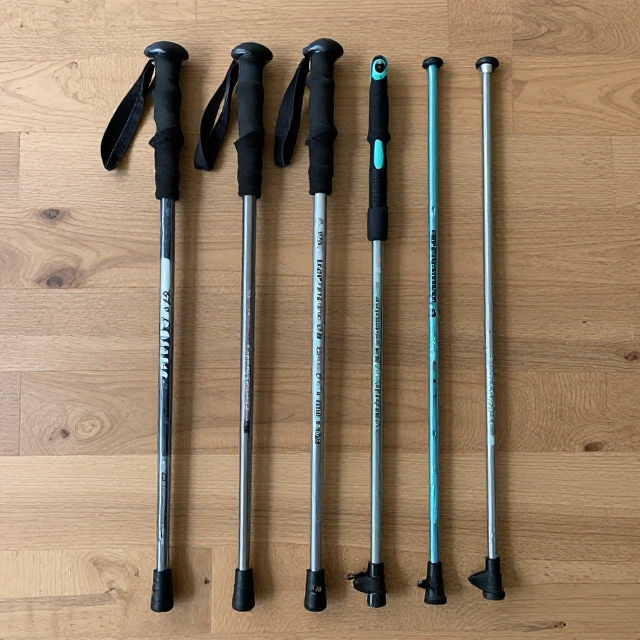
Pack lightweight layered clothing, broken-in hiking boots, warm jacket, fleece, thermal base layers, gloves, hat, sunglasses, sunscreen, sleeping bag, backpack, trekking poles, water bottles or hydration system, water purification, headlamp, first-aid kit, personal medications, toiletries, power bank, phone, offline maps, travel documents, snacks, and travel insurance information. Bring enough warm clothing for freezing temperatures and keep your pack as light as practical.
Best Hiking Boots for Everest Base Camp: Salomon Quest 4 GTX • Merrell Moab 3 Mid Waterproof • La Sportiva Nucleo High II GTX • Lowa Renegade GTX Mid • Scarpa Zodiac Plus GTX
Everest Base Camp Trek Travel Tips
- Acclimatize: Take scheduled rest days and increase elevation gradually.
- Train: Build endurance with hiking, hills, stairs, and a backpack before the trek.
- Pack light: Bring warm layers and essential gear without overloading your pack.
- Use broken-in boots: Choose waterproof boots with good traction and ankle support.
- Stay hydrated: Drink regularly and carry a reliable water-treatment method.
- Protect against the sun: Use sunscreen, sunglasses, and a hat at high elevation.
- Check weather: Mountain conditions can change quickly.
- Carry extra cash: ATMs and card payments may be limited along the route.
- Allow extra days: Weather can cause Lukla flight delays.
- Know altitude symptoms: Headache, nausea, dizziness, and unusual fatigue should not be ignored.
- Carry backups: Bring a power bank, headlamp, offline maps, and essential medications.
- Respect local culture: Follow local customs and protect the mountain environment.
Conclusion
The Everest Base Camp Trek is much more than a hike to a famous landmark. It is a journey through the heart of the Khumbu, where enormous Himalayan peaks rise above ancient villages, monasteries, glaciers, and high mountain valleys. Each day brings a different landscape as the trail climbs from the forests around Lukla into the stark alpine environment surrounding Everest Base Camp.
Preparation is an important part of the experience. Understanding the elevation, allowing enough time for acclimatization, preparing for changing weather, carrying appropriate equipment, and building your hiking endurance can make a major difference. Conditions in the Himalayas can change, so trekkers should also check current regulations, weather, transportation, trail conditions, and local guidance before departure.
For adventure travelers looking for a challenging trek with extraordinary scenery and a legendary destination at the end of the trail, Everest Base Camp remains one of the world’s great trekking
Frequently Asked Questions
How difficult is the Everest Base Camp Trek?
The Everest Base Camp Trek is generally considered challenging because of its long hiking days, rugged terrain, elevation, and limited oxygen at high altitude. You don’t need technical mountaineering skills for the standard trekking route, but good preparation and gradual acclimatization are important.
How long does the Everest Base Camp Trek take?
Most itineraries take approximately 12–16 days, including acclimatization days and the return journey. Longer itineraries can provide additional flexibility for weather, transportation delays, or slower hiking schedules.
How high is Everest Base Camp?
Everest Base Camp sits at approximately 5,364 meters (17,598 feet) above sea level. The nearby Kala Patthar viewpoint rises to approximately 5,644 meters (18,519 feet).
Can beginners do the Everest Base Camp Trek?
People without previous high-altitude trekking experience can complete the trek with appropriate preparation, but it should not be treated as an easy beginner hike. Building cardiovascular endurance, getting comfortable with long days on your feet, and understanding altitude risks are important before starting.
What is the best time to trek to Everest Base Camp?
The traditional trekking seasons are spring and autumn, particularly when weather and visibility are generally more favorable. Winter and monsoon-season trekking are also possible in some circumstances but can involve different weather and trail challenges.
How much does the Everest Base Camp Trek cost?
The total cost varies considerably depending on whether you trek independently or use a guide or organized tour. Flights, permits, accommodation, meals, guides, porters, equipment, insurance, and emergency expenses can all affect the final price.
Do you need a guide for Everest Base Camp?
Guide requirements and local regulations can change, so trekkers should verify the current rules before traveling. Even where independent trekking is permitted, a guide can provide assistance with navigation, logistics, local knowledge, and



Leave a Reply