The Grand Canyon is one of the most spectacular destinations in the United States, drawing visitors from around the world to experience its enormous scale, colorful rock layers, scenic overlooks, hiking trails, and Colorado River. Whether you’re planning a short sightseeing trip, a multi-day hiking adventure, a rafting expedition, or a relaxing stay near the canyon, there are experiences for nearly every type of traveler. The South Rim is the most accessible and developed area, while the North Rim offers a quieter experience at a higher elevation, and the remote canyon interior provides opportunities for more demanding adventures. Because distances are large and conditions can change quickly, planning accommodations, transportation, activities, permits, and seasonal conditions in advance can make a Grand Canyon trip much easier.
Grand Canyon Regions
The Grand Canyon region covers a vast area of northern Arizona, with dramatically different landscapes, attractions, access points, and travel experiences. While the South Rim is the most popular destination, the North Rim, eastern canyon, western canyon, and remote areas beyond the national park offer very different ways to experience the region.
1. South Rim

The South Rim is the most visited and developed part of the Grand Canyon and is generally the best choice for first-time visitors. It features famous viewpoints, hiking trails, visitor centers, restaurants, lodging, campgrounds, and scenic drives. Popular locations include Mather Point, Yavapai Point, Hermits Rest, and the historic Grand Canyon Village. The South Rim is open year-round, although winter weather can affect roads, trails, and services.
Grand Canyon Village
Grand Canyon Village serves as the primary visitor hub on the South Rim. It provides access to major viewpoints, hiking trails, historic buildings, restaurants, lodging, and visitor services. The village is also an excellent base for visitors who want to explore the canyon over several days. Staying nearby allows travelers to experience sunrise and sunset without long drives.
2. North Rim
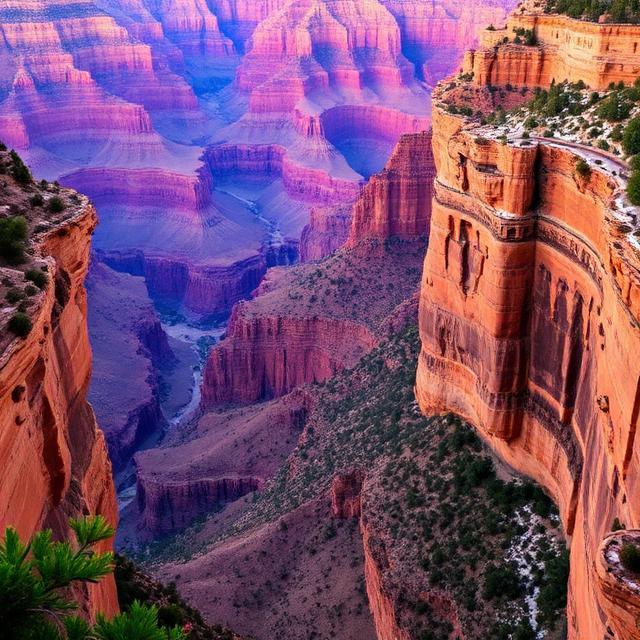
The North Rim sits at a higher elevation than the South Rim, creating cooler temperatures, dense forests, and a quieter atmosphere. It provides spectacular viewpoints from a different angle and generally attracts fewer visitors than the South Rim. Popular locations include Bright Angel Point, Cape Royal, and Point Imperial. Because of its high elevation and winter conditions, the North Rim has traditionally operated on a more seasonal schedule than the South Rim.
A Quieter Grand Canyon Experience
The North Rim is ideal for travelers looking for a more peaceful and less developed experience. Scenic drives and overlooks provide expansive views without the same level of crowds found on the South Rim. The surrounding forests also create a very different environment from the more open landscape around Grand Canyon Village. Visitors should always check current seasonal access and facility conditions before planning a North Rim trip.
3. East Grand Canyon

The East Grand Canyon extends toward the eastern end of the Grand Canyon and includes the Desert View area, dramatic canyon overlooks, and the Little Colorado River Gorge. This region offers a transition between the forested South Rim and the more arid landscapes of northeastern Arizona. Desert View Drive provides access to several scenic viewpoints and the historic Desert View Watchtower. The eastern canyon is an excellent choice for travelers who want to combine Grand Canyon scenery with a scenic road trip.
Desert View and Little Colorado River Gorge
Desert View is one of the most prominent destinations in the eastern Grand Canyon. The area provides broad views toward the Colorado River and eastern canyon country, while the Desert View Watchtower is a distinctive landmark along the rim. Farther east, the Little Colorado River Gorge offers a dramatically different landscape characterized by narrow, colorful canyon walls. Visitors should be aware that some attractions and viewpoints in this region may have different access arrangements or ownership than areas within the main national park.
4. West Grand Canyon

The West Grand Canyon is best known for Grand Canyon West and the Skywalk, which are operated by the Hualapai Tribe rather than the National Park Service. The area offers dramatic canyon scenery and attractions that are particularly popular with visitors traveling from Las Vegas. The Skywalk extends over the canyon and provides a unique perspective from above the rim. Grand Canyon West is separate from Grand Canyon National Park, so visitors should check admission prices, operating hours, and attraction availability when planning a visit.
Grand Canyon West and the Skywalk
Grand Canyon West provides a different tourism experience from the South and North Rims. The Skywalk is the area’s signature attraction, allowing visitors to look through a glass platform extending over the canyon. Other activities and viewpoints provide opportunities to experience the surrounding landscape without undertaking a strenuous hike. Its location makes it a popular option for travelers combining the Grand Canyon with a Las Vegas trip.
5. Inner Canyon

The Inner Canyon refers to the vast landscape below the North and South Rims, including the Colorado River, side canyons, waterfalls, trails, and remote wilderness areas. Temperatures can be dramatically hotter at the bottom than on the rim, particularly during summer. Access generally requires hiking, rafting, or other specialized transportation, making the Inner Canyon much more demanding to explore. Visitors planning overnight trips need to prepare carefully for water, heat, elevation changes, and rugged terrain.
Colorado River and Backcountry Adventures
The Colorado River provides the main corridor through the Inner Canyon and is a major destination for rafting expeditions. Multi-day river trips allow visitors to experience canyon walls, beaches, rapids, waterfalls, and side canyons from below. Backpackers can also access portions of the Inner Canyon through major trails such as Bright Angel and South Kaibab. These adventures require considerably more preparation than a standard rim visit.
6. Grand Canyon National Park

Grand Canyon National Park protects the core of the Grand Canyon and includes most of the South Rim, North Rim, and extensive areas of the Inner Canyon. It offers scenic overlooks, hiking trails, campgrounds, visitor centers, museums, ranger programs, and numerous opportunities for outdoor recreation. The park encompasses an enormous landscape, so travelers should not expect to see everything in a single day. Planning around the specific rim or area you want to visit is essential.
Exploring the National Park
Most first-time visitors concentrate on the South Rim because of its extensive facilities and year-round accessibility. Travelers with more time can explore the North Rim, hike below the rim, or take a multi-day backcountry or river trip. Entrance fees, permits, seasonal closures, and access restrictions can vary by activity and location. Checking current park information before departure is especially important for longer trips.
7. Grand Canyon-Parashant Region

The Grand Canyon-Parashant region lies west and northwest of Grand Canyon National Park and offers a much more remote desert experience. The landscape includes mesas, canyons, volcanic features, plateaus, and expansive wilderness areas with very little development. Visitors can experience solitude and dark skies that are difficult to find near the major tourist areas. Because roads and services are limited, trips into this region require careful planning, appropriate vehicles, navigation equipment, food, water, and emergency supplies.
Remote Desert Landscapes
Grand Canyon-Parashant is best suited to travelers seeking solitude, photography, stargazing, camping, and rugged backcountry exploration. Many areas are accessible only by unpaved roads, and conditions can change quickly after storms. There are few services once visitors travel deep into the region. Anyone planning an extended trip should research road conditions and prepare for limited cell service and assistance.
Reasons to Visit the Grand Canyon
1. See One of the World’s Great Natural Wonders

The Grand Canyon is one of the most spectacular natural landscapes in the United States. Its enormous scale, colorful rock layers, and immense depth create views that are difficult to appreciate anywhere else. From the rim, visitors can see miles of rugged canyon walls, side canyons, and the Colorado River far below. The sheer size of the landscape makes simply standing at an overlook an unforgettable experience.
2. Experience Spectacular Viewpoints

The Grand Canyon has countless viewpoints offering different perspectives of the landscape. Mather Point, Yavapai Point, and Desert View are among the most popular places to take in the canyon from the South Rim. Each overlook reveals different formations, river views, and layers of colorful rock. Visiting several viewpoints is a great way to appreciate how dramatically the canyon changes from one location to another.
3. Go Hiking

Hiking is one of the best ways to experience the Grand Canyon beyond the main overlooks. Visitors can choose from easy rim walks to strenuous trails that descend thousands of feet into the canyon. Popular trails provide close-up views of rock formations, cliffs, side canyons, and changing ecosystems. Hikers should remember that going down is only half the journey, and returning to the rim can be extremely demanding.
4. Watch Incredible Sunrises and Sunsets

Sunrise and sunset transform the Grand Canyon as changing sunlight illuminates the rock walls. Orange, red, pink, and gold colors can become especially vivid as the sun moves across the canyon. Sunrise tends to offer a quieter atmosphere, while sunset is one of the most popular times to gather at the viewpoints. Arriving early for either experience can help visitors find a good viewing location.
5. Explore the Colorado River

The Colorado River is at the heart of the Grand Canyon and offers an entirely different way to experience the landscape. From the rim, the river appears small compared with the enormous canyon surrounding it, but traveling along the river reveals the true scale of the canyon walls. Multi-day rafting trips provide opportunities to see beaches, waterfalls, side canyons, and geological formations up close. A river journey is an excellent option for travelers seeking a more adventurous Grand Canyon experience.
6. Enjoy World-Class Photography

The Grand Canyon is an outstanding destination for landscape photographers because its scenery changes dramatically with the light. Sunrise, sunset, clouds, shadows, and seasonal conditions can create completely different photographs from the same viewpoint. The canyon is also an excellent location for night-sky photography because of its remote surroundings and dark skies. Photographers can capture everything from enormous panoramic landscapes to detailed rock formations and wildlife.
7. Experience the Wilderness

Beyond the developed overlooks and visitor facilities, the Grand Canyon contains vast areas of rugged wilderness. Remote trails, isolated side canyons, forests, and backcountry routes provide opportunities to experience the canyon away from the busiest areas. Backpacking allows visitors to spend several days exploring deeper into the landscape. Those venturing into the backcountry should be properly prepared for extreme temperatures, limited water, difficult terrain, and changing weather.
8. See Diverse Wildlife

The Grand Canyon supports a surprising variety of wildlife because of its wide range of elevations and habitats. Visitors may encounter California condors, bighorn sheep, elk, mule deer, ravens, squirrels, and numerous other species. Wildlife is often easiest to spot during the cooler morning and evening hours. Keep a safe distance from animals and never feed or approach them, even if they appear accustomed to visitors.
9. Stargaze Under Dark Skies

The Grand Canyon is an excellent destination for stargazing because large portions of the region are far from major sources of artificial light. On clear nights, visitors can see thousands of stars, the Milky Way, planets, and occasionally meteor showers. The darkness of the surrounding landscape makes the canyon especially impressive after sunset. Bring a flashlight, preferably with a red-light setting, and use caution around cliffs and uneven terrain at night.
10. Learn About Geology

The exposed rock layers of the Grand Canyon provide an extraordinary look into Earth’s geological past. Different formations represent ancient environments and geological processes that occurred over hundreds of millions of years. The canyon walls reveal an extensive sequence of rock layers, making the area one of the world’s most remarkable natural geology classrooms. Visitors can learn more through overlooks, exhibits, ranger programs, and geological information throughout the park.
11. Experience Native American History and Culture

The Grand Canyon region has been home to Indigenous peoples for thousands of years, and several Native American nations maintain deep cultural and historical connections to the canyon. The Havasupai, Hualapai, Hopi, Navajo, Southern Paiute, and other Indigenous peoples have longstanding relationships with the surrounding landscape. Visitors can learn about Indigenous history, traditions, art, and contemporary communities through appropriate cultural programs and museums. Exploring this history adds important context to the landscape beyond its geological and scenic significance.
12. Take a Scenic Drive

A scenic drive is an excellent way to experience the Grand Canyon without undertaking a strenuous hike. Desert View Drive along the South Rim provides access to multiple overlooks, forests, and scenic stops. Travelers can pull over at different points to photograph the canyon and experience changing perspectives throughout the route. Scenic drives are particularly useful for families, older travelers, or anyone with limited time for hiking.
Best Places to Stay
Tusayan, Arizona — Best Overall

Tusayan is the closest major town outside Grand Canyon National Park and is located about 7 miles south of Grand Canyon Village. It offers a good selection of hotels, restaurants, gas stations, and other visitor services, making it a convenient base for exploring the South Rim. Its close proximity to the park makes it especially popular with travelers who want easy access to the canyon without staying inside the park.
Address: Tusayan, AZ 86023
Grand Canyon Village, Arizona — Best for Staying Inside the Park

Grand Canyon Village is normally the most convenient place to stay for travelers who want to be close to the South Rim. Visitors staying here are near major viewpoints, hiking trails, restaurants, visitor services, and park transportation. It is particularly convenient for catching sunrise or sunset without having to drive back to a nearby town.
Address: Grand Canyon Village, AZ 86023
Williams, Arizona — Best for Route 66

Williams is about 60 miles south of Grand Canyon Village and is a popular base for travelers visiting the South Rim. The historic town is located along Route 66 and offers a variety of hotels, restaurants, shops, and attractions. It is also home to the Grand Canyon Railway, making it a great choice for visitors who want to experience a historic train journey to the canyon.
Address: Williams, AZ 86046
Flagstaff, Arizona — Best for Restaurants and Longer Trips

Flagstaff is about 80 miles from the South Rim and offers a much larger selection of hotels, restaurants, shopping, and entertainment. It works well for travelers who are visiting the Grand Canyon as part of a larger northern Arizona road trip. The city also provides easy access to other attractions, including Sedona, Walnut Canyon, and Sunset Crater Volcano.
Address: Flagstaff, AZ 86001
Valle, Arizona — Best for a Quieter Stay

Valle is located about 30 miles south of Grand Canyon Village along Highway 64. This small community offers a quieter alternative to the busier lodging areas around Tusayan and Grand Canyon Village. It can be a good choice for travelers who want to stay relatively close to the South Rim while avoiding a more crowded tourist area.
Address: Valle, AZ 86046
Red Lake, Arizona — Best for Budget Travelers

Red Lake is a small community located south of Grand Canyon Village and offers a more basic lodging experience than larger gateway towns. It can be a practical option for travelers looking for affordable accommodations within driving distance of the South Rim. Because there are fewer hotels and services here, it is best suited to visitors who prioritize price and location over amenities.
Address: Red Lake, AZ 86046
How to Get to the Grand Canyon
Getting to the Grand Canyon is easy with several transportation options available depending on which rim you plan to visit. The South Rim is the most accessible and popular choice, with convenient routes from Flagstaff, Williams, Las Vegas, and nearby airports. Travelers can reach the canyon by car, shuttle, bus, train, or guided tour, while the more remote North Rim offers a quieter experience and is accessible seasonally. Planning your route in advance can help you choose the best Grand Canyon entrance, transportation option, and travel time for your adventure.
Packing List
For your Grand Canyon trip, pack comfortable hiking shoes, lightweight clothing, a hat, sunglasses, and sunscreen. Bring plenty of water and snacks, along with a daypack, reusable water bottle, map or offline GPS, and a basic first-aid kit. If you plan to hike, choose clothing and gear suitable for changing temperatures and long hours outdoors.
Travel Tips
Before visiting the Grand Canyon, check the weather and trail conditions, plan your route, and start outdoor activities early to avoid the hottest part of the day. Stay on designated trails, drink plenty of water, and follow Grand Canyon safety guidelines. Booking accommodations and tours in advance is also recommended, especially during peak travel seasons.
Conclusion
A trip to the Grand Canyon can be as simple as spending a day visiting scenic overlooks or as ambitious as hiking deep into the canyon or taking a multi-day river expedition. The South Rim offers the greatest selection of viewpoints, services, lodging, and year-round access, while the North Rim provides a more secluded experience when seasonal facilities are open. Visitors should plan around weather, elevation, trail conditions, crowds, and the significant difference between temperatures at the rim and in the canyon. With the right preparation and enough time to explore, the Grand Canyon can be an unforgettable destination for both first-time visitors and experienced travelers.
Frequently Asked Questions
What is the best time of year to visit the Grand Canyon?
Spring and fall are often excellent times to visit because temperatures are generally more comfortable than during the hottest summer months. Summer is popular but can bring extreme heat, especially below the rim, while winter can bring snow and icy conditions at higher elevations. The best time ultimately depends on whether your priority is sightseeing, hiking, camping, or avoiding crowds.
How many days do you need at the Grand Canyon?
For a first visit, two to three days is a good starting point. This allows time to visit several viewpoints, explore the rim, take a short hike, and experience sunrise or sunset without rushing. Longer trips are worthwhile if you plan to hike below the rim, visit both rims, camp, or take part in a rafting trip.
Should I visit the South Rim or North Rim?
The South Rim is generally the best choice for first-time visitors because it has more viewpoints, services, lodging, restaurants, and transportation options. The North Rim is quieter and offers a different perspective of the canyon but has more limited seasonal access and services. If you have enough time, visiting both can provide two very different Grand Canyon experiences.
Can you hike to the bottom of the Grand Canyon in one day?
It is possible for highly experienced hikers, but a rim-to-river day hike is extremely strenuous and is generally not recommended for inexperienced hikers. The return journey requires climbing thousands of feet back to the rim, often in significantly hotter conditions. A multi-day backpacking trip is a safer and more enjoyable approach for many visitors planning to spend significant time below the rim.
What should I bring to the Grand Canyon?
Essential items depend on the season and activity, but visitors should generally bring plenty of water, sun protection, comfortable footwear, layers of clothing, food or snacks, and a map or navigation aid. Hikers going below the rim need considerably more preparation because temperatures, elevation, and available water can differ dramatically from conditions at the rim.
Is the Grand Canyon open year-round?
The South Rim is generally accessible throughout the year, although winter weather can affect roads and trails. The North Rim has more significant seasonal closures because of its higher elevation and winter conditions. Visitors should check current park conditions, road status, facility availability, and weather forecasts before traveling.
How far is Las Vegas from the Grand Canyon?
The distance depends on which part of the Grand Canyon you visit. Grand Canyon West is considerably closer to Las Vegas than the South Rim, while the South Rim requires a substantially longer drive. Travelers should choose their destination based on the experience they want rather than assuming all Grand Canyon attractions are close together.
Do I need a permit to visit the Grand Canyon?
A standard entrance fee or park pass is required for the national park, while additional permits may be required for activities such as backcountry camping. Popular overnight trips, river expeditions, and certain special activities can have separate reservation or permit requirements. Visitors should check the requirements for their specific itinerary before departure.


Leave a Reply