Have you ever wanted to create your own handmade mugs, bowls, vases, or decorative pieces? Pottery is a rewarding creative hobby that allows you to turn simple clay into beautiful and practical objects. Whether you want to try pottery at home or join a local studio, getting started is easier when you understand the basic tools and materials you need.
- Clay: The Foundation of Pottery
- Essential Pottery Tools
- A Work Surface and Storage Space
- A Pottery Wheel
- A Kiln for Firing Pottery
- Glazes and Decorating Materials
- Safety Tips for Beginners in Pottery
- Helpful Pottery Tips for Beginners
- Conclusion: Start Your Pottery Journey
- Frequently Asked Questions About Pottery
Clay: The Foundation of Pottery
Clay is the foundation of pottery because it is a natural, moldable material that can be shaped by hand or on a pottery wheel. Choosing the right type of clay depends on your project, skill level, and available equipment.
Choosing the Right Clay
Before starting your pottery journey, consider the type of items you want to create and the equipment available to you. For functional pottery, choose a clay body that is compatible with your studio’s kiln and firing temperatures. If you are just beginning, air-dry clay or earthenware can be a good way to practice basic shaping techniques.
Earthenware Clay
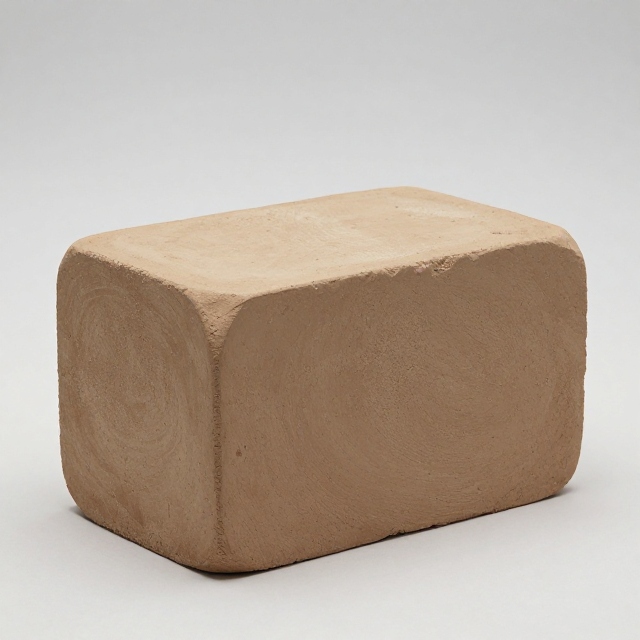
Earthenware clay is a popular choice for beginners because it is easy to work with and suitable for many traditional pottery projects. It is fired at lower temperatures than stoneware and can be used to create decorative pieces, pots, and bowls. This clay is ideal for learning basic pottery techniques.
Shop Earthenware Clay on Amazon
Stoneware Clay

Stoneware clay is known for its strength and durability, making it a great choice for functional pottery. It is commonly used to create mugs, plates, bowls, and other everyday items. Stoneware requires higher firing temperatures, so it is important to ensure that your studio’s kiln can accommodate it.
Shop Buy Stoneware Clay on Amazon
Air-Dry Clay

Air-dry clay is a convenient option for beginners who want to explore pottery without using a kiln. It hardens naturally when exposed to air, making it suitable for decorative crafts, small sculptures, and ornaments. However, it is generally not suitable for food-safe tableware or items that need to withstand regular exposure to water.
Essential Pottery Tools
Rolling Pin or Clay Roller

A rolling pin or clay roller helps flatten clay into an even sheet for making plates, bowls, and decorative pottery. It allows you to control the thickness of your clay for more consistent results. Beginners can use a simple wooden roller for most hand-building projects. Choose a smooth roller that is easy to clean after use.
Clay Cutting Wire
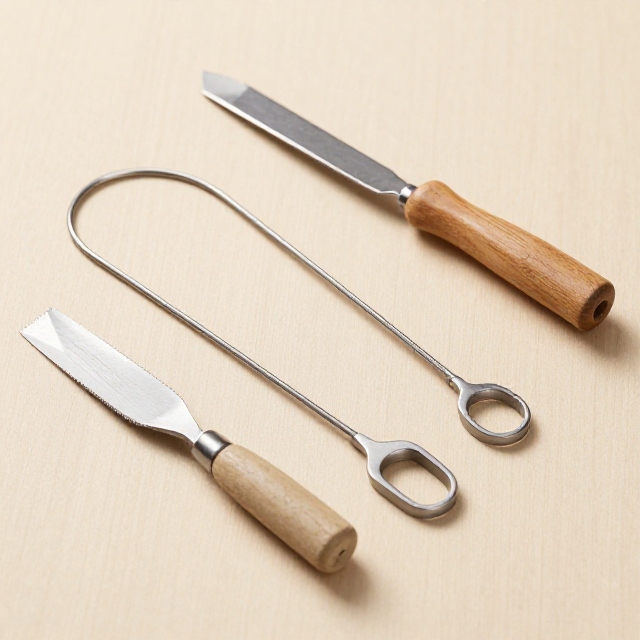
A clay cutting wire is used to slice blocks of clay into smaller, manageable pieces. It can also help separate clay from a work surface without distorting its shape. Most cutting wires have handles that make them comfortable to use. This tool is especially helpful when preparing clay for hand-building or wheel throwing.
Wooden Modeling Tools

Wooden modeling tools help shape, smooth, and refine clay during the pottery-making process. They come in different shapes and sizes for creating curves, edges, textures, and decorative details. These tools are useful for beginners learning hand-building techniques. A small set provides several options for working on different projects.
Needle Tool
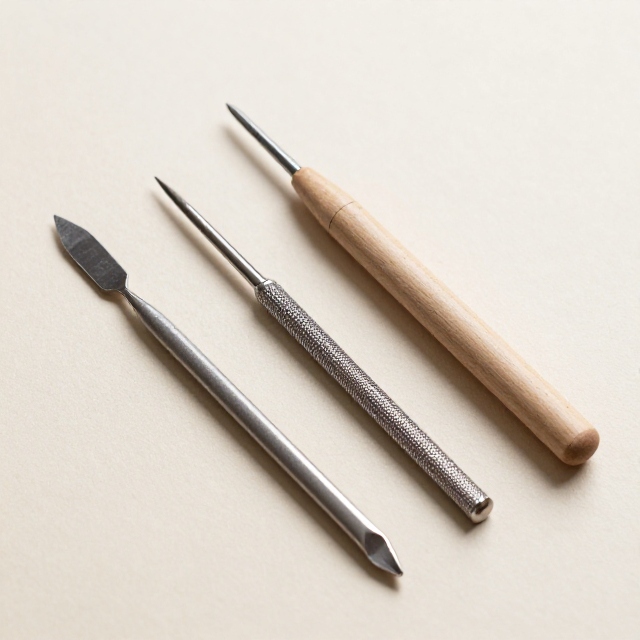
A needle tool is a pointed instrument used to cut clay, score surfaces, and create fine details. It is also helpful for trimming edges and checking the thickness of clay pieces. Beginners can use it to prepare surfaces before joining two pieces of clay together. Choose a comfortable handle that provides good control during detailed work.
Pottery Sponge
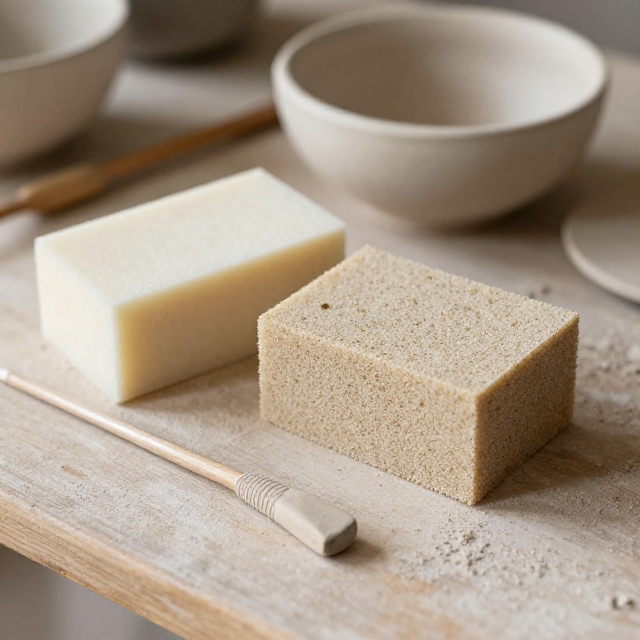
A pottery sponge helps smooth clay surfaces and control moisture while shaping your creations. It can remove small imperfections and soften rough edges. Use it with a small amount of water to prevent the clay from becoming too wet. Natural or synthetic sponges can both work well for beginners.
Rib Tool

A rib tool is used to smooth, compress, and shape clay surfaces. It is especially useful for refining bowls, cups, and other curved forms. Rib tools are available in wood, rubber, metal, and flexible materials to suit different techniques. Beginners can start with a basic rubber or wooden rib.
Loop and Ribbon Tools
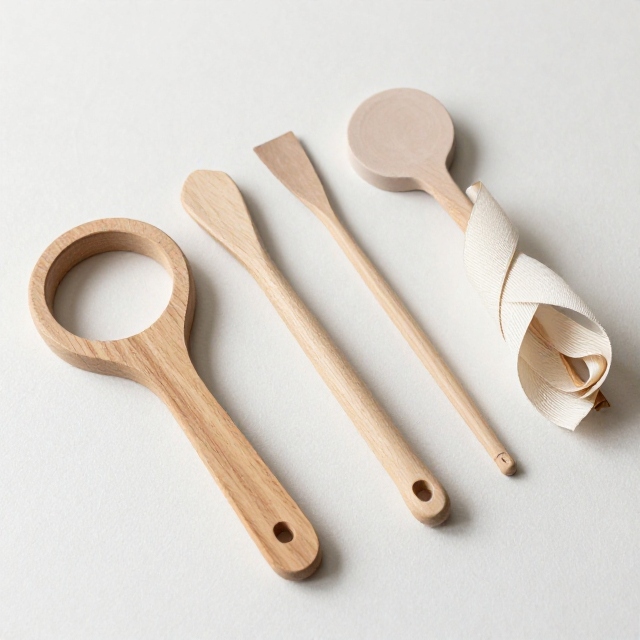
Loop and ribbon tools help remove excess clay, trim surfaces, and carve decorative details. They are useful for refining shapes and cleaning up pottery during the sculpting process. Different loop sizes allow you to work on both large surfaces and smaller details. A basic set is a practical addition to a beginner’s pottery collection.
Beginner Pottery Tool Kit

A beginner pottery tool kit is a convenient and affordable way to get several essential tools in one purchase. Many sets include modeling tools, cutting wires, needle tools, loop tools, and ribs. Buying a kit can save money compared with purchasing each tool separately. Check the product description to ensure the set includes the tools you need for your projects.
A Work Surface and Storage Space
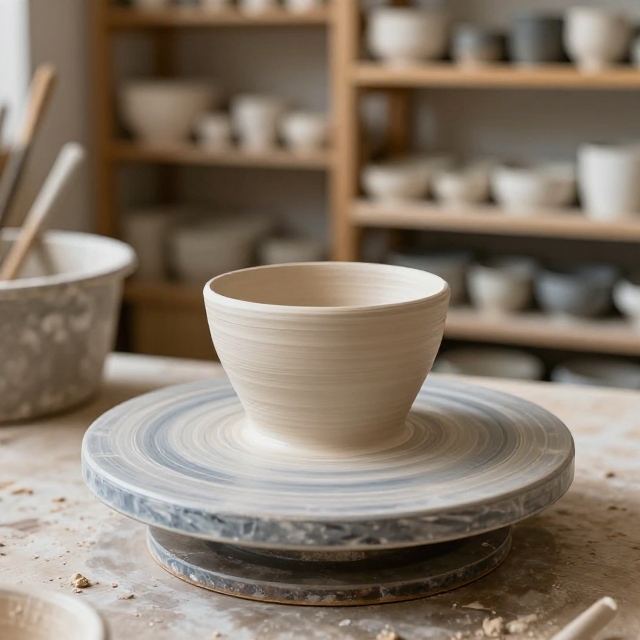
A clean, sturdy work surface makes pottery easier and more enjoyable. A plaster-free, nonporous surface or suitable canvas-covered board can work well, depending on your clay and technique. You will also need containers for water, shelves or boards for drying pieces, and a covered space to keep unfinished work from drying too quickly.
Keep your workspace organized so your tools remain accessible and your clay stays in good condition. Avoid sanding dry clay or sweeping up clay dust, as fine silica-containing dust can be hazardous when inhaled. Use wet-cleaning methods instead.
A Pottery Wheel

A pottery wheel allows you to shape symmetrical objects such as cups, bowls, and vases by spinning the clay while you work. However, you do not need a wheel to begin learning pottery.
Hand-building techniques such as pinch pots, coil building, and slab construction are excellent ways to develop your skills without investing in expensive equipment. If you decide to try wheel throwing, consider taking a class or using a studio that provides wheels and other equipment.
A Kiln for Firing Pottery
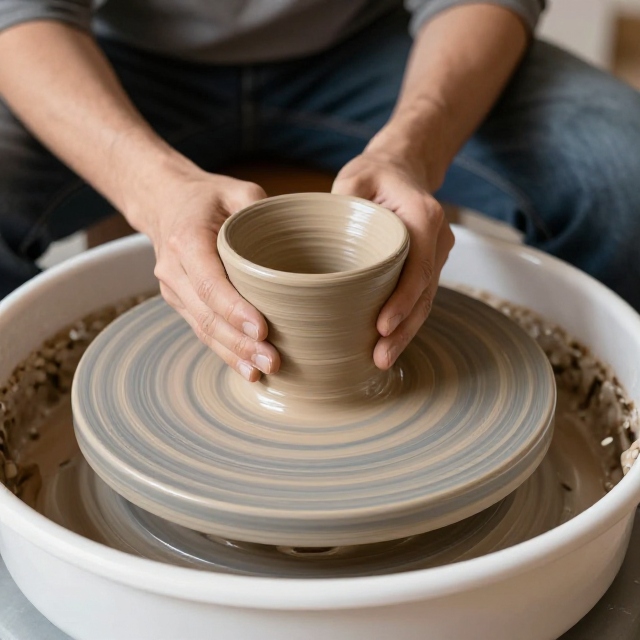
A kiln is a specialized oven designed to heat clay to high temperatures, transforming it into a durable ceramic material. Traditional pottery usually requires firing, and glazed pieces generally require an additional firing depending on the clay and glaze system.
Buying a kiln is not necessary when you are starting out. Many community art centers and pottery studios offer firing services for a fee. Always confirm that your clay and glazes are compatible with the studio’s firing schedule.
Air-dry clay and polymer clay follow different processes and should not be treated as interchangeable with kiln-fired ceramic clay.
Shop Kilns on Amazon
Glazes and Decorating Materials
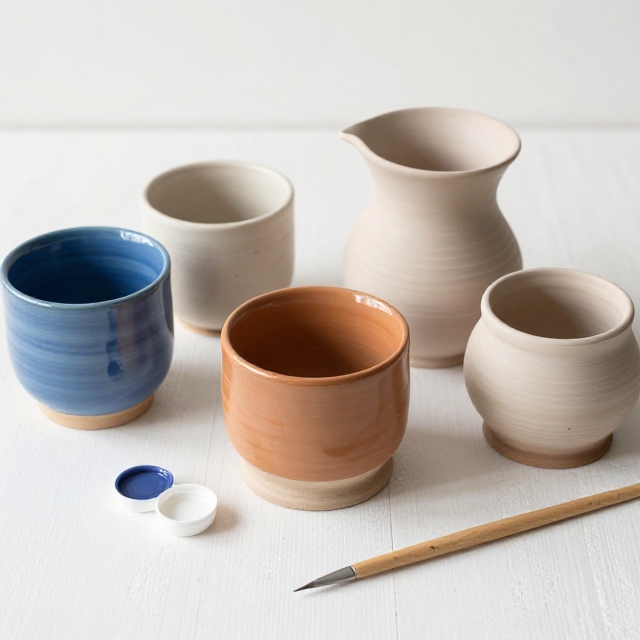
Glazes add color, texture, and a finished surface to pottery. They can create glossy, matte, textured, or colorful effects depending on the product and firing conditions.
Beginners should choose glazes that are compatible with their clay body and the kiln’s firing temperature. Follow the manufacturer’s instructions, and check that the finished piece is suitable for its intended use. Items used for food and drinks need an appropriate food-safe glaze and proper firing; decorative appearance alone does not guarantee safety.
You can also experiment with underglazes, ceramic stains, and carving techniques to personalize your work.
Shop Decorating Materials
Here are the Safety Tips, Pottery Tips, Conclusion, and FAQs to add to your pottery beginner’s article.Writing
Safety Tips for Beginners in Pottery
Pottery is a fun and creative activity, but following basic safety practices helps protect your health and keeps your workspace clean. Whether you work at home or in a pottery studio, handling clay, glazes, and equipment carefully is essential.
1. Keep Your Workspace Clean
Clean your work surfaces regularly using a damp sponge or wet mop. Avoid dry sweeping or sanding clay, as this can release fine dust into the air that may be harmful when inhaled.
2. Protect Your Hands and Skin
Wash your hands after working with clay, glazes, and ceramic materials. Cover cuts or irritated skin, and follow product instructions when handling glazes, stains, and other pottery chemicals.
3. Handle Kilns Carefully
Kilns reach extremely high temperatures and can cause severe burns. Follow the manufacturer’s instructions, use appropriate protective equipment, and never open a kiln until it has cooled to a safe temperature.
4. Use Glazes Safely
Some glazes contain materials that can be harmful if inhaled or swallowed. Read product labels, use appropriate ventilation, and avoid eating or drinking in your pottery workspace.
5. Store Tools and Materials Properly
Keep sharp tools, glaze containers, and clay materials organized and out of reach of children and pets. Store products in labeled containers and follow their safety instructions.
Helpful Pottery Tips for Beginners
Learning pottery takes patience and practice. These tips can help you develop your skills, avoid common mistakes, and enjoy the creative process.
1. Start with Simple Projects
Begin with easy projects such as pinch pots, small bowls, and simple decorative dishes. These projects help you understand how clay responds to pressure and moisture before moving on to more complicated designs.
2. Choose the Right Clay
Different types of clay work best for different projects. Stoneware is popular for functional pottery, while earthenware is suitable for many traditional ceramic pieces. Always choose clay that matches your techniques and the firing facilities available to you.
3. Keep Your Clay at the Right Moisture Level
Clay should be workable without becoming excessively wet or dry. Cover unfinished pieces with plastic when necessary to slow drying and reduce cracking. Allow pottery to dry evenly before firing, following your studio’s recommendations.
4. Practice Before Buying Expensive Equipment
You do not need a pottery wheel or kiln to learn the basics. Start with hand-building techniques or join a local pottery class to explore the craft before investing in expensive equipment.
5. Learn from Your Mistakes
Cracks, uneven shapes, and glazing problems are common when learning pottery. Take your time, experiment with different techniques, and treat each project as an opportunity to improve your skills.
6. Be Patient with the Process
Pottery involves several stages, including shaping, drying, firing, and sometimes glazing and refiring. Rushing any of these stages can damage your work. Give each piece enough time to dry and follow the appropriate firing schedule.
Conclusion: Start Your Pottery Journey
Getting started with pottery is an exciting way to explore your creativity and make beautiful handmade objects. With basic supplies, suitable clay, a few essential tools, and a safe workspace, beginners can create everything from small bowls to decorative planters.
You do not need to purchase every tool or own a pottery kiln to begin. Start with simple hand-building projects, practice regularly, and learn about glazing and firing as your confidence grows. Most importantly, enjoy experimenting with shapes, textures, and colors as you develop your own style.
Ready to get creative? Gather your basic pottery supplies, choose your first project, and discover the satisfaction of creating something unique with your own hands.
Frequently Asked Questions About Pottery
1. What do I need to start pottery at home?
You can begin with clay, a basic pottery tool kit, a suitable work surface, a sponge, and a container for water. If you are making traditional ceramic pottery, you will also need access to an appropriate kiln, such as through a local pottery studio.
2. Can I do pottery without a pottery wheel?
Yes! Hand-building methods such as pinch pots, coil building, and slab construction allow you to create many different objects without a wheel. These techniques are excellent for beginners and require relatively few tools.
3. Do I need a kiln to make pottery?
Traditional ceramic pottery requires firing in a suitable kiln to become durable. However, you can practice with air-dry clay for decorative projects without using a kiln. Air-dry clay is generally not appropriate for functional dishes intended to hold food or drinks.
4. What is the best clay for beginners?
The best clay depends on your project and available equipment. Earthenware and stoneware are common choices for beginners learning traditional ceramics. Check with your pottery studio to ensure the clay is compatible with its kiln and firing temperatures.
5. Is pottery an expensive hobby?
Pottery can be affordable if you start with basic hand-building tools and small amounts of clay. Taking a beginner class can also provide access to shared equipment and firing facilities without the cost of setting up a home studio.
6. How long does it take to learn pottery?
You can learn basic hand-building techniques in a few sessions, but developing consistent skills takes regular practice. The time required depends on the techniques you want to master and how often you practice.
7. Is pottery safe for beginners?
Yes, pottery can be enjoyed safely when you follow proper precautions. Avoid inhaling clay dust, use glazes according to their safety instructions, keep your workspace clean, and follow appropriate kiln safety procedures.
8. Why does pottery crack while drying?
Cracks can develop when clay dries unevenly, dries too quickly, or has uneven thickness. Keeping pieces covered when appropriate and allowing them to dry gradually can help reduce cracking.
9. Can I make mugs and plates at home?
Yes, provided you use suitable ceramic clay and have access to proper firing and glazing facilities. For items that contact food or drinks, use compatible materials and a glaze and firing process designed to produce a food-safe finished surface.
10. What is the easiest pottery project for a beginner?
A pinch pot is one of the easiest projects to try. It requires only a small amount of clay and lets you practice forming a simple vessel by hand without needing specialized equipment.
11. Can children learn pottery?
Yes, children can enjoy age-appropriate pottery activities with adult supervision. Use suitable materials, keep small tools and hazardous products out of reach, and avoid exposing children to clay dust or kiln operations.
12. How can I improve my pottery skills?
Practice regularly, experiment with different hand-building techniques, take classes when possible, and learn from experienced potters. Keeping notes about clay types, drying times, and firing results can also help you understand what works best.
Explore, create, and keep practicing: Pottery is a journey of creativity and discovery, and every new piece is an opportunity to learn something different.




Leave a Reply