Europe’s seas offer some of the most diverse deep sea fishing opportunities in the world. From the cold, productive waters of the North Atlantic and Norwegian Sea to the warmer Mediterranean, anglers can target a wide range of species while experiencing very different fishing conditions and landscapes.
Whether you are an experienced offshore angler or planning your first deep sea fishing trip, Europe has destinations to suit different fishing styles. Depending on the location and season, you may encounter tuna, marlin, swordfish, sharks, cod, halibut, sea bass, and many other species.
In this ultimate guide to deep sea fishing in Europe’s seas, we’ll explore popular fishing destinations, target species, the best times to fish, common techniques, essential equipment, and practical tips to help you plan your adventure.
Northern Europe
Barents Sea

The Barents Sea is a cold, productive fishing ground known for abundant cod, haddock, saithe, halibut, redfish, and other northern species. Deep-sea anglers can target large bottom-dwelling fish around offshore banks, rocky areas, and deeper channels. The region’s Arctic environment provides a dramatic backdrop of remote coastlines, islands, and seasonal sea ice. Its remote waters offer an adventurous setting for experienced anglers seeking challenging northern fishing.
Read More 25 Best Places for Deep Sea Fishing in the Barets Sea
White Sea

The White Sea offers cold-water fishing amid remote northern coastlines, rocky islands, and sheltered bays. Anglers can encounter species such as cod, haddock, salmon, herring, and various flatfish depending on location and season. Fishing conditions can change quickly because of strong tides, cold temperatures, and seasonal weather. Its remote character makes it well suited to anglers looking for a rugged northern maritime experience.
Read More 25 Best Places for Deep Sea Fishing in the White Sea
Norwegian Sea

The Norwegian Sea is renowned for deep-water fishing around Norway’s rugged coastline, offshore banks, islands, and fjord systems. Popular target species include cod, halibut, coalfish, haddock, and other cold-water species. The combination of deep water, strong currents, and nutrient-rich Atlantic waters creates excellent conditions for large predatory fish. Northern areas around Lofoten, Vesterålen, and Tromsø are particularly associated with sea-angling expeditions.
Read More 25 Best Deep Sea Fishing Destinations in the Norwegian Sea
Greenland Sea

The Greenland Sea is a remote Arctic fishing environment between Greenland, Iceland, and the Norwegian Arctic islands. Its cold, deep waters support species adapted to northern conditions, including Greenland halibut, cod, redfish, and other deep-water fish. Fishing here is strongly influenced by weather, sea ice, and seasonal accessibility. Expeditions are generally suited to experienced anglers seeking remote offshore environments.
Read More 25 Best Destinations for Deep Sea Fishing in the Greenland Sea
Iceland Sea

The Iceland Sea surrounds Iceland’s northern and northeastern waters and offers access to productive cold-water fishing grounds. Deep-sea anglers can target cod, haddock, halibut, saithe, redfish, and other species around offshore banks and deeper waters. Strong currents and nutrient-rich waters attract large concentrations of fish during different seasons. Iceland’s rugged coastline and fishing ports provide access to a wide range of offshore fishing opportunities.
Read More 25 Best Places for Deep Sea Fishing in the Iceland Sea
North Sea

The North Sea is one of Europe’s major fishing regions, supporting cod, haddock, saithe, mackerel, herring, plaice, sole, and other species. Deep-sea and offshore fishing can take place around sandbanks, rocky areas, channels, and deeper continental-shelf waters. Conditions vary considerably across the sea, with different species occupying different depths and habitats. The region has a long-established network of fishing ports around Britain, Norway, Denmark, Germany, and the Netherlands.
Read More 25 Best Places for Deep Sea Fishing in the North Sea
Irish Sea

The Irish Sea provides a varied fishing environment between Ireland, Northern Ireland, Wales, and northwest England. Anglers can target species such as cod, haddock, whiting, pollack, sea bass, flatfish, and other demersal fish depending on location and season. Offshore banks, reefs, channels, and wrecks provide diverse habitats for boat-based fishing. The relatively accessible coastline allows trips ranging from short charter outings to longer offshore expeditions.
Read More 25 Best Places for Fishing in the Irish Sea
Celtic Sea

The Celtic Sea offers broad offshore fishing grounds south of Ireland and west of Great Britain, extending toward the waters of France. Its continental-shelf waters support species including haddock, cod, whiting, pollack, megrim, anglerfish, and other demersal fish. Deep-water reefs, banks, wrecks, and productive offshore grounds provide opportunities for varied boat fishing. Weather and Atlantic swells can be significant factors, particularly farther offshore.
Read More 25 Best Deep Sea Fishing Places in the Celtic Sea
English Channel

The English Channel is a busy but productive marine environment between southern England and northern France. Sea anglers can encounter species such as sea bass, cod, haddock, pollack, plaice, sole, rays, and other coastal and demersal fish. The channel’s strong tides, underwater banks, reefs, wrecks, and varying depths create a wide range of fishing habitats. Numerous coastal ports make offshore fishing accessible from both the British and French sides.
Read More 25 Best Places for Deep Sea in the English Channel
Baltic Region
Baltic Sea

The Baltic Sea offers a distinctive fishing environment characterized by relatively shallow, brackish waters, numerous islands, coastal reefs, and extensive archipelagos. Anglers can target species such as Baltic cod, sea trout, salmon, pike, perch, and herring depending on the location and season. Offshore banks, rocky coastlines, and deeper basins provide varied habitats for boat-based fishing. The sheltered nature of many coastal areas also makes the Baltic suitable for a range of recreational fishing trips.
Read More 25 Best Places for Deep Sea Fishing in the Baltic Sea
Gulf of Bothnia

The Gulf of Bothnia stretches between Sweden and Finland and features cold, brackish waters, rocky shores, islands, and extensive shallow coastal areas. Fishing opportunities include salmon, sea trout, pike, perch, whitefish, and herring, with species varying considerably between the northern and southern sections. The region’s long summer days provide extended opportunities for fishing during the warmer months. Winter conditions can bring extensive sea ice, making seasonal timing particularly important for offshore trips.
Read More25 Best Deep Sea Fishing Destinations in the Gulf of Bothnia
Gulf of Finland

The Gulf of Finland extends eastward between Finland, Estonia, and Russia, offering a mixture of rocky islands, shallow coastal waters, reefs, and deeper offshore areas. Anglers can pursue species such as salmon, sea trout, pike, perch, zander, and herring depending on the area and season. The numerous islands and sheltered bays create diverse fishing environments close to the coastline. Offshore conditions can become more challenging, particularly in exposed areas and during periods of strong Baltic weather.
Read More 25 Best Deep Sea Fishing in the Gulf of Finland
Gulf of Riga

The Gulf of Riga lies between Latvia and Estonia and is characterized by relatively shallow, brackish waters, sandy shores, coastal wetlands, and productive fishing grounds. Recreational anglers can encounter species such as perch, pike, zander, sea trout, salmon, and herring. The gulf’s combination of open water and sheltered coastal areas provides opportunities for both boat and shore-based fishing. Seasonal changes in water temperature and fish movements play an important role in determining the best fishing locations.
Read More Best Places for Deep Sea Fishing in the Gulf of Riga
Western & Southwestern Europe
Cantabrian Sea

The Cantabrian Sea forms the southern part of the Bay of Biscay along the northern coast of Spain and extending toward southwestern France. Its deep offshore waters, submarine canyons, continental shelf areas, and strong Atlantic influence create productive marine habitats that support significant fishing activity. The region is associated with species such as hake, mackerel, sardines, anchovies, and various deep-water fish, making it an important area for both commercial and recreational fishing.
Read More 25 Best Places for Deep Sea Fishing in Cantabrian Sea
Alboran Sea

The Alboran Sea is the westernmost part of the Mediterranean, lying between southern Spain, northern Morocco, and northwestern Algeria just east of the Strait of Gibraltar. Its position at the meeting point of Atlantic and Mediterranean waters produces strong currents, varied underwater terrain, and a highly productive marine environment. The sea supports important fisheries including sardine, European hake, blackspot seabream, and swordfish, while offshore banks and deeper waters provide additional fishing grounds.
Read More 25 Best Places for Deep Sea Fishing in Alboran Sea
Mediterranean Region
Mediterranean Sea

The Mediterranean Sea is a major semi-enclosed sea stretching between southern Europe, North Africa, and western Asia, with a wide variety of coastal and offshore fishing environments. Its waters support species such as bluefin tuna, albacore, dolphinfish, hake, red mullet, seabreams, and various deep-water shrimp. Recreational and commercial fishing occur throughout the region, with conditions varying considerably between the western, central, and eastern Mediterranean. Its combination of islands, rocky coastlines, offshore banks, and deep basins provides diverse opportunities for both inshore and offshore fishing.
Read More 25 Best Places for Deep Sea Fishing in the Mediterranean Sea
Ligurian Sea

The Ligurian Sea lies between the Italian Riviera, northern Corsica, and the coast of southeastern France and is characterized by relatively deep waters close to shore. Its combination of steep continental slopes, rocky habitats, and productive coastal waters supports a diverse fish community. Recreational fishing in the region includes trolling and handlining, with species such as greater amberjack and dolphinfish among the notable catches. The area around the Italian and French Riviera also provides access to deeper offshore fishing grounds relatively close to major coastal ports.
Read More 25 Best Places for Deep Sea Fishing in the Ligurian Sea
Tyrrhenian Sea

The Tyrrhenian Sea occupies the western side of the Italian Peninsula between mainland Italy, Sardinia, Corsica, and Sicily. Its complex seabed, islands, underwater slopes, and deep offshore basins create a variety of fishing habitats ranging from coastal grounds to deep-water areas. The sea contains diverse Mediterranean fish communities, including seabreams, groupers, mackerel, and other pelagic species. Offshore waters around Sardinia, Sicily, and the Italian mainland are used for both commercial and recreational fishing.
Read More 25 Best Deep Sea Fishing Tyrrhenian Sea
Adriatic Sea

The Adriatic Sea extends between Italy and the Balkan Peninsula and is generally shallower in its northern portion before becoming progressively deeper toward the south. It supports important fisheries for anchovy, sardine, European hake, Norway lobster, common sole, red mullet, and deep-water shrimp. Coastal islands, rocky reefs, sandy bottoms, and deeper offshore areas create varied fishing environments throughout the basin. Recreational fishing is also widespread along its European coastline, although fishing activity is subject to regional regulations and management measures.
Read More 25 Best Places for Deep Sea Fishing Adriatic Sea
Ionian Sea

The Ionian Sea lies between southern Italy, western Greece, and the eastern Mediterranean and includes some of the deepest waters in the Mediterranean basin. Its combination of deep offshore areas, steep continental slopes, rocky coastlines, and island habitats supports a diverse range of pelagic and bottom-dwelling fish. Fisheries in the region include giant red shrimp, blue and red shrimp, hake, seabreams, amberjack, tuna, and various reef-associated species. The Greek Ionian coast is also an established area for recreational boat, shore, and other forms of marine fishing.
Read More Best Deep Sea Fishing in the Ionian Sea
Aegean Sea

The Aegean Sea lies between mainland Greece and Turkey and contains numerous islands, channels, rocky reefs, and deep basins that create highly varied fishing grounds. Its waters support a diverse fish community including seabreams, groupers, amberjack, mackerel, tuna-related species, octopus, and other Mediterranean species. Recreational fishing is well established in the region, with shore fishing, boat fishing, and spearfishing practiced along many coastal areas. The southern and eastern Aegean also contain several non-native Indo-Pacific fish species that have expanded into the Mediterranean.
Read More 25 Best Places for Deep Sea Fishing in the Aegean Sea
Sea of Crete

The Sea of Crete lies south of mainland Greece and north of the island of Crete, forming a deep-water section of the eastern Mediterranean. Its offshore depths, continental slopes, island shelves, and rocky coastal habitats provide a range of environments for pelagic and bottom fishing. The surrounding waters support species found widely across the eastern Mediterranean, including seabreams, groupers, amberjack, tuna-related species, mackerel, and various deep-water fish. Fishing conditions can change substantially between the sheltered coastal waters around Crete and the deeper offshore areas of the open sea.
Read More 25 Best Places for Deep Sea Fishing in Sea of Crete
Southeastern Europe
Black Sea

The Black Sea is a large inland sea bordered by southeastern Europe, Türkiye, and the Caucasus region, with extensive continental shelf areas and deeper central basins. Its waters support species such as anchovy, sprat, turbot, bonito, horse mackerel, and various sturgeon and mullet species. Fishing conditions vary between the shallow northwestern shelf, coastal waters, and deeper offshore areas, with seasonal migrations influencing where many pelagic species are found. Recreational fishing is practiced along several coastlines, while commercial fisheries remain an important part of the region’s maritime economy.
Read More 25 Best Places for Deep Sea Fishing in Black Sea
Sea of Azov

The Sea of Azov is a shallow, semi-enclosed sea connected to the Black Sea through the Kerch Strait and bordered by Ukraine and Russia. Its shallow waters, extensive estuaries, muddy bottoms, and nutrient-rich coastal areas create productive habitats for a variety of fish. Historically important species include European anchovy, gobies, pike-perch, bream, mullet, and sturgeon, although fish populations and fishing conditions have changed considerably over time. The surrounding rivers and coastal wetlands also provide important spawning and nursery habitats for several species.
Read More 25 Best Places for Deep Sea Fishing in Sea of Azov
Europe–Asia Boundary
Caspian Sea

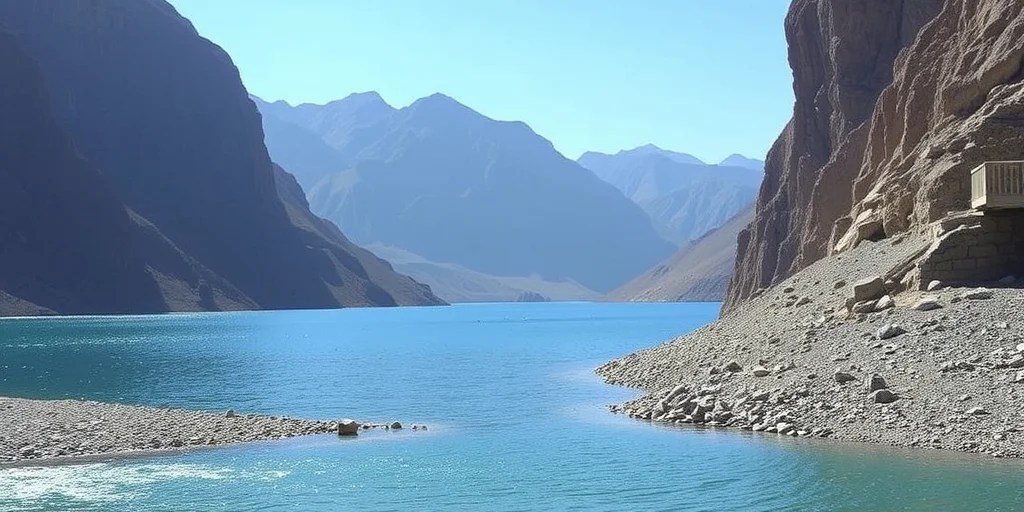
The Caspian Sea is the world’s largest enclosed inland body of water, known for its diverse fish populations, including sturgeon, pike-perch, carp, catfish, pike, and other freshwater and brackish-water species. Anglers can explore coastal waters, river mouths, shallow bays, and deeper areas where different species gather. The region’s varied landscapes range from wetlands and river deltas to arid coastlines and distant mountain ranges. Its enormous size and distinctive setting between Europe and Asia provide an adventurous destination for anglers seeking unique fishing experiences.
Read More 25 Best Places for Deep Sea Fishing Caspian Sea
Conclusion
Deep sea fishing in Europe offers an incredible variety of experiences, from chasing powerful pelagic fish in the Atlantic to exploring the productive waters of the Mediterranean and northern European seas. The best destination depends on the species you want to catch, the season, your preferred fishing techniques, and the type of fishing experience you are looking for.
Before booking a trip, check local fishing regulations, seasonal restrictions, licensing requirements, and conservation rules. Choosing an experienced local charter can also make it easier to understand the conditions and target the right species.
With the right preparation, equipment, and knowledge of local waters, Europe’s seas can provide an unforgettable deep sea fishing adventure.
Frequently Asked Questions
Absolutely — here’s SEO-friendly copy for the introduction, conclusion, and FAQ of your article.
Introduction
Europe’s seas offer some of the most diverse deep sea fishing opportunities in the world. From the cold, productive waters of the North Atlantic and Norwegian Sea to the warmer Mediterranean, anglers can target a wide range of species while experiencing very different fishing conditions and landscapes.
Whether you are an experienced offshore angler or planning your first deep sea fishing trip, Europe has destinations to suit different fishing styles. Depending on the location and season, you may encounter tuna, marlin, swordfish, sharks, cod, halibut, sea bass, and many other species.
In this ultimate guide to deep sea fishing in Europe’s seas, we’ll explore popular fishing destinations, target species, the best times to fish, common techniques, essential equipment, and practical tips to help you plan your adventure.
Conclusion
Deep sea fishing in Europe offers an incredible variety of experiences, from chasing powerful pelagic fish in the Atlantic to exploring the productive waters of the Mediterranean and northern European seas. The best destination depends on the species you want to catch, the season, your preferred fishing techniques, and the type of fishing experience you are looking for.
Before booking a trip, check local fishing regulations, seasonal restrictions, licensing requirements, and conservation rules. Choosing an experienced local charter can also make it easier to understand the conditions and target the right species.
With the right preparation, equipment, and knowledge of local waters, Europe’s seas can provide an unforgettable deep sea fishing adventure.
FAQ
1. Where is the best place for deep sea fishing in Europe?
Europe has many excellent deep sea fishing destinations, including Norway, the United Kingdom, Ireland, Spain, Portugal, France, and Mediterranean countries. The right destination depends on the species, season, and fishing style you prefer.
2. What fish can you catch in Europe’s seas?
Depending on the region, anglers can catch species such as tuna, swordfish, marlin, sharks, cod, halibut, sea bass, pollock, mackerel, and many other marine species.
3. What is the best time of year for deep sea fishing in Europe?
The best season varies by destination and target species. Warmer Mediterranean waters can offer excellent fishing during the warmer months, while northern Atlantic destinations often have different seasonal opportunities for species such as cod, halibut, and mackerel.
4. Do I need a license for deep sea fishing in Europe?
Fishing regulations vary between countries and regions. Some locations require recreational fishing licenses or permits, while charter operators may handle certain requirements for their customers. Always check the current local regulations before fishing.
5. Can beginners go deep sea fishing in Europe?
Yes. Many fishing charters welcome beginners and provide the necessary equipment, safety instructions, and guidance. A guided charter can be a good way to experience offshore fishing without having to own or transport specialized equipment.
6. What equipment do I need for deep sea fishing?
The equipment depends on the target species and fishing method. Offshore trips commonly use heavy-duty rods and reels, strong fishing line, appropriate terminal tackle, and specialized lures or bait. Many charter boats provide most of the essential equipment.
7. Is deep sea fishing available year-round in Europe?
Deep sea fishing is available in many parts of Europe throughout the year, but the species and conditions change with the seasons. Weather, water temperature, migration patterns, and local regulations can all affect fishing opportunities.
8. How much does a deep sea fishing trip in Europe cost?
Prices vary considerably depending on the country, length of the trip, boat, group size, equipment, and target species. Half-day, full-day, and multi-day fishing trips can have very different prices, so it is worth comparing local charter options before booking.

Leave a Reply