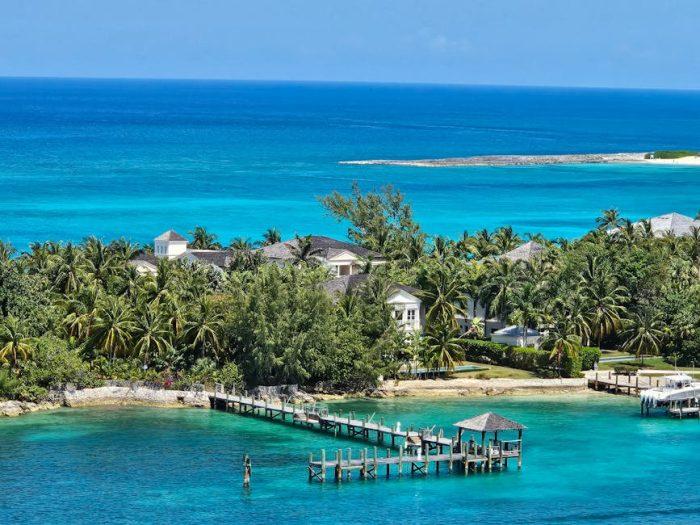
Parrot Cay, a hidden gem in the Turks and Caicos islands, is a paradise for fishing lovers. With its crystal-clear waters and diverse marine life, this destination offers some of the best fishing spots in the Caribbean. Whether you are a beginner or an expert angler, you will find plenty of fishing opportunities here.
In this blog post, we will guide you through 25 of the best fishing spots on Parrot Cay, complete with expert advice to inspire your next fishing trip
Bonefish & Flats Fishing Around Parrot Cay
(Bonefish • Permit • Barracuda • Jacks • Sharks)
Parrot Cay and the surrounding Caicos Banks offer excellent shallow-water fishing opportunities for anglers targeting bonefish and other flats species. The area features expansive sandy flats, tidal channels, mangrove edges, and shallow banks that create productive feeding habitat. Moving tides bring shrimp, crabs, and small baitfish across the flats, attracting bonefish into casting range. Sight-fishing these clear, shallow waters provides an exciting and highly visual Caribbean fishing experience.
Parrot Cay Back Flats

The Parrot Cay Back Flats provide broad, shallow-water habitat where bonefish can cruise and feed with the changing tides. Clear water and sandy bottoms allow anglers to spot fish before presenting a fly or light tackle. These flats can be especially productive when rising water pushes feeding bonefish farther onto the shallows. The open terrain also provides excellent opportunities for classic Caribbean sight-fishing.
Quick Facts: Location: Back flats around Parrot Cay, Turks and Caicos | Target Species: Bonefish, Permit, Barracuda, Jacks | Water Depth: Approximately 1–4 ft (0.3–1.2 m) | Best Season: Year-round
Parrot Cay Tidal Flats
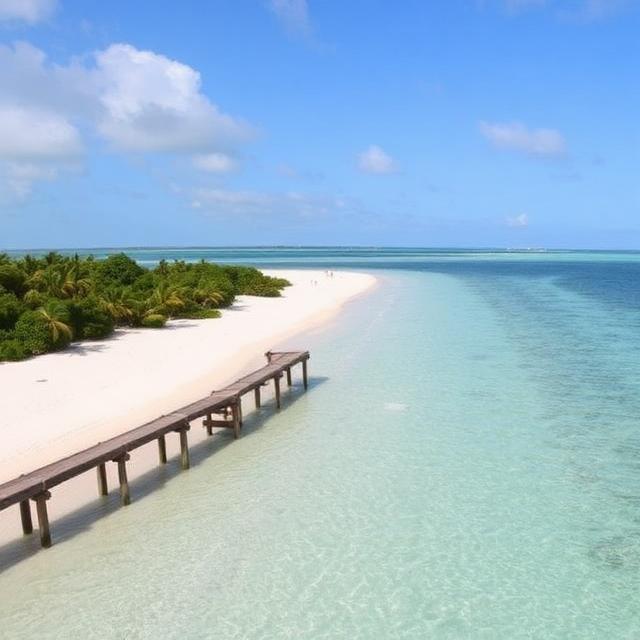
The Parrot Cay Tidal Flats are shaped by the movement of incoming and outgoing tides, creating constantly changing feeding conditions for bonefish. As water moves across the flats, it carries small crustaceans and baitfish into areas where bonefish actively forage. Anglers can work the edges of tidal flow while watching for cruising, tailing, or mudding fish. These flats are particularly appealing for anglers who enjoy technical sight-casting.
Quick Facts: Location: Tidal flats around Parrot Cay, Turks and Caicos | Target Species: Bonefish, Permit, Barracuda | Water Depth: Approximately 1–5 ft (0.3–1.5 m) | Best Season: Year-round
Parrot Cay Channel Flats
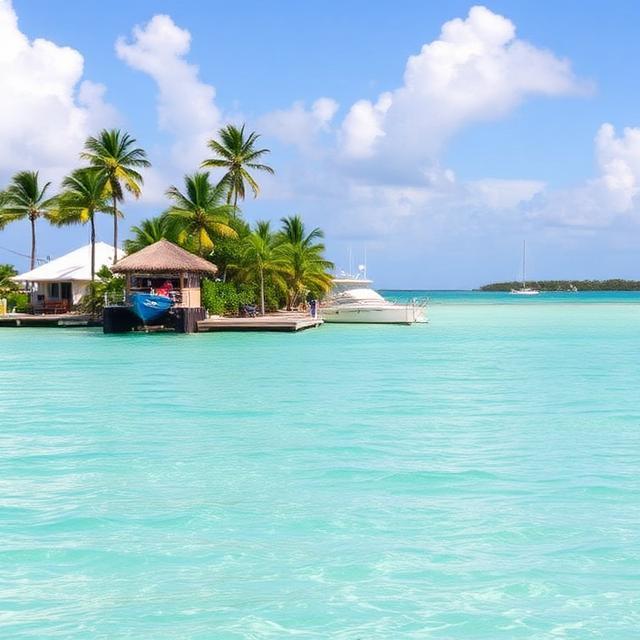
The Parrot Cay Channel Flats combine shallow feeding areas with nearby channels and deeper water used by traveling fish. Bonefish may move onto the flats with the tide before retreating toward channels as water levels change. Current lines and shallow-to-deep transitions can concentrate feeding activity and create productive casting opportunities. Anglers should pay close attention to channel edges and moving water when searching for fish.
Quick Facts: Location: Channel flats around Parrot Cay, Turks and Caicos | Target Species: Bonefish, Permit, Jacks, Barracuda | Water Depth: Approximately 2–8 ft (0.6–2.4 m) | Best Season: Year-round
North Parrot Cay Shallows

The North Parrot Cay Shallows feature clear, shallow water and expansive bottom areas that provide suitable feeding habitat for bonefish. The relatively open flats make it possible to scan the water for cruising fish before making a presentation. Tidal movement can bring bonefish onto the shallows in search of shrimp, crabs, and other small prey. These conditions make the area well suited to fly fishing and light-tackle sight-fishing.
Quick Facts: Location: North Parrot Cay, Turks and Caicos | Target Species: Bonefish, Permit, Barracuda, Jacks | Water Depth: Approximately 1–5 ft (0.3–1.5 m) | Best Season: Year-round
South Parrot Cay Flats
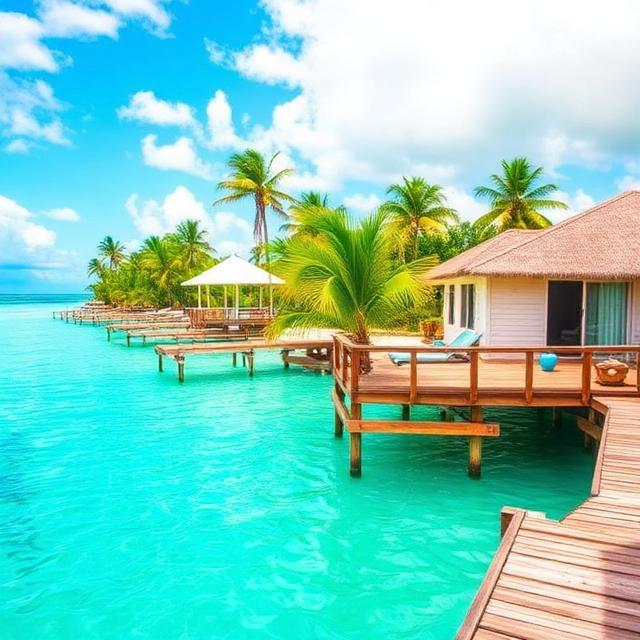
The South Parrot Cay Flats offer additional shallow-water terrain for anglers searching for bonefish across sandy and lightly structured bottoms. Tidal movement can push feeding fish into the shallows, where their movements may be visible in the clear Caribbean water. Small channels, depressions, and changes in bottom composition can create productive areas to investigate. The flats provide a scenic setting for anglers seeking a traditional bonefish experience.
Quick Facts: Location: South Parrot Cay, Turks and Caicos | Target Species: Bonefish, Permit, Jacks, Barracuda | Water Depth: Approximately 1–6 ft (0.3–1.8 m) | Best Season: Year-round
Mangrove-Edge Flats Around Parrot Cay
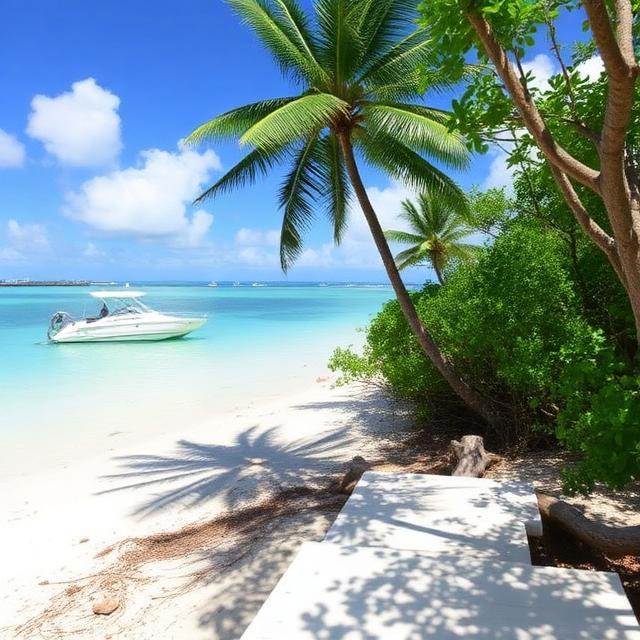
The mangrove-edge flats around Parrot Cay create a transition zone between shallow feeding grounds and sheltered mangrove habitat. Moving tides can push shrimp, crabs, and small baitfish along these edges, attracting bonefish and other predators. Anglers can target pockets, points, channels, and shallow areas immediately adjacent to the mangroves. These areas can reward accurate casts and a quiet approach, particularly when fish are feeding close to cover.
Quick Facts: Location: Mangrove edges around Parrot Cay, Turks and Caicos | Target Species: Bonefish, Permit, Barracuda, Jacks | Water Depth: Approximately 1–5 ft (0.3–1.5 m) | Best Season: Year-round
Caicos Banks Flats Near Parrot Cay

The Caicos Banks flats near Parrot Cay provide expansive shallow-water habitat across one of the region’s most recognizable flats environments. Broad sandy areas, tidal channels, and scattered bottom structure give bonefish plenty of feeding and travel routes. Anglers can cover large sections of water while looking for cruising, tailing, or mudding fish. The combination of clear water and extensive flats makes this an excellent setting for dedicated sight-fishing.
Quick Facts: Location: Caicos Banks near Parrot Cay, Turks and Caicos | Target Species: Bonefish, Permit, Barracuda, Jacks, Sharks | Water Depth: Approximately 1–6 ft (0.3–1.8 m) | Best Season: Year-round
Flats Around Nearby Pine Cay

The flats around nearby Pine Cay offer additional shallow-water habitat for anglers exploring beyond Parrot Cay. Clear Caribbean water, sandy bottoms, tidal channels, and surrounding mangrove areas create a variety of places to search for bonefish. Fish can move between feeding flats and deeper channels as tides rise and fall, making current and water level important factors. These flats provide another opportunity for technical fly fishing and light-tackle sight-fishing in the Turks and Caicos.
Quick Facts: Location: Pine Cay and surrounding flats, Turks and Caicos | Target Species: Bonefish, Permit, Barracuda, Jacks | Water Depth: Approximately 1–6 ft (0.3–1.8 m) | Best Season: Year-round
Permit & Tarpon Fishing Around Parrot Cay
(Permit • Tarpon • Snook • Jacks • Barracuda)
Parrot Cay and the surrounding Turks and Caicos waters offer opportunities to target permit and tarpon around deeper channels, tidal cuts, mangrove systems, and current-driven passages. These areas provide important travel and feeding routes connecting shallow flats with deeper water. Permit often move along edges and channels while searching for crabs and other crustaceans, while tarpon use deeper water, current, and structure to move between feeding areas. Anglers can focus on tide changes, channel mouths, drop-offs, and current seams when searching for these powerful inshore game fish.
Parrot Cay Channel

The Parrot Cay Channel provides deeper water adjacent to the island’s shallow flats, creating an important transition zone for larger fish. Permit can move along the channel edges while searching for crabs and other prey carried by tidal currents. Tarpon may also use the deeper water as a travel route, particularly around periods of strong tidal movement. Fishing channel edges, current seams, and nearby shallow-water entrances can provide opportunities for both species.
Quick Facts: Location: Parrot Cay, Turks and Caicos | Target Species: Permit, Tarpon, Jacks, Barracuda | Water Depth: Approximately 5–30+ ft (1.5–9+ m) | Best Season: Year-round
Deeper Tidal Channels Beside the Flats
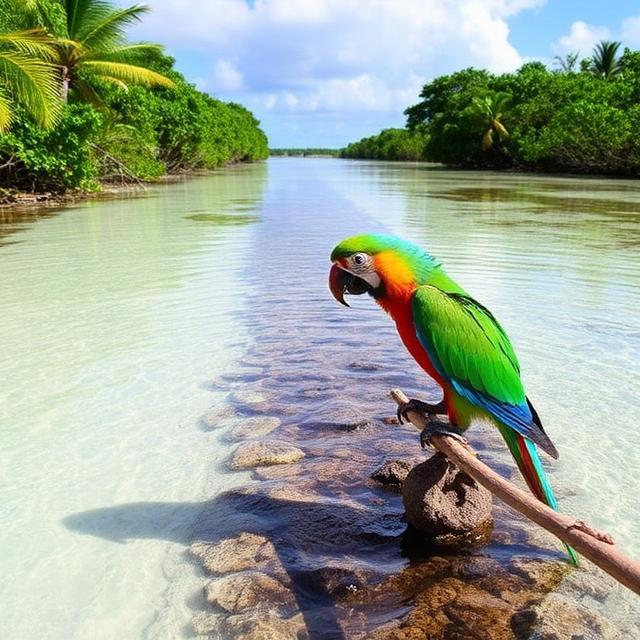
The deeper tidal channels beside Parrot Cay’s flats provide a natural connection between shallow feeding grounds and deeper water. Moving tides can concentrate baitfish and crustaceans along channel edges, attracting permit, tarpon, and other predators. These areas are particularly interesting when fish move between the flats and deeper holding water as the tide changes. Anglers can work drop-offs, current lines, and deeper pockets while watching for surface activity.
Quick Facts: Location: Tidal channels surrounding Parrot Cay, Turks and Caicos | Target Species: Permit, Tarpon, Jacks, Barracuda | Water Depth: Approximately 5–25+ ft (1.5–7.5+ m) | Best Season: Year-round
Channel Entrances Near Mangrove Systems

Channel entrances near the mangrove systems provide productive transition zones where shallow habitat meets deeper tidal water. Incoming and outgoing tides can move small baitfish, shrimp, and crabs through these openings, creating feeding opportunities for permit and tarpon. Tarpon may hold in deeper sections while permit patrol nearby edges and flats. Casting around channel mouths, current seams, and mangrove points can be effective when fish are moving with the tide.
Quick Facts: Location: Mangrove channels around Parrot Cay, Turks and Caicos | Target Species: Permit, Tarpon, Jacks, Barracuda | Water Depth: Approximately 4–20+ ft (1.2–6+ m) | Best Season: Year-round
Deeper Cuts Between Parrot Cay and Neighboring Cays

The deeper cuts between Parrot Cay and nearby cays can act as natural corridors for fish moving between shallow flats and deeper surrounding water. Stronger tidal currents may create feeding opportunities along the edges of these passages. Permit can patrol areas where current pushes crustaceans through the cuts, while tarpon may use the deeper sections as travel routes. These locations are best approached by focusing on current changes, depth transitions, and areas where channels intersect with flats.
Quick Facts: Location: Channels between Parrot Cay and neighboring cays, Turks and Caicos | Target Species: Permit, Tarpon, Jacks, Barracuda | Water Depth: Approximately 10–40+ ft (3–12+ m) | Best Season: Year-round
North Caicos Channel Areas
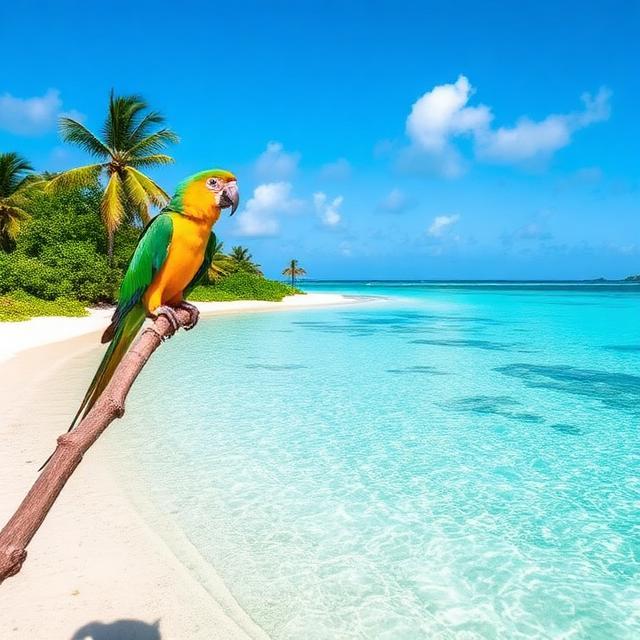
The channel areas around North Caicos provide access to deeper tidal water connecting extensive flats, mangroves, and surrounding island habitat. These current-influenced zones can attract permit and tarpon as bait and crustaceans move with the tide. Deeper channels, points, and entrances to shallow flats are key areas to investigate when targeting larger fish. The combination of moving water and varied depths makes North Caicos an appealing area for anglers seeking powerful inshore species.
Quick Facts: Location: North Caicos, Turks and Caicos | Target Species: Permit, Tarpon, Jacks, Barracuda | Water Depth: Approximately 5–40+ ft (1.5–12+ m) | Best Season: Year-round
Barracuda & Jacks Fishing Around Parrot Cay
(Great Barracuda • Horse-Eye Jacks • Crevalle Jacks • Blue Runners • Snappers)
Parrot Cay and the surrounding Caicos Banks offer excellent habitat for barracuda and various species of jacks. These aggressive predators are commonly associated with tidal channels, mangrove edges, reef margins, and transitions between shallow flats and deeper water. Moving currents concentrate baitfish along these structures, creating ideal ambush and feeding opportunities. Anglers can target them with live bait, artificial lures, or fly tackle while focusing on current seams, drop-offs, and areas where bait is concentrated.
Flat-to-Channel Transitions
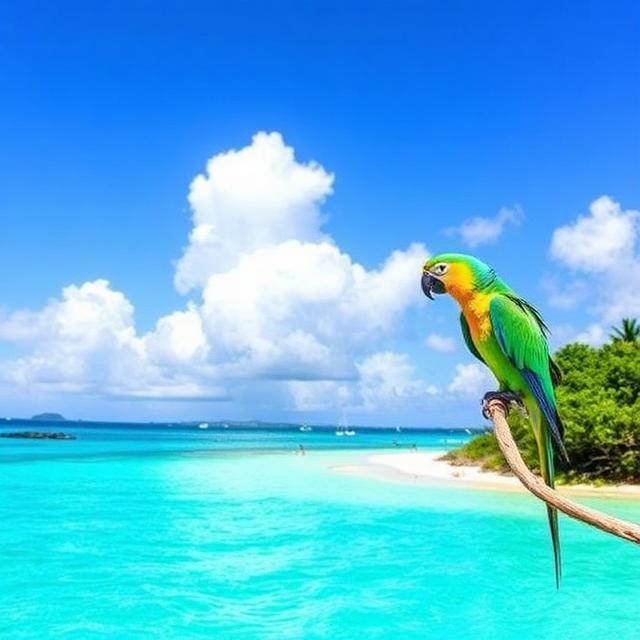
The transitions between Parrot Cay’s shallow flats and deeper channels create natural ambush points for barracuda and jacks. Predators can use the deeper water to approach feeding areas before moving onto the flats in search of baitfish. Current flowing across these depth changes can concentrate forage and make the edges especially productive. Anglers should work lures or flies along drop-offs, channel mouths, and areas where shallow and deeper water meet.
Quick Facts: Location: Flat-to-channel transitions around Parrot Cay, Turks and Caicos | Target Species: Great Barracuda, Horse-Eye Jacks, Crevalle Jacks, Snappers | Water Depth: Approximately 2–20+ ft (0.6–6+ m) | Best Season: Year-round
Mangrove Edges
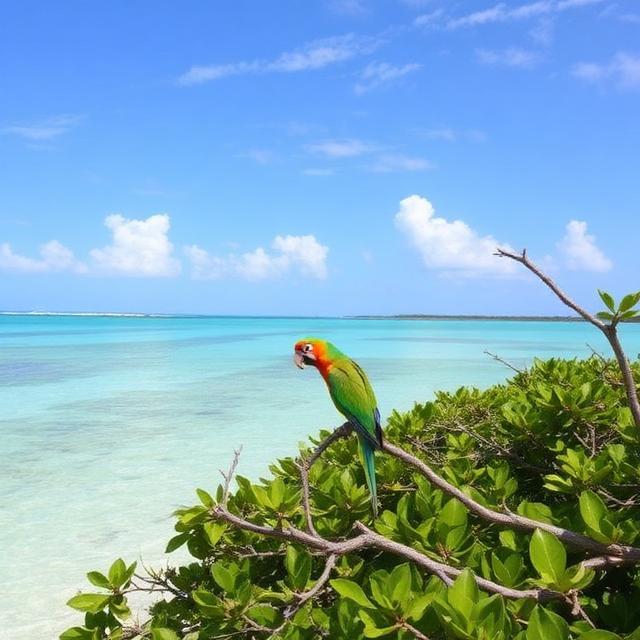
Mangrove edges around Parrot Cay provide structure and shelter for baitfish while creating ideal hunting areas for larger predators. Barracuda often patrol the edges and nearby open water, while jacks can use current and structure to ambush bait moving through the mangroves. Incoming and outgoing tides can make these areas particularly active as forage is pushed along the shoreline. Accurate casts around points, pockets, and current lines can produce aggressive strikes.
Quick Facts: Location: Mangrove edges around Parrot Cay, Turks and Caicos | Target Species: Great Barracuda, Horse-Eye Jacks, Crevalle Jacks, Snappers | Water Depth: Approximately 2–15 ft (0.6–4.5 m) | Best Season: Year-round
Parrot Cay Tidal Channels

The tidal channels around Parrot Cay provide moving water and deeper habitat that attract baitfish and predatory game fish. Barracuda may hold along channel edges or near shallow entrances, waiting for bait to move within striking distance. Jacks can be particularly aggressive where strong current creates feeding opportunities around bends, points, and deeper pockets. Fishing the current seams and channel margins can be productive as the tide begins to move.
Quick Facts: Location: Tidal channels around Parrot Cay, Turks and Caicos | Target Species: Great Barracuda, Horse-Eye Jacks, Crevalle Jacks, Snappers | Water Depth: Approximately 5–30+ ft (1.5–9+ m) | Best Season: Year-round
Deeper Cuts Around the Caicos Banks
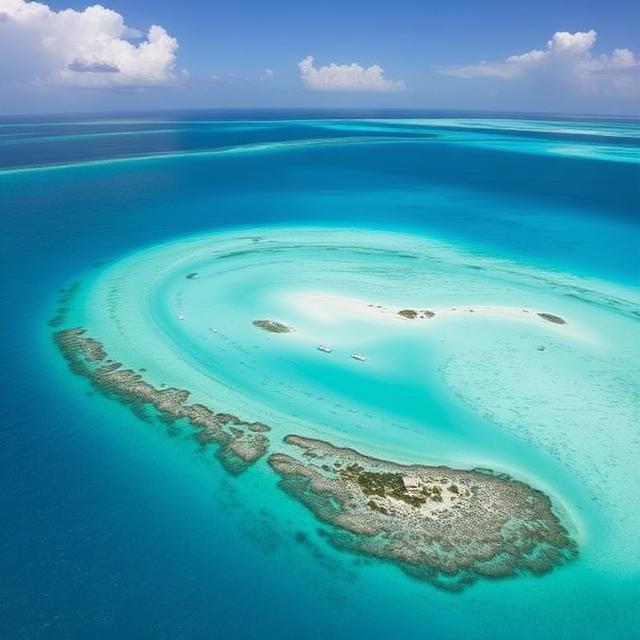
The deeper cuts across the Caicos Banks provide important connections between expansive shallow flats and deeper surrounding waters. These passages can funnel tidal currents and baitfish, attracting larger barracuda and powerful jacks. Predators may hold along the edges of the cuts before moving into the current to feed. Anglers should concentrate on depth changes, current seams, and areas where bait is visible or concentrated.
Quick Facts: Location: Deeper cuts across the Caicos Banks, Turks and Caicos | Target Species: Great Barracuda, Horse-Eye Jacks, Crevalle Jacks, Snappers | Water Depth: Approximately 8–40+ ft (2.5–12+ m) | Best Season: Year-round
Reef Edges Around Nearby Cays
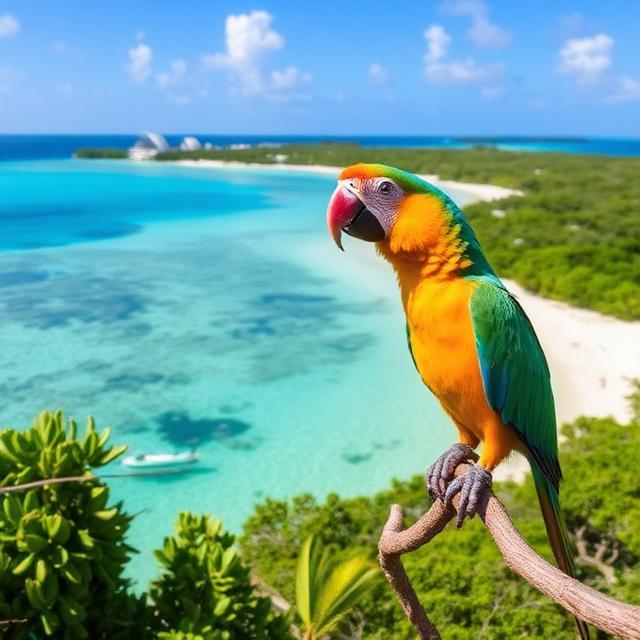
Reef edges around the cays near Parrot Cay provide additional structure and deeper water where predatory fish can gather. Barracuda often patrol reef margins and drop-offs, while jacks may use current and structure to hunt schools of baitfish. The combination of reef structure, moving water, and nearby flats creates a productive predator habitat. These areas can be especially exciting for anglers using fast-moving lures, flies, or appropriately rigged live bait.
Quick Facts: Location: Reef edges around Parrot Cay and nearby cays, Turks and Caicos | Target Species: Great Barracuda, Horse-Eye Jacks, Crevalle Jacks, Snappers | Water Depth: Approximately 5–50+ ft (1.5–15+ m) | Best Season: Year-round
Reef & Bottom Fishing Around Parrot Cay
(Snapper • Grouper • Grunts • Triggerfish • Jacks)
Parrot Cay and the surrounding Turks and Caicos waters provide a variety of reef and bottom-fishing opportunities around coral formations, rocky structure, channels, and offshore drop-offs. These habitats hold a wide range of reef species, including snapper, grouper, grunts, triggerfish, and other bottom-dwelling predators. Deeper water next to the shallow Caicos Banks creates productive depth changes where fish can move between feeding and holding areas. Bottom fishing around reef structure can be particularly rewarding for anglers looking for a variety of table and sport species.
Outer Reef Edges Near Parrot Cay
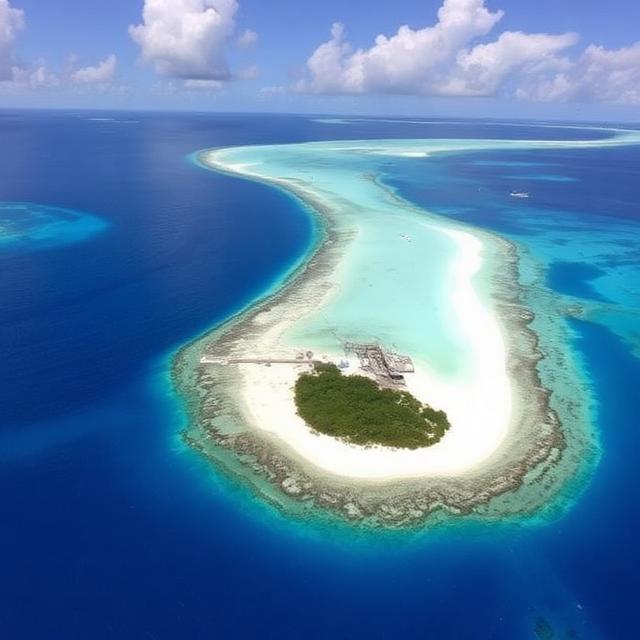
The outer reef edges near Parrot Cay provide access to deeper water where coral structure drops away from the surrounding shallow banks. These edges can hold snapper, grouper, jacks, and other reef-associated species looking for shelter and feeding opportunities. Changes in depth and current around the reef can concentrate baitfish and attract larger predators. Anglers can work the bottom around reef contours, ledges, and deeper pockets to locate productive structure.
Quick Facts: Location: Outer reef areas near Parrot Cay, Turks and Caicos | Target Species: Snapper, Grouper, Grunts, Triggerfish, Jacks | Water Depth: Approximately 20–100+ ft (6–30+ m) | Best Season: Year-round
Coral Reef Areas Around Neighboring Cays
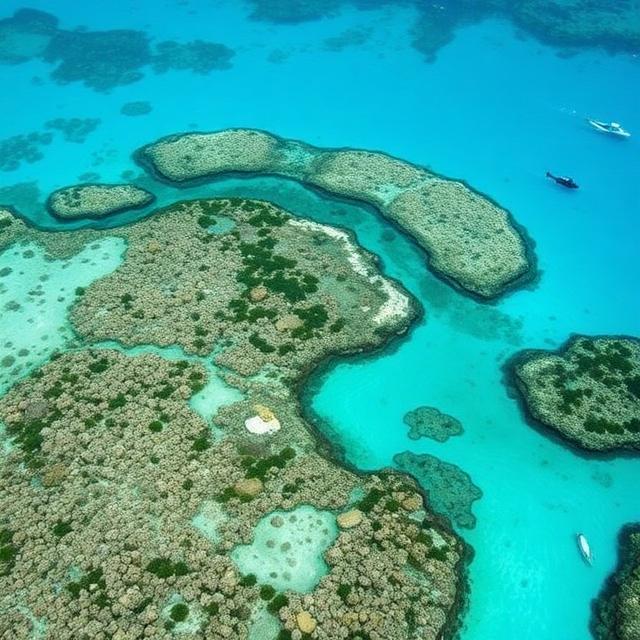
The coral reef areas surrounding nearby cays provide additional structure and habitat for a broad variety of bottom species. Coral heads, channels, and reef formations give fish places to feed, shelter, and hold against current. Snapper and grouper are common targets around deeper structure, while grunts and triggerfish add variety to the catch. These reefs are well suited to anglers using bottom rigs, live bait, or appropriately weighted artificial presentations.
Quick Facts: Location: Coral reefs around Parrot Cay and neighboring cays, Turks and Caicos | Target Species: Snapper, Grouper, Grunts, Triggerfish, Jacks | Water Depth: Approximately 15–100+ ft (4.5–30+ m) | Best Season: Year-round
Drop-Offs Adjacent to Shallow Banks
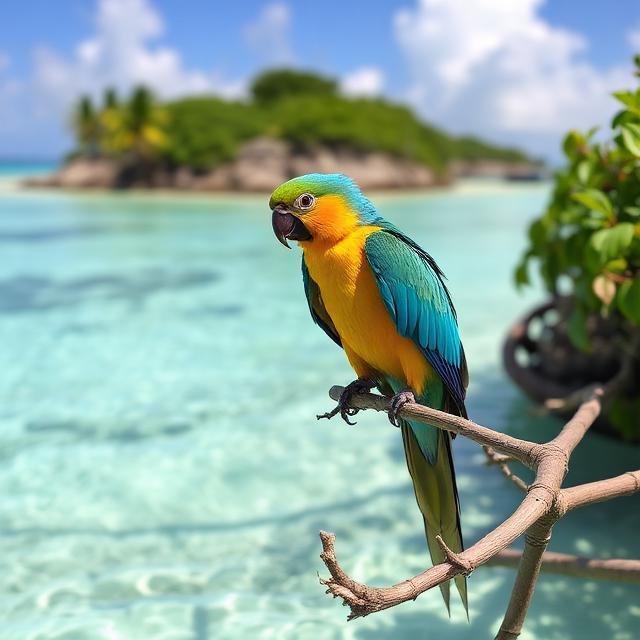
The drop-offs beside the shallow Caicos Banks create sharp changes in depth that can attract both reef fish and larger predators. Fish often use these transitions as travel routes between shallow feeding areas and deeper holding water. Stronger currents along the drop-offs can also concentrate baitfish and create productive feeding zones. Anglers should focus on ledges, bottom contours, and current-facing sections of the drop-off.
Quick Facts: Location: Drop-offs adjacent to the Caicos Banks, Turks and Caicos | Target Species: Snapper, Grouper, Jacks, Grunts, Triggerfish | Water Depth: Approximately 20–150+ ft (6–45+ m) | Best Season: Year-round
Rocky Structure and Reef Patches
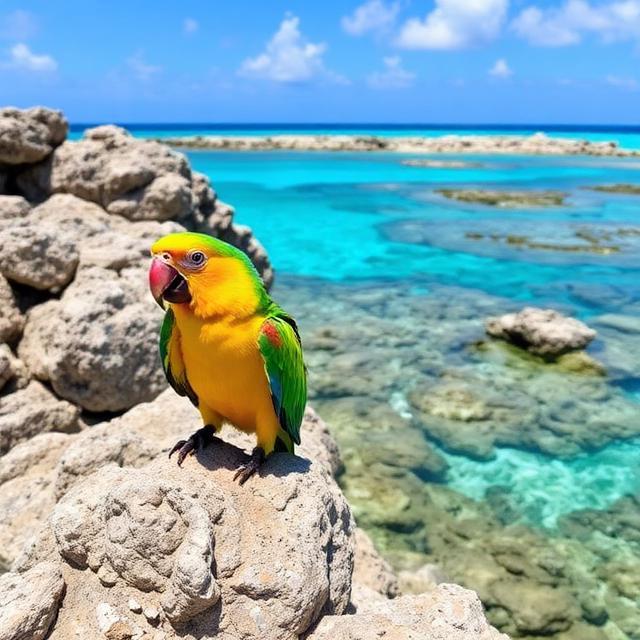
Rocky structure and isolated reef patches provide concentrated habitat for bottom-dwelling and structure-oriented fish. These areas can hold snapper, grouper, grunts, triggerfish, and jacks, particularly where structure is surrounded by sand or deeper water. Smaller isolated formations can be productive because they offer shelter and feeding opportunities in otherwise open bottom habitat. Precise positioning over the structure can make a significant difference when targeting fish holding close to the bottom.
Quick Facts: Location: Rocky and reef structure around Parrot Cay, Turks and Caicos | Target Species: Snapper, Grouper, Grunts, Triggerfish, Jacks | Water Depth: Approximately 15–100+ ft (4.5–30+ m) | Best Season: Year-round
Channels Between the Cays
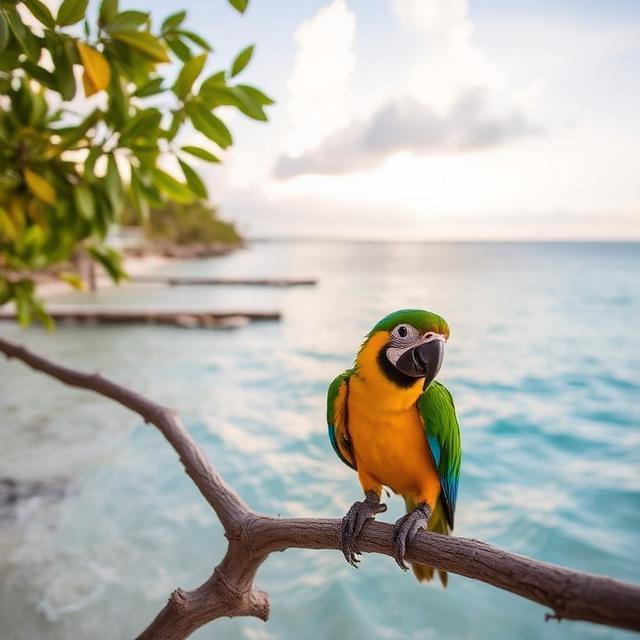
The channels between Parrot Cay and neighboring cays provide deeper, current-influenced water connecting the surrounding flats and reef systems. These passages can attract reef fish and predators as tidal currents move baitfish and other forage through the area. Deeper holes, channel edges, and bottom structure are key places to investigate when targeting snapper, grouper, and jacks. Fishing during periods of active current can provide opportunities to intercept fish holding along the channel floor and edges.
Quick Facts: Location: Channels between Parrot Cay and neighboring cays, Turks and Caicos | Target Species: Snapper, Grouper, Grunts, Triggerfish, Jacks | Water Depth: Approximately 20–100+ ft (6–30+ m) | Best Season: Year-round
Offshore / Deep-Sea Fishing Around Parrot Cay
(Mahi-Mahi • Wahoo • Tuna • Sailfish • Marlin)
Parrot Cay provides access to offshore waters where the shallow Caicos Banks give way to deeper Caribbean waters. Beyond the banks, anglers can target powerful pelagic species including mahi-mahi, wahoo, tuna, sailfish, and marlin. Offshore currents, floating debris, temperature changes, and deep-water edges can concentrate baitfish and attract larger predators. These waters are best suited to trolling and other bluewater techniques for anglers looking for larger game fish.
Offshore Waters North of the Caicos Cays
The offshore waters north of the Caicos Cays provide access to deeper Caribbean water beyond the shallow island banks. These bluewater areas can attract highly mobile pelagic species such as mahi-mahi, wahoo, tuna, sailfish, and marlin. Trolling along current lines, temperature changes, and areas where baitfish are concentrated can produce opportunities throughout the year. The open-water setting is ideal for anglers seeking a classic deep-sea sportfishing experience.
Quick Facts: Location: Offshore waters north of the Caicos Cays, Turks and Caicos | Target Species: Mahi-Mahi, Wahoo, Tuna, Sailfish, Marlin | Water Depth: 500–4,000+ ft (150–1,200+ m) | Best Season: Year-round
Deep-Water Areas Beyond the Banks
The deep-water areas beyond the Caicos Banks offer access to substantially deeper habitat and pelagic fishing grounds. As the shallow banks fall away into deeper ocean, current breaks, underwater contours, and open-water bait concentrations can attract larger game fish. Anglers can troll artificial lures, rigged baits, or natural offerings while searching for mahi-mahi, wahoo, tuna, sailfish, and marlin. These areas provide some of the most exciting opportunities for offshore anglers willing to venture beyond the protected shallow-water environment.
Quick Facts: Location: Deep water beyond the Caicos Banks, Turks and Caicos | Target Species: Mahi-Mahi, Wahoo, Tuna, Sailfish, Marlin | Water Depth: 500–5,000+ ft (150–1,500+ m) | Best Season: Year-round**
Final Thoughts
Parrot Cay is a fishing paradise, offering a diverse range of spots for every angler. From peaceful flats to stunning coral reefs, these locations present numerous opportunities for both relaxation and excitement.
Whether you’re an expert or just getting started, there is something here for everyone. So pack your gear and set out to uncover the hidden fishing gems in Parrot Cay! Enjoy your fishing adventure on these breathtaking islands. Happy fishing!
Frequently Asked Questions — Fishing Around Parrot Cay
What types of fishing are available around Parrot Cay?
Parrot Cay and the surrounding Turks and Caicos waters offer a wide range of fishing, including bonefish and flats fishing, permit and tarpon fishing, barracuda and jack fishing, reef and bottom fishing, and offshore deep-sea fishing.
What fish can I catch around Parrot Cay?
Common targets include bonefish, permit, tarpon, barracuda, jacks, snapper, grouper, grunts, triggerfish, mahi-mahi, wahoo, tuna, sailfish, and marlin.
Is Parrot Cay good for bonefish?
Yes. The shallow flats, tidal channels, mangrove edges, and surrounding Caicos Banks provide suitable habitat for bonefish and offer opportunities for sight-fishing in clear, shallow water.
Where can I target permit and tarpon?
Permit and tarpon can be targeted around deeper tidal channels, channel entrances, mangrove systems, cuts between the cays, and transitions between shallow flats and deeper water.
Where is the best fishing for barracuda and jacks?
Barracuda and jacks are commonly targeted around flat-to-channel transitions, mangrove edges, tidal channels, deeper cuts, and reef edges where currents concentrate baitfish.
Is reef fishing available near Parrot Cay?
Yes. Outer reef edges, coral reef areas around neighboring cays, rocky structure, reef patches, and deeper channels provide opportunities for snapper, grouper, grunts, triggerfish, and jacks.
Can I go deep-sea fishing from Parrot Cay?
Yes. Offshore waters beyond the Caicos Banks provide access to deeper Caribbean waters where anglers can target pelagic species such as mahi-mahi, wahoo, tuna, sailfish, and marlin.
What is the best time of year to fish around Parrot Cay?
Fishing is available year-round, although the best period can vary by target species, weather, water conditions, and seasonal migration patterns. Local guides can adjust techniques and locations according to current conditions.
Is fly fishing possible around Parrot Cay?
Yes. The clear, shallow flats are well suited to fly fishing for bonefish and permit, while deeper channels and reef areas can provide opportunities for other species with appropriate fly tackle.
Do I need a fishing guide?
A local guide is highly recommended, especially for flats and offshore fishing. Guides know the channels, tides, productive structure, navigation routes, and current fishing conditions, which can significantly improve both safety and success.
What fishing techniques work best?
Flats fishing commonly involves sight-casting with flies or light tackle, while reef and bottom fishing can use bait and bottom rigs. Offshore anglers typically use trolling techniques with artificial lures, rigged baits, or natural baits.
How important are tides around Parrot Cay?
Tides are extremely important for flats and inshore fishing. Moving water can concentrate baitfish and crustaceans around channels, mangrove edges, flats, and reef structures, helping anglers identify areas where predatory fish are likely to feed.Frequently Asked Questions — Fishing Around Parrot Cay
What types of fishing are available around Parrot Cay?
Parrot Cay and the surrounding Turks and Caicos waters offer a wide range of fishing, including bonefish and flats fishing, permit and tarpon fishing, barracuda and jack fishing, reef and bottom fishing, and offshore deep-sea fishing.
What fish can I catch around Parrot Cay?
Common targets include bonefish, permit, tarpon, barracuda, jacks, snapper, grouper, grunts, triggerfish, mahi-mahi, wahoo, tuna, sailfish, and marlin.
Is Parrot Cay good for bonefish?
Yes. The shallow flats, tidal channels, mangrove edges, and surrounding Caicos Banks provide suitable habitat for bonefish and offer opportunities for sight-fishing in clear, shallow water.
Where can I target permit and tarpon?
Permit and tarpon can be targeted around deeper tidal channels, channel entrances, mangrove systems, cuts between the cays, and transitions between shallow flats and deeper water.
Where is the best fishing for barracuda and jacks?
Barracuda and jacks are commonly targeted around flat-to-channel transitions, mangrove edges, tidal channels, deeper cuts, and reef edges where currents concentrate baitfish.
Is reef fishing available near Parrot Cay?
Yes. Outer reef edges, coral reef areas around neighboring cays, rocky structure, reef patches, and deeper channels provide opportunities for snapper, grouper, grunts, triggerfish, and jacks.
Can I go deep-sea fishing from Parrot Cay?
Yes. Offshore waters beyond the Caicos Banks provide access to deeper Caribbean waters where anglers can target pelagic species such as mahi-mahi, wahoo, tuna, sailfish, and marlin.
What is the best time of year to fish around Parrot Cay?
Fishing is available year-round, although the best period can vary by target species, weather, water conditions, and seasonal migration patterns. Local guides can adjust techniques and locations according to current conditions.
Is fly fishing possible around Parrot Cay?
Yes. The clear, shallow flats are well suited to fly fishing for bonefish and permit, while deeper channels and reef areas can provide opportunities for other species with appropriate fly tackle.
Do I need a fishing guide?
A local guide is highly recommended, especially for flats and offshore fishing. Guides know the channels, tides, productive structure, navigation routes, and current fishing conditions, which can significantly improve both safety and success.
What fishing techniques work best?
Flats fishing commonly involves sight-casting with flies or light tackle, while reef and bottom fishing can use bait and bottom rigs. Offshore anglers typically use trolling techniques with artificial lures, rigged baits, or natural baits.
How important are tides around Parrot Cay?
Tides are extremely important for flats and inshore fishing. Moving water can concentrate baitfish and crustaceans around channels, mangrove edges, flats, and reef structures, helping anglers identify areas where predatory fish are likely to feed.

Leave a Reply