The Colorado Rockies are home to some of the most challenging Class V whitewater kayaking in the United States, with steep mountain rivers, narrow canyons and powerful rapids. From the legendary Gore Canyon on the Colorado River to the technical Arkansas River and Clear Creek, these runs demand advanced boat control, strong river-reading skills and extensive Class IV experience. Water levels can dramatically change the character and difficulty of a rapid, so current flow information and local knowledge are essential. This guide highlights some of Colorado’s most demanding whitewater sections for experienced paddlers.
Northern/Central Colorado
Gore Canyon — Colorado River, Colorado

Gore Canyon is one of Colorado’s most famous Class V whitewater kayaking runs, cutting through a rugged canyon along the Colorado River. The river is known for powerful hydraulics, steep gradient, narrow passages, and technical rapids that create a demanding environment for expert paddlers. Its remote canyon scenery and fast-moving whitewater make it one of the state’s most iconic advanced kayaking destinations. The run requires expert boat control, solid river-reading skills, and careful scouting because of its committing nature.
Quick Facts: Location: Colorado River, central Colorado | Class V Rapids: Gore Canyon with powerful rapids, steep drops, narrow channels, and technical features | Difficulty: Class V | River Type: Rocky Mountain Canyon River | Best Season: Late spring through summer, depending on flows
Where to Stay: Kremmling and nearby mountain communities provide lodging, restaurants, supplies, and access to the Colorado River corridor. Camping is also available in the surrounding public lands.
Bailey Canyon — North Fork South Platte River, Colorado
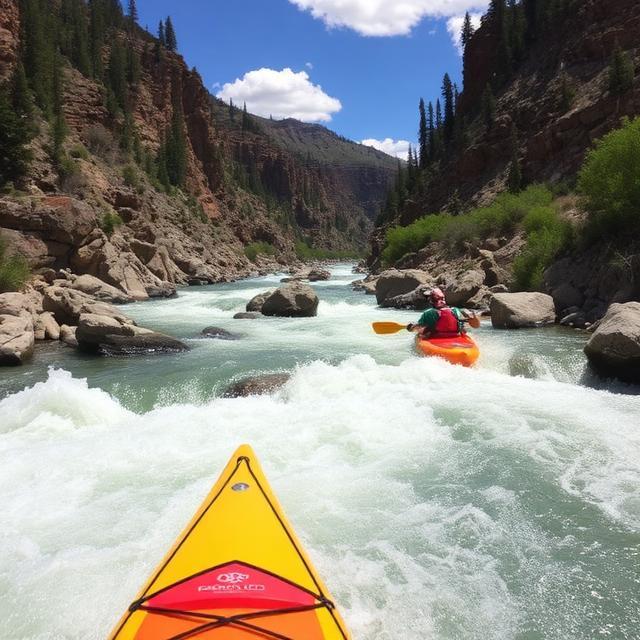
Bailey Canyon is a renowned advanced whitewater section on the North Fork South Platte River southwest of Denver. The canyon contains steep rapids, large rocks, fast currents, and technical lines that can reach Class V at challenging flows. Its forested mountain setting and relatively accessible location make it a popular destination for experienced Colorado paddlers. Bailey is particularly known for demanding creek-style whitewater combined with scenic mountain wilderness.
Quick Facts: Location: Bailey, Colorado | Class V Rapids: Advanced canyon sections with steep drops, technical boulder gardens, and powerful currents | Difficulty: Class V at challenging flows | River Type: Mountain Creek/Canyon Run | Best Season: Spring snowmelt and early summer
Where to Stay: Bailey, Pine, and nearby mountain communities provide lodging, restaurants, supplies, and access to the North Fork South Platte corridor. Camping is available in surrounding national forest areas.
Cross Mountain Canyon — Yampa River, Colorado
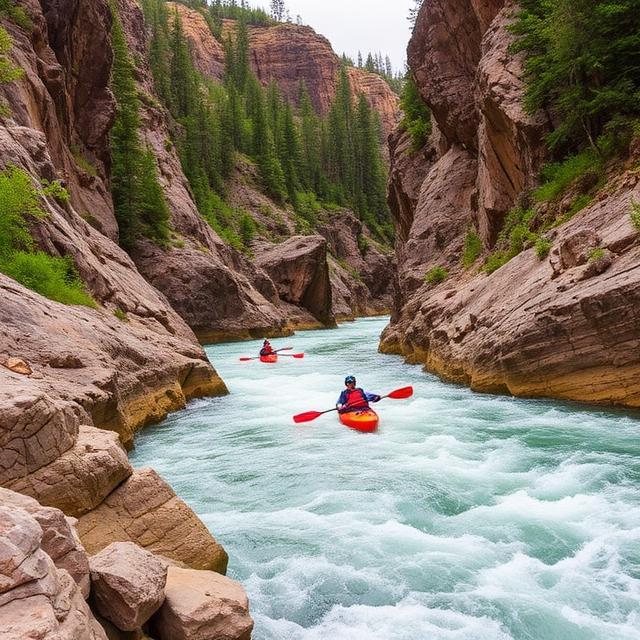
Cross Mountain Canyon is a dramatic whitewater section of the Yampa River in northwestern Colorado, flowing through a rugged canyon surrounded by high desert and mountain scenery. The canyon is known for powerful rapids, constricted channels, large waves, and challenging river features that can become extremely demanding at higher flows. Its remote setting adds to the adventure, with limited access through much of the canyon. Experienced paddlers are drawn to the area for its combination of technical whitewater, wilderness scenery, and spectacular canyon landscapes.
Quick Facts: Location: Yampa River, northwestern Colorado | Class V Rapids: Advanced Cross Mountain Canyon rapids with powerful currents, waves, and technical passages | Difficulty: Class V sections at demanding flows | River Type: Wilderness Canyon River | Best Season: Late spring through summer, depending on water levels
Where to Stay: Dinosaur and nearby communities provide basic lodging, food, fuel, and supplies for exploring the Yampa River region. Camping is available in designated areas around the surrounding public lands.
Arkansas River Valley
Pine Creek — Arkansas River, Colorado
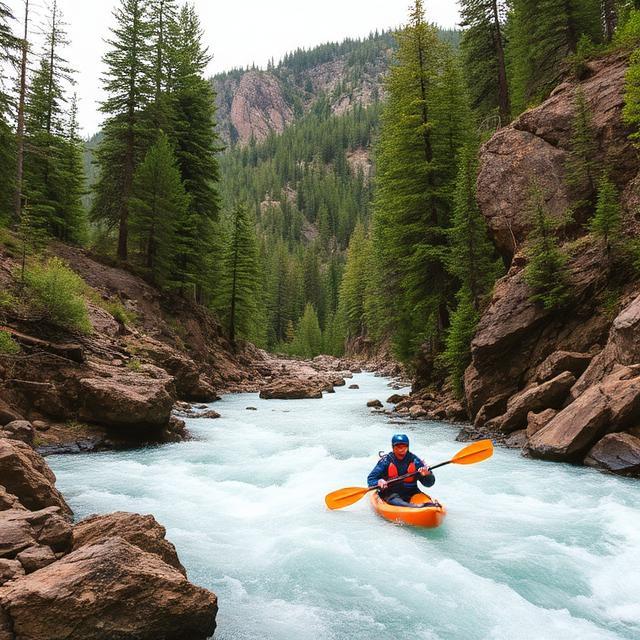
Pine Creek is one of the most challenging sections of the Arkansas River for advanced whitewater kayakers, featuring steep gradient, powerful currents, large drops, and technical river features. The run is surrounded by dramatic mountain terrain and offers a demanding combination of continuous whitewater and difficult individual rapids. At appropriate flows, its hardest sections can reach Class V and require expert-level skills. Pine Creek is particularly known for its steep, committing character and demanding technical lines.
Quick Facts: Location: Arkansas River near Buena Vista, Colorado | Class V Rapids: Pine Creek section with steep drops, powerful hydraulics, and technical rapids | Difficulty: Class V | River Type: Steep Mountain River | Best Season: Late spring through summer snowmelt
Where to Stay: Buena Vista and Salida are popular bases for exploring the Arkansas River, with hotels, restaurants, outfitters, and outdoor services. Numerous campgrounds are located along the Arkansas River corridor.
Royal Gorge — Arkansas River, Colorado
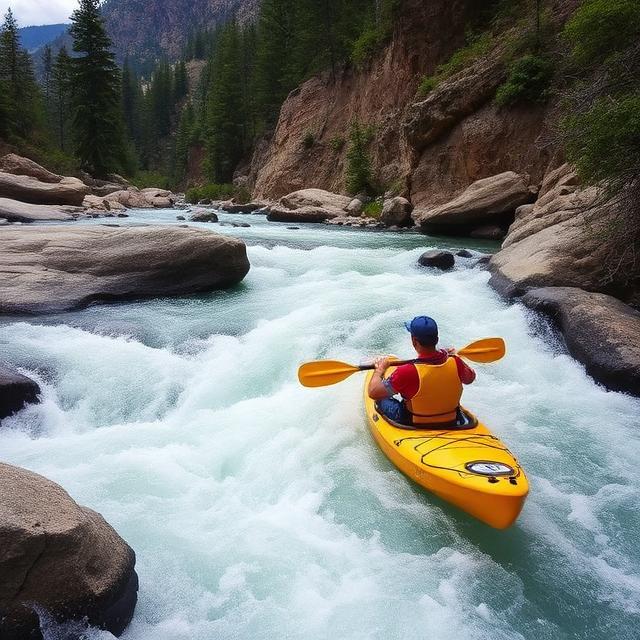
Royal Gorge is one of Colorado’s most spectacular whitewater destinations, with the Arkansas River passing through a narrow granite canyon beneath towering cliffs. The river contains powerful rapids, large waves, technical features, and demanding sections that can approach Class V under certain conditions. The combination of intense whitewater and dramatic canyon walls makes the Royal Gorge one of the most visually impressive advanced runs in the state. Experienced paddlers should carefully evaluate current classifications and flows because difficulty varies substantially with water levels.
Quick Facts: Location: Royal Gorge, Arkansas River Valley, Colorado | Class V Rapids: Advanced Royal Gorge rapids and high-flow features | Difficulty: Advanced/Class V at challenging flows | River Type: Granite Canyon River | Best Season: Late spring through summer
Where to Stay: Cañon City is the primary base for visiting Royal Gorge, with hotels, restaurants, outfitters, and outdoor attractions. Campgrounds are also available along the Arkansas River.
Pine Creek–Numbers — Arkansas River, Colorado
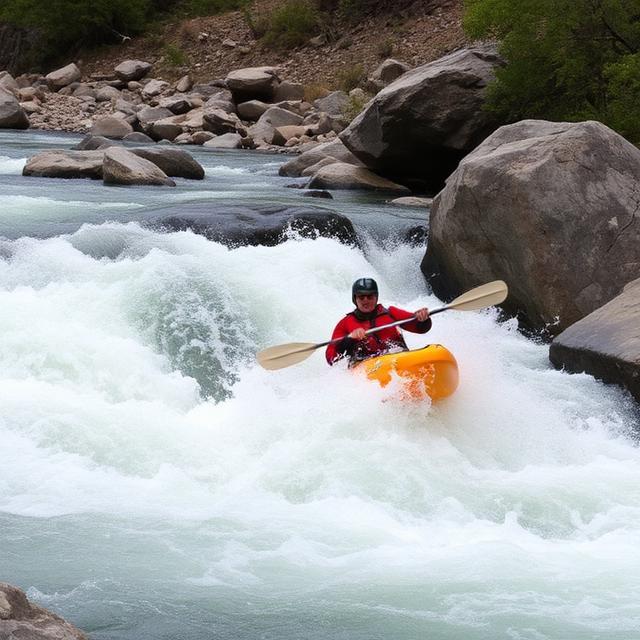
The Pine Creek–Numbers corridor combines some of the Arkansas River’s most demanding whitewater with a spectacular mountain setting near Buena Vista. The Numbers section contains steep gradient, technical rapids, powerful waves, and rocky channels, while Pine Creek adds an even more committing challenge for advanced paddlers. At high and difficult flows, portions of the run can reach Class V conditions. The area is popular among expert kayakers looking for technical river-running close to the central mountains.
Quick Facts: Location: Upper Arkansas River near Buena Vista, Colorado | Class V Rapids: Pine Creek and advanced high-flow sections of the Numbers with steep drops and powerful hydraulics | Difficulty: Class V sections | River Type: Steep Mountain River | Best Season: Late spring through summer snowmelt
Where to Stay: Buena Vista is the main base for the Upper Arkansas River, offering hotels, restaurants, camping, outfitters, and outdoor equipment. Salida provides additional lodging and services farther downstream.
Southwest Colorado
Upper Animas River — San Juan Mountains, Colorado
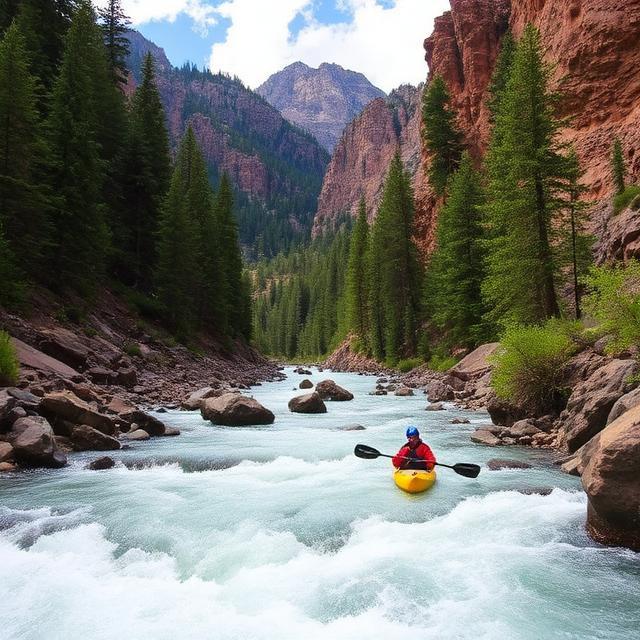
The Upper Animas River is one of Colorado’s premier wilderness whitewater kayaking destinations, descending through the rugged San Juan Mountains near Silverton. Its steep gradient produces powerful rapids, narrow canyon sections, large drops, and continuous technical whitewater that can reach Class V. The remote character of the river makes it especially appealing to expert paddlers seeking a true wilderness expedition. Dramatic peaks, forested valleys, and rugged canyon walls add to the spectacular setting.
Quick Facts: Location: San Juan Mountains near Silverton, southwestern Colorado | Class V Rapids: Upper Animas canyon sections with steep drops, powerful hydraulics, and continuous technical rapids | Difficulty: Class V | River Type: High-Alpine Wilderness River | Best Season: Late spring through summer snowmelt
Where to Stay: Silverton and Durango are the primary bases for exploring the Upper Animas region, offering lodging, restaurants, supplies, and outdoor services. Wilderness camping is also possible in surrounding areas where permitted.
Lime Creek — Animas River Drainage, Colorado
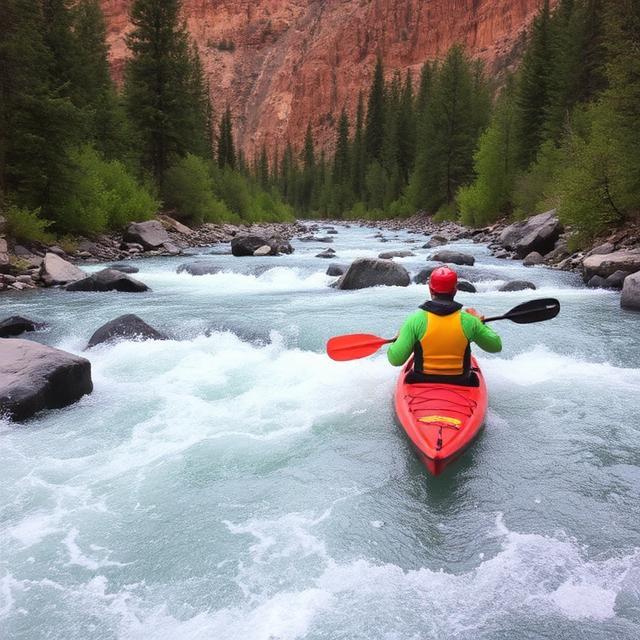
Lime Creek is a steep and technical mountain creek in the Animas River drainage of southwestern Colorado. Its narrow channels, gradient, rocky drops, and fast-moving water create challenging creek-boating conditions for highly experienced paddlers. The remote San Juan Mountains setting adds a strong wilderness character and can make scouting and access more complicated than on larger runs. Lime Creek is best suited to expert kayakers familiar with steep-gradient mountain creeks.
Quick Facts: Location: Animas River drainage, San Juan Mountains, Colorado | Class V Rapids: Steep creek sections featuring technical drops, narrow channels, and powerful currents | Difficulty: Class V | River Type: Steep Mountain Creek | Best Season: Spring snowmelt and early summer
Where to Stay: Silverton and Durango provide the closest major lodging, food, equipment, and transportation services for exploring the Animas drainage. Camping opportunities can be found in surrounding public lands where permitted.
Vallecito Creek — San Juan Mountains, Colorado
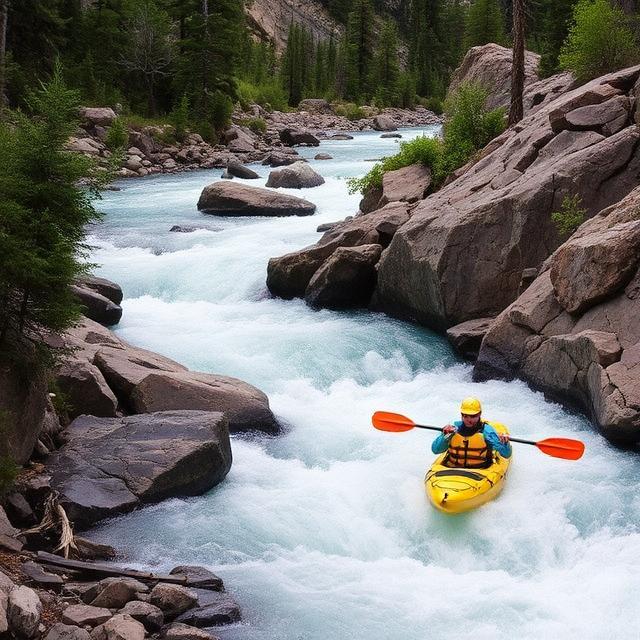
Vallecito Creek is a rugged alpine creek flowing through the San Juan Mountains near the Weminuche Wilderness. Its steep gradient, rocky channels, technical drops, and fast-moving water create demanding whitewater conditions for expert creek boaters. The remote mountain environment provides spectacular scenery, with dense forests, high peaks, and wilderness terrain surrounding the creek. Conditions can change significantly with snowmelt, making flow assessment and expert-level river knowledge particularly important.
Quick Facts: Location: San Juan Mountains near Vallecito Reservoir, southwestern Colorado | Class V Rapids: Steep technical creek sections with rocky drops and fast-gradient whitewater | Difficulty: Class V sections | River Type: Alpine Wilderness Creek | Best Season: Late spring and early summer snowmelt
Where to Stay: Bayfield and Durango provide lodging, restaurants, supplies, and outdoor services for exploring the Vallecito area. Camping is available around Vallecito Reservoir and in designated surrounding areas.
Lake Creek — Colorado
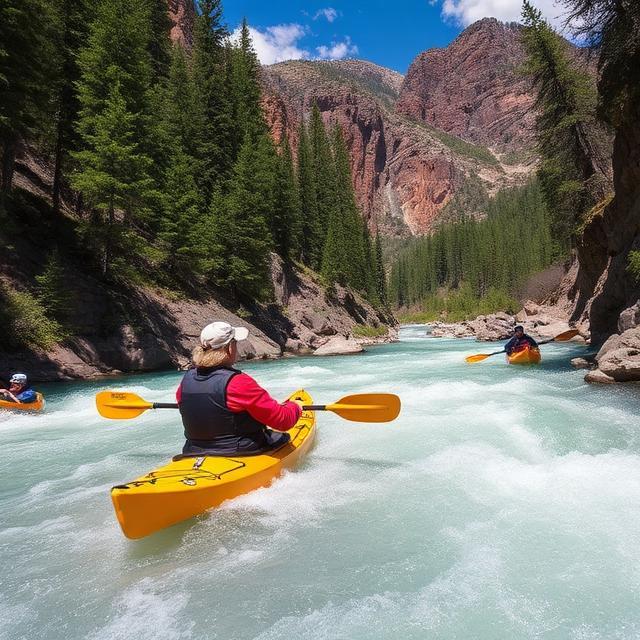
Lake Creek is a steep mountain stream associated with the upper Arkansas River drainage, offering technical whitewater in a rugged mountain environment. The creek features narrow channels, rocky drops, fast currents, and challenging gradient that can produce Class V conditions in its most difficult sections. Its mountainous setting and technical character make it more suited to experienced creek boaters than casual whitewater paddlers. High-country scenery and relatively remote surroundings add to the appeal for advanced kayakers seeking technical Colorado whitewater.
Quick Facts: Location: Upper Arkansas River drainage, Colorado | Class V Rapids: Steep creek sections with technical drops, rocky channels, and powerful snowmelt currents | Difficulty: Class V sections | River Type: Steep Mountain Creek | Best Season: Late spring through early summer snowmelt
Where to Stay: Buena Vista and Leadville provide lodging, restaurants, supplies, and outdoor services for exploring the upper Arkansas River region. Numerous campgrounds are available throughout the surrounding national forest and mountain areas.
Conclusion
Colorado’s Rocky Mountain rivers offer an exceptional concentration of Class V whitewater kayaking, ranging from steep creek-style runs to huge canyon rivers. Gore Canyon, Pine Creek and Black Rock stand out among the most challenging options, while sections such as the Numbers and Royal Gorge combine Class IV and Class V rapids. These rivers should only be attempted by highly experienced kayakers with appropriate rescue skills, equipment and knowledge of current conditions. Always scout difficult rapids and check current flows before entering the river.
FAQ
What is the hardest Class V kayaking in Colorado?
Gore Canyon and Pine Creek are among the best-known extremely difficult Class V runs in Colorado. Both feature steep gradients, powerful hydraulics and technical rapids.
What is the best season for Class V kayaking in Colorado?
The primary season is generally late spring through summer, when snowmelt increases river flows. The ideal flow range varies considerably by river and individual rapid.
Is Gore Canyon Class V?
Yes. Gore Canyon contains multiple Class V rapids and is considered one of Colorado’s premier advanced whitewater kayaking destinations.
Can beginners kayak Class V rivers?
No. Class V whitewater is intended for highly experienced paddlers. Kayakers should have extensive Class IV experience, strong rescue skills and the ability to make precise decisions in fast-moving, consequential water.
What should kayakers check before running a Class V river?
Check current water levels, weather, recent river reports, access conditions and known hazards. Difficult rapids should also be scouted whenever possible, and paddlers should have an appropriate safety and rescue plan.


Leave a Reply