Class V whitewater kayaking represents the highest level of mainstream river difficulty, combining powerful currents, technical rapids, complex lines, and serious consequences. For experienced paddlers, these rivers offer some of the most challenging and rewarding adventures on Earth. From remote Himalayan expeditions to steep North American creeks and massive-volume African rapids, Class V runs attract expert kayakers seeking skill, adrenaline, and unforgettable scenery.
This guide highlights the top Class V whitewater kayaking spots around the world, organized by location to help paddlers discover legendary rivers, plan future expeditions, and explore some of the planet’s most iconic whitewater environments.
Best Class V Whitewater Kayaking in Canada
Canada is one of the world’s premier whitewater kayaking destinations, offering an enormous variety of rivers ranging from remote wilderness expeditions to world-class technical runs. The country’s vast mountain ranges, powerful glacial rivers, and rugged landscapes create some of the most challenging whitewater environments on Earth. British Columbia is especially famous for steep creeks, big-volume rivers, and legendary Class V expeditions, while regions such as Ontario provide internationally recognized paddling destinations. From the remote Stikine River to the famous Ottawa River, Canada offers unforgettable experiences for advanced whitewater kayakers.
Stikine River — British Columbia
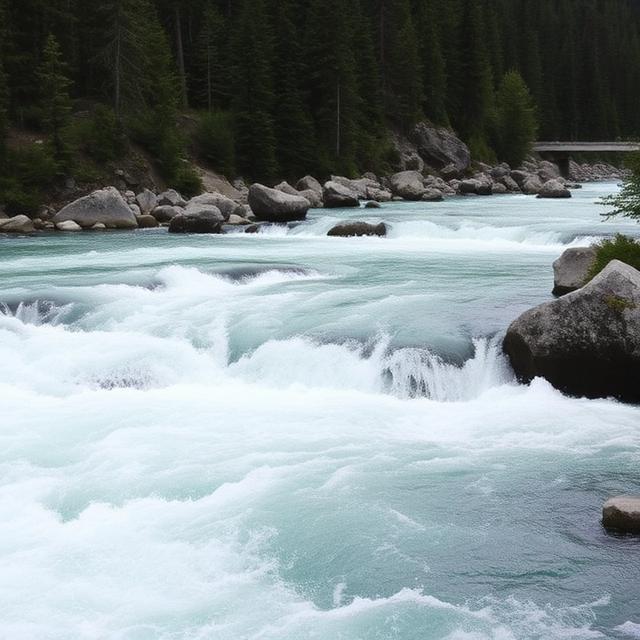
The Stikine River is considered one of the greatest wilderness whitewater expeditions in the world, famous for its enormous volume, remote canyon landscapes, and legendary Class V challenges. Flowing through the rugged northern mountains of British Columbia, the river features powerful rapids, massive waves, and long expedition-style sections. The Stikine requires exceptional skill, preparation, and teamwork due to its isolation and serious consequences. It is regarded as a bucket-list destination for elite whitewater kayakers seeking a true wilderness adventure.
Quick Facts: Location: Northern British Columbia, Canada | Difficulty: Class V–VI | River Type: Expedition Canyon River | Best Season: Summer
Where to Stay: Telegraph Creek is the primary launch point for Stikine expeditions, while Dease Lake is the nearest larger service community for supplies and logistics.
Ottawa River — Ontario
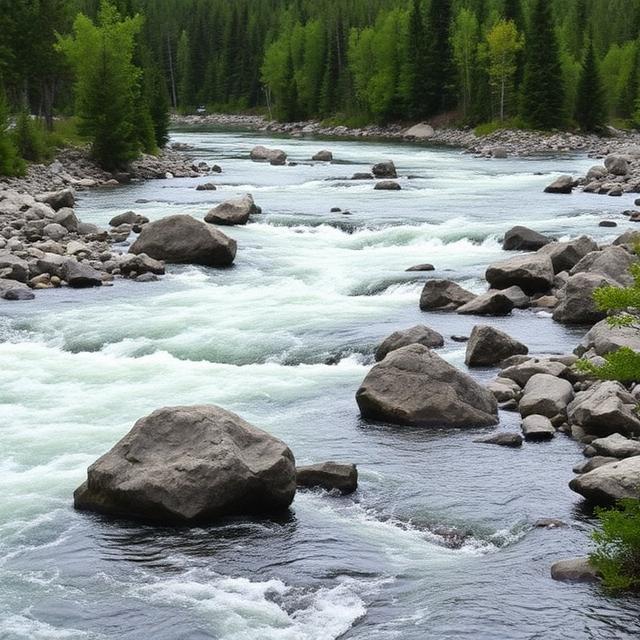
The Ottawa River is one of the world’s most famous whitewater kayaking destinations, known for its powerful rapids, large waves, and legendary freestyle features. Unlike many remote Canadian rivers, Ottawa offers excellent access, established paddling communities, and year-round tourism infrastructure. The river provides a wide range of sections suitable for advanced paddlers, including challenging Class IV and V features. Its combination of big-volume water, reliable flows, and welcoming paddling culture makes it a global kayaking hotspot.
Quick Facts: Location: Ontario–Quebec Border, Canada | Difficulty: Class II–V | River Type: High-Volume River | Best Season: May–September
Where to Stay: Beachburg, Ontario is the main paddling hub with campsites, lodges, and rafting operations. Ottawa provides additional hotels, restaurants, and city amenities.
Ashlu River — British Columbia
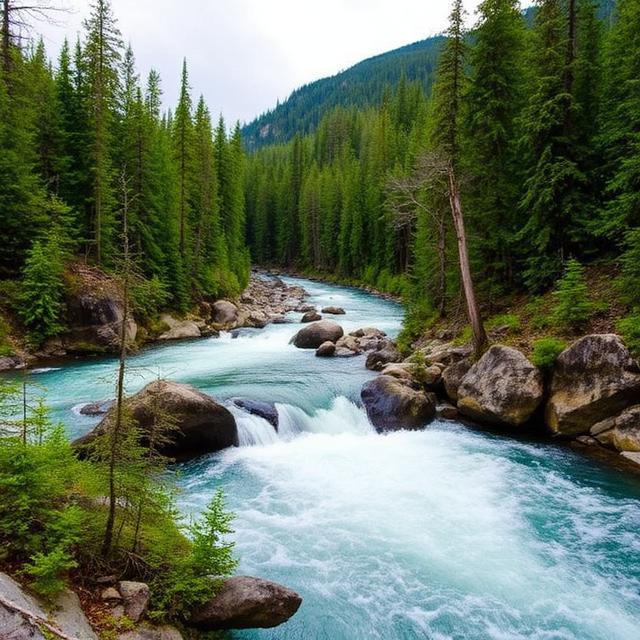
The Ashlu River is a legendary British Columbia creek known for steep gradients, powerful rapids, and challenging Class V whitewater. Located near Squamish, the river combines technical drops, fast currents, and dramatic mountain scenery. Its clean granite features and demanding sections attract some of the most experienced creek boaters in the world. The Ashlu is considered one of Canada’s premier steep creek kayaking destinations.
Quick Facts: Location: Squamish Valley, British Columbia | Difficulty: Class V | River Type: Steep Granite Creek | Best Season: Late Spring–Summer
Where to Stay: Squamish is the closest base, offering hotels, campgrounds, restaurants, and outdoor services. Whistler is another convenient option with additional accommodation.
Kicking Horse River — British Columbia
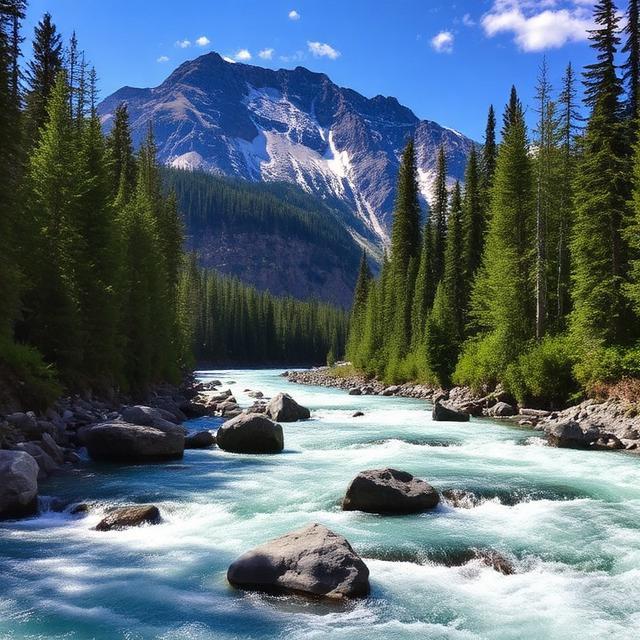
The Kicking Horse River is one of Canada’s most famous whitewater rivers, offering powerful rapids, large waves, and continuous Class IV–V sections through the Canadian Rockies. The river combines high-volume water with technical features, making it a favorite among advanced paddlers and rafting enthusiasts. Surrounded by dramatic mountain scenery, it provides an unforgettable alpine paddling experience. Its accessibility and quality whitewater have made it a cornerstone of western Canadian kayaking.
Quick Facts: Location: Golden, British Columbia | Difficulty: Class III–V | River Type: Mountain Volume River | Best Season: June–September
Where to Stay: Golden is the main base, offering hotels, campgrounds, restaurants, and easy access to the river. Lake Louise and Revelstoke can also serve as regional bases.
Alsek River — Yukon / British Columbia
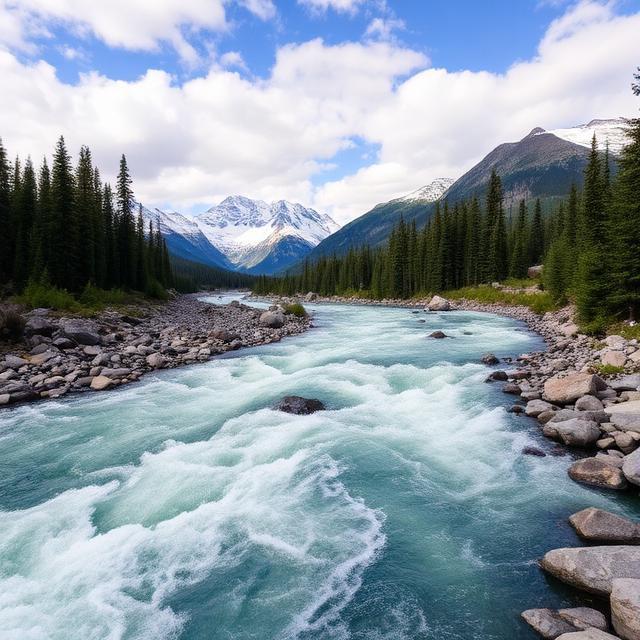
The Alsek River is a world-class wilderness expedition river flowing through some of Canada’s most spectacular landscapes. Surrounded by glaciers, towering mountains, and remote wilderness, it offers powerful rapids and unforgettable scenery. The river combines challenging whitewater with long expedition sections, requiring careful planning and advanced wilderness skills. The Alsek is ideal for experienced paddlers seeking a remote adventure far from traditional river access.
Quick Facts: Location: Yukon & British Columbia, Canada | Difficulty: Class III–V | River Type: Glacial Expedition River | Best Season: Summer
Where to Stay: Haines Junction, Yukon is the main staging area for Alsek expeditions, with Whitehorse providing larger-city services, transportation connections, and supplies.
Chilko River — British Columbia

The Chilko River is a powerful glacial river famous for its turquoise water, large rapids, and stunning wilderness setting. Originating from Chilko Lake, the river delivers high-volume whitewater with technical sections and impressive wave features. Its combination of remote scenery and exciting rapids makes it one of British Columbia’s most memorable paddling destinations. The Chilko is popular among experienced kayakers looking for adventure in a spectacular alpine environment.
Quick Facts: Location: Chilcotin Region, British Columbia | Difficulty: Class IV–V | River Type: Glacier-Fed Volume River | Best Season: Summer
Where to Stay: Williams Lake is the main service town for accessing the Chilko region. Remote camps and lodges near Chilko Lake are also commonly used for river trips.
Best Class V Whitewater Kayaking in the United States
The United States is one of the world’s most diverse whitewater kayaking destinations, offering everything from steep technical creeks and narrow gorges to powerful mountain rivers and high-volume rapids. With major whitewater regions spread across the Appalachian Mountains, Rocky Mountains, Pacific Northwest, and Sierra Nevada, the country provides an incredible variety of Class IV–V challenges. Many rivers combine technical difficulty with spectacular landscapes, including granite canyons, forested valleys, and alpine environments. From legendary destinations like the Gauley River and Green River Narrows to remote western creeks, the United States remains a premier destination for advanced whitewater paddlers.
Gauley River — West Virginia
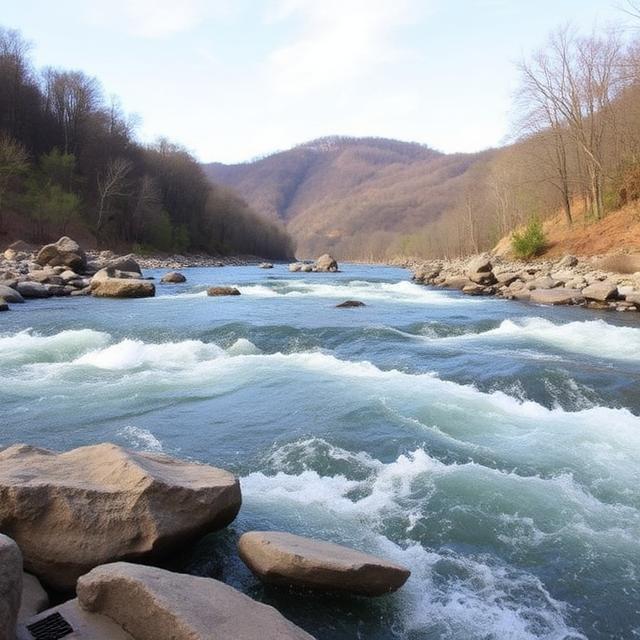
The Gauley River is one of the most famous whitewater rivers in the United States, known for its powerful rapids, steep drops, and legendary fall releases. The river features multiple Class IV and V sections with large hydraulics, technical lines, and continuous challenges. Surrounded by forested Appalachian canyon walls, the Gauley offers a spectacular setting for advanced paddlers. Its annual release season attracts kayakers from around the world and has made it a cornerstone of American whitewater culture.
Quick Facts: Location: West Virginia, USA | Difficulty: Class IV–V | River Type: High-Volume Mountain River | Best Season: September–October
Where to Stay: Fayetteville, West Virginia is the main paddling base, offering hotels, cabins, restaurants, and easy access to the river. Nearby Summersville also provides camping and lodging options.
Green River Narrows — North Carolina

Green River Narrows is one of the most famous steep creeking destinations in the United States, known for its extreme gradient and legendary Class V drops. The river features tight channels, waterfalls, powerful hydraulics, and technical maneuvers that require expert-level skills. Its iconic rapids have challenged some of the world’s best creek boaters and remain a benchmark for advanced paddling. The dramatic forested gorge setting adds to the river’s reputation as an elite whitewater destination.
Quick Facts: Location: Western North Carolina, USA | Difficulty: Class V | River Type: Steep Technical Creek | Best Season: Fall–Spring
Where to Stay: Asheville, North Carolina is the most popular base, offering extensive accommodation, restaurants, and outdoor services. Saluda is another convenient option closer to the river.
Cherry Creek (Upper Tuolumne) — California
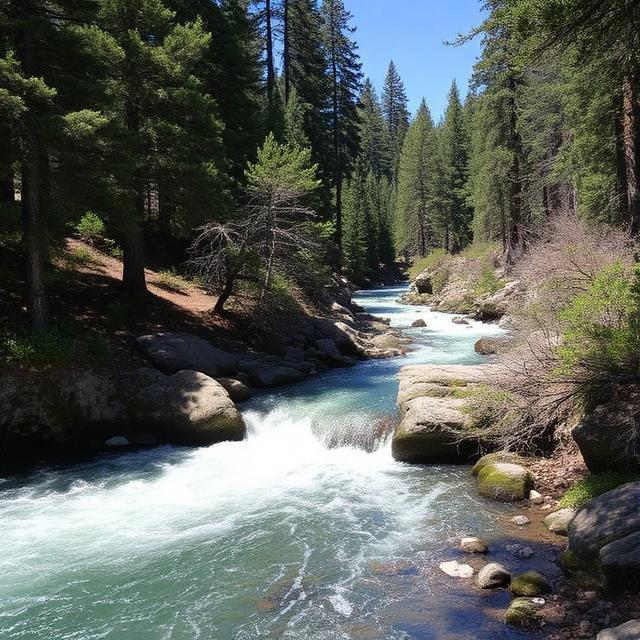
Cherry Creek, the Upper Tuolumne section, is considered one of California’s premier Class V rivers and a classic Sierra Nevada steep creek. The river features continuous granite rapids, technical drops, powerful flows, and demanding boat control. Its remote canyon setting and challenging whitewater make it a favorite among experienced paddlers. The combination of pristine wilderness and world-class granite formations creates a truly memorable kayaking experience.
Quick Facts: Location: Sierra Nevada, California, USA | Difficulty: Class V | River Type: Granite Canyon Creek | Best Season: Late Spring–Summer
Where to Stay: Sonora, California is a common base for accessing the Upper Tuolumne area. Yosemite region towns such as Groveland also provide lodging and supplies.
North Fork Payette River — Idaho
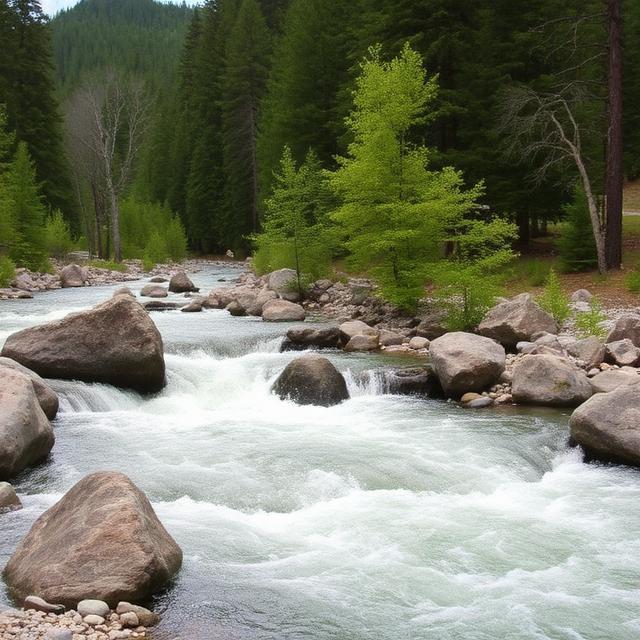
The North Fork Payette River is one of the most respected Class V rivers in the United States, famous for its continuous rapids, steep gradient, and technical challenges. The river offers multiple sections with powerful whitewater, including the legendary steep creek runs near Banks. Fast currents, narrow channels, and complex rapids require advanced paddling skills and strong river awareness. Its accessibility and consistent quality have made it a favorite among expert kayakers.
Quick Facts: Location: Idaho, USA | Difficulty: Class IV–V | River Type: Technical Mountain River | Best Season: Spring–Summer
Where to Stay: Boise, Idaho is the main regional base with extensive services and accommodations. Cascade and McCall also provide access to different sections of the river.
Gore Canyon (Colorado River) — Colorado
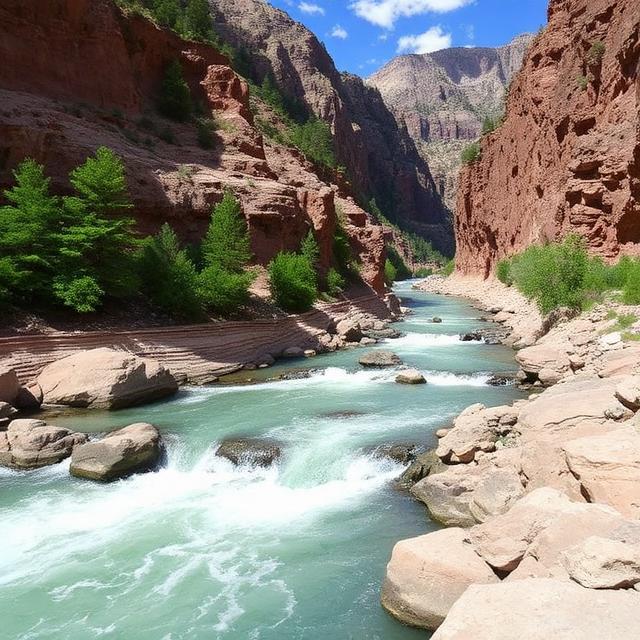
Gore Canyon is one of Colorado’s most challenging whitewater runs, featuring powerful Class V rapids in a narrow and remote mountain gorge. The river combines steep gradients, large hydraulics, technical drops, and committing sections that demand expert skills. Surrounded by dramatic Rocky Mountain scenery, the canyon provides an unforgettable high-adventure paddling experience. Gore Canyon is considered a benchmark run for advanced Colorado boaters.
Quick Facts: Location: Colorado River, Colorado, USA | Difficulty: Class V | River Type: Alpine Gorge River | Best Season: Summer
Where to Stay: Kremmling, Colorado is the closest base for Gore Canyon access. Dillon and Breckenridge offer additional lodging options in the surrounding Rocky Mountains.
North Fork American River — California
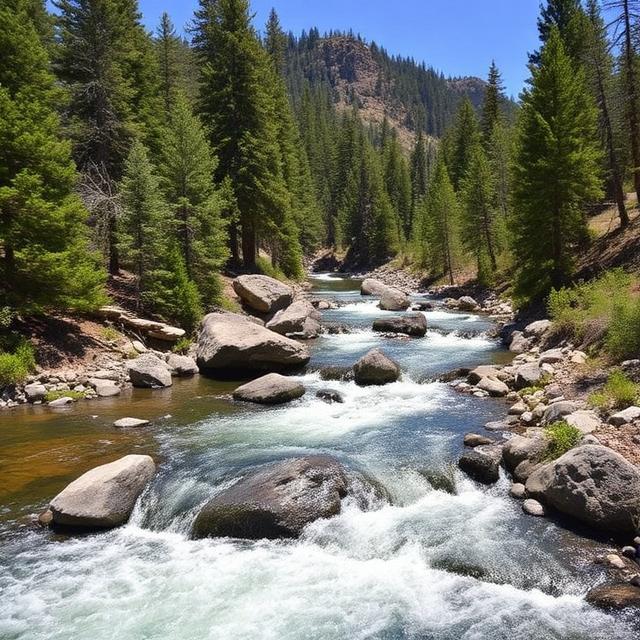
The North Fork American River is a classic California whitewater destination known for technical rapids, steep canyon walls, and challenging Class IV–V sections. The river features rocky channels, continuous drops, and demanding maneuvers through a scenic Sierra Nevada landscape. Its combination of accessibility and quality whitewater makes it a favorite among experienced West Coast paddlers. The river offers exciting technical runs while maintaining the remote feel of a mountain adventure.
Quick Facts: Location: Sierra Nevada Foothills, California, USA | Difficulty: Class IV–V | River Type: Technical Canyon River | Best Season: Spring–Early Summer
Where to Stay: Auburn, California is the main base for paddlers, offering hotels, restaurants, and supplies. Sacramento provides additional city services nearby.
Little White Salmon River — Washington
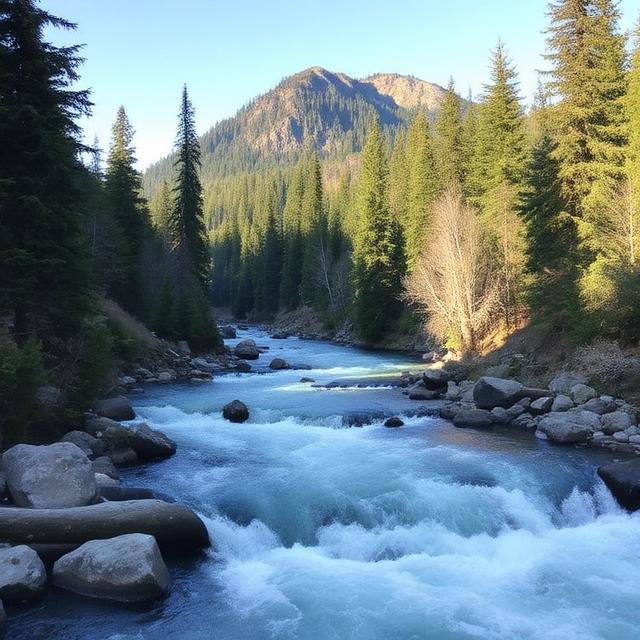
The Little White Salmon River is a Pacific Northwest classic known for clear water, technical rapids, and beautiful forested surroundings. The river offers challenging Class IV–V sections with tight lines, waterfalls, and fast-moving whitewater. Its clean basalt features and consistent quality attract advanced paddlers from across the region. The river’s combination of technical difficulty and scenic beauty makes it one of Washington’s top kayaking destinations.
Quick Facts: Location: Southern Washington, USA | Difficulty: Class IV–V | River Type: Technical Creek | Best Season: Spring–Summer
Where to Stay: Hood River, Oregon is a popular base with many accommodations and outdoor services. White Salmon, Washington is closer and offers easy river access.
Tallulah Gorge — Georgia
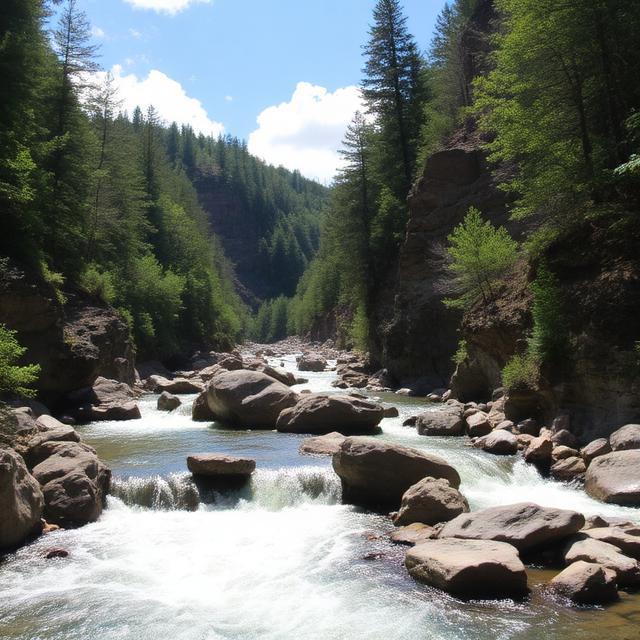
Tallulah Gorge is one of the most unique whitewater kayaking destinations in the southeastern United States. The river drops through a spectacular granite canyon featuring steep sections, waterfalls, and technical Class V challenges during limited release periods. The gorge environment creates a dramatic and committing paddling experience unlike many other eastern rivers. Due to its difficulty and restricted access, Tallulah is considered a special achievement among advanced paddlers.
Quick Facts: Location: North Georgia, USA | Difficulty: Class IV–V | River Type: Granite Gorge Run | Best Season: Scheduled Water Releases (Spring/Fall)
Where to Stay: Clayton, Georgia is the closest town with lodging, restaurants, and supplies. Helen and Atlanta provide additional accommodation options for longer stays.
Best Class V Whitewater Kayaking in South America
South America is home to some of the world’s most spectacular whitewater kayaking destinations, combining powerful rivers, remote wilderness, and dramatic mountain landscapes. The continent’s rivers are shaped by the Andes Mountains, glaciers, and dense forests, creating a wide range of challenging whitewater environments. From Chile’s legendary Patagonian rivers to remote Amazonian and alpine waterways, South America offers unforgettable adventures for experienced paddlers. Its combination of pristine scenery, technical rapids, and expedition-style runs makes it a top destination for advanced whitewater kayaking.
Chile
Chile is one of the world’s premier whitewater kayaking destinations, famous for its crystal-clear rivers, dramatic Andes landscapes, and world-class Patagonian wilderness. The country’s unique geography creates an incredible variety of rivers, from high-volume glacial waterways to technical mountain creeks. Chile attracts elite paddlers from around the world who come to experience legendary rivers surrounded by forests, volcanoes, and snow-covered peaks. Its combination of reliable flows, breathtaking scenery, and challenging rapids makes it a must-visit destination for advanced kayakers.
Futaleufú River — Patagonia
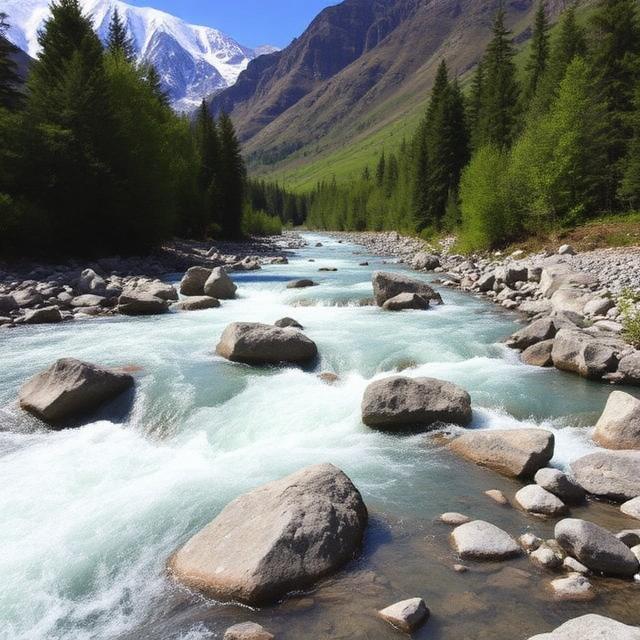
The Futaleufú River is one of the most famous whitewater rivers in the world, celebrated for its brilliant turquoise water, powerful rapids, and spectacular Patagonian scenery. The river offers a variety of sections ranging from challenging Class IV rapids to demanding Class V features surrounded by mountains and forests. Its large waves, technical lines, and continuous whitewater attract elite kayakers and expedition paddlers from across the globe. Beyond the rapids, the remote wilderness setting makes Futaleufú one of the most visually stunning kayaking destinations on Earth.
Quick Facts: Location: Futaleufú, Los Lagos Region, Chile | Difficulty: Class III–V | River Type: High-Volume Alpine River | Best Season: December–March
Where to Stay: Futaleufú town is the ideal base, offering river lodges, cabins, campsites, restaurants, and kayak-focused services. Chaitén and Puerto Montt provide additional travel connections.
Best Whitewater Kayaking in Africa
Africa offers some of the world’s most unique whitewater kayaking experiences, combining powerful tropical rivers, dramatic gorges, and remote wilderness environments. The continent’s rivers range from high-volume expedition waterways to technical rapids carved through spectacular landscapes. Warm climates, incredible scenery, and adventurous river journeys make Africa a memorable destination for experienced paddlers. Among its legendary rivers, the Zambezi River stands out as one of the greatest big-water kayaking destinations on the planet.
Zambia / Zimbabwe
The Zambia and Zimbabwe region is internationally famous for the Zambezi River and the massive Batoka Gorge, one of the world’s greatest whitewater environments. The area combines huge rapids, warm tropical conditions, and spectacular canyon scenery beneath Victoria Falls. The Zambezi offers an unforgettable big-volume paddling experience with powerful waves, large hydraulics, and legendary rapids. Its accessibility, scenery, and world-class whitewater have made it a bucket-list destination for advanced paddlers worldwide.
Zambezi River — Batoka Gorge

The Zambezi River through Batoka Gorge is one of the most famous whitewater runs in the world, known for enormous rapids, powerful waves, and dramatic canyon walls below Victoria Falls. The river features legendary Class IV and V rapids with massive hydraulics and unforgettable big-water challenges. The warm water and tropical surroundings create a unique paddling experience unlike traditional alpine rivers. For advanced kayakers, the Zambezi represents one of the ultimate high-volume river adventures.
Quick Facts: Location: Batoka Gorge, Zambia/Zimbabwe | Difficulty: Class IV–V | River Type: High-Volume Canyon River | Best Season: August–December
Where to Stay: Livingstone, Zambia is the main base for river trips, offering the largest selection of accommodations and adventure services. Victoria Falls, Zimbabwe is another excellent option with hotels, lodges, and easy access to the gorge.
Best Class V Whitewater Kayaking in Europe
Europe is one of the world’s most diverse whitewater kayaking destinations, offering everything from glacier-fed alpine rivers to turquoise mountain streams and technical canyon runs. The continent’s rivers flow through some of the most spectacular landscapes in the Alps, Dolomites, and Balkan mountains. Countries such as Austria, Italy, Switzerland, and Slovenia have developed strong paddling cultures with excellent river access, infrastructure, and challenging whitewater. From steep Class V alpine runs to scenic intermediate rivers, Europe provides world-class opportunities for experienced kayakers.
Best Class V Whitewater Kayaking in Austria
Austria is one of Europe’s leading whitewater kayaking destinations, famous for its Alpine rivers, reliable snowmelt flows, and excellent river infrastructure. The Austrian Alps provide steep mountain channels, technical rapids, and beautiful canyon environments for advanced paddlers. Regions such as Tyrol attract kayakers from across Europe due to their accessibility and concentration of high-quality rivers. With dramatic scenery and challenging whitewater, Austria remains a premier destination for alpine kayaking.
Ötztal / Ötz River — Tyrol
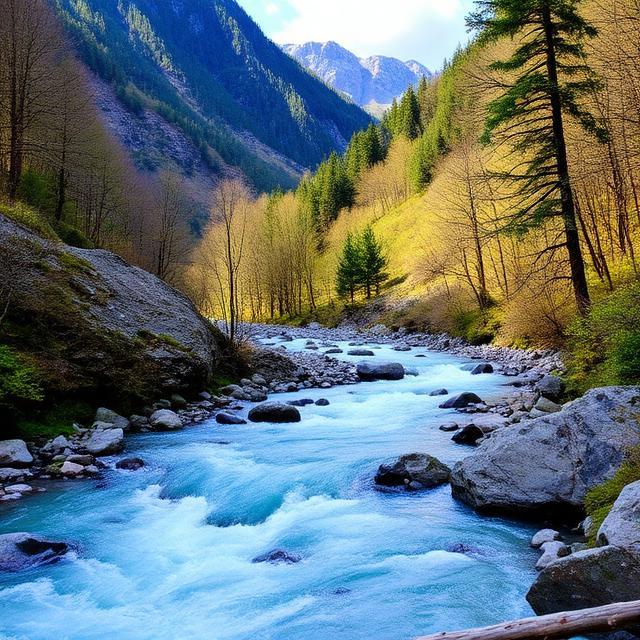
The Ötz River is one of Austria’s most famous whitewater kayaking destinations, known for powerful alpine rapids, steep sections, and technical challenges. Located in the dramatic Tyrolean Alps, the river combines fast flows, rocky channels, and demanding Class IV–V features. Its continuous whitewater and high-quality sections attract experienced paddlers looking for serious alpine runs. The surrounding mountain scenery makes the Ötz River one of Europe’s classic kayaking destinations.
Quick Facts: Location: Ötztal Valley, Tyrol, Austria | Difficulty: Class IV–V | River Type: Alpine Mountain River | Best Season: June–September
Where to Stay: Sölden, Längenfeld, and Innsbruck are the best bases, offering hotels, guesthouses, campsites, and easy river access.
Best Class V Whitewater Kayaking in Italy
Italy offers some of Europe’s most scenic and diverse whitewater kayaking, combining Alpine rivers, deep valleys, and dramatic mountain landscapes. The northern regions of Trentino and Aosta are particularly famous for technical rapids and glacier-fed waterways. Italian rivers often combine challenging whitewater with beautiful villages, excellent food, and strong outdoor tourism infrastructure. Advanced paddlers visit Italy for its quality rivers, reliable flows, and spectacular alpine settings.
Quick Facts: Location: Northern Italy, Alps & Dolomites | Difficulty: Class III–V | River Type: Alpine Rivers & Glacier-Fed Whitewater | Best Season: May–September
Where to Stay: Trento, Aosta, and nearby mountain villages provide excellent accommodation options, including hotels, campsites, and outdoor lodges.
Noce River — Trentino

The Noce River is one of Europe’s most famous whitewater rivers, renowned for its clear water, technical rapids, and spectacular mountain scenery. Located in the Dolomites region, the river offers a variety of sections ranging from intermediate runs to challenging Class IV–V whitewater. Its consistent flows, excellent access, and beautiful surroundings have made it a favorite destination for international paddlers. The Noce provides a perfect combination of technical kayaking and alpine adventure.
Quick Facts: Location: Val di Sole, Trentino, Italy | Difficulty: Class III–V | River Type: Alpine River | Best Season: May–September
Where to Stay: Commezzadura, Dimaro, and Madonna di Campiglio are popular bases with hotels, campsites, restaurants, and easy access to the river.
Dora Baltea River — Aosta Valley
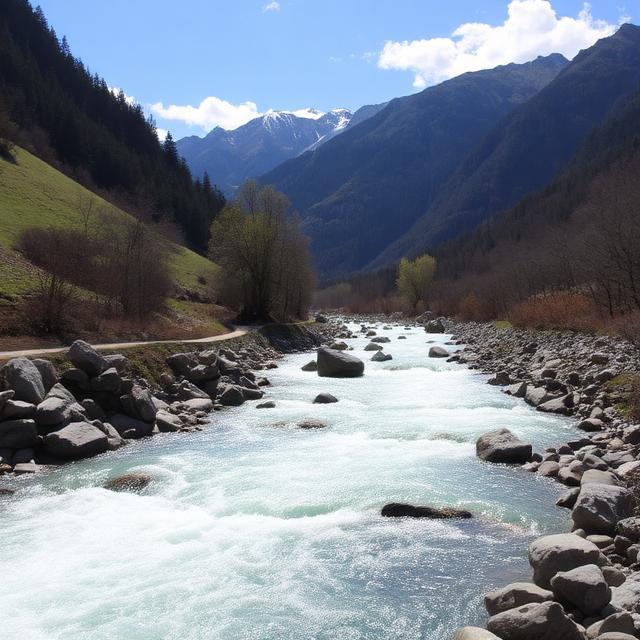
The Dora Baltea River is one of Italy’s premier whitewater rivers, famous for its powerful rapids, glacier-fed flows, and dramatic Alpine setting. The river offers a range of sections, including demanding Class IV–V stretches for advanced paddlers. Fed by the surrounding mountains, the Dora Baltea provides exciting water conditions throughout the paddling season. Its combination of technical challenges and breathtaking scenery makes it a highlight of European whitewater kayaking.
Quick Facts: Location: Aosta Valley, Northern Italy | Difficulty: Class III–V | River Type: Glacier-Fed Alpine River | Best Season: May–September
Where to Stay: Aosta, Cogne, and Pré-Saint-Didier provide excellent bases with accommodation, restaurants, and access to surrounding rivers.
Best Class V Whitewater Kayaking Switzerland
Switzerland is a world-class whitewater destination known for pristine alpine rivers, glacier-fed waterways, and dramatic mountain scenery. The country’s efficient infrastructure makes accessing remote alpine rivers relatively easy, while the Alps provide a huge variety of paddling experiences. Swiss rivers are known for clear water, technical rapids, and beautiful canyon landscapes. The combination of natural beauty and high-quality whitewater makes Switzerland a favorite among European paddlers.
Quick Facts: Location: Swiss Alps, Central Europe | Difficulty: Class III–V | River Type: Alpine & Glacier-Fed Rivers | Best Season: June–September
Where to Stay: Locarno, Bellinzona, and Interlaken are popular paddling bases with hotels, campsites, and easy access to mountain rivers.
Ticino River
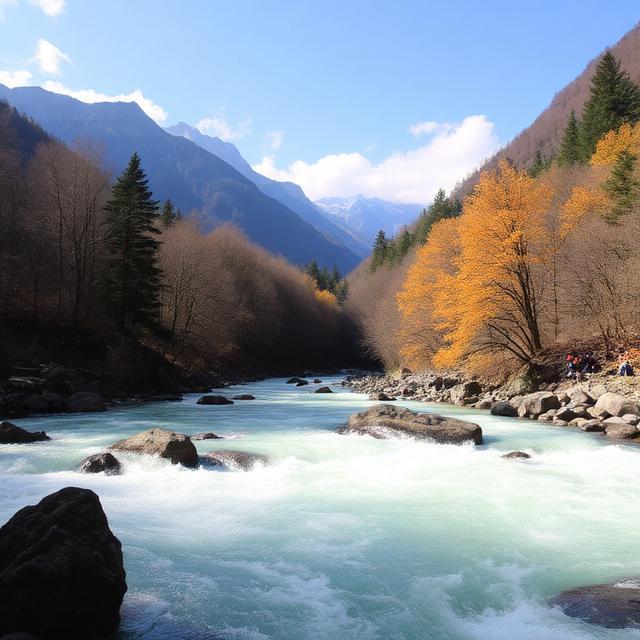
The Ticino River is one of Switzerland’s most famous kayaking destinations, offering clear alpine water, technical rapids, and beautiful granite landscapes. The river flows through the scenic Ticino region, known for its warm climate and dramatic mountain valleys. It provides exciting whitewater sections with clean lines, fast currents, and challenging features. The combination of quality paddling and stunning scenery makes Ticino a must-visit European river.
Quick Facts: Location: Ticino Canton, Switzerland | Difficulty: Class III–IV+ | River Type: Alpine Granite River | Best Season: May–September
Where to Stay: Locarno, Bellinzona, and Biasca are ideal bases, offering accommodation and easy access to multiple river sections.
Best Class V Whitewater Kayaking in Slovenia
Slovenia is one of Europe’s most beautiful whitewater kayaking destinations, famous for its emerald rivers, limestone canyons, and spectacular Alpine scenery. The country offers excellent river access, a strong outdoor culture, and a variety of paddling experiences. The Soča River is the centerpiece of Slovenian whitewater, attracting kayakers from around the world. Its combination of crystal-clear water, technical rapids, and breathtaking landscapes makes Slovenia a unique paddling destination.
Soča River
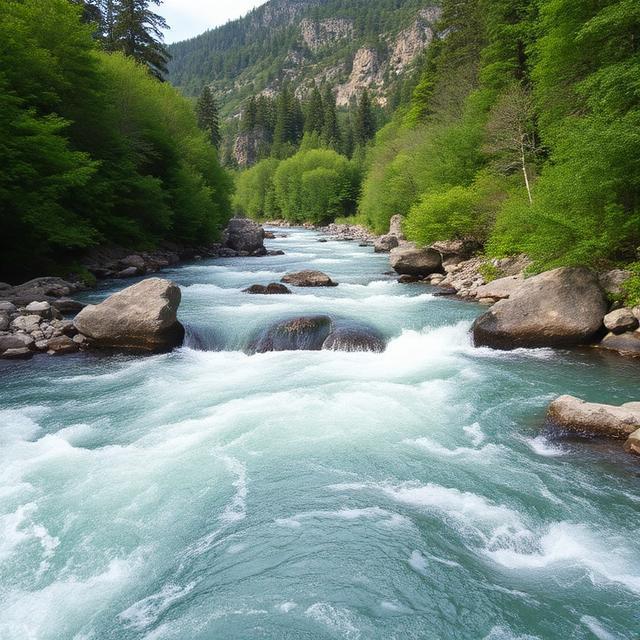
The Soča River is one of Europe’s most iconic whitewater rivers, famous for its brilliant turquoise water, limestone gorges, and stunning Alpine surroundings. The river offers a range of sections from scenic intermediate runs to challenging technical rapids for advanced paddlers. Its clear water and dramatic landscapes create an unforgettable kayaking experience. The Soča has become a symbol of Slovenian adventure tourism and one of Europe’s most photographed rivers.
Quick Facts: Location: Julian Alps, Slovenia | Difficulty: Class II–IV+ | River Type: Alpine Limestone River | Best Season: April–October
Where to Stay: Bovec is the primary base for paddlers, with the largest selection of accommodations and river services. Kobarid and Tolmin provide additional lodging options nearby.
Best Class V Whitewater Kayaking in Asia
Asia offers some of the most legendary whitewater kayaking expeditions in the world, with powerful Himalayan rivers flowing through remote valleys, deep gorges, and dramatic mountain landscapes. The continent’s rivers are shaped by monsoon rains, glacier melt, and the towering peaks of the Himalayas, creating a unique combination of big-volume rapids and expedition-style paddling. Nepal is considered one of the world’s premier destinations for whitewater adventure, attracting paddlers seeking long river journeys, challenging rapids, and incredible cultural experiences. From the remote Karnali to the classic Sun Kosi expedition, Asia provides unforgettable opportunities for experienced whitewater kayakers.
Quick Facts: Location: South & Central Asia | Difficulty: Class III–V | River Type: Himalayan Rivers, Big-Volume Rivers & Expedition Whitewater | Best Season: September–November & March–May
Where to Stay: Kathmandu is the main gateway for Nepal river expeditions, offering hotels, equipment shops, and travel services. River trips commonly begin from smaller towns such as Dumja, Balephi, Dandeldhura, and other riverside communities depending on the route.
Best Class V Whitewater Kayaking inNepal
Nepal is one of the world’s most famous whitewater kayaking destinations, known for its Himalayan rivers, remote landscapes, and multi-day river expeditions. The country’s steep mountains create powerful waterways with everything from scenic Class III runs to challenging Class V rapids. Nepal’s rivers offer a unique blend of adventure, cultural experiences, and wilderness exploration. With warm water, dramatic scenery, and legendary expedition routes, Nepal remains a dream destination for advanced paddlers.
Karnali River
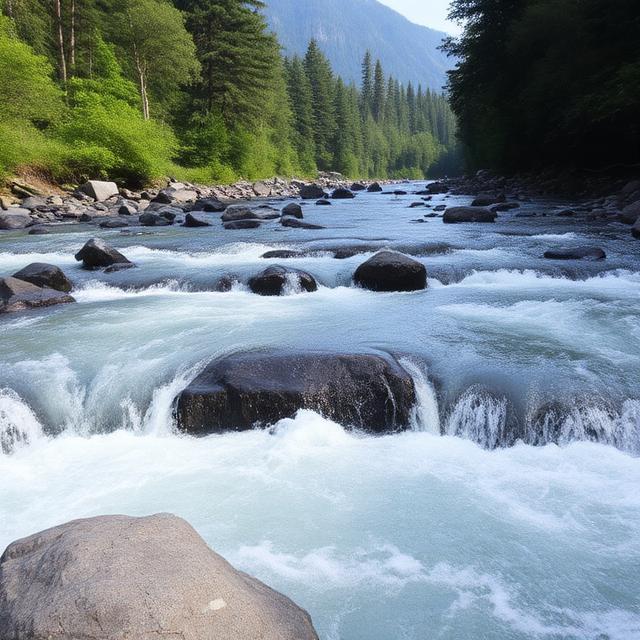
The Karnali River is Nepal’s longest and one of its most remote whitewater rivers, offering a true wilderness expedition experience. Flowing through deep Himalayan valleys, the river features powerful rapids, large waves, and long sections of untouched scenery. The journey combines challenging whitewater with remote landscapes, traditional villages, and incredible wildlife. The Karnali is considered one of Asia’s ultimate river adventures for experienced paddlers seeking a multi-day expedition.
Quick Facts: Location: Western Nepal | Difficulty: Class III–IV+ | River Type: Himalayan Expedition River | Best Season: October–November & March–May
Where to Stay: Kathmandu is the main preparation base, while expedition groups often begin near Dumja or travel through western Nepal communities before launching. Camping along the river is the primary accommodation during the trip.
Sun Kosi River
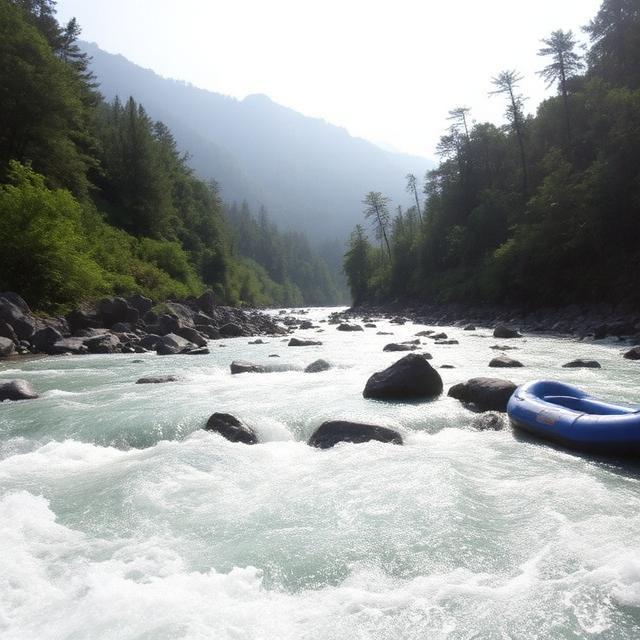
The Sun Kosi River is one of the world’s most famous multi-day whitewater expeditions, often called the “River of Gold” because of its beautiful scenery and remote Himalayan setting. The river provides a perfect combination of exciting rapids, warm water, sandy beaches, and cultural encounters. With sections ranging from relaxing Class III rapids to challenging Class IV features, it is suitable for experienced expedition paddlers. The Sun Kosi remains one of Nepal’s most iconic river journeys and a bucket-list adventure for whitewater kayakers.
Quick Facts: Location: Eastern Nepal | Difficulty: Class III–IV+ | River Type: Multi-Day Himalayan Expedition River | Best Season: September–November & March–May
Where to Stay: Kathmandu is the main starting point for logistics, while Dumja is a common river access area. Most of the expedition is completed with riverside camping.
Kali Gandaki River
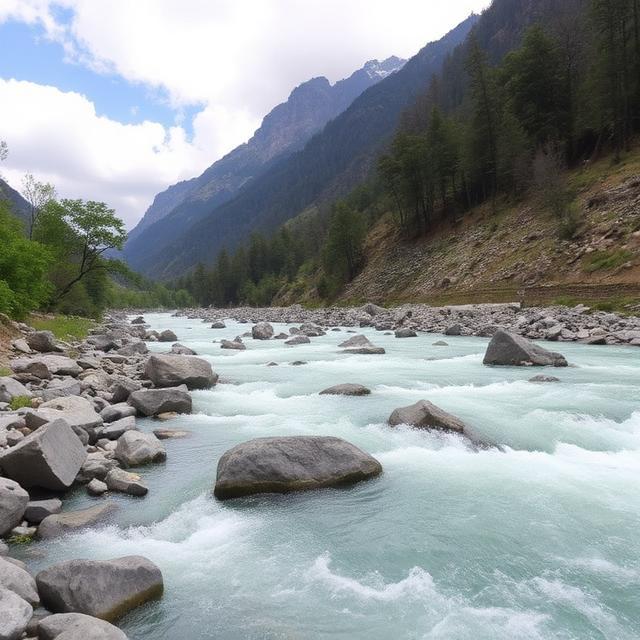
The Kali Gandaki River is one of Nepal’s most scenic and exciting whitewater rivers, flowing through one of the deepest river valleys in the world between the Annapurna and Dhaulagiri mountain ranges. The river combines powerful rapids, narrow gorges, and spectacular Himalayan views. Its mix of technical sections and stunning landscapes makes it a favorite among adventure paddlers. The Kali Gandaki offers a memorable balance of challenging whitewater and cultural exploration.
Quick Facts: Location: Western Nepal | Difficulty: Class III–IV+ | River Type: Mountain Gorge River | Best Season: October–November & March–May
Where to Stay: Pokhara is the most convenient base for accessing the Kali Gandaki region, with hotels, restaurants, and adventure services. Smaller towns such as Beni and Tatopani are often used as starting points depending on the expedition route.
Best Class V Whitewater Kayaking in Central America
Central America offers a unique whitewater kayaking experience with tropical rivers flowing through rainforests, volcanic landscapes, and remote wilderness areas. The region is known for warm-water paddling, lush scenery, and a combination of technical rapids and adventurous river journeys. Costa Rica stands out as one of the continent’s premier destinations, offering excellent river access, strong outdoor infrastructure, and year-round paddling opportunities. With its combination of wildlife, waterfalls, and challenging whitewater, Central America provides an unforgettable destination for adventurous kayakers.
Best Class V Whtewater Kayaking in Costa Rica
Costa Rica is one of the world’s top tropical whitewater kayaking destinations, famous for its rainforest rivers, warm water, and incredible biodiversity. The country’s volcanic terrain creates steep gradients and exciting rapids surrounded by dense jungle landscapes. Costa Rica offers a wide range of whitewater experiences, from beginner-friendly runs to challenging technical sections for experienced paddlers. Its combination of adventure tourism, reliable river flows, and stunning natural scenery makes it a favorite destination for international kayakers.
Pacuare River
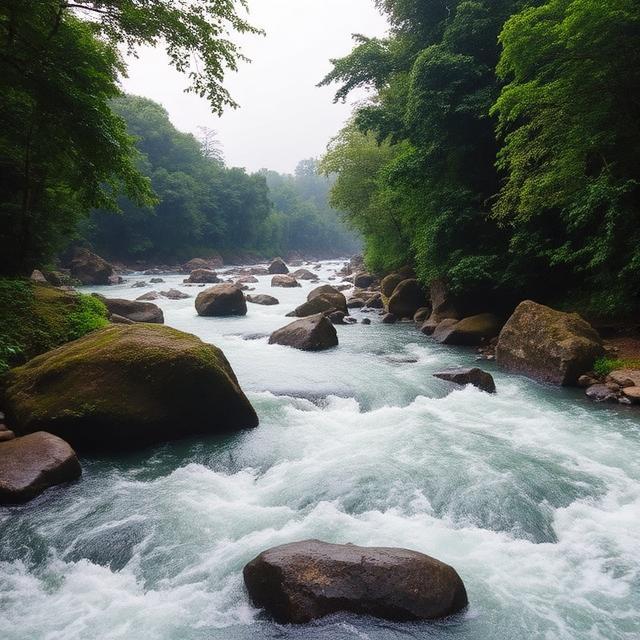
The Pacuare River is Costa Rica’s most famous whitewater river and one of the world’s classic tropical kayaking destinations. Flowing through deep rainforest canyons, the river features exciting rapids, waterfalls, jungle scenery, and incredible wildlife. The Pacuare combines technical Class III–IV whitewater with a remote wilderness atmosphere, making every descent feel like an expedition. Surrounded by tropical forests and steep canyon walls, it is considered one of the most beautiful rivers in the world for whitewater adventure.
Quick Facts: Location: Limón Province, Costa Rica | Difficulty: Class III–IV+ | River Type: Tropical Jungle River | Best Season: June–October & December–April
Where to Stay: Turrialba is the main base for paddlers, offering accommodations and access to river operators. Siquirres is another convenient option near the lower sections of the river, while many multi-day trips include riverside camping or eco-lodge stays.
Conclusion: Exploring the Ultimate Class V Kayaking Adventures
The world’s best Class V whitewater kayaking locations offer far more than extreme rapids—they provide opportunities to test technique, build experience, and explore some of the most spectacular wilderness areas on the planet. Rivers like the Stikine, Futaleufú, Zambezi, Green River Narrows, and Himalayan expedition runs have earned legendary status among advanced paddlers.
Before attempting any Class V river, kayakers should have strong Class IV skills, reliable rescue knowledge, advanced rolling ability, and experience with scouting and team safety. With the right preparation, these destinations represent the ultimate challenges and achievements in whitewater kayaking.
Frequently Asked Questions About Class V Whitewater Kayaking
What is Class V whitewater kayaking?
Class V whitewater kayaking involves navigating extremely difficult rapids with powerful currents, steep drops, technical maneuvers, unpredictable features, and significant hazards. It is considered an expert-level discipline requiring advanced skills and preparation.
What skills are needed for Class V kayaking?
Experienced Class V paddlers typically need:
- A strong combat roll
- Advanced river reading skills
- Precise boat control
- Experience running Class IV+ rapids
- Rescue and safety skills
- Ability to scout and evaluate difficult rapids
What is the hardest Class V kayaking river in the world?
The Stikine River in British Columbia, Canada, is often considered one of the hardest and most committing Class V expedition runs in the world because of its remoteness, volume, and limited rescue options.
Can beginners kayak Class V rapids?
No. Class V rapids are not suitable for beginners. Most paddlers progress through Class II, III, and IV rivers while developing technical skills, rescue experience, and confidence before attempting Class V.
What is the best country for Class V whitewater kayaking?
Canada and the United States are among the top destinations due to their large number of world-class rivers. Other premier locations include Chile, Nepal, Austria, Italy, Slovenia, and Zambia/Zimbabwe.
What is the best time of year for Class V kayaking?
The ideal season depends on the river. Many North American runs are best during spring snowmelt or scheduled releases, while Himalayan rivers are often paddled during post-monsoon seasons and European Alpine rivers during summer melt periods.
Is Class V kayaking dangerous?
Yes. Class V kayaking carries significant risk due to strong currents, difficult rescues, cold water, underwater hazards, and remote locations. Proper training, equipment, planning, and experienced partners are essential.
Get smarter responses, upload files a


Leave a Reply