Colorado is one of the top whitewater kayaking destinations in the United States, offering a wide range of rivers, from beginner-friendly Class II runs to world-famous Class V challenges. With mountain scenery, fast-flowing rivers, and technical rapids, Colorado attracts paddlers from around the world. Popular kayaking locations include the Arkansas River, Gore Canyon, Upper Animas River, Clear Creek, and Cache la Poudre River, each offering unique experiences for different skill levels.
Whether you are looking for scenic river trips, advanced creek kayaking, or extreme Class V whitewater, Colorado has a destination for every experienced paddler.
Best Class V Whitewater in Northern Colorado
Northern Colorado is a premier destination for advanced whitewater kayaking, combining high-elevation rivers, steep canyon runs, and technical Class V challenges. The region benefits from Rocky Mountain snowmelt, creating powerful seasonal flows and exciting rapids. The area offers both accessible roadside runs and remote creek adventures for experienced paddlers. With dramatic mountain scenery and a strong paddling community, Northern Colorado remains one of the best places to kayak in the American West.
Cache la Poudre River — Fort Collins
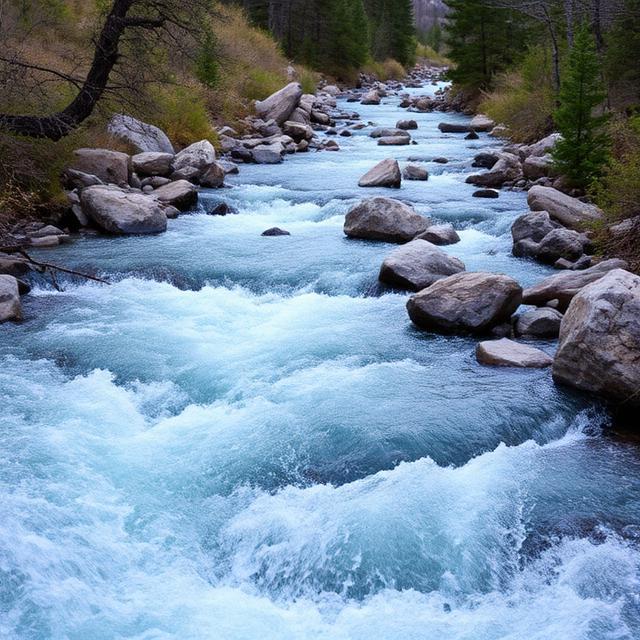
The Cache la Poudre River is Colorado’s first federally designated Wild and Scenic River and one of the state’s most famous whitewater destinations. The river features technical Class IV and V sections with steep drops, fast currents, and challenging canyon rapids. Advanced paddlers are drawn to its combination of continuous whitewater, granite features, and beautiful Rocky Mountain scenery. Its accessibility from Fort Collins makes it one of Colorado’s most popular expert kayaking rivers.
Quick Facts: Location: Poudre Canyon, Northern Colorado, USA | Difficulty: Class IV–V | River Type: Mountain Canyon River | Best Season: May–July
Where to Stay: Fort Collins is the main base, offering hotels, restaurants, and outdoor services. Rustic and Bellvue provide closer access to Poudre Canyon sections.
Poudre Canyon — Fort Collins / Rustic
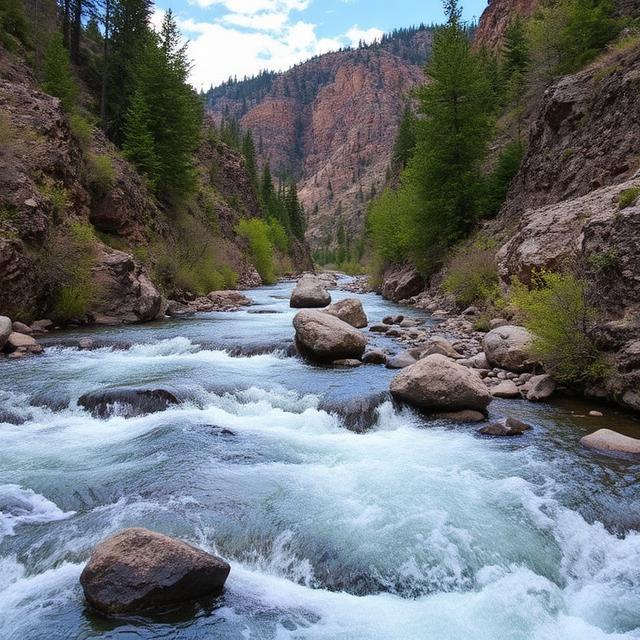
Poudre Canyon is the heart of Northern Colorado whitewater kayaking, offering some of the region’s most challenging and scenic river sections. The canyon contains multiple technical rapids, steep drops, and powerful features that require advanced paddling skills. Surrounded by granite cliffs and forested mountains, the canyon provides a classic Colorado adventure setting. Experienced kayakers visit Poudre Canyon for its variety of Class IV and Class V challenges.
Quick Facts: Location: Poudre Canyon, Colorado, USA | Difficulty: Class IV–V | River Type: Technical Canyon Whitewater | Best Season: Late Spring–Summer
Where to Stay: Rustic is the closest mountain community, while Fort Collins provides the largest selection of lodging, restaurants, and supplies.
Mishawaka Falls — Poudre River

Mishawaka Falls is one of the most recognizable technical features on the Cache la Poudre River, known for its steep drop, powerful hydraulics, and demanding Class V character. The falls require precise line selection, strong boat control, and confidence from advanced paddlers. Its dramatic setting and reputation make it a benchmark feature on the Poudre. The surrounding canyon scenery adds to the experience of this iconic Colorado whitewater location.
Quick Facts: Location: Poudre River, Northern Colorado, USA | Difficulty: Class V | River Type: Technical Falls & Canyon Rapid | Best Season: Late Spring–Summer
Where to Stay: Fort Collins and Rustic are the best bases, providing access to the Poudre River corridor and nearby accommodations.
Big Thompson River — Estes Park

The Big Thompson River near Estes Park offers technical mountain whitewater surrounded by the dramatic scenery of Rocky Mountain National Park. The river features steep sections, narrow channels, and challenging rapids that appeal to experienced paddlers when conditions are suitable. Its high-gradient mountain character creates demanding lines and fast decision-making. The combination of technical whitewater and alpine scenery makes it a memorable Northern Colorado kayaking destination.
Quick Facts: Location: Estes Park, Colorado, USA | Difficulty: Class IV–V | River Type: Alpine Creek & Mountain River | Best Season: Spring–Early Summer
Where to Stay: Estes Park is the closest base with hotels, restaurants, and outdoor services. Loveland and Fort Collins provide additional lodging options for exploring the region.
Central Colorado Class V Whitewater Kayaking
Central Colorado is one of the most iconic whitewater kayaking regions in the Rocky Mountains, offering powerful rivers, steep canyon runs, and technical alpine paddling. The area is centered around the Arkansas River, one of the most commercially and recreationally important whitewater rivers in the United States. Snowmelt-driven flows create exciting seasonal conditions, with challenging rapids, big waves, and technical features for experienced kayakers. Surrounded by the Collegiate Peaks and high desert landscapes, Central Colorado combines world-class whitewater with spectacular mountain scenery.
Arkansas River
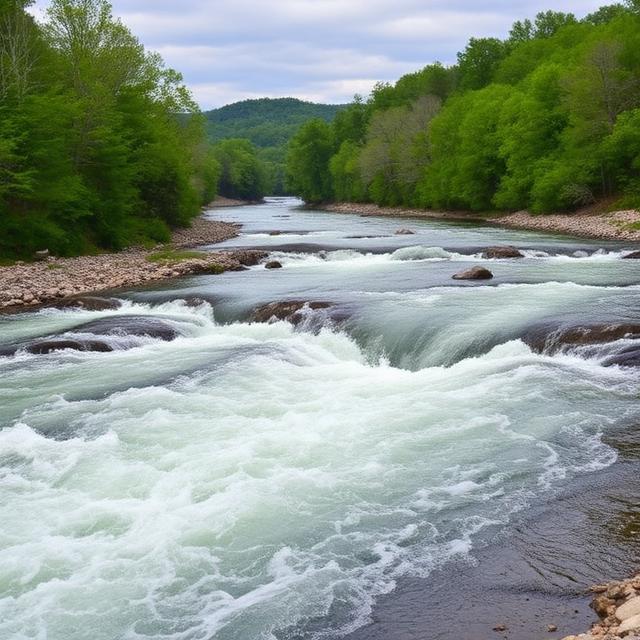
The Arkansas River is one of Colorado’s most famous whitewater kayaking destinations, known for its long season, diverse sections, and dramatic mountain scenery. The river offers everything from beginner-friendly stretches to demanding Class V rapids for expert paddlers. Its high-volume flows, continuous rapids, and accessible canyon sections make it a favorite among Colorado kayakers. The Arkansas River corridor provides a wide range of challenges and remains one of the state’s premier whitewater destinations.
Quick Facts: Location: Central Colorado, USA | Difficulty: Class II–V | River Type: High-Volume Mountain River | Best Season: May–August
Where to Stay: Buena Vista and Salida are the primary bases, offering lodging, restaurants, rafting companies, and easy access to river sections.
Arkansas River — Buena Vista

The Arkansas River near Buena Vista contains some of Colorado’s best-known whitewater, including technical rapids, steep canyon sections, and powerful seasonal flows. Advanced paddlers can find challenging Class IV and V features while enjoying views of the surrounding Collegiate Peaks. The river combines accessible roadside sections with demanding whitewater challenges. Its combination of quality rapids and excellent infrastructure makes Buena Vista a top destination for serious kayakers.
Quick Facts: Location: Buena Vista, Colorado, USA | Difficulty: Class III–V | River Type: Alpine Canyon River | Best Season: May–August
Where to Stay: Buena Vista is the ideal base with hotels, cabins, campgrounds, restaurants, and outdoor shops close to the river.
Numbers Section — Buena Vista

The Numbers Section is one of Colorado’s most famous expert whitewater runs, known for continuous technical rapids and fast-paced paddling. This stretch features steep drops, tight lines, powerful hydraulics, and demanding Class IV–V whitewater. The run requires strong boat control, quick decision-making, and experience with technical river features. It is considered one of the classic benchmark sections for advanced Colorado kayakers.
Quick Facts: Location: Arkansas River near Buena Vista, Colorado, USA | Difficulty: Class IV–V | River Type: Technical Rocky Mountain River | Best Season: May–July
Where to Stay: Buena Vista is the closest town, offering lodging, food, gear shops, and quick access to the river corridor.
Pine Creek — Arkansas River
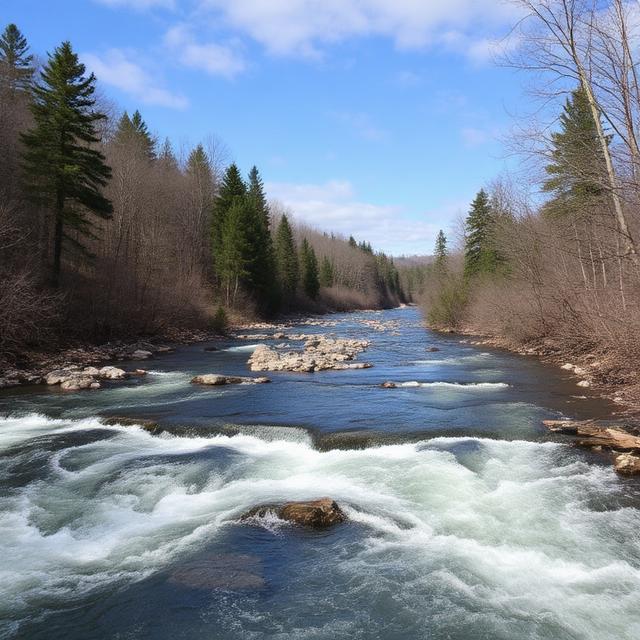
Pine Creek is one of the most respected expert sections of the Arkansas River, famous for its steep gradient, powerful rapids, and technical challenges. The run features large hydraulics, fast currents, and complex lines that demand advanced kayaking skills. When flows are right, Pine Creek provides one of Colorado’s most exciting high-level whitewater experiences. Its combination of difficulty and scenery makes it a legendary destination among expert paddlers.
Quick Facts: Location: Arkansas River Canyon, Colorado, USA | Difficulty: Class IV–V | River Type: Steep Canyon Whitewater | Best Season: Late Spring–Summer
Where to Stay: Buena Vista and Salida are the best bases, providing accommodations, supplies, and access to the Arkansas River corridor.
Browns Canyon — Buena Vista
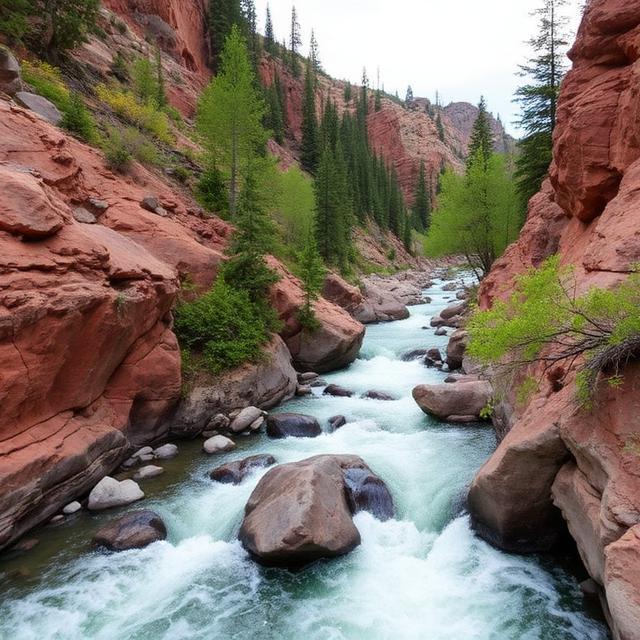
Browns Canyon is one of Colorado’s most famous whitewater areas, combining scenic granite cliffs, wildlife habitat, and exciting river features. The canyon offers sections ranging from intermediate rapids to challenging Class IV whitewater for advanced paddlers. Its clear mountain water, dramatic landscapes, and consistent flows make it a favorite among both recreational and expert kayakers. Browns Canyon is a signature Colorado river destination with a perfect mix of adventure and scenery.
Quick Facts: Location: Arkansas River near Buena Vista, Colorado, USA | Difficulty: Class III–IV+ | River Type: Granite Canyon River | Best Season: May–August
Where to Stay: Buena Vista is the closest base, with Salida offering additional hotels, restaurants, and river access.
Arkansas Headwaters — Leadville / Buena Vista
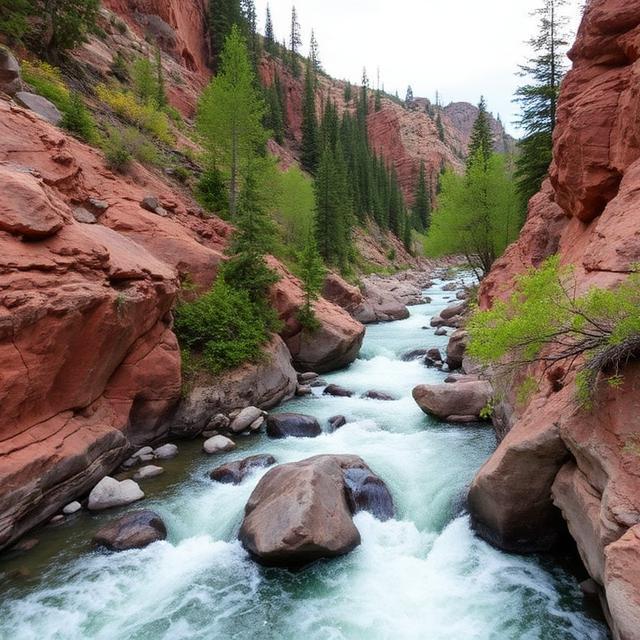
The Arkansas Headwaters region covers one of Colorado’s most important river corridors, stretching from the high mountains near Leadville through major paddling areas toward Buena Vista and Salida. The area includes a variety of whitewater environments, from alpine sections to technical canyon runs. Experienced kayakers can find challenging rapids while enjoying some of the state’s most spectacular mountain scenery. The combination of accessibility, river variety, and consistent flows makes the Arkansas Headwaters a world-class paddling destination.
Quick Facts: Location: Leadville to Buena Vista, Colorado, USA | Difficulty: Class III–V | River Type: Alpine River & Canyon Whitewater | Best Season: May–August
Where to Stay: Leadville, Buena Vista, and Salida provide excellent bases with lodging, restaurants, camping, and access to multiple river sections.
Northwest Colorado Class V Whitewater Kayaking
Northwest Colorado is home to some of the state’s most iconic big-water and technical whitewater rivers, offering everything from narrow canyon runs to powerful high-volume rapids. Snowmelt from the Rocky Mountains feeds these rivers each spring and early summer, creating exciting conditions for experienced paddlers. The region combines dramatic canyons, remote wilderness, and challenging Class IV–V whitewater that attracts kayakers from around the world. With famous runs such as Gore Canyon and the Yampa River, Northwest Colorado remains one of the premier destinations for advanced whitewater kayaking.
Colorado River
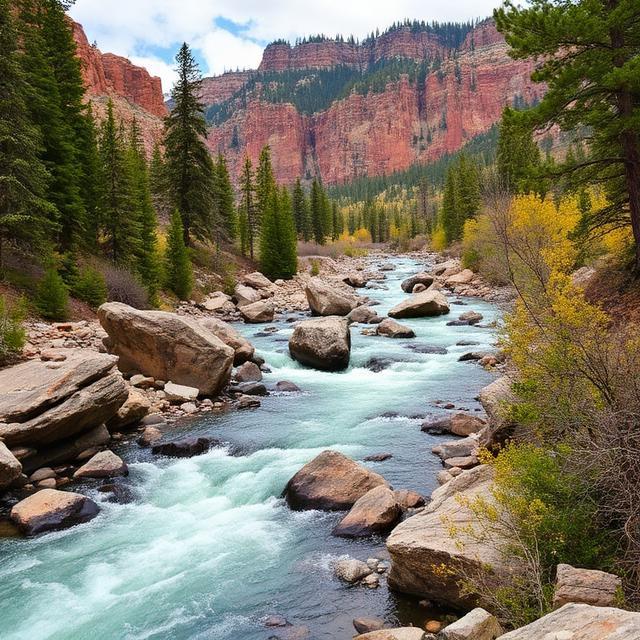
The Colorado River is one of North America’s most famous waterways and provides a variety of whitewater experiences across Colorado. In the northwest part of the state, the river features everything from scenic floating sections to demanding Class V canyon runs. Snowmelt creates strong seasonal flows that produce exciting rapids and technical challenges for experienced kayakers. Its combination of accessibility, powerful water, and spectacular canyon scenery makes the Colorado River a must-paddle destination.
Quick Facts: Location: Northwest Colorado, USA | Difficulty: Class II–V | River Type: High-Volume Mountain River | Best Season: May–July
Where to Stay: Kremmling, Glenwood Springs, and Silverthorne provide excellent accommodation, dining, and river access.
Colorado River — Kremmling
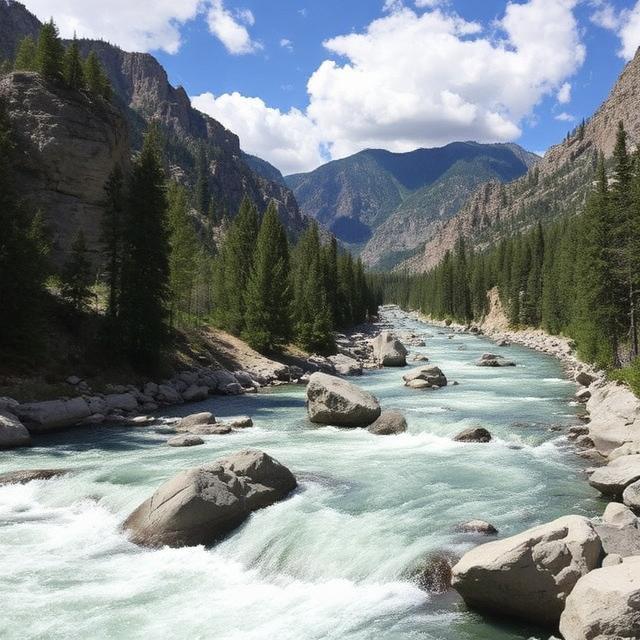
The Colorado River near Kremmling offers several exciting whitewater sections that range from scenic floats to challenging technical rapids. The river’s strong spring runoff creates fast-moving currents and powerful features that attract advanced paddlers. Surrounded by rugged canyon landscapes, this stretch provides a classic Rocky Mountain kayaking experience. It also serves as the gateway to the legendary Gore Canyon section downstream.
Quick Facts: Location: Kremmling, Colorado, USA | Difficulty: Class III–IV+ | River Type: High-Volume Mountain River | Best Season: May–July
Where to Stay: Kremmling is the ideal base, offering hotels, cabins, campgrounds, restaurants, and easy river access.
Gore Canyon — Kremmling
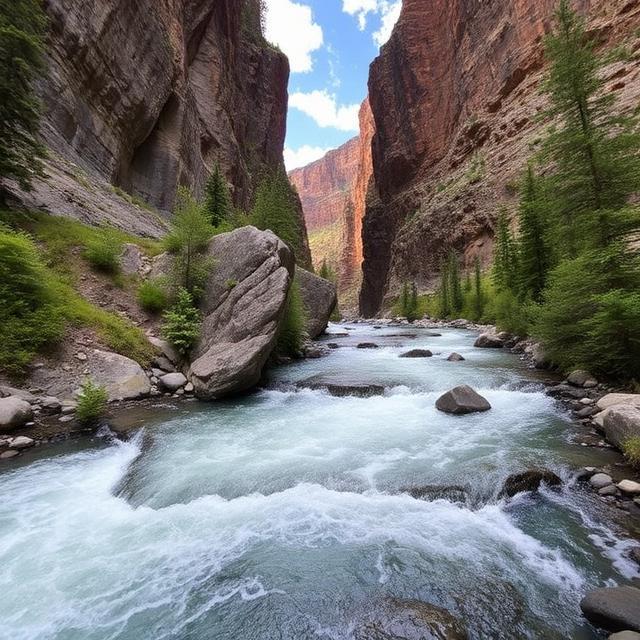
Gore Canyon is one of Colorado’s most famous Class V whitewater runs, known for its powerful rapids, narrow granite canyon, and demanding technical features. Legendary rapids such as Gore Rapid and Tunnel Falls require precise boat control, expert skills, and careful scouting. The canyon’s continuous whitewater and remote setting make it a true test for experienced paddlers. Gore Canyon is widely regarded as one of the premier expert kayaking destinations in North America.
Quick Facts: Location: Colorado River near Kremmling, Colorado, USA | Difficulty: Class V | River Type: Granite Canyon River | Best Season: May–June
Where to Stay: Kremmling is the closest paddling base, while Silverthorne offers additional lodging, restaurants, and outdoor services within easy driving distance.
Yampa River — Steamboat Springs

The Yampa River is one of the last major free-flowing rivers in the Colorado River Basin and offers exciting whitewater surrounded by beautiful mountain scenery. Near Steamboat Springs, paddlers enjoy technical rapids, fast currents, and reliable spring runoff. The river combines recreational sections with more demanding whitewater suitable for experienced kayakers. Its natural character and scenic setting make it one of Colorado’s most enjoyable river destinations.
Quick Facts: Location: Steamboat Springs, Colorado, USA | Difficulty: Class III–IV+ | River Type: Free-Flowing Mountain River | Best Season: May–June
Where to Stay: Steamboat Springs offers the best selection of hotels, vacation rentals, restaurants, and outdoor outfitters close to the river.
Elk River — Steamboat Springs
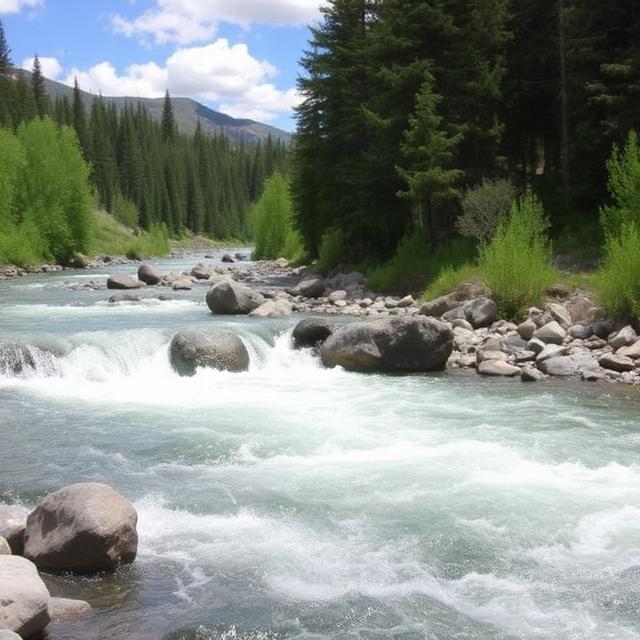
The Elk River is a scenic mountain river that provides technical whitewater during the spring snowmelt season. Its steep gradient, rocky channels, and swift current create challenging conditions for skilled paddlers. The river flows through forests and open valleys, offering a quieter alternative to some of Colorado’s more heavily paddled rivers. High water conditions can transform the Elk River into an exciting advanced kayaking destination.
Quick Facts: Location: Steamboat Springs, Colorado, USA | Difficulty: Class IV–V | River Type: Alpine Mountain River | Best Season: May–June
Where to Stay: Steamboat Springs is the ideal base, providing accommodations, restaurants, outdoor gear shops, and convenient access to the river.
Roaring Fork River — Glenwood Springs
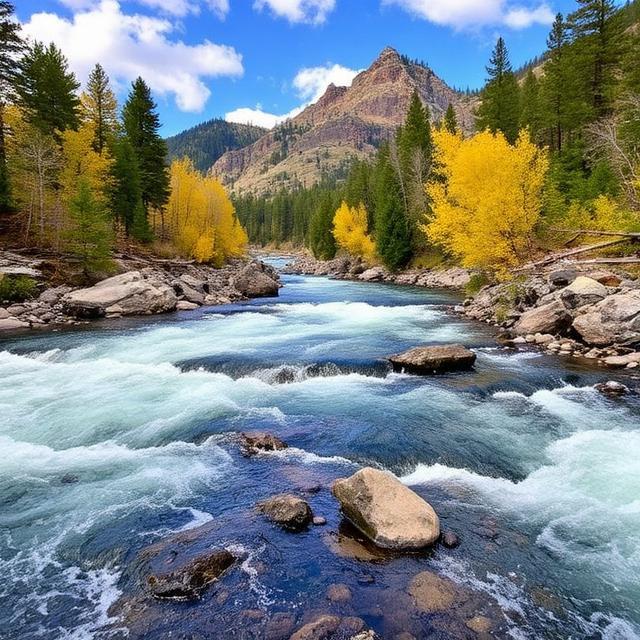
The Roaring Fork River is a fast-flowing Rocky Mountain river known for technical rapids, clear water, and beautiful alpine scenery. While many sections offer intermediate paddling, experienced kayakers can find more demanding Class IV and Class V stretches during peak runoff. The river’s combination of continuous rapids, cold mountain water, and excellent access makes it a favorite among Colorado paddlers. Its proximity to Glenwood Springs also allows visitors to combine kayaking with the area’s famous hot springs and outdoor recreation.
Quick Facts: Location: Glenwood Springs, Colorado, USA | Difficulty: Class III–V | River Type: Alpine River | Best Season: May–June
Where to Stay: Glenwood Springs is the best base, offering hotels, hot spring resorts, restaurants, campgrounds, and easy access to the Roaring Fork River.
Southwest Colorado Class V Whitewater Kayaking
Southwest Colorado is one of the state’s most spectacular whitewater regions, offering steep alpine rivers, remote canyons, and technical mountain creeks surrounded by the San Juan Mountains. Snowmelt from high elevations creates powerful seasonal flows that attract experienced kayakers seeking challenging Class IV and Class V whitewater. The region is known for its rugged landscapes, historic mining towns, and diverse river environments ranging from narrow creeks to high-volume rivers. With legendary runs on the Animas, San Miguel, and Dolores Rivers, Southwest Colorado is a must-visit destination for expert paddlers.
Upper Animas River — Silverton
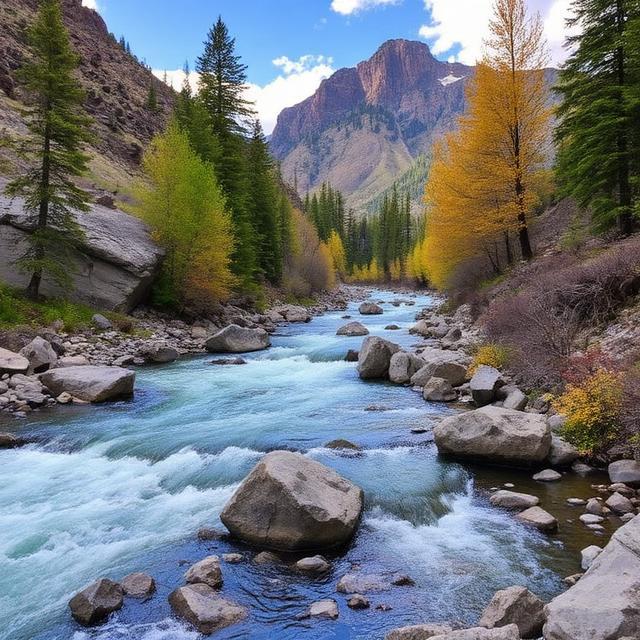
The Upper Animas River is one of Colorado’s premier expert whitewater runs, famous for its remote wilderness setting and continuous Class IV–V rapids. Accessible primarily by the historic Durango & Silverton Narrow Gauge Railroad, the river offers a true backcountry kayaking experience. Paddlers encounter powerful rapids, technical boulder gardens, and steep gradients surrounded by the rugged San Juan Mountains. Its combination of isolation, scenery, and challenging whitewater has made it one of North America’s most respected expert rivers.
Quick Facts: Location: Silverton, Colorado, USA | Difficulty: Class IV–V | River Type: Remote Alpine River | Best Season: May–June
Where to Stay: Silverton is the closest base, offering historic hotels, cabins, campgrounds, restaurants, and access to the Upper Animas corridor.
Animas River — Durango

The Animas River flows directly through Durango and provides a variety of whitewater experiences, from recreational rapids to advanced technical sections upstream. During spring runoff, the river becomes fast and powerful, attracting experienced kayakers looking for challenging mountain whitewater. Excellent river access, scenic surroundings, and a vibrant paddling community make Durango one of Colorado’s premier kayaking destinations. The Animas is also well known for hosting regional paddling events and competitions.
Quick Facts: Location: Durango, Colorado, USA | Difficulty: Class III–V | River Type: Alpine Mountain River | Best Season: May–June
Where to Stay: Durango offers the widest selection of hotels, campgrounds, restaurants, breweries, and outdoor outfitters close to the river.
San Miguel River — Telluride
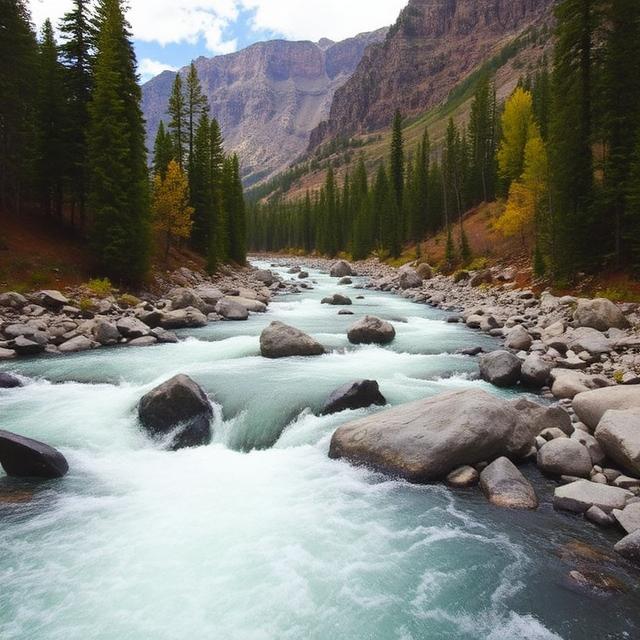
The San Miguel River is one of Colorado’s last free-flowing rivers, offering technical whitewater through beautiful mountain valleys and red rock canyons. The river features narrow channels, rocky rapids, and continuous Class IV sections with occasional Class V challenges at higher flows. Its natural setting and uncrowded character provide an outstanding experience for experienced paddlers. The nearby mountain town of Telluride adds to the appeal with excellent outdoor recreation and scenic beauty.
Quick Facts: Location: Telluride, Colorado, USA | Difficulty: Class III–V | River Type: Free-Flowing Mountain River | Best Season: May–June
Where to Stay: Telluride and Placerville offer convenient lodging, restaurants, and easy access to the San Miguel River.
Dolores River — Dolores
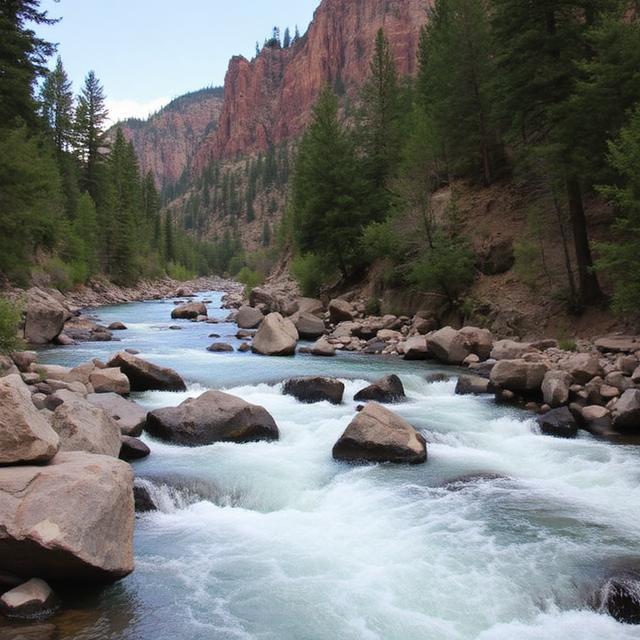
The Dolores River offers a unique whitewater experience that depends on seasonal releases and snowpack, making good flow years especially memorable. When conditions are favorable, paddlers enjoy scenic canyon sections, technical rapids, and remote wilderness landscapes. The river winds through striking red rock canyons, creating a setting unlike most other Colorado rivers. Because flows are not guaranteed every year, checking water conditions before planning a trip is essential.
Quick Facts: Location: Dolores, Colorado, USA | Difficulty: Class III–V | River Type: Canyon River | Best Season: Spring (during adequate runoff or managed releases)
Where to Stay: Dolores is the best base, offering lodging, campgrounds, restaurants, and convenient access to the river corridor. Cortez provides additional accommodations nearby.
Lower Animas River — Durango
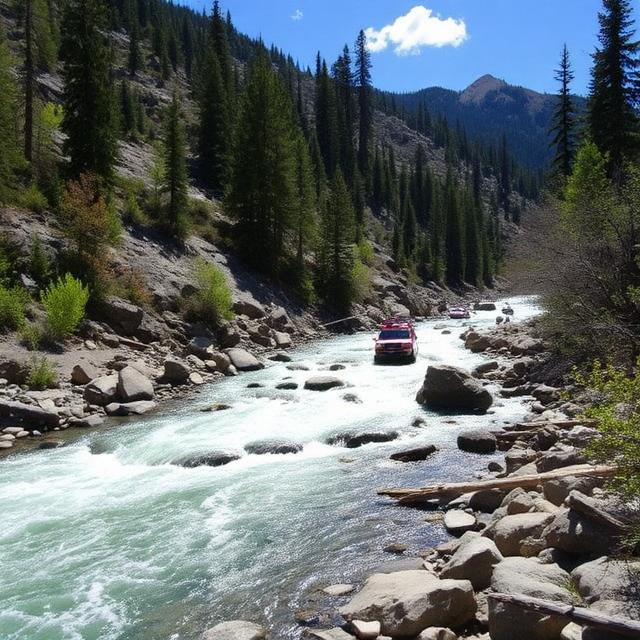
The Lower Animas River offers exciting whitewater downstream of Durango, featuring continuous rapids, swift currents, and scenic canyon landscapes. While much of the river provides intermediate paddling, higher spring flows create more challenging conditions for experienced kayakers. The combination of accessible river access, beautiful surroundings, and consistent seasonal runoff makes it a popular destination throughout the paddling season. It is an excellent complement to the more demanding Upper Animas sections.
Quick Facts: Location: Durango, Colorado, USA | Difficulty: Class III–IV+ | River Type: Mountain River | Best Season: May–July
Where to Stay: Durango is the ideal base, with numerous hotels, vacation rentals, campgrounds, restaurants, and outdoor gear shops within minutes of the river.
Denver & Front Range Class V Whitewater Kayaking
The Denver and Front Range region offers some of Colorado’s most accessible whitewater kayaking, with rivers flowing directly from the Rocky Mountains toward the plains. Although many sections cater to recreational paddlers, the area also features demanding Class IV and Class V runs with technical rapids, steep gradients, and continuous whitewater. Rivers such as Clear Creek and Boulder Creek become exciting destinations during spring snowmelt, attracting experienced kayakers from across the state. With easy access from Denver and nearby mountain towns, the Front Range is an excellent base for advanced paddling adventures.
Front Range Rivers
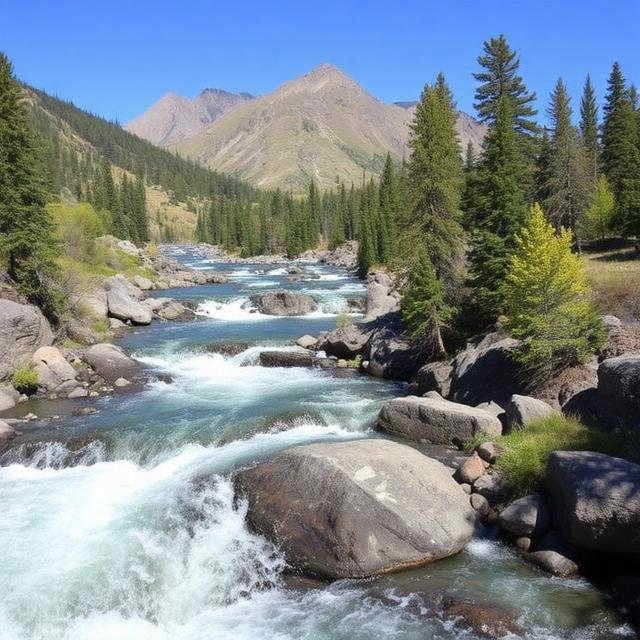
The rivers of Colorado’s Front Range provide a diverse mix of technical creeks, fast-flowing mountain streams, and engineered whitewater parks. Snowmelt from the Rockies creates reliable spring flows that transform these rivers into exciting paddling destinations. The close proximity to Denver makes the region especially popular for day trips and weekend kayaking adventures. From natural canyon runs to play parks, the Front Range offers something for every experienced whitewater paddler.
Quick Facts: Location: Front Range, Colorado, USA | Difficulty: Class II–V | River Type: Mountain Rivers & Technical Creeks | Best Season: May–July
Where to Stay: Golden, Idaho Springs, Boulder, and Denver provide the best accommodations, restaurants, and easy access to Front Range rivers.
Clear Creek — Idaho Springs

Clear Creek is one of Colorado’s most popular whitewater rivers, offering fast-moving rapids, narrow channels, and technical mountain paddling. Flowing through the historic town of Idaho Springs, the river features several exciting sections ranging from beginner-friendly water to demanding Class V rapids. The creek’s continuous gradient and rocky features require quick decision-making and precise boat control. Its accessibility from Denver makes it one of the state’s busiest and most recognized kayaking destinations.
Quick Facts: Location: Idaho Springs, Colorado, USA | Difficulty: Class III–V | River Type: Mountain Creek | Best Season: May–June
Where to Stay: Idaho Springs is the ideal base, offering hotels, cabins, restaurants, and outdoor gear shops just minutes from the river.
Upper Clear Creek — Idaho Springs
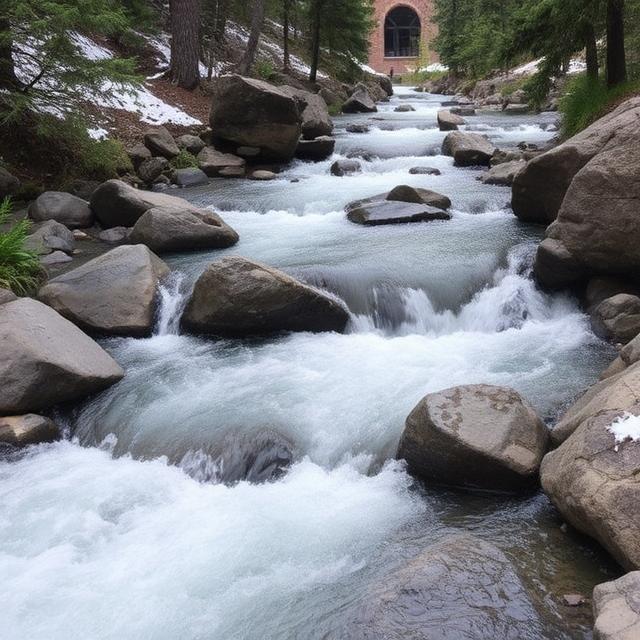
Upper Clear Creek is known for its steep gradient, narrow channels, and technical Class IV–V whitewater. The river features continuous rapids, rocky drops, and swift currents that demand advanced kayaking skills and careful line selection. During peak runoff, the creek becomes a challenging destination for expert paddlers seeking fast-paced mountain whitewater. Its rugged canyon scenery and exciting rapids make it one of the Front Range’s premier advanced runs.
Quick Facts: Location: Upper Clear Creek, Idaho Springs, Colorado, USA | Difficulty: Class IV–V | River Type: Steep Mountain Creek | Best Season: May–June
Where to Stay: Idaho Springs provides the closest lodging, restaurants, and easy access to the Upper Clear Creek corridor.
Clear Creek Whitewater Park — Golden
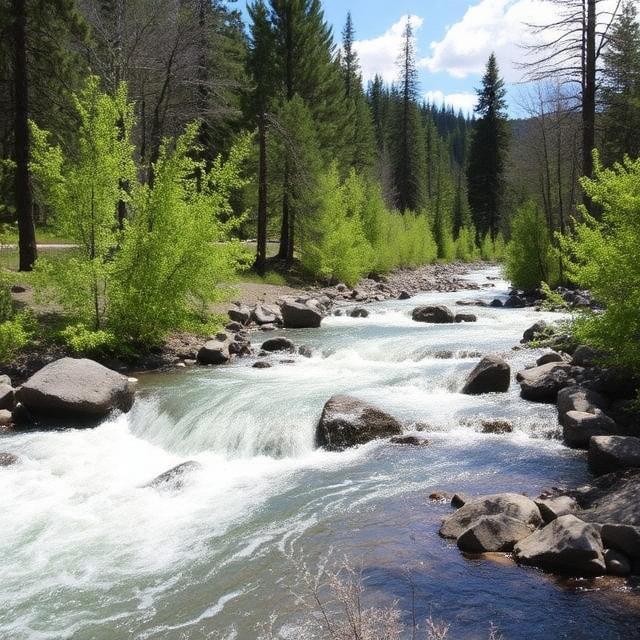
Clear Creek Whitewater Park in Golden is one of Colorado’s best-known artificial whitewater parks, designed for kayaking, surfing, and paddle sports. The engineered features create consistent waves, eddies, and rapids that allow paddlers to practice technical skills in a controlled environment. During higher flows, the park provides exciting challenges for advanced kayakers while remaining easily accessible from Denver. It also hosts competitions, paddling festivals, and instructional programs throughout the season.
Quick Facts: Location: Golden, Colorado, USA | Difficulty: Class II–IV+ | River Type: Engineered Whitewater Park | Best Season: May–August
Where to Stay: Golden is the best base, offering hotels, restaurants, breweries, and convenient walking access to the whitewater park.
Boulder Creek — Boulder

Boulder Creek is a fast-flowing mountain stream that offers technical whitewater through the city of Boulder and nearby canyon sections. Spring snowmelt creates swift currents, rocky rapids, and narrow channels that challenge experienced paddlers. The creek combines natural mountain scenery with the convenience of an urban paddling destination. Its proximity to Boulder makes it a popular training and recreation river for Front Range kayakers.
Quick Facts: Location: Boulder, Colorado, USA | Difficulty: Class III–V | River Type: Mountain Creek | Best Season: May–June
Where to Stay: Boulder offers a wide range of hotels, restaurants, outdoor outfitters, and easy access to Boulder Creek.
South Platte River — Denver

The South Platte River flows through the Denver metropolitan area and offers a mix of recreational paddling, urban whitewater features, and scenic river access. While much of the river is suitable for intermediate paddlers, certain sections and higher spring flows create more technical challenges for experienced kayakers. The river’s accessibility, parks, and improving whitewater infrastructure have made it an important destination for local paddling. It also serves as a convenient training river for Front Range kayakers.
Quick Facts: Location: Denver, Colorado, USA | Difficulty: Class II–IV+ | River Type: Urban River | Best Season: May–July
Where to Stay: Denver provides the largest selection of hotels, restaurants, outdoor shops, and transportation, with quick access to the South Platte River and nearby mountain paddling destinations.
Aspen & Western Colorado Class V Whitewater Kayaking
Aspen and Western Colorado offer outstanding whitewater kayaking opportunities with glacier-fed rivers, steep mountain creeks, and scenic alpine valleys. Fed by snowmelt from the Elk Mountains and surrounding Rocky Mountain peaks, the region produces exciting spring and early summer flows that attract experienced paddlers. The rivers combine technical rapids, continuous gradients, and spectacular mountain scenery, making them favorites among advanced kayakers. From the Crystal River to the Roaring Fork, Western Colorado provides a rewarding mix of challenging whitewater and beautiful landscapes.
Quick Facts: Location: Western Colorado, USA | Difficulty: Class III–V | River Type: Alpine Rivers, Mountain Creeks & Snowmelt Whitewater | Best Season: May–June
Where to Stay: Aspen, Carbondale, Basalt, and Glenwood Springs are the primary paddling hubs, offering hotels, campgrounds, restaurants, outdoor outfitters, and convenient access to nearby rivers.
Aspen & Western Colorado Rivers
The rivers of Aspen and Western Colorado flow through some of the state’s most scenic mountain landscapes, providing a combination of technical whitewater and breathtaking alpine views. Spring snowmelt transforms these waterways into fast-moving rivers with rocky rapids, narrow channels, and continuous challenges for skilled paddlers. The region offers both roadside access and quieter mountain settings, making it ideal for day trips and extended kayaking adventures. Its strong paddling culture and excellent infrastructure make Western Colorado one of the state’s top whitewater destinations.
Crystal River — Aspen / Carbondale
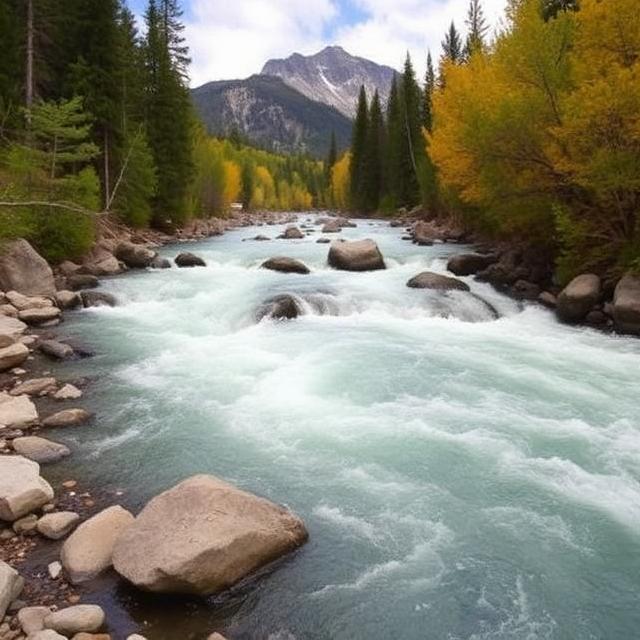
The Crystal River is one of Western Colorado’s most scenic mountain rivers, flowing through a beautiful valley between Aspen and Carbondale. During spring runoff, the river features fast-moving currents, technical rapids, and rocky channels that provide exciting challenges for experienced kayakers. The combination of crystal-clear water, forested mountains, and rugged canyon scenery creates an unforgettable paddling experience. Its changing water levels make it a rewarding destination for advanced paddlers during peak snowmelt.
Quick Facts: Location: Crystal River Valley, Colorado, USA | Difficulty: Class III–V | River Type: Alpine Mountain River | Best Season: May–June
Where to Stay: Carbondale is the most convenient base, while Aspen offers additional hotels, restaurants, and outdoor recreation opportunities nearby.
Upper Roaring Fork River — Aspen

The Upper Roaring Fork River offers technical mountain whitewater flowing through the scenic valleys surrounding Aspen. The river features swift currents, rocky rapids, and narrow sections that require precise boat handling during spring runoff. Snowmelt from the surrounding peaks creates exciting seasonal conditions for experienced kayakers. Combined with spectacular alpine scenery, the Upper Roaring Fork provides one of Western Colorado’s premier mountain paddling experiences.
Quick Facts: Location: Aspen, Colorado, USA | Difficulty: Class IV–V | River Type: Alpine Mountain River | Best Season: May–June
Where to Stay: Aspen is the ideal base, offering luxury hotels, lodges, restaurants, and outdoor outfitters with quick access to the river.
Roaring Fork River — Carbondale
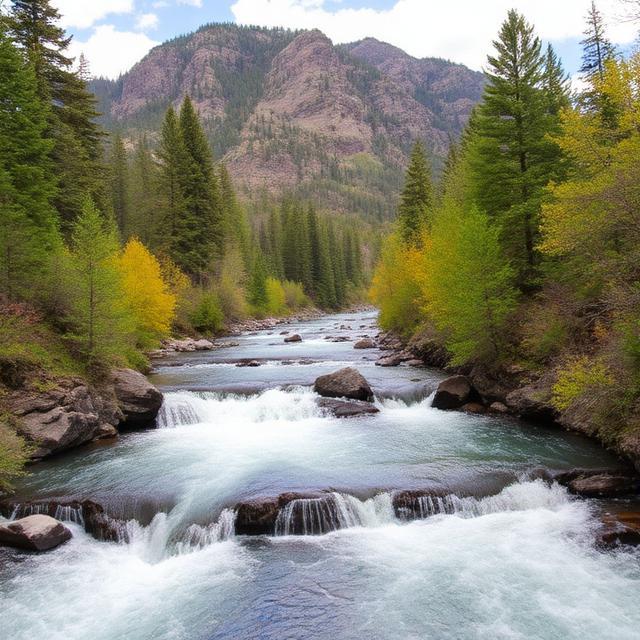
The Roaring Fork River near Carbondale is a classic Colorado whitewater destination featuring continuous rapids, clear mountain water, and beautiful canyon scenery. While many stretches provide enjoyable intermediate paddling, higher spring flows create more demanding Class IV and occasional Class V conditions for experienced kayakers. The river’s excellent access and varied sections make it popular with both local paddlers and visiting whitewater enthusiasts. Its location between Aspen and Glenwood Springs allows easy access to several of Western Colorado’s best rivers.
Quick Facts: Location: Carbondale, Colorado, USA | Difficulty: Class III–V | River Type: Alpine River | Best Season: May–June
Where to Stay: Carbondale is the best base for river access, while Glenwood Springs and Aspen provide additional accommodations, restaurants, and outdoor services nearby.
Conclusion
Colorado’s whitewater kayaking destinations provide some of the most diverse and exciting river experiences in the country. From the accessible runs near Denver and Fort Collins to legendary expert sections like Gore Canyon and Upper Animas, the state offers unforgettable opportunities for whitewater enthusiasts.
Choosing the right river depends on your skill level, experience, and the season. Beginners can enjoy calmer sections, while advanced kayakers can test their skills on Colorado’s challenging Class IV and Class V rapids.
Frequently Asked Questions (FAQ)
What are the best whitewater kayaking destinations in Colorado?
The best whitewater kayaking destinations in Colorado include the Arkansas River, Gore Canyon, Upper Animas River, Cache la Poudre River, Clear Creek, and Roaring Fork River.
Where is the best Class V whitewater kayaking in Colorado?
Gore Canyon on the Colorado River and Upper Animas River near Silverton are considered two of the best Class V whitewater kayaking destinations in Colorado.
What is the hardest whitewater kayaking river in Colorado?
Gore Canyon is often considered one of Colorado’s most difficult and technical whitewater kayaking runs, with steep drops, powerful rapids, and challenging conditions.
Is Colorado good for beginner whitewater kayaking?
Yes. Colorado has many beginner-friendly areas, including Clear Creek Whitewater Park, Lower Animas River, and easier sections of the Arkansas River.
What months are best for whitewater kayaking in Colorado?
The best kayaking season is usually late spring through summer, when snowmelt increases river flows. Some rivers continue into early fall depending on water levels.
What rivers in Colorado have Class V rapids?
Colorado rivers with Class V sections include Gore Canyon, Upper Animas River, Pine Creek on the Arkansas River, Numbers Section, Upper Clear Creek, and parts of the Poudre River.
Do you need experience for Class V kayaking in Colorado?
Yes. Class V whitewater requires advanced skills, strong river-reading ability, rescue training, and experience with difficult rapids.
Where can beginners learn whitewater kayaking in Colorado?
Beginners can start at locations such as Clear Creek Whitewater Park, Lower Animas River, and guided sections of the Arkansas River.
What is the most popular kayaking river in Colorado?
The Arkansas River is one of the most popular whitewater kayaking rivers in Colorado because it offers multiple sections for beginner, intermediate, and advanced paddlers.
Can you kayak in Colorado year-round?
Most whitewater kayaking occurs during the warmer months. Winter conditions, cold water, and low flows limit many river sections.


Leave a Reply