The Japanese Alps are one of Japan’s most spectacular mountain regions, with towering peaks, deep gorges, forested valleys, and fast-flowing rivers cutting through some of the country’s wildest terrain. While Japan may be better known for skiing, hiking, and climbing, its mountain rivers also offer challenging whitewater for experienced kayakers willing to explore beyond the better-known tourist routes.
From the rugged rivers of Gifu and Nagano to remote Alpine gorges and steep tributaries, the region provides an unusual combination of technical paddling and dramatic mountain scenery. Water levels can change quickly with rainfall and snowmelt, making river conditions an important consideration for advanced paddlers.
This guide highlights 15 extreme whitewater kayaking destinations and runs associated with the Japanese Alps, with an emphasis on technical terrain, remote settings, and expert-level adventure. Difficulty ratings can vary by section and water level, so paddlers should verify current conditions and local river classifications before attempting any run.
Best Class V Whitewater Kayaking in Gifu Prefecture — Hida Region
Hida River

The Hida River flows through the rugged mountains of Gifu Prefecture, surrounded by steep forested valleys and dramatic alpine scenery. Its more difficult sections can produce powerful currents, technical rapids, and challenging lines during higher seasonal flows. The combination of gradient, changing water levels, and narrow mountain terrain makes certain sections appropriate only for highly experienced whitewater paddlers. The remote Hida landscape adds a wilderness character to the kayaking experience, with traditional mountain communities and scenic valleys nearby.
Quick Facts: Location: Hida, Gifu Prefecture, Japan | Difficulty: Class IV–V depending on section and water level | River Type: Mountain River | Best Season: Spring–early summer (Snowmelt Season)
Where to Stay: Hida-Furukawa provides a convenient base for exploring the Hida region, with traditional accommodations, restaurants, and access to surrounding mountain areas. Takayama offers a larger selection of hotels, guesthouses, restaurants, and outdoor services and can serve as a regional base for river trips.
Miyagawa River
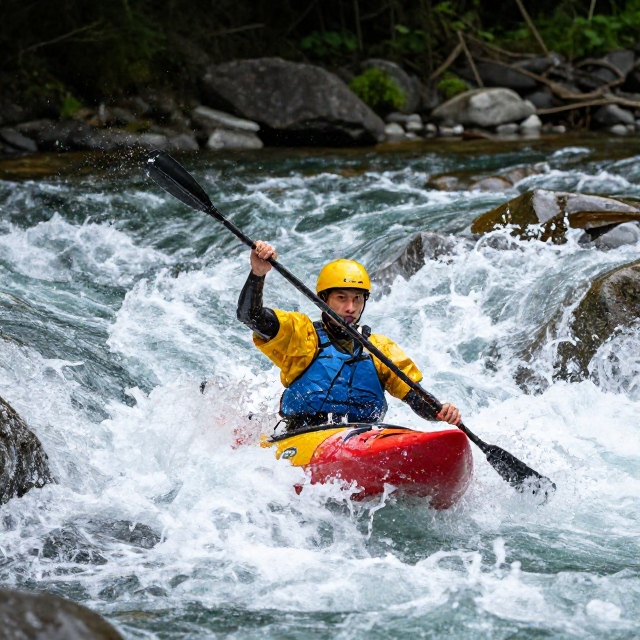
The Miyagawa River runs through the mountainous Hida region before continuing south toward Gifu’s larger river systems. Its upper sections feature steep valleys, forested mountains, and fast-moving alpine water that can become particularly demanding during periods of high flow. Experienced kayakers may find technical whitewater and powerful rapids on suitable sections, although conditions vary significantly along the river. The surrounding scenery combines rugged Japanese mountains with historic villages and rural landscapes.
Quick Facts: Location: Hida, Gifu Prefecture, Japan | Difficulty: Class IV–V depending on section and flow | River Type: Mountain / Alpine River | Best Season: Spring–early summer
Where to Stay: Hida-Furukawa is a practical base for exploring the northern Miyagawa valley, with traditional Japanese inns, restaurants, and local services. Takayama provides more extensive accommodation and dining options and is useful for paddlers combining kayaking with exploration of the Hida mountains.
Takahara River

The Takahara River flows through a remote mountain landscape characterized by steep wooded slopes, narrow valleys, and rugged terrain. Sections with sufficient seasonal flow can develop fast currents, technical rapids, and demanding whitewater for experienced paddlers. Its relatively wild surroundings give the river a secluded character compared with more developed kayaking destinations in Japan. Water levels should be checked carefully because the character and difficulty of mountain rivers can change considerably with rainfall and snowmelt.
Quick Facts: Location: Hida, Gifu Prefecture, Japan | Difficulty: Class IV–V depending on section and conditions | River Type: Mountain River | Best Season: Spring–early summer
Where to Stay: Hida-Furukawa and Takayama are the most practical bases for exploring this part of Gifu Prefecture. Takayama offers the broadest selection of hotels, traditional inns, restaurants, and transportation connections for paddlers traveling through the Hida region.
Shokawa River
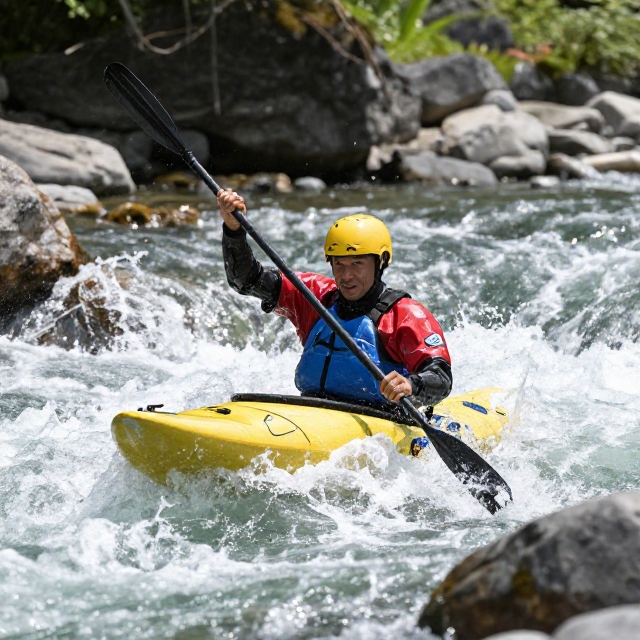
The Shokawa River winds through the mountainous countryside of Gifu Prefecture, passing through heavily forested valleys and rugged terrain. Seasonal snowmelt and rainfall can increase the river’s volume, creating faster currents and more challenging rapids on suitable sections. Advanced paddlers looking for remote Japanese whitewater can find an appealing combination of mountain scenery and technical river conditions here. As with other alpine rivers in the region, individual sections should be evaluated carefully because difficulty changes with water level.
Quick Facts: Location: Takayama, Gifu Prefecture, Japan | Difficulty: Class IV–V depending on section and flow | River Type: Mountain River | Best Season: Spring–early summer
Where to Stay: Takayama is the primary base for exploring the Shokawa River area, with numerous hotels, ryokan, restaurants, and transportation options. Shirakawa-go can also be used as a scenic base for exploring the surrounding northern Gifu mountains, particularly for travelers combining kayaking with sightseeing.
Maze River

The Maze River flows through the mountainous area around Gero, passing through forested valleys and rugged countryside. Its mountain character and seasonal flows can create challenging whitewater on appropriate sections, particularly when water levels are elevated. The river provides an opportunity to combine an advanced kayaking adventure with the hot-spring culture for which Gero is famous. Paddlers should research specific sections, access points, hazards, and current conditions before attempting difficult whitewater.
Quick Facts: Location: Gero, Gifu Prefecture, Japan | Difficulty: Class IV–V depending on section and water level | River Type: Mountain River | Best Season: Spring–early summer
Where to Stay: Gero Onsen is the most distinctive base, offering traditional ryokan, hot springs, restaurants, and lodging throughout the valley. Takayama is another option for paddlers building a longer Hida-region itinerary and provides a larger selection of accommodations and outdoor services.
Best Class V Whitewater Kayaking in Nagano Prefecture — Northern Japanese Alps
Azusa River — Matsumoto / Kamikochi, Nagano

The Azusa River flows through the spectacular Northern Japanese Alps, beginning in the high mountain landscape around Kamikochi before continuing toward Matsumoto. Towering peaks, dense forests, and narrow alpine valleys surround the river, creating a dramatic setting for whitewater kayaking. Higher seasonal flows can produce fast currents, technical rapids, and challenging river features on suitable sections. Experienced paddlers can combine a river adventure with exploration of one of Japan’s most famous alpine valleys.
Quick Facts: Location: Matsumoto / Kamikochi, Nagano, Japan | Difficulty: Class IV–V depending on section and flow | River Type: Alpine Mountain River | Best Season: Spring–early summer (Snowmelt Season)
Where to Stay: Matsumoto is the main base, offering hotels, ryokan, restaurants, and transportation into the Northern Alps. Kamikochi provides closer access to the upper river and alpine valleys, with seasonal mountain lodges and hotels.
Sai River — Azumino, Nagano

The Sai River flows through the Azumino area beneath the towering peaks of the Northern Japanese Alps. Its surrounding landscape combines mountain forests, agricultural valleys, and spectacular views toward the high alpine ridges. Seasonal snowmelt and rainfall can increase flows and create faster, more technical conditions on appropriate sections. Experienced kayakers exploring Nagano’s river systems can include the Sai as part of a larger Northern Alps itinerary.
Quick Facts: Location: Azumino, Nagano, Japan | Difficulty: Class IV–V depending on section and flow | River Type: Alpine Mountain River | Best Season: Spring–early summer
Where to Stay: Azumino offers ryokan, hotels, restaurants, and easy access to the surrounding Northern Alps. Matsumoto is another convenient base with a larger selection of accommodations and transportation connections.
Takase River — Omachi, Nagano
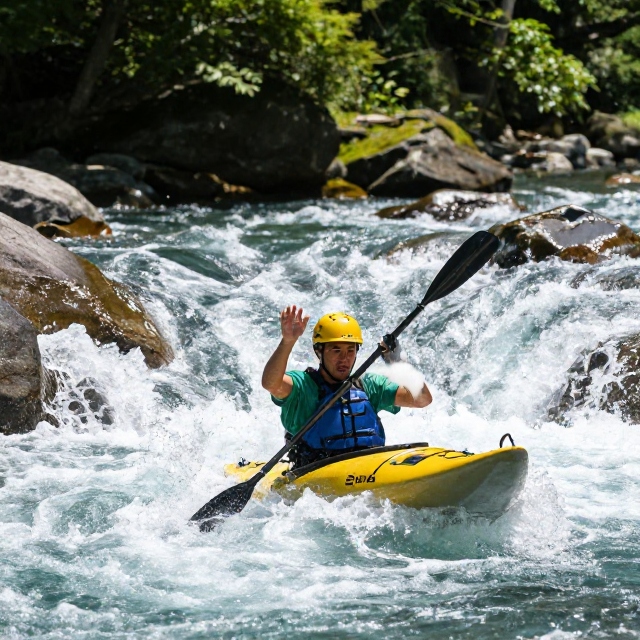
The Takase River descends from the Northern Japanese Alps through the rugged mountain landscape surrounding Omachi. Steep slopes, forested valleys, and substantial seasonal runoff give the river a distinctly alpine character. During snowmelt, increased water volume can create powerful currents and demanding whitewater on suitable sections. Its location near the high peaks makes it an attractive option for experienced paddlers exploring the wilder side of Nagano.
Quick Facts: Location: Omachi, Nagano, Japan | Difficulty: Class IV–V depending on section and flow | River Type: Alpine Mountain River | Best Season: Spring–early summer (Snowmelt Season)
Where to Stay: Omachi is the primary base, with hotels, ryokan, restaurants, and services for travelers heading into the mountains. Omachi Onsenkyo provides traditional hot-spring accommodations close to the Northern Alps.
Kashima River — Omachi, Nagano

The Kashima River runs through the mountainous terrain around Omachi, surrounded by forests and the impressive peaks of the Northern Japanese Alps. Seasonal snowmelt can increase river volume and create stronger currents and more technical whitewater. The combination of mountain scenery and changing river conditions makes it an interesting destination for experienced whitewater kayakers. Paddlers should evaluate individual sections carefully because difficulty can vary significantly with water level.
Quick Facts: Location: Omachi, Nagano, Japan | Difficulty: Class IV–V depending on section and water level | River Type: Mountain River | Best Season: Spring–early summer
Where to Stay: Omachi provides the largest selection of lodging and services near the river. Omachi Onsenkyo is a scenic alternative for travelers who want to combine kayaking with a traditional Japanese hot-spring experience.
Kurobe River Upper Tributaries — Omachi, Nagano

The upper tributaries of the Kurobe River system reach deep into the rugged Northern Japanese Alps. These remote mountain waterways are surrounded by steep terrain, dense forests, narrow valleys, and heavy seasonal snowmelt. High flows can create powerful and technical whitewater, making suitable sections a serious undertaking for experienced alpine paddlers. The remote character of the upper Kurobe region provides a distinctly wilderness-oriented kayaking experience far from Japan’s major cities.
Quick Facts: Location: Omachi / Northern Japanese Alps, Nagano, Japan | Difficulty: Class IV–V+ depending on tributary and flow | River Type: High-Alpine Tributary System | Best Season: Late spring–early summer (Snowmelt Season)
Where to Stay: Omachi is the main base for exploring the Nagano side of the Northern Alps, with hotels, ryokan, restaurants, and mountain transportation. Shinano-Omachi is particularly useful as a transportation hub for accessing the surrounding alpine region.
Best Class V Whitewater Kayaking in Nagano Prefecture — Central Japanese Alps
Tenryu River — Iida, Nagano
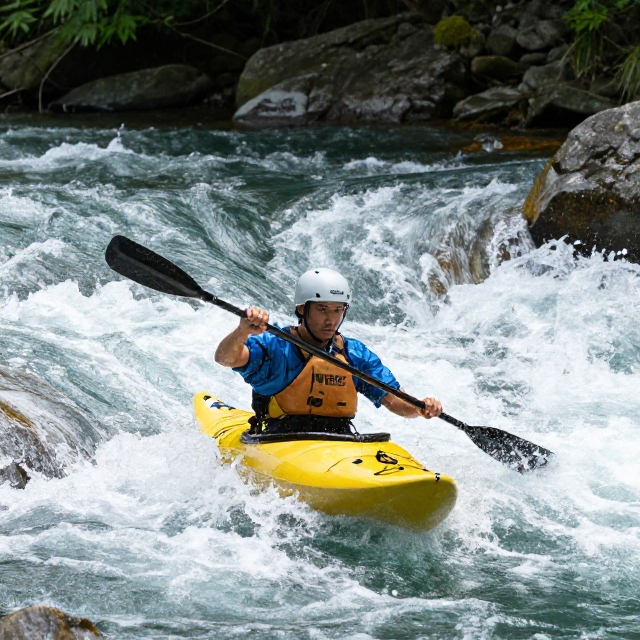
The Tenryu River cuts through the mountainous landscapes of southern Nagano, flowing between the Central Japanese Alps and the Southern Alps. Its steep valleys and powerful seasonal flows create a dramatic environment for advanced whitewater kayaking. Sections around Iida can feature fast currents, technical rapids, and turbulent water when conditions are suitable. The river’s combination of rugged scenery and challenging water makes it an important whitewater destination in the region.
Quick Facts: Location: Iida, Nagano, Japan | Difficulty: Class IV–V depending on section and flow | River Type: Mountain River | Best Season: Spring–early summer
Where to Stay: Iida is the most convenient base, with hotels, ryokan, restaurants, and transportation services. Tenryu and nearby mountain communities provide quieter lodging options closer to sections of the river.
Tenryu Gorge — Iida, Nagano
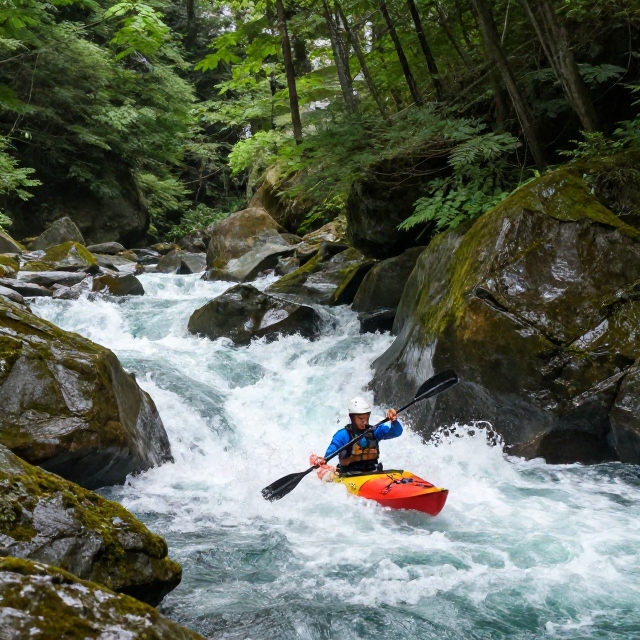
Tenryu Gorge is a spectacular section of the Tenryu River where the water passes through steep cliffs and heavily forested mountain slopes. The gorge creates a dramatic setting with powerful currents, narrow channels, and rugged river scenery. Experienced kayakers seeking challenging whitewater can find demanding conditions when flows are favorable, although individual rapids vary with water levels. The surrounding gorge is also famous for its scenic rail routes, hiking opportunities, and autumn foliage.
Quick Facts: Location: Iida, Nagano, Japan | Difficulty: Class IV–V depending on section and flow | River Type: Alpine Gorge River | Best Season: Spring–early summer
Where to Stay: Tenryu and Iida provide convenient lodging for exploring the gorge. Iida has the greatest selection of hotels and restaurants, while smaller riverside communities offer traditional Japanese inns and a quieter mountain atmosphere.
Kiso River — Kiso Valley, Nagano

The Kiso River flows through the historic Kiso Valley beneath the Central Japanese Alps. Its mountain valleys combine steep forested slopes, rocky river corridors, and traditional towns that have preserved sections of Japan’s historic Nakasendo route. Higher flows can create powerful and technical whitewater on more demanding sections, providing opportunities for experienced paddlers. The surrounding Kiso Valley also makes an excellent adventure destination for combining kayaking with hiking and exploration of historic mountain villages.
Quick Facts: Location: Kiso Valley, Nagano, Japan | Difficulty: Class IV–V depending on section and flow | River Type: Alpine Valley River | Best Season: Spring–early summer
Where to Stay: Kiso-Fukushima is a convenient base with hotels, ryokan, restaurants, and transportation connections throughout the valley. Agematsu and Narai provide additional lodging options for travelers exploring the Central Japanese Alps.
Kiso River Gorge — Agematsu / Kiso, Nagano
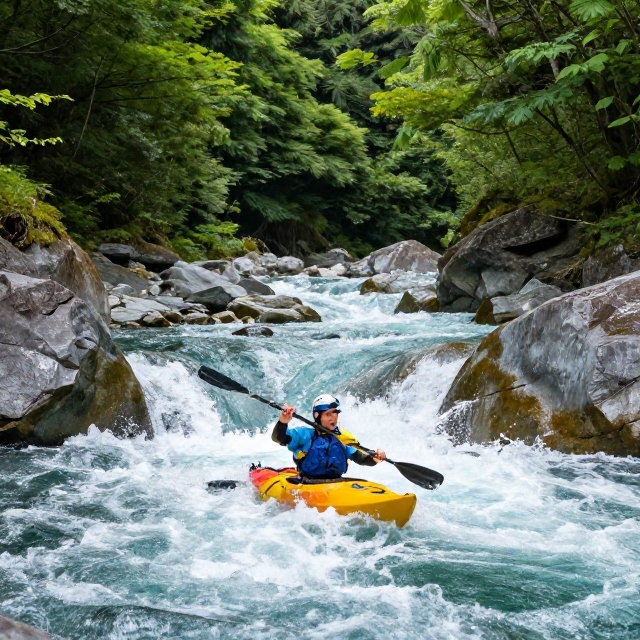
The Kiso River Gorge near Agematsu passes through a dramatic mountain corridor surrounded by steep wooded slopes and rocky cliffs. Narrow sections of the river can create faster currents and technical whitewater when seasonal flows increase. The rugged terrain and isolated mountain scenery give the gorge a strong wilderness character compared with more developed sections of the Kiso Valley. Experienced kayakers should carefully assess individual rapids and current conditions before attempting difficult sections.
Quick Facts: Location: Agematsu / Kiso, Nagano, Japan | Difficulty: Class IV–V depending on section and water level | River Type: Mountain Gorge River | Best Season: Spring–early summer
Where to Stay: Agematsu offers convenient access to the gorge along with traditional inns, restaurants, and local services. Kiso-Fukushima provides a larger selection of accommodations and is a useful base for exploring multiple rivers and mountain destinations in the Kiso Valley.
Otagiri River — Komagane, Nagano

The Otagiri River descends from the Central Japanese Alps near Komagane, flowing through a rugged mountain environment beneath some of Nagano’s highest peaks. Snowmelt and seasonal rainfall can dramatically increase flows, creating fast-moving water and challenging river features on suitable sections. Its proximity to the mountains gives paddlers spectacular views of alpine ridges and forested valleys throughout the surrounding area. The river is best approached by experienced kayakers who understand changing mountain-water conditions and carefully evaluate each section.
Quick Facts: Location: Komagane, Nagano, Japan | Difficulty: Class IV–V depending on section and flow | River Type: Alpine Mountain River | Best Season: Spring–early summer (Snowmelt Season)
Where to Stay: Komagane is the primary base, offering hotels, ryokan, restaurants, and access to the Central Japanese Alps. Hayataro Onsen provides nearby hot-spring accommodations and is a convenient option for relaxing after exploring the mountain region.
Conclusion
The Japanese Alps offer an unforgettable setting for extreme whitewater kayaking, where powerful rivers plunge through rugged mountain valleys, deep gorges, and remote wilderness. From the steep waterways of Hida and Gifu to the dramatic Kurobe region and challenging rivers of Nagano, these destinations showcase a side of Japan that few adventure travelers experience.
For expert paddlers, the combination of technical whitewater, isolated mountain scenery, snowmelt-fed rivers, and changing conditions creates an expedition-style experience rather than an ordinary kayaking trip. Each river and section presents its own hazards, and difficulty can change significantly with water levels, weather, and seasonal flow.
If you’re looking for extreme whitewater adventures far beyond Japan’s major tourist routes, the Japanese Alps deserve a place on your kayaking radar. Just be sure to research the exact river section, confirm current conditions, and obtain local knowledge before taking on these demanding mountain waters.
Frequently Asked Questions
Is there Class V whitewater kayaking in the Japanese Alps?
Yes, the Japanese Alps and surrounding mountain regions contain extremely difficult and technical whitewater, although individual sections should be verified carefully before being labeled Class V. River difficulty can vary considerably with water level.
Where is the best area for advanced whitewater kayaking in the Japanese Alps?
Hida in Gifu Prefecture and the Kurobe River region of Toyama are among the areas worth investigating for advanced paddling. The Tenryu River region in Nagano is another important whitewater destination.
Is the Kurobe River suitable for Class V kayakers?
Some sections of the Kurobe system are remote and technically demanding, but paddlers should determine the difficulty of the specific section and current water level rather than assuming the entire river is Class V.
What is the best season for whitewater kayaking in the Japanese Alps?
The optimal season depends on the individual river. Snowmelt and rainfall can dramatically change flows, so experienced paddlers should check current water levels and local conditions before launching.
Do you need to be an expert to kayak these rivers?
For genuinely difficult Alpine whitewater, substantial experience is essential. Class V kayaking involves serious hazards, and paddlers should have advanced rescue skills, appropriate equipment, and experience handling complex whitewater.
Can beginners kayak in the Japanese Alps?
Yes, there are easier rivers and guided recreational trips in the broader Japanese Alps region. Beginners should choose established lower-difficulty sections rather than attempting technical or remote whitewater.
What makes Japanese Alps whitewater challenging?
The combination of steep mountain gradients, narrow gorges, changing water levels, rocks, strainers, and remote terrain can make certain runs particularly demanding. Conditions may also change rapidly after heavy rain or during snowmelt.
Should kayakers hire a local guide?
For unfamiliar and remote rivers, a qualified local guide can be extremely valuable. Local knowledge can help with river access, hazards, water levels, portages, and changing conditions.

Leave a Reply