From the rugged coastlines of northern Norway and Iceland to the icy waters surrounding Greenland, Alaska, Canada, and Svalbard, the Arctic offers unforgettable deep sea fishing opportunities for those willing to venture north. Anglers can target species such as Atlantic cod, Arctic cod, halibut, wolffish, redfish, and Arctic char while experiencing breathtaking scenery that few destinations can match.
In this guide, we’ll explore the 25 best deep sea fishing destinations in the Arctic Ocean, highlighting the top locations where incredible fishing, stunning wilderness, and Arctic adventure come together.
Norway Arctic Deep-Sea Fishing
Norway Arctic Deep-Sea Fishing
Norway is one of the world’s premier destinations for Arctic deep-sea fishing, offering access to the nutrient-rich waters of the Norwegian Sea, Barents Sea, and Arctic Ocean. Powerful currents, deep fjords, offshore banks, and productive continental shelf waters support abundant fish populations throughout the year. The country’s northern coastline is famous for trophy cod, halibut, king crab, and a variety of deep-water species. Tromsø, Alta, Hammerfest, Nordkapp, Kirkenes, the Lofoten Islands, and Vesterålen serve as gateways to some of the Arctic’s most productive fishing grounds.
Tromsø

Tromsø is often called the Gateway to the Arctic and provides access to some of the region’s most productive fishing waters. Surrounded by deep fjords, offshore banks, and open Arctic seas, the area attracts anglers from around the world. The nutrient-rich waters support large populations of cod, halibut, and other prized species. Tromsø combines world-class fishing opportunities with stunning Arctic scenery.
Types of Fish: Atlantic cod, halibut, saithe, haddock, wolffish, redfish
Where to Fish: Tromsø Fjord ➤ offshore Arctic waters ➤ continental shelf edges ➤ deep channels ➤ coastal reefs
Alta

Alta is known for its deep fjords and excellent offshore fishing opportunities. The surrounding waters provide ideal habitats for large cod, halibut, and other Arctic species. Protected fjords offer productive fishing close to shore, while offshore grounds attract anglers seeking trophy catches. Alta is regarded as one of northern Norway’s top destinations for both recreational and sportfishing adventures.
Types of Fish: Atlantic cod, halibut, saithe, haddock, redfish, wolffish
Where to Fish: Altafjord ➤ offshore banks ➤ deep fjord channels ➤ coastal drop-offs ➤ Arctic shelf waters
Hammerfest

Hammerfest is one of the world’s northernmost fishing ports and has a long history connected to Arctic fisheries. Located on the edge of productive Barents Sea waters, the region supports abundant marine life and excellent fishing opportunities. Anglers can target a variety of species in both fjord and offshore environments. Hammerfest is particularly popular for cod and halibut fishing.
Types of Fish: Atlantic cod, halibut, haddock, saithe, redfish, wolffish
Where to Fish: Barents Sea waters ➤ offshore fishing grounds ➤ fjord systems ➤ coastal reefs ➤ deep-water channels
Nordkapp

Nordkapp, or the North Cape, offers access to some of the richest fishing grounds in the Barents Sea. Strong currents and nutrient-rich waters attract large concentrations of fish throughout the year. The area is famous for trophy-sized cod and halibut, making it a bucket-list destination for serious anglers. Its dramatic Arctic setting adds to the appeal of fishing in this remote region.
Types of Fish: Atlantic cod, halibut, saithe, haddock, redfish, Greenland shark
Where to Fish: Barents Sea fishing grounds ➤ offshore banks ➤ coastal cliffs ➤ deep channels ➤ Arctic waters
Kirkenes

Kirkenes is located near the Norwegian-Russian border and is famous for king crab fishing and Arctic marine adventures. The surrounding waters are highly productive and support a variety of cold-water species. Anglers visit the area for unique experiences that combine deep-sea fishing with opportunities to harvest king crab. Kirkenes offers some of the most distinctive fishing adventures in northern Europe.
Types of Fish: King crab, Atlantic cod, haddock, halibut, redfish, saithe
Where to Fish: Varangerfjord ➤ Barents Sea waters ➤ coastal fishing grounds ➤ deep fjord channels ➤ offshore reefs
Lofoten Islands

The Lofoten Islands are world-renowned for their cod fishing and spectacular Arctic scenery. Every year, vast numbers of cod migrate to the area, creating one of the most productive fisheries in the world. The islands are surrounded by deep channels, offshore reefs, and nutrient-rich waters that support diverse marine life. Lofoten remains one of Norway’s most iconic fishing destinations.
Types of Fish: Atlantic cod, halibut, saithe, haddock, wolffish, redfish
Where to Fish: Vestfjord ➤ offshore reefs ➤ coastal channels ➤ deep Arctic waters ➤ island fishing grounds
Vesterålen

Vesterålen is known for its excellent deep-water fishing and rich marine ecosystems. Located north of Lofoten, the region features deep underwater canyons and nutrient-rich currents that attract both fish and whales. Anglers can target a variety of species while fishing in relatively uncrowded waters. The area is particularly popular among those seeking large halibut and cod.
Types of Fish: Atlantic cod, halibut, saithe, haddock, redfish, wolffish
Where to Fish: Deep-water canyons ➤ offshore fishing grounds ➤ coastal reefs ➤ Arctic shelf waters ➤ island channels
Iceland Arctic Deep-Sea Fishing
Iceland is one of the North Atlantic’s premier deep-sea fishing destinations, offering access to some of the most productive waters in the Arctic region. Surrounded by nutrient-rich currents where the cold Arctic waters meet the warmer North Atlantic, the country supports abundant populations of cod, haddock, halibut, redfish, and other prized species. Deep fjords, offshore banks, underwater ridges, and extensive coastal fishing grounds make Iceland a favorite destination for both recreational and professional anglers. Reykjavik, Akureyri, Ísafjörður, and Húsavík provide access to some of the country’s finest Arctic fishing opportunities.
Reykjavik

Reykjavik, Iceland’s capital, is a popular departure point for offshore fishing trips into the North Atlantic. Located on the country’s southwestern coast, the city offers quick access to productive fishing grounds known for abundant cod and haddock populations. Numerous charter operators run fishing excursions throughout the year, making Reykjavik an excellent base for visiting anglers. The surrounding waters are renowned for their rich marine ecosystems and consistent fishing action.
Types of Fish: Atlantic cod, haddock, wolffish, redfish, Atlantic halibut, pollock
Where to Fish: Faxaflói Bay ➤ offshore banks ➤ coastal fishing grounds ➤ deep-water channels ➤ North Atlantic waters
Akureyri

Akureyri is the largest town in northern Iceland and serves as a gateway to some of the country’s most productive northern fishing grounds. Located along Eyjafjörður, one of Iceland’s longest fjords, the area offers access to both sheltered fjord waters and offshore fishing opportunities. Cold, nutrient-rich waters support healthy fish populations throughout the region. Akureyri is highly regarded for its combination of scenic fjord fishing and deep-sea adventures.
Types of Fish: Atlantic cod, haddock, redfish, halibut, wolffish, pollock
Where to Fish: Eyjafjörður ➤ offshore Arctic waters ➤ deep fjord channels ➤ coastal reefs ➤ northern fishing grounds
Ísafjörður

Ísafjörður is one of Iceland’s premier fishing destinations and is located in the remote Westfjords region. Surrounded by dramatic fjords and deep Atlantic waters, the area offers exceptional fishing opportunities for a variety of species. The region’s rugged coastline and relatively low fishing pressure contribute to healthy fish populations. Anglers often consider Ísafjörður one of the best locations in Iceland for serious offshore fishing.
Types of Fish: Atlantic cod, haddock, Atlantic halibut, redfish, wolffish, pollock
Where to Fish: Westfjords ➤ deep fjords ➤ offshore banks ➤ North Atlantic fishing grounds ➤ coastal drop-offs
Húsavík

Húsavík is famous for marine wildlife and excellent deep-water fishing opportunities. Located on Iceland’s northeastern coast, the town provides access to productive offshore waters that support a wide range of fish species. The area’s deep fjords and offshore habitats attract both fish and marine mammals, creating a unique fishing environment. Húsavík combines outstanding fishing with some of Iceland’s most spectacular coastal scenery.
Types of Fish: Atlantic cod, haddock, halibut, redfish, wolffish, pollock
Where to Fish: Skjálfandi Bay ➤ offshore fishing grounds ➤ deep-water channels ➤ coastal reefs ➤ North Atlantic waters
Greenland Arctic Deep-Sea Fishing
Greenland offers some of the most remote and productive fishing waters in the Arctic. Surrounded by the Labrador Sea, Davis Strait, Baffin Bay, and the Greenland Sea, the island is home to vast fishing grounds rich in cold-water species. Nutrient-rich currents, deep fjords, offshore banks, and ice-influenced ecosystems support abundant marine life throughout the year. Nuuk, Sisimiut, Ilulissat, and Qaqortoq provide access to world-class Arctic fishing opportunities and some of the most spectacular landscapes on Earth.
Nuuk

Nuuk, Greenland’s capital, serves as a major gateway to the country’s vast Arctic fishing grounds. Surrounded by deep fjords, offshore islands, and productive coastal waters, the region supports a wide variety of fish species. Anglers can explore both sheltered fjord systems and open-sea fishing areas within a short distance of the city. Nuuk is one of Greenland’s most accessible destinations for Arctic fishing adventures.
Types of Fish: Atlantic cod, Greenland halibut, Arctic char, redfish, wolffish, capelin
Where to Fish: Nuuk Fjord ➤ offshore islands ➤ Davis Strait waters ➤ deep channels ➤ coastal fishing grounds
Sisimiut

Sisimiut is one of Greenland’s most popular fishing destinations and is particularly well known for Arctic char and offshore fishing opportunities. Located north of the Arctic Circle, the town offers access to pristine fjords, productive coastal waters, and offshore fishing grounds. The surrounding marine environment supports healthy fish populations and excellent sportfishing conditions. Sisimiut is a favorite base for anglers seeking authentic Arctic fishing experiences.
Types of Fish: Arctic char, Atlantic cod, Greenland halibut, redfish, wolffish, capelin
Where to Fish: Sisimiut coastal waters ➤ deep fjords ➤ offshore fishing grounds ➤ Arctic channels ➤ island passages
Ilulissat

Ilulissat is famous for its massive icebergs and the productive waters of Disko Bay. The area’s cold, nutrient-rich environment supports diverse marine life and valuable fisheries. Deep channels and offshore feeding grounds attract numerous species throughout the year. Fishing in Ilulissat offers a unique combination of outstanding catches and breathtaking Arctic scenery.
Types of Fish: Greenland halibut, Arctic char, Atlantic cod, redfish, capelin, wolffish
Where to Fish: Disko Bay ➤ iceberg-filled channels ➤ offshore banks ➤ deep fjords ➤ Arctic feeding grounds
Qaqortoq

Qaqortoq is located in southern Greenland and offers excellent fishing opportunities in a slightly milder Arctic environment. The surrounding fjords, islands, and coastal waters provide productive habitats for a variety of species. Anglers can enjoy both inshore and offshore fishing while exploring some of Greenland’s most scenic coastal landscapes. Qaqortoq is particularly popular for Arctic char and cod fishing.
Types of Fish: Arctic char, Atlantic cod, Greenland halibut, redfish, capelin, wolffish
Where to Fish: Southern Greenland fjords ➤ offshore islands ➤ coastal waters ➤ deep channels ➤ Labrador Sea fishing grounds
Canadian Arctic Deep-Sea Fishing
The Canadian Arctic contains some of the most remote and untouched fishing waters in the world. Stretching across vast regions of the Arctic Ocean, Baffin Bay, Lancaster Sound, and the Northwest Passage, these waters support unique cold-water ecosystems and a variety of Arctic fish species. Deep fjords, icy channels, offshore banks, and nutrient-rich marine habitats create excellent fishing opportunities in one of Earth’s last true wilderness areas. Iqaluit, Pond Inlet, Cambridge Bay, and Resolute serve as important gateways to Arctic Canada’s remarkable fishing grounds.
Iqaluit

Iqaluit, the capital of Nunavut, is the primary gateway to Arctic Canada’s remote waters. Located on Baffin Island along Frobisher Bay, the community provides access to productive coastal fishing areas and expansive Arctic marine ecosystems. The surrounding waters support numerous cold-water species adapted to the harsh Arctic environment. Iqaluit is a popular starting point for anglers seeking authentic Arctic fishing adventures.
Types of Fish: Arctic char, Greenland halibut, Arctic cod, lake trout, capelin, sculpin
Where to Fish: Frobisher Bay ➤ Baffin Island coastal waters ➤ Arctic inlets ➤ deep channels ➤ offshore fishing grounds
Pond Inlet

Pond Inlet is known for its spectacular Arctic marine ecosystems and breathtaking scenery. Situated near the entrance to Lancaster Sound, the area provides access to highly productive waters that support fish, marine mammals, and seabirds. The surrounding fjords and channels offer unique fishing opportunities in one of Canada’s most pristine Arctic environments. Anglers are drawn to the area’s rich biodiversity and remote wilderness setting.
Types of Fish: Arctic char, Greenland halibut, Arctic cod, capelin, sculpin, lake trout
Where to Fish: Lancaster Sound ➤ Eclipse Sound ➤ Arctic fjords ➤ coastal channels ➤ offshore feeding grounds
Cambridge Bay

Cambridge Bay is located along the historic Northwest Passage and offers access to Arctic Ocean fishing opportunities. The surrounding waters contain a mix of coastal habitats, channels, and offshore areas that support a variety of Arctic fish species. The region is particularly well known for its healthy Arctic char populations. Cambridge Bay provides anglers with a unique chance to fish in one of the world’s most isolated marine environments.
Types of Fish: Arctic char, Arctic cod, lake trout, whitefish, Greenland halibut, sculpin
Where to Fish: Cambridge Bay waters ➤ Northwest Passage channels ➤ Arctic coastal areas ➤ offshore fishing grounds ➤ island passages
Resolute

Resolute is one of Canada’s northernmost communities and serves as a gateway to some of the High Arctic’s most remote fishing waters. Located on Cornwallis Island, the area is surrounded by icy channels and deep Arctic marine habitats. The extreme northern environment supports specialized cold-water species and offers a truly unique fishing experience. Resolute is a destination for anglers seeking adventure in one of the most isolated regions of the Arctic.
Types of Fish: Arctic char, Arctic cod, Greenland halibut, sculpin, capelin, lake trout
Where to Fish: High Arctic channels ➤ Resolute Bay ➤ offshore Arctic waters ➤ deep marine passages ➤ ice-edge fishing zones
Alaska Arctic Deep-Sea Fishing
Alaska’s Arctic coastline offers some of the most remote and adventurous fishing opportunities in North America. Bordering the Arctic Ocean, the Beaufort Sea, and the Chukchi Sea, this region features vast coastal plains, icy waters, offshore shoals, and nutrient-rich marine ecosystems. Despite its harsh environment, the Arctic supports healthy populations of cold-water fish species and provides anglers with access to some of the least-pressured fishing grounds on the continent. Utqiagvik, Prudhoe Bay, and Nome serve as key gateways to Alaska’s remarkable Arctic fishing waters.
Utqiagvik

Utqiagvik, formerly known as Barrow, is America’s northernmost city and sits along the coast of the Arctic Ocean. The surrounding waters support a unique Arctic marine ecosystem where cold currents and seasonal ice create productive feeding grounds for fish and marine wildlife. Anglers can experience fishing in one of the most extreme environments in North America while enjoying access to remote coastal waters and nearby rivers. Utqiagvik offers a truly authentic High Arctic fishing experience.
Types of Fish: Arctic char, Arctic cisco, Arctic cod, Dolly Varden, broad whitefish, lake trout
Where to Fish: Arctic Ocean coastline ➤ Beaufort Sea waters ➤ coastal lagoons ➤ river mouths ➤ nearshore Arctic fishing grounds
Prudhoe Bay

Prudhoe Bay is a remote Arctic region located along Alaska’s North Slope and is best known for its vast tundra landscapes and proximity to the Beaufort Sea. The area offers access to isolated fishing waters where Arctic species thrive in cold, nutrient-rich conditions. While fishing opportunities are limited by the region’s remoteness and industrial activity, anglers can still find productive waters in nearby rivers, coastal zones, and Arctic marine habitats. Prudhoe Bay remains one of the most unique fishing destinations in Alaska.
Types of Fish: Arctic char, Arctic cisco, broad whitefish, Arctic cod, Dolly Varden, lake trout
Where to Fish: Beaufort Sea coastline ➤ Arctic lagoons ➤ coastal channels ➤ river deltas ➤ nearshore fishing areas
Nome

Nome is a historic town on Alaska’s western coast and provides access to productive northern waters along the Bering Sea and southern Arctic region. The area is known for its rich fishing heritage and diverse marine ecosystems. Anglers can target both freshwater and saltwater species while exploring rivers, estuaries, and offshore waters. Nome serves as an important base for those seeking fishing adventures in Alaska’s remote northwest.
Types of Fish: Arctic char, salmon, Dolly Varden, Arctic cisco, cod, halibut
Where to Fish: Bering Sea waters ➤ Norton Sound ➤ coastal estuaries ➤ offshore fishing grounds ➤ river mouths
Russia (Arctic Siberia & Far North Waters) Deep-Sea Fishing
Russia’s Arctic Siberia and Far North waters encompass some of the largest and most remote fishing grounds in the world. Stretching across the Barents Sea, Kara Sea, Laptev Sea, East Siberian Sea, and Chukchi Sea, this vast region is characterized by icy waters, deep continental shelves, offshore banks, and nutrient-rich marine ecosystems. These Arctic seas support a wide variety of cold-water fish species and offer unique fishing opportunities in one of Earth’s last great wilderness frontiers. Murmansk, Teriberka, Franz Josef Land, Novaya Zemlya, Wrangel Island, and Pevek are among the most notable destinations for exploring Russia’s Arctic fishing waters.
Murmansk

Murmansk is the largest city north of the Arctic Circle and serves as Russia’s primary gateway to the Barents Sea. Thanks to the warming influence of the North Atlantic Current, the surrounding waters remain productive year-round and support one of the Arctic’s most important fisheries. The region is famous for large cod, halibut, and other deep-water species. Murmansk is a major departure point for offshore fishing expeditions into Arctic waters.
Types of Fish: Atlantic cod, haddock, halibut, redfish, wolffish, saithe
Where to Fish: Barents Sea ➤ Kola Bay ➤ offshore banks ➤ deep Arctic channels ➤ coastal fishing grounds
Teriberka

Types of Fish: Atlantic cod, halibut, haddock, redfish, wolffish, saithe
Teriberka is a remote Arctic village on the Barents Sea coast known for its spectacular scenery and productive fishing waters. The surrounding seas are rich in marine life and attract anglers seeking trophy-sized cod and halibut. Deep offshore waters and strong ocean currents create ideal habitats for numerous Arctic species. Teriberka offers one of the most authentic fishing experiences in northern Russia.
Where to Fish: Barents Sea waters ➤ offshore reefs ➤ deep channels ➤ coastal drop-offs ➤ Arctic fishing grounds
Franz Josef Land

Franz Josef Land is a remote archipelago located deep within the Arctic Ocean. Surrounded by icy waters and seasonal pack ice, the region supports unique Arctic marine ecosystems and cold-water fish species. Although recreational fishing is extremely limited due to its remoteness and protected status, the surrounding waters remain biologically significant and support abundant marine life. The archipelago represents one of the northernmost fishing environments on Earth.
Types of Fish: Arctic cod, polar cod, Greenland halibut, capelin, sculpin
Where to Fish: Arctic Ocean waters ➤ ice-edge zones ➤ deep marine channels ➤ offshore Arctic habitats ➤ polar feeding grounds
Novaya Zemlya

Novaya Zemlya is a massive Arctic archipelago situated between the Barents Sea and Kara Sea. Its cold, nutrient-rich waters support healthy populations of Arctic and sub-Arctic fish species. Deep fjords, offshore banks, and expansive coastal waters create diverse fishing habitats. The region remains one of the least-explored fishing destinations in the Arctic.
Types of Fish: Arctic cod, Atlantic cod, Greenland halibut, capelin, redfish, polar cod
Where to Fish: Barents Sea ➤ Kara Sea ➤ deep fjords ➤ offshore banks ➤ Arctic coastal waters
Wrangel Island
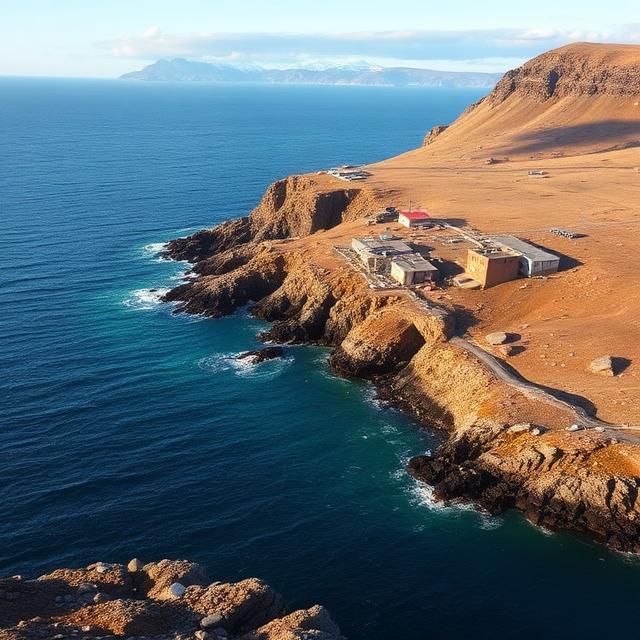
Wrangel Island lies between the Chukchi Sea and East Siberian Sea and is internationally recognized for its pristine Arctic ecosystem. The surrounding waters provide important habitats for fish, marine mammals, and seabirds. Strong currents and seasonal ice conditions support productive feeding grounds throughout the region. While access is highly restricted, the marine environment remains among the most untouched in the Arctic.
Types of Fish: Arctic cod, polar cod, Greenland halibut, capelin, sculpin
Where to Fish: Chukchi Sea ➤ East Siberian Sea ➤ ice-edge habitats ➤ Arctic coastal waters ➤ offshore feeding zones
Pevek

Pevek is Russia’s northernmost town and an important gateway to the East Siberian Sea. The region offers access to remote Arctic waters where cold currents support a variety of fish species adapted to extreme conditions. Deep bays, offshore channels, and coastal habitats provide excellent environments for Arctic marine life. Pevek is one of the most isolated fishing destinations in the Russian Arctic.
Types of Fish: Arctic char, Arctic cod, polar cod, Greenland halibut, whitefish, capelin
Where to Fish: East Siberian Sea ➤ Chaun Bay ➤ offshore Arctic waters ➤ coastal channels ➤ northern fishing grounds
Conclusion
The Arctic Ocean offers some of the most remote, challenging, and rewarding deep sea fishing opportunities on Earth. From the icy waters of Alaska and Canada’s Nunavut region to the dramatic fjords of Greenland, the productive Barents Sea off Norway, and the vast Russian Arctic coastline, anglers can experience world-class fishing in an unforgettable wilderness setting.
Whether you’re targeting Greenland halibut beneath towering icebergs, battling massive Atlantic cod in northern Norway, or exploring the pristine waters of the Canadian Arctic, each destination provides a unique adventure. While Arctic fishing seasons are often short and conditions can be demanding, the combination of spectacular scenery, abundant marine life, and uncrowded waters makes the Arctic Ocean a dream destination for serious anglers.
With careful planning, proper gear, and respect for local regulations and weather conditions, a deep sea fishing trip to the Arctic can become the fishing adventure of a lifetime. The Arctic remains one of the last great frontiers for anglers seeking truly wild waters and extraordinary catches.
Frequently Asked Questions
What is the best deep sea fishing destination in the Arctic Ocean?
Many anglers consider Tromso, Norway, the Lofoten Islands, Iceland’s Westfjords, and Greenland’s coastal waters among the best Arctic fishing destinations.
What fish can you catch in the Arctic Ocean?
Popular species include Atlantic cod, Arctic cod, halibut, wolffish, redfish, haddock, Arctic char, and various cold-water species.
When is the best time for Arctic deep sea fishing?
The most popular season is typically from May through September when temperatures are milder, daylight is extended, and sea conditions are more favorable.
Is deep sea fishing in the Arctic Ocean safe?
Yes, when conducted with experienced guides and licensed charter operators. Weather conditions can change rapidly, so proper planning and safety precautions are essential.
Do I need a fishing license in the Arctic?
Requirements vary by country and region. Always check local regulations before fishing.
Can beginners go Arctic deep sea fishing?
Absolutely. Many Arctic fishing charters cater to beginners and provide all necessary equipment and instruction.
What should I wear for Arctic fishing trips?
Dress in layers and bring waterproof outerwear, insulated boots, gloves, and warm hats, even during summer months.
Is the Arctic Ocean good for trophy fish?
Yes. The Arctic is known for producing large cod, halibut, wolffish, and other cold-water species that attract anglers from around the world.
Which country offers the best Arctic fishing opportunities?
Norway is often considered the top Arctic fishing destination due to its accessibility, excellent infrastructure, and productive fishing grounds.
Can I combine Arctic fishing with other activities?
Yes. Many visitors combine fishing trips with whale watching, glacier tours, Northern Lights viewing, wildlife photography, hiking, and Arctic cruises.



Leave a Reply