The Baltic Sea is a unique fishing region in Northern Europe, bordered by Sweden, Finland, Denmark, Germany, Poland, and the Baltic states. Unlike the open Atlantic, it is a brackish inland sea with lower salinity, but it still holds productive deep and offshore fishing grounds. The most important areas are deep basins, straits, and channel systems where currents concentrate baitfish and migratory species. Key catches include cod (especially in the southern Baltic), herring, sprat, flounder, turbot, perch, and pike-perch.
- Denmark Deep-Sea Fishing – Danish Straits & Western Baltic
- Sweden Deep-Sea Fishing – Southern & Central Baltic
- Finland Deep-Sea Fishing – Gulf of Finland & Bothnian Sea
- Poland Deep-Sea Fishing – Southern Baltic Coast
- Germany Deep-Sea Fishing – Western Baltic Coast
- Eastern Baltic Deep-Sea Fishing – Estonia, Latvia & Lithuania
- Conclusion
- FAQ
Denmark Deep-Sea Fishing – Danish Straits & Western Baltic
Denmark’s straits and western Baltic waters form a critical marine gateway between the North Sea and the Baltic Sea. This unique region is defined by strong tidal exchanges, deep navigational channels, and oxygen-variable waters that shift between saline Atlantic inflow and brackish Baltic conditions. These factors create highly productive fishing grounds for cod, herring, flounder, sea trout, and seasonal pelagic migrations. From the deep Bornholm Basin to the fast-flowing Øresund and Great Belt channels, this system supports some of the most dynamic mixed-species fishing in Northern Europe.
Bornholm Basin (Deep Water Zone) (Denmark)

The Bornholm Basin is one of the deepest parts of the Baltic Sea, creating a cold, stable deep-water environment that supports important cod and herring populations. Limited oxygen zones at depth concentrate fish into more habitable layers, making this a key spawning and feeding area. It is one of the most ecologically significant fishing zones in the Baltic.
Types of Fish: Baltic cod, herring, sprat, flounder, whiting
Where to Fish: Deep basin trenches ➤ stratified oxygen layers ➤ offshore Baltic depression zones ➤ cold-water deep pockets
Bornholm Island Offshore Waters (Denmark)

The waters surrounding Bornholm feature rocky seabeds, drop-offs, and strong Baltic currents that create productive fishing conditions. These structures provide shelter and feeding grounds for cod and flatfish species, especially around reef-like underwater formations.
Types of Fish: Cod, flounder, herring, sea trout, whiting
Where to Fish: Rocky offshore drop-offs ➤ Baltic shelf edges ➤ current-fed reef zones ➤ island perimeter waters
Øresund Strait (Denmark–Sweden)

The Øresund Strait is a narrow, high-current waterway between Denmark and Sweden where strong tidal flows and ship movement create constant water exchange. This mixing zone attracts migrating fish and supports year-round fishing opportunities, especially for sea trout and cod along structure edges.
Types of Fish: Sea trout, cod, herring, flounder, mackerel
Where to Fish: Strait current corridors ➤ harbor entrances ➤ underwater structure lines ➤ tidal funnel zones
Great Belt (Storebælt) (Denmark)

The Great Belt is a deep and wide channel connecting the Baltic Sea to the Kattegat. Its strong currents and varying depths create ideal conditions for pelagic movement and feeding activity. This is one of Denmark’s most important migration corridors for fish moving between seas.
Types of Fish: Cod, herring, mackerel, flounder, whiting
Where to Fish: Deep channel systems ➤ shipping lane edges ➤ current acceleration zones ➤ migration corridors
Little Belt (Lillebælt) (Denmark)

The Little Belt is a narrow strait known for extremely strong tidal currents and steep underwater terrain. These conditions create oxygen-rich waters and highly active feeding zones. It is particularly productive for cod and sea trout, especially around eddies and current breaks.
Types of Fish: Cod, sea trout, herring, flounder, pollock
Where to Fish: Narrow strait currents ➤ underwater drop-offs ➤ tidal eddy zones ➤ rocky structure channels
Sweden Deep-Sea Fishing – Southern & Central Baltic
Sweden’s Baltic Sea coastline offers productive but highly variable fishing grounds shaped by brackish waters, rocky seabeds, deep offshore basins, and strong seasonal migrations. Unlike the open Atlantic systems, the Baltic is a semi-enclosed sea where salinity gradients and oxygen levels strongly influence fish distribution. These conditions create rich habitats for cod, herring, flounder, perch, and pike-perch. From the offshore waters around Öland and Gotland to the island-dense Stockholm Archipelago, Sweden’s fishing zones are a mix of shallow feeding flats and deeper structural drop-offs.
Öland Offshore Waters (Sweden)

The waters surrounding Öland feature rocky seabeds, reefs, and strong Baltic currents that support a diverse mix of species. The island acts as a natural funnel for migrating fish, especially cod and flatfish moving along the southern Baltic. The combination of structure and current makes it a reliable offshore fishing zone.
Types of Fish: Cod, perch, pike-perch (zander), flounder, herring
Where to Fish: Rocky offshore reefs ➤ Baltic current edges ➤ island drop-offs ➤ shallow-to-deep transition zones
Gotland Deep Waters (East Coast Drop-offs) (Sweden)

Gotland sits in the central Baltic Sea and is surrounded by deeper offshore basins and underwater structures. These deeper zones provide important habitat for cod and pelagic species, especially where oxygen levels remain stable. The area is more remote and influenced by long-distance fish migration patterns.
Types of Fish: Cod, herring, sprat, flounder, perch
Where to Fish: Deep Baltic basins ➤ offshore drop-offs ➤ submerged reef structures ➤ pelagic migration corridors
Stockholm Archipelago Outer Edge (Sweden)

The Stockholm Archipelago is a vast system of islands and channels transitioning from shallow inner waters to deeper Baltic Sea zones. The outer edges are where saltier, deeper waters meet sheltered inner bays, creating productive feeding areas for both predator and baitfish species.
Types of Fish: Perch, pike-perch (zander), sea trout, herring, cod (seasonal)
Where to Fish: Island channel edges ➤ outer archipelago drop-offs ➤ tidal current passages ➤ rocky reef corridors
Skåne South Coast (Öresund Edge) (Sweden)

Skåne’s southern coastline lies near the busy Øresund transition zone, where Baltic and North Sea influences begin to mix. This creates seasonal fishing opportunities, especially for migratory cod and flatfish. Coastal structure and current flow are key factors here.
Types of Fish: Cod, flatfish (plaice, flounder), sea trout, herring, mackerel (seasonal)
Where to Fish: Coastal current edges ➤ Öresund transition waters ➤ shallow sandbanks ➤ tidal movement zones
Hanö Bay Offshore Zone (Sweden)

Hanö Bay is a productive southern Baltic fishing area influenced by nutrient inflows and coastal current systems. The bay supports dense fish schools, especially herring, which attract larger predatory species like cod. It is one of the more consistent offshore zones along Sweden’s southeast coast.
Types of Fish: Cod, herring, flounder, perch, sprat
Where to Fish: Offshore bay systems ➤ nutrient-rich current zones ➤ sandy-bottom feeding areas ➤ coastal drop-offs
Finland Deep-Sea Fishing – Gulf of Finland & Bothnian Sea
Finland’s waters are part of the brackish Baltic Sea system, where freshwater inflow, low salinity, and cold temperatures create a unique but highly productive fishing environment. While “deep sea” in Finland is generally shallower than Atlantic regions, the country’s offshore basins, archipelagos, and straits form dense migration corridors for perch, pike-perch, salmon, herring, and Baltic cod. From the island-rich Åland waters to the deep central Bothnian Sea and dynamic Kvarken Strait, these zones are defined by strong seasonal movements and complex underwater topography.
Åland Islands Waters (Finland)

The Åland Islands sit between Sweden and mainland Finland, forming one of the most productive fishing regions in the northern Baltic. The area is shaped by rocky seabeds, submerged reefs, and strong current channels that funnel baitfish through narrow passages. This creates reliable feeding grounds for both predatory and pelagic species.
Types of Fish: Perch, pike-perch (zander), sea trout, herring, Baltic cod
Where to Fish: Island channels ➤ rocky reef systems ➤ current corridors ➤ archipelago drop-offs
Archipelago Sea Deep Channels (Finland)

The Archipelago Sea is one of the most complex island systems in the world, with thousands of islands and deep channels cutting through the Baltic. These narrow passages create strong water movement and nutrient mixing, making them ideal feeding zones for both resident and migratory fish.
Types of Fish: Perch, pike-perch, sea trout, herring, cod (seasonal)
Where to Fish: Deep island channels ➤ sheltered straits ➤ archipelago current funnels ➤ submerged structure zones
Gulf of Finland Offshore Drop-offs (Finland)

The Gulf of Finland forms a long, narrow arm of the Baltic Sea, creating distinct migration routes for salmon and seasonal schooling fish. Offshore drop-offs and deeper basins act as holding areas for predatory fish following baitfish movements along the coast.
Types of Fish: Salmon, sea trout, perch, herring, pike-perch
Where to Fish: Offshore depth breaks ➤ migration corridors ➤ coastal drop-offs ➤ estuary-connected feeding zones
Bothnian Sea Central Basin (Finland)

The central Bothnian Sea is one of the deepest parts of the northern Baltic system, with cold, stable waters and relatively low salinity. These conditions support large herring populations, which form the base of the food chain for cod and other predatory species.
Types of Fish: Herring, Baltic cod, perch, sprat, pike-perch
Where to Fish: Deep central basin ➤ cold-water zones ➤ pelagic schooling areas ➤ offshore depth layers
Kvarken Strait (UNESCO Area) (Finland)

The Kvarken Strait is a unique geological area where post-glacial land uplift has created shallow ridges, islands, and deep channels. This constantly shifting underwater landscape produces strong water movement and concentrated fish activity, making it one of the most dynamic fishing zones in the Baltic region.
Types of Fish: Perch, pike-perch, herring, sea trout, flounder
Where to Fish: Shallow ridge systems ➤ deep channel cuts ➤ tidal flow corridors ➤ island-pass migration routes
Poland Deep-Sea Fishing – Southern Baltic Coast
Poland’s Baltic coastline is influenced by a mix of shallow continental shelf waters, nutrient-rich river outflows, and deeper offshore basins of the Baltic Proper. These conditions create productive fishing grounds for cod, turbot, herring, flounder, and seasonal migratory species. While salinity is lower than in open-ocean systems, the combination of sandbanks, shelf edges, and estuary mixing zones makes the southern Baltic a consistent and important fishing region.
Gdańsk Deep Sea Shelf (Poland)

The waters off Gdańsk extend into the Baltic Sea’s continental shelf, where deeper channels and sandy seabeds support strong cod and turbot populations. This area is influenced by nutrient inflows from the Vistula River and seasonal migration patterns across the southern Baltic.
Types of Fish: Cod, turbot, flounder, plaice, herring
Where to Fish: Continental shelf edges ➤ offshore sandbanks ➤ deep Baltic channels ➤ nutrient-fed current zones
Hel Peninsula Offshore Waters (Poland)

The Hel Peninsula extends far into the Baltic Sea, creating strong current interactions on both sides of the peninsula. These waters concentrate baitfish and attract migratory species, especially herring and cod during seasonal runs.
Types of Fish: Herring, cod, flounder, sea trout, mackerel (seasonal)
Where to Fish: Peninsula drop-offs ➤ coastal current corridors ➤ offshore sandbanks ➤ tidal convergence zones
Szczecin Lagoon Outlet Zone (Poland)

The Szczecin Lagoon system connects freshwater inflows with the Baltic Sea, creating brackish conditions rich in nutrients. This estuary-outflow zone supports a wide range of species adapted to changing salinity levels, making it highly productive for both resident and migratory fish.
Types of Fish: Pike-perch (zander), perch, herring, flounder, sea trout
Where to Fish: Estuary outlets ➤ brackish transition waters ➤ river plume zones ➤ coastal mixing areas
Central Polish Offshore Banks (Poland)

The central offshore region of Poland features broad sandy seabeds and shallow banks shaped by glacial deposits and Baltic currents. These areas are especially productive for flatfish species, which thrive in soft-bottom habitats.
Types of Fish: Flounder, plaice, turbot, cod, whiting
Where to Fish: Sandy offshore banks ➤ shallow continental shelf ➤ drift fishing zones ➤ flat seabed feeding grounds
Baltic Proper Deep Basin (Polish Sector) (Baltic Sea)

The Baltic Proper deep basin is one of the deepest and most important cod habitats in the southern Baltic. Cold, oxygen-variable waters concentrate fish into specific depth layers, creating key feeding and spawning zones for Baltic cod populations.
Types of Fish: Baltic cod, herring, sprat, flounder, whiting
Where to Fish: Deep basin trenches ➤ stratified oxygen layers ➤ offshore pelagic zones ➤ cold-water deep pockets
Germany Deep-Sea Fishing – Western Baltic Coast
Germany’s western Baltic coastline is shaped by island archipelagos, deep glacial channels, and strong exchange currents between the North Sea and Baltic Sea. This creates a productive but complex marine environment where cod, sea trout, herring, flounder, and seasonal pelagic species move through structured reefs and migration corridors. From the rugged island waters of Rügen to the deep channel systems of Kiel Bay and the critical Fehmarn Belt passage, this region acts as a major fish movement gateway in Northern Europe.
Rügen Island Offshore Waters (Germany)

The waters surrounding Rügen are among the most important fishing areas in the Baltic Sea. Rocky reefs, submerged wrecks, and glacial seabed structures create excellent habitat for cod and flatfish. The island’s exposed offshore zones are influenced by both Baltic and North Sea conditions, increasing fish diversity and seasonal movement.
Types of Fish: Cod, flounder, sea trout, herring, whiting
Where to Fish: Rocky reef systems ➤ offshore wreck zones ➤ Baltic shelf edges ➤ island drop-off channels
Kiel Bay Deep Channels (Germany)

Kiel Bay is a sheltered but deep inlet connected to the western Baltic, featuring structured seabeds and strong tidal exchange. These conditions create reliable feeding zones for both pelagic and bottom-dwelling species. The bay is especially productive near deeper shipping channels and underwater slope transitions.
Types of Fish: Cod, herring, flounder, sea trout, mackerel (seasonal)
Where to Fish: Deep bay channels ➤ underwater slope breaks ➤ harbor entrance zones ➤ current-fed drift lines
Fehmarn Belt (Germany–Denmark Channel)
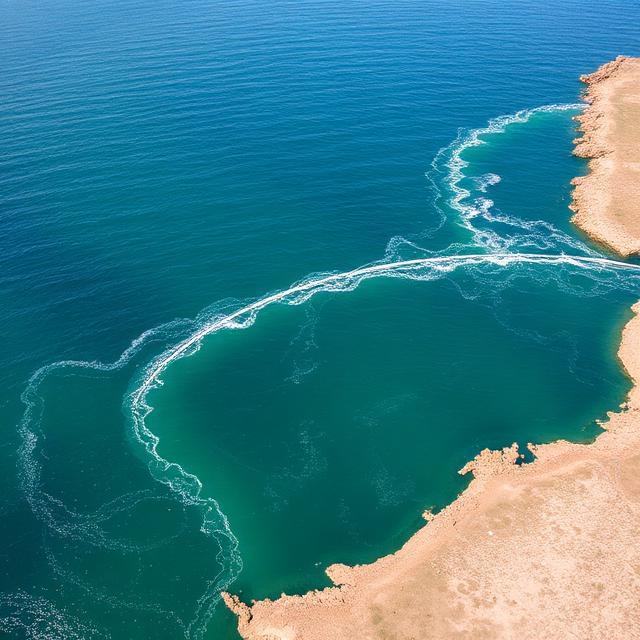
The Fehmarn Belt is a narrow but highly active marine corridor between Germany and Denmark. Strong currents funnel migrating fish between the Baltic and North Sea, making it one of the most important biological passageways in the region. This constant movement supports both predatory and schooling fish throughout the year.
Types of Fish: Cod, herring, sea trout, flounder, mackerel
Where to Fish: Strait migration corridor ➤ current acceleration zones ➤ channel drop-offs ➤ pelagic flow routes
Eastern Baltic Deep-Sea Fishing – Estonia, Latvia & Lithuania
The eastern Baltic region is dominated by large semi-enclosed sea systems, brackish lagoons, and shallow offshore basins shaped by glacial geology and freshwater inflows from major rivers. Compared to the North Sea or Norwegian Sea, these waters are less saline but highly productive in nutrients, creating strong seasonal fishing cycles. Key species include pike-perch (zander), perch, pike, flounder, herring, and Baltic cod in deeper offshore zones. The Gulf of Riga and Curonian Lagoon systems act as major ecological gateways between inland waters and the open Baltic Sea.
Gulf of Riga Offshore Zone (Estonia / Latvia)

The Gulf of Riga is a shallow but nutrient-rich basin influenced by river inflows and seasonal Baltic currents. This creates strong productivity in mid-depth waters, especially during warmer months when predatory fish follow baitfish movements. The mix of freshwater and brackish conditions makes it a key spawning and feeding area.
Types of Fish: Pike-perch (zander), perch, pike, flounder, herring
Where to Fish: Offshore gulf basin ➤ river plume zones ➤ mid-depth feeding layers ➤ coastal current edges
Curonian Lagoon & Offshore Edge (Lithuania)

The Curonian Lagoon system is one of the largest brackish-water lagoons in Europe, connected to the Baltic Sea through a narrow strait. This creates a dynamic exchange zone where freshwater and marine species overlap. Fish movement is strongly seasonal, with species migrating between lagoon habitats and deeper offshore waters.
Types of Fish: Pike-perch (zander), perch, pike, flounder, herring, sea trout
Where to Fish: Lagoon outlet channels ➤ Baltic Sea transition zone ➤ brackish mixing waters ➤ coastal offshore edges
Conclusion
While the Baltic Sea is not a traditional deep ocean fishery, it offers highly productive and accessible offshore fishing through its basins, straits, and coastal drop-offs. Areas like the Bornholm Basin, Danish straits, Swedish offshore edges, and Finnish archipelago channels are especially strong. Its seasonal nature and unique brackish ecosystem make it one of Europe’s most distinctive and underrated fishing regions.
FAQ
What makes the Baltic Sea different from other fishing seas?
The Baltic Sea is brackish (low salinity), which limits some saltwater species but creates a unique mix of freshwater and marine fish.
Where is the best fishing spot in the Baltic Sea?
The Bornholm Basin is considered the top deep-water fishing zone, especially for cod.
What fish are most common in the Baltic Sea?
Cod, herring, sprat, flounder, turbot, perch, pike-perch, and salmon (during migration).
Is the Baltic Sea good for deep sea fishing?
Yes, but “deep sea” here usually means offshore basins and channels rather than oceanic depths.
When is the best time to fish in the Baltic Sea?
Spring and autumn are best due to fish migration patterns and higher oxygen levels in deeper waters




Leave a Reply