The Irish Sea, positioned between Ireland and the United Kingdom, is a highly productive fishing ground shaped by powerful tides, mixed seabeds, offshore sandbanks, wreck systems, and channel flows. While it is not a deep ocean basin, it functions as a rich offshore fishery where nutrients and currents concentrate marine life. Anglers target species such as cod, pollock, haddock, whiting, plaice, rays, mackerel, and conger eel across its central basin, coastal drop-offs, and tidal hotspots.
Ireland Deep-Sea Fishing – Eastern & Northern Irish Sea
Ireland’s eastern and northern Irish Sea waters are shaped by a mix of deep offshore channels, powerful tidal systems, wreck fields, and nutrient-rich estuary outflows. This region is a transitional zone between the North Atlantic and the Irish Sea shelf, creating strong seasonal migrations and reliable feeding grounds. Common species include cod, whiting, pollack, ray, flatfish, mackerel, and herring, with larger predators holding around wrecks and shelf edges.
Dublin Bay Offshore Grounds (Ireland)

The offshore waters beyond Dublin Bay feature deep channels, sandy seabeds, and scattered wrecks that attract cod and ray species. Strong tidal flow from the Irish Sea helps concentrate baitfish, especially around channel edges and structure zones.
Types of Fish: Cod, whiting, ray, flounder, mackerel
Where to Fish: Offshore deep channels ➤ wreck zones ➤ tidal drift corridors ➤ sandy seabed feeding grounds
Howth Head Deep Waters (Ireland)

The waters off Howth Head drop quickly into deeper, rocky seabeds that support strong populations of pollack and sea bass. The mix of structure and tidal movement makes it a reliable coastal deep-water fishing area close to shore.
Types of Fish: Pollack, sea bass, cod, wrasse, mackerel
Where to Fish: Rocky drop-offs ➤ submerged reef systems ➤ headland current zones ➤ offshore structure edges
Arklow Bank (Wicklow Offshore) (Ireland)

Arklow Bank is one of Ireland’s most productive offshore sandbank systems, located in the Irish Sea. Its shallow structure combined with surrounding deeper waters creates ideal feeding grounds for flatfish and pelagic species. Strong tidal currents move baitfish across the bank consistently.
Types of Fish: Cod, plaice, whiting, mackerel, ray
Where to Fish: Offshore sandbanks ➤ tidal drift zones ➤ shallow shelf platforms ➤ current-fed feeding flats
Wexford Coast Offshore Reefs (Ireland)

The offshore waters near Wexford feature mixed reef systems and sandy seabeds influenced by strong Irish Sea tides. These structures support steady populations of cod and flatfish species, especially during seasonal migrations.
Types of Fish: Cod, flounder, plaice, whiting, ray
Where to Fish: Offshore reef systems ➤ tidal feeding zones ➤ sandy-bottom structure edges ➤ coastal current channels
Carlingford Lough Entrance Waters (Ireland)

The entrance to Carlingford Lough is a brackish mixing zone where freshwater inflows meet the Irish Sea. This creates nutrient-rich waters that attract both resident and migratory fish species.
Types of Fish: Sea bass, flounder, herring, mullet, cod
Where to Fish: Estuary mouth ➤ brackish transition zone ➤ tidal mixing currents ➤ coastal inlet channels
Dundalk Bay Offshore Channels (Ireland)

Dundalk Bay features wide estuarine waters and offshore channels that funnel nutrients and baitfish into the Irish Sea. This makes it a productive seasonal fishing area, especially during migration periods.
Types of Fish: Flounder, cod, herring, sea trout, ray
Where to Fish: Estuary channels ➤ offshore bay outlets ➤ tidal flow corridors ➤ shallow feeding flats
Wicklow Deep Sea Shelf Edge (Ireland)

The offshore shelf edge near Wicklow drops into deeper Irish Sea waters, creating strong feeding zones where cod and ling gather. This area is influenced by both coastal currents and deeper oceanic inflows.
Types of Fish: Cod, ling, whiting, pollack, ray
Where to Fish: Shelf break drop-offs ➤ deep-water ledges ➤ offshore current lines ➤ wreck-adjacent zones
Irish Sea East Ridge (Ireland Sector)

The eastern ridge of the Irish Sea acts as a pelagic migration corridor, guiding seasonal movements of herring and mackerel between feeding and spawning grounds. It is a key offshore highway for fish movement in the region.
Types of Fish: Mackerel, herring, cod, whiting, pollack
Where to Fish: Pelagic ridge systems ➤ offshore migration routes ➤ current convergence zones ➤ mid-sea drift corridors
England Deep-Sea Fishing – Northwest & West Coast Irish Sea
The northwest and western coasts of England sit within the highly productive Irish Sea system, where strong tidal flows, shallow continental shelf waters, and deep channel structures create excellent fishing conditions. This region is shaped by estuary outflows, sandbank systems, wreck fields, and cold-water shelf edges that support cod, whiting, pollack, haddock, rays, flounder, and seasonal pelagic species like mackerel and herring. The Isle of Man sits centrally within this system, acting as a major fish migration hub between England and Ireland.
Liverpool Bay Offshore Grounds (England)

The waters off Liverpool Bay are among the most active fishing zones in the Irish Sea. Strong tidal currents and estuary inflows from the Mersey create nutrient-rich waters that attract dense fish populations. The mix of shallow banks and deeper offshore channels supports consistent seasonal fishing activity.
Types of Fish: Cod, whiting, flounder, plaice, mackerel, ray
Where to Fish: Offshore tidal currents ➤ estuary plume zones ➤ sandbank systems ➤ channel feeding areas
Morecambe Bay Deep Channels (England)

The waters around Morecambe Bay feature wide tidal flats and deeper channel systems that cut through shifting sands. These channels concentrate fish during tidal movement, making them productive feeding zones for flatfish species.
Types of Fish: Flounder, sole, plaice, cod, whiting
Where to Fish: Deep tidal channels ➤ intertidal sandflats ➤ estuary flow corridors ➤ shallow offshore pockets
Isle of Man Offshore Waters (Irish Sea)

The Isle of Man sits in the center of the Irish Sea and acts as a major convergence zone for fish migration. Strong currents, deep surrounding waters, and rocky seabeds make it one of the most reliable offshore fishing regions in the area.
Types of Fish: Cod, pollack, ray, mackerel, herring
Where to Fish: Offshore current zones ➤ deep surrounding channels ➤ rocky reef systems ➤ migration corridors
Douglas Deep Sea Wreck Zone (Isle of Man)

The waters off Douglas contain numerous historic wreck sites that function as artificial reefs. These structures attract baitfish and large predators, making them prime fishing locations year-round.
Types of Fish: Cod, pollack, ling, conger eel, whiting
Where to Fish: Wreck clusters ➤ artificial reef systems ➤ deep seabed structures ➤ current-fed zones
Barrow-in-Furness Offshore Shelf (England)

The offshore waters near Barrow-in-Furness feature productive shelf waters with sandy bottoms and tidal currents. These conditions support strong cod and whiting fisheries, especially around deeper offshore edges.
Types of Fish: Cod, whiting, haddock, ray, flounder
Where to Fish: Continental shelf edges ➤ offshore sandbanks ➤ tidal drift zones ➤ shallow deep-water transitions
Cumbria Coast Offshore Waters (England)

The Cumbria coastline faces cold Irish Sea waters influenced by strong Atlantic inflow. Offshore feeding zones and deeper channels support seasonal cod and haddock movements, particularly during colder months.
Types of Fish: Cod, haddock, pollack, whiting, ray
Where to Fish: Offshore drop-offs ➤ cold-water feeding zones ➤ rocky seabed structures ➤ shelf-edge currents
Solway Firth Outer Waters (England–Scotland Border)

The Solway Firth is a large estuarine system where freshwater from rivers meets the Irish Sea. This mixing zone creates nutrient-rich waters that attract seasonal fish migrations and strong feeding activity.
Types of Fish: Flounder, cod, sea trout, whiting, herring
Where to Fish: Estuary mouth zones ➤ brackish mixing waters ➤ tidal channels ➤ coastal flow corridors
Lancashire Coastal Drop-offs (England)

The Lancashire coast features broad sandy seabeds that slope into deeper Irish Sea waters. These gentle drop-offs create productive feeding grounds for flatfish and ray species, especially during tidal movement.
Types of Fish: Plaice, flounder, ray, cod, whiting
Where to Fish: Sandy seabed drop-offs ➤ tidal drift zones ➤ offshore shallow banks ➤ coastal feeding flats
Wales Deep-Sea Fishing – North & West Irish Sea Edge
Wales’ northern and western offshore waters combine powerful tidal systems, deep channels, rocky seabeds, and open Atlantic influences. These areas are shaped by the meeting of the Irish Sea and the Celtic Sea, creating productive feeding zones for cod, pollock, sea bass, mackerel, and other migratory species. From the fast-moving waters around Anglesey to the deep offshore channels near Holyhead and the shelf edge of Cardigan Bay, Wales offers diverse fishing opportunities ranging from reef fishing to pelagic offshore trips.
Anglesey Offshore Waters (Wales)

The waters surrounding Anglesey are among the strongest tidal fishing environments in Wales. Powerful currents flow through narrow channels and around rocky underwater structures, concentrating baitfish and attracting larger predators. The combination of reefs, kelp areas, and tidal races creates highly productive fishing conditions.
Types of Fish: Pollock, cod, sea bass, mackerel, wrasse
Where to Fish: Tidal races ➤ rocky reefs ➤ offshore island channels ➤ current-swept seabeds
Holyhead Deep Waters (Wales)

The offshore waters near Holyhead feature deep channels and steep seabed changes where Irish Sea currents funnel through. These depths provide habitat for larger predatory fish, especially around underwater structures and current edges.
Types of Fish: Cod, pollock, ling, whiting, conger eel
Where to Fish: Deep offshore channels ➤ seabed drop-offs ➤ rocky structures ➤ tidal current lines
Cardigan Bay Outer Shelf Edge (Wales)

The outer shelf waters of Cardigan Bay transition from coastal waters into deeper Celtic Sea influences. Seasonal migrations bring large numbers of pelagic species through the area, while deeper edges provide feeding habitat for predators.
Types of Fish: Mackerel, sea bass, pollock, cod, blue shark (seasonal)
Where to Fish: Outer shelf edge ➤ pelagic migration routes ➤ offshore current zones ➤ deep-water feeding areas
Northern Ireland Deep-Sea Fishing – Eastern Irish Sea
Northern Ireland’s eastern coastline is influenced by the meeting of the Irish Sea, North Channel, and Atlantic waters, creating a highly productive mix of estuarine, tidal, and offshore fishing environments. Deep channels, rocky islands, and powerful tidal flows concentrate nutrients and baitfish, attracting a wide variety of species. From Belfast Lough’s sheltered offshore transition waters to the exposed rocky grounds around the Copeland Islands, this region offers excellent opportunities for cod, wrasse, pollock, sea bass, and seasonal migratory fish.
Belfast Lough Offshore Zone (Northern Ireland)

The waters outside Belfast Lough combine estuary influences with deeper Irish Sea conditions. Freshwater inflows, tidal movement, and offshore currents create productive feeding areas where coastal and marine species overlap. The lough entrance acts as a natural transition zone for migrating fish.
Types of Fish: Cod, whiting, pollock, sea bass, flounder
Where to Fish: Lough entrance channels ➤ offshore drop-offs ➤ tidal current zones ➤ sandy seabed feeding areas
Strangford Lough Entrance Waters (Northern Ireland)

The entrance to Strangford Lough is famous for some of the strongest tidal currents in Europe. These fast-moving waters create oxygen-rich feeding zones where baitfish gather and predators patrol. The combination of rocky structure and tidal movement supports a diverse fish population.
Types of Fish: Pollock, wrasse, sea bass, cod, mackerel
Where to Fish: Tidal races ➤ rocky channels ➤ reef edges ➤ current-swept seabeds
Copeland Islands Offshore Grounds (Northern Ireland)
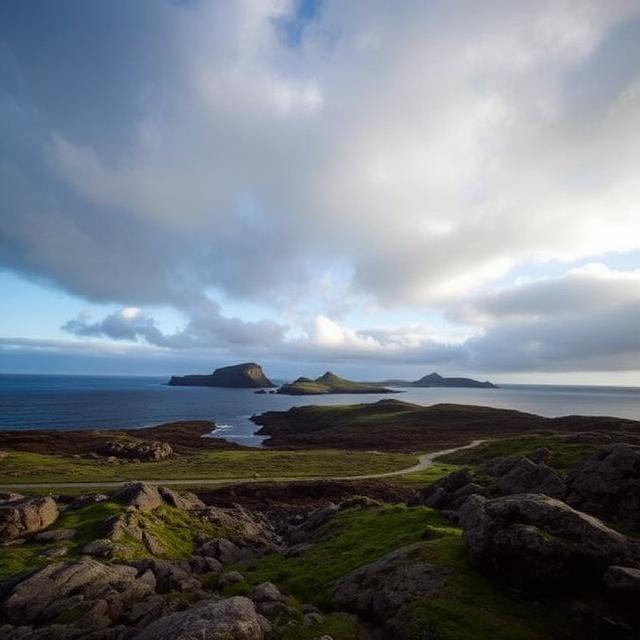
The waters around the Copeland Islands feature rocky underwater terrain, reefs, and exposed offshore structures. These habitats provide shelter for smaller fish and attract larger predators, making the area a productive coastal offshore zone.
Types of Fish: Cod, pollock, wrasse, mackerel, ling
Where to Fish: Rocky offshore reefs ➤ island drop-offs ➤ submerged structures ➤ Atlantic current edges
Offshore Irish Sea Hotspots (Shared Waters)
The central Irish Sea and its surrounding offshore zones form one of the most diverse marine fishing systems in northwestern Europe. Shared by Ireland, the United Kingdom, Wales, and Northern Ireland, these waters combine deep basins, continental shelf edges, historic wrecks, and artificial reef structures. Strong tidal currents and Atlantic water exchange create productive feeding corridors for cod, whiting, herring, pollock, conger eel, mackerel, and seasonal pelagic predators.
Irish Sea Central Basin (Shared Waters)

The Irish Sea Central Basin is the deepest offshore area within the Irish Sea and acts as an important habitat and migration zone for many cold-water species. Its deeper waters provide stable conditions for fish populations, while surrounding currents transport nutrients and baitfish throughout the region.
Types of Fish: Cod, whiting, herring, pollock, haddock
Where to Fish: Deep offshore basins ➤ seabed channels ➤ current-fed feeding zones ➤ pelagic schooling areas
Celtic Shelf Edge (Irish Sea Transition Zone)

The Celtic Shelf Edge forms a transition between the Irish Sea, Celtic Sea, and wider North Atlantic waters. Strong ocean currents and seasonal temperature changes create a major migration route for pelagic species moving through western European waters. During warmer months, larger migratory predators follow baitfish concentrations along the shelf.
Types of Fish: Mackerel, tuna (seasonal), sea bass, pollock, herring
Where to Fish: Continental shelf edge ➤ offshore current lines ➤ pelagic migration corridors ➤ deep-water temperature fronts
Irish Sea Oil & Wreck Fields (Shared Waters)

The Irish Sea contains numerous historic wrecks and offshore structures that act as artificial reefs. These underwater habitats attract baitfish, creating ideal hunting grounds for larger predators. Wreck fishing is one of the most popular offshore techniques in the region, especially around deeper structures.
Types of Fish: Cod, pollock, conger eel, ling, whiting
Where to Fish: Historic wreck sites ➤ artificial reef structures ➤ deep seabed formations ➤ offshore current zones
Conclusion
The Irish Sea offers consistent and accessible deep sea–style fishing thanks to its strong tidal movement and varied underwater structure. From the Isle of Man’s central waters to Liverpool Bay, Arklow Bank, and Anglesey, the region delivers reliable year-round fishing opportunities. Its mix of wrecks, sandbanks, and shelf-like channels makes it one of the most dependable mixed-species fisheries in Northern Europe.
FAQ
Is the Irish Sea good for deep sea fishing?
Yes, especially around offshore banks, wrecks, and tidal channels where fish congregate.
What is the best fishing spot in the Irish Sea?
Isle of Man offshore waters are widely regarded as the most productive central fishing zone.
What fish can you catch in the Irish Sea?
Common species include cod, pollock, haddock, whiting, plaice, sole, mackerel, rays, and conger eel.
When is the best time to fish the Irish Sea?
Late spring through autumn is best for pelagic species, while winter is strong for cod and bottom fish.
Do you need a boat to fish the Irish Sea?
For offshore and deep sea-style fishing, yes—most productive zones require charter or private boats.




Leave a Reply