Deep sea fishing offers an unmatched thrill for anglers seeking adventure, solitude, and the chance to catch some of the ocean’s most prized species. For those who want to escape crowded fishing spots and explore pristine waters, remote islands provide the perfect backdrop. These islands, scattered across the North American coasts, the Arctic, the Nordic region, and the Southern Hemisphere, offer rich marine life and spectacular fishing opportunities. Here’s a detailed guide to 25 of the best remote islands where deep sea fishing becomes an unforgettable experience.
Pacific Ocean (Remote Islands & World-Class Sportfishing Destinations)
The Pacific Ocean is home to some of the world’s most spectacular offshore fishing destinations, featuring remote islands, coral atolls, volcanic seamounts, and deep ocean trenches. Warm tropical waters, nutrient-rich currents, and vast pelagic migration routes support incredible populations of tuna, marlin, sailfish, wahoo, mahi-mahi, and giant trevally. Many of these islands sit adjacent to deep-water drop-offs, allowing anglers to reach productive fishing grounds within minutes of leaving shore. Christmas Island, Fanning Island, the Marquesas Islands, Rangiroa, Palau, Niue, Norfolk Island, Lord Howe Island, and the Cocos (Keeling) Islands are among the Pacific’s premier deep-sea fishing destinations.
Kiritimati (Christmas Island)

Christmas Island, officially known as Kiritimati, is one of the world’s most famous remote fishing destinations. The island is renowned for its giant trevally population and exceptional saltwater flats fishing, while nearby offshore waters hold tuna and other pelagic species. Deep Pacific waters surround the island, creating excellent opportunities for big-game anglers. Its remote location helps maintain healthy fish populations and relatively low fishing pressure.
Types of Fish: Giant trevally, yellowfin tuna, bonefish, wahoo, mahi-mahi
Where to Fish: Offshore Pacific waters ➤ coral reef edges ➤ deep drop-offs ➤ lagoon channels ➤ pelagic feeding zones
Fanning Island

Fanning Island is an isolated coral atoll surrounded by productive Pacific waters. Strong ocean currents and healthy reef ecosystems attract a wide variety of game fish throughout the year. The island’s remote location provides anglers with access to lightly pressured fishing grounds. Offshore waters are particularly productive for tuna and other pelagic predators.
Types of Fish: Yellowfin tuna, giant trevally, wahoo, mahi-mahi, sailfish
Where to Fish: Offshore atoll waters ➤ reef drop-offs ➤ current convergence zones ➤ lagoon entrances ➤ pelagic migration routes
Marquesas Islands

The Marquesas Islands are among the most famous big-game fishing destinations in the South Pacific. Their volcanic origins create steep underwater terrain and deep-water access close to shore. These conditions attract marlin, tuna, wahoo, and other pelagic predators year-round. The islands are especially popular among anglers seeking trophy fish in remote waters.
Types of Fish: Blue marlin, yellowfin tuna, wahoo, mahi-mahi, sailfish
Where to Fish: Volcanic drop-offs ➤ offshore seamounts ➤ pelagic migration corridors ➤ deep ocean waters ➤ current-rich zones
Rangiroa

Rangiroa is one of the largest coral atolls in the world and is surrounded by highly productive fishing grounds. Strong tidal exchanges through the atoll passes attract baitfish and large predators. Offshore waters support a diverse range of pelagic species throughout the year. Its combination of clear waters and excellent fishing makes it one of Polynesia’s premier angling destinations.
Types of Fish: Yellowfin tuna, giant trevally, wahoo, mahi-mahi, sailfish
Where to Fish: Atoll passes ➤ offshore drop-offs ➤ reef channels ➤ pelagic feeding zones ➤ current convergence areas
Palau

Palau is widely recognized as one of the world’s premier sportfishing destinations due to its extraordinary marine biodiversity. Deep waters, reef systems, and nutrient-rich currents support healthy populations of tuna, sailfish, and reef predators. Offshore fishing opportunities are available year-round, with seasonal peaks for certain pelagic species. Its pristine marine environment makes it a bucket-list destination for anglers.
Types of Fish: Yellowfin tuna, sailfish, giant trevally, wahoo, dogtooth tuna
Where to Fish: Offshore Pacific waters ➤ reef edges ➤ deep channels ➤ seamounts ➤ pelagic migration routes
Niue

Niue is a raised coral island where deep ocean water begins remarkably close to shore. This unique geography allows anglers to reach productive offshore fishing grounds within minutes. The surrounding waters support tuna, wahoo, and other prized game fish throughout much of the year. Its remote location and low fishing pressure contribute to excellent fishing conditions.
Types of Fish: Yellowfin tuna, wahoo, mahi-mahi, sailfish, giant trevally
Where to Fish: Deep-water drop-offs ➤ offshore current zones ➤ reef edges ➤ pelagic feeding grounds ➤ open Pacific waters
Norfolk Island

Norfolk Island is a remote South Pacific destination known for productive offshore fishing and spectacular ocean scenery. The surrounding waters support strong populations of tuna, kingfish, and other pelagic species. Deep offshore habitats and nutrient-rich currents provide excellent feeding conditions for predators. The island remains a hidden gem among serious offshore anglers.
Types of Fish: Yellowfin tuna, kingfish, wahoo, mahi-mahi, marlin
Where to Fish: Offshore waters ➤ deep drop-offs ➤ reef systems ➤ current-rich zones ➤ pelagic migration corridors
Lord Howe Island

Lord Howe Island is a UNESCO-listed island surrounded by one of the most unique marine ecosystems in the Pacific. The island’s location between tropical and temperate waters creates exceptional biodiversity. Offshore anglers can target a variety of pelagic species in deep waters close to shore. Its pristine environment and world-class fishing opportunities make it a highly sought-after destination.
Types of Fish: Yellowfin tuna, kingfish, wahoo, mahi-mahi, marlin
Where to Fish: Offshore reefs ➤ deep-water drop-offs ➤ seamount edges ➤ pelagic migration routes ➤ current convergence zones
Cocos (Keeling) Islands

The Cocos (Keeling) Islands are remote coral atolls surrounded by deep ocean waters and abundant marine life. The area is internationally known for giant trevally, tuna, and other powerful game fish. Strong currents flowing around the atolls create productive feeding zones for pelagic predators. The islands offer some of the most remote and rewarding fishing experiences in the Indo-Pacific region.
Types of Fish: Giant trevally, yellowfin tuna, wahoo, mahi-mahi, sailfish
Where to Fish: Offshore atoll waters ➤ reef drop-offs ➤ lagoon entrances ➤ pelagic feeding corridors ➤ current convergence zones
Indian Ocean (Remote Atolls & Trophy Fishing Destinations)
The Indian Ocean is home to some of the world’s most remote and productive sportfishing destinations, featuring isolated atolls, coral reefs, deep ocean trenches, and nutrient-rich current systems. These waters support exceptional populations of giant trevally, marlin, tuna, wahoo, sailfish, and other prized game fish. Many of these islands and atolls experience very little fishing pressure, helping maintain healthy fish stocks and trophy-sized catches. Aldabra Atoll, Farquhar Atoll, Astove Atoll, Rodrigues, the Agaléga Islands, the Andaman Islands, and the Lakshadweep Islands are among the Indian Ocean’s premier offshore fishing destinations.
Aldabra Atoll

Aldabra Atoll is one of the world’s most remote and pristine fishing destinations, located far from major population centers. Its protected status and healthy ecosystem support extraordinary populations of game fish. The surrounding reefs, channels, and offshore waters attract both pelagic and reef predators throughout the year. Anglers visiting Aldabra often experience some of the most untouched fishing conditions anywhere in the world.
Types of Fish: Giant trevally, dogtooth tuna, yellowfin tuna, wahoo, sailfish
Where to Fish: Reef channels ➤ atoll passes ➤ offshore drop-offs ➤ current convergence zones ➤ pelagic feeding grounds
Farquhar Atoll

Farquhar Atoll is legendary among anglers for its giant trevally fishery and exceptional offshore action. The atoll’s shallow flats, reef edges, and deep surrounding waters provide habitat for a remarkable diversity of species. Strong currents deliver nutrients that support large baitfish populations and top predators. It is widely regarded as one of the finest saltwater sportfishing destinations on Earth.
Types of Fish: Giant trevally, yellowfin tuna, dogtooth tuna, wahoo, sailfish
Where to Fish: Atoll flats ➤ reef drop-offs ➤ offshore channels ➤ current-rich waters ➤ pelagic migration routes
Astove Atoll

Astove Atoll is considered a dream destination for serious anglers seeking remote and challenging fishing. The atoll features dramatic drop-offs where deep ocean waters meet healthy coral reef systems. This unique environment attracts giant trevally, tuna, and numerous other predators. Its isolation and low fishing pressure contribute to consistently outstanding fishing opportunities.
Types of Fish: Giant trevally, dogtooth tuna, yellowfin tuna, wahoo, sailfish
Where to Fish: Reef edges ➤ deep-water walls ➤ atoll passes ➤ offshore drop-offs ➤ pelagic feeding zones
Rodrigues

Rodrigues is a remote island in the southwestern Indian Ocean known for excellent bluewater fishing. The surrounding deep waters support healthy populations of marlin, tuna, and wahoo throughout much of the year. Offshore banks and current systems create productive feeding grounds for large pelagic predators. The island remains a favorite destination for anglers seeking less crowded fishing waters.
Types of Fish: Blue marlin, yellowfin tuna, wahoo, mahi-mahi, sailfish
Where to Fish: Offshore banks ➤ deep-water drop-offs ➤ pelagic migration corridors ➤ reef edges ➤ current convergence zones
Agaléga Islands

The Agaléga Islands are among the least-visited fishing destinations in the Indian Ocean, offering a truly remote angling experience. The surrounding waters are rich in marine life thanks to minimal fishing pressure and healthy reef ecosystems. Offshore anglers can target a wide range of pelagic species in deep bluewater environments. The islands are increasingly recognized as a hidden gem for trophy fishing.
Types of Fish: Yellowfin tuna, blue marlin, wahoo, sailfish, giant trevally
Where to Fish: Offshore Indian Ocean waters ➤ reef drop-offs ➤ deep channels ➤ pelagic feeding corridors ➤ current-rich zones
Andaman Islands
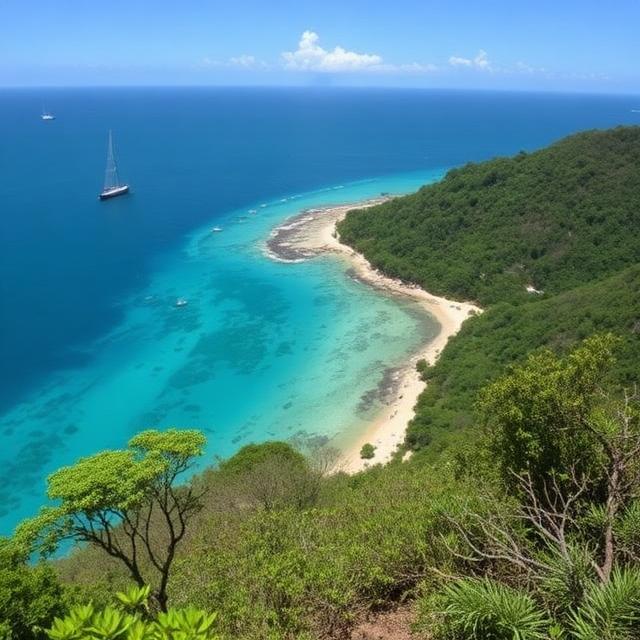
The Andaman Islands are surrounded by some of the most productive tropical waters in the Indian Ocean. Their remote location and extensive reef systems create ideal habitat for giant trevally, dogtooth tuna, and billfish. Deep offshore waters are located close to shore, allowing anglers to reach productive fishing grounds quickly. The region has become one of Asia’s top destinations for serious sportfishing enthusiasts.
Types of Fish: Giant trevally, dogtooth tuna, yellowfin tuna, sailfish, wahoo
Where to Fish: Offshore reefs ➤ seamounts ➤ deep-water drop-offs ➤ pelagic migration routes ➤ current convergence zones
Lakshadweep Islands

The Lakshadweep Islands offer world-class bluewater fishing in a remote tropical setting far from mainland India. The coral atolls are surrounded by deep ocean waters that attract large pelagic predators throughout the year. Healthy reef ecosystems and strong ocean currents create excellent feeding conditions for game fish. The region remains one of the Indian Ocean’s most underrated offshore fishing destinations.
Types of Fish: Yellowfin tuna, giant trevally, dogtooth tuna, wahoo, sailfish
Where to Fish: Atoll passes ➤ offshore drop-offs ➤ reef edges ➤ deep channels ➤ pelagic feeding zones
Atlantic Ocean – Deep Sea Fishing Destinations
The Atlantic Ocean is one of the world’s most productive big-game fishing regions, stretching from tropical equatorial waters to the cold northern currents. Strong oceanic highways, deep trenches, and volcanic island chains create ideal conditions for large pelagic predators. From remote mid-ocean islands to tropical archipelagos, the Atlantic offers consistent action for trophy tuna, marlin, and other offshore game fish. It remains a premier global destination for deep-sea sportfishing year-round.
Ascension Island

Ascension Island offers world-class deep-sea fishing in a remote volcanic setting in the central Atlantic Ocean. The island is surrounded by deep offshore waters and seamounts that consistently attract large pelagic predators. Strong ocean currents and minimal fishing pressure help maintain highly productive fishing grounds year-round. It is one of the Atlantic’s most reliable destinations for trophy offshore species.
Types of Fish: Yellowfin tuna, blue marlin, wahoo, dorado, skipjack tuna
Where to Fish: Offshore seamounts ➤ deep drop-offs ➤ current convergence zones ➤ pelagic migration routes ➤ open ocean structure
Saint Helena

Saint Helena offers exceptional deep-sea fishing in one of the most isolated locations in the South Atlantic Ocean. Steep underwater cliffs drop quickly into deep waters just offshore, bringing nutrient-rich currents close to the island. These conditions support strong populations of yellowfin tuna and other pelagic species. Its isolation ensures pristine waters and low fishing pressure.
Types of Fish: Yellowfin tuna, wahoo, mahi-mahi, marlin, blackfin tuna
Where to Fish: Deep-water drop-offs ➤ offshore currents ➤ volcanic shelf edges ➤ pelagic feeding zones ➤ open Atlantic waters
Tristan da Cunha

Tristan da Cunha is the world’s most remote inhabited island, surrounded by vast and powerful South Atlantic waters. The region is influenced by nutrient-rich Atlantic and Antarctic currents that support abundant marine life. Deep-sea fishing here is highly productive due to virtually no commercial pressure. It is considered an extreme, expedition-level fishing destination.
Types of Fish: Yellowfin tuna, albacore tuna, wahoo, blue shark, seasonal marlin
Where to Fish: Deep ocean waters ➤ offshore current lines ➤ seamount edges ➤ pelagic corridors ➤ open South Atlantic basin
Fernando de Noronha

Fernando de Noronha offers world-class offshore fishing in a protected Brazilian archipelago. The surrounding marine reserve is fed by strong Atlantic currents that attract large pelagic species year-round. Strict conservation measures help maintain a healthy and diverse ecosystem. It is one of the most productive and pristine fishing zones in the South Atlantic.
Types of Fish: Yellowfin tuna, blue marlin, wahoo, mahi-mahi, sailfish
Where to Fish: Offshore drop-offs ➤ reef edges ➤ marine reserve boundaries ➤ deep Atlantic currents ➤ pelagic migration routes
Azores

The Azores offer premier deep-sea fishing in the North Atlantic, formed by volcanic islands surrounded by deep ocean trenches. The region lies along major migratory routes for blue marlin and tuna. Seasonal conditions make it one of Europe’s top big-game fishing destinations. Its combination of structure and deep water creates highly productive offshore fishing grounds.
Types of Fish: Blue marlin, bigeye tuna, yellowfin tuna, wahoo, swordfish
Where to Fish: Offshore seamounts ➤ deep drop-offs ➤ island shelf edges ➤ current convergence zones ➤ pelagic highways
Cape Verde

Cape Verde offers world-renowned deep-sea fishing in the eastern Atlantic Ocean, especially famous for giant blue marlin. The volcanic island chain sits above deep ocean trenches that create ideal hunting grounds for large pelagic predators. Warm currents and strong offshore structure support consistent trophy fishing. It is one of the most iconic big-game fishing destinations in the world.
Types of Fish: Blue marlin, yellowfin tuna, wahoo, dorado, sailfish
Where to Fish: Deep ocean trenches ➤ offshore drop-offs ➤ current lines ➤ island shelf breaks ➤ pelagic feeding zones
Caribbean & Tropical Islands – Deep Sea Fishing Destinations
The Caribbean and surrounding tropical island chains offer some of the most consistent and accessible deep-sea fishing waters in the Atlantic basin. Warm currents, coral atolls, and steep offshore drop-offs create ideal conditions for pelagic species year-round. Many of these islands sit close to deep water, meaning anglers can reach big-game fishing grounds within a short boat ride. The region is especially known for tuna, marlin, wahoo, and mahi-mahi in clear tropical waters.
Anegada

Anegada is a low-lying coral island in the British Virgin Islands, surrounded by deep Atlantic waters and expansive reef systems. Unlike volcanic islands nearby, it is formed from coral limestone, creating unique underwater structures and shallow lagoons near shore. Just offshore, the seafloor drops quickly into deep pelagic zones that attract large game fish. Its remote feel and light fishing pressure make it a strong offshore destination.
Types of Fish: Wahoo, yellowfin tuna, mahi-mahi, sailfish, marlin
Where to Fish: Offshore drop-offs ➤ coral reef edges ➤ deep channels ➤ current lines ➤ pelagic feeding zones
Providencia

Providencia is a secluded Caribbean island located far off Colombia’s northern coast, known for its crystal-clear waters and strong offshore currents. The surrounding ocean features deep drop-offs close to shore, making it ideal for big-game fishing. The island remains relatively undeveloped compared to other Caribbean destinations, preserving its natural marine ecosystem. It is considered one of the Caribbean’s hidden fishing gems.
Types of Fish: Yellowfin tuna, wahoo, mahi-mahi, sailfish, marlin
Where to Fish: Deep offshore waters ➤ reef drop-offs ➤ oceanic current lines ➤ seamount edges ➤ pelagic corridors
Little Cayman

Little Cayman is one of the most remote islands in the Cayman chain, offering access to deep ocean waters with very low fishing pressure. The island sits near steep underwater walls that drop rapidly into the Cayman Trench region. These conditions create excellent opportunities for offshore sportfishing. Its calm environment and clear waters make it a favorite for anglers seeking both relaxation and big-game action.
Types of Fish: Tuna, wahoo, mahi-mahi, marlin, barracuda
Where to Fish: Deep trench edges ➤ offshore drop-offs ➤ reef walls ➤ bluewater currents ➤ pelagic migration routes
Conclusion
Remote islands offer some of the most powerful and untouched deep sea fishing experiences on the planet. From the icy waters of Alaska and Greenland to the rugged coasts of Scotland and the South Atlantic, these destinations are shaped by isolation, strong ocean currents, and rich marine ecosystems. That combination creates ideal conditions for trophy-sized fish and unforgettable adventures.
What makes these islands especially appealing is the sense of exploration. Many are far from major cities, requiring effort to reach, but that effort is exactly what preserves their wild fishing environments. Whether you’re chasing halibut in Arctic waters or tuna near volcanic islands, these remote locations deliver a level of fishing that feels raw, challenging, and rewarding.
For anglers seeking more than just a trip—for those seeking a true expedition—these islands represent some of the best deep sea fishing experiences in the world.
FAQ: Remote Islands for Deep Sea Fishing
1. Why are remote islands good for deep sea fishing?
Remote islands are surrounded by less disturbed waters, stronger currents, and richer marine ecosystems, which often results in larger and more abundant fish populations.
2. What fish can you catch around remote islands?
Common catches include tuna, halibut, cod, grouper, marlin, snapper, and various deep-water species depending on the region and ocean temperature.
3. Do you need a guide for fishing on remote islands?
Yes, in most cases. Remote islands often require local charter guides due to weather conditions, navigation challenges, and safety regulations.
4. Are remote island fishing trips expensive?
They can be. Costs vary widely depending on location, but remote destinations like Svalbard or South Georgia are typically more expensive due to travel logistics and limited access.
5. When is the best time to fish on remote islands?
The best time depends on the region. Arctic islands are best in summer months, while tropical and temperate islands often peak during warmer seasons or specific migration periods.
6. Is deep sea fishing on remote islands safe?
It is generally safe with professional guides, but conditions can be unpredictable. Weather changes, rough seas, and isolation require proper preparation and experienced crews.
7. What makes island fishing different from mainland fishing?
Island fishing often provides quicker access to deep waters, stronger ocean currents, and less fishing pressure, leading to higher chances of trophy catches.



Leave a Reply