Choosing the right boots for Arctic travel is essential when you’re facing snow, ice, freezing temperatures, and wet winter conditions. Ordinary winter boots may not provide enough insulation, waterproofing, or traction for long periods outdoors in extreme environments. The best Arctic boots combine reliable warmth with waterproof construction, secure grip, and enough room for insulating socks without restricting circulation. Whether you’re planning an Arctic expedition, northern lights trip, snowmobile adventure, or winter wildlife tour, this guide highlights the key features to look for when choosing boots that can keep your feet warm, dry, and comfortable.
- 1. Women’s Expedition Boots
- 2. Women’s Extreme-Cold Boots
- 3. Women’s Waterproof Boots
- 4. Women’s Insulated Boots
- 5. Women’s Deep-Snow Boots
- 6. Women’s Ice-Grip Boots
- 7. Women’s Winter Hiking Boots
- 8. Women’s Wet-Cold Boots
- 9. Women’s Tall Snow Boots
- 10. Women’s Everyday Arctic Boots
- Conclusion
- Frequently Asked Questions About Arctic Travel Boots
1. Women’s Expedition Boots
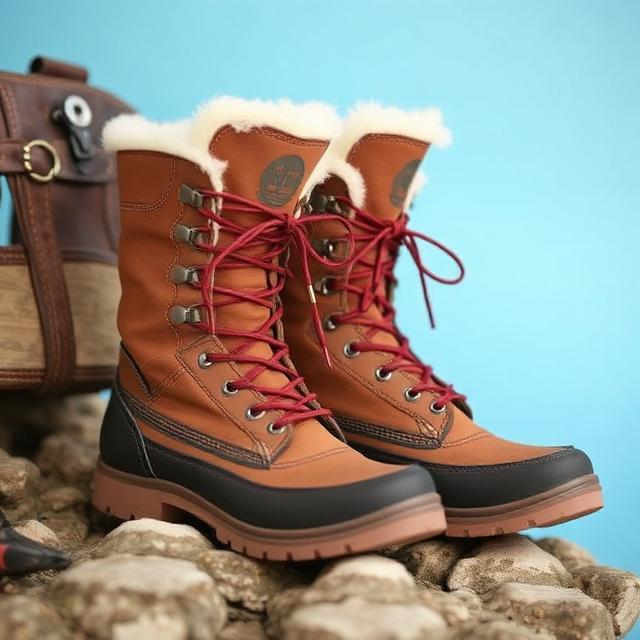
Women’s expedition boots are designed for the most demanding Arctic conditions, including extreme cold, heavy snow, and prolonged outdoor exposure. They typically combine substantial insulation with waterproof construction to help keep feet warm and dry. Rugged outsoles provide traction on snow and icy terrain, while tall designs offer additional protection from deep snow. These are the best choice for serious Arctic expeditions, remote travel, and subzero adventures.
Top Picks: Look for models from Baffin, Sorel, Muck Boot, and Kamik that are specifically rated for extreme cold. The Baffin Impact and Baffin Snow Monster are particularly well suited to severe winter conditions, offering substantial insulation and weather protection. For travelers facing genuinely extreme temperatures, prioritize warmth ratings, waterproof construction, and a secure fit over lightweight styling.
2. Women’s Extreme-Cold Boots

Extreme-cold boots are built specifically for very low temperatures and harsh winter environments. Thick insulation helps retain body heat, while waterproof materials protect against melting snow and moisture. Many models feature fleece-lined interiors, insulated footbeds, and aggressive outsoles for added warmth and stability. They are ideal for travelers expecting prolonged exposure to freezing or subzero conditions.
Top Picks: Baffin, Sorel, and Muck Boot offer strong choices for extremely cold weather. Popular options include the Baffin Impact, Sorel Glacier XT, and Muck Arctic Ice styles. When choosing a pair, pay particular attention to the insulation level, temperature rating, boot height, and traction.
3. Women’s Waterproof Boots

Waterproof boots are essential for Arctic travel because snow, slush, and icy water can quickly make ordinary footwear uncomfortable. These boots use waterproof membranes, sealed construction, or water-resistant materials to help keep feet dry. Many also include insulation for warmth without becoming excessively bulky. They are a versatile option for sightseeing, walking through snowy towns, and everyday winter travel.
Top Picks: Sorel Caribou, Columbia Ice Maiden, and Merrell Thermo Chill are popular options for combining waterproof protection with winter comfort. These styles are particularly practical for travelers who will move between snowy outdoor areas and heated indoor spaces. For Arctic travel, choose waterproof boots with sealed seams and enough insulation for the temperatures you expect to encounter.
4. Women’s Insulated Boots

Women’s insulated boots prioritize warmth by using materials such as synthetic insulation, fleece, wool, or specialized thermal linings. They are designed to trap heat around the foot while protecting against cold winter air. Many styles also feature waterproof or water-resistant outer materials for additional protection in snowy conditions. They are an excellent choice for everyday Arctic travel, sightseeing, and winter activities.
Top Picks: Sorel Joan of Arctic, Columbia Ice Maiden, and Baffin Chloe are good options for travelers looking for warmth in a more wearable everyday design. These boots balance insulation with comfort, making them suitable for walking around Arctic towns and tourist areas. If warmth is your main priority, look for generous insulation combined with a waterproof exterior and room for warm winter socks.
5. Women’s Deep-Snow Boots

Women’s deep-snow boots are built for walking through heavy snowfall and deeper snowdrifts. Their taller shafts help keep snow from entering the boot, while generous insulation protects against cold temperatures. Waterproof construction and rugged outsoles provide additional protection when conditions are wet, snowy, or slippery. They are ideal for Arctic destinations where deep snow is a regular part of the landscape.
Top Picks: Sorel Joan of Arctic, Sorel Caribou, and Baffin Chloe are excellent choices for snowy conditions. Their taller profiles and winter-focused construction provide useful protection when snow is deeper than ordinary winter footwear can handle. For deep snow, prioritize a tall shaft, waterproof upper, secure closure, substantial insulation, and aggressive outsole.
6. Women’s Ice-Grip Boots

Women’s ice-grip boots are designed to provide dependable traction on icy sidewalks, frozen trails, and packed snow. Their specialized rubber outsoles and aggressive tread patterns help improve stability on slippery surfaces. Some winter boots can also accommodate traction aids such as removable ice cleats for especially challenging terrain. They are especially useful for Arctic travelers who expect to spend a lot of time walking outdoors.
Top Picks: Muck Arctic Ice, Baffin Impact, and Sorel Buxton are worth considering when traction is a major priority. Look for boots with deep, multidirectional lugs and winter-rated rubber that remains flexible in cold temperatures. For extremely icy conditions, pairing compatible boots with removable traction devices can provide additional grip.
7. Women’s Winter Hiking Boots

Women’s winter hiking boots combine the warmth of winter footwear with the support and durability needed for outdoor adventures. They generally feature insulated linings, waterproof uppers, supportive midsoles, and rugged traction for snowy terrain. Their construction makes them more suitable for long walks and trails than casual winter boots. They are a great choice for Arctic hikes, outdoor excursions, and active travelers.
Top Picks: Merrell Thermo Chill Mid, Columbia Bugaboot, and Salomon Toundra are strong choices for active winter travelers. These boots are designed to provide a combination of warmth, weather protection, stability, and walking comfort. If you plan to hike, prioritize ankle support, outsole traction, waterproofing, and a fit that leaves enough room for your toes to move.
8. Women’s Wet-Cold Boots

Women’s wet-cold boots are made for winter conditions where cold temperatures are accompanied by rain, slush, and melting snow. Waterproof materials help prevent moisture from reaching the feet, while insulation keeps them comfortable in chilly weather. Their flexible construction can make them practical for walking through wet streets and changing conditions. They are particularly well suited to coastal and damp Arctic destinations.
Top Picks: Muck Arctic Sport II, Sorel Caribou, and Bogs Arcata are practical choices for wet and cold environments. Their waterproof construction makes them useful when snow begins to melt or winter precipitation turns into slush. For wet Arctic climates, look for fully waterproof materials, sealed construction, insulation, and a sole that maintains traction on slick surfaces.
9. Women’s Tall Snow Boots

Women’s tall snow boots are designed to provide extra coverage and protection in deep snow and harsh winter weather. The extended shaft helps prevent snow from getting inside, while insulated linings keep feet and lower legs warmer in freezing conditions. Waterproof materials help protect against snow, slush, and moisture during outdoor activities. They are especially useful for Arctic sightseeing, snowy walks, and destinations with frequent heavy snowfall.
Top Picks: Look for tall winter styles from Sorel, Baffin, and Kamik that combine insulation, waterproof protection, and dependable traction. The Sorel Joan of Arctic is a standout for deep snow, while Baffin and Kamik offer practical options for colder, more rugged conditions. For Arctic travel, choose a tall boot with a secure closure, comfortable shaft, warm lining, and a durable winter outsole.
10. Women’s Everyday Arctic Boots

Women’s everyday Arctic boots offer a balance of warmth, waterproofing, traction, comfort, and style for daily winter travel. Unlike heavy expedition boots, they are generally lighter and easier to wear for long periods while still providing protection from snow and cold. They work particularly well for sightseeing, shopping, walking through snowy towns, and other everyday activities. For travelers who do not expect extreme expedition conditions, this versatile category can be the most practical choice.
Top Picks: Sorel Tivoli, Columbia Ice Maiden, and Sorel Joan of Arctic are excellent options for combining everyday comfort with winter protection. The Sorel Tivoli is a good choice for a lighter, more casual look, while the Columbia Ice Maiden provides a practical combination of insulation and weather protection. If you expect colder or snowier conditions, consider a more heavily insulated option with stronger traction and waterproof construction.
Conclusion
The best boots for Arctic travel should keep your feet warm, dry, and stable in demanding winter conditions. Look for generous insulation, waterproof construction, dependable traction, and a comfortable fit that allows room for warm socks without compressing your feet. Your choice should also match your itinerary, since a sightseeing trip requires different footwear than a multi-day Arctic expedition. Investing in properly insulated, well-fitting boots can make a significant difference in comfort and safety during cold-weather adventures.
Frequently Asked Questions About Arctic Travel Boots
What type of boots are best for Arctic travel?
The best Arctic travel boots are insulated, waterproof, and designed with strong traction for snow and ice. For extreme conditions, choose boots specifically rated for very cold temperatures.
How warm should Arctic boots be?
For extended outdoor exposure, choose heavily insulated boots designed for freezing and subzero conditions. Temperature ratings are useful as a guide, but warmth also depends on activity level, socks, fit, wind, and how long you remain outdoors.
Should Arctic boots be waterproof?
Yes. Waterproof construction is important for keeping feet dry when walking through snow, slush, and wet winter conditions. A waterproof outer shell combined with insulation provides better protection in changing Arctic weather.
Do I need special boots for an Arctic expedition?
For a serious expedition, specialized extreme-cold or expedition-rated boots are generally a better choice than standard winter boots. They provide greater insulation and protection for prolonged exposure to severe cold.
Are Arctic boots good for walking on ice?
Choose boots with an outsole specifically designed for winter traction. On smooth or highly polished ice, however, even good winter soles may benefit from additional traction devices such as ice cleats.
How should Arctic boots fit?
Arctic boots should have enough room for your toes and warm socks without feeling loose. Avoid a tight fit because compression can reduce insulation and comfort.
Are removable liners useful?
Yes. Removable liners can be particularly useful during Arctic trips because they can be taken out and dried between uses. They can also make the boots easier to manage during extended trips.
Can I wear regular hiking boots in the Arctic?
Regular hiking boots are generally not suitable for prolonged exposure to extreme cold unless they are specifically insulated and designed for winter conditions. For serious Arctic travel, choose footwear appropriate for the expected temperatures and terrain.
What socks should I wear with Arctic boots?
Warm merino-wool or synthetic winter socks are good choices. Avoid overly tight sock combinations that compress your feet inside the boots.
How do I keep Arctic boots warm and dry?
Keep the boots as dry as possible, remove and dry liners when appropriate, and avoid placing wet boots directly against intense heat. Allowing moisture to evaporate between uses helps maintain insulation and comfort.






Leave a Reply