Planning an Arctic trip requires more than simply packing your warmest coat. Extreme cold, snow, wind, and changing weather conditions make the right combination of layers, insulation, and waterproof gear essential for staying comfortable outdoors. From thermal shirts and insulated pants to expedition boots, Arctic parkas, gloves, and winter accessories, every item has a purpose. This complete Arctic packing guide breaks down exactly what to wear and pack for a warm, comfortable, and well-prepared Arctic adventure.
Tops
Dressing the upper body in layers is essential for staying warm, dry, and protected in Arctic conditions. Start with a moisture-wicking base layer made from merino wool or synthetic material to move sweat away from the skin and maintain a dry, warm environment. Add an insulating mid layer, such as fleece, wool, or a down/synthetic jacket, to trap body heat without restricting movement. Finish with an expedition-grade outer parka that blocks wind, snow, and moisture while providing substantial insulation for extreme temperatures. The layered system allows you to add or remove insulation as activity levels and weather conditions change.
Base Layer Top

A base layer top is designed to sit directly against the skin and keep the body dry in extremely cold conditions. Heavyweight merino wool or high-performance synthetic materials wick moisture and sweat away from the skin while helping retain warmth. Merino wool also provides excellent temperature regulation and odor resistance, making it suitable for extended Arctic trips. The fit should be close enough to provide efficient moisture management without restricting movement or circulation.
Mid Layer Top

A mid layer provides the primary insulation between the moisture-wicking base layer and the outer parka. Fleece jackets, heavy wool sweaters, and lightweight down or synthetic puffer jackets trap warm air around the torso while remaining comfortable during movement. Down offers an excellent warmth-to-weight ratio, while synthetic insulation performs better when exposed to moisture. In extreme cold, the mid layer should provide substantial warmth without being so bulky that it interferes with the outer parka.
Outer Layer Parka

An outer expedition parka is the primary defense against extreme cold, strong winds, blowing snow, and moisture. It should combine a windproof and highly weather-resistant shell with substantial synthetic or high-fill-power down insulation to retain body heat. A deep, insulated hood with a fur or faux-fur trim can help reduce wind exposure around the face and create a warmer microclimate. For prolonged Arctic exposure, an expedition-grade parka should provide generous coverage, adjustable cuffs, a protective hem, and enough room to accommodate the underlying layers.
Pants & Bottoms — Layered Dressing
Base Layer Bottom

Start with heavyweight merino wool or synthetic thermal leggings, commonly known as long johns, worn directly against the skin. These leggings provide a warm foundation while wicking moisture away from the body during activity. Merino wool offers excellent insulation and temperature regulation, while synthetic fabrics dry quickly and maintain performance when damp. The base layer should fit comfortably without being overly tight, allowing good circulation and easy movement.
Mid Layer Pants

Add fleece trousers, wool pants, or other insulating bottoms over the thermal base layer for additional warmth. This layer works by trapping warm air close to the legs and creating extra insulation in sub-zero temperatures. Fleece is lightweight, breathable, and quick-drying, while thick wool provides excellent natural warmth. Mid layers should be comfortable and roomy enough to avoid compressing the thermal layer underneath.
Outer Layer Shell/Insulated Pants

Finish with windproof and waterproof expedition shell pants or heavily insulated snow bibs and overalls. This outer layer protects the legs from freezing winds, blowing snow, moisture, and prolonged exposure to harsh Arctic weather. Bib-style insulated pants can provide additional protection around the waist and torso while preventing snow from entering during outdoor activities. For extreme conditions, choose an outer layer with durable weatherproof fabric, adjustable cuffs, and enough room to accommodate the layers underneath.
Boots & Footwear — Layered Protection
Extreme Cold Weather Boots

Choose expedition-grade boots rated to approximately −40°F or lower, such as heavy-duty pac boots from Sorel or Baffin. These boots typically combine a durable rubber or waterproof outer shell with thick, removable insulated liners to protect against snow, wind, and extreme cold. Removable liners are especially useful because they can be taken out and dried between uses, reducing moisture buildup inside the boot. The boots should also have enough internal space for warm socks without restricting circulation.
Wool Boot Socks

Wear thick, high-cushion merino wool socks to provide additional insulation and moisture management inside the boots. Merino wool helps retain warmth even when slightly damp and can regulate temperature during periods of activity. Avoid overly tight socks, since compression can reduce circulation and make feet feel colder. Bring several spare pairs so wet or damp socks can be replaced immediately with clean, dry ones.
Vapor Barrier Socks

Vapor barrier socks are thin, waterproof layers worn between the inner sock system and the boot liner to limit moisture from reaching the insulation. They are particularly useful during prolonged activity because perspiration can gradually accumulate inside boot insulation and reduce its ability to retain heat. When used correctly, they help keep the boot liner drier and preserve its insulating performance. They should be paired with an appropriate liner sock and monitored for condensation or excessive moisture inside the vapor barrier.
Headwear & Face Protection — Layered Protection
Balaclava

A wind-resistant fleece or heavyweight wool balaclava provides essential protection for the head, neck, ears, cheeks, and lower face. It creates a warm insulating layer beneath a hood while reducing direct exposure to freezing Arctic winds. A good balaclava should fit comfortably without restricting breathing or becoming too tight around the face and neck. For extreme conditions, choose a design that can be adjusted to provide greater coverage when wind and temperatures become severe.
Fur Trapper Hat
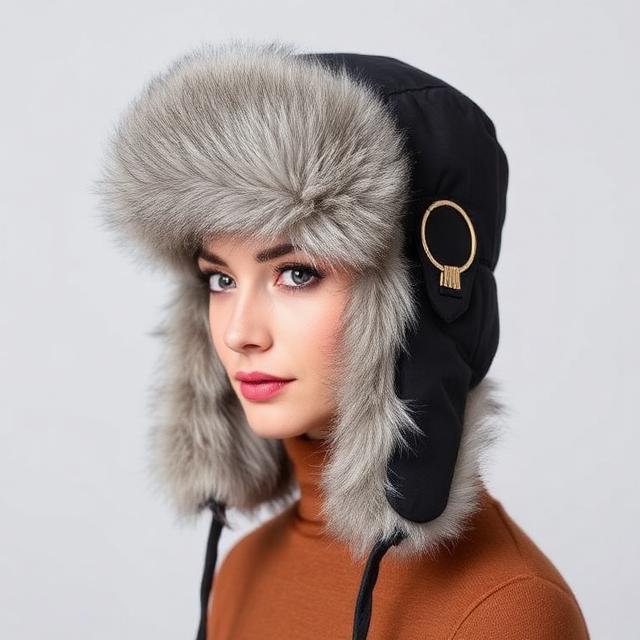
A traditional fur-lined ushanka or heavy-duty Arctic aviator hat provides substantial insulation around the head and ears. Its ear flaps can be secured beneath the chin or over the sides of the face to protect against strong winds and freezing temperatures. Fur or high-quality synthetic insulation helps trap warm air while providing additional protection when worn over or instead of a lighter hat. The hat should fit securely while leaving enough room to avoid compressing the insulating layers underneath.
Glacier Sunglasses

Glacier sunglasses are designed to protect the eyes from intense sunlight and reflected UV radiation from snow and ice. They typically feature high UV protection, dark lenses, and side shields that reduce peripheral light entering around the edges. This protection is particularly important in polar environments, where bright snow glare can cause severe eye irritation and snow blindness. Choose sunglasses that provide full UV protection and fit securely enough to remain comfortable in strong wind and blowing snow.
Handwear — Layered Protection
Liner Gloves

Thin liner gloves made from moisture-wicking synthetic fabric or merino wool provide the first layer of protection for the hands. They help manage perspiration while adding a small amount of insulation beneath heavier mittens or gloves. Liner gloves are especially useful when handling equipment, cameras, tools, or other gear because they allow better dexterity than bulky outer handwear. Choose a close-fitting pair that maintains flexibility without restricting circulation.https://amzn.to/45VYpTj
Expedition Mittens

Heavy-duty expedition mittens provide the primary insulation and protection for the hands in extreme Arctic conditions. Down or synthetic insulation combined with a windproof and weather-resistant outer shell helps retain heat while shielding the hands from freezing winds and blowing snow. Mittens are generally warmer than gloves because the fingers remain together and can share body heat, reducing heat loss. For prolonged exposure, choose mittens with adjustable cuffs, durable shells, and enough room to accommodate liner gloves without compressing the insulation.
Conclusion
Knowing what to wear in the Arctic can make a major difference in your comfort and safety during a winter adventure. The key is to dress in layers, starting with a moisture-wicking thermal base layer, adding insulating mid-layers, and finishing with a windproof and waterproof outer layer. Warm expedition or insulated snow boots, thermal socks, gloves, a winter hat, and face protection are equally important. With the right Arctic clothing and footwear, you can stay warm and comfortable while enjoying snow-covered landscapes, Northern Lights tours, wildlife excursions, and other cold-weather activities.
Frequently Asked Questions
What should I wear in the Arctic?
Wear a thermal base layer, insulating mid-layer, warm Arctic parka, insulated winter pants, and waterproof boots. Add warm socks, gloves or mittens, a hat, and face protection for extra warmth.
What type of boots are best for Arctic travel?
Expedition boots or heavily insulated waterproof snow boots are generally the best choices for severe Arctic conditions. Look for excellent insulation, waterproof construction, and strong traction for snow and ice.
How many layers should I wear in the Arctic?
A three-layer system is a good starting point: a thermal base layer, an insulating mid-layer, and a windproof or waterproof outer layer. You can add or remove layers depending on the temperature and activity.
Are jeans suitable for Arctic travel?
Jeans are not ideal for prolonged outdoor activities in extreme cold. Thermal leggings or base layers underneath insulated or waterproof winter pants provide much better warmth and weather protection.
What should women wear in the Arctic?
Women can use the same layering system as any Arctic traveler: thermal tops and leggings, an insulating mid-layer, an Arctic parka, insulated pants, warm socks, and waterproof winter boots. Fit is especially important because clothing should allow comfortable movement without restricting circulation.
Do I need waterproof boots in the Arctic?
Yes, waterproof boots are highly recommended because snow, slush, and melting ice can quickly make feet wet. Choose boots that combine waterproof protection with sufficient insulation and winter traction.
What should I wear for Northern Lights viewing?
For Northern Lights viewing, dress for prolonged periods outdoors. Wear thermal layers, a heavily insulated parka, warm pants, insulated boots, thick socks, mittens, a hat, and a balaclava or neck gaiter.
What should I pack for an Arctic cruise?
Pack thermal base layers, fleece or insulated mid-layers, a waterproof and windproof parka, insulated pants, waterproof boots, warm gloves, a hat, and face protection. Your cruise operator may also recommend specific gear for shore excursions and Zodiac trips.




Leave a Reply