Connecticut may not be one of the first states that comes to mind for extreme whitewater, but experienced paddlers can find several challenging Class V opportunities in its rivers and steep creeks. Center Brook, Still River, and sections of the Housatonic River offer technical whitewater that can become particularly demanding at suitable flows. Water levels can dramatically affect difficulty, and some Class V features may be short sections rather than long continuous runs. Paddlers should carefully research current conditions, scout difficult rapids, and have the skills and safety equipment necessary for high-consequence whitewater.
━━━━━━━━━━━━━━━ 🛶 ━━━━━━━━━━━━━━━
Northwestern Connecticut
🛶 Center Brook
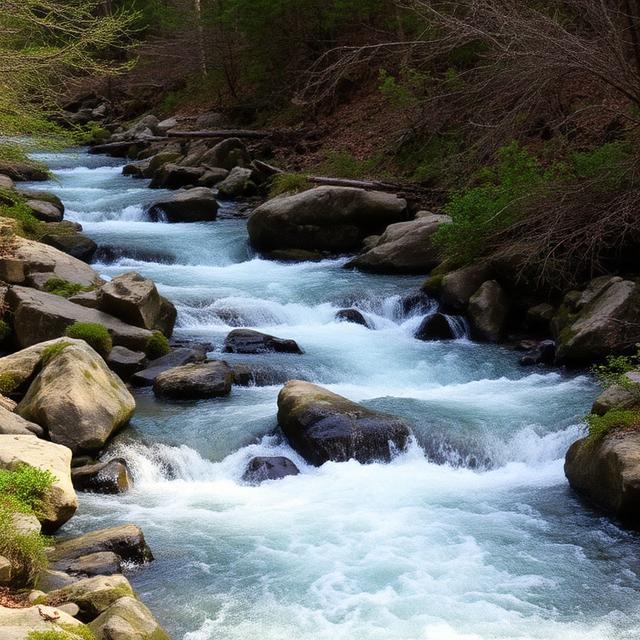
Center Brook is one of Connecticut’s documented Class V whitewater creeks, with a challenging section extending from Pisgah Mountain Road to Sandy Brook. The steep creek environment features technical terrain that requires strong boat control, experience, and careful scouting. Water levels can significantly influence the character of the run, particularly following substantial rainfall. This is a serious creek run best suited to experienced whitewater kayakers.
Quick Facts: Location: Northwestern Connecticut | Class Rapids: Class V | Difficulty: Expert | River Type: Steep technical creek | Best Season: Rain-dependent periods
Where to Stay: Torrington, New Milford, Kent, and Cornwall Bridge offer convenient lodging and services for paddlers exploring northwestern Connecticut. Torrington provides a larger selection of amenities, while Kent and Cornwall Bridge offer closer access to the Litchfield Hills.
━━━━━━━━━━━━━━━ 🛶 ━━━━━━━━━━━━━━━
Western Connecticut
🛶 Still River

The Still River contains a short but technical Class V section above Sandy Brook. Its compact gorge and difficult features require precise paddling and careful evaluation of the water level. The run is particularly suited to experienced creek boaters who understand technical whitewater and can recognize changing hazards. Because the section is short and flow-dependent, paddlers should research recent conditions before making the trip.
Quick Facts: Location: Western Connecticut | Class Rapids: Class V | Difficulty: Expert | River Type: Technical creek gorge | Best Season: Suitable rainfall-dependent flows
Where to Stay: New Milford, Kent, Gaylordsville, and Cornwall Bridge provide convenient bases for exploring the Still River and surrounding Housatonic Valley. New Milford has more restaurants, fuel, shopping, and lodging, while Kent offers a smaller town atmosphere closer to the area’s outdoor recreation.
🛶 Housatonic River — Bulls Bridge

The Housatonic River near Bulls Bridge is one of Connecticut’s best-known whitewater destinations. The overall Bulls Bridge reach is rated Class IV by American Whitewater, but it contains individual features reaching Class V difficulty, including the Staircase rapid. Powerful current, rocky terrain, and changing flows can make this section demanding for advanced paddlers. The exact difficulty depends on the feature and water level, so paddlers should research the specific reach before launching.
Quick Facts: Location: Western Connecticut | Class Rapids: Class IV with Class V features | Difficulty: Advanced to Expert | River Type: River gorge | Best Season: Flow-dependent periods
Where to Stay: Kent, Gaylordsville, New Milford, and Cornwall Bridge are convenient bases for paddlers visiting the Housatonic River. Kent is particularly useful for access to the Bulls Bridge area, while New Milford provides additional hotels, restaurants, fuel, and outdoor supplies.
Conclusion
Connecticut has a relatively small but interesting selection of advanced whitewater for experienced kayakers. Center Brook and Still River provide documented Class V opportunities, while portions of the Housatonic River can offer highly challenging conditions depending on the section and water level. Because these runs can be technical and consequential, paddlers should never rely solely on a general river rating when planning a trip. Check current flows, recent reports, access information, weather, and local regulations before getting on the water.
Frequently Asked Questions
Is there Class V whitewater kayaking in Connecticut?
Yes. Connecticut has a limited number of documented Class V whitewater sections, including Center Brook and Still River, with additional challenging sections of other rivers depending on flow and rating system.
What is the hardest whitewater river in Connecticut?
There isn’t necessarily one single “hardest” river because difficulty depends on the particular section and water level. Center Brook, Still River, and challenging portions of the Housatonic River are among the waterways that advanced paddlers may consider.
Is the Housatonic River Class V?
Some sections or conditions of the Housatonic can reach very difficult whitewater classifications, but the entire river should not be labeled Class V. Ratings vary by section and flow, so paddlers should research the specific run they intend to paddle.
Do I need Class V experience to paddle these rivers?
For genuine Class V sections, paddlers should have advanced whitewater skills and substantial experience appropriate to the specific run. Class V water can involve powerful hydraulics, complex lines, sieves, strainers, drops, and serious consequences for mistakes.
When is the best time to kayak Class V water in Connecticut?
Many Connecticut whitewater runs are highly dependent on rainfall and river levels. Rather than relying on a particular month, paddlers should monitor current gauges and recent precipitation and determine whether the specific section is at a suitable level.
Is Class V whitewater dangerous?
Yes. Class V whitewater can involve significant hazards and requires advanced skills, appropriate equipment, careful scouting, and sound judgment. Conditions can change rapidly, so paddlers should be prepared to walk around a rapid or abandon a run when conditions aren’t appropriate.



Leave a Reply