Visiting the Pyramids of Giza in Egypt is a bucket-list experience for travelers from around the world. These ancient wonders offer a fascinating glimpse into Egypt’s history, from the Great Pyramid of Giza to the iconic Great Sphinx.
If you’re planning a trip, knowing how to visit the pyramids in Egypt can help you make the most of your experience. In this guide, you’ll discover how to get to the Giza Plateau, where to buy tickets, how much a visit costs, whether you can go inside the pyramids, and practical travel tips to help you plan a memorable adventure.
Pyramids of Giza Ticket Prices
The cost to visit the Pyramids of Giza in Egypt depends on whether you want to explore the Giza Plateau, enter one of the pyramids, or book a guided tour. If you’re planning a trip, it’s worth budgeting separately for entrance tickets, interior access, transportation, and a guide.
- Giza Plateau entrance: EGP 700 per adult
- Great Pyramid of Khufu interior: EGP 1,000–1,500 extra
- Pyramid of Khafre interior: EGP 280 extra
- Pyramid of Menkaure interior: EGP 280 extra
Pyramids of Giza Tickets: Where to Buy and Should You Book Online?
Planning to visit the Pyramids of Giza in Egypt? Booking your Giza Pyramid tickets online before your trip can help you plan ahead and avoid uncertainty at the entrance.
Where to Buy Pyramids of Giza Tickets Online
Book your Pyramids of Giza tickets and guided tours through Viator
Best Time to Visit the Pyramids of Giza
The best time to visit the Pyramids of Giza in Egypt is early in the morning, shortly after opening, when temperatures are cooler, crowds are often smaller, and the soft sunlight is perfect for photography.
- Best time of day: Early morning, around opening time.
- Best months: October through April, when temperatures are generally more comfortable.
- Best for photography: Sunrise or early morning for soft golden light; late afternoon for warm desert colors.
- How long to spend: Allow around 3–4 hours to explore the pyramids and nearby Great Sphinx.
- Best days: Weekdays, especially Tuesday through Thursday, can be less crowded.
Pyramids of Giza
The Giza pyramid complex in Egypt is best known for its three main pyramids, built for the pharaohs of the Fourth Dynasty. The wider Giza necropolis also contains smaller pyramids belonging to queens and other royal family members.
The 3 Main Pyramids of Giza
Great Pyramid of Khufu
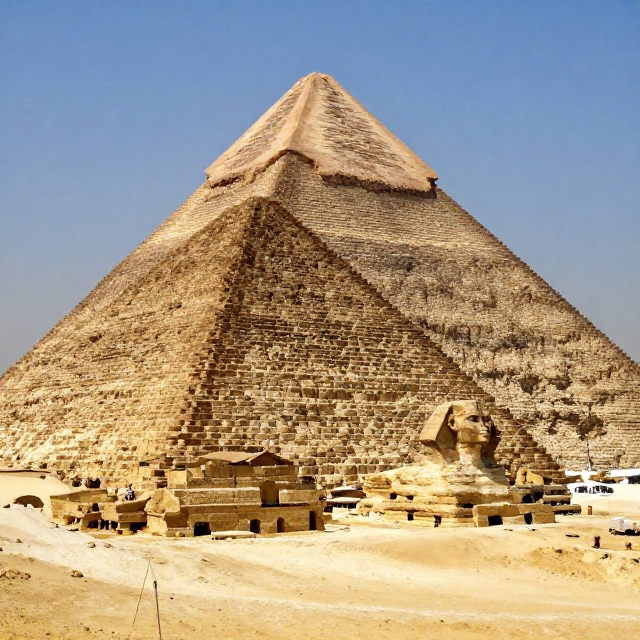
Step back in time and discover the magnificent Great Pyramid of Khufu, also known as the Pyramid of Cheops. Built more than 4,500 years ago, this extraordinary monument is the largest of the three main Pyramids of Giza in Egypt. Originally reaching approximately 146.6 meters (481 feet) tall, it showcases the remarkable engineering skills of ancient Egyptian builders. As the only surviving wonder of the Seven Wonders of the Ancient World, the Great Pyramid continues to captivate visitors with its immense scale, fascinating mysteries, and timeless beauty.
History of the Great Pyramid of Khufu: The Great Pyramid of Giza was constructed during Egypt’s Fourth Dynasty, around 2580–2560 BCE, as the royal tomb of Pharaoh Khufu. Built on the Giza Plateau near modern-day Cairo, the pyramid was originally covered in smooth, polished white limestone that reflected the sunlight. Its construction remains one of the most impressive architectural achievements of the ancient world, attracting historians, archaeologists, and travelers eager to discover the secrets of Khufu’s Pyramid in Egypt.
What to Expect at the Great Pyramid of Khufu: Visiting the Great Pyramid of Giza offers an unforgettable opportunity to stand beside one of the world’s most extraordinary ancient monuments. Take photographs of its enormous limestone blocks, admire its towering structure against the desert landscape, and capture panoramic views of the surrounding Giza pyramid complex. Visitors can also explore the possibility of entering the pyramid through its narrow passageways with a valid ticket, subject to access restrictions. For the best photos, consider visiting early in the morning or later in the afternoon when the sunlight creates dramatic shadows across the ancient stones.
Pyramid of Khafre
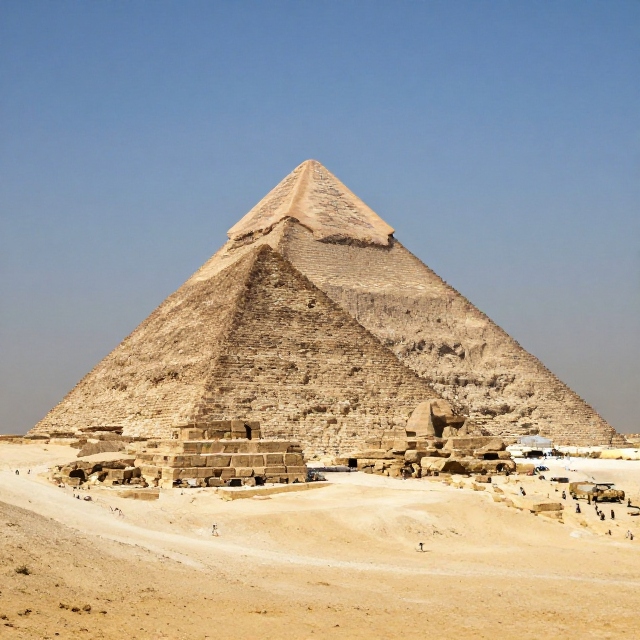
Rising proudly above the Giza Plateau, the Pyramid of Khafre is an impressive ancient monument built for Pharaoh Khafre, the son of Khufu. Although slightly smaller than the Great Pyramid, its elevated position makes it appear almost as tall. Remnants of its original smooth limestone casing remain near the summit, offering a glimpse of its former grandeur. The nearby Great Sphinx of Giza adds to the site’s mystery, making this pyramid one of Egypt’s most recognizable historical landmarks.
History of the Pyramid of Khafre: The Pyramid of Khafre was built around 2550 BCE during Egypt’s Fourth Dynasty as the tomb of Pharaoh Khafre, who ruled after Khufu. Located beside the Great Pyramid, it formed part of an extensive funerary complex that included temples and a causeway used for religious ceremonies. The pyramid’s surviving limestone casing near the top provides valuable insight into its original appearance. Today, the Pyramid of Khafre in Giza, Egypt, remains an important symbol of ancient Egyptian royal power, religious beliefs, and architectural expertise.
What to Expect at the Pyramid of Khafre: The Pyramid of Khafre is an excellent spot for photography, offering striking views of its steep sides and distinctive limestone cap. Explore the surrounding Giza Plateau, where you can photograph the pyramid alongside the Great Sphinx of Giza and capture the scale of these ancient wonders in a single frame. Walking around the pyramid complex allows you to appreciate the impressive stone construction and the relationship between the pyramids and their surrounding temples. Bring comfortable walking shoes, sun protection, and plenty of water to make the most of your visit to this historic Egyptian landmark.
Pyramid of Menkaure
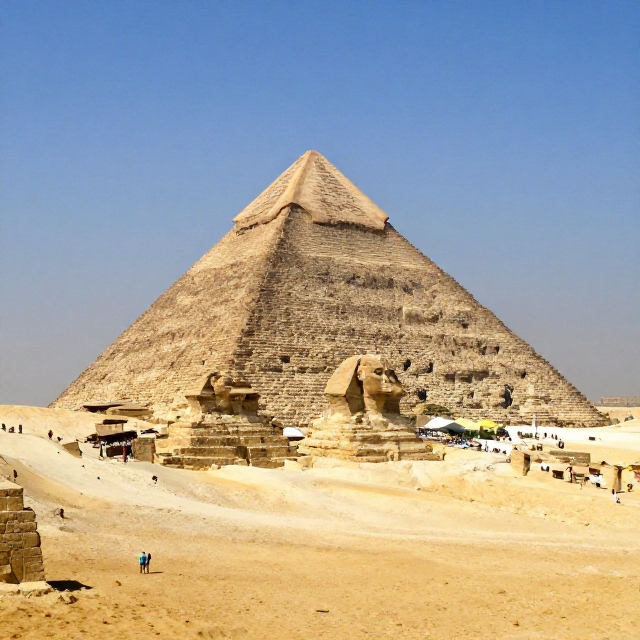
Discover the Pyramid of Menkaure, the smallest of the three main Pyramids of Giza, yet a remarkable monument in its own right. Originally standing approximately 65 meters (213 feet) tall, it occupies the southern end of the Giza pyramid complex. Its distinctive granite casing near the lower sections sets it apart from the other two pyramids, showcasing the craftsmanship of ancient Egyptian builders. Despite its smaller size, the pyramid offers a fascinating glimpse into the burial traditions and royal heritage of ancient Egypt.
History of the Pyramid of Menkaure: The Pyramid of Menkaure was constructed around 2490–2470 BCE as the tomb of Pharaoh Menkaure, the ruler associated with the third major pyramid at Giza. Built during the Fourth Dynasty, it formed part of a funerary complex that included a mortuary temple and other structures connected to royal burial rituals. Unlike the larger pyramids of Khufu and Khafre, Menkaure’s pyramid incorporated granite in parts of its exterior, creating a distinctive architectural appearance. Today, the Pyramid of Menkaure in Egypt offers visitors a deeper understanding of ancient Egyptian burial customs, royal history, and the enduring legacy of the Giza pyramids.
What to Expect at the Pyramid of Menkaure: Visiting the Pyramid of Menkaure provides an opportunity to explore a quieter part of the Pyramids of Giza complex while appreciating its distinctive shape and ancient stonework. Walk around the exterior to see the remaining granite casing and photograph the pyramid against the expansive desert landscape. Its position south of the other two main pyramids makes it an excellent addition to a complete Giza pyramids sightseeing tour. Take time to capture wide-angle photographs of all three pyramids from suitable viewpoints and enjoy the remarkable atmosphere of one of Egypt’s most important archaeological sites.
Other Pyramids at Giza
Queen Khentkaus I’s Pyramid Complex
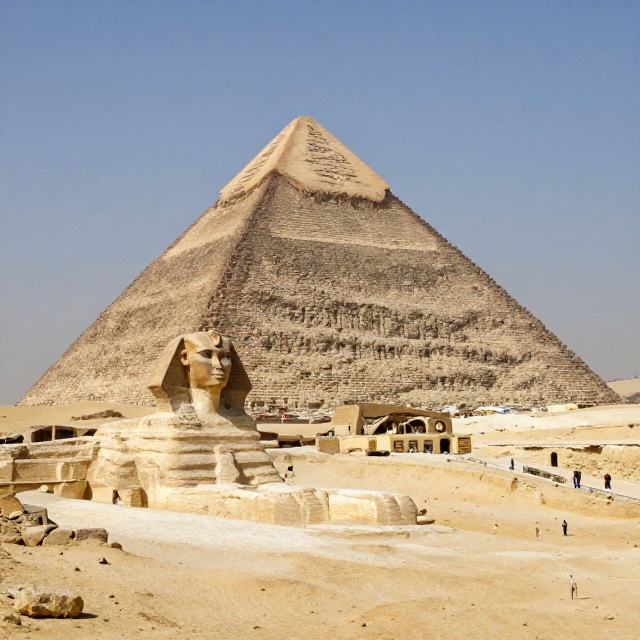
Discover the fascinating Queen Khentkaus I Pyramid Complex at Giza, an important royal funerary monument located near the main Giza pyramid complex. This distinctive structure is associated with Queen Khentkaus I, a royal figure from ancient Egypt’s Fourth Dynasty. Although it differs in appearance from the three main pyramids, the monument features elements of a pyramid-shaped tomb and a complex of structures connected to royal burial traditions. Its unique design offers valuable insight into the status of royal women and the development of ancient Egyptian funerary architecture.
History of Queen Khentkaus I’s Pyramid Complex: The Tomb of Queen Khentkaus I dates to the late Fourth Dynasty, around the 25th century BCE. Located in the Giza necropolis, it is sometimes described as the Fourth Pyramid of Giza because of its unusual shape and royal significance. The complex included a burial structure, a temple, and other features associated with funerary worship. Today, it provides an intriguing glimpse into the lives, status, and burial customs of ancient Egypt’s royal family.
What to Expect at Queen Khentkaus I’s Monument: Visitors exploring the wider Giza pyramid complex can discover this lesser-known monument and appreciate its distinctive architecture. The site offers a different perspective on the Giza necropolis beyond the famous pyramids of Khufu, Khafre, and Menkaure. It is particularly interesting for travelers who enjoy ancient Egyptian history, archaeology, and lesser-known historical landmarks. Check local site access before visiting, as access to individual monuments may vary.
Queen’s Pyramids of Khufu
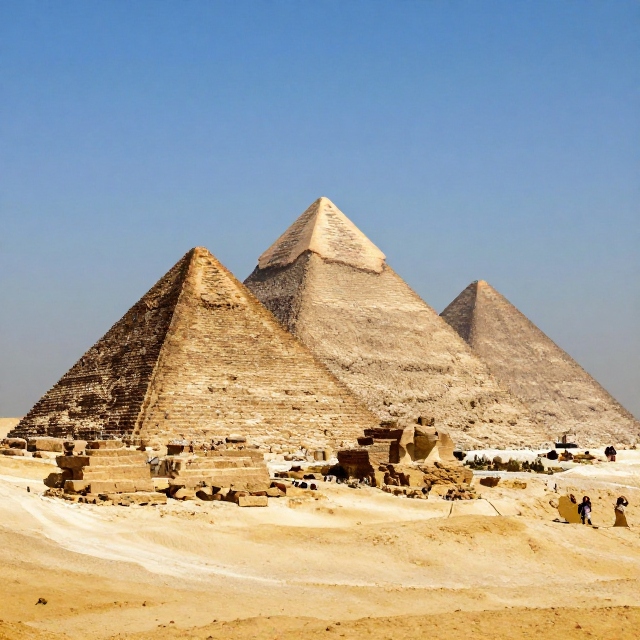
The Queen’s Pyramids of Khufu are three smaller pyramids located beside the Great Pyramid of Giza. These subsidiary monuments are traditionally associated with royal women connected to Pharaoh Khufu, although the precise identification of every burial remains uncertain. Much smaller than the Great Pyramid, they form an important part of the surrounding royal funerary landscape. Their presence helps illustrate how ancient Egyptian burial complexes were designed to honor not only the pharaoh but also members of the royal family.
History of the Queen’s Pyramids of Khufu: Built during Egypt’s Fourth Dynasty, the three subsidiary pyramids of Khufu are generally identified as G1a, G1b, and G1c. They stand to the east of the Great Pyramid and are commonly associated with royal women, possibly including Khufu’s wives or daughters. These smaller structures were part of a larger funerary complex that included tombs and other monuments connected to royal burial practices. Today, they offer valuable insight into the family relationships, religious beliefs, and burial traditions of ancient Egypt.
What to Expect at the Queen’s Pyramids of Khufu: When exploring the Great Pyramid of Giza, look for the three smaller pyramids standing nearby, which provide an interesting contrast to Khufu’s enormous monument. Their weathered stonework and compact size create excellent opportunities for historical photography and a closer look at the wider Giza pyramid complex. Visitors can appreciate how these structures fit into the original royal burial landscape and learn more about the women associated with Egypt’s ruling dynasty. Check current visitor regulations if you wish to approach particular structures or enter any accessible areas.
Queen’s Pyramids of Khafre
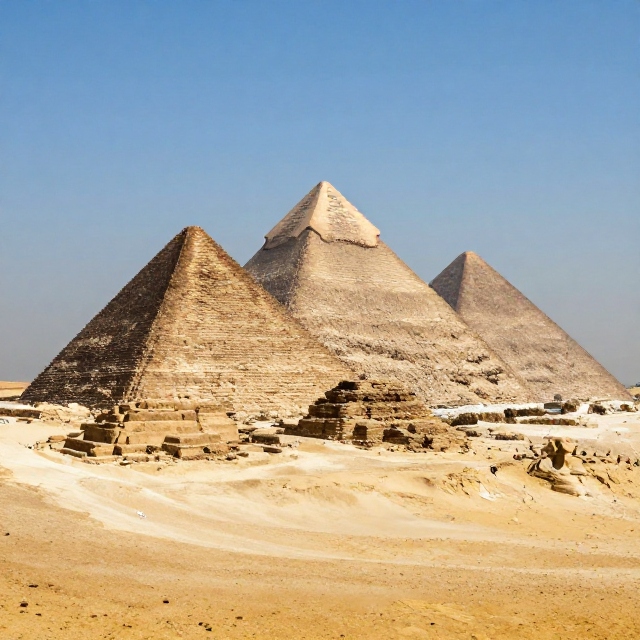
The Queen’s Pyramids of Khafre refers to smaller subsidiary pyramid structures associated with the wider funerary landscape of Pharaoh Khafre at Giza. Unlike the three subsidiary pyramids beside Khufu’s Great Pyramid, Khafre’s complex is not generally known for a comparable group of three queen’s pyramids. The surrounding necropolis contains tombs and monuments associated with royal family members and elite individuals. Exploring this area helps visitors understand how the Giza Plateau developed into an extensive royal burial ground.
History of the Pyramid Complex of Khafre: The Pyramid of Khafre was built during Egypt’s Fourth Dynasty, around the 26th century BCE. Its funerary complex included temples, a causeway, and surrounding burial areas that reflected the religious importance of the pharaoh. Smaller tombs and subsidiary structures in the wider necropolis provide evidence of the royal court and elite society of the period. Together, these monuments reveal how ancient Egyptians organized burial sites around the tombs of their rulers.
What to Expect Around Khafre’s Pyramid Complex: Visitors can explore the exterior of the Pyramid of Khafre and take in views of the surrounding temples, tombs, and desert landscape. The nearby Great Sphinx makes this area especially rewarding for photography and sightseeing. As you walk through the complex, look for the differences between the main pyramid and the smaller structures scattered throughout the necropolis. The area is an excellent addition to a Giza pyramids tour for travelers interested in the wider history of ancient Egypt.
Queen’s Pyramids of Menkaure
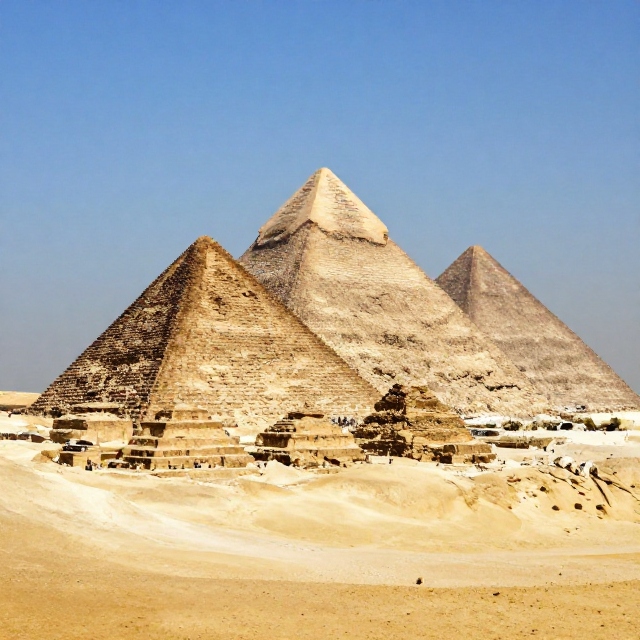
The Queen’s Pyramids of Menkaure are three smaller pyramids situated south of the main Pyramid of Menkaure at Giza. These subsidiary structures form part of Menkaure’s funerary complex and are traditionally associated with royal women, although the identities and burial histories connected to individual pyramids are not fully certain. Their smaller scale contrasts with the main pyramid and adds another layer of interest to the Giza archaeological landscape. Together, these monuments provide a broader picture of royal burial customs during ancient Egypt’s Fourth Dynasty.
History of the Queen’s Pyramids of Menkaure: The three subsidiary pyramids, commonly designated G3a, G3b, and G3c, were built beside the Pyramid of Menkaure during the Fourth Dynasty or its associated building period. They are generally interpreted as monuments connected to royal women and the pharaoh’s funerary complex. Their construction reflects the importance of family, religious rituals, and royal status in ancient Egyptian society. Today, these smaller pyramids remain an important part of the archaeological heritage of the Giza pyramid complex in Egypt.
What to Expect at the Queen’s Pyramids of Menkaure: When visiting the southern section of the Pyramids of Giza, take time to see the smaller pyramids beside Menkaure’s main monument. Their worn stone surfaces and distinctive shapes provide a closer look at the variety of structures built within the royal necropolis. They are also useful subjects for photography, particularly when framed with the larger pyramid in the background. Exploring these subsidiary monuments helps create a more complete understanding of Giza beyond its three most famous pyramids.
Conclusion
Visiting the Pyramids of Giza is an unforgettable experience and a highlight of any trip to Egypt. With a little planning, you can explore the ancient pyramids, admire the Great Sphinx, and learn more about one of the world’s most remarkable civilizations.
Before your visit, check the latest ticket prices, opening hours, and entry requirements. Consider arriving early to avoid the midday heat, wearing comfortable shoes, and booking a guided tour if you want to learn more about the history of the site.
Whether you explore independently or join a guided excursion, the Pyramids of Giza are well worth adding to your Egypt travel itinerary.
Frequently Asked Questions
1. Where are the Pyramids of Giza located?
The Pyramids of Giza are located on the Giza Plateau, near Cairo, Egypt. They are easily accessible from central Cairo by taxi, ride-hailing service, or organized tour.
2. How much does it cost to visit the Pyramids of Giza?
Ticket prices depend on your admission type and nationality. General admission and entry inside individual pyramids may require separate tickets. Check the official Egyptian monuments website for current prices before visiting.
3. Can you go inside the Egyptian pyramids?
Yes, visitors can enter certain pyramids, including the Great Pyramid of Khufu, when access is available. Entry usually requires an additional ticket, and the interior passages can be narrow and steep.
4. How long does it take to visit the Pyramids of Giza?
Most visitors should allow around three to four hours to explore the main pyramids and the Great Sphinx. You may want to spend longer if you book a guided tour or visit nearby attractions.
5. What is the best time to visit the pyramids in Egypt?
The cooler months, generally October through April, are popular for visiting Egypt. Arriving early in the morning can also help you avoid the hottest part of the day and some of the crowds.
6. Is it better to visit the pyramids with a tour guide?
A guided tour can provide historical context, help with transportation, and make navigating the site easier. Independent visits are also possible if you prefer to explore at your own pace.
7. What should I wear when visiting the Pyramids of Giza?
Wear lightweight, breathable clothing, comfortable walking shoes, sunglasses, and a hat. Bring sunscreen and plenty of water, particularly during warmer months.
8. Are the Pyramids of Giza worth visiting?
Absolutely. The pyramids are among the world’s most famous ancient monuments and offer a unique opportunity to experience Egypt’s extraordinary history and architecture firsthand.



Leave a Reply