Planning a trip to Giza, Egypt, is an unforgettable opportunity to explore one of the world’s most iconic historical destinations. Home to the legendary Great Pyramids of Giza and the mysterious Great Sphinx, Giza offers a fascinating glimpse into ancient Egyptian civilization. Whether you’re visiting for the first time or returning to discover more, this Giza trip planning guide covers everything you need to know, including the best time to visit, top attractions, guided tours, transportation, and practical travel tips. With the right preparation, you can make the most of your visit and experience the wonders of ancient Egypt.
Read More How to Plan a Trip to the Pyramids of Giza
- Giza at a Glance: Essential Travel Information
- Giza Wildlife: Animals and Nature to Discover
- Natural Disasters in Giza
- Is Giza Safe for Tourists?
- Safety and Emergency Numbers in Giza
- Reasons to Visit Giza: Unforgettable Experiences
- Dos and Don’ts of Visiting Giza
- Planning Your Trip to Giza, Egypt
- Where to Stay in Giza: 5 Best Areas for Tourists
- How to Book a Trip Online
- 5 Best Day Trips from Giza, Egypt
- Tips for Planning Day Trips from Giza
- Conclusion: Why Giza Should Be on Your Travel List
- Frequently Asked Questions About Planning a Giza Trip
Giza at a Glance: Essential Travel Information
Location
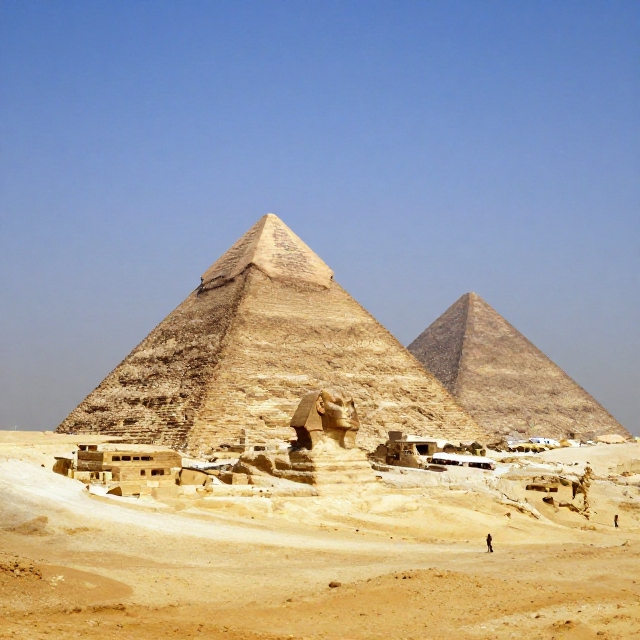
Giza is located in northern Egypt, on the western bank of the Nile River, directly across from Cairo’s wider metropolitan area. The city is an important starting point for exploring Egypt’s ancient history and archaeological treasures.
Language
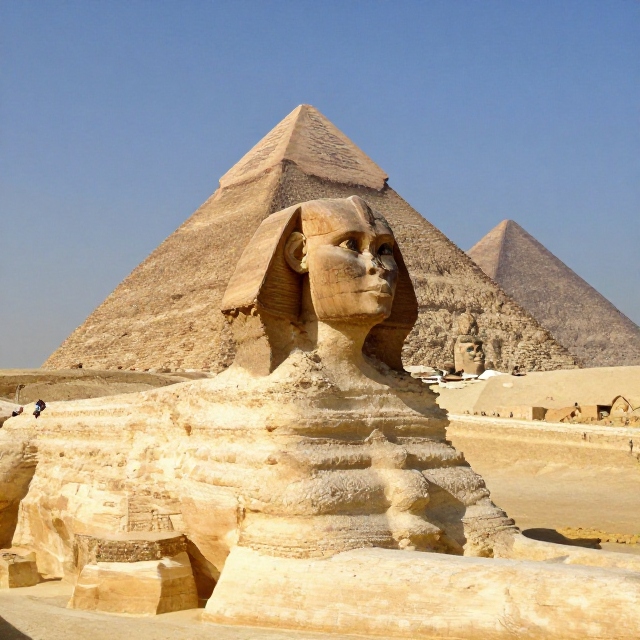
Arabic is the official language of Egypt and the primary language spoken by residents of Giza. English is widely understood in many tourist areas, particularly at hotels, major attractions, and tour operators. Learning a few basic Arabic phrases, such as greetings and expressions of thanks, can make interactions with locals more enjoyable. Carrying a translation app can also be helpful when communicating outside the main tourist areas.
Currency
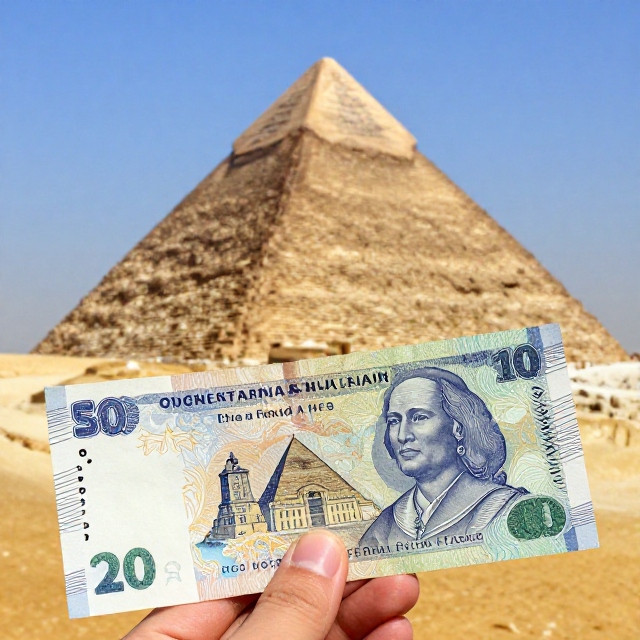
The official currency used in Giza is the Egyptian pound (EGP). Cash is useful for small purchases, local transportation, tips, and shopping at traditional markets. Hotels, larger restaurants, and some tourism businesses may accept international credit or debit cards, but payment options can vary. It is a good idea to carry small denominations for everyday expenses and check exchange rates before your trip. Using reputable exchange services and ATMs can help you manage your travel budget more conveniently.
Climate
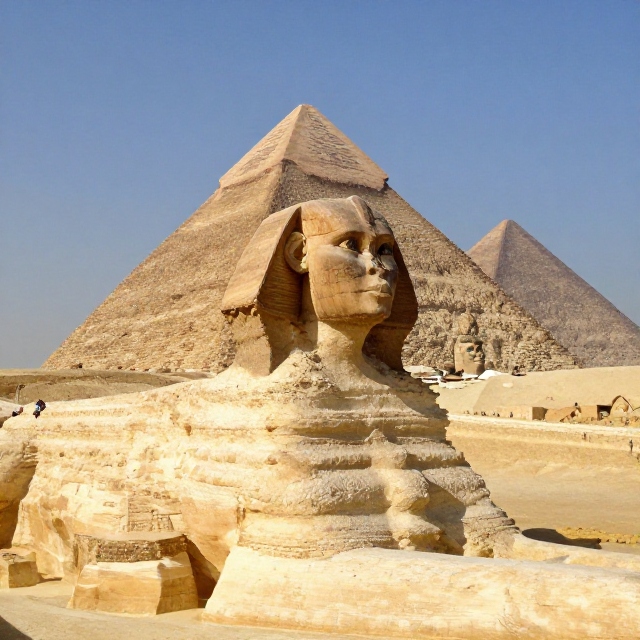
Giza has a hot desert climate characterized by very hot summers, mild winters, and limited rainfall throughout the year. Summer temperatures can become intense, making early morning and late afternoon the most comfortable times for outdoor sightseeing. Winters generally offer milder conditions that are well suited to exploring the pyramids and surrounding archaeological sites. The spring and autumn months are also popular with travelers because temperatures are often more comfortable for walking and photography. Lightweight clothing, comfortable shoes, sunscreen, and a hat are useful essentials for most visits.
Time Zone
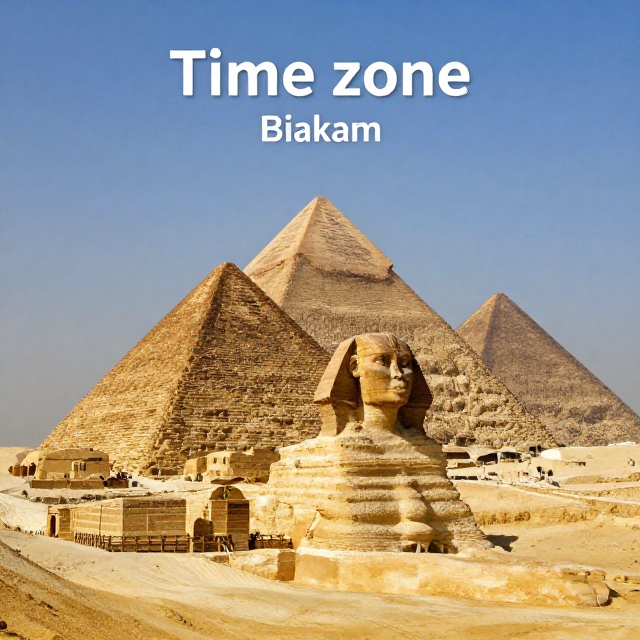
Giza follows Egypt’s local time, using Eastern European Time (EET, UTC+2) during standard time and Eastern European Summer Time (EEST, UTC+3) during daylight saving time. Egypt typically introduces daylight saving time in late April and ends it in late October, although travelers should verify the dates for their travel year. The time difference between Giza and your home country will depend on your location and whether daylight saving time is in effect. Checking the local time before booking tours, arranging airport transfers, or contacting hotels can help you avoid scheduling confusion. Adjusting your watch or phone to Egypt’s local time upon arrival can also make your first day easier to manage.
Entry and Exit Requirements for Giza
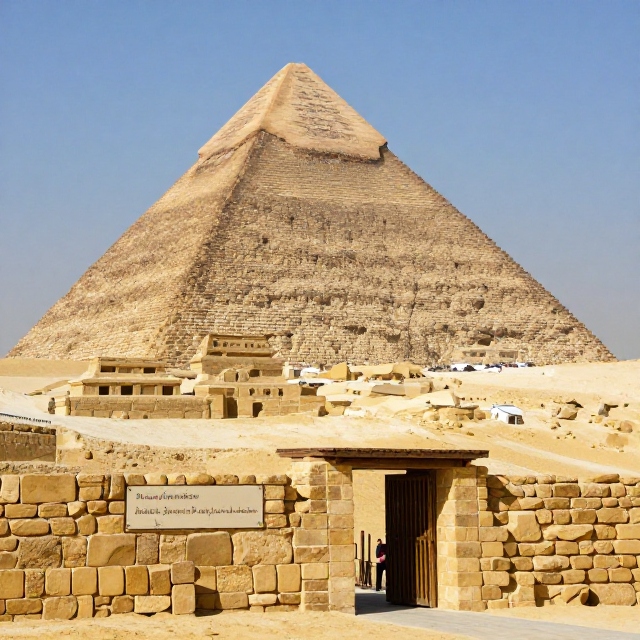
Travelers planning a trip to Giza, Egypt, should check the country’s entry and exit requirements before departure to ensure a smooth journey. Your passport should generally be valid for at least six months from your arrival date, and you may need a tourist visa depending on your nationality. Eligible visitors can apply for an electronic visa or check whether they qualify for a visa on arrival. Keep your passport, visa documents, accommodation details, and return or onward travel information readily available in case immigration officials request them. Before leaving Egypt, confirm that your visa remains valid, follow local customs regulations, and check the latest official travel requirements to avoid unexpected delays.
Giza Wildlife: Animals and Nature to Discover
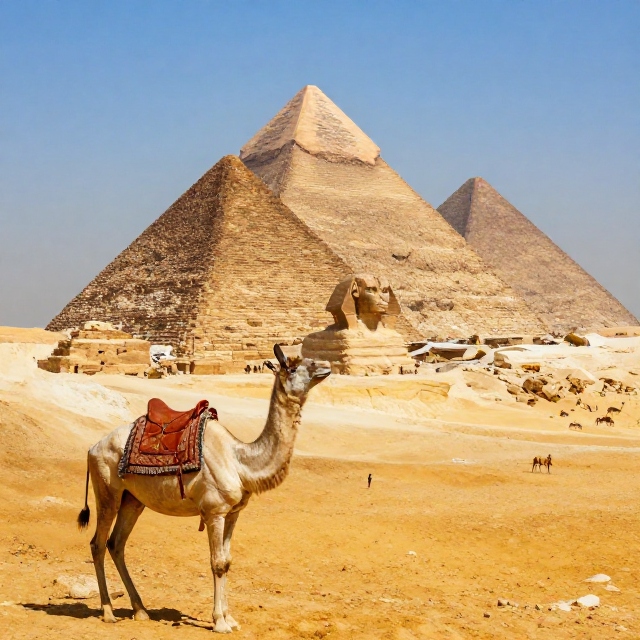
Visitors may encounter birds such as sparrows, doves, and kestrels, while the wider desert habitats support animals such as desert foxes, gerbils, and lizards. The nearby Nile River and its green surroundings provide habitats for water-associated birds and other wildlife. Although animal sightings around the busy pyramid complex are limited, exploring quieter natural areas can offer a glimpse of Egypt’s diverse ecosystems. To enjoy Giza’s wildlife responsibly, observe animals from a safe distance, avoid feeding them, and consider visiting nearby nature reserves with a knowledgeable local guide.
Natural Disasters in Giza

Giza generally experiences a hot, dry desert climate, so severe weather-related natural disasters are relatively uncommon compared with many other parts of the world. However, the region can experience occasional sandstorms and dust storms, which may reduce visibility, affect air quality, and disrupt outdoor activities near the pyramids. Flash flooding can occur during unusually heavy rainfall, particularly in low-lying areas and locations with poor drainage. Egypt also experiences occasional earthquakes, although the level of risk and impact varies by location and event. Travelers visiting Giza should check local weather forecasts, follow official safety advice, and take precautions during sandstorms or other unusual weather conditions.
Is Giza Safe for Tourists?

Giza’s main tourist attractions have a visible security presence, but visitors should remain alert in crowded places and around popular sightseeing areas. Travelers should exercise caution because safety concerns can include crime, terrorism, and health risks. Solo travelers, particularly women, should take extra care when arranging transportation and avoid isolated areas after dark. Use reputable guides or tour operators, keep your phone and valuables secure, and politely decline unwanted offers. Check the latest official travel advice before departure to stay informed about current safety conditions.
Safety and Emergency Numbers in Giza
When visiting Giza, it is important to know the local emergency numbers and basic safety precautions before exploring the pyramids or other attractions. Keep these numbers saved on your phone in case you need medical assistance, police support, or help from tourist authorities.
Important Emergency Phone Numbers
- Police: 122
- Ambulance: 123
- Fire Department: 180
- Tourist Police: 126
- Traffic Police: 128
- Tourism Information and Complaints: 19654 Experience Egypt+1
Essential Safety Tips for Travelers
- Keep your passport, cash, and valuables secure, and carry a copy of your identification.
- Use reputable taxis, ride-hailing services, or trusted tour operators.
- Agree on prices before accepting camel rides, horse rides, or other services near the pyramids.
- Stay hydrated, use sunscreen, and avoid strenuous outdoor activities during the hottest hours.
- In an emergency, contact the relevant local service and inform your hotel or tour operator for assistance.
Travel tip: Save the emergency numbers offline before your trip, and make sure you have travel insurance that covers medical treatment.
Reasons to Visit Giza: Unforgettable Experiences
Explore the Great Pyramids of Giza
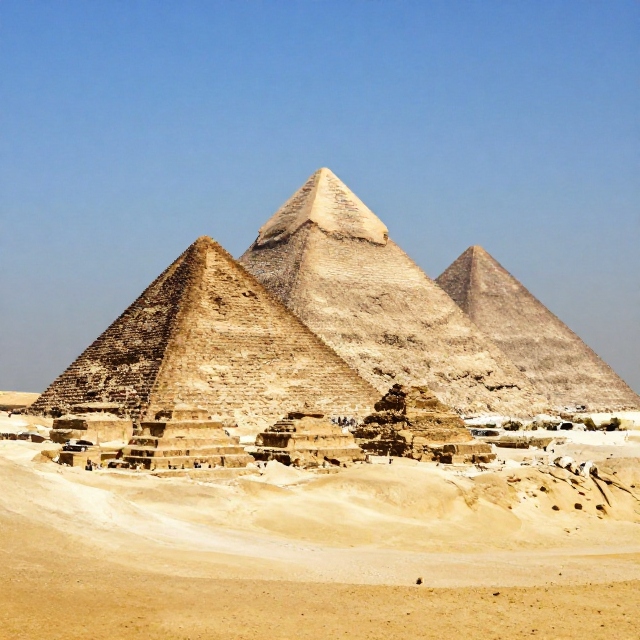
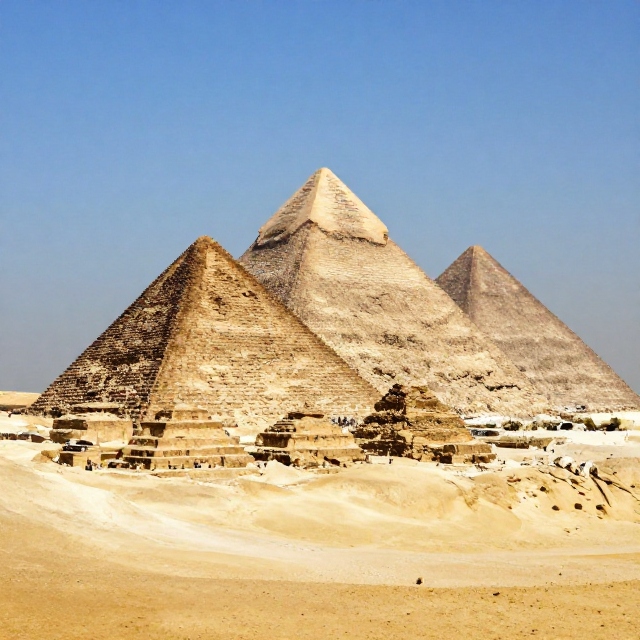
The Great Pyramids of Giza are among the most famous historical landmarks in the world and a major reason to visit Egypt. Built thousands of years ago as royal tombs, these incredible structures showcase the engineering skills of ancient Egyptian civilization. Visitors can admire the Great Pyramid of Khufu, the Pyramid of Khafre, and the Pyramid of Menkaure up close. Walking around these ancient monuments offers a remarkable sense of their size, history, and cultural significance. Seeing the pyramids in person is an unforgettable experience for history lovers, photographers, and curious travelers alike.
See the Mysterious Great Sphinx
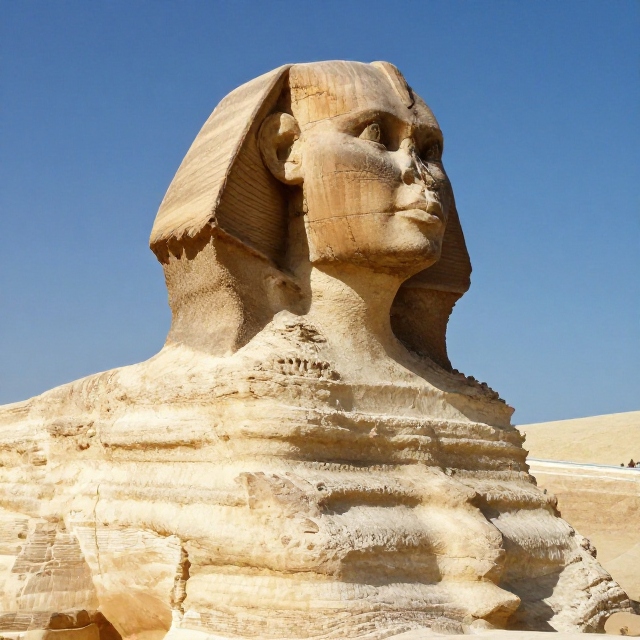
The Great Sphinx is another must-see attraction when planning a trip to Giza. This enormous limestone statue features a human head and a lion’s body, symbolizing strength and royal authority in ancient Egyptian culture. Located near the Pyramid of Khafre, the Sphinx has fascinated visitors and historians for centuries. You can admire its distinctive features, learn about its historical significance, and capture memorable photographs from designated viewing areas. Visiting the Sphinx adds another fascinating dimension to your exploration of ancient Egypt.
Discover Ancient Egyptian History and Culture
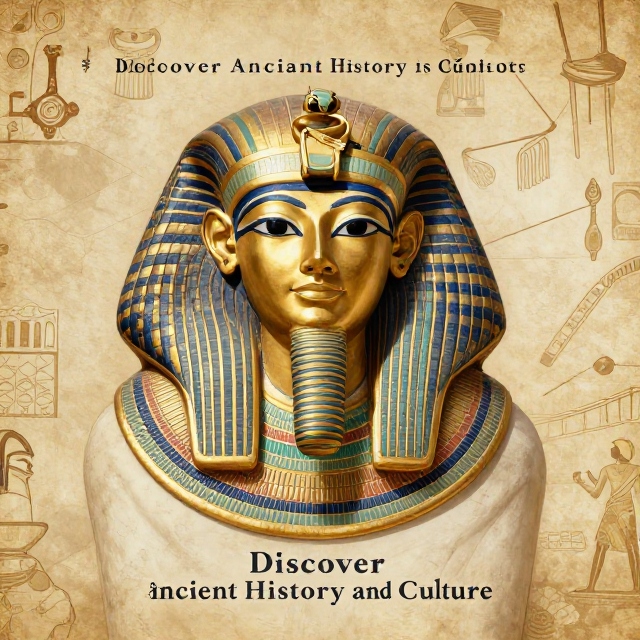
Giza offers an extraordinary opportunity to learn about the beliefs, traditions, and achievements of ancient Egyptian civilization. The pyramids reveal important information about royal burial practices, religious beliefs, and the role of the pharaohs. Exploring the archaeological site can help you understand how ancient Egyptians organized large construction projects and developed sophisticated building techniques. A guided tour can provide historical context and explain the discoveries that have shaped our understanding of this remarkable civilization. For travelers interested in history and archaeology, Giza is an educational destination that brings the ancient world to life.
Experience One of the World’s Most Iconic Destinations
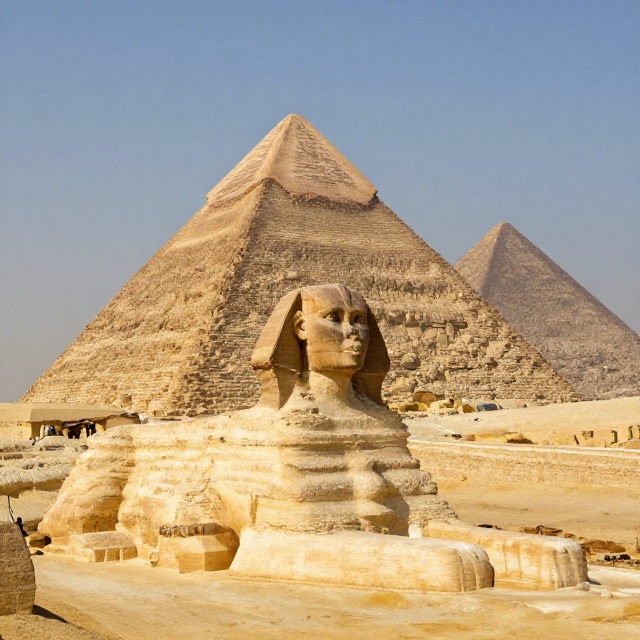
Giza is home to one of the world’s most recognizable collections of ancient monuments. The pyramids have inspired generations of travelers, historians, architects, and researchers. Visiting this famous destination allows you to experience landmarks that have stood for thousands of years and continue to attract people from around the globe. You can appreciate the monuments from different viewpoints and observe how they dominate the surrounding desert landscape. For many travelers, seeing the Giza Pyramids in person is a highlight of their Egyptian adventure.
Capture Incredible Travel Photographs
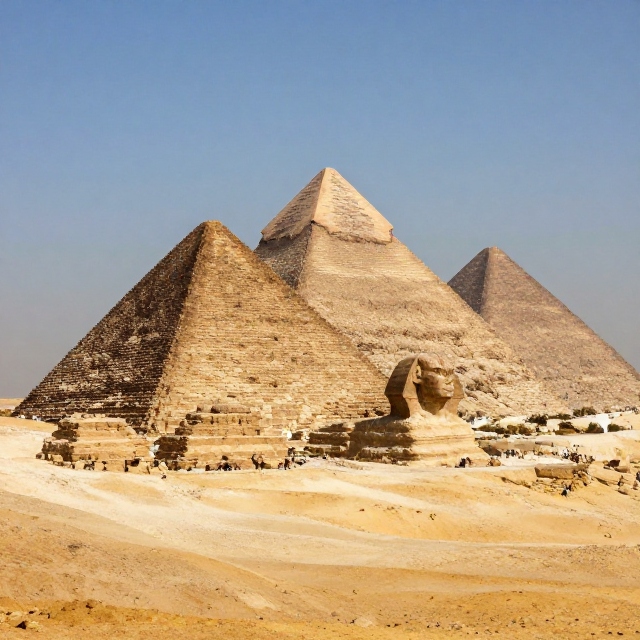
Giza is a fantastic destination for photography thanks to its dramatic desert scenery and extraordinary ancient monuments. The pyramids offer striking backgrounds for landscape photography, travel portraits, and memorable vacation pictures. Early morning and late afternoon often provide softer light that brings out the textures and shapes of the stone structures. Panoramic viewpoints around the plateau also offer opportunities to photograph several pyramids in one frame. Whether you use a smartphone or a professional camera, Giza provides countless opportunities to capture memorable images.
Enjoy a Camel or Horse Ride in the Desert
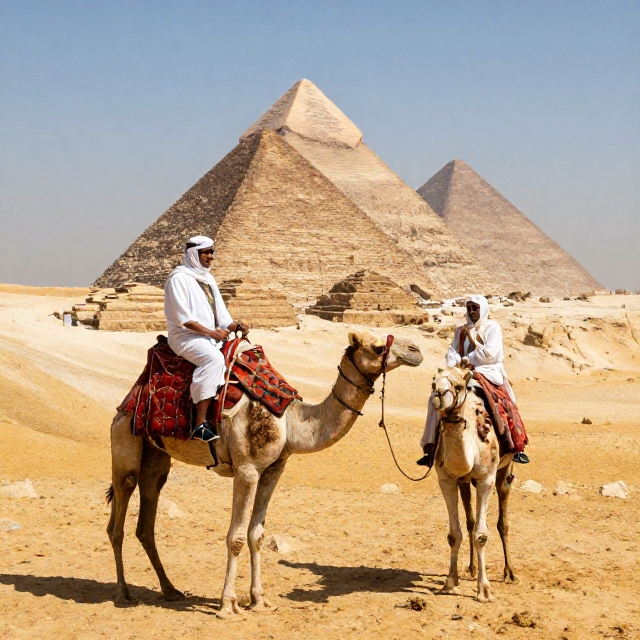
A camel ride near the pyramids can add a traditional desert experience to your Giza itinerary. From selected areas around the plateau, visitors can enjoy views of the ancient monuments while experiencing a slower pace of travel across the sandy landscape. Horse rides may also be available through local operators, depending on the location and conditions. Before booking, agree on the price, duration, and route, and choose an operator that treats animals responsibly. This activity can be a memorable addition to your visit, especially if you enjoy outdoor adventures and scenic photography.
Visit the Grand Egyptian Museum Nearby

The Grand Egyptian Museum is a major attraction to consider when planning a trip to Giza. Located near the pyramid complex, it offers visitors an opportunity to explore ancient Egyptian artifacts and learn more about the civilization that built the monuments. Museum exhibitions provide additional historical context, helping connect the archaeological landscape with the objects, artwork, and burial traditions of ancient Egypt. Combining a museum visit with a trip to the pyramids can create a more complete cultural experience. Check the museum’s current opening hours, ticket arrangements, and exhibition access before your visit.
Experience the Beauty of the Egyptian Desert
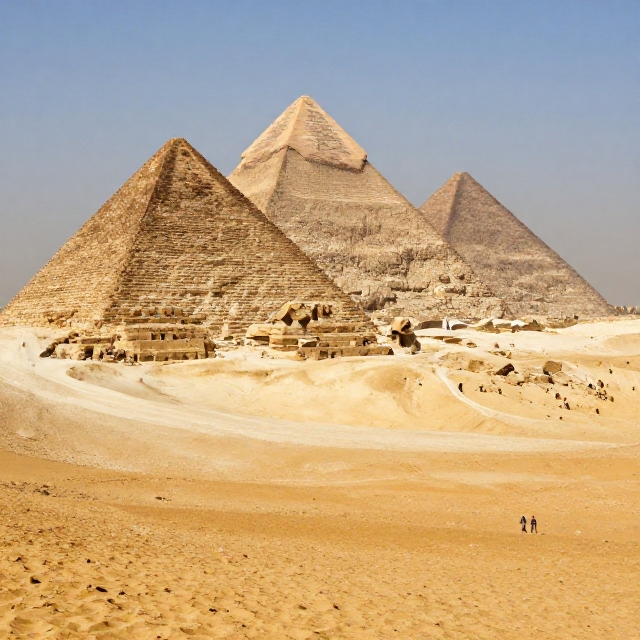
The desert landscape surrounding Giza creates a striking contrast with the ancient stone monuments. Wide-open views, sandy terrain, and changing light give the area a distinctive atmosphere throughout the day. Visiting early in the morning can offer cooler temperatures and quieter conditions, while late afternoon often brings warm colors across the landscape. The setting also provides a chance to appreciate the geographical environment in which ancient Egyptian builders created these extraordinary structures. For travelers who enjoy nature, scenic views, and unique landscapes, the desert surroundings are another compelling reason to visit Giza.
Dos and Don’ts of Visiting Giza
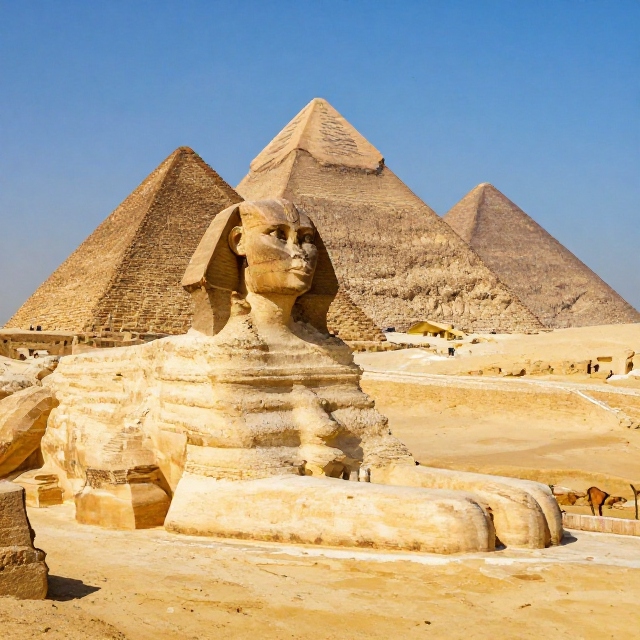
Visiting Giza is an unforgettable experience, offering the chance to explore ancient pyramids, discover Egyptian culture, and enjoy the surrounding desert landscape. Understanding local customs and following basic travel precautions can help you have a safe, respectful, and enjoyable trip. From dressing appropriately to negotiating prices and protecting historical sites, a little preparation goes a long way. Keep these essential dos and don’ts in mind when planning your Giza adventure.
Dos When Visiting Giza
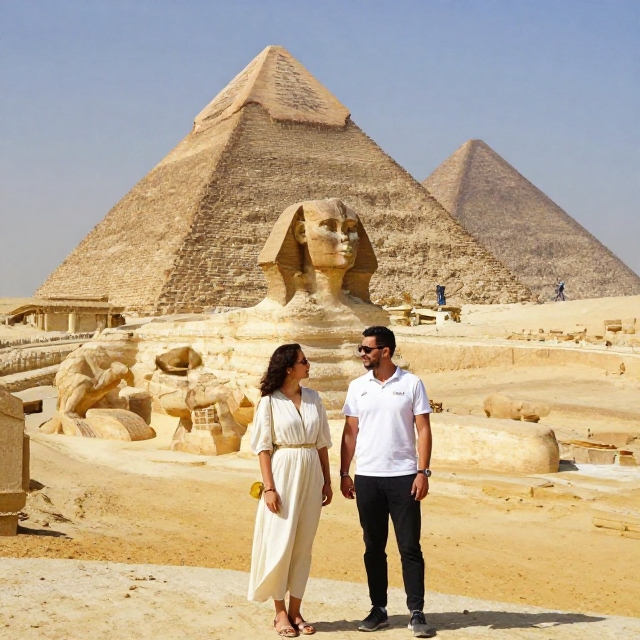
- Dress comfortably and respectfully: Wear lightweight clothing, comfortable walking shoes, sunglasses, and a hat to protect yourself from the sun.
- Carry water and sunscreen: Giza can become extremely hot, especially during summer, so stay hydrated throughout your visit.
- Visit the pyramids early: Arriving in the morning can help you avoid the strongest midday heat and enjoy sightseeing in more comfortable conditions.
- Agree on prices in advance: Confirm the total cost before accepting camel rides, horse rides, taxi services, or other paid activities.
- Hire a reputable guide: A knowledgeable local guide can explain the history of the pyramids and help you navigate the archaeological site.
- Respect local customs: Be considerate when interacting with residents, dress appropriately, and ask permission before photographing people.
- Keep valuables secure: Carry only what you need and keep your passport, cash, and phone safely stored.
- Check tickets and opening hours: Confirm current admission prices, access restrictions, and visiting times before your trip.
Don’ts When Visiting Giza
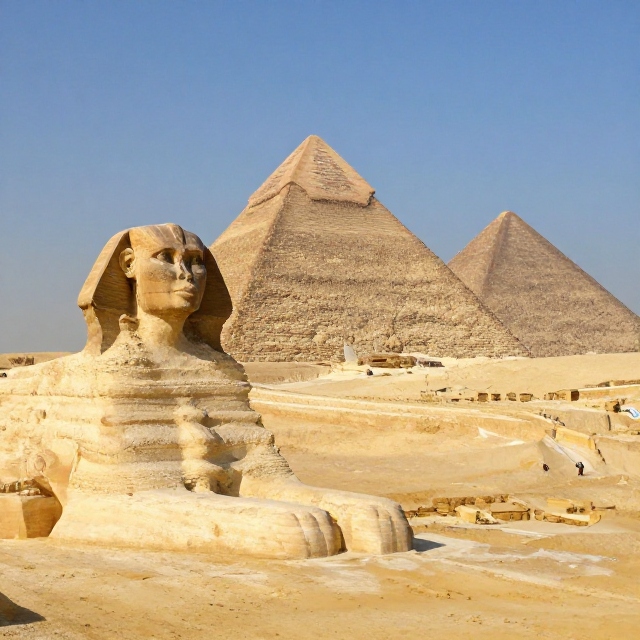
- Don’t climb the pyramids: Climbing ancient monuments is dangerous and prohibited.
- Don’t litter: Keep the archaeological site clean and dispose of rubbish in designated bins.
- Don’t touch or damage ancient structures: Avoid removing stones, scratching surfaces, or disturbing archaeological remains.
- Don’t accept unsolicited offers without checking: Be cautious of persistent vendors or people offering unexpected services, and politely decline if you’re not interested.
- Don’t agree to unclear prices: Always confirm costs and what is included before paying for tours, rides, souvenirs, or transportation.
- Don’t ignore the heat: Avoid strenuous activities during the hottest part of the day and take regular breaks in the shade.
- Don’t photograph people without permission: Ask before taking close-up pictures of local residents, workers, or guides.
- Don’t leave valuables unattended: Keep your belongings close, particularly in crowded areas and around popular tourist attractions.
- Don’t disturb wildlife: Avoid feeding, chasing, or touching animals, and choose responsible operators for animal-related activities.
Cultural Etiquette to Remember in Giza
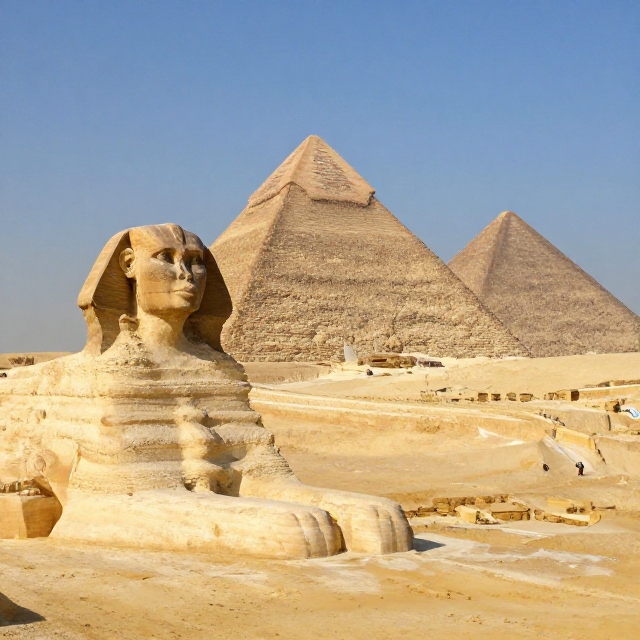
Egyptian culture places importance on hospitality, politeness, and respect for local traditions. Greeting people courteously and learning a few Arabic phrases, such as shukran (thank you), can make interactions more pleasant. When visiting religious sites, follow any dress requirements and local rules regarding photography. Tipping, known locally as baksheesh, is common for some services, but you should clarify charges and tip according to the service provided. Being patient, respectful, and aware of your surroundings will help you enjoy a more rewarding visit to Giza.
Planning Your Trip to Giza, Egypt
Planning a trip to Giza is easier when you know how to get there, how much to budget, and which transportation options to use. Home to the world-famous Pyramids of Giza and the Great Sphinx, this historic destination is a highlight of any Egypt itinerary. Use this practical guide to plan your visit, avoid unexpected expenses, and make the most of your time exploring ancient Egypt.
How to Get to Giza

Most international visitors arrive at Cairo International Airport (CAI), which serves both Cairo and nearby Giza. From the airport, you can reach Giza by taxi, ride-hailing app, or pre-booked private transfer, depending on your budget and arrival time. If you’re already staying in Cairo, you can travel to Giza by metro and continue by taxi or ride-hailing service to the pyramids. Allow extra time for traffic, particularly during morning and evening rush hours.
Travel tip: Book your accommodation in advance and arrange airport transportation before arrival if you want a smoother start to your trip.
Where to Stay in Giza: 5 Best Areas for Tourists
Choosing where to stay in Giza depends on your budget, travel style, and the attractions you want to visit. Some neighborhoods put you close to the famous pyramids, while others offer better access to restaurants, shopping, and central Cairo. Whether you’re looking for budget accommodation, luxury hotels, or spectacular pyramid views, Giza has options for different types of travelers. Here are five of the best areas to consider for your trip.
Nazlet El-Semman: Best for Pyramid Views
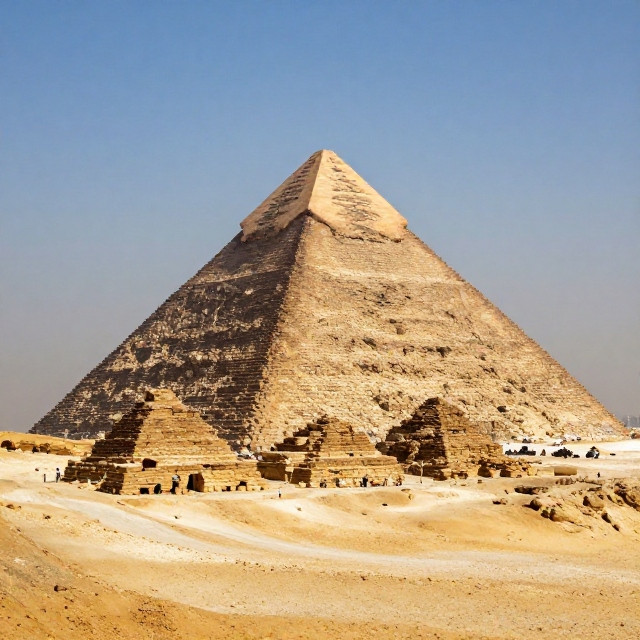
Nazlet El-Semman is one of the most popular areas for tourists who want to stay close to the Pyramids of Giza and the Great Sphinx. The neighborhood has budget guesthouses, boutique hotels, and rooftop terraces overlooking the ancient monuments. It’s an excellent choice for photographers, couples, and first-time visitors hoping to enjoy sunrise or sunset views. Expect busy streets and tourist activity, so check recent accommodation reviews before booking.
Al Haram and Pyramids Road: Best for Hotel Choices

Al Haram and Pyramids Road offer a wide range of accommodation, from affordable hotels to upscale properties with swimming pools and restaurants. This area is convenient for travelers planning to spend most of their time exploring the pyramids and nearby attractions. Some hotels offer pyramid views, although these are not guaranteed with every room. Compare locations carefully and check transportation options before confirming your stay.
Grand Egyptian Museum Area: Best for History Lovers
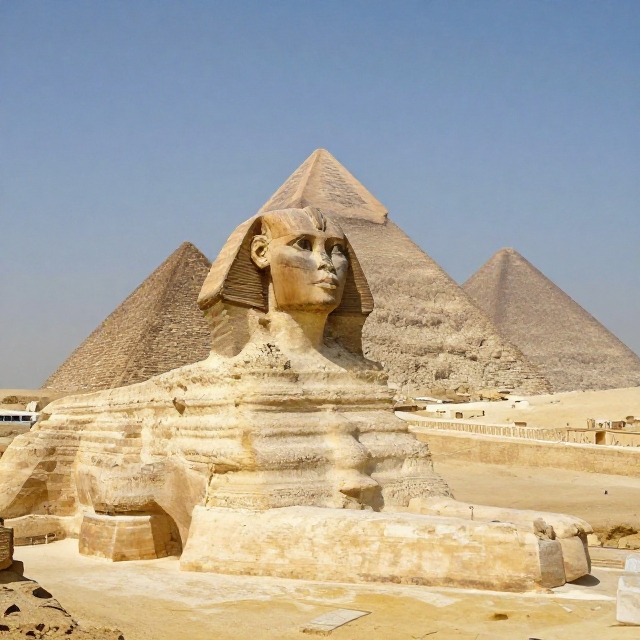
Staying near the Grand Egyptian Museum is a convenient option for travelers who want to explore Egypt’s ancient history alongside the Giza pyramids. The surrounding area includes hotels and guesthouses that suit different budgets and travel styles. You can plan a museum visit and a trip to the pyramid complex without making your accommodation too far from either attraction. Check the exact location of your hotel, as travel times and walking access vary.
Dokki: Best for Exploring Giza and Cairo
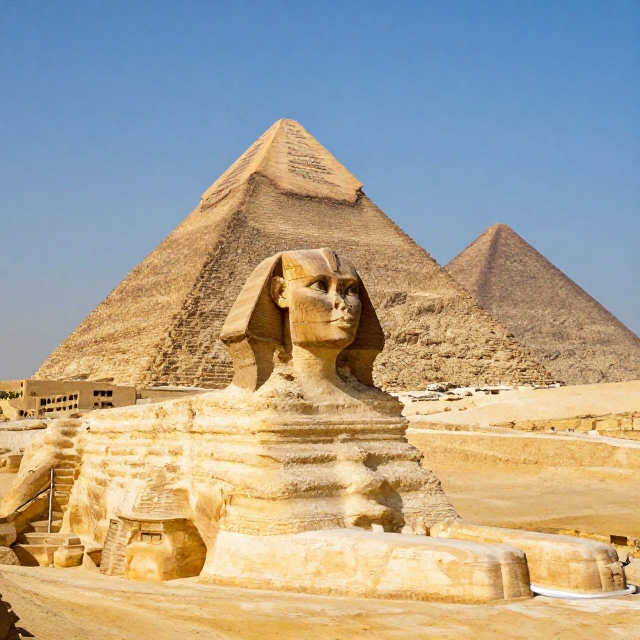
Dokki is a practical base for travelers who want to explore both Giza and central Cairo. The neighborhood offers hotels, restaurants, local cafés, and access to Cairo’s Metro Line 2. It’s a good option if you want to experience everyday city life rather than staying exclusively in the tourist area around the pyramids. You’ll need to arrange transportation to the Giza pyramid complex, especially during busy traffic periods.
Sheikh Zayed and 6th of October City: Best for Modern Comfort

Sheikh Zayed and 6th of October City are modern suburban areas west of central Giza, with shopping malls, restaurants, and contemporary hotels. They can appeal to families, business travelers, and visitors looking for a quieter stay away from the busiest tourist streets. Some accommodations offer spacious rooms and leisure facilities suited to longer visits. However, these areas are farther from the main historical attractions, so plan your transportation before booking.
Tips for Booking Accommodation in Giza
Before choosing your hotel, compare prices, read recent guest reviews, and check the cancellation policy. If pyramid views are important to you, confirm that your selected room specifically includes them. Consider how often you’ll visit central Cairo, the Grand Egyptian Museum, and other historical sites when deciding where to stay. You can compare hotels and guesthouses on Booking.com to find accommodation that fits your budget and itinerary.
Ready to plan your Giza adventure? Choose the area that best suits your travel style and book your stay before your preferred dates fill up.
How to Book a Trip Online
Planning your next adventure is easy! Book your stay with Booking.com, discover exciting tours and activities on Viator, and compare travel insurance options for extra peace of mind.
Travel tip: Compare prices, read reviews, check cancellation policies, and confirm your bookings before you go. Plan ahead and enjoy a stress-free adventure!
Here’s an SEO-friendly section for your Giza travel guide, using the same format with H2 and H3 headings and four to five sentences per description.Writing
5 Best Day Trips from Giza, Egypt
Giza is an excellent base for exploring Egypt beyond the famous pyramids. From ancient burial grounds and historic cities to desert landscapes and Mediterranean beaches, several fascinating destinations can be visited on a day trip. Some are less than an hour away, while others require an early start and a full day of travel. Here are five rewarding day trips to consider during your stay.
Saqqara: Best for Ancient Pyramids

Saqqara is one of the best day trips from Giza for travelers interested in ancient Egyptian history. Located roughly 30–40 kilometers south of Giza, it is home to the famous Step Pyramid of Djoser, one of Egypt’s most important early stone monuments. You can also explore ancient tombs and discover how pyramid construction developed over time. Allow around half a day to explore the main sites, or combine Saqqara with Memphis and Dahshur for a fuller historical excursion. A private driver or organized tour is a convenient way to visit several archaeological sites in one trip.
Memphis: Best for Ancient Egyptian History

Memphis was an important capital of ancient Egypt and makes an excellent addition to a trip to Saqqara. The Memphis open-air museum displays remarkable archaeological remains, including a colossal statue of Ramesses II and a large alabaster sphinx. It is a relatively short excursion from Giza and can usually be combined with nearby pyramid sites. Plan around one to two hours for the museum, depending on your interest in the exhibits. Arrange transportation with your Saqqara visit to make the most of your day.
Dahshur: Best for Exploring Quieter Pyramids
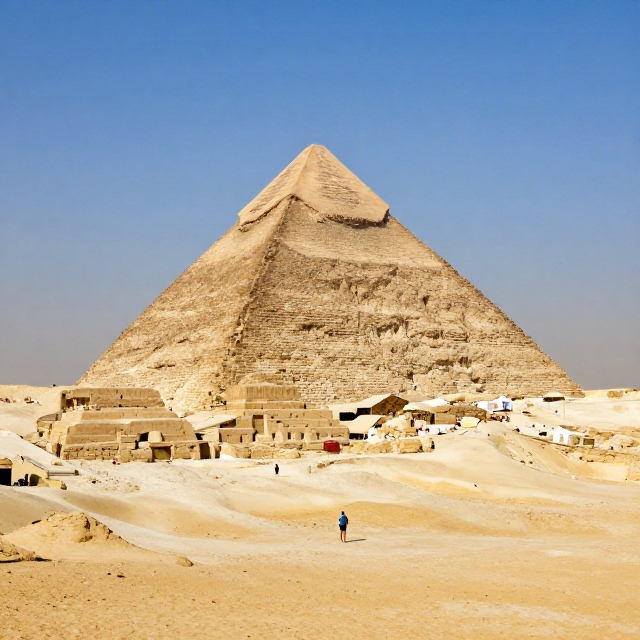
Dahshur is an excellent destination for travelers who want to discover more pyramids away from the busiest tourist crowds. The area is famous for the Bent Pyramid and the Red Pyramid, both associated with Pharaoh Sneferu. Visitors can admire the distinctive shapes of these ancient structures and learn more about the architectural experiments that preceded the Great Pyramid of Giza. Allow approximately two to three hours for sightseeing, plus travel time from Giza. Consider combining Dahshur with Saqqara and Memphis for a full day of exploring Egypt’s ancient monuments.
Alexandria: Best for Coastal Scenery and History

Alexandria offers a refreshing change from the desert landscapes around Giza, with Mediterranean sea views, historic landmarks, and waterfront restaurants. The city is approximately 220 kilometers from the Cairo–Giza area, and the journey typically takes around 2.5–3 hours each way by road, depending on traffic. Popular attractions include the Bibliotheca Alexandrina, the Citadel of Qaitbay, and the Catacombs of Kom el-Shoqafa. Start early if you plan to visit on a single day, as travel time can limit how many attractions you can explore. If your schedule allows, spending one night in Alexandria will give you more time to enjoy the city.
Fayoum Oasis: Best for Nature and Desert Landscapes
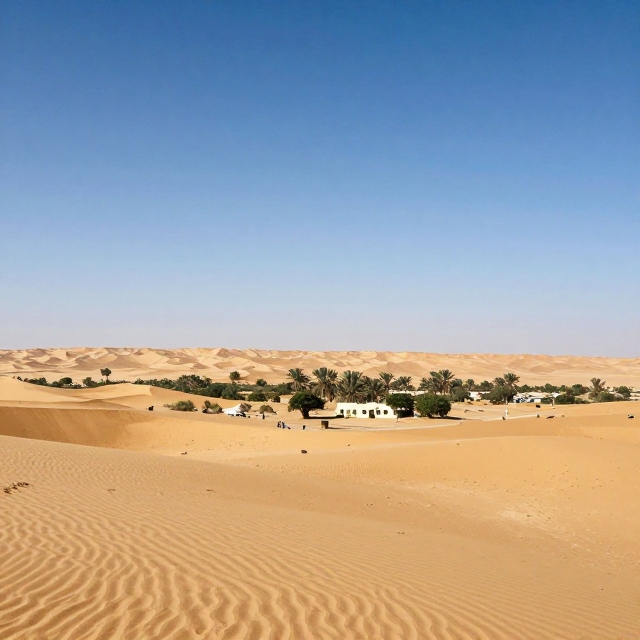
Fayoum is a wonderful day trip for travelers looking to experience a different side of Egypt beyond temples and pyramids. Located southwest of Cairo and Giza, the region features lakes, desert scenery, waterfalls at Wadi El Rayan, and the remarkable fossil landscapes of Wadi Al-Hitan, also known as the Valley of the Whales. The drive to the main Fayoum area generally takes around 1.5–2 hours, while reaching more remote attractions can take longer. A full-day trip with a driver or specialist tour is the most practical option for visiting multiple sites. Bring water, sun protection, and comfortable shoes, especially if your itinerary includes desert walks.
Tips for Planning Day Trips from Giza
Start early to make the most of your day, especially when visiting destinations farther from Giza. Compare organized tours with private transportation, and confirm whether entrance fees, meals, and guide services are included in the advertised price. For Saqqara, Memphis, and Dahshur, visiting several sites together can save travel time and help you understand Egypt’s ancient history. For Alexandria and Fayoum, check journey times carefully and consider an overnight stay if you prefer a more relaxed itinerary.
Ready to explore beyond the pyramids? Discover day tours and excursions on Viator to compare itineraries, activities, and available transportation options.
Conclusion: Why Giza Should Be on Your Travel List
Giza offers much more than a chance to see the famous pyramids. From exploring ancient history and admiring the Great Sphinx to discovering museum collections and photographing the desert landscape, the destination provides experiences for many different types of travelers. Planning your visit in advance can help you choose the attractions that interest you most and make the most of your time at the pyramid complex. Whether you are visiting Egypt for the first time or returning to explore more of its cultural heritage, Giza deserves a place on your itinerary. It is a destination where history, architecture, and unforgettable scenery come together.
Frequently Asked Questions About Planning a Giza Trip
1. What is the best time to visit Giza?
The best time to visit Giza is generally from October to April, when temperatures are cooler and more comfortable for exploring the pyramids and other outdoor attractions.
2. How many days do you need in Giza?
One full day is enough to see the main highlights, including the Great Pyramids and the Great Sphinx. However, spending two days allows you to explore at a more relaxed pace and visit nearby attractions.
3. What are the top attractions in Giza?
The top attractions include:
- The Great Pyramid of Khufu
- The Pyramid of Khafre
- The Pyramid of Menkaure
- The Great Sphinx
- The Giza Pyramid Complex and panoramic viewpoints
4. Do I need a tour guide to visit the Giza Pyramids?
A tour guide is not essential, but hiring a knowledgeable local guide can help you understand the history, architecture, and significance of the pyramids. Guided tours can also simplify transportation and sightseeing.
5. How do I get to Giza from Cairo?
You can reach Giza from Cairo by taxi, ride-hailing service, private transfer, or organized tour. Travel time depends on your starting point and traffic conditions.
6. Can you go inside the Giza Pyramids?
Yes, visitors can enter certain pyramids with the appropriate tickets. Interior access may involve narrow passages, steep sections, and limited space, so check current ticket availability and accessibility before visiting.
7. What should I wear when visiting Giza?
Wear lightweight, breathable clothing, comfortable walking shoes, sunglasses, and a hat. Sunscreen is essential because much of the pyramid complex is exposed to direct sunlight.
8. Is one day enough to visit the Giza Pyramids?
Yes, one day is usually enough to explore the main pyramid complex, see the Great Sphinx, take photographs, and enjoy the panoramic viewpoints. Arriving early can help you avoid the midday heat.
9. Is Giza worth visiting for first-time travelers to Egypt?
Absolutely. Giza is one of Egypt’s most famous destinations and offers a unique opportunity to experience ancient history firsthand. It is an excellent addition to a first-time Egypt itinerary.
10. Should I book Giza tours in advance?
Booking a tour in advance can help you organize transportation, secure your preferred guide, and plan your sightseeing schedule. If you want to enter a specific pyramid, check ticket arrangements and availability before your visit.



Leave a Reply