Mexico offers some of the richest and most diverse deep sea fishing experiences in the world. From the Pacific coast to the Gulf of Mexico and the Caribbean Sea, anglers can find a variety of species and fishing conditions that suit beginners and experts alike. Whether you are chasing marlin, sailfish, tuna, or dorado, Mexico’s waters deliver excitement and adventure. This guide highlights the 25 best deep sea fishing destinations in Mexico, organized by region, to help you plan your next fishing trip.
Baja California (Pacific Coast – Big Game Fishing Capital)
Baja California is one of the world’s most famous big-game fishing regions, stretching along Mexico’s Pacific coast where the Sea of Cortez meets deep offshore waters. The area is known for its dramatic drop-offs, nutrient-rich currents, and seasonal migrations of trophy fish that attract anglers from around the globe. Warm and cold ocean currents collide here, creating one of the most productive marine ecosystems in the Pacific. Offshore fishing is highly developed, with charter fleets operating year-round from major coastal towns. This region is especially famous for marlin fishing, but also offers incredible diversity in pelagic and reef species.
Cabo San Lucas

Cabo San Lucas is the global epicenter of sportfishing in Baja California, where the Pacific Ocean meets the Sea of Cortez. The famous “Golden Corridor” just offshore is one of the richest big-game fishing zones in the world. Anglers frequently target marlin, dorado, and tuna within a short boat ride from shore. The deep underwater canyons close to land make it possible to access offshore fishing quickly. It is widely regarded as a bucket-list destination for serious sport fishermen.
Types of Fish: Blue marlin, striped marlin, dorado, tuna, wahoo, sailfish
Where to Fish: The Golden Corridor, deep offshore drop-offs, Pacific side currents, and Sea of Cortez convergence zones
San José del Cabo
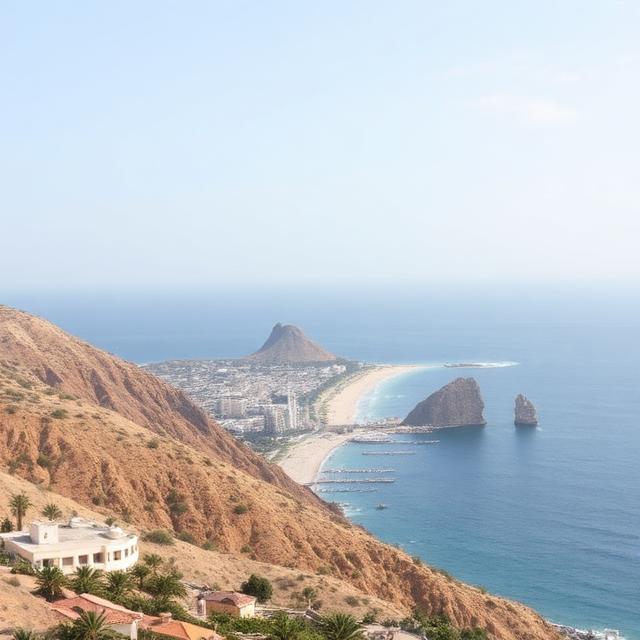
San José del Cabo offers slightly calmer waters compared to Cabo San Lucas while still providing excellent access to deep offshore fishing grounds. The region benefits from the same nutrient-rich currents that support large pelagic fish populations. Fishing here is often less crowded, making it ideal for a more relaxed but highly productive experience. Seasonal migrations bring in marlin, dorado, and tuna throughout the year. It is a strong balance of accessibility and high-quality fishing.
Types of Fish: Marlin, dorado, tuna, wahoo, snapper, roosterfish
Where to Fish: Offshore canyon edges, Palmilla Point, deep sea drop-offs, and coastal reef zones
La Paz

La Paz is located along the Sea of Cortez and is known for calmer waters and highly diverse marine life. The region offers excellent inshore and offshore fishing opportunities, with access to islands, reefs, and deep channels. It is especially popular for sport fishing combined with eco-tourism. The nutrient-rich waters support both large pelagic species and abundant reef fish. La Paz is often considered more laid-back than Cabo but equally productive.
Types of Fish: Dorado, tuna, marlin, snapper, roosterfish, grouper
Where to Fish: Espiritu Santo Island waters, offshore drop-offs, reef systems, and Sea of Cortez channels
Loreto

Loreto sits in a quieter part of the Sea of Cortez and offers pristine fishing grounds with less commercial pressure. The surrounding waters are protected by islands and marine parks, creating rich biodiversity. Fishing here is often more relaxed, with strong opportunities for both inshore and offshore species. The area is known for clear waters and productive reefs. It is ideal for anglers seeking a less crowded but high-quality fishing experience.
Types of Fish: Yellowtail, dorado, snapper, grouper, roosterfish, tuna
Where to Fish: Loreto Bay National Park, offshore islands, reef edges, and deep coastal channels
Ensenada

Ensenada is one of northern Baja California’s key fishing hubs, located along the Pacific coast with access to deep offshore waters and productive nearshore zones. The region is influenced by cold Pacific currents that support a strong ecosystem of migratory fish. It is known for both commercial and sport fishing activity. Offshore areas can produce large pelagic catches during peak seasons. Ensenada also serves as a gateway to longer-range fishing trips into open Pacific waters.
Types of Fish: Tuna, yellowtail, dorado, bonito, rockfish, lingcod
Where to Fish: Offshore Pacific drop-offs, coastal kelp beds, reef structures, and deep canyon waters off the Baja coast
Sea of Cortez Hotspots
The Sea of Cortez, also known as the Gulf of California, is one of the most biologically rich marine ecosystems in the world. It combines deep underwater canyons, volcanic islands, coral reefs, and nutrient-rich upwelling zones that support an incredible diversity of marine life. This region is especially famous for strong seasonal migrations of pelagic fish, making it a world-class destination for sportfishing and eco-fishing. From protected marine parks to remote desert coastlines, the Sea of Cortez offers both accessible inshore fishing and remote offshore adventure. Its mix of warm and cool currents creates year-round fishing opportunities for a wide range of species.
Cabo Pulmo National Park

Cabo Pulmo National Park is one of the most successful marine conservation areas in the world, known for its fully restored coral reef ecosystem. The protected waters have led to a dramatic increase in fish populations, making it a prime destination for eco-friendly diving and catch-and-release fishing nearby. The reef structures attract large schools of fish as well as big predators. Fishing is restricted within the park, but surrounding areas are extremely productive. It is a model of marine regeneration in the Sea of Cortez.
Types of Fish: Jack crevalle, snapper, roosterfish, grouper, dorado (nearby waters), tuna (offshore zones)
Where to Fish: Outside park boundaries, reef edges, offshore drop-offs, and nearby coastal waters
Isla Espíritu Santo

Isla Espíritu Santo is a stunning island near La Paz, surrounded by clear waters, rocky reefs, and deep channels that support a rich variety of marine life. The island is part of a protected biosphere reserve, helping maintain strong fish populations. Anglers often target both reef species and pelagic fish in nearby offshore waters. The combination of calm bays and deep-water access makes it highly versatile. It is one of the most scenic fishing areas in the Sea of Cortez.
Types of Fish: Dorado, snapper, grouper, roosterfish, yellowtail, tuna
Where to Fish: Offshore island drop-offs, reef systems, coastal ledges, and deep Sea of Cortez channels
Bahía de los Ángeles

Bahía de los Ángeles is a remote and tranquil fishing destination on the Baja California coast, known for its rich biodiversity and minimal development. The bay sits near deep offshore waters that attract large migratory fish. Fishing here is often done in small boats, making it a more traditional and rugged experience. The surrounding waters are part of the Gulf’s nutrient-rich system, supporting strong fish populations. It is ideal for anglers seeking solitude and abundant fishing grounds.
Types of Fish: Yellowtail, tuna, dorado, grouper, snapper, marlin (seasonal)
Where to Fish: Offshore islands, deep channels, bay edges, and open Sea of Cortez waters
Guaymas

Guaymas is a major fishing port on the eastern side of the Sea of Cortez, known for its strong commercial and sport fishing activity. The region benefits from deep coastal waters and productive reefs that support a wide range of species. It is especially known for seasonal pelagic migrations that bring in large game fish. The nearby islands and underwater structures create excellent fishing grounds. Guaymas is both an industrial fishing hub and a sportfishing gateway.
Types of Fish: Dorado, tuna, marlin, snapper, grouper, sailfish
Where to Fish: Offshore canyons, coastal reefs, island waters, and deep Sea of Cortez fishing zones
Puerto Peñasco

Puerto Peñasco, also known as Rocky Point, is located at the northern end of the Sea of Cortez and offers accessible fishing close to the U.S. border. The region features sandy beaches, rocky reefs, and productive nearshore waters. It is popular for both recreational and charter fishing, especially for smaller pelagic and reef species. The tidal range here creates strong nutrient movement, supporting healthy fish populations. It is one of the most convenient fishing destinations in the Gulf of California.
Types of Fish: Grouper, snapper, corvina, triggerfish, dorado, sea bass
Where to Fish: Nearshore reefs, sandy coastal flats, rocky points, and offshore drop-offs in the northern Sea of Cortez
Pacific Coast Mainland (Deep Offshore Fishing Zones)
Mexico’s Pacific mainland coast is one of the most productive offshore fishing corridors in the eastern Pacific, stretching along deep ocean trenches, volcanic shelf systems, and nutrient-rich currents. This region is strongly influenced by seasonal upwelling and migratory routes, bringing in large pelagic species throughout the year. Coastal cities here act as major sportfishing hubs, with easy access to deep waters just a short distance offshore. The combination of warm currents and deep drop-offs makes it ideal for big-game fishing, especially billfish and tuna. It is one of the most consistent offshore fishing zones in the Americas.
Mazatlán

Mazatlán is one of Mexico’s most famous sportfishing destinations, often called the “Billfish Capital of the Pacific.” Its proximity to deep offshore waters makes it possible to reach prime fishing grounds within a short boat ride. The region is known for strong seasonal runs of marlin, sailfish, and dorado. Offshore seamounts and underwater canyons create ideal feeding zones for large pelagic species. It is a top destination for both tournament and recreational fishing.
Types of Fish: Blue marlin, striped marlin, sailfish, dorado, yellowfin tuna, wahoo
Where to Fish: Offshore seamounts, deep canyon drop-offs, offshore banks, and Pacific migration corridors
Puerto Vallarta

Puerto Vallarta sits along Banderas Bay, one of the largest and deepest bays on Mexico’s Pacific coast, offering quick access to offshore waters. The region is highly productive due to strong currents and deep underwater structures just offshore. It is especially known for sailfish and marlin tournaments throughout the year. The bay also provides calmer inshore fishing for beginners. It is one of the most balanced fishing destinations on the Pacific mainland.
Types of Fish: Sailfish, marlin, dorado, yellowfin tuna, roosterfish, snapper
Where to Fish: Banderas Bay edges, offshore drop-offs, Marietas Islands, and deep Pacific waters beyond the bay
Manzanillo

Manzanillo is a major deep-sea fishing hub on Mexico’s central Pacific coast, known for its strong billfish populations. The waters offshore drop quickly into deep ocean trenches, creating excellent big-game fishing conditions close to shore. It is one of the most reliable marlin destinations in the Pacific. Seasonal currents bring in large schools of dorado and tuna. The region is popular for both charter fishing and international tournaments.
Types of Fish: Blue marlin, sailfish, dorado, yellowfin tuna, wahoo, snapper
Where to Fish: Offshore trenches, deep-water banks, coastal drop-offs, and pelagic migration routes
Ixtapa-Zihuatanejo

Ixtapa-Zihuatanejo offers a blend of tourism and traditional fishing culture, with quick access to productive offshore waters. The region is well known for consistent sailfish action and seasonal marlin runs. Fishing grounds are located relatively close to shore due to deep coastal drop-offs. The area also supports strong populations of dorado and roosterfish. It is considered one of the most reliable year-round sportfishing regions in southern Pacific Mexico.
Types of Fish: Sailfish, marlin, dorado, roosterfish, yellowfin tuna, snapper
Where to Fish: Offshore drop-offs, Zihuatanejo Bay edges, coral reefs, and deep Pacific channels
Acapulco

Acapulco is one of the oldest and most historic sportfishing destinations in Mexico, with direct access to deep Pacific waters. The region is famous for big-game fishing tournaments and strong seasonal billfish migrations. Offshore waters quickly reach great depths, allowing anglers to target large pelagic species close to shore. The surrounding coastline also offers productive reef fishing. It remains a legendary destination for sportfishing enthusiasts.
Types of Fish: Marlin, sailfish, dorado, yellowfin tuna, wahoo, roosterfish
Where to Fish: Offshore canyons, deep-water drop-offs, coastal reefs, and Pacific pelagic highways
Southern Pacific & Oaxaca Coast
The Southern Pacific and Oaxaca coastline is one of Mexico’s most powerful and least crowded offshore fishing regions, where deep ocean trenches run extremely close to shore. This creates fast access to big-game fishing waters within minutes of leaving the coast. The area is influenced by strong Pacific currents, seasonal upwellings, and nutrient-rich deep water that attracts large pelagic species year-round. Rugged coastlines, volcanic formations, and remote bays make it both scenic and highly productive. It is especially known for consistent sailfish and marlin action along with excellent inshore roosterfish fishing.
Huatulco

Huatulco is a premier sportfishing destination on the Oaxaca coast, known for its clean waters, protected bays, and immediate access to deep offshore fishing grounds. The coastline quickly drops into the Pacific, allowing anglers to reach billfish zones in a short run. The region is famous for consistent sailfish and marlin activity throughout the year. It also offers strong inshore fishing in sheltered bays and rocky points. Huatulco is one of the most balanced fishing destinations in southern Mexico.
Types of Fish: Sailfish, marlin, dorado, yellowfin tuna, roosterfish, snapper
Where to Fish: Offshore drop-offs, deep Pacific trenches, bay edges, and rocky coastal points
Puerto Escondido

Puerto Escondido is best known for its powerful surf but also offers exceptional offshore fishing just minutes from shore. The waters here drop quickly into deep Pacific zones, making it ideal for big-game fishing. The region is especially famous for roosterfish along the shoreline and sailfish offshore. Seasonal currents bring in large pelagic species throughout the year. It is a high-energy fishing destination with strong offshore potential.
Types of Fish: Sailfish, marlin, dorado, roosterfish, yellowfin tuna, wahoo
Where to Fish: Offshore canyons, deep-water drop-offs, rocky surf zones, and coastal pelagic routes
Salina Cruz

Salina Cruz is a major deep-water fishing hub on the Oaxaca coast, known for extremely fast access to offshore pelagic zones. The continental shelf drops off sharply, creating ideal conditions for big-game fishing very close to shore. It is one of the most productive marlin and sailfish regions in southern Mexico. Strong currents and nutrient-rich waters support large fish populations year-round. It is a serious offshore fishing destination for experienced anglers.
Types of Fish: Blue marlin, sailfish, dorado, yellowfin tuna, wahoo, snapper
Where to Fish: Offshore deep-sea trenches, underwater ridges, pelagic migration routes, and coastal drop-offs
Puerto Ángel

Puerto Ángel is a smaller coastal fishing town offering access to productive offshore waters and traditional fishing culture. The surrounding Pacific waters are deep and nutrient-rich, supporting a wide variety of fish species. It is less commercialized, giving anglers a more authentic fishing experience. Both nearshore and offshore fishing are productive depending on season and conditions. It is a quiet but highly rewarding fishing destination.
Types of Fish: Sailfish, dorado, marlin, roosterfish, snapper, grouper
Where to Fish: Offshore drop-offs, rocky reef zones, coastal bays, and deep Pacific waters
Bahías de Huatulco

Bahías de Huatulco is a system of nine interconnected bays offering a mix of calm inshore fishing and quick access to offshore waters. The protected bays provide rich habitats for reef fish, while nearby deep waters support big-game species. The region is known for its biodiversity and clean, well-preserved marine environment. Fishing conditions are generally stable year-round. It is one of the most scenic and diverse fishing areas in the Oaxaca region.
Types of Fish: Sailfish, marlin, dorado, roosterfish, snapper, grouper
Where to Fish: Bay systems, offshore drop-offs, reef structures, and deep Pacific channels
Gulf of Mexico & Caribbean Side
Mexico’s Gulf of Mexico and Caribbean coastline offers a completely different fishing experience compared to the Pacific side, with calmer waters, vast continental shelves, mangrove systems, and vibrant coral reef ecosystems. This region is heavily influenced by river outflows, warm currents, and reef structures that create highly productive inshore and offshore fishing zones. The Gulf side is known for consistent year-round fishing, while the Caribbean side is famous for clear waters and reef-heavy ecosystems. Anglers can target everything from shallow-water reef species to deep offshore pelagics. It is one of the most diverse and accessible fishing regions in Mexico.
Veracruz

Veracruz is one of the most important fishing ports on Mexico’s Gulf coast, with access to both productive inshore waters and deeper offshore zones. The region is influenced by river systems and nutrient-rich Gulf currents that support a wide variety of fish species. Offshore fishing is strong, especially for pelagic species during seasonal migrations. The coastline also features reefs, estuaries, and sandy bottoms that support diverse fishing opportunities. It is a historic and active fishing hub with strong local tradition.
Types of Fish: Snapper, tarpon, king mackerel, grouper, snook, barracuda
Where to Fish: Offshore Gulf waters, coastal reefs, river mouths, mangroves, and estuarine channels
Tampico

Tampico is a key Gulf of Mexico fishing city known for its strong estuary systems and access to offshore waters. The nearby Pánuco River and coastal wetlands create highly productive fishing environments. The region is especially known for inshore species, but offshore zones also support pelagic fishing. Fishing here is deeply tied to local culture and commerce. It is one of the more traditional fishing regions on the Gulf coast.
Types of Fish: Tarpon, snook, snapper, grouper, king mackerel, catfish
Where to Fish: River mouths, estuaries, coastal flats, mangrove channels, and offshore Gulf waters
Ciudad del Carmen

Ciudad del Carmen sits near the rich waters of the Bay of Campeche, one of the most productive fishing zones in the Gulf of Mexico. The region benefits from shallow continental shelves and strong nutrient flow, supporting abundant marine life. Offshore oil platforms also create artificial reef systems that attract fish. Both commercial and sport fishing are active here year-round. It is a high-yield fishing region with strong offshore potential.
Types of Fish: Snapper, grouper, king mackerel, tarpon, dorado, barracuda
Where to Fish: Offshore oil rigs, continental shelf waters, coastal reefs, and mangrove estuaries
Cancún

Cancún is one of the Caribbean’s most famous sportfishing destinations, offering access to the deep blue waters of the Yucatán Channel. The region is known for its clear water, coral reefs, and strong seasonal migrations of pelagic fish. Offshore fishing is especially productive for billfish and dorado. The area also offers excellent reef fishing close to shore. It is a world-class tourism and fishing hub combined.
Types of Fish: Sailfish, marlin, dorado, wahoo, tuna, snapper, barracuda
Where to Fish: Yucatán Channel, offshore drop-offs, coral reef systems, and deep Caribbean waters
Cozumel

Cozumel is a world-renowned Caribbean island known for crystal-clear waters and vibrant coral reef systems. The island sits near deep ocean currents that bring in seasonal pelagic species. Fishing here is often combined with reef exploration and eco-tourism. Offshore waters quickly drop into deep Caribbean zones, ideal for sportfishing. It is one of the most scenic fishing destinations in Mexico.
Types of Fish: Sailfish, marlin, mahi-mahi, wahoo, snapper, grouper, permit
Where to Fish: Offshore Caribbean drop-offs, coral reefs, deep channel edges, and island perimeter waters
Conclusion
Mexico is one of the world’s top deep sea fishing destinations thanks to its long Pacific and Caribbean coastlines, warm waters, and rich marine biodiversity. From trophy marlin in the Pacific to sailfish, tuna, dorado, and wahoo in both oceans, the country offers year-round opportunities for anglers of all skill levels.
FAQ: Deep Sea Fishing in Mexico
1. What is the best place for deep sea fishing in Mexico?
Cabo San Lucas is widely considered the top destination, often called the “Marlin Capital of the World” due to its abundance of blue and striped marlin.
2. What fish can I catch in Mexico’s deep sea waters?
Common species include:
- Blue, black, and striped marlin
- Sailfish
- Yellowfin tuna
- Dorado (mahi-mahi)
- Wahoo
- Roosterfish (nearshore areas)
3. When is the best time for deep sea fishing in Mexico?
- Cabo & Pacific coast: May–October (marlin peak)
- Mazatlán: Summer–fall for tuna, dorado, marlin
- Puerto Vallarta: Year-round, best in warm months
- Caribbean (Cancún/Cozumel): Spring–summer for sailfish and marlin
4. Is deep sea fishing in Mexico good for beginners?
Yes. Places like Puerto Vallarta’s Banderas Bay and Cancún offer calmer waters and shorter trips, making them great for beginners and families.
5. Do I need a fishing license in Mexico?
Yes, most charters include it, but individual anglers must have a valid Mexican fishing permit when required.
6. How long are deep sea fishing trips?
- Half-day (4–6 hours): inshore or light offshore
- Full-day (8–12 hours): big game fishing
- Multi-day: offshore trophy hunting (rare but available)
7. What is the most famous fishing tournament in Mexico?
Cabo San Lucas and Mazatlán both host major international tournaments, especially during peak marlin season (summer–fall).
8. Is Mexico good for year-round fishing?
Yes. Thanks to warm tropical and subtropical waters, fishing is available 12 months a year, though target species vary by season.
9. What makes Mexico so good for deep sea fishing?
- Two major coastlines (Pacific + Caribbean)
- Warm currents that attract big game fish
- Close access to deep waters
- Professional charter fleets
- High marine biodiversity
10. What should I bring on a fishing trip?
- Sunscreen and hat
- Sunglasses (polarized recommended)
- Light clothing
- Motion sickness tablets (if needed)
- Camera for catches
Mexico offers some of the richest and most diverse deep sea fishing experiences in the world. From the Pacific coast to the Gulf of Mexico and the Caribbean Sea, anglers can find a variety of species and fishing conditions that suit beginners and experts alike. Whether you are chasing marlin, sailfish, tuna, or dorado, Mexico’s waters deliver excitement and adventure. This guide highlights the 25 best deep sea fishing destinations in Mexico, organized by region, to help you plan your next fishing trip.


Leave a Reply