Brazil’s coastline stretches over 7,400 kilometers, offering some of the richest and most diverse deep-sea fishing spots in the world. Whether you are an experienced angler or a curious beginner, Brazil’s waters promise thrilling encounters with big-game fish and a chance to explore stunning coastal landscapes. This guide highlights 25 of the best deep-sea fishing locations across Brazil, organized by region, to help you plan your next fishing adventure.
Northeast Brazil (Top Big-Game Fishing Region)
Northeast Brazil is one of the most productive big-game fishing regions in the Atlantic Ocean, shaped by warm tropical currents, deep offshore drop-offs, and nutrient-rich waters along the South Atlantic coastline. This region is internationally recognized for its exceptional blue marlin fisheries, as well as consistent action for sailfish, tuna, wahoo, and mahi-mahi. The combination of deep water close to shore and strong oceanic currents makes it a premier destination for offshore anglers. Cabo de Santo Agostinho, Recife, Fernando de Noronha, Natal, Touros, Pipa Beach, Fortaleza, and Jericoacoara are among the top fishing locations in the region.
Cabo de Santo Agostinho (Pernambuco)

Cabo de Santo Agostinho is one of Brazil’s top blue marlin hotspots, offering deep offshore waters that lie surprisingly close to shore. The area’s underwater structures and strong currents create ideal feeding conditions for large pelagic predators. Anglers frequently target trophy marlin and other big-game species throughout the year.
Types of Fish: Blue marlin, white marlin, yellowfin tuna, mahi-mahi, wahoo, sailfish
Where to Fish: Offshore Atlantic waters ➤ deep-water drop-offs ➤ continental shelf edges ➤ pelagic migration routes ➤ current convergence zones
Recife (Pernambuco)

Recife is a major coastal city with excellent access to productive offshore fishing grounds. The warm tropical waters support a wide range of pelagic species, making it a favorite base for sportfishing charters. Anglers benefit from consistent year-round fishing opportunities.
Types of Fish: Yellowfin tuna, sailfish, mahi-mahi, blue marlin, wahoo, blackfin tuna
Where to Fish: Offshore Atlantic waters ➤ reef systems ➤ deep channels ➤ pelagic feeding zones ➤ current lines
Fernando de Noronha (Pernambuco Island)

Fernando de Noronha is a world-class marine reserve and one of the most famous fishing and diving destinations in the Atlantic. The surrounding protected waters are incredibly rich in marine life, attracting large pelagic species. Strict conservation measures help maintain a healthy and vibrant ecosystem.
Types of Fish: Giant yellowfin tuna, blue marlin, wahoo, mahi-mahi, sailfish, dogtooth tuna
Where to Fish: Offshore volcanic waters ➤ deep Atlantic drop-offs ➤ protected marine reserve zones ➤ pelagic migration corridors ➤ seamount edges
Natal (Rio Grande do Norte)

Natal is widely known as the “Marlin Capital of Brazil” due to its exceptional blue marlin fishing. The deep waters offshore support consistent big-game action throughout the year. The city hosts numerous international fishing tournaments and charter operations.
Types of Fish: Blue marlin, white marlin, yellowfin tuna, mahi-mahi, wahoo, sailfish
Where to Fish: Offshore Atlantic waters ➤ deep-water canyons ➤ continental shelf breaks ➤ pelagic migration routes ➤ current zones
Touros (Rio Grande do Norte)

Touros benefits from strong offshore currents that bring excellent big-game fishing action close to shore. The region is influenced by nutrient-rich Atlantic flows, creating productive feeding grounds for pelagic species. It is a rising destination for sportfishing in Northeast Brazil.
Types of Fish: Blue marlin, sailfish, yellowfin tuna, mahi-mahi, wahoo, bonito
Where to Fish: Offshore Atlantic waters ➤ current convergence zones ➤ deep drop-offs ➤ pelagic feeding areas ➤ offshore banks
Pipa Beach (Rio Grande do Norte)

Pipa Beach is a popular tourist destination with easy access to productive offshore waters. The surrounding sea supports a wide range of pelagic species, making it ideal for both casual and serious anglers. Its scenic coastline adds to the fishing experience.
Types of Fish: Sailfish, yellowfin tuna, mahi-mahi, wahoo, blue marlin, bonito
Where to Fish: Offshore Atlantic waters ➤ coastal reefs ➤ deep channels ➤ pelagic migration routes ➤ current breaks
Fortaleza (Ceará)

Fortaleza is one of the most consistent fishing destinations in Brazil, offering year-round action for sailfish, tuna, and dorado. The region’s stable warm waters and offshore structures support abundant marine life. It is a major hub for sportfishing charters.
Types of Fish: Sailfish, yellowfin tuna, mahi-mahi, wahoo, blue marlin, blackfin tuna
Where to Fish: Offshore Atlantic waters ➤ reef systems ➤ deep-water structures ➤ pelagic feeding zones ➤ current lines
Jericoacoara (Ceará)

Jericoacoara is a remote coastal area known for strong offshore pelagic activity and pristine natural surroundings. The region’s relatively untouched waters provide excellent opportunities for offshore anglers seeking less pressured fishing grounds. It is becoming increasingly popular among sportfishing enthusiasts.
Types of Fish: Sailfish, yellowfin tuna, mahi-mahi, wahoo, blue marlin, bonito
Where to Fish: Offshore Atlantic waters ➤ deep drop-offs ➤ pelagic corridors ➤ coastal reef edges ➤ current convergence zones
Southeast Brazil (Premium Sportfishing & Marlin Grounds)
Southeast Brazil is one of the most important offshore sportfishing regions in the South Atlantic, defined by deep ocean trenches close to shore, strong ocean currents, and highly productive pelagic feeding zones. This combination creates world-class conditions for big-game species, especially blue marlin, sailfish, yellowfin tuna, wahoo, and mahi-mahi. The region is also home to some of Brazil’s most developed fishing infrastructure, with major port cities and island chains that provide quick access to deep offshore waters. Vitória, Guarapari, Ilhabela, Santos, the Rio de Janeiro Coast, Angra dos Reis, and Cabo Frio are among the top fishing destinations in this region.
Vitória (Espírito Santo)

Vitória is one of Brazil’s premier blue marlin fishing hubs, known for its deep Atlantic waters that lie just offshore. These drop-offs and ocean currents create a consistent feeding environment for large pelagic predators throughout much of the year. The region benefits from a strong mix of warm currents and nutrient flow, which attracts a variety of game fish. It is a popular base for offshore charters targeting trophy species.
Types of Fish: Blue marlin, white marlin, yellowfin tuna, mahi-mahi, wahoo, sailfish
Where to Fish: Offshore Atlantic waters ➤ deep-sea drop-offs ➤ continental shelf edges ➤ pelagic migration corridors ➤ current convergence zones
Guarapari (Espírito Santo)

Guarapari is famous for its deep waters located very close to shore, making it highly efficient for offshore sportfishing trips. The underwater structure and strong Atlantic currents create ideal conditions for big-game species to gather and hunt. Anglers frequently encounter pelagic fish within a short run from the coast. It is considered one of the rising sportfishing destinations in Southeast Brazil.
Types of Fish: Blue marlin, sailfish, yellowfin tuna, mahi-mahi, wahoo, bonito
Where to Fish: Offshore Atlantic waters ➤ steep drop-offs ➤ reef edges ➤ pelagic feeding lanes ➤ current-rich zones
Ilhabela (São Paulo)

Ilhabela is a top offshore fishing destination surrounded by deep Atlantic waters and island structures that concentrate marine life. The proximity to the continental shelf makes it a highly productive zone for big-game fishing. Tuna, marlin, and dorado are commonly found in these waters, especially along migration routes. Its mix of island scenery and offshore access makes it a favorite among sportfishing anglers.
Types of Fish: Tuna, mahi-mahi, wahoo, sailfish, blue marlin, dorado
Where to Fish: Offshore island waters ➤ continental shelf breaks ➤ deep channels ➤ pelagic migration routes ➤ reef drop-offs
Santos (São Paulo)

Santos is a major port city with direct access to deep and productive Atlantic fishing grounds. Strong currents and underwater structures offshore support consistent pelagic activity throughout the year. Anglers often target tuna and billfish species along shelf breaks and current lines. Its accessibility makes it one of the most important sportfishing gateways in São Paulo.
Types of Fish: Yellowfin tuna, blue marlin, sailfish, mahi-mahi, wahoo, blackfin tuna
Where to Fish: Offshore Atlantic waters ➤ shipping channel edges ➤ continental slope zones ➤ deep-sea structures ➤ current lines
Rio de Janeiro Coast

The Rio de Janeiro Coast is one of Brazil’s most iconic offshore fishing regions, shaped by dramatic underwater terrain and strong Atlantic currents. These conditions support a wide range of pelagic species, making it a consistent big-game fishing hotspot. Deep canyons and reef systems near the coast help concentrate fish in productive zones. It is a highly popular area for both local and international anglers.
Types of Fish: Sailfish, blue marlin, yellowfin tuna, wahoo, mahi-mahi
Where to Fish: Offshore Atlantic waters ➤ deep coastal canyons ➤ reef systems ➤ pelagic migration corridors ➤ current convergence zones
Angra dos Reis (Rio de Janeiro)

Angra dos Reis is known for its island-rich coastline and highly productive offshore waters. The combination of sheltered bays and deep channels creates excellent conditions for both inshore and offshore fishing. Pelagic species are commonly found around current breaks and reef structures. It is a scenic and diverse destination for sportfishing adventures.
Types of Fish: Mahi-mahi, tuna, wahoo, sailfish, blue marlin, bonito
Where to Fish: Island channels ➤ offshore reefs ➤ deep-water passages ➤ current breaks ➤ pelagic feeding zones
Cabo Frio (Rio de Janeiro)

Cabo Frio is defined by strong ocean currents that bring nutrient-rich waters into the region, creating highly productive fishing grounds. These conditions attract large schools of baitfish, which in turn support top predators like marlin and tuna. The mixing of warm and cold waters makes the area especially dynamic for offshore anglers. It is one of the most reliable pelagic fishing spots in Southeast Brazil.
Types of Fish: Blue marlin, sailfish, yellowfin tuna, wahoo, mahi-mahi
Where to Fish: Offshore Atlantic waters ➤ current convergence zones ➤ deep drop-offs ➤ reef edges ➤ pelagic feeding corridorsers ➤ current convergence zones ➤ deep drop-offs ➤ reef edges ➤ pelagic feeding corridors
South Brazil (Cooler Waters & Mixed Species)
South Brazil is a cooler-water sportfishing region influenced by the meeting of tropical and temperate Atlantic currents, creating a highly diverse marine ecosystem. These conditions support a mix of pelagic and coastal species, including tuna, mackerel, bonito, and seasonal billfish depending on ocean movement. The region is also known for strong fishing infrastructure and active port cities that support both commercial and sportfishing fleets. Florianópolis, Itajaí, Balneário Camboriú, Laguna, and Rio Grande are among the most important fishing destinations in southern Brazil.
Florianópolis (Santa Catarina)

Florianópolis is one of Brazil’s most famous sportfishing destinations, surrounded by productive Atlantic waters and island-dotted coastlines. The mixing of cooler southern currents and warmer tropical flows creates excellent conditions for a variety of game fish. Offshore areas regularly produce tuna, bonito, and seasonal billfish during migration periods. Its combination of tourism and fishing infrastructure makes it a top-tier angling hub in South Brazil.
Types of Fish: Tuna, bonito, mackerel, mahi-mahi, sailfish (seasonal)
Where to Fish: Offshore Atlantic waters ➤ island channels ➤ reef systems ➤ current convergence zones ➤ continental shelf edges
Itajaí (Santa Catarina)

Itajaí is a major fishing port and one of the most important offshore gateways in southern Brazil. The city supports a strong commercial and sportfishing industry, with easy access to deep Atlantic waters. These offshore zones are influenced by nutrient-rich currents that attract large schools of baitfish and pelagic predators. It is widely regarded as a reliable base for big-game fishing trips.
Types of Fish: Yellowfin tuna, bluefish, mahi-mahi, wahoo, sailfish (seasonal)
Where to Fish: Offshore Atlantic waters ➤ deep-water drop-offs ➤ continental shelf break ➤ current lines ➤ pelagic feeding zones
Balneário Camboriú (Santa Catarina)

Balneário Camboriú is a popular coastal city known for its charter fishing operations and quick access to offshore waters. The nearby ocean features deep channels and productive currents that attract pelagic fish throughout the year. Anglers often target tuna, mahi-mahi, and seasonal billfish depending on migration patterns. It is both a tourist hotspot and a strong sportfishing destination.
Types of Fish: Tuna, mahi-mahi, wahoo, sailfish (seasonal), bonito
Where to Fish: Offshore Atlantic waters ➤ deep channels ➤ reef edges ➤ pelagic migration routes ➤ current convergence zones
Laguna (Santa Catarina)

Laguna is known for its diverse fishing opportunities, offering both offshore pelagic action and productive inshore waters. The region is influenced by shifting currents that bring seasonal migrations of tuna and billfish. Its waters support a balanced mix of species depending on the time of year. It remains one of the most versatile fishing destinations in southern Brazil.
Types of Fish: Tuna, mackerel, bonito, wahoo, sailfish (seasonal)
Where to Fish: Offshore Atlantic waters ➤ coastal reefs ➤ current transition zones ➤ deep drop-offs ➤ baitfish aggregation areas
Rio Grande (Rio Grande do Sul)
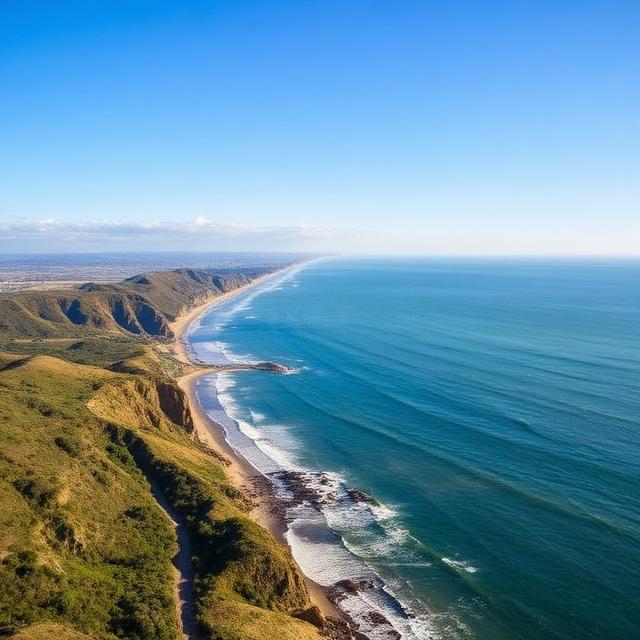
Rio Grande is a major southern fishing port located near productive Atlantic currents that support a wide range of marine life. The mixing of cooler southern waters creates strong feeding grounds for both pelagic and bottom species. Offshore waters here are known for consistent action during peak migration seasons. It is an important hub for both commercial and sportfishing activity.
Types of Fish: Tuna, mackerel, croaker, shark, bonito, seasonal billfish
Where to Fish: Offshore Atlantic waters ➤ continental shelf break ➤ deep-sea structures ➤ current convergence zones ➤ coastal drop-offs
Remote Offshore & Island Zones
Brazil’s remote offshore and island fishing zones are among the most extreme and least accessible sportfishing environments in the Atlantic Ocean. These locations sit far from the mainland, often surrounded by deep ocean trenches, strong currents, and highly oxygenated waters that attract large pelagic predators. Because of their isolation, they support some of the healthiest fish populations, including giant tuna, blue marlin, wahoo, and other trophy species. Saint Peter & Saint Paul Archipelago, Rocas Atoll, Abrolhos Archipelago, Trindade Island, and the Martim Vaz Islands are the most iconic remote fishing zones in Brazil.
Saint Peter and Saint Paul Archipelago

The Saint Peter & Saint Paul Archipelago is one of the most extreme offshore fishing locations in the Atlantic, located far from Brazil’s mainland. These volcanic rocks rise from deep ocean waters, creating a unique ecosystem that attracts giant pelagic predators. The area is especially famous for trophy-sized yellowfin tuna and blue marlin. Its isolation and strong currents make it one of the most challenging but rewarding fishing zones in the world.
Types of Fish: Giant yellowfin tuna, blue marlin, wahoo, mahi-mahi, sailfish
Where to Fish: Deep offshore waters ➤ volcanic drop-offs ➤ pelagic migration corridors ➤ current convergence zones ➤ seamount edges
Rocas Atoll

Rocas Atoll is Brazil’s only atoll and a UNESCO-listed marine reserve, known for its crystal-clear waters and abundant marine life. The surrounding reef system supports a rich food chain that attracts large pelagic predators. Fishing is highly regulated, but the ecosystem remains one of the most productive in the Atlantic. It is especially known for strong seasonal presence of tuna and reef-associated species.
Types of Fish: Tuna, wahoo, mahi-mahi, snapper, grouper, barracuda
Where to Fish: Reef lagoon zones ➤ outer reef drop-offs ➤ deep Atlantic currents ➤ pelagic feeding corridors ➤ coral reef edges
Abrolhos Archipelago (Bahia)

The Abrolhos Archipelago is one of Brazil’s most important marine biodiversity hotspots, combining reef systems with offshore pelagic waters. The area is famous for humpback whales, but it also offers excellent sportfishing opportunities. Nutrient-rich waters support a wide range of game fish year-round. It is a key destination for both conservation and offshore fishing activity.
Types of Fish: Tuna, mahi-mahi, wahoo, snapper, grouper, sailfish (seasonal)
Where to Fish: Offshore reef systems ➤ coral plateaus ➤ deep-water drop-offs ➤ current channels ➤ pelagic migration routes
Trindade Island

Trindade Island is a remote volcanic island located far off the Brazilian coast, surrounded by deep Atlantic waters. The isolation of the island creates an untouched marine environment with excellent conditions for trophy pelagic fishing. Strong currents bring in large migratory species throughout the year. It is considered one of Brazil’s most iconic offshore fishing destinations.
Types of Fish: Blue marlin, giant tuna, wahoo, mahi-mahi, sailfish
Where to Fish: Offshore volcanic slopes ➤ deep ocean drop-offs ➤ seamount edges ➤ pelagic migration corridors ➤ current convergence zones
Martim Vaz Islands

The Martim Vaz Islands are among the most isolated fishing zones in the entire Atlantic Ocean, located far east of Brazil’s mainland. These remote volcanic formations rise from deep waters that attract large migratory pelagic species. The extreme isolation helps maintain strong populations of trophy fish. It is a legendary destination for serious offshore anglers seeking giant game fish.
Types of Fish: Giant yellowfin tuna, blue marlin, wahoo, mahi-mahi, sailfish
Where to Fish: Deep offshore waters ➤ volcanic seamounts ➤ pelagic migration routes ➤ current convergence zones ➤ abyssal drop-offs
Conclusion: Best Deep Sea Fishing Destinations in Brazil
Brazil is one of the most exciting deep sea fishing destinations in the world, offering an incredible mix of tropical waters, strong ocean currents, and diverse marine life. From the busy coastal hubs like Rio de Janeiro and Santos to remote paradises like Fernando de Noronha and Jericoacoara, every region brings something different to the table.
Northern and northeastern Brazil are especially famous for trophy fishing, with hotspots like Natal, Recife, and Fortaleza producing world-class blue marlin, sailfish, and tuna. Meanwhile, southern and southeastern destinations such as Florianópolis, Itajaí, and Rio Grande offer excellent variety, combining reef fishing, offshore pelagic action, and more relaxed fishing environments.
What makes Brazil truly special is its consistency—warm waters and nutrient-rich currents keep fish populations active year-round. Whether you’re chasing a record-breaking marlin or enjoying a relaxed offshore trip near the coast, Brazil offers something for every skill level and style of angler.
In the end, these destinations highlight why Brazil is considered a global deep sea fishing powerhouse: rich biodiversity, stunning coastlines, and unforgettable fishing experiences across every region.
FAQ: Deep Sea Fishing in Brazil
1. What is the best time for deep sea fishing in Brazil?
Fishing is good year-round, but the best conditions for marlin and sailfish are typically during warmer months when currents are strongest and baitfish are abundant.
2. What are the most common fish caught in Brazil?
Blue marlin, sailfish, yellowfin tuna, dorado (mahi-mahi), wahoo, snapper, and grouper are among the most common species.
3. Which region in Brazil is best for trophy fishing?
Northeast Brazil is the top region for trophy fish, especially places like Natal, Fernando de Noronha, and Cabo Frio, which are famous for blue marlin and sailfish.
4. Is deep sea fishing in Brazil good for beginners?
Yes. Many locations such as Rio de Janeiro, Guarujá, and Maceió offer professional charters that cater to beginners as well as experienced anglers.
5. Do I need a fishing license in Brazil?
Most tourists fishing with licensed charter companies do not need a personal fishing license, as permits are usually included.
6. What makes Brazil’s fishing waters so productive?
Brazil benefits from warm Atlantic currents and nutrient-rich waters that attract large schools of baitfish, which in turn support big game predators like tuna and marlin.
7. Are fishing charters easy to find in Brazil?
Yes. Major coastal cities and tourist destinations have well-established charter services with experienced crews and modern equipment.
8. Can I combine fishing with tourism in Brazil?
Absolutely. Many fishing destinations also offer beaches, islands, nightlife, cultural sites, and eco-tourism, making Brazil ideal for mixed adventure trips.


Leave a Reply