Planning an Arctic adventure doesn’t mean packing your entire winter wardrobe. With the right Arctic capsule wardrobe, you can stay warm, comfortable, and stylish while creating multiple outfits from just a few versatile pieces. From insulated parkas and thermal base layers to winter boots and cold-weather accessories, every item should serve a purpose.
In this guide, we’ll break down 10 essential pieces for Arctic travel and show you how to mix and match them into practical outfits for sightseeing, outdoor adventures, cozy evenings, and travel days. Whether you’re heading to Iceland, Finland, Norway, Alaska, or another snowy destination, this capsule wardrobe will help you pack smarter without sacrificing warmth or style.
- Insulated Parka — Black, Navy, or Deep Olive
- Lightweight Down Puffer — Black or Charcoal
- Merino Wool Base-Layer Top — Charcoal or Black
- Thermal Leggings/Base Layer — Black
- Merino or Cashmere Turtleneck — Cream
- Chunky Wool Sweater — Oatmeal, Camel, or Charcoal
- Dark Straight-Leg Jeans — Dark Indigo
- Wool Trousers — Charcoal or Black
- Insulated Waterproof Boots — Black
- Oversized Wool/Cashmere Scarf — Camel, Cream, or Burgundy
- 12 Easy Outfit Combinations
- Conclusion
- FAQ: Arctic Capsule Wardrobe
Insulated Parka — Black, Navy, or Deep Olive
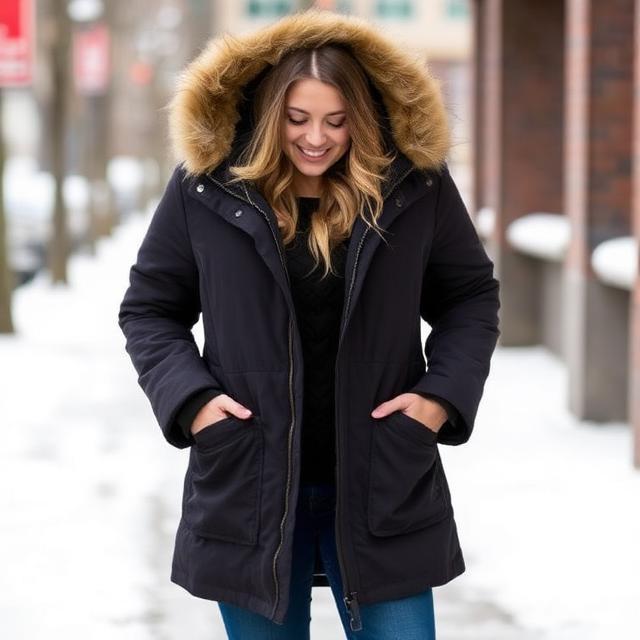
An insulated parka is the foundation of an Arctic-ready wardrobe, designed to protect you from biting wind, snow, and freezing temperatures. Look for a generously insulated style with a weather-resistant outer shell, a protective hood, and enough room for layers underneath. Black, navy, and deep olive are especially versatile and work seamlessly with the rest of a capsule wardrobe. Choose a streamlined silhouette for a polished look that feels just as appropriate in the city as it does in the wilderness.
Lightweight Down Puffer — Black or Charcoal

A lightweight down puffer provides exceptional warmth without the bulk of a traditional winter coat. It can be worn on its own during moderately cold days or layered underneath your parka when temperatures drop dramatically. Black and charcoal make the puffer easy to combine with sweaters, trousers, jeans, and other outerwear. For maximum versatility, choose a packable design with a relatively slim profile.
Merino Wool Base-Layer Top — Charcoal or Black

A merino wool base layer is one of the most valuable pieces in an extreme-cold wardrobe because it provides warmth while remaining lightweight and breathable. The fabric helps regulate body temperature and can be worn comfortably beneath sweaters, puffers, and parkas. Charcoal or black keeps the layer discreet and easy to coordinate with the rest of your wardrobe. Choose a close-fitting but comfortable style so it layers smoothly without creating unnecessary bulk.
Thermal Leggings/Base Layer — Black

Thermal leggings create an invisible layer of warmth underneath jeans, wool trousers, or other winter bottoms. A good pair should fit close to the body while remaining flexible enough for walking, traveling, and everyday activities. Black is the most practical choice because it disappears easily beneath darker trousers and jeans. On especially cold days, this simple layer can make a significant difference in overall comfort without changing the appearance of your outfit.
Merino or Cashmere Turtleneck — Cream

A cream merino or cashmere turtleneck combines insulation with an effortlessly polished appearance. Its high neckline provides additional protection from cold air while creating a refined foundation beneath sweaters, puffers, and coats. Cream adds brightness to a winter wardrobe dominated by darker outerwear and pairs beautifully with camel, charcoal, navy, and black. Choose a lightweight knit for layering or a slightly heavier version when you plan to wear it as a primary sweater.
Chunky Wool Sweater — Oatmeal, Camel, or Charcoal

A chunky wool sweater is the substantial mid-layer that brings both warmth and texture to the capsule wardrobe. Its generous knit provides insulation while giving simple outfits a cozy, luxurious feel. Oatmeal, camel, and charcoal are particularly versatile shades that complement both dark denim and tailored wool trousers. Look for a relaxed but not excessively oversized fit so you can comfortably wear it beneath a parka.
Dark Straight-Leg Jeans — Dark Indigo

Dark straight-leg jeans are the everyday workhorse of the capsule, offering a casual alternative to tailored winter trousers. A straight silhouette balances bulky sweaters and outerwear while remaining comfortable enough for travel and long days outdoors. Dark indigo looks polished enough to dress up but still feels effortless with chunky knits and insulated boots. For colder climates, choose a sturdy denim with enough room to accommodate thermal leggings underneath.
Wool Trousers — Charcoal or Black

Wool trousers bring a sophisticated element to an otherwise practical Arctic wardrobe. The natural insulating properties of wool make them considerably more winter-friendly than lightweight dress pants, while their tailored shape instantly elevates an outfit. Charcoal and black pair easily with cream turtlenecks, camel sweaters, dark outerwear, and winter boots. A straight or relaxed-leg silhouette also provides enough room for a thermal layer underneath when temperatures become especially harsh.
Insulated Waterproof Boots — Black

Insulated waterproof boots are essential for keeping your feet warm, dry, and secure in snow and icy conditions. Prioritize reliable insulation, a waterproof construction, and a sole with strong traction rather than choosing based on appearance alone. Black is the most versatile color and works with everything from jeans and wool trousers to a full parka-and-puffer combination. A supportive fit and enough room for warm socks are equally important, particularly if you’ll be spending extended periods outdoors.
Oversized Wool/Cashmere Scarf — Camel, Cream, or Burgundy

An oversized wool or cashmere scarf is a small accessory that can make a surprisingly large difference in cold-weather comfort. Wrapped around the neck, it helps seal out drafts while adding another layer of insulation around the face and upper body. Camel and cream create a soft, timeless look, while burgundy introduces a rich accent color to an otherwise neutral capsule. Because it can be styled in several ways, the scarf also gives familiar outfits an easy visual refresh.
12 Easy Outfit Combinations
Conclusion
Building an Arctic capsule wardrobe doesn’t have to mean choosing between warmth and style. With 10 versatile, weather-ready pieces, you can create multiple outfits that keep you comfortable from snowy outdoor adventures to cozy evenings indoors.
The key is to prioritize quality layers, proper insulation, waterproof outerwear, and reliable Arctic footwear. Choose pieces that can be mixed and matched, so you can pack lighter while still being prepared for changing temperatures and conditions.
With a little planning, your winter wardrobe can be practical, stylish, and adventure-ready. So before your next Arctic getaway, choose your essentials wisely, layer with purpose, and step into the cold feeling warm, comfortable, and confident.
FAQ: Arctic Capsule Wardrobe
How many clothes should I pack for an Arctic trip?
For most Arctic trips, a capsule wardrobe of 10–15 versatile clothing pieces, plus appropriate accessories and footwear, can be enough. Focus on layering rather than packing bulky individual outfits.
What are the essential pieces in an Arctic capsule wardrobe?
Key pieces include a thermal base layer, insulating fleece or sweater, insulated parka, waterproof pants, winter boots, warm socks, gloves or mittens, a winter hat, and a neck warmer.
What should I wear in extremely cold Arctic weather?
Use the three-layer system: a moisture-wicking base layer, a warm insulating middle layer, and a windproof, weather-resistant outer layer. Add insulated footwear and accessories to protect your hands, head, and face.
Can an Arctic capsule wardrobe be stylish?
Absolutely. Choose a coordinated color palette and versatile pieces that can be mixed and matched. Neutral shades such as black, cream, gray, navy, and white make it easy to create multiple Arctic travel outfits.
What type of boots are best for Arctic travel?
Look for well-insulated, waterproof winter boots with good traction. If you’ll be walking on ice or deep snow, prioritize boots designed specifically for those conditions rather than ordinary fashion boots.
Are jeans suitable for Arctic travel?
Jeans generally aren’t the best choice for extended outdoor activities in extreme cold because they can become cold and uncomfortable when wet. Thermal leggings or insulated winter pants are usually more practical.
What is the best material for Arctic base layers?
Merino wool and quality synthetic fabrics are popular choices because they help manage moisture while providing warmth. Avoid cotton as your primary base layer for demanding outdoor activities.
How can I avoid overpacking for an Arctic vacation?
Choose pieces that serve multiple purposes and can be layered together. Stick to a coordinated color palette, pack repeatable base layers, and prioritize warmth and function over having a different outfit for every day.
What accessories are essential for Arctic travel?
Don’t overlook insulated gloves or mittens, a warm hat, wool socks, a neck gaiter or scarf, and face protection. These small accessories can make a major difference in cold and windy conditions.
How do I create multiple outfits with a small Arctic wardrobe?
Start with neutral base layers and add one or two insulating layers and a versatile outer layer. Changing your sweater, pants, accessories, or color combinations can create several different looks without adding much to your luggage.




Leave a Reply