The Dead Sea is one of the most unique travel destinations in the world, famous for its salty water, mineral-rich mud, and breathtaking desert landscapes. Located between Jordan and Israel, it offers visitors an unforgettable experience, from floating effortlessly in the water to relaxing at luxurious resorts and exploring nearby historical attractions. Whether you’re planning a relaxing getaway, an adventure-filled holiday, or a day trip, this Dead Sea travel guide covers the best things to do, top attractions, travel tips, and essential information to help you plan your visit.
- Dead Sea Quick Facts
- Dead Sea Entry and Exit Requirements
- Wildlife Found at the Dead Sea
- Natural Disasters and Hazards at the Dead Sea
- Crime and Safety at the Dead Sea
- Dead Sea Emergency Numbers
- Best Time to Visit the Dead Sea
- Dead Sea Minerals and Benefits
- How to Get to the Dead Sea
- Cost to Visit the Dead Sea
- Top Cities to Stay Near the Dead Sea
- What to Wear at the Dead Sea
- Risks of Floating in the Dead Sea
- Tips for Floating Safely in the Dead Sea
- What to Pack for the Dead Sea
- How to Plan Your Trip Online
- Dead Sea Travel Tips
- Ways to Save Money at the Dead Sea
- Conclusion
- FAQ
Dead Sea Quick Facts
- Location: Middle East, between Jordan to the east and Israel and the West Bank to the west.
- Language: Arabic in Jordan; Hebrew and Arabic in Israel. English is commonly spoken in tourist areas.
- Currency: Jordanian dinar (JOD) in Jordan; Israeli new shekel (ILS) in Israel.
- Climate: Hot, dry desert climate with very hot summers and mild winters..
- Time Zone: UTC+2 in winter and UTC+3 during daylight saving time in both Jordan and Israel.
- Famous For: Extremely salty water, floating experiences, mineral-rich mud, and stunning desert landscapes.
Dead Sea Entry and Exit Requirements
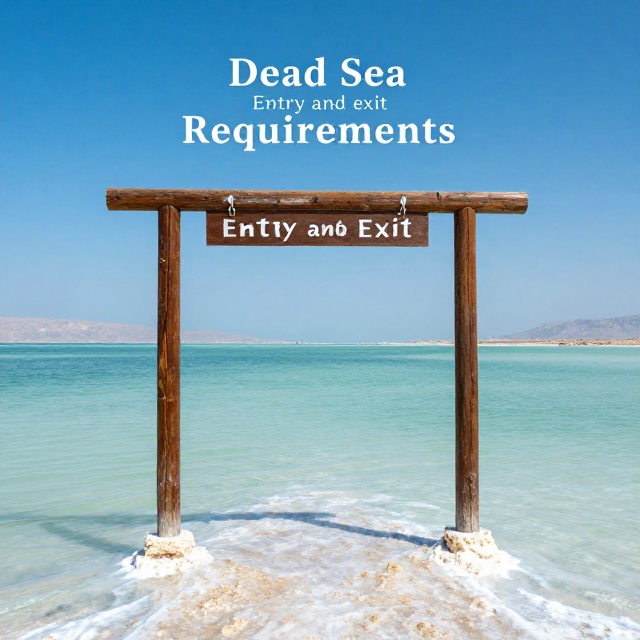
- Passport: Carry a valid passport. Jordan generally requires six months’ validity; Israel’s requirements depend on your entry status.
- Visa or travel authorization: Check visa requirements for Jordan or Israel based on your nationality. Eligible visa-exempt visitors to Israel may need an approved ETA-IL.
- Entry fees: Check applicable beach entrance fees or resort day-pass charges before visiting.
- Border crossings: If traveling between Jordan and Israel, check crossing hours, visa rules, and current border status in advance.
- Hotel booking: Keep your accommodation confirmation and return travel details available.
- Exit requirements: Follow local immigration and customs procedures when leaving the country.
Important: Entry requirements depend on which side of the Dead Sea you visit and your passport nationality. Confirm the latest rules before traveling.re, especially if the trip enters another country’s territorial waters.
Wildlife Found at the Dead Sea
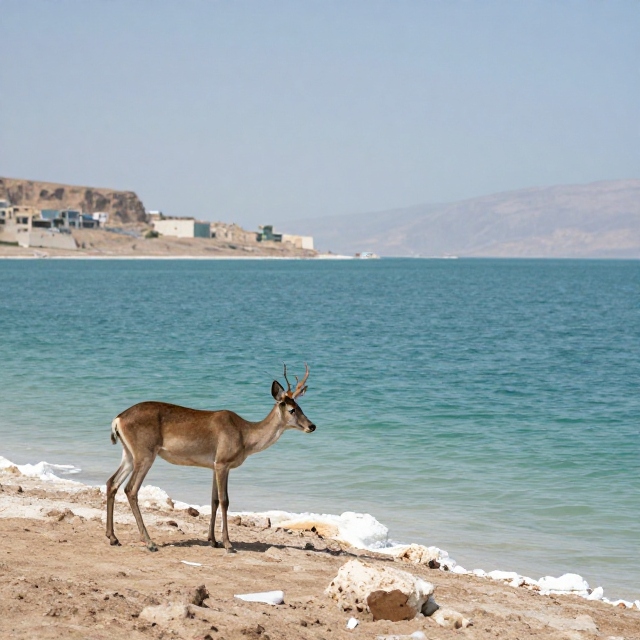
- Birds: Flamingos, herons, storks, and other migratory birds can be spotted in nearby wetlands.
- Ibex: Nubian ibex live on the surrounding rocky desert cliffs.
- Camels: Dromedary camels are found in the surrounding desert region.
- Foxes: Desert foxes inhabit the arid landscapes around the Dead Sea.
- Hares: Cape hares can be found in nearby desert habitats.
- Reptiles: Lizards and snakes live in the surrounding rocky and sandy areas.
- Fish and aquatic life: The Dead Sea itself is too salty for fish and most aquatic animals, but microscopic microorganisms thrive in its waters.
Natural Disasters and Hazards at the Dead Sea
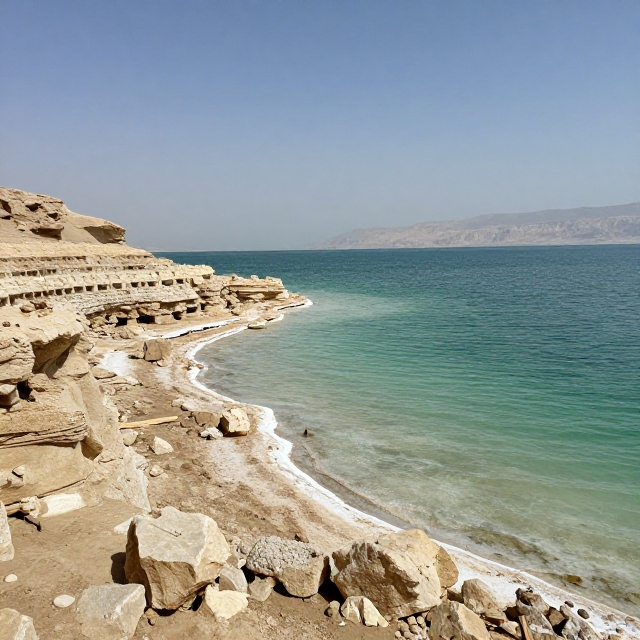
- Earthquakes: The Dead Sea lies along an active fault zone, making earthquakes a natural risk.
- Sinkholes: Ground can suddenly collapse near the shoreline due to changes in underground salt deposits.
- Flash floods: Heavy rainfall can cause sudden flooding in nearby desert valleys and canyons.
- Extreme heat: Summer temperatures can become dangerously high, increasing the risk of dehydration and heat exhaustion.
- Landslides and rockfalls: Unstable cliffs and rocky slopes may collapse, especially after rainfall.
- Drought: Prolonged dry conditions contribute to falling water levels and environmental changes.
Safety tip: Check weather alerts, avoid flooded wadis and unstable shorelines, stay hydrated, and follow local authorities’ instructions.
Crime and Safety at the Dead Sea
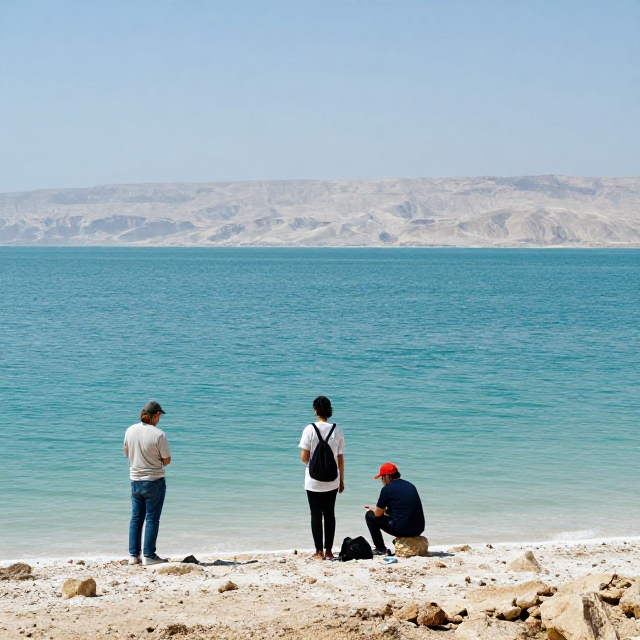
- Petty theft: Keep valuables secure at beaches, parking areas, and tourist sites.
- Vehicle break-ins: Lock your rental car and avoid leaving belongings visible.
- Scams and overcharging: Confirm taxi fares, tour prices, and entrance fees before paying.
- Isolated areas: Avoid visiting remote beaches or desert locations alone after dark.
- Road safety: Drive carefully, especially on desert roads at night.
- Regional security: Check current travel advisories, particularly if visiting areas near international borders.
- Emergency help: Save local emergency numbers and keep your passport and travel insurance details accessible.
Safety tip: The Dead Sea’s main resort areas are popular tourist destinations, but conditions vary by location. Stay aware of your surroundings and follow local guidance.
Dead Sea Emergency Numbers
Emergency numbers depend on which side of the Dead Sea you visit.
Jordan 🇯🇴
- Police, ambulance, fire: 911
- Tourist Police: +962 79 550 5755
Israel 🇮🇱
- Police: 100
- Ambulance: 101
- Fire and rescue: 102
Safety tip: Save these numbers on your phone before traveling and keep your hotel address handy in case you need emergency assistance.
Best Time to Visit the Dead Sea
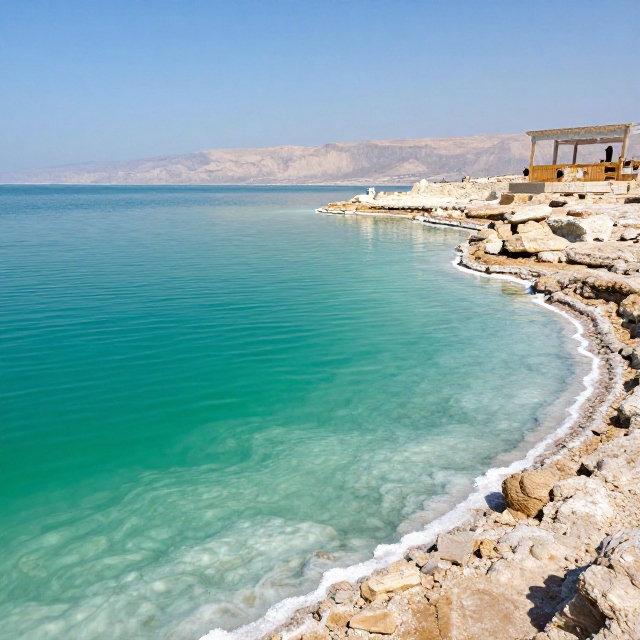
- Spring (March–May): Pleasant temperatures, ideal for floating and sightseeing.
- Summer (June–August): Extremely hot; best for early-morning visits.
- Autumn (September–November): Warm weather, great for relaxing and outdoor activities.
- Winter (December–February): Mild days, cooler evenings, and fewer crowds.
Best overall: Spring and autumn offer the most comfortable weather for visiting the Dead Sea.
Dead Sea Minerals and Benefits
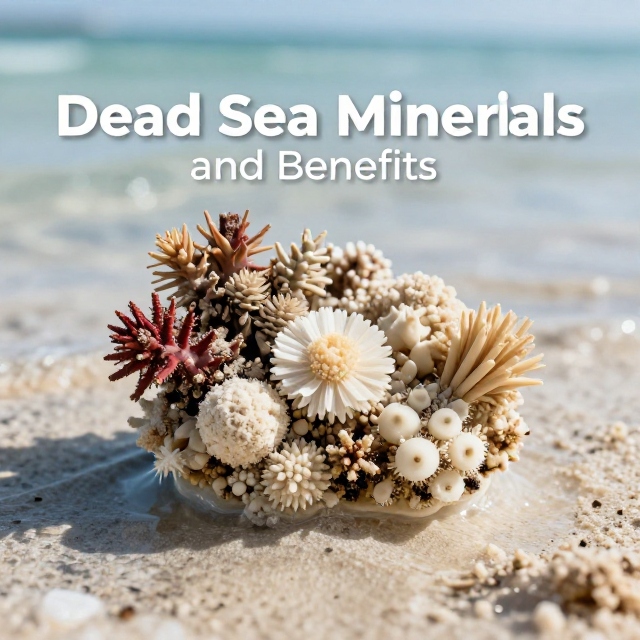
- Magnesium: Helps support the skin barrier and hydration.
- Potassium: Helps maintain skin moisture balance.
- Calcium: Supports skin barrier function.
- Sodium: Helps regulate moisture balance.
- Bromide: Studied for its potential soothing effects.
- Sulfur: Commonly used in skincare products for cleansing.
- Zinc: Supports normal skin function and repair.
Note: Dead Sea mud and mineral products may help soften skin and improve some skin symptoms, but benefits vary, and they are not a cure for skin conditions.
How to Get to the Dead Sea
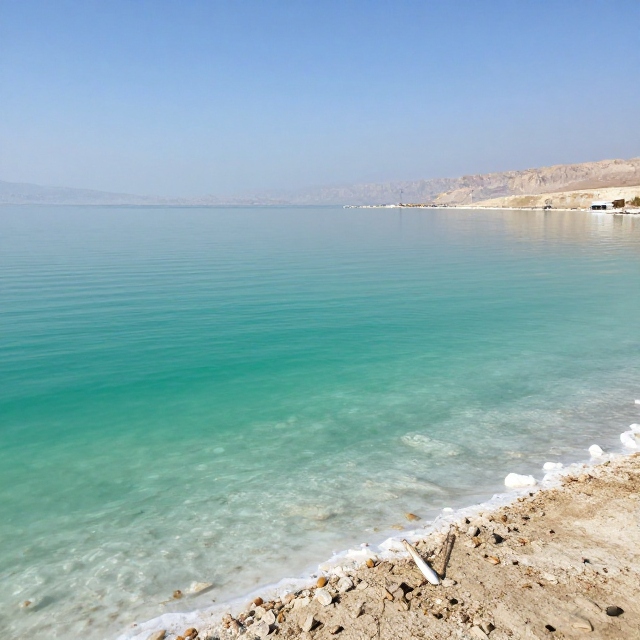
From Jerusalem, Israel: Take a bus or organized tour to Ein Bokek, typically around 1.5–2.5 hours, depending on traffic and routted and departure times vary.
By air: Fly into Queen Alia International Airport (AMM) in Amman, Jordan, or Ben Gurion Airport (TLV) near Tel Aviv, Israel.
From Amman, Jordan: Drive via Route 40 and Route 65; approximately 1 hour.
By taxi: Take a taxi or private transfer from Amman directly to a Dead Sea resort in Sweimeh.
By bus: Check buses from Amman toward the Dead Sea area; services may be limited, so confirm return options.
From Madaba, Jordan: Drive to the Dead Sea in approximately 45–60 minutes.
Final tip: For the easiest journey, arrange a transfer or rent a car from your starting city, especially if you plan to stay overnight at a Dead Sea resort.
Cost to Visit the Dead Sea
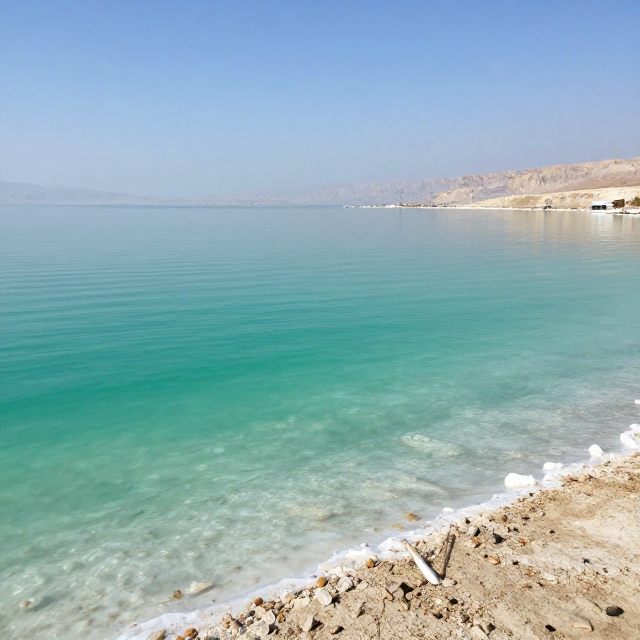
- Beach entrance: 10 JOD in Jordan; free at Ein Bokek, Israel.
- Resort day pass: 20–90 JOD.
- Transport from Amman: 25–40 JOD return by taxi.
- Food and drinks: 5–20 JOD per meal.
- Accommodation: 40–200+ JOD per night in Jordan.
- Organized tour: Prices vary by departure city and inclusions.
Top Cities to Stay Near the Dead Sea
Choosing the right place to stay near the Dead Sea depends on your travel plans, budget, and preferred activities. From relaxing at beachfront resorts to exploring historical sites and enjoying local culture, the surrounding towns and cities offer a variety of accommodation options.
Sweimeh, Jordan
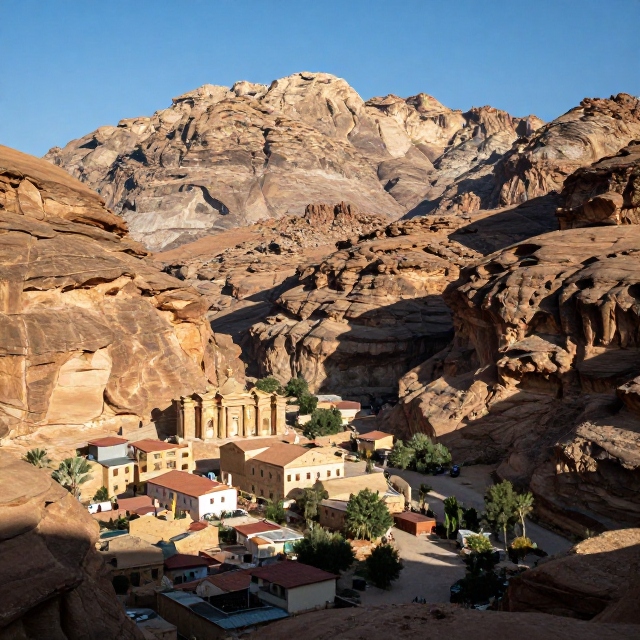
Sweimeh is one of the best places to stay for travelers visiting the Dead Sea in Jordan. Located along the northeastern shore, it is home to luxury resorts, beachfront hotels, spa facilities, and swimming pools. It’s ideal for couples, families, and anyone looking to relax by the water.
Amman, Jordan
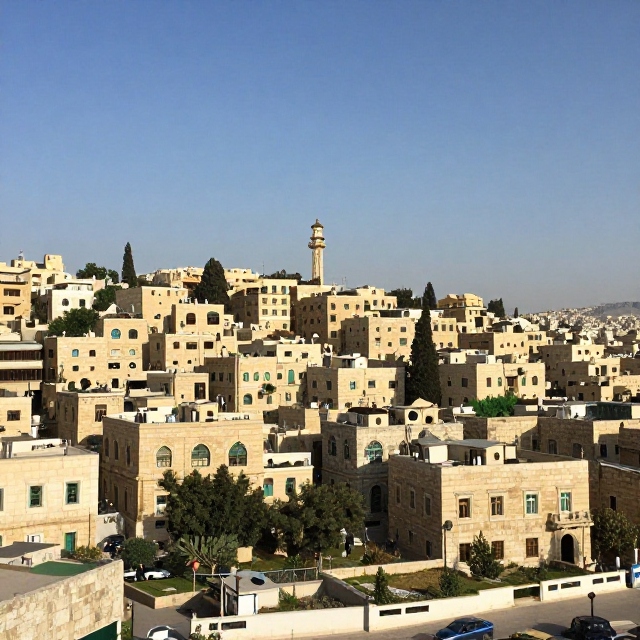
Amman is a convenient base for travelers who want to combine a Dead Sea visit with city sightseeing. Jordan’s capital offers a wide range of hotels, restaurants, shopping areas, and historical attractions. The Dead Sea is generally around an hour’s drive away, depending on your starting point and traffic.
Madaba, Jordan
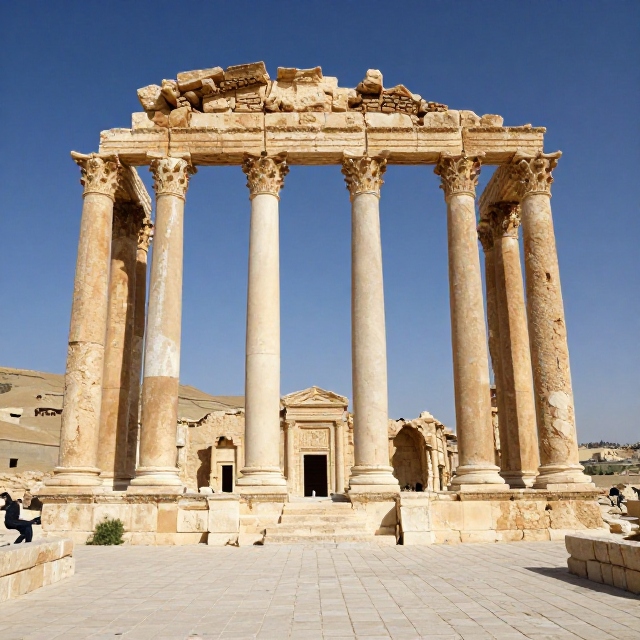
Madaba is known for its historic churches, Byzantine mosaics, and welcoming atmosphere. It is a good option for travelers interested in history and culture who also want to visit the Dead Sea. The city offers guesthouses, boutique hotels, and access to nearby attractions.
Ein Bokek, Israel
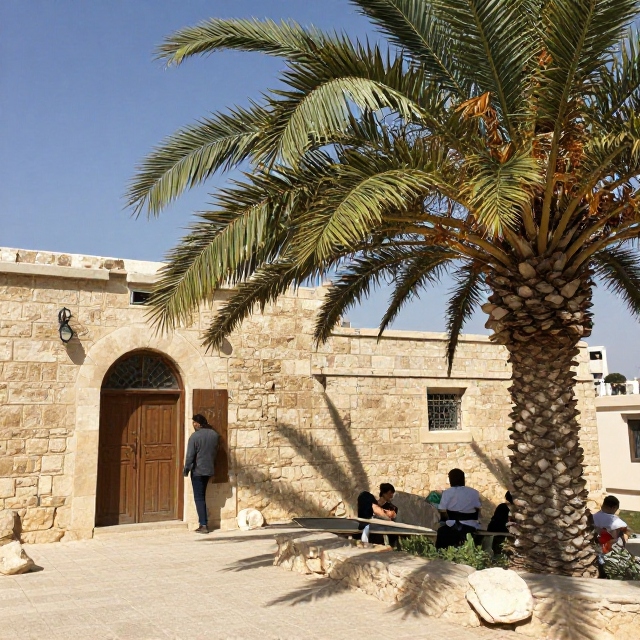
Ein Bokek is a popular resort area on the Israeli side of the Dead Sea. It features beachfront hotels, spa facilities, shopping areas, and designated bathing beaches. It is a great choice for travelers who want a relaxing stay with convenient access to resort amenities.
Arad, Israel
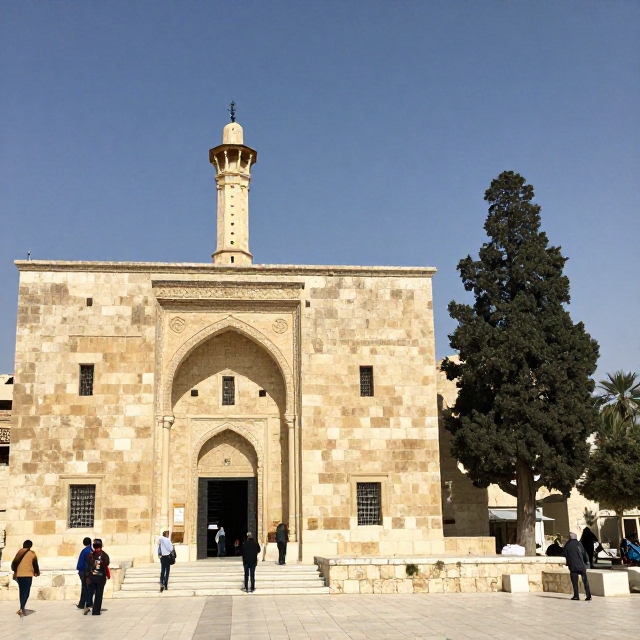
Arad is a quieter town located inland from the Dead Sea. It offers accommodation options that may suit budget-conscious travelers and visitors who prefer a less resort-focused atmosphere. It can also serve as a base for exploring the surrounding desert landscape and nearby attractions.
Neve Zohar, Israel
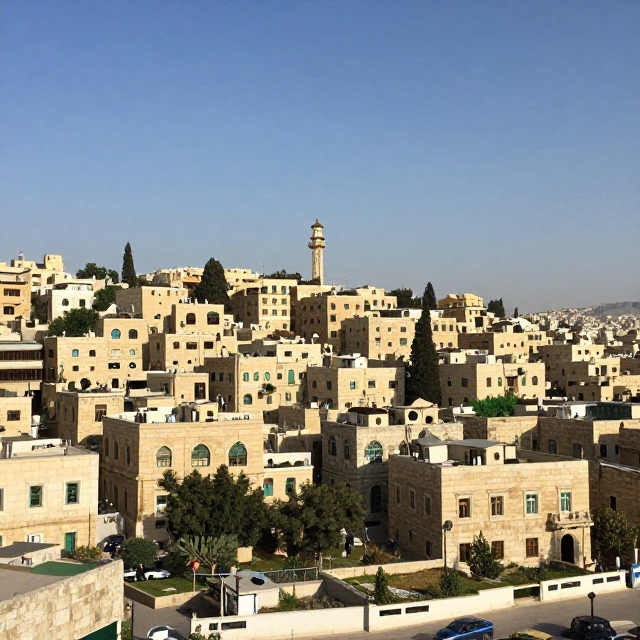
Neve Zohar is a small settlement near the southern Dead Sea resort area. It offers a quieter alternative to the larger hotel district of Ein Bokek, with accommodation options for travelers seeking a peaceful atmosphere and access to the surrounding desert scenery.
Which Place Should You Choose?
- Best for beachfront resorts: Sweimeh, Jordan
- Best for city life and sightseeing: Amman, Jordan
- Best for history and culture: Madaba, Jordan
- Best for resort stays on the Israeli side: Ein Bokek, Israel
- Best for a quieter atmosphere: Arad or Neve Zohar, Israel
Travel tip: The Dead Sea borders Jordan and Israel, so choose your accommodation based on the country you’ll be visiting and the border-crossing arrangements that apply to your itinerary.
What to Wear at the Dead Sea
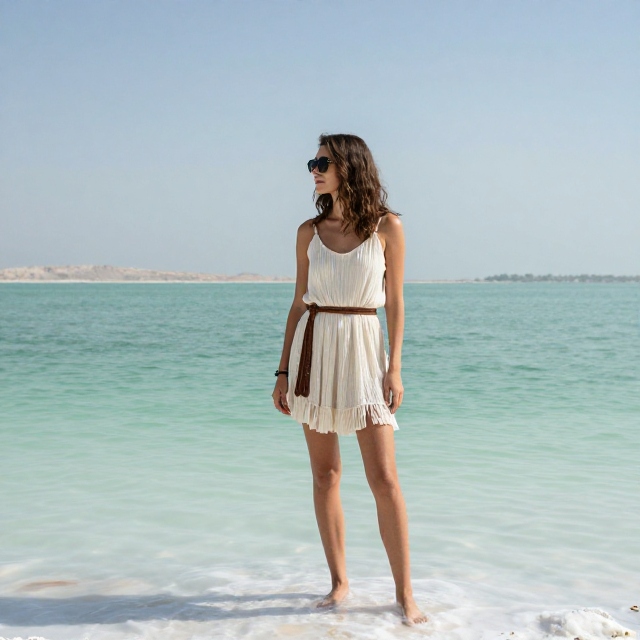
- Swimwear: Pack a swimsuit for floating and relaxing in the Dead Sea.
- Lightweight clothing: Wear breathable fabrics such as cotton and linen in the hot weather.
- Sandals or water shoes: Protect your feet from hot ground and salty shorelines.
- Sun protection: Bring a wide-brimmed hat, sunglasses, and high-SPF sunscreen.
- Cover-ups: Pack a light dress, shorts, or a shirt for walking around resorts and beaches.
- Modest clothing: Wear clothes that cover your shoulders and knees when visiting religious sites or local communities.
- Comfortable shoes: Bring walking shoes if you plan to explore nearby attractions.
Travel tip: Avoid shaving immediately before floating, as the salty water can sting irritated skin. Pack a change of clothes and fresh water to rinse off after your swim.
Risks of Floating in the Dead Sea
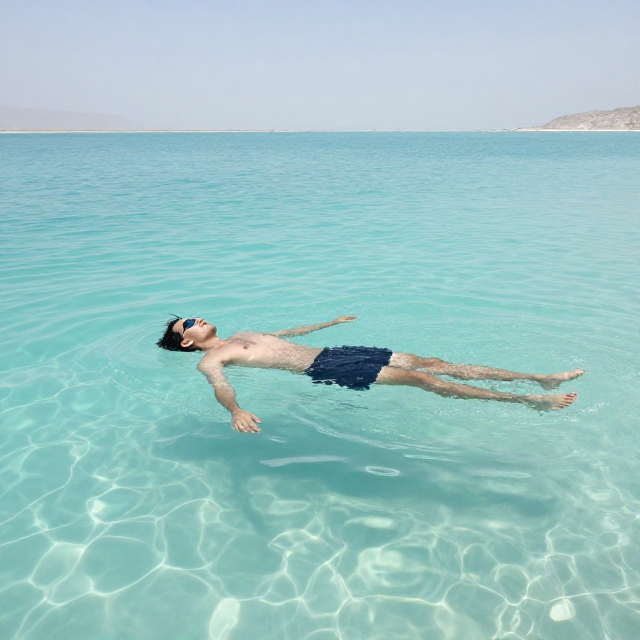
- Saltwater in eyes: Causes intense stinging and irritation.
- Swallowing water: Can cause serious illness due to its extreme salt concentration.
- Skin irritation: May burn open cuts, wounds, and freshly shaved skin.
- Slipping and falling: Salt formations and shorelines can be slippery or sharp.
- Dehydration: Heat and sun exposure can lead to fluid loss.
- Difficult movement: High buoyancy makes normal swimming and turning onto your stomach challenging.
- Sinkholes: Unstable ground near some shorelines can be dangerous.
Safety tip: Float on your back, keep your face above water, avoid swallowing water, limit sessions to around 10–15 minutes, and rinse off with fresh water afterward.
Tips for Floating Safely in the Dead Sea
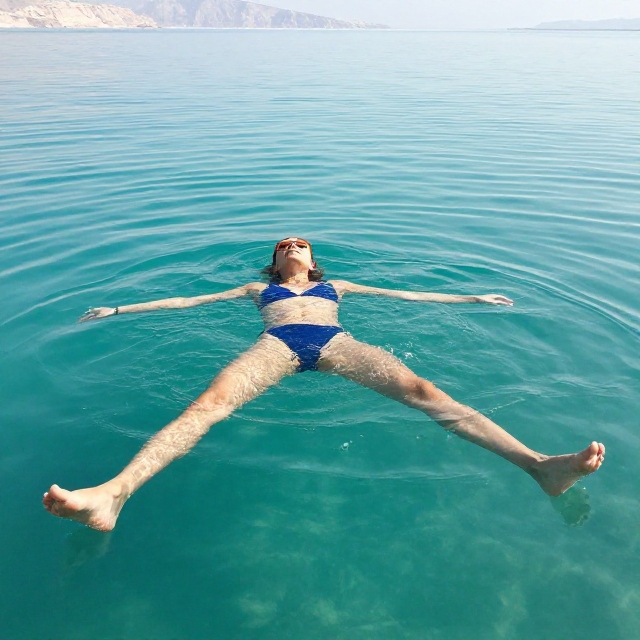
- Enter slowly: Walk carefully into the water using a designated beach entrance.
- Float on your back: Lean back gently and let the salty water support your body. Avoid trying to swim normally.
- Keep your face above water: Never dunk your head or splash water into your eyes or mouth.
- Avoid swallowing water: Dead Sea water has an extremely high salt concentration and can be dangerous if swallowed.
- Protect cuts and scratches: Avoid entering the water if you have open wounds or freshly shaved skin.
- Wear water shoes: Protect your feet from sharp salt formations and slippery surfaces.
- Limit your floating time: Aim for 10–15 minutes per session, or less if you feel uncomfortable. Follow posted beach guidance and take breaks between sessions.
- Rinse off afterward: Use fresh water to remove salt from your skin.
- Stay hydrated: Bring drinking water, especially in hot weather.
- Follow local safety guidance: Avoid entering during rough conditions and stay away from unstable shorelines and sinkhole areas.
Travel tip: Floating for around 10–15 minutes is generally enough to enjoy the unique experience. There is no need to stay in the water for a long time. Leave immediately if you experience eye irritation, dizziness, nausea, or discomfort.
What to Pack for the Dead Sea
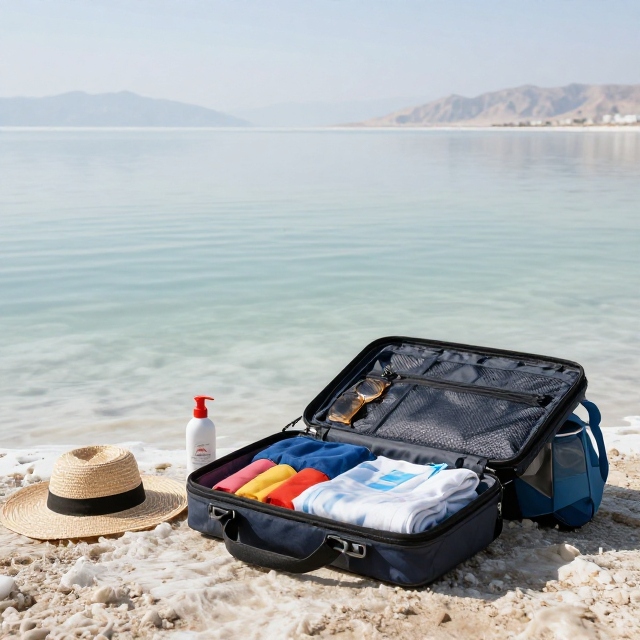
- Swimwear: Bring a swimsuit for floating in the salty water.
- Sun protection: Pack sunscreen, sunglasses, and a wide-brimmed hat.
- Footwear: Bring sandals or water shoes to protect your feet.
- Towels: Pack a beach towel and a change of clothes.
- Skincare: Bring moisturizer and fresh water to rinse off salt.
- Clothing: Pack lightweight outfits, a cover-up, and modest clothing for religious sites.
- Travel documents: Carry your passport, visa if required, hotel bookings, and travel insurance details.
- Essentials: Bring drinking water, personal medications, toiletries, and a waterproof bag for valuables.
- Electronics: Pack your phone, charger, power bank, and a waterproof phone pouch.
Travel tip: Avoid getting Dead Sea water in your eyes or mouth, and don’t enter the water with open cuts.
How to Plan Your Trip Online
- Flights and Hotels: Find great flight deals and comfortable stays near the Dead Sea with Booking.com.
- Tours and Experiences: Discover unforgettable Dead Sea excursions, guided tours, and local adventures on Viator.
- Travel Insurance: Travel with greater peace of mind by comparing coverage options through VisitorsCoverage.
- Fishing Charters: Add a fishing adventure to your trip by exploring charter options on FishingBooker.
- Airport Transfers and Car Rentals: Arrange your transportation in advance for a smooth, stress-free journey to your Dead Sea resort.
Travel tip: Book your flights, accommodation, and favorite activities early to secure better options and make the most of your Dead Sea getaway!
Dead Sea Travel Tips
- Visit in spring or autumn: Enjoy more comfortable temperatures for floating and sightseeing.
- Arrive early: Avoid midday heat and enjoy a quieter beach experience.
- Choose your side: Decide between Jordan and Israel based on your itinerary and entry requirements.
- Bring swimwear and water shoes: Protect your feet from sharp salt formations.
- Float safely: Stay on your back, keep your face above water, and never swallow the water.
- Protect your skin: Apply sunscreen and avoid entering the water with cuts or freshly shaved skin.
- Stay hydrated: Carry plenty of drinking water, especially during summer.
- Book accommodation early: Reserve popular beachfront hotels ahead of peak travel periods.
- Check local conditions: Review weather forecasts, travel advisories, and beach safety notices.
- Carry cash and cards: Keep some local currency for entrance fees, transport, and small purchases.
- Explore nearby attractions: Consider visiting Ein Gedi, Madaba, Mount Nebo, or other sites depending on which country you’re visiting.
- Respect local customs: Dress modestly when visiting religious sites and local communities.
Ways to Save Money at the Dead Sea
- Travel off-season: Visit outside peak holiday periods for potentially lower hotel rates.
- Book accommodation early: Compare prices and look for special offers on hotels.
- Stay in nearby cities: Consider Amman or Madaba in Jordan instead of beachfront resorts.
- Choose public beaches: Look for free public beaches, particularly at Ein Bokek in Israel.
- Bring your own essentials: Pack towels, sunscreen, swimwear, and drinking water to avoid resort prices.
- Use shared transport: Compare public buses and group tours with private transfers.
- Pack snacks: Save on food costs by bringing suitable snacks and buying meals locally.
- Compare day passes: Check what is included in resort entrance fees before paying.
- Travel with others: Share taxi fares, rental car costs, or accommodation expenses.
- Book activities wisely: Compare tour prices and avoid paying for experiences already included in your hotel package.
Money-saving tip: Plan your transportation, beach access, and accommodation together to avoid unexpected costs during your Dead Sea trip.
Conclusion
A visit to the Dead Sea is a memorable experience filled with natural beauty, relaxation, and unique adventures. From floating in its highly salty water to enjoying mineral mud treatments and exploring the surrounding desert landscapes, there is something for every traveler. With the right planning, you can make the most of your trip and enjoy everything this extraordinary destination has to offer. Use this Dead Sea travel guide to plan your journey, discover the top attractions, and create unforgettable travel memories.
FAQ
1. What is the Dead Sea famous for?
The Dead Sea is famous for its extremely salty water, which allows people to float easily, as well as its mineral-rich mud and beautiful desert scenery.
2. What is the best time to visit the Dead Sea?
Spring (March to May) and autumn (September to November) are generally the best times to visit, thanks to warmer, more comfortable weather.
3. Can you swim in the Dead Sea?
You can float in the Dead Sea, but traditional swimming is not recommended. Avoid getting water in your eyes or mouth, and do not enter the water if you have open cuts.
4. How long should you spend at the Dead Sea?
A day trip is enough to experience floating and relaxing by the water. Staying one or two nights allows more time to enjoy resorts and explore nearby attractions.
5. What should you bring to the Dead Sea?
Bring a swimsuit, towel, sandals, drinking water, sunscreen, and fresh water to rinse off after floating. Avoid shaving immediately before your visit, as salt water can irritate the skin.
6. Is the Dead Sea worth visiting?
Yes! The Dead Sea offers a rare natural experience, scenic landscapes, wellness treatments, and opportunities to relax, making it a worthwhile addition to many Middle Eastern travel itineraries.
7. Is the Dead Sea safe for tourists?
The Dead Sea can be safe to visit when you follow local guidance, use designated bathing areas, and avoid swallowing the water. Always check current travel advisories and local conditions before your trip.



Leave a Reply